How to Change Puppy Food Without Causing Diarrhea: The 7-Day Trick
Welcome to the World of Puppy Parenthood!
Bringing a new puppy home is one of life’s greatest joys. From the tiny tail wags to the puppy-breath kisses, every moment feels like a scene from a heartwarming movie. However, as any savvy dog owner knows, puppies come with their own set of challenges—specifically, their incredibly sensitive digestive systems. One of the most common hurdles new owners face is switching their puppy’s food. Whether you’re moving from the breeder’s choice to a premium brand or transitioning from puppy to adult kibble, doing it too fast can lead to the dreaded ‘puppy diarrhea.’
As a canine specialist, I’ve seen countless well-meaning owners make the mistake of a ‘cold turkey’ switch, only to spend the next three days cleaning carpets and worrying about their pup’s hydration. That is exactly why we use the 7-Day Trick. This method isn’t just a suggestion; it is a scientifically-backed approach to maintaining the delicate balance of your puppy’s gut microbiome while introducing new nutrients. In this guide, we are going to dive deep into why this transition matters, how to execute the 7-day plan perfectly, and what to do if things don’t go exactly as expected.
Pro Tip: Your puppy’s gut is home to billions of bacteria that help digest food. A sudden change in diet is like an earthquake to that ecosystem!
The Science of the Puppy Gut: Why Slow is Smooth
The Delicate Microbiome
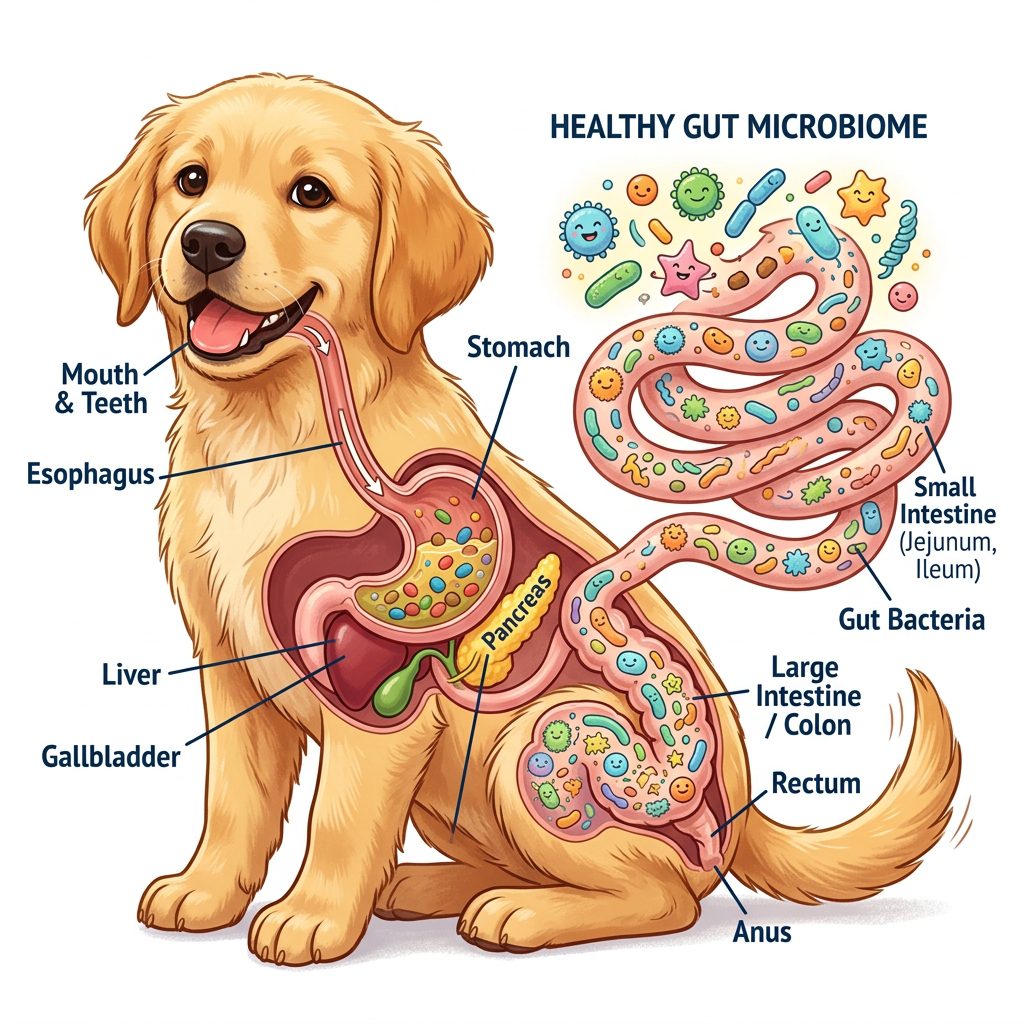
To understand why we need a 7-day transition, we first have to look at what’s happening inside your puppy’s belly. A puppy’s digestive tract is significantly more sensitive than an adult dog’s. Their ‘microbiome’—the community of beneficial bacteria living in their intestines—is still developing. These bacteria are specialized; some are great at breaking down chicken proteins, while others handle beef or grains. When you suddenly introduce a new food, the existing bacteria are caught off guard. They can’t process the new ingredients fast enough, leading to fermentation, gas, and osmotic diarrhea.
The Role of Enzymes
Beyond bacteria, your puppy’s pancreas produces specific enzymes to break down their current food. A sudden shift in the protein or fat source requires the pancreas to adjust its ‘recipe’ for these enzymes. This adjustment period is where the 7-day trick shines, as it allows the body to gradually ramp up the production of the necessary enzymes without causing inflammatory stress. By taking it slow, you ensure that the nutrients in the new, high-quality food you’ve chosen are actually being absorbed rather than just passing straight through.
The 7-Day Trick: Your Step-by-Step Transition Schedule
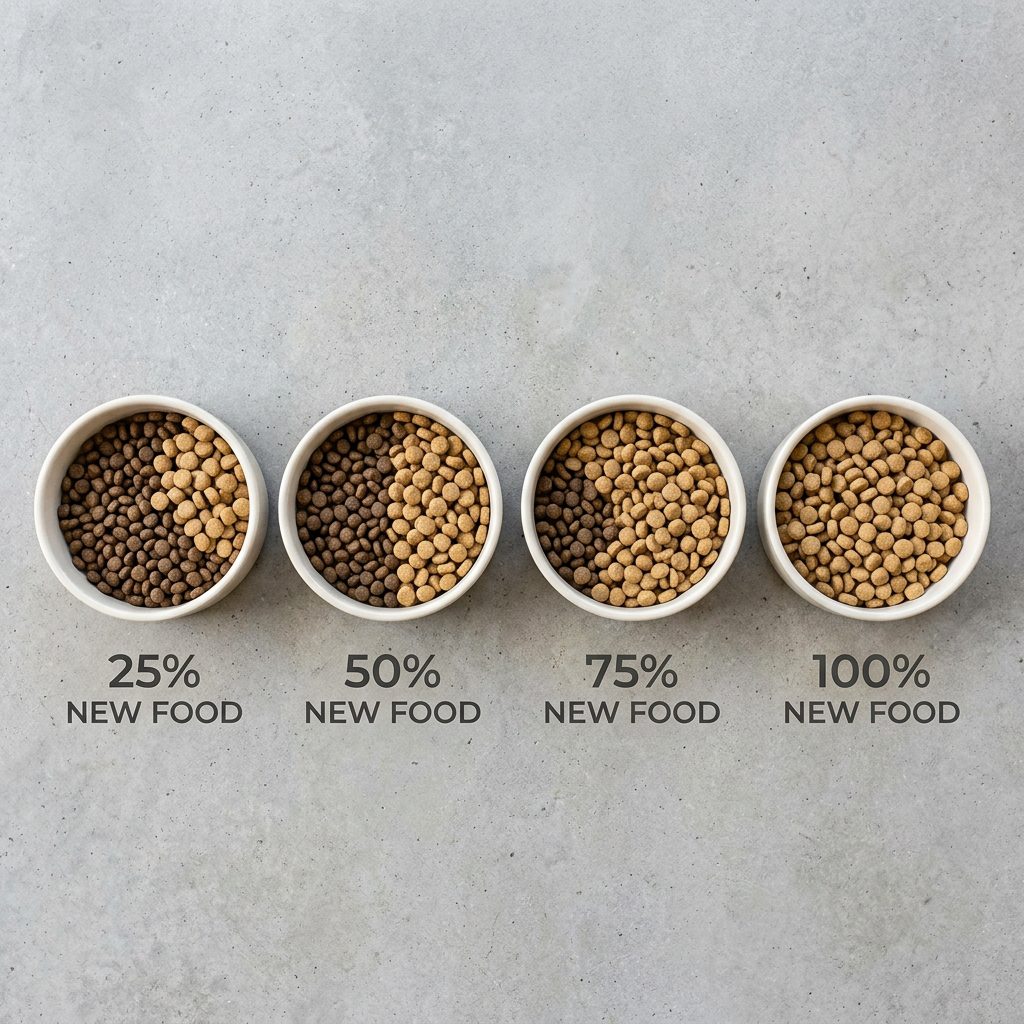
The Golden Ratio of Food Mixing
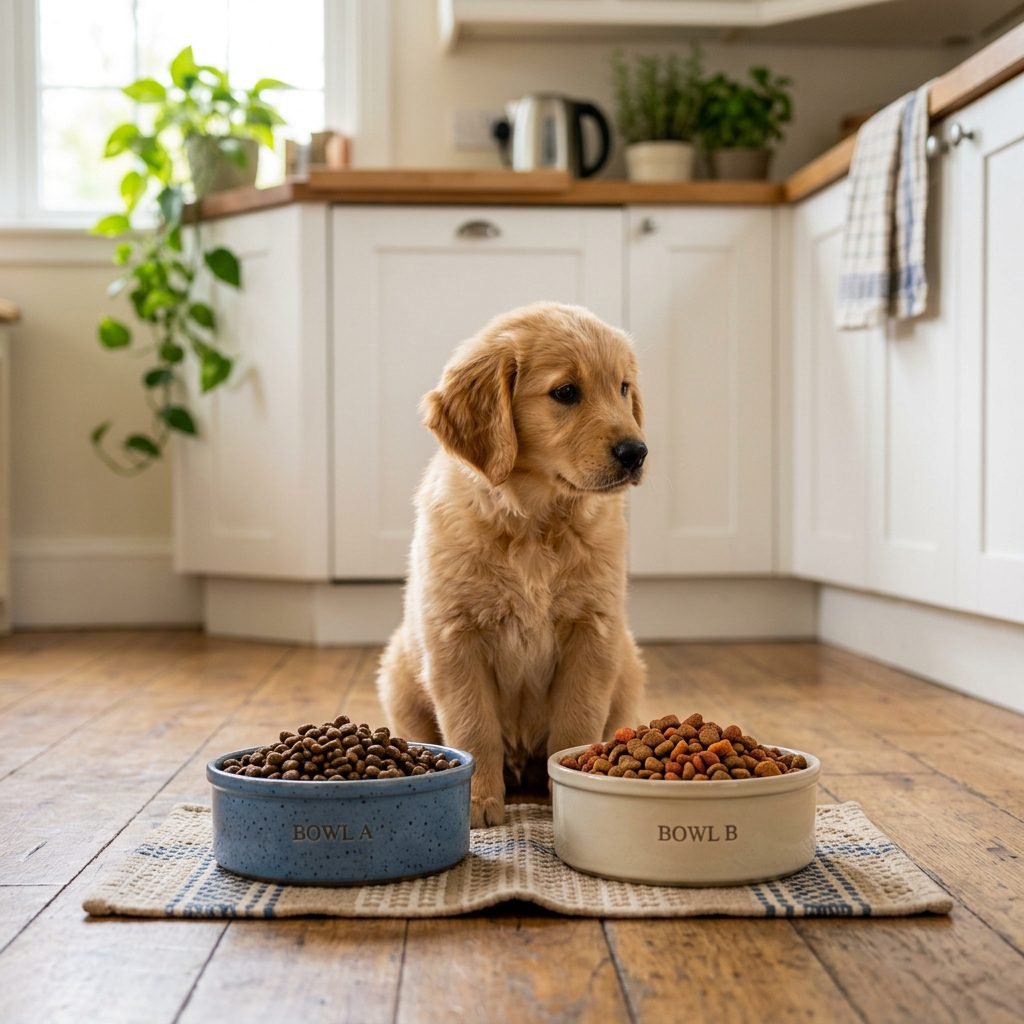
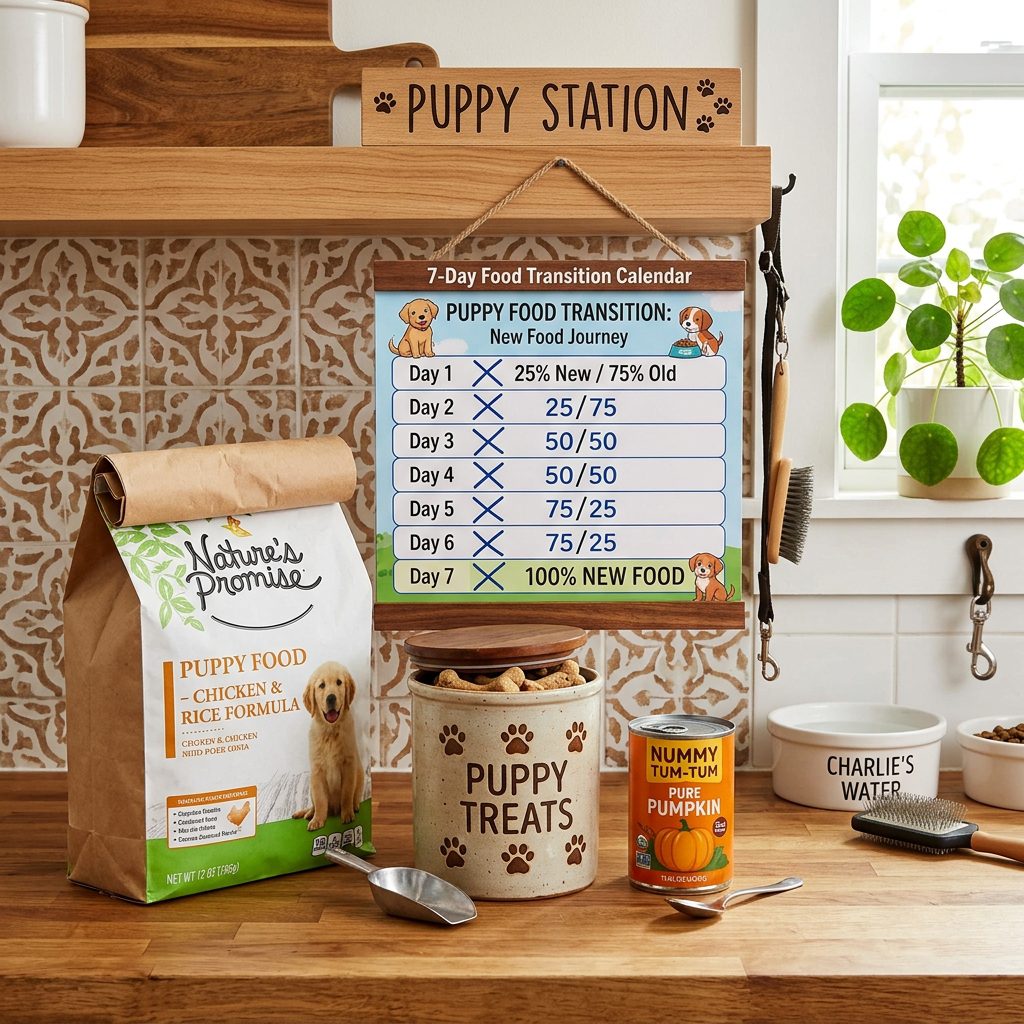
The 7-Day Trick is all about gradual ratios. You aren’t just mixing food; you are retraining the digestive system. Here is the exact breakdown of how you should fill your puppy’s bowl over the course of a week. Always measure by weight or volume to ensure accuracy!
| Transition Phase | Days | Old Food Amount | New Food Amount |
|---|---|---|---|
| Phase 1: The Introduction | Days 1 & 2 | 75% | 25% |
| Phase 2: The Halfway Mark | Days 3 & 4 | 50% | 50% |
| Phase 3: The Final Stretch | Days 5 & 6 | 25% | 75% |
| Phase 4: Full Transition | Day 7+ | 0% | 100% |
Customizing for Super-Sensitive Pups
If your puppy is known to have a particularly ‘glass stomach,’ don’t be afraid to stretch this out to a 10-day or even a 14-day trick. In those cases, you would simply stay at each phase for 3 to 4 days instead of 2. The goal is firm stools. If at any point the stool becomes soft, stay at that current ratio for an extra two days before increasing the new food again. This patience prevents the ‘yo-yo’ effect of digestive upset.
Identifying Digestive Distress: What is Normal?
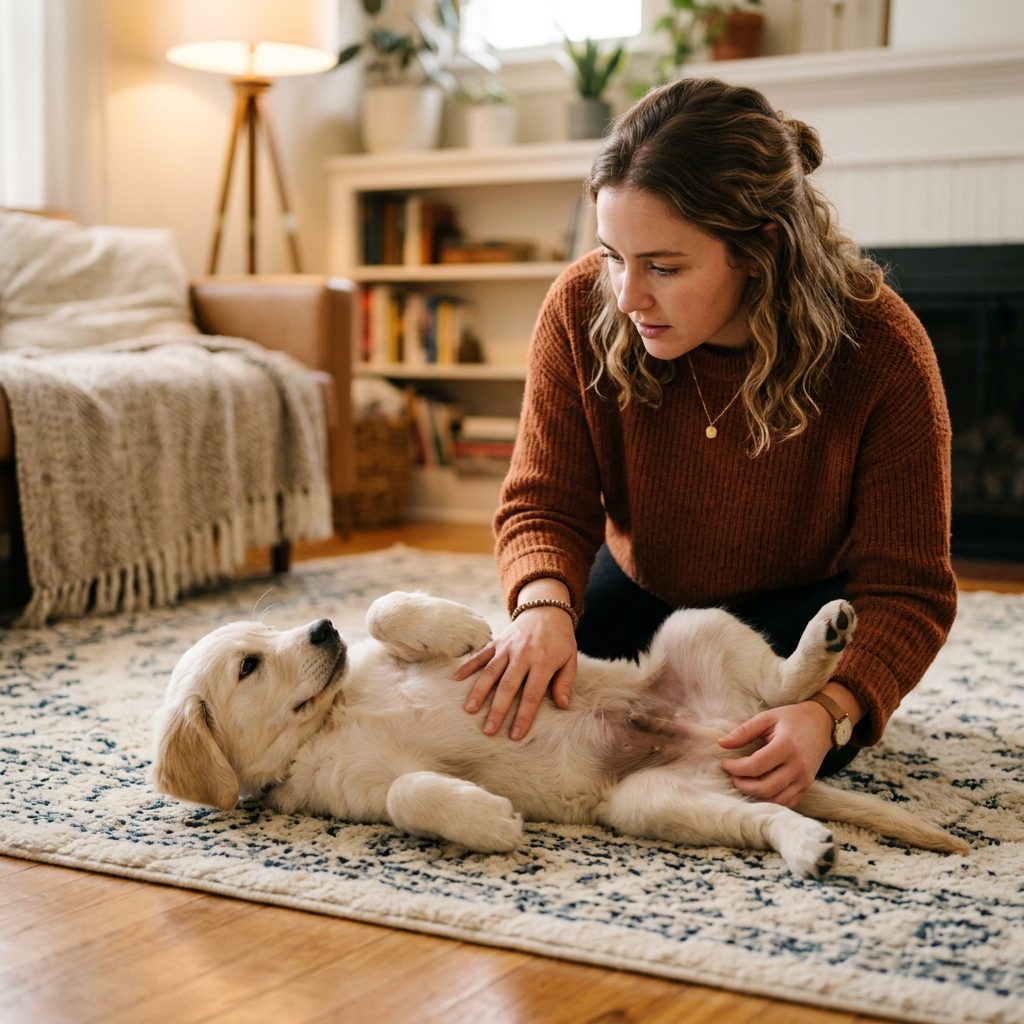
The ‘Stool Scale’ Awareness
As a savvy dog owner, you’re going to become a bit of a poop detective. It’s not the most glamorous part of puppy ownership, but it’s the most informative. During the 7-day transition, you might notice slight changes in color or consistency. This is often normal as long as the puppy is still energetic and eating well. However, you need to know the difference between ‘transitional soft stool’ and ‘diarrhea.’
- Normal Transition: Stools that are slightly softer than usual but still have a distinct shape and can be picked up easily.
- Mild Upset: Stools that are the consistency of soft-serve ice cream. This is a sign to slow down the transition.
- Diarrhea: Liquid or watery stools that occur more frequently than usual. This requires immediate attention.
Behavioral Red Flags
Keep an eye on your puppy’s overall demeanor. A healthy transition means the puppy is still playful, hydrated, and eager to eat. If you notice lethargy, excessive gas that seems painful, or a sudden refusal to eat the new mixture, these are signs that the new food might not be a good match for their specific sensitivities, or the transition is moving too quickly for their system to handle.
The Secret Weapons: Probiotics and Pumpkin
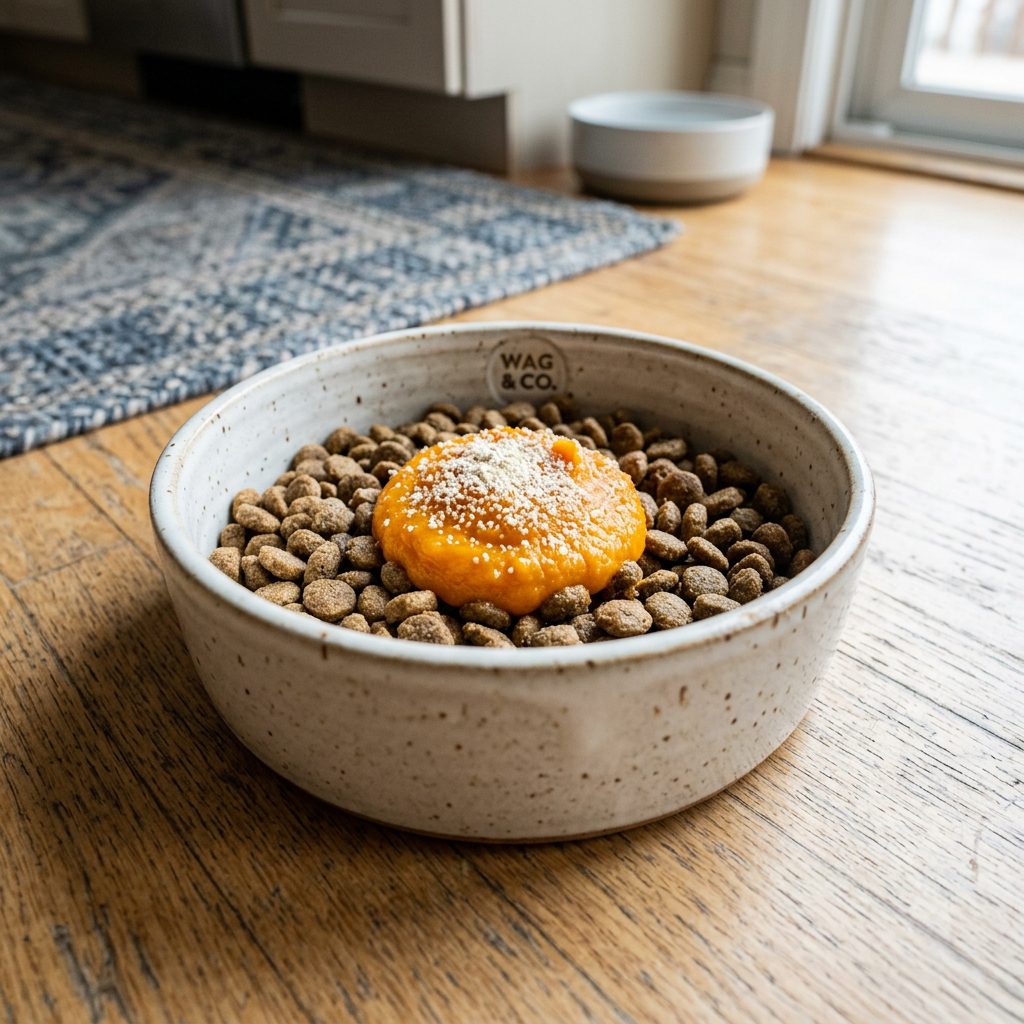
The Power of Probiotics
One way to make the 7-day trick even more effective is by supplementing with canine-specific probiotics. These supplements, like Enterococcus faecium, add a boost of ‘good’ bacteria to the gut, helping to crowd out any opportunistic ‘bad’ bacteria that might try to take over during the diet change. Starting a probiotic three days before you begin the food switch can create a fortified environment that makes diarrhea much less likely.
Why Pumpkin is a Puppy’s Best Friend
Pureed pumpkin (not pumpkin pie filling!) is a miracle worker for puppy digestion. It is rich in soluble fiber, which acts like a sponge in the digestive tract. If the stool is too watery, pumpkin absorbs the excess moisture. If the puppy is slightly constipated, the fiber helps move things along. Adding one tablespoon of plain canned pumpkin to each meal during the 7-day transition is a pro move that many breeders and vets recommend to keep stools firm and consistent.
Common Mistakes Savvy Owners Should Avoid
The ‘Variety’ Trap
We often think that puppies get bored with their food, leading us to switch brands or flavors frequently. In reality, puppies thrive on consistency. Switching between chicken, lamb, and salmon formulas every month can lead to a chronically inflamed gut. Pick a high-quality, life-stage-appropriate food and stick with it. If you must switch, always use the 7-day trick.
Overfeeding During the Switch
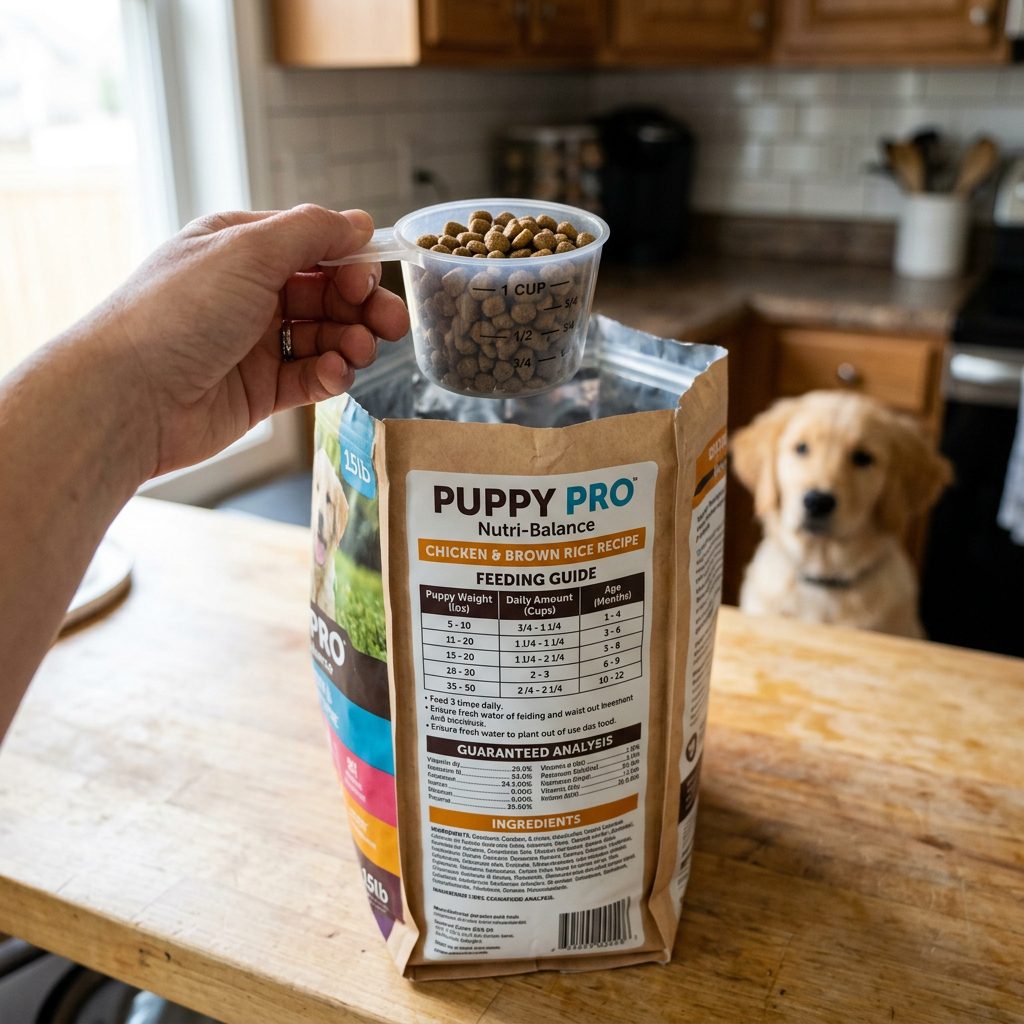
New foods often have different caloric densities. If your new food is more nutrient-dense than the old one, feeding the same volume might actually be overfeeding, which is a leading cause of loose stools. Always check the feeding chart on the new bag and adjust your measuring cup accordingly. Most owners find that ‘less is more’ during the first few days of a transition.
Ignoring Treats and Toppers
When you are in the middle of a 7-day food transition, it is the worst time to introduce a new brand of treats or a fancy new wet food topper. Keep everything else in their diet exactly the same. You want to isolate the variables so that if your puppy does have an upset stomach, you know exactly what caused it.
When to Call the Vet: Safety First
Red Flags You Can’t Ignore
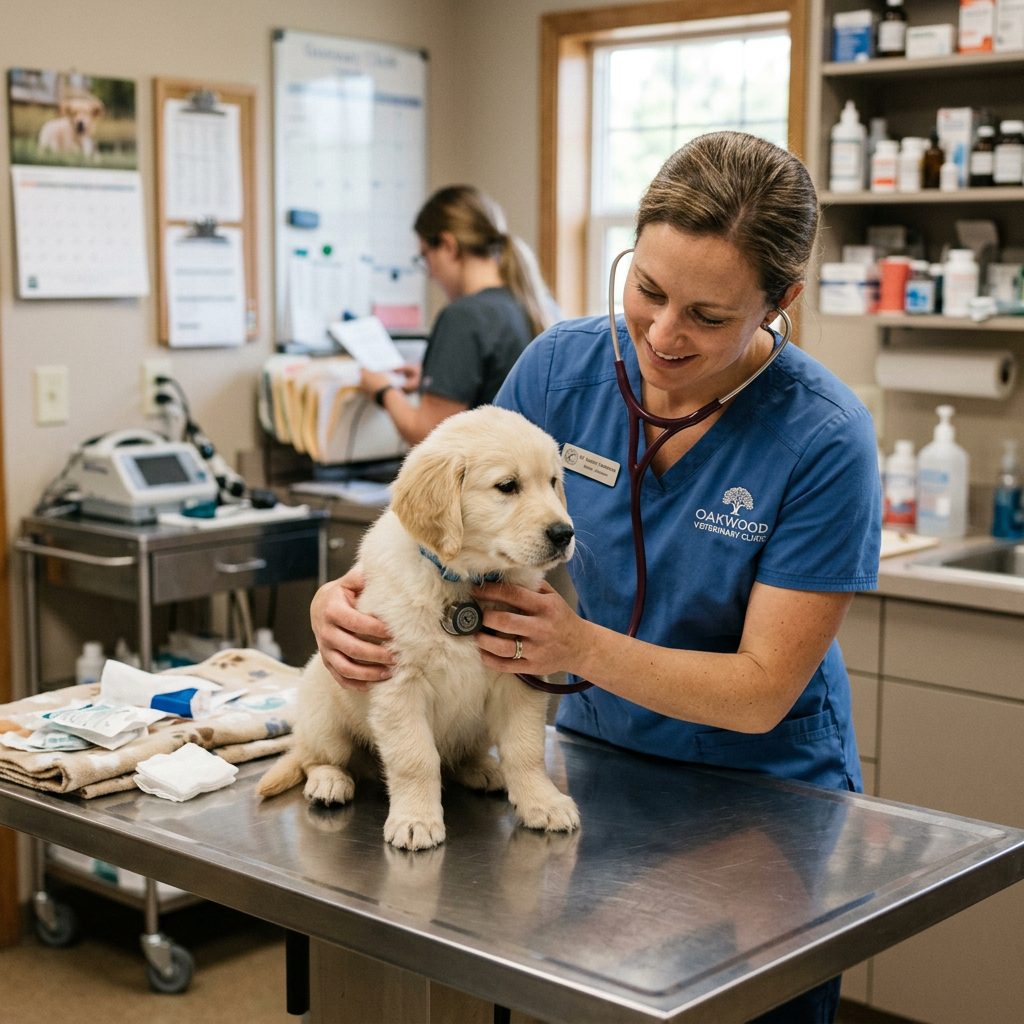
While most digestive upset during a food change is minor and temporary, there are moments when professional intervention is necessary. Puppies can dehydrate very quickly, so you must be vigilant. If you see any of the following, stop the transition and call your veterinarian immediately:
- Blood in the Stool: Any signs of bright red blood or dark, tarry stools.
- Vomiting: If the puppy cannot keep the new food or water down.
- Lethargy: If your pup is unusually sleepy or unresponsive to play.
- Duration: If diarrhea lasts more than 24 hours despite slowing down the transition.
Your vet may recommend a prescription ‘bland diet’ for a few days to reset the system before attempting the transition again. Remember, it is always better to be over-cautious when it comes to a growing puppy’s health.
The 7-Day Trick Checklist for Success
Before You Start
- Purchase a small bag of the new food first to ensure your puppy likes the taste.
- Ensure you have enough of the old food to last at least 5-6 more days.
- Buy a can of 100% pure pumpkin puree (not spiced).
- Clean your puppy’s food and water bowls thoroughly to remove any old bacteria.
During the Transition
- Monitor stool consistency at every potty break.
- Keep exercise moderate; heavy panting and running can sometimes speed up digestion too much.
- Stick to the schedule! Don’t be tempted to skip ahead to Day 7 just because Day 2 went well.
Conclusion
A Happy Tummy Leads to a Happy Puppy
Changing your puppy’s food doesn’t have to be a stressful experience filled with messy cleanups and vet visits. By using the 7-Day Trick, you are respecting your puppy’s biological needs and giving their digestive system the time it needs to adapt to new nutrients. This slow and steady approach is the hallmark of a savvy dog owner who prioritizes long-term health over short-term convenience.
Remember, every puppy is an individual. Some will breeze through the 7-day transition with no issues at all, while others might need a bit more time and a few extra spoonfuls of pumpkin. Stay patient, stay observant, and enjoy the journey of watching your puppy grow strong and healthy on their new diet. You’ve got this!