No More Fighting! How to Introduce a Gentle Leader to Your Puppy Without the Drama
Hey there, fellow dog lover! If you are reading this, chances are your sweet, adorable puppy turns into a sled dog the moment you clip on their leash. You are not alone. Leash pulling is one of the most common and frustrating behaviors savvy dog owners face. Your shoulder aches, your patience wears thin, and those relaxing neighborhood strolls you dreamed of feel more like a tug-of-war championship. Enter the Gentle Leader. This simple, ingenious head collar can completely transform your walks, but there is a catch: you cannot just strap it on and head out the door. If you do, you are guaranteed a dramatic performance of pawing, alligator rolling, and face-rubbing that will leave both you and your pup stressed out.
As a savvy dog owner, you already know that how you introduce a new tool is just as important as the tool itself. Dogs are creatures of association. If their first experience with a Gentle Leader is confusing or restrictive, they will fight it every single time. But if we use a little canine psychology, some high-value treats, and a healthy dose of patience, we can make your puppy actually look forward to wearing it. In this comprehensive guide, we are going to break down the exact, step-by-step blueprint to introduce a Gentle Leader to your puppy without the drama. We will cover the behavioral science behind why it works, the pre-game setup you need for success, a foolproof training schedule, and how to troubleshoot those inevitable moments when your puppy decides to test the boundaries. Let us turn those stressful walks into the peaceful bonding time you both deserve!
Understanding the Gentle Leader: Not a Muzzle!
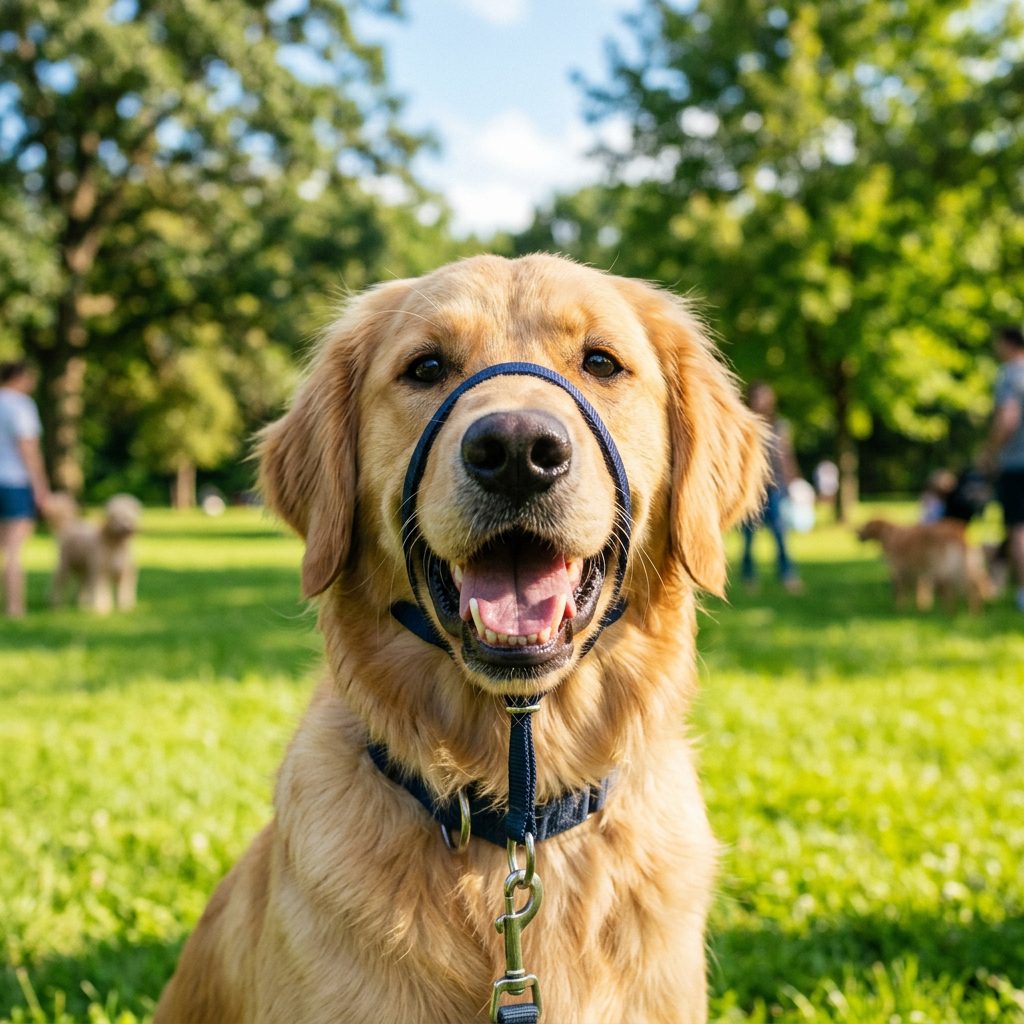
Before we dive into the training steps, we need to clear up the most common misconception about the Gentle Leader: it is absolutely not a muzzle. When you walk your dog in public wearing a head collar, you might get a few sideways glances from people who think your friendly pup is dangerous. It is important for you, as an educated owner, to understand exactly how this tool works so you can feel confident using it.
The Science of Head Control
The Gentle Leader operates on a very simple physical principle: where the head goes, the body follows. Think about how a horse is led by a halter. You would never try to control a 1,000-pound horse by putting a collar around its neck; you control its head. The Gentle Leader applies this same logic to dogs. It features two nylon straps: one that sits high on the neck (just behind the ears) and one that loops loosely over the dog’s snout. When your puppy tries to dart forward after a squirrel, the tension on the leash gently pivots their head back toward you. Because they cannot physically move forward when their head is turned, the pulling stops instantly, without any choking or pressure on their delicate trachea.
Calming Pressure Points
Beyond the physical mechanics, the Gentle Leader also utilizes canine behavioral psychology. The strap that rests across the top of the snout applies gentle pressure when the dog pulls. In the canine world, a mother dog will often gently grasp a puppy’s muzzle in her mouth to calm them down or signal them to relax. This light pressure across the bridge of the nose naturally triggers a calming reflex in many dogs. Furthermore, the neck strap sits high up on the neck, targeting pressure points that promote relaxation. This is why many high-energy dogs suddenly become much calmer and more focused the moment the head collar is properly fitted.
Comparing Your Walking Tools
To really appreciate why the Gentle Leader is such a game-changer, let us compare it to the other common tools you might have in your dog-walking arsenal.
| Walking Tool | Mechanism of Action | Pros for Pullers | Cons for Pullers |
|---|---|---|---|
| Flat Collar | Pressure on the front of the neck/trachea | Easy to slip on, holds ID tags | Can cause severe throat damage; encourages opposition reflex (pulling harder) |
| Back-Clip Harness | Distributes pressure across the chest and back | Very comfortable, safe for the neck | Activates the sled-dog instinct; gives the dog maximum pulling power |
| Front-Clip Harness | Leash attaches to the chest, turning the dog when they pull | Safe, reduces pulling significantly | Can alter natural gait if fitted poorly; some determined dogs still pull |
| Gentle Leader | Controls the head and muzzle, pivoting the dog’s focus | Requires almost zero physical strength from the owner; instantly stops pulling | Requires a dedicated, slow introduction period to avoid distress |
As you can see, while harnesses are great for comfort, the Gentle Leader offers unmatched control, especially for large or powerful breeds. But that “Con” is exactly why we are here today. The introduction phase is critical.
Getting Ready: The Pre-Game Setup for Success
You would not run a marathon without stretching first, and you should not introduce a Gentle Leader without the right setup. The goal of this entire process is Counter-Conditioning and Desensitization. We want to take an object that feels weird and restrictive and change your puppy’s emotional response to it so that “weird object” equals “the best things in the world happen.”
Gathering Your Arsenal
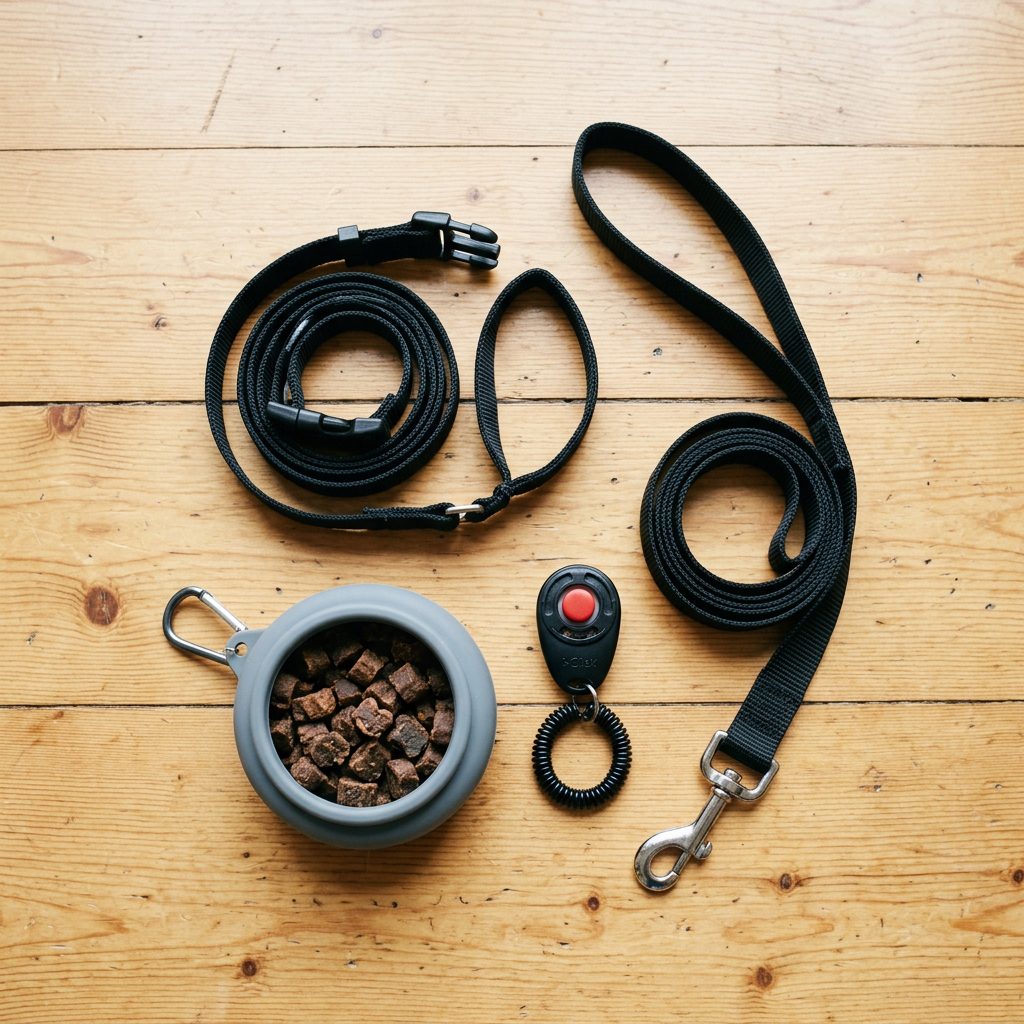
To achieve this magical transformation, you are going to need a few specific items. Do not try to wing this with dry kibble unless your dog is incredibly food-motivated. We need the big guns.
- High-Value Treats: This is not the time for standard biscuits. You need soft, smelly, pea-sized treats. Think boiled chicken, low-sodium hot dogs, string cheese, or freeze-dried liver. The treats need to be small enough that your puppy can eat them quickly without excessive chewing.
- A Clicker (Optional but Recommended): If your puppy is already clicker-trained, this will speed up the process immensely. The click marks the exact moment your puppy does the right thing (like putting their nose in the loop) and promises a treat is coming. If you do not have a clicker, a verbal marker like a sharp, happy “Yes!” works perfectly.
- The Right Sized Gentle Leader: Fit is everything. If it is too tight, it will be uncomfortable. If it is too loose, it will slip off or chafe. The neck strap should be snug, sitting high up right behind the ears (you should barely be able to fit one finger underneath). The nose loop should be loose enough to slide down to the fleshy part of the nose, but not so loose that it can be pulled over the end of the snout.
- A Quiet, Distraction-Free Environment: Start this process in your living room or kitchen. Do not start in the backyard where squirrels are taunting your pup, and definitely do not start at the front door where your dog is already hyped up for a walk.
Expert Trainer Tip: Keep training sessions incredibly short. We are talking 2 to 3 minutes maximum. It is far better to do three 2-minute sessions a day than one frustrating 10-minute session. Always end on a high note while your puppy is still eager and engaged!
The Drama-Free Blueprint: Step-by-Step Introduction
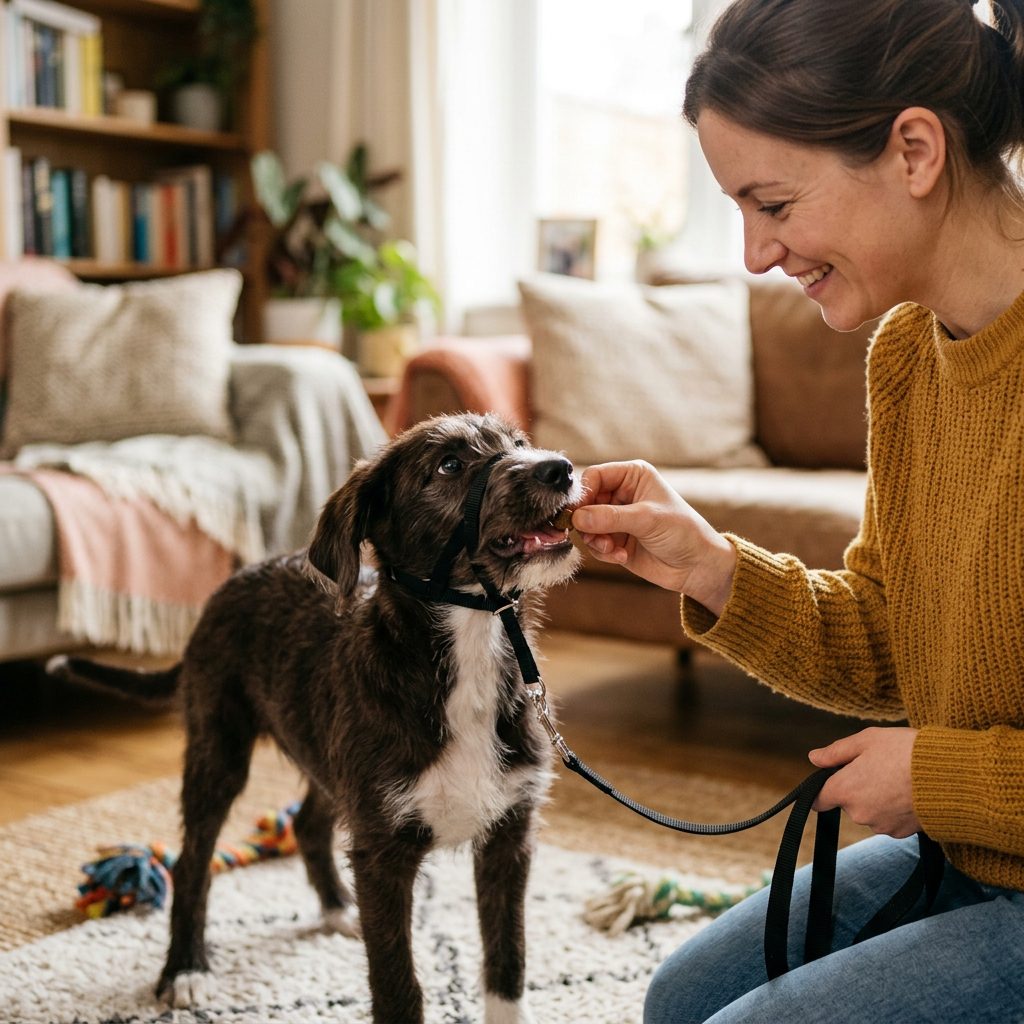
Alright, it is time for the main event. This is the exact, step-by-step protocol used by professional trainers and veterinary behaviorists to build a positive association with the head collar. Remember, the timeline below is just a guideline. Some puppies will breeze through this in three days; others might need two weeks. Go at your puppy’s pace. If they show signs of stress (yawning, lip licking, backing away), take a step back to the previous stage.
Phase 1: The Sniff Test and Treat Dispenser (Days 1-2)
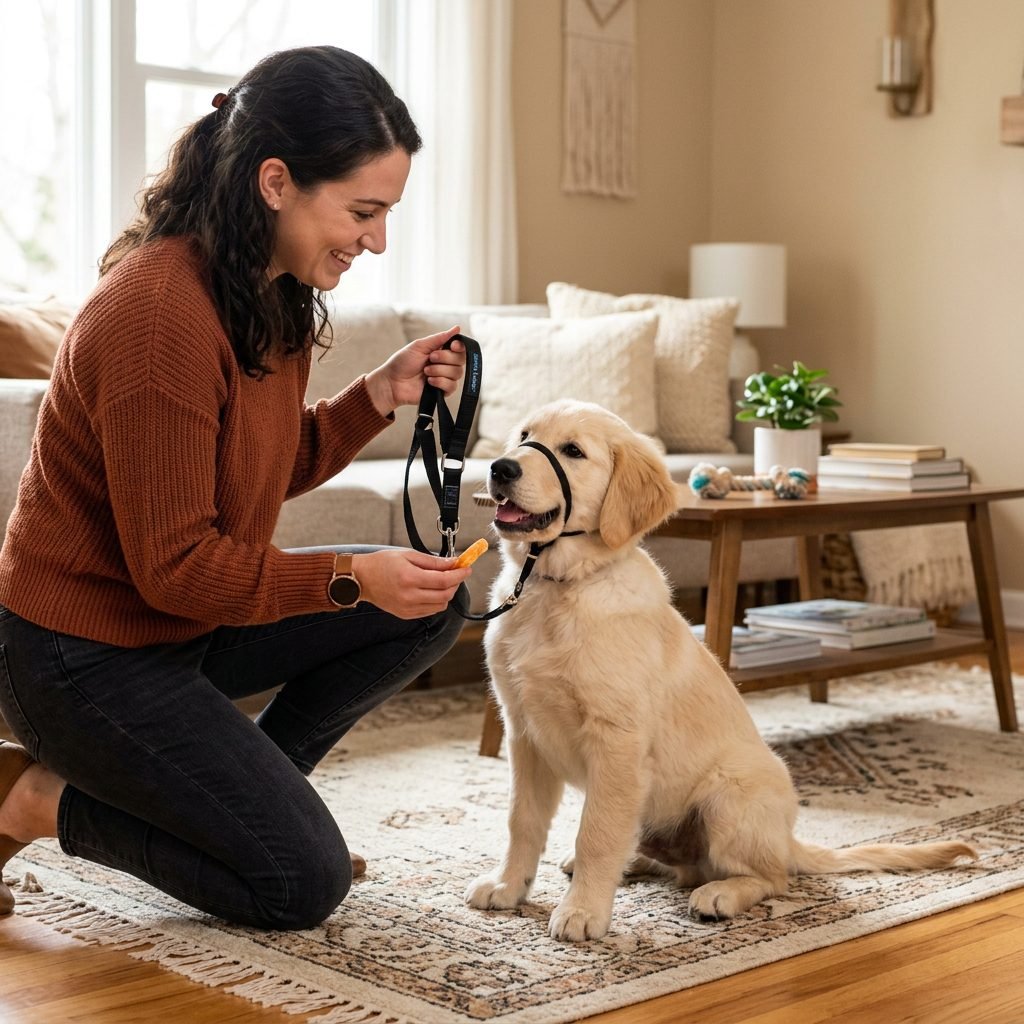
Right now, the Gentle Leader is just a weird piece of nylon. We want to turn it into a magical treat dispenser. Sit on the floor with your puppy. Hold the Gentle Leader in one hand and your high-value treats in the other.
- Present the Gentle Leader to your puppy. Let them sniff it. The moment their nose touches it, say “Yes!” (or click) and give them a treat.
- Repeat this 5-10 times. Hide the collar behind your back, then present it again. Sniff equals treat.
- Next, open the nose loop so it forms a large “O”. Hold a treat right in the middle of the “O”, but do not move the collar toward your dog. Let your dog move their nose through the loop to get the treat.
- As they eat the treat, let the loop rest gently on their snout for just a second, then pull it away. Do not try to buckle anything yet!
Phase 2: Building Duration (Days 3-4)
Now that your puppy is happily shoving their snout into the loop to get the chicken or cheese, we need to build up the time the loop stays on their nose.
- Lure your puppy’s nose into the loop with a treat.
- Instead of giving the treat immediately, hold it just out of reach for 2 seconds while the loop rests on their nose. Then say “Yes!” and treat.
- Gradually increase the time to 5 seconds, then 10 seconds. Keep feeding a continuous stream of tiny treats while the loop is on their nose.
- The moment you take the loop off, the treats stop. You want your puppy to realize that the Gentle Leader being on their face is the only way to keep the buffet open.
Phase 3: The Buckle and the Mealtime Trick (Days 5-6)
The sound and feel of the neck strap buckling can spook some dogs. We want to desensitize this while they are highly distracted by something amazing.
- Have your puppy put their nose through the loop. Bring the neck straps up behind their ears and just hold them there for a second while feeding treats. Release.
- Next, bring the straps up and actually click the buckle closed. Immediately shower your dog with treats and praise for 5 seconds, then unbuckle and remove it.
- The Mealtime Trick: One of the best ways to build a positive association is to have your puppy wear the Gentle Leader while eating their regular meals. Put the head collar on, set down their bowl of food, and the moment they take their last bite, take the collar off. They will be so focused on their food they will barely notice the collar.
Phase 4: Adding the Leash and Indoor Walking (Days 7+)
Do not go outside yet! The outside world is too exciting. We need to practice the mechanics of the leash indoors.
- Put the Gentle Leader on, buckle it, and clip your leash to the ring under the chin.
- Start walking around your living room. Keep a happy, upbeat voice. “Let’s go! Good boy!”
- Frequently reward your puppy with treats as they walk next to you without pawing at their face.
- Practice gentle turns. If they walk ahead, gently stop and let the collar turn their head back to you. When they look at you, treat!
Your Training Schedule at a Glance
| Training Phase | Primary Goal | Recommended Duration |
|---|---|---|
| Days 1-2 | Desensitization & Treat association (Sniffing) | 2-3 minutes, 3x a day |
| Days 3-4 | Nose through the loop voluntarily for duration | 3-5 minutes, 3x a day |
| Days 5-6 | Buckling the neck strap & Mealtime wearing | 1-2 minutes or length of meal |
| Days 7+ | Adding the leash and indoor walking practice | 5-10 minutes indoors before going outside |
Troubleshooting: What to Do When Your Puppy Paws at It
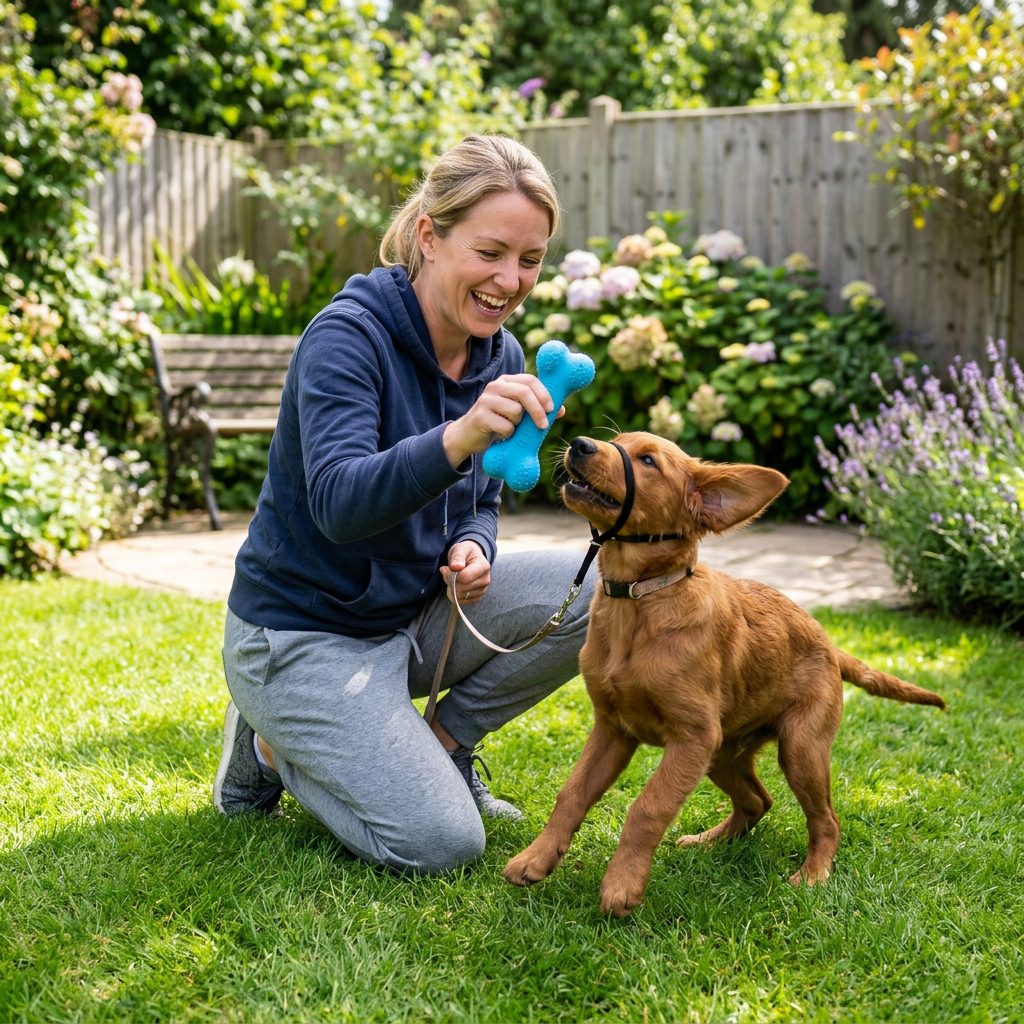
Even with the most perfect, patient, and treat-filled introduction, there will likely come a moment when your puppy realizes they are wearing something on their face and decides they want it off. This usually happens when you transition to walking outside or when there is a lull in the treats. They might paw at their snout, rub their face against your leg, or do a dramatic alligator roll in the grass. Do not panic! How you handle this moment dictates the future success of the tool.
Rule #1: Do Not Scold or Punish
If your puppy is pawing at the collar, they are not being “bad” or “stubborn.” They are simply experiencing a weird sensation and trying to resolve it. If you yell “No!” or jerk the leash, you are adding negative stress to an already uncomfortable situation. This will instantly poison the Gentle Leader, and they will run away the next time you pull it out of the closet.
Rule #2: Keep Moving and Redirect Focus
A static dog is a dog that focuses on its face. The best way to stop the pawing is to keep their feet moving and their brain engaged. If your puppy stops to rub their face on the ground, do not let them succeed. Gently use the leash to lift their head up, use a happy, high-pitched voice, and encourage them to move forward. “Puppy, let’s go! Touch! Look at this!”
Use redirection cues that your puppy already knows. If they know the “Touch” command (touching their nose to your palm), use it! When they stop pawing to touch your hand, reward them heavily. You are teaching them that ignoring the collar and focusing on you brings rewards.
Rule #3: The Squeaky Toy Distraction
If treats are not cutting it, bring out a highly engaging toy. A squeaky toy or a tug rope can work wonders. If they start pawing, whip out the toy, squeak it, and initiate a game. They cannot play tug-of-war and paw at their face at the same time. Once they are happily walking and engaging with you, you can put the toy away.
Expert Trainer Tip: Never remove the Gentle Leader while your dog is actively pawing or fighting it. If you do, you teach them that throwing a tantrum is the key to getting what they want. Wait for a moment of calm, ask for a simple “Sit,” and then remove the collar as a reward for their calm compliance.
Common Mistakes Even Savvy Dog Owners Make
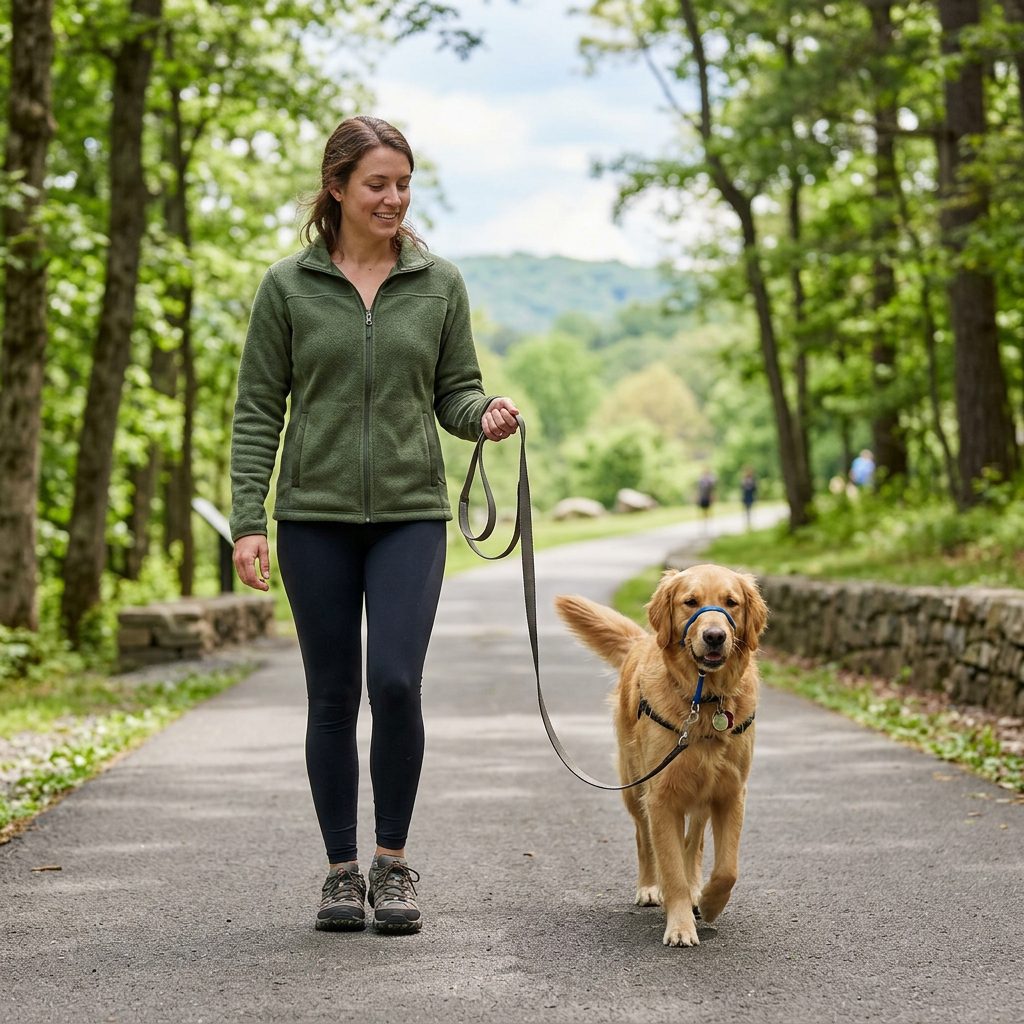
As a savvy dog owner, you are already ahead of the curve by researching how to introduce this tool properly. However, even experienced owners can fall into a few common traps when using a head collar. Avoid these pitfalls to ensure your puppy remains safe and happy.
1. Rushing the Introduction Process
This is the number one reason Gentle Leaders fail. We get it—you are tired of having your arm pulled out of its socket, and you want a solution today. But if you force the collar on a dog that hasn’t been desensitized, you will create a phobia. Slow is fast in dog training. Take the full week (or two) to do the treat-based introduction. The time you invest now will pay off with years of peaceful walks.
2. Using “Leash Pops” or Corrections
If you have previously used a choke chain or a prong collar, you might have been taught to give a quick “pop” or jerk on the leash when the dog pulls. Never, ever do this with a Gentle Leader. Because the leash is attached to the dog’s head, jerking the leash can severely injure their neck or spine. The Gentle Leader is designed to work passively. You simply hold the leash steady; when the dog pulls, they hit the end of the leash and correct themselves by turning their head. Your job is just to be a steady anchor.
3. Leaving It On Unattended
The Gentle Leader is a walking tool, not a daily wear collar. It should only be on your dog when you are actively holding the leash or actively supervising a training session. If you leave it on your dog while they are in their crate or roaming the house, they will almost certainly catch the nose loop on a piece of furniture or use their paws to chew right through the nylon straps. It is also dangerous for dogs to play off-leash with other dogs while wearing it, as another dog’s teeth or paws could get tangled in the loops.
4. Having the Wrong Fit
A poorly fitted Gentle Leader is completely ineffective and highly irritating to the dog. If the neck strap is too loose, the collar will slide around, and the nose loop will fall off. Remember the golden rule of fitting: the neck strap must be snug and high, sitting right behind the ears, touching the base of the skull. The nose loop should be loose enough to reach the fleshy part of the nose, allowing your dog to pant, drink water, and take treats comfortably.
Conclusion
Introducing a Gentle Leader to your puppy does not have to be a battle of wills. By understanding the psychology behind the tool and committing to a slow, positive, treat-filled introduction, you can completely bypass the drama and the tantrums. Remember, the goal is to make the head collar a signal that wonderful things are about to happen—delicious treats, engaging play, and exciting walks with their favorite person in the world: you.
Be patient with your puppy and with yourself. There might be a few hiccups along the way, a few attempts to rub their nose in the grass, but if you stay consistent, keep the energy positive, and never force the issue, you will cross the finish line. Soon enough, pulling on the leash will be a distant memory, and you will finally get to enjoy those relaxing, shoulder-pain-free neighborhood strolls you have been dreaming of. Grab those high-value treats, grab your clicker, and start your drama-free training journey today. You and your pup have got this!