Road Trip Ready: How To Cure Puppy Car Sickness And Travel Anxiety In 10 Days
The Struggle of the Shaky Sidekick
We’ve all been there: the bags are packed, the playlist is set, and you’re ready for a scenic drive with your new best friend. But five minutes into the journey, the whining starts. Then comes the excessive drooling, the frantic pacing, and eventually, the dreaded ‘cleanup on aisle four.’ Puppy car sickness and travel anxiety can turn a dream road trip into a nightmare for both you and your canine companion.
As a canine specialist, I often see owners who feel defeated, thinking their dog is simply ‘not a car dog.’ I’m here to tell you that in most cases, this is a fixable problem. Whether your puppy is suffering from a physical vestibular imbalance (true motion sickness) or a psychological fear of the moving metal box (anxiety), we can rewire their response. This guide is designed to take you through a 10-day intensive desensitization program that addresses both the mind and the body. By the end of this article, you’ll have the tools, the schedule, and the confidence to make your puppy truly road trip ready.
Understanding the Root Cause: Sickness vs. Anxiety
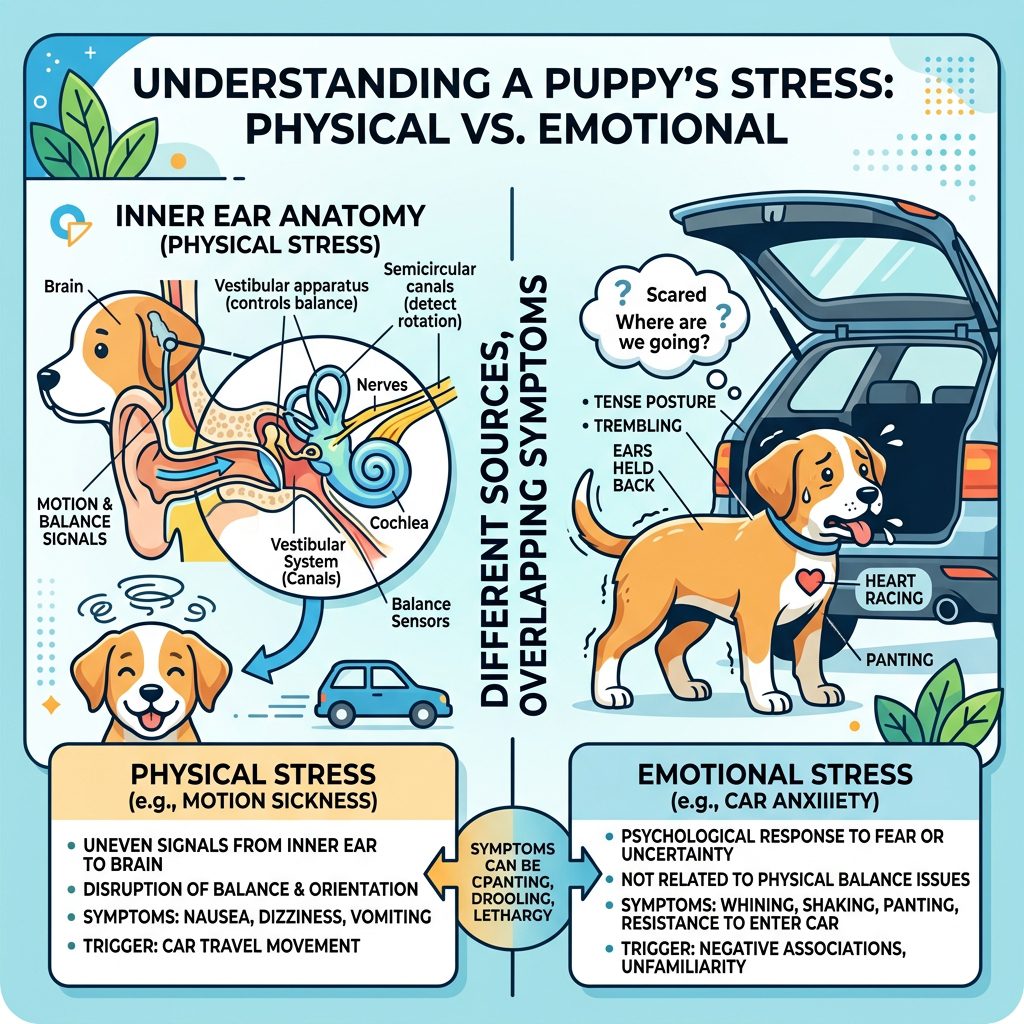
Before we dive into the 10-day cure, we must identify what we are actually fighting. Puppies often experience car issues for two distinct reasons, though they frequently overlap.
1. Physical Motion Sickness
Just like human children, a puppy’s inner ear (the vestibular system) isn’t fully developed. This means the motion they see doesn’t match what their brain feels, leading to nausea. Most puppies outgrow this by 12 months, but if they have a bad experience early on, the physical sickness can morph into learned anxiety.
2. Travel Anxiety
Anxiety is a psychological response. The car is loud, it vibrates, and it often leads to scary places like the vet. If your dog starts drooling the moment they see the car keys, you’re likely dealing with anxiety.
| Symptom | Likely Cause | Indication |
|---|---|---|
| Vomiting/Retching | Physical Sickness | Vestibular imbalance |
| Yawning/Licking Lips | Anxiety | Stress signal |
| Excessive Drooling | Both | Nausea or high cortisol |
| Pacing/Whining | Anxiety | Fear response |
Expert Tip: If your puppy only gets sick on curvy roads but is fine on the highway, it’s likely physical. If they start shaking before the engine even starts, it’s anxiety.
The Gear: Setting the Stage for Success
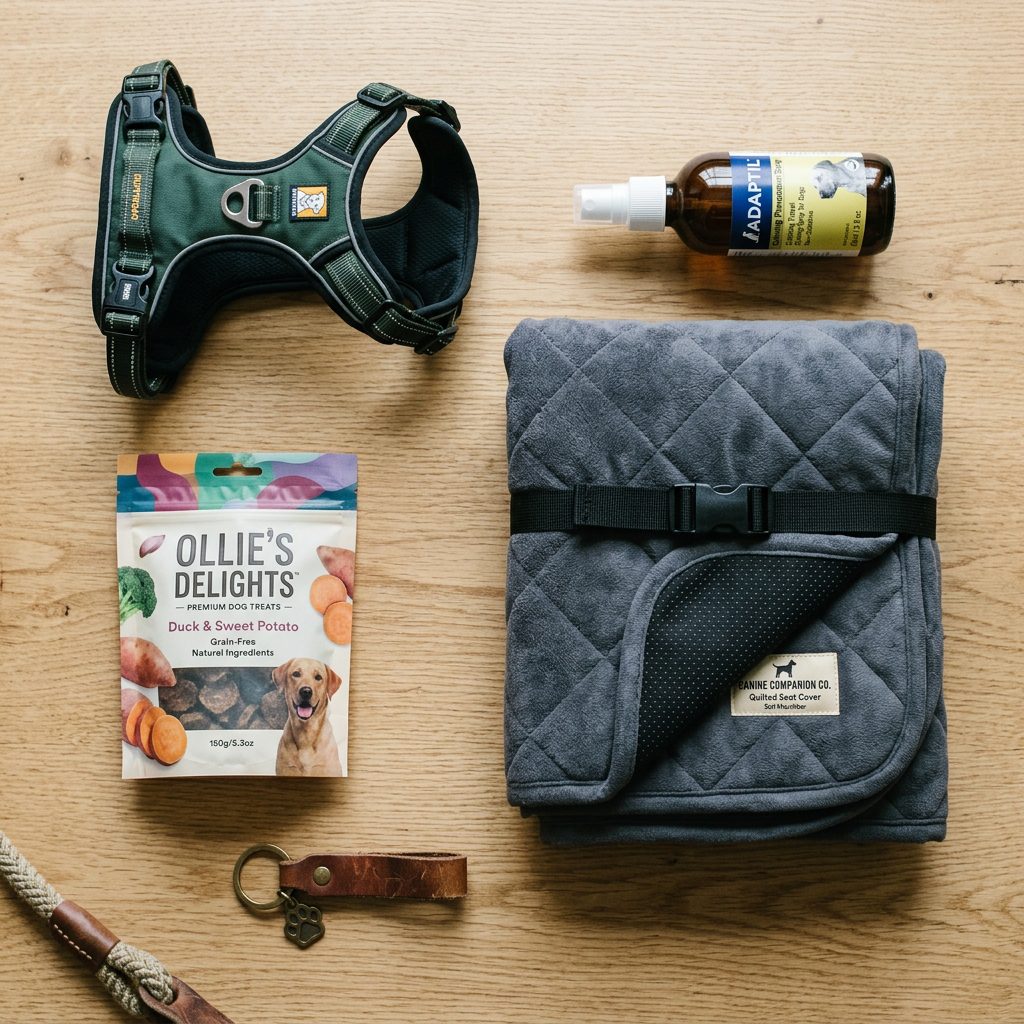
You wouldn’t go on a marathon without the right shoes; don’t expect your puppy to handle a car ride without the right equipment. To succeed in our 10-day plan, you need to create a ‘Safety Sanctuary’ inside your vehicle.
Essential Tools Checklist
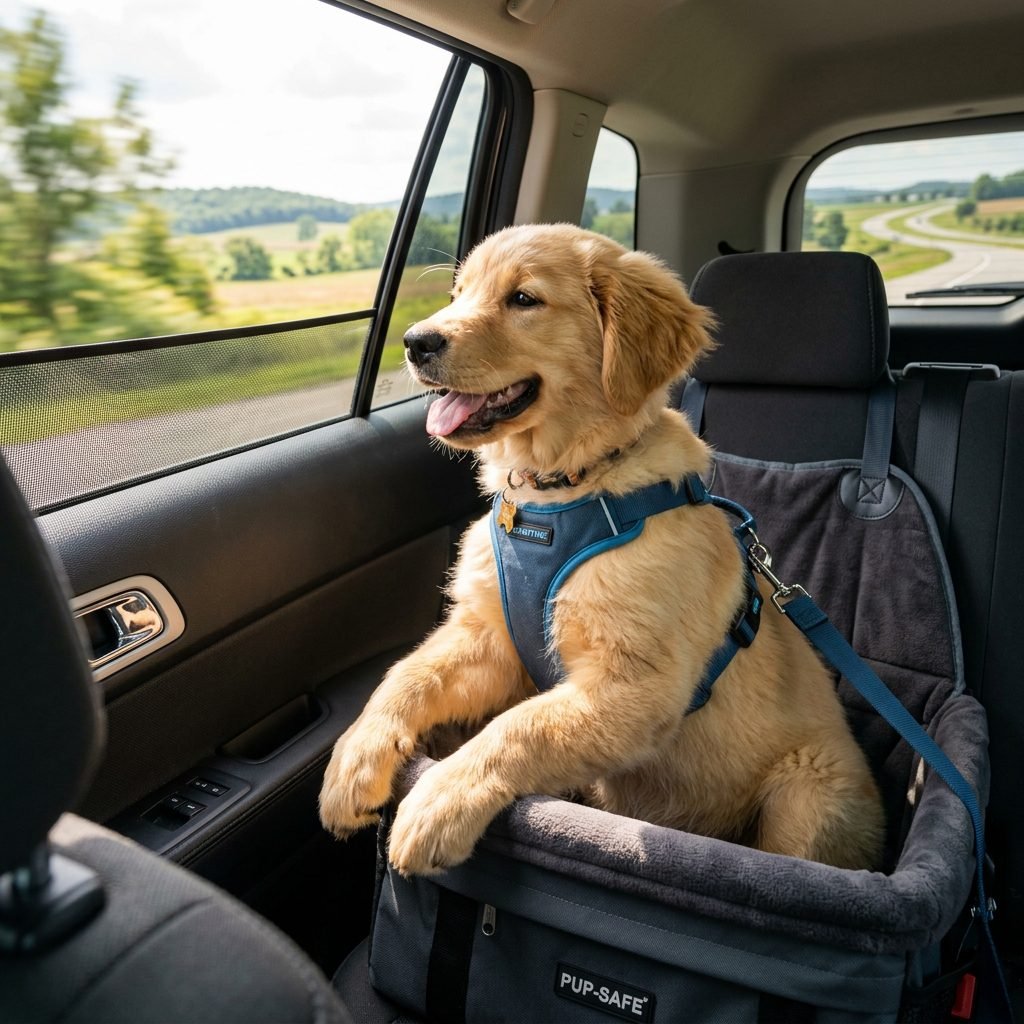
- A High-Quality Harness: A crash-tested harness keeps your puppy secure. Movement increases nausea; a secure dog is a stable dog.
- Seat Covers or a Crate: Some puppies feel safer in a darkened crate, while others need to see the horizon. Experiment to see which your pup prefers.
- Pheromone Sprays: Products like Adaptil mimic the calming scents of a mother dog and can significantly lower anxiety levels.
- High-Value Rewards: We’re talking boiled chicken, cheese, or freeze-dried liver. These are only for car-related training.
Proper restraint isn’t just about safety; it’s about physics. When a puppy is allowed to roam the backseat, their equilibrium is constantly shifting, which triggers the nausea center in the brain. By using a centralized restraint system, you minimize the ‘sway’ and help their inner ear stay balanced.
Days 1-3: The ‘Car as a Cafe’ Phase
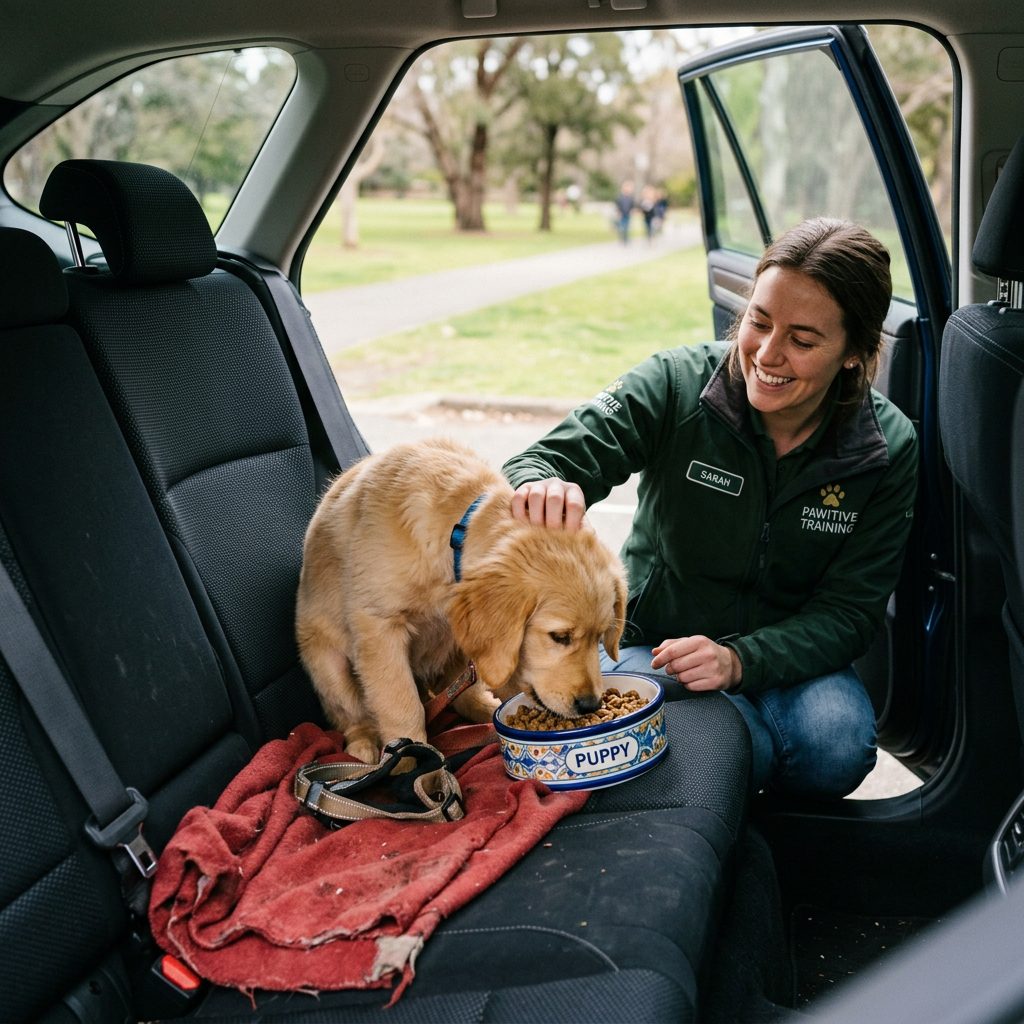
The first three days are all about Counter-Conditioning. We need to change the puppy’s emotional response to the car from ‘Scary/Sick Place’ to ‘The Place Where Great Things Happen.’
Day 1: The Meet and Greet
Walk your puppy to the car. Don’t get in. Just scatter high-value treats around the tires and on the seats with the doors wide open. Do this for 5 minutes, 3 times a day. Your goal is for the puppy to pull toward the car.
Day 2: The In-Car Picnic
Encourage your puppy to hop into the car. Once inside (engine OFF), feed them their entire dinner. If they are too nervous to eat, you’ve moved too fast. Go back to Day 1. Sit with them, pet them, and let them explore the smells. Do not close the doors yet.
Day 3: Closing the Door
Repeat the Day 2 picnic, but this time, close the doors for 30 seconds at a time while they eat. Gradually increase this to 5 minutes. Stay in the car with them. We are building a ‘bubble of safety’ where the car is just another room in the house.
Days 4-6: Adding the ‘Vibe’ and the ‘Vroom’
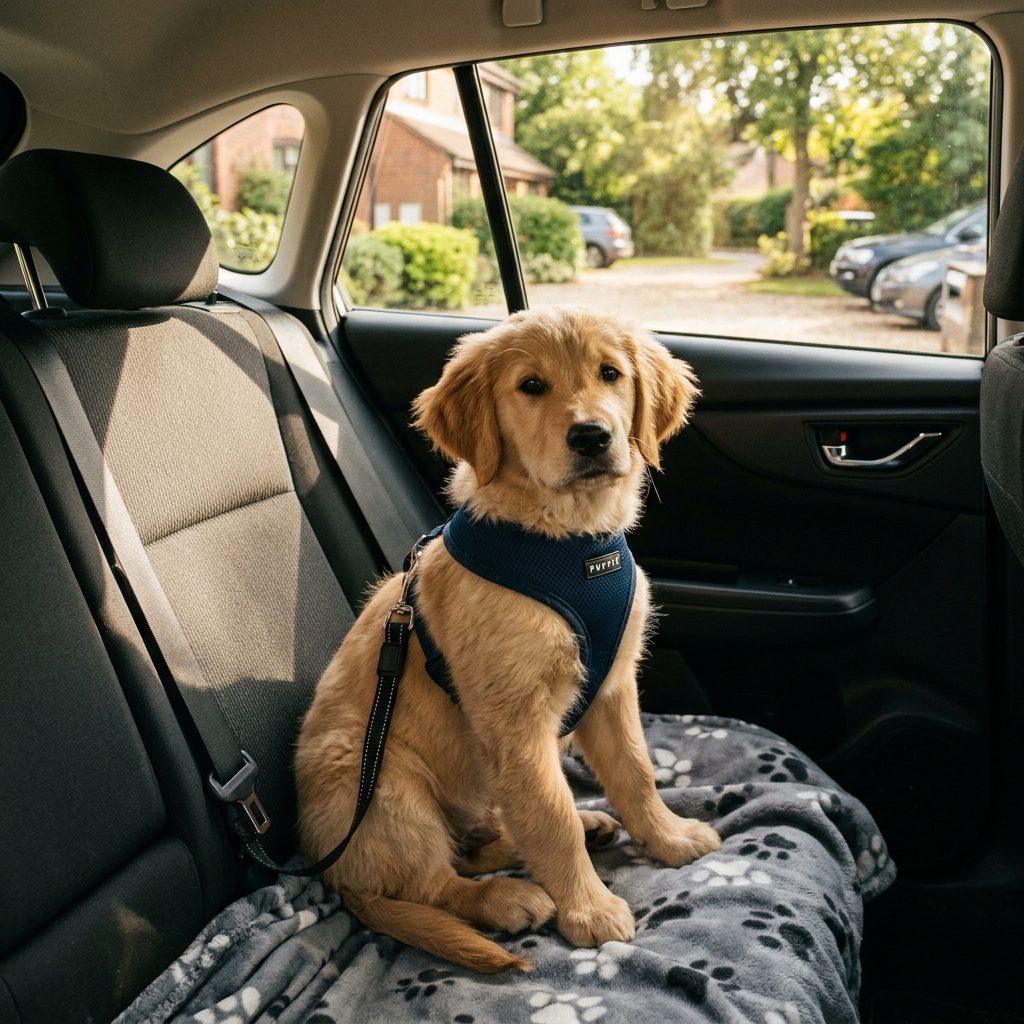
Now that the car is a happy place, we introduce the sensory elements of travel: noise and vibration.
Day 4: The Engine Purr
Get in the car, secure your puppy in their harness, and start the engine. Do not move. Feed treats continuously while the engine idles. If the puppy shows signs of stress, turn it off and wait. We want them to associate the vibration of the engine with a ‘treat jackpot.’
Day 5: The Driveway Shuffle
Start the engine, put the car in gear, and move to the end of the driveway and back. That’s it. One minute of movement. Immediately exit the car and play a high-energy game of tug or fetch. The car ride must always end with a ‘party.’
Day 6: The Block Circuit
Drive around the block once. Focus on smooth braking and slow turns. If your puppy manages this without drooling, you’re winning. Crucial Tip: Keep the car cool. A cold car (AC on high) helps suppress the nausea response in dogs.
Days 7-10: Progressive Mileage and Destination Rewards
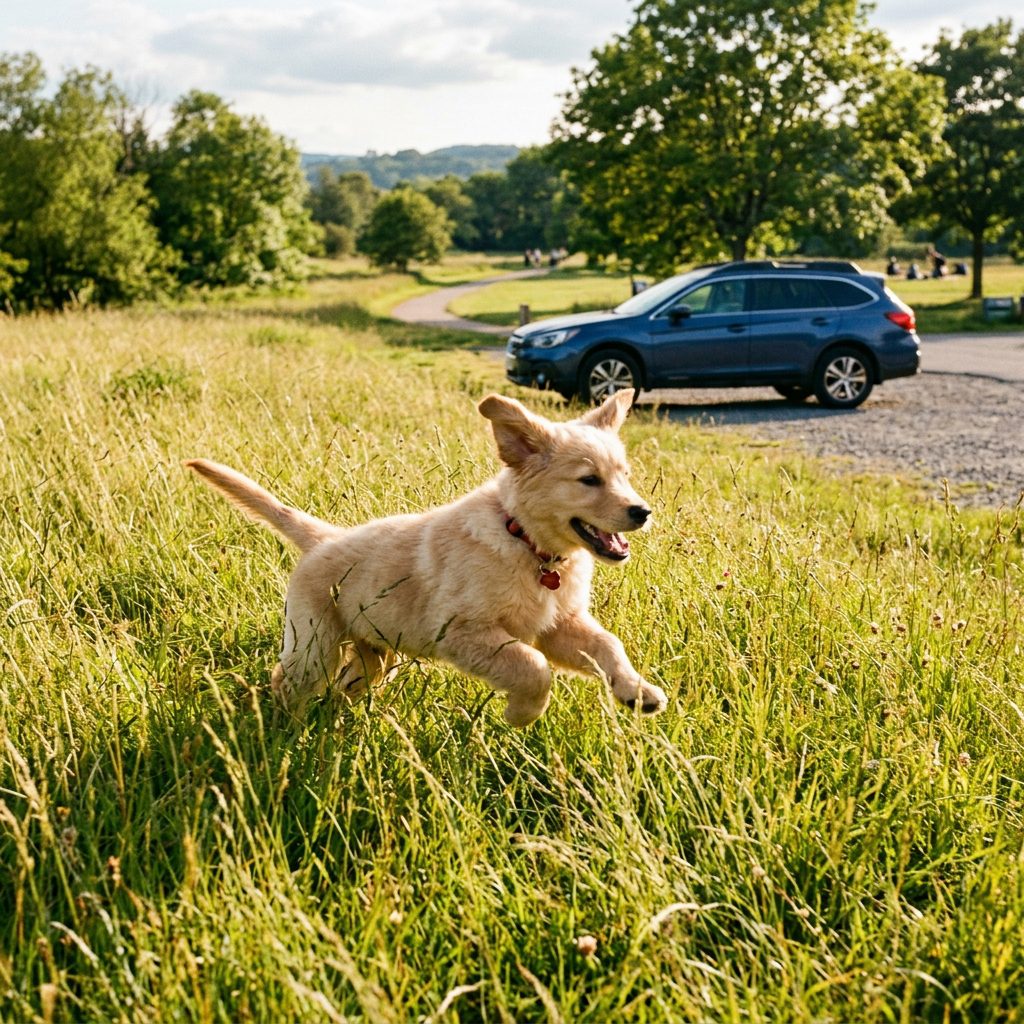
The final stage is about increasing duration and ensuring the destination is better than the journey.
Day 7-8: The 5-Minute Fun Trip
Drive for 5 minutes to a location your puppy loves—a park, a pet store, or a friend’s house. The key is that the car ride leads to something better than the car itself. This breaks the ‘Car = Vet’ association.
Day 9: The 15-Minute Challenge
Increase the time to 15 minutes. During this drive, practice calmness reinforcement. If the puppy is quiet, drop a treat into their seat. Use a window shade to block fast-moving visual stimuli, which often triggers motion sickness.
Day 10: The Grand Finale
A 30-minute drive. By now, the combination of desensitization and positive association should have lowered the puppy’s stress threshold significantly. Monitor for any signs of regression and be prepared to take a step back if needed.
| Day | Action | Duration |
|---|---|---|
| 7 | Drive to local park | 5 Mins |
| 8 | Drive to pet store | 10 Mins |
| 9 | Scenic loop | 15 Mins |
| 10 | Adventure trip | 30 Mins |
When Training Isn’t Enough: Medical Interventions
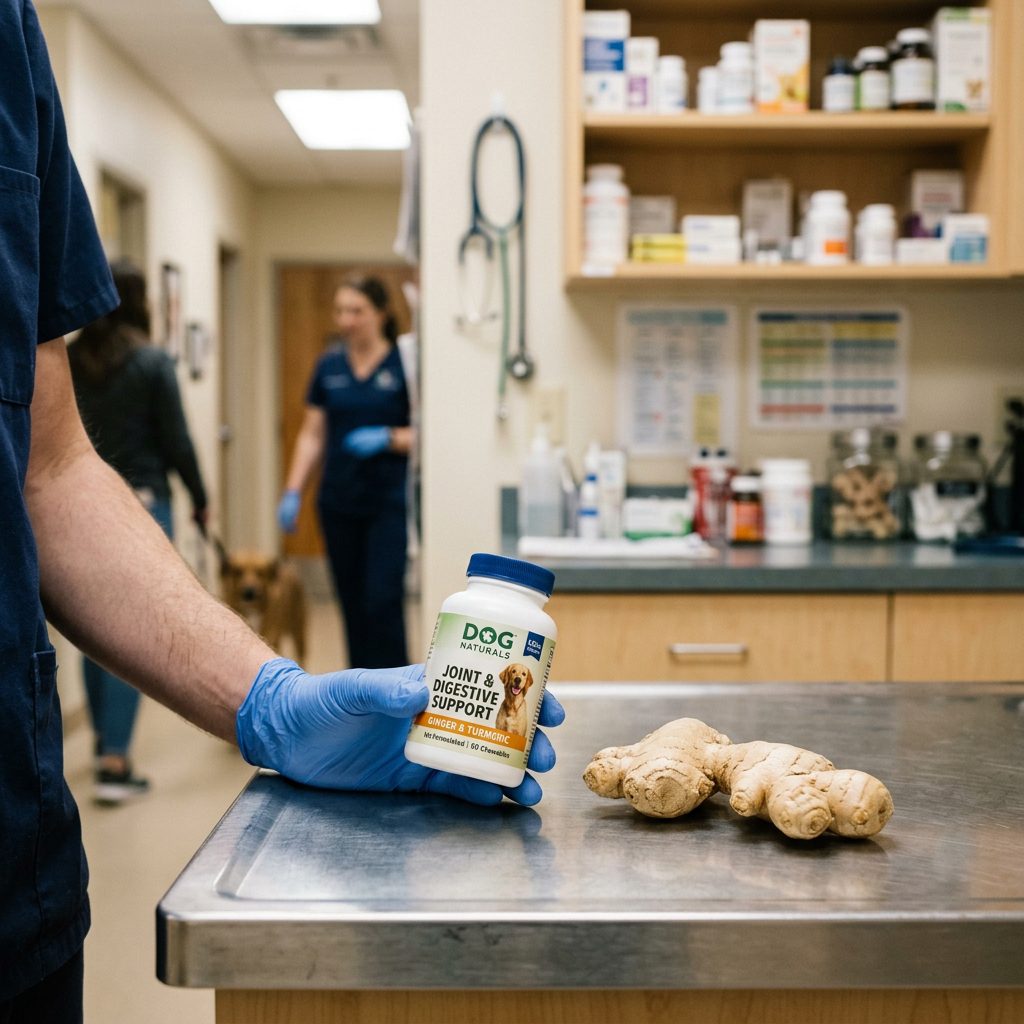
Sometimes, despite perfect training, biology wins. If your puppy is still projectile vomiting after Day 10, it’s time to consult your veterinarian. There is no shame in using medical help to get over the hump.
Pharmaceutical vs. Natural Aids
There are several options to discuss with a professional. Cerenia (Maropitant citrate) is the gold standard for canine motion sickness as it blocks the vomiting reflex without causing sedation. For pure anxiety, your vet might suggest Trazodone or Gabapentin.
Natural Alternatives
- Ginger: A natural anti-nausea aid. You can find ginger snaps (check for xylitol!) or ginger-infused dog treats.
- CBD Oil: Many owners find success with high-quality pet CBD for taking the edge off travel anxiety.
- Thundershirts: These pressure wraps provide a ‘hugging’ sensation that can soothe a nervous traveler.
Note: Always consult your vet before introducing any new supplement or medication into your puppy’s routine, especially for young dogs with developing systems.
Conclusion
The Road Ahead
Curing puppy car sickness and travel anxiety isn’t an overnight miracle—it’s a 10-day commitment to building trust and physical tolerance. By following this structured plan, you are doing more than just preventing a mess in your backseat; you are opening up a world of adventure for your dog. Remember to be patient, stay consistent, and keep the AC cranked up! Every puppy is an individual, so if you need to spend three days on ‘Day 4,’ do it. The goal is a lifetime of happy travels, and that is well worth a few extra days of practice. Happy trails!