Is It Play or Aggression? How to Spot and Stop Play Aggression in Puppies
Welcome to the wonderful, exhausting, and sometimes painful world of puppy parenthood! If you are reading this, chances are your arms, hands, and ankles are currently covered in tiny, red scratches. You are not alone. As savvy dog owners, we know that puppies explore the world with their mouths. But when those needle-sharp puppy teeth clamp down hard, it is entirely normal to ask yourself: Is this just normal play, or is my puppy showing signs of actual aggression?
Understanding the difference between healthy puppy play, overarousal, and true play aggression is one of the most critical skills you can develop as a dog owner. Not only does it save your skin, but it also sets the foundation for a well-adjusted, polite adult dog. Puppies do not inherently know that human skin is more fragile than their littermates’ fur. It is completely up to us to teach them the rules of engagement.
In this comprehensive guide, we are going to dive deep into canine body language, uncover the root causes of those sudden puppy bite attacks, and give you a foolproof, step-by-step training strategy to stop play aggression in its tracks. Grab a cup of coffee (and maybe a thick pair of socks), and let us get started on transforming your little landshark back into the cuddly companion you brought home!
The Science of Bite Inhibition: Why Puppies Bite
Before we can stop the biting, we need to understand why it happens in the first place. Puppies are born with an innate need to chew, mouth, and bite. This is not them being malicious; it is how they interact with their environment. Just like human toddlers use their hands to touch and grab things, puppies use their mouths.
The Role of the Litter
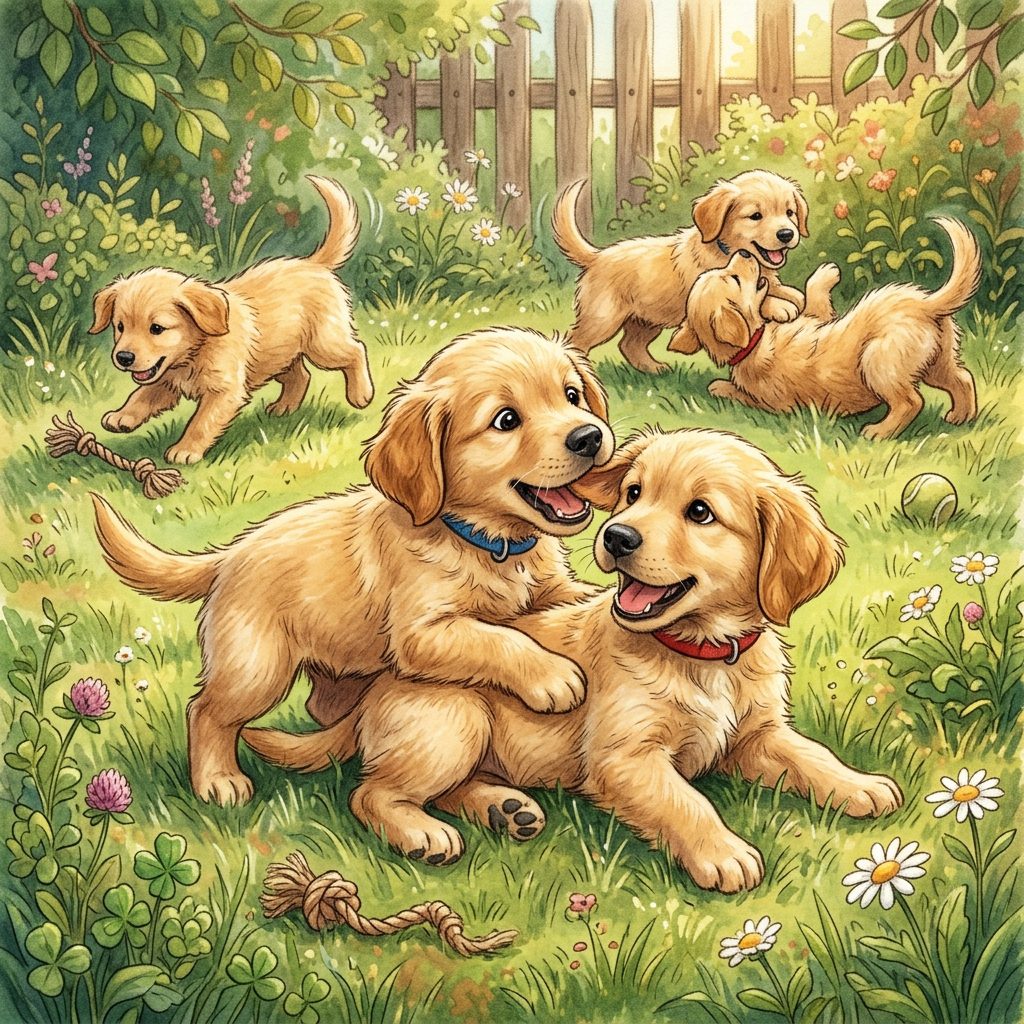
In a natural setting, puppies learn a concept called bite inhibition from their mother and littermates. When a puppy bites a sibling too hard during play, the sibling will typically yelp sharply and stop playing. This immediate withdrawal of attention teaches the biting puppy a crucial lesson: If I bite too hard, the fun stops.
When we bring a puppy into our homes at eight weeks old, they are still mastering this skill. Because humans lack fur and have highly sensitive skin, even a gentle puppy nip can feel like a razor blade. When your puppy bites you, they are usually trying to initiate play, but they lack the impulse control and bite inhibition to do it softly.
Expert Tip: Never punish a puppy for mouthing. Your goal is not to stop them from using their mouths entirely, but to teach them that human skin is off-limits and toys are the appropriate outlet for their biting urges.
Understanding the Difference: Normal Play vs. Play Aggression
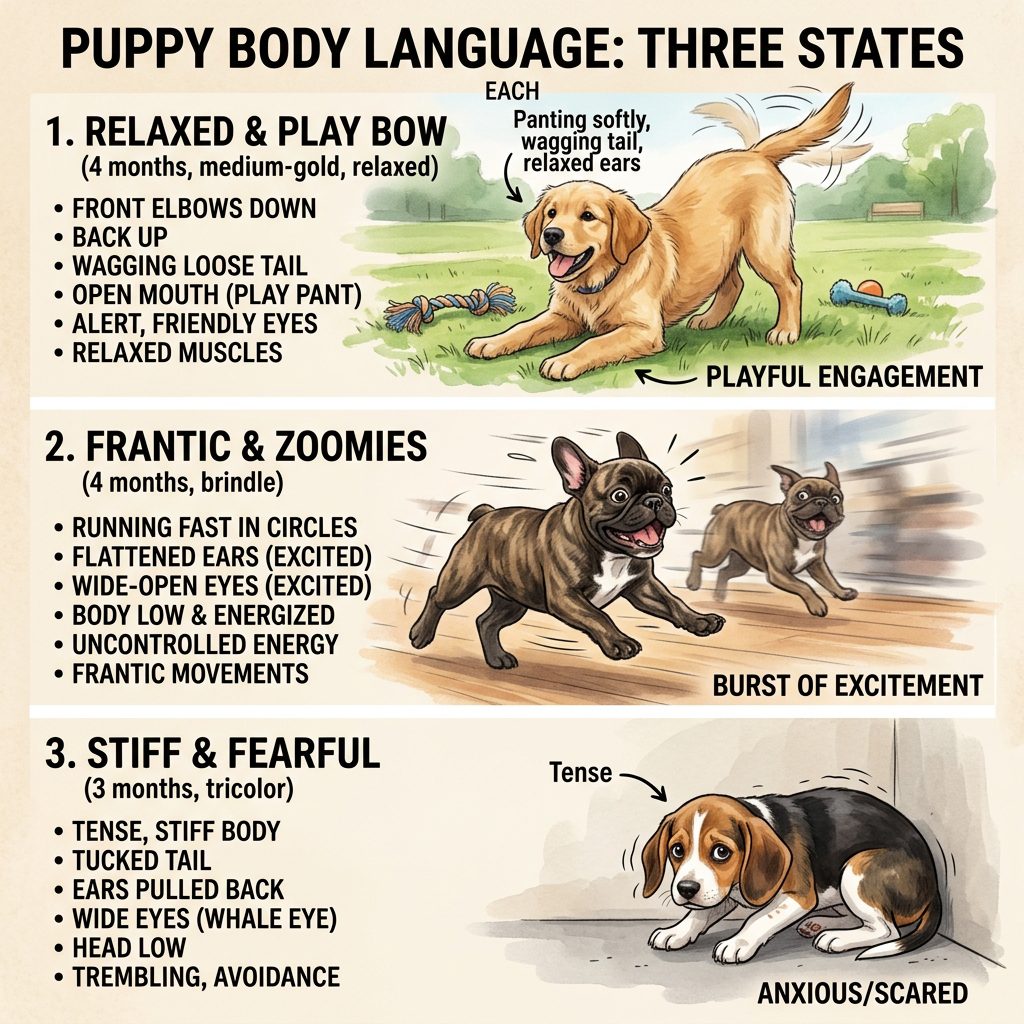
To effectively train your puppy, you must become fluent in canine body language. What looks like aggression to a human is often just an over-tired, overstimulated puppy. True aggression in young puppies (under six months) is exceedingly rare, but play aggression—where play escalates into frantic, painful biting—is incredibly common.
Signs of Normal Puppy Play
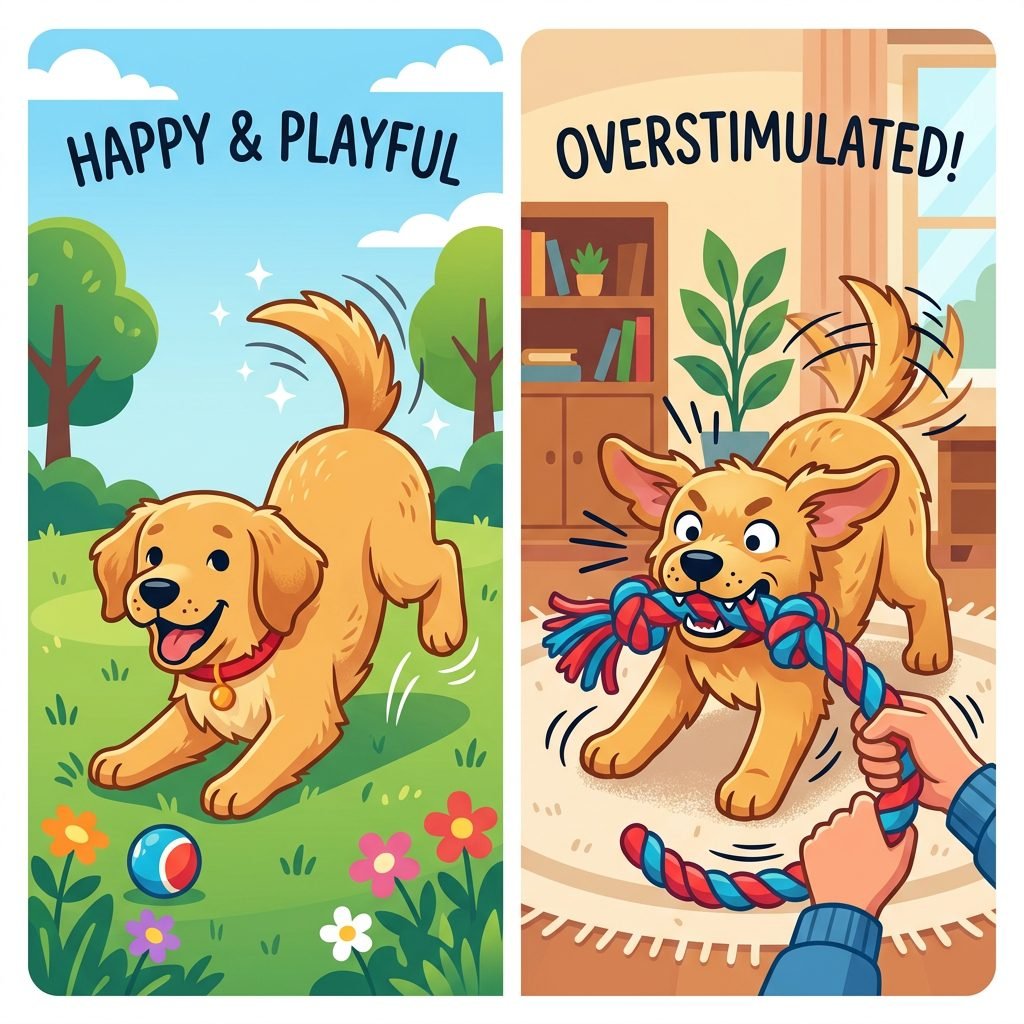
Normal play is characterized by loose, bouncy movements. You will often see the classic play bow (front elbows on the ground, rear end in the air). Their mouth may be open, and they might vocalize with high-pitched barks or low, rumbly growls. Crucially, their body remains wiggly and relaxed. If you stop moving, a playing puppy will usually pause and wait for you to re-engage.
Signs of Play Aggression (Overarousal)
Play aggression happens when a puppy’s arousal levels peak and they lose all impulse control. They may launch themselves at your legs, latch onto your clothing, and refuse to let go. Their growling might sound more frantic, and their eyes may dilate. This is not malicious aggression; it is a puppy throwing a temper tantrum because they are overstimulated.
Signs of True Aggression
True aggression is rooted in fear, pain, or resource guarding. The body language is completely different. A truly aggressive puppy will have a stiff, rigid body. They may show the whites of their eyes (whale eye), pull their lips back to expose their teeth tightly, and emit a deep, warning growl. If you see these signs, it is time to consult a professional.
| Behavior Type | Body Language | Vocalization | Context |
|---|---|---|---|
| Normal Play | Loose, wiggly, bouncy, play bows, soft eyes. | Playful barks, soft rumbly growls, sneezes. | Initiating interaction, relaxed environment. |
| Play Aggression | Frantic movements, jumping, latching on, dilated pupils. | Loud, continuous barking, intense growling. | During high-energy play, zoomies, overtiredness. |
| True Aggression | Stiff body, hard stare, lip curling, tucked tail. | Deep, guttural warning growls, snarling. | Guarding food/toys, feeling cornered or in pain. |
Your Puppy Training Toolkit: Essential Gear
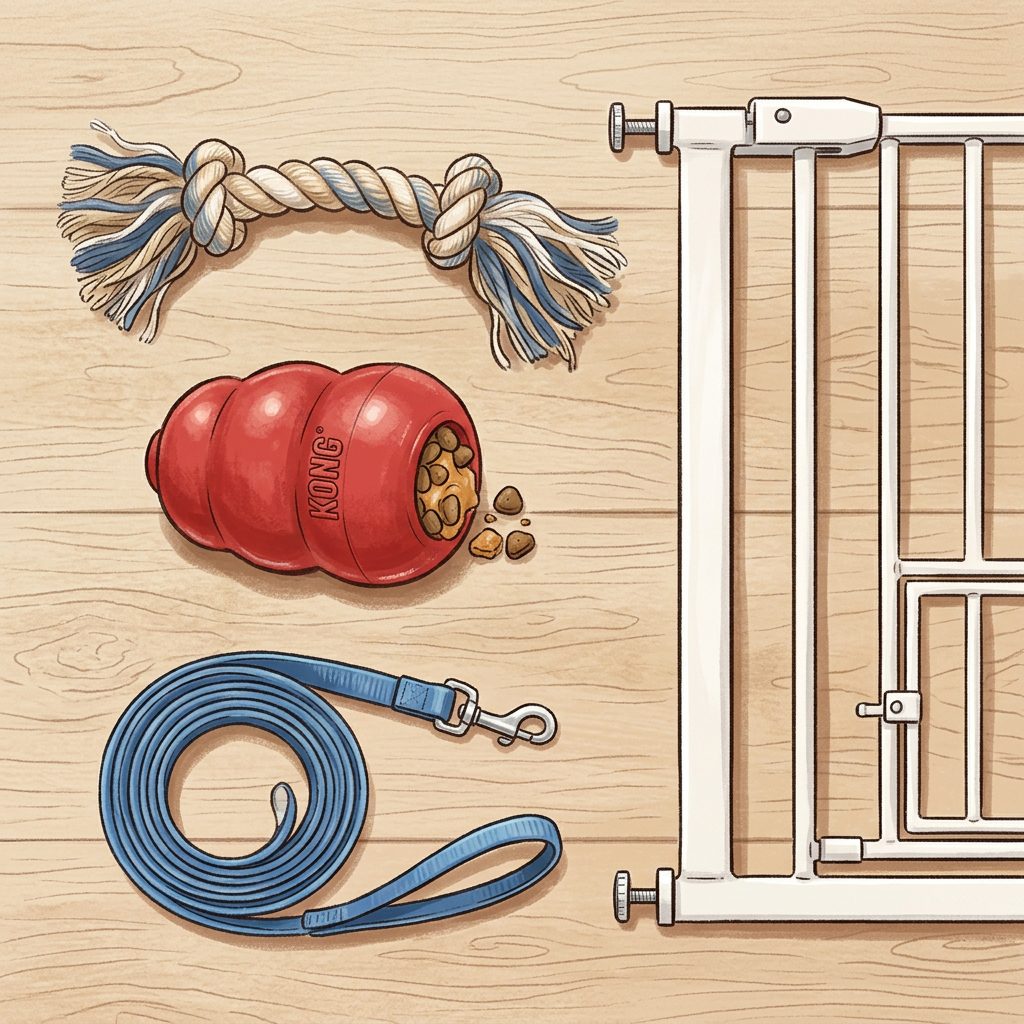
Setting your puppy up for success means having the right tools on hand before the biting starts. You cannot expect a puppy to stop biting if you do not give them an appropriate alternative. Here is what every savvy dog owner needs in their anti-biting toolkit:
- Long Tug Toys: Toys that are long (like a rope or a stuffed snake) keep your hands far away from the puppy’s mouth during play. This prevents accidental nips.
- High-Value Chew Toys: Bully sticks, stuffed Kongs, and durable rubber chews give your puppy an independent outlet for their chewing urges.
- A Flirt Pole: This is essentially a giant cat wand for dogs. It allows your puppy to chase and bite a lure while you stand safely out of reach, burning off their physical energy.
- Baby Gates and Playpens: Management is half of training. Having safe enclosures allows you to step away and give your puppy a reverse time-out when they become too mouthy.
- A House Leash: Keeping a lightweight, drag leash on your puppy indoors allows you to gently guide them away from your ankles without having to grab their collar (which often triggers more biting).
Step-by-Step Guide: How to Stop Play Aggression
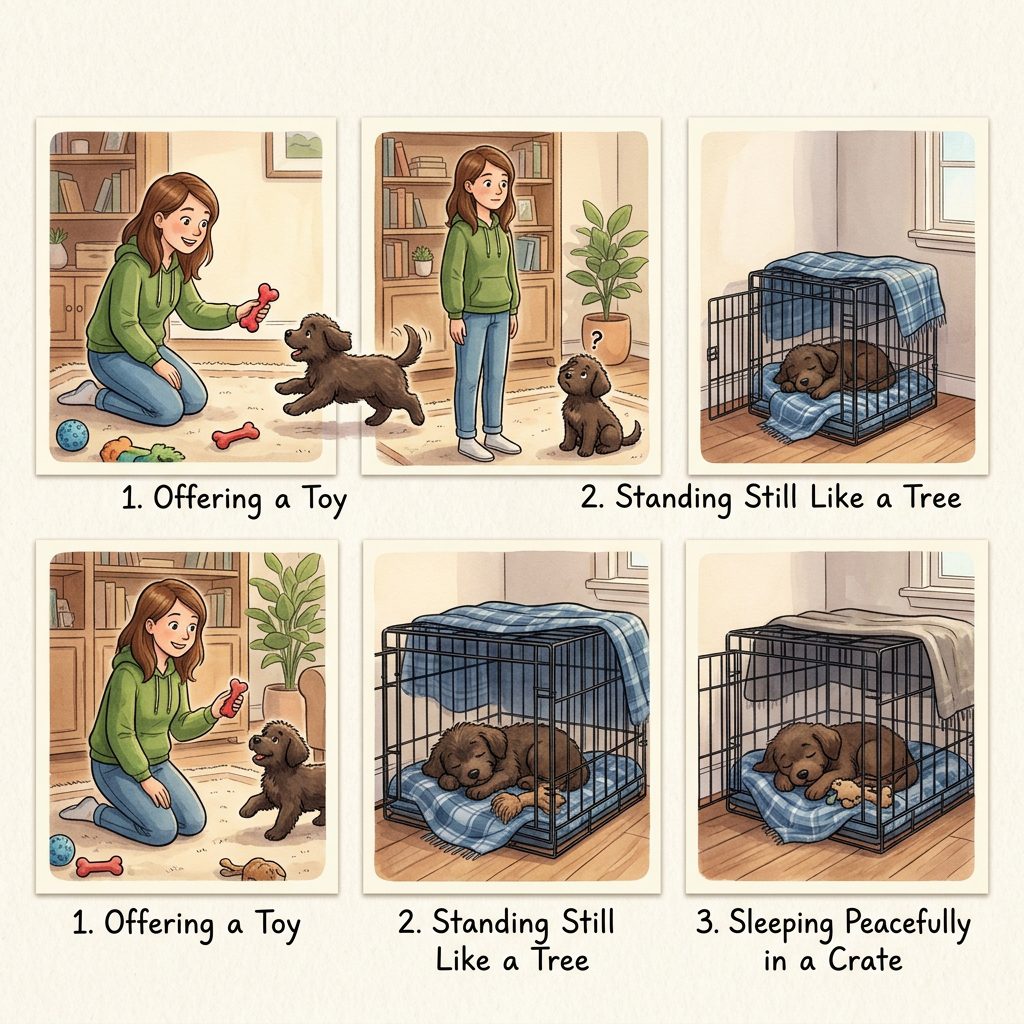
Now that you have your tools and understand the why, it is time to implement the training. Consistency is the most important factor here. Everyone in the household must follow these exact same steps, or your puppy will learn that biting works on certain people.
Step 1: The Preemptive Redirect
The best way to stop play aggression is to prevent it from escalating. When you see your puppy approaching with that mischievous glint in their eye, immediately offer a long tug toy. Wiggle the toy on the ground to make it exciting. Do not shove it in their face. Make the toy more appealing than your hands or ankles.
Step 2: The Freeze (Be a Tree)
If your puppy bypasses the toy and nips your skin or clothing, immediately stop all movement. Cross your arms, stand up straight, and look away. Puppies bite because they want a reaction. If you yell, wave your arms, or push them away, they think you are playing a fun game of wrestling. By freezing, you become incredibly boring. Wait for the puppy to let go and sit or stand calmly.
Step 3: The Reverse Time-Out
If freezing does not work and your puppy continues to bite your ankles or jump on you, you must remove the reward: yourself. Calmly step over a baby gate or step into another room and close the door behind you. Wait exactly 10 to 15 seconds. Do not stay away for minutes, or the puppy will forget why you left. After the short pause, return and immediately offer a toy. If they bite again, leave again.
Step 4: Reward Calm Behavior
We often spend so much time correcting bad behavior that we forget to reward the good. When your puppy is lying quietly, chewing on their own toy, or sitting calmly beside you, drop a treat between their paws. Reinforce the idea that calmness brings rewards, while biting makes the fun stop entirely.
Step 5: Implement the Enforced Nap
If you have tried redirecting, freezing, and reverse time-outs, and your puppy is still a biting terror, they are likely overtired. Puppies need 18 to 20 hours of sleep a day. When they turn into uncontrollable landsharks, it is usually a sign they need a nap. Gently place them in their crate or playpen with a soothing chew toy, dim the lights, and let them sleep.
Common Mistakes Savvy Owners Make
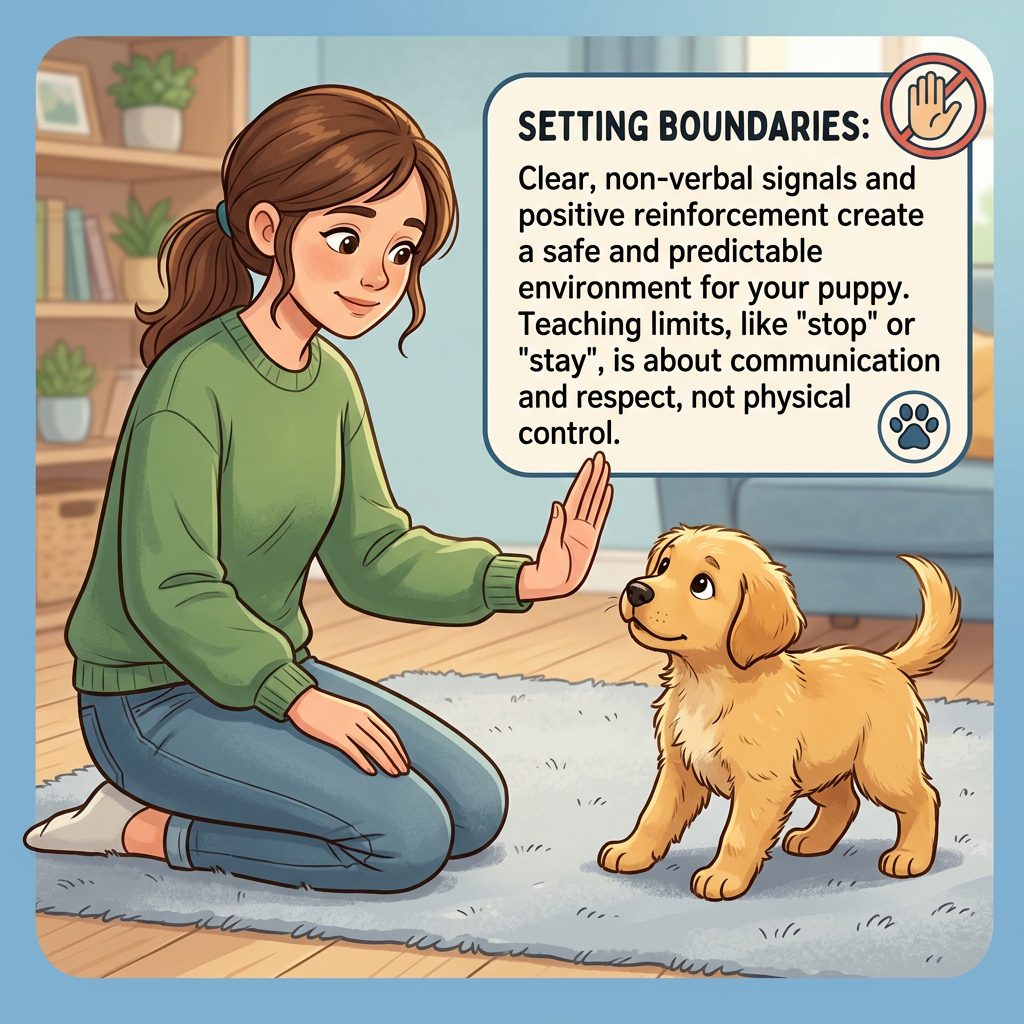
Even the most dedicated dog owners can inadvertently encourage play aggression. Training a puppy is an emotional journey, and it is easy to slip into bad habits. Here are the most common pitfalls to avoid:
- Using Hands as Toys: Never wrestle with your puppy using your bare hands. If you teach them that hands are fun toys when they are calm, they will not understand why hands are suddenly off-limits when they are excited. Always use a toy as a buffer.
- Yelping Like a Littermate: Many old-school training books suggest yelping “Ouch!” when a puppy bites. While this works for some soft-natured puppies, for highly aroused puppies (especially terriers and herding breeds), a high-pitched yelp sounds exactly like a squeaky toy. It can actually trigger more biting. If yelping excites your dog, switch to silent reverse time-outs.
- Physical Corrections: Never tap your puppy on the nose, hold their muzzle shut, or use “alpha rolls.” These outdated methods do not teach the puppy what to do; they only teach the puppy to fear your hands. A puppy that fears hands may eventually resort to true defensive aggression.
- Inconsistency: If you allow the puppy to nibble your fingers on the couch, but scold them for biting your ankles in the kitchen, the puppy will be thoroughly confused. The rule must be black and white: teeth never touch human skin or clothing.
Expert Tip: If you feel yourself getting frustrated, it is okay to put the puppy in their pen and walk away. Puppies feed off our energy. If you are tense and angry, the puppy will become more frantic. Take a deep breath and try again later.
Troubleshooting: When the Biting Just Will Not Stop
Sometimes, despite your best efforts, it feels like the biting phase will never end. If you are stuck in a rut, consider these underlying factors that might be fueling your puppy’s play aggression.
Is It Teething?
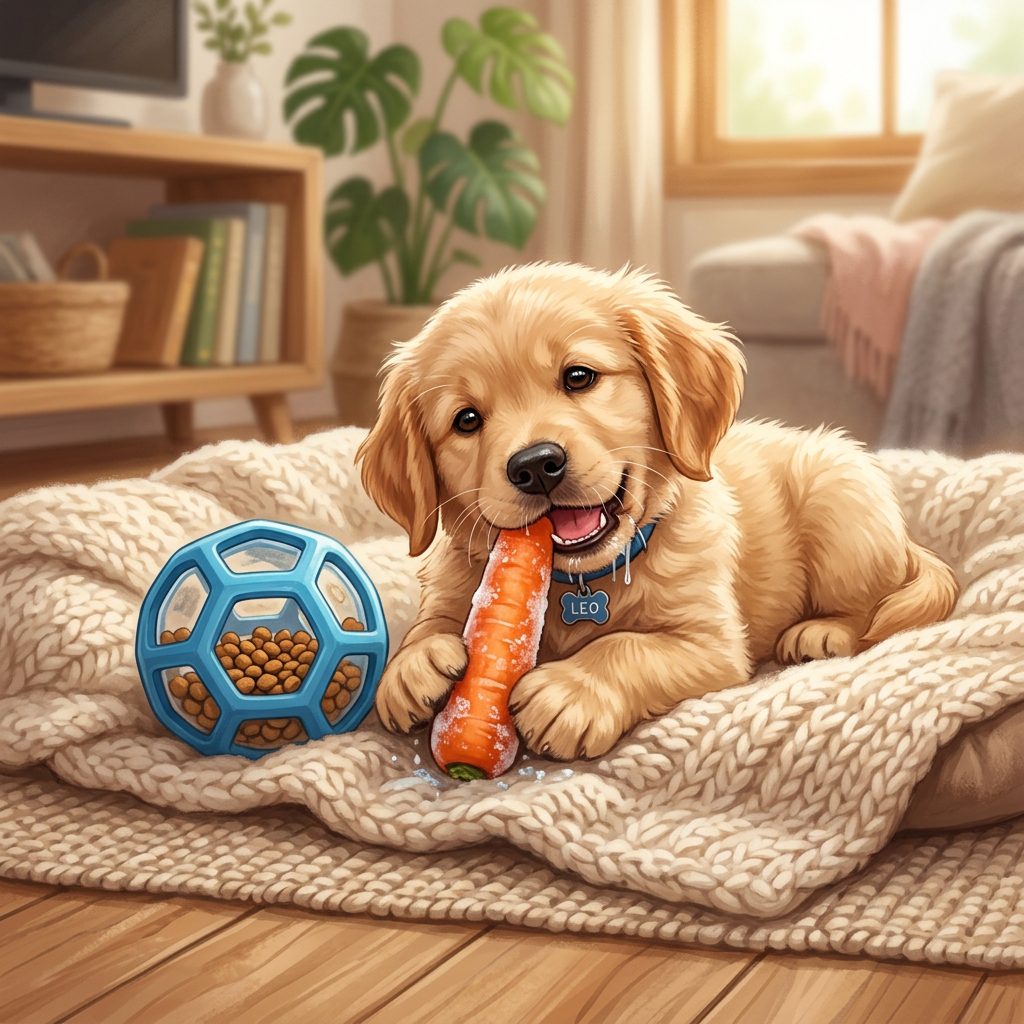
Between the ages of four and six months, puppies lose their baby teeth and their adult teeth come in. This process is highly uncomfortable. Their gums swell, and they feel a constant, intense urge to chew to relieve the pressure. If your puppy is in this phase, standard redirection might not be enough. You need to provide soothing relief. Try offering frozen carrots, frozen damp washcloths (supervised), or rubber toys stuffed with wet food and frozen solid. The cold will numb their aching gums.
Are Their Needs Being Met?
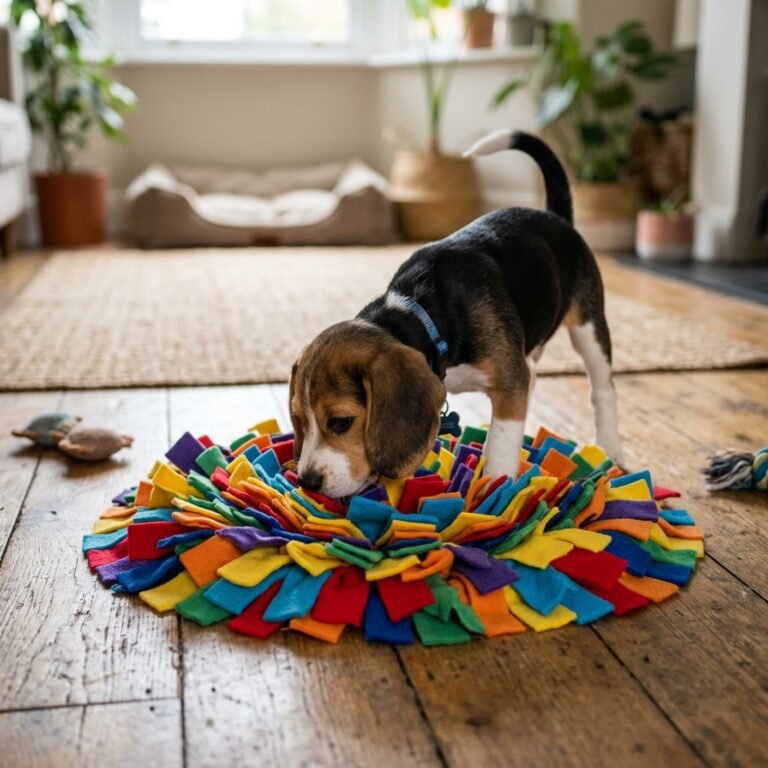
A bored puppy is a bitey puppy. Evaluate your puppy’s daily routine. Are they getting enough physical exercise? (Remember, short, frequent walks are better for growing joints than long runs). More importantly, are they getting enough mental stimulation? Mental fatigue is just as important as physical fatigue. Ditch the food bowl and feed your puppy all their meals through puzzle toys, snuffle mats, or short training sessions. A puppy that has worked their brain will be much less likely to attack your ankles.
When to Seek Professional Help
While play aggression is normal, there is a line where professional intervention becomes necessary. If your puppy is breaking the skin deeply, guarding resources (growling when you approach their food or toys), or if the biting is accompanied by stiff body language and a refusal to back down, do not wait for them to grow out of it. Seek the guidance of a certified, positive-reinforcement dog trainer or a veterinary behaviorist. Early intervention is the key to preventing lifelong behavioral issues.
Conclusion
Navigating the biting phase is a rite of passage for every puppy parent. It is completely normal to feel overwhelmed, but remember that play aggression is a temporary developmental stage, not a permanent personality trait. By understanding the difference between healthy play and overarousal, managing their environment, and remaining incredibly consistent with your reverse time-outs, you will teach your puppy the gentle habits they need.
Keep your patience high, your training treats handy, and your sense of humor intact. Before you know it, those sharp little puppy teeth will fall out, the frantic zooming will settle down, and you will be left with a polite, affectionate adult dog who knows exactly how to play safely. You have got this!