Embarrassing Habit? How to Stop Your Puppy Mounting Your Arm During Playtime
The ‘Awkward’ Side of Puppy Parenthood
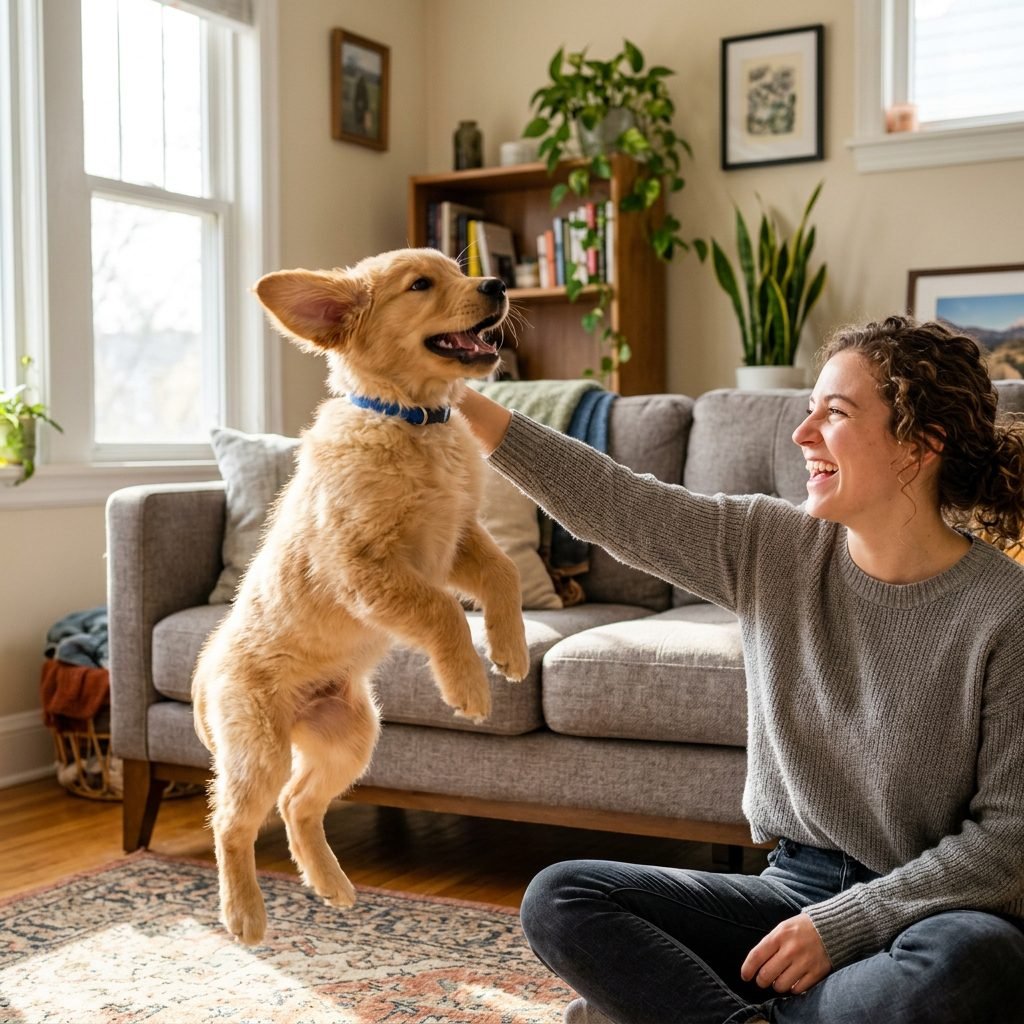
You are in the middle of a wonderful play session with your new furry friend. The tail is wagging, the toys are flying, and then it happens: your puppy latches onto your arm and begins the dreaded ‘hump.’ It is a moment that leaves many savvy dog owners feeling a mix of embarrassment, confusion, and perhaps a little bit of frustration. You might wonder, ‘Is my puppy aggressive? Is this sexual? Did I do something wrong?’
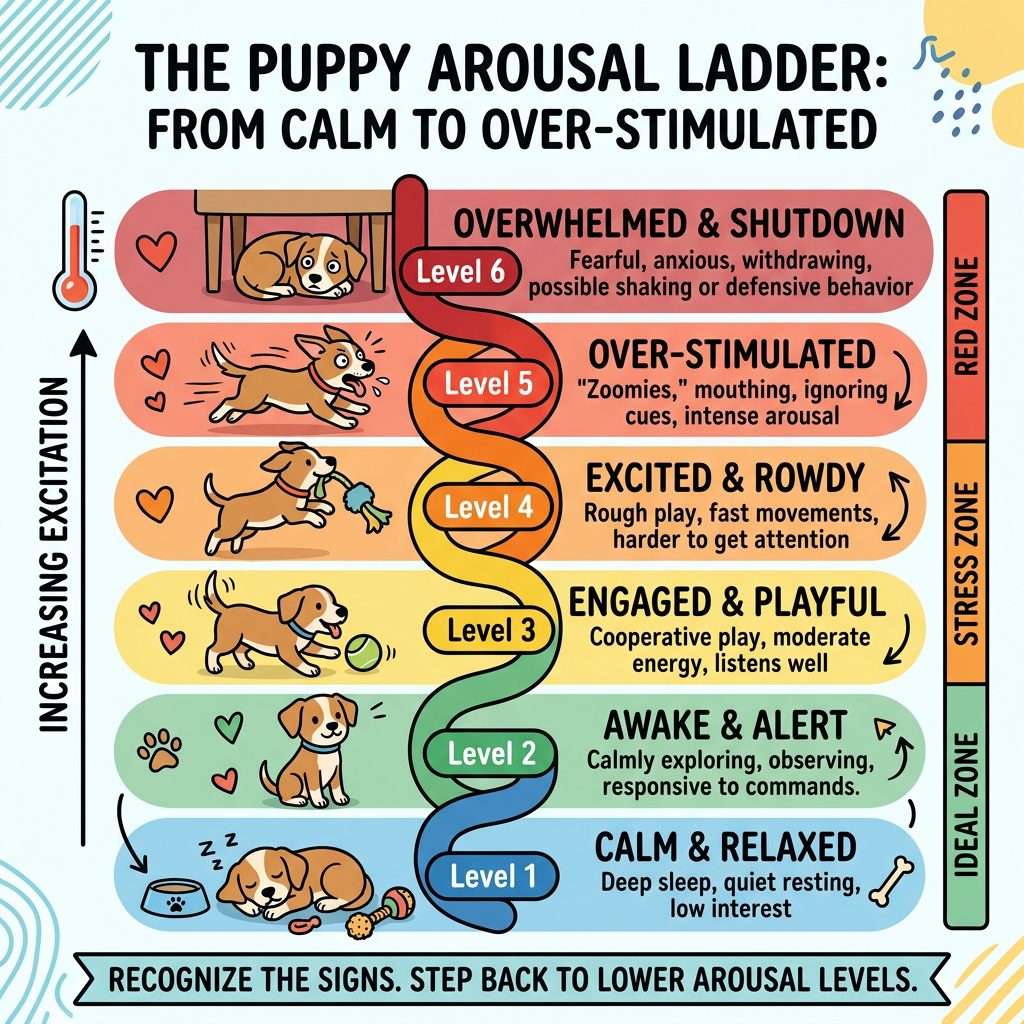
First, take a deep breath. Mounting, or humping, is an incredibly common behavior in puppies, and in the vast majority of cases, it has absolutely nothing to do with sexual intent or a desire for ‘dominance.’ Instead, it is usually a sign of a puppy whose ‘arousal bucket’ has simply overflowed. As a canine specialist, I see this daily. It is a physical manifestation of over-stimulation, excitement, or even a bit of stress. In this comprehensive guide, we are going to dive deep into the psychology of the ‘puppy hump,’ explore the triggers that lead to your arm becoming a target, and provide you with a step-by-step roadmap to redirect this energy into more appropriate behaviors. We will move past the embarrassment and focus on clear, friendly, and effective training solutions that strengthen the bond between you and your pup.
Decoding the Hump: Why Puppies Target Your Arm
It is All About the Arousal Ladder
To stop the behavior, we first have to understand why it is happening. For puppies, the world is a giant, overwhelming playground. When they get excited, their bodies release adrenaline and cortisol. If that excitement isn’t channeled into running, tugging, or fetching, it can manifest as mounting. Think of it as a physical ‘short circuit’ in their nervous system. Your arm is often the target simply because it is at the right height and is actively involved in the play.
Common triggers include high-pitched voices, fast-moving hands, or play sessions that go on just a few minutes too long. By identifying these triggers, you can intervene before the mounting even starts. Let’s look at the different motivations behind this behavior in the table below:
| Motivation | Description | Body Language Clues |
|---|---|---|
| Over-Stimulation | The most common cause; the puppy is too excited to think straight. | Wide eyes, frantic movement, heavy panting. |
| Stress/Anxiety | The puppy uses the repetitive motion to self-soothe in a new environment. | Tense body, pinned ears, lip licking. |
| Overtiredness | Similar to a human toddler having a tantrum when they need a nap. | ‘Zoomies,’ nipping, and inability to settle. |
| Social Learning | The puppy is testing out different social interactions and play styles. | Play bows followed by mounting attempts. |
Expert Tip: Most puppies grow out of this behavior as they learn better impulse control, but active redirection now prevents it from becoming a learned habit in adulthood.
The Trainer’s Toolkit: What You Need Before You Start
Preparation is Key
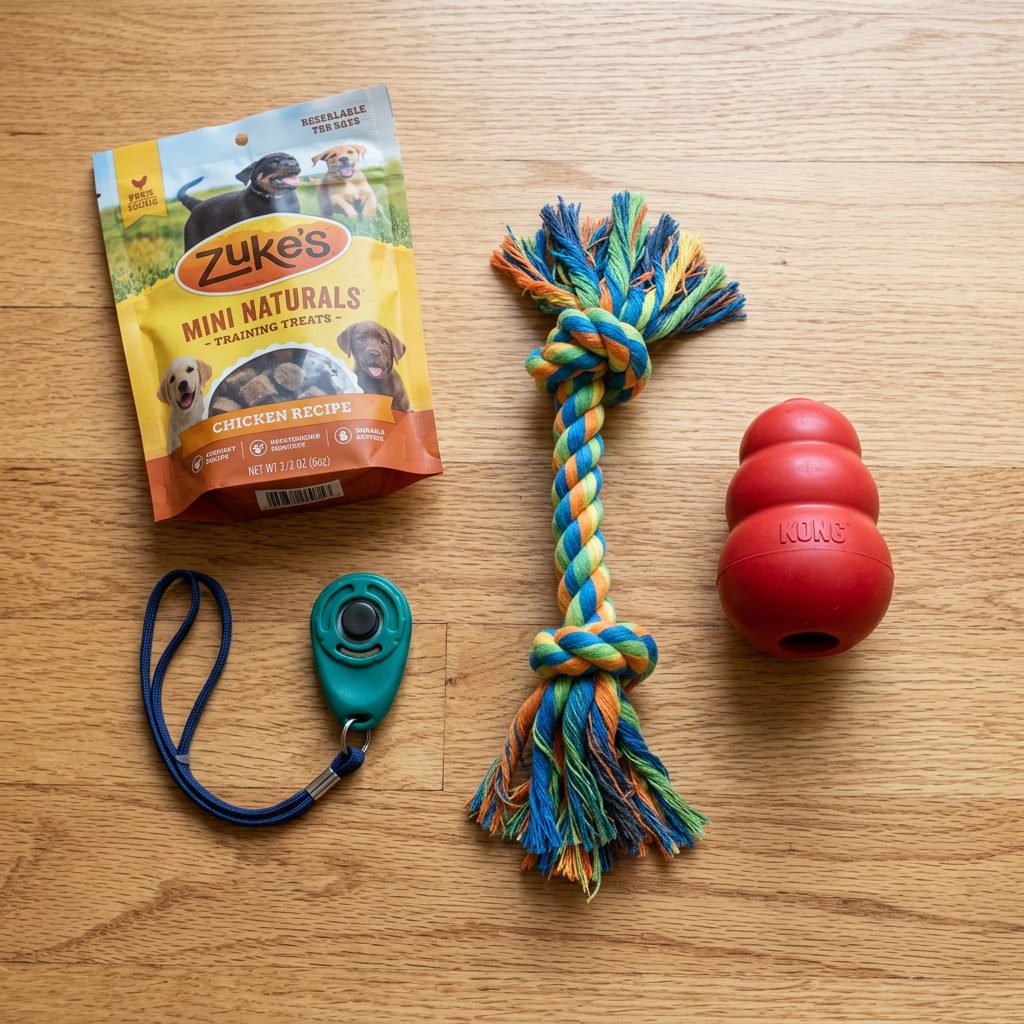
Before we jump into the training steps, you need to have your ‘behavior modification kit’ ready. Consistency is the most important tool in your belt, but these physical items will help you manage the environment and reward the ‘good’ choices your puppy makes.
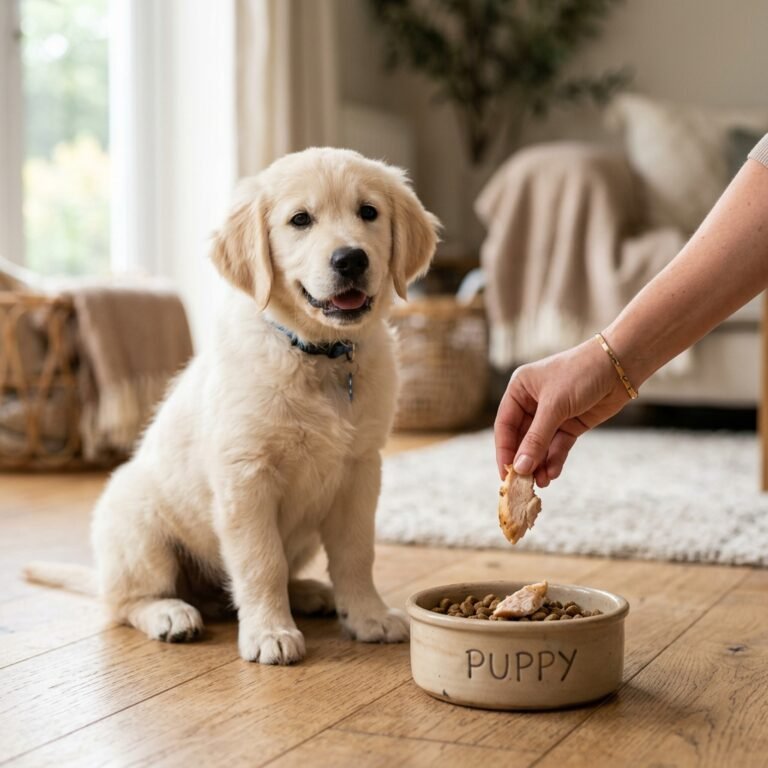
- High-Value Treats: We are talking about something better than their standard kibble. Think small pieces of boiled chicken, cheese, or freeze-dried liver.
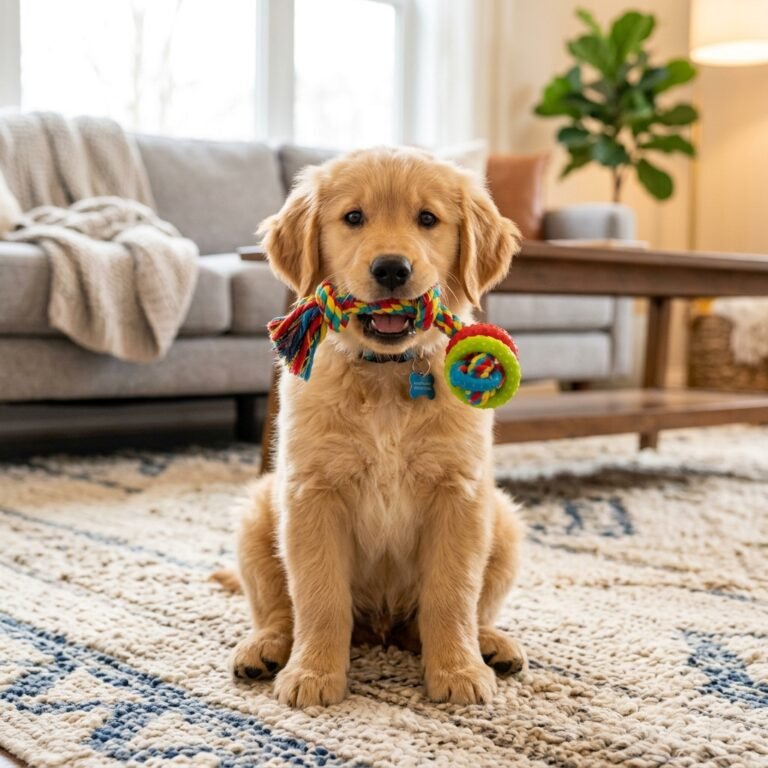
- Redirection Toys: Keep a long tug toy or a plushie nearby. These are great for placing between your arm and the puppy’s mouth/body.
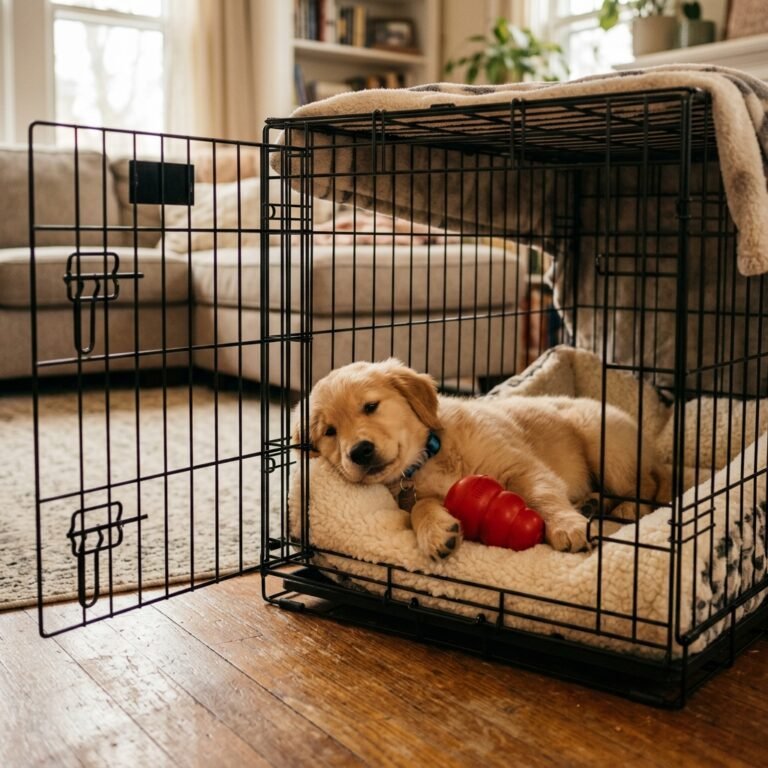
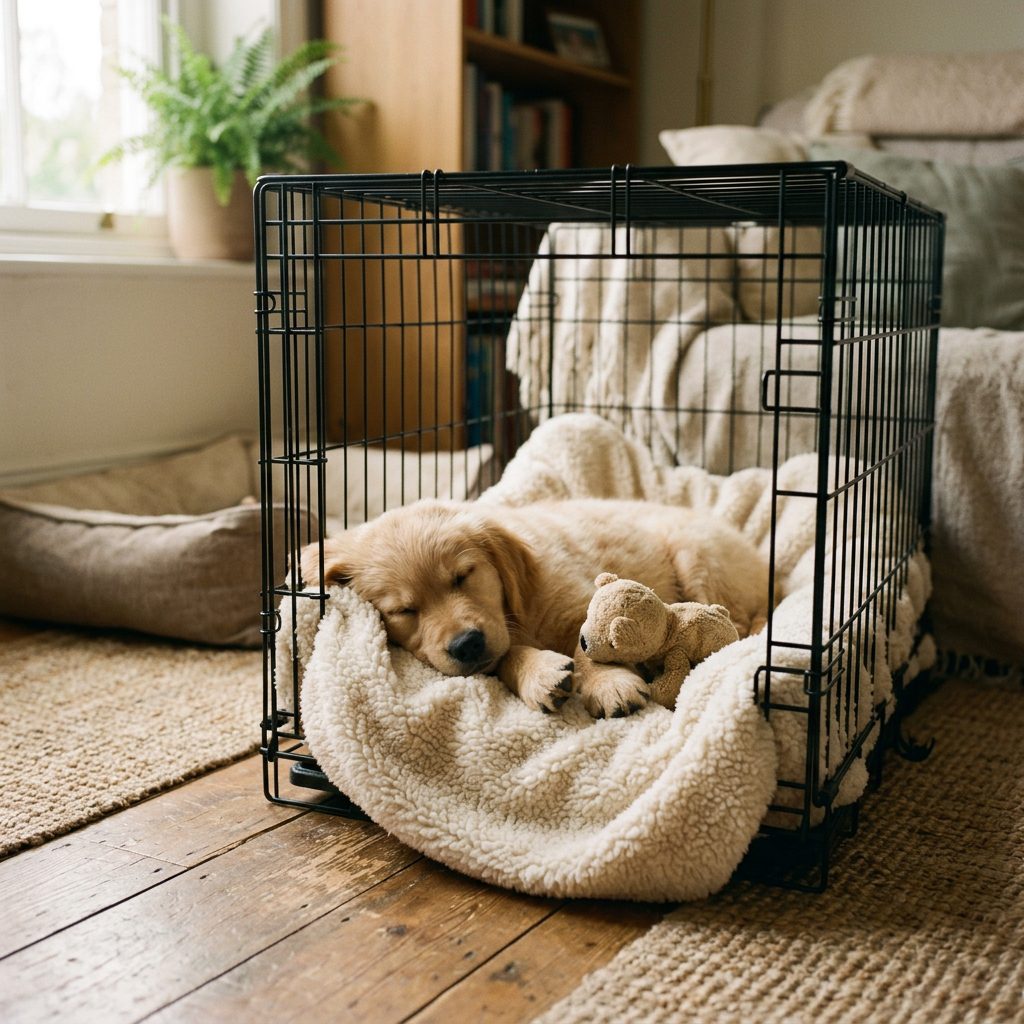
- A ‘Reset’ Zone: This could be a crate, a playpen, or even just the other side of a baby gate. This is not for punishment, but for a ‘calm down’ break.
- A Clicker (Optional): If you are already clicker training, this is a great way to mark the exact second your puppy chooses to sit instead of mount.
By having these tools within arm’s reach during playtime, you ensure that you aren’t scrambling when the behavior occurs. You want to be able to act within 1.5 seconds of the behavior starting to effectively communicate with your dog.
The Step-by-Step Protocol to Stop the Mounting
Step 1: Identify the ‘Pre-Hump’ Signs
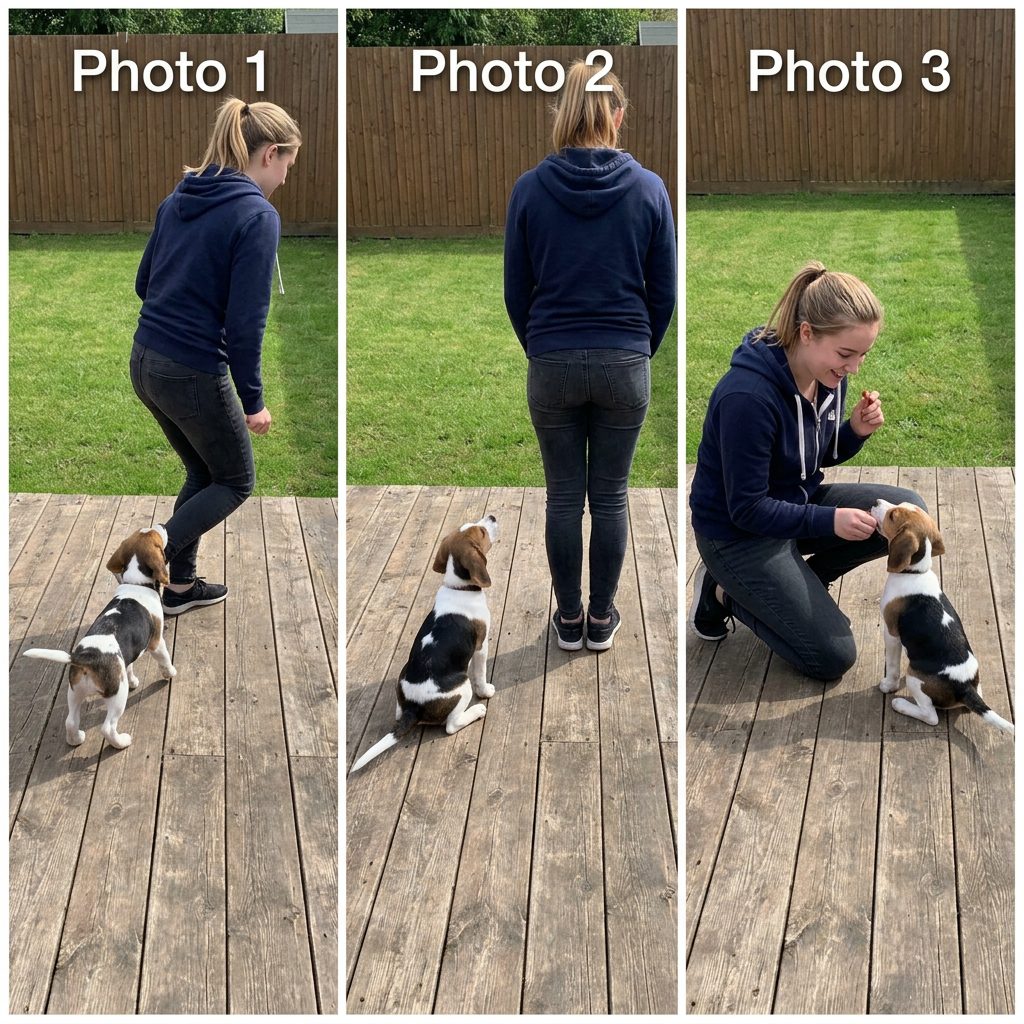
Puppies rarely mount out of nowhere. There is usually a build-up. Watch for the ‘glazed’ look in their eyes, a stiffening of the body, or frantic jumping. When you see these signs, stop play immediately before the mounting occurs. This is called ‘managing the threshold.’
Step 2: The Immediate Redirection
If the puppy moves toward your arm, place a toy in their way. Encourage them to grab the toy instead. If they take the toy, praise them warmly. You are teaching them that ‘toys are for grabbing, arms are for petting.’
Step 3: The ‘Game Over’ Technique
If the puppy ignores the toy and latches onto your arm, use the ‘Game Over’ method. Say a neutral ‘Uh-oh’ or ‘Oops,’ gently disengage (without pushing or wrestling, which they might think is part of the game), and stand up and walk away. Cross your arms and ignore the puppy for 30 seconds. This teaches them that mounting causes the ‘fun’ (you) to disappear.
Step 4: Request an Alternative Behavior
Once the puppy has calmed down (usually after 30 seconds of being ignored), ask them for a simple command they know well, like ‘Sit’ or ‘Touch.’ When they comply, reward them with a treat. This resets their brain from ‘frantic play mode’ to ‘learning mode.’
Step 5: Implement the ‘Three-Second Rule’
During play, practice the three-second rule. Play for three seconds, then stop and ask for a sit. If the puppy sits, play resumes. This keeps their arousal levels from spiking too high and gives them frequent ‘brain breaks.’
Remember: The goal is to keep the puppy below their ‘boiling point.’ If they are already boiling, no learning can happen.
Common Mistakes: What to Avoid
Don’t Turn It Into a Wrestling Match
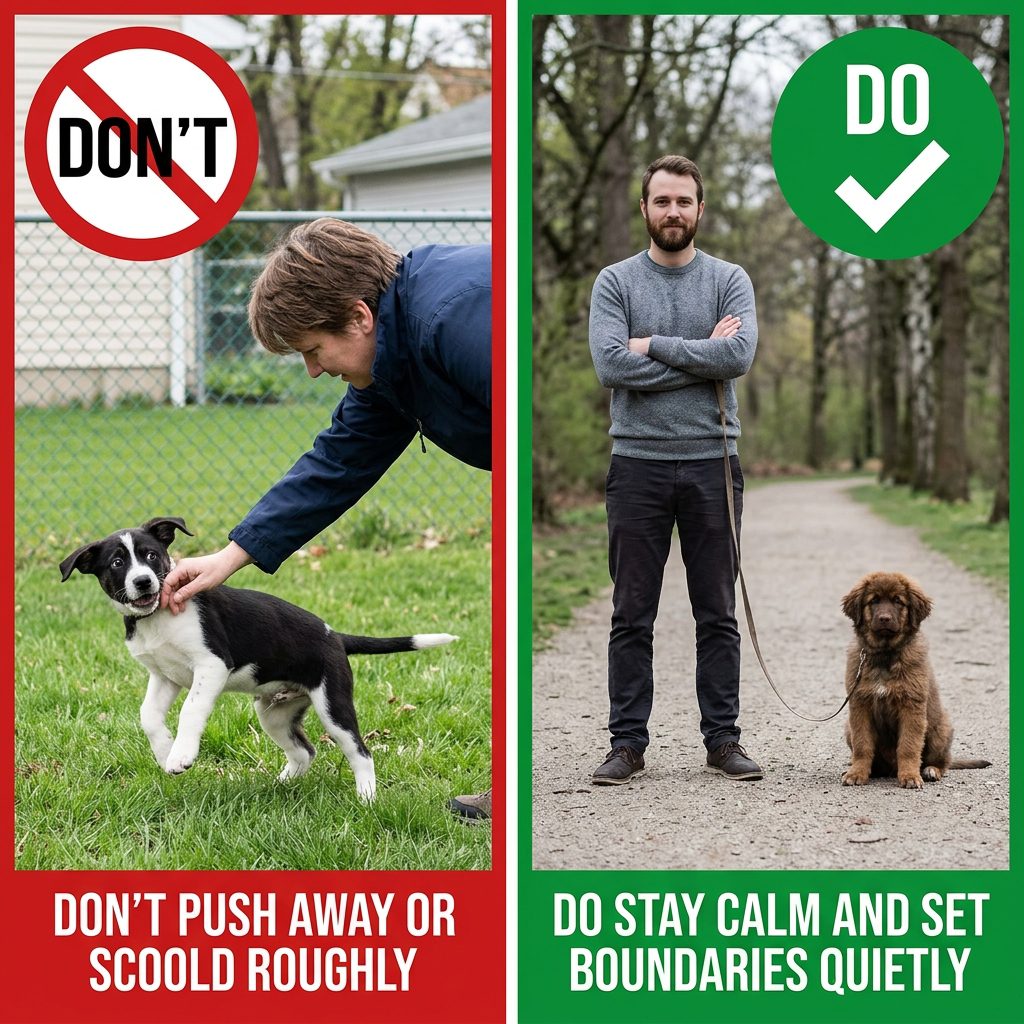
When your puppy mounts, your instinct might be to push them off or move your arm quickly. To a puppy, this looks like a fun wrestling game! Moving your limbs rapidly can actually increase their excitement. Instead, be as ‘boring’ as possible. Be a statue.
Avoid Physical Punishment
Never yell at, hit, or ‘alpha roll’ your puppy for mounting. Because this behavior is usually driven by over-excitement or stress, punishment will only make them more anxious, which can lead to more mounting or even defensive aggression. We want to build a relationship based on trust, not fear.
Don’t Laugh or Encourage It
It can be funny the first few times, but if you laugh or give the puppy ‘negative’ attention (like scolding that sounds like play), you are reinforcing the behavior. Consistency among all family members is vital. If Dad laughs but Mom says ‘No,’ the puppy will be confused and the habit will stick around longer.
Troubleshooting: When the Habit Persists
Is it Medical or Behavioral?
While most mounting is behavioral, if your puppy is suddenly mounting excessively or seems to be in discomfort (licking the area frequently), a quick vet check is a good idea. Urinary tract infections or skin allergies can sometimes cause a puppy to mount objects to relieve irritation.
Check the Exercise/Sleep Balance
Savvy owners often focus on exercise, but sleep is just as important. An overtired puppy is a mounting puppy. Ensure your pup is getting 18-20 hours of sleep a day. If they have been awake for more than an hour, they are likely due for a nap. Use the table below to check if your pup’s routine is balanced:
| Activity Type | Recommended Daily Amount | Benefit for Mounting |
|---|---|---|
| Physical Play | 20-40 mins (divided) | Expends raw energy. |
| Mental Enrichment | 30-60 mins (puzzles/training) | Tires the brain, lowers arousal. |
| Forced Naps | 18-20 hours | Prevents ‘cranky’ over-stimulation behavior. |
| Calm Tethering | 15-30 mins | Teaches the puppy to be bored and relax. |
When to Call a Professional
If the mounting is accompanied by snarling, snapping, or if the puppy becomes intensely focused and cannot be redirected even with high-value treats, it may be time to consult a certified positive-reinforcement behaviorist. They can help you look at the ‘big picture’ of your dog’s environment and temperament.
Long-Term Prevention: Building a Balanced Puppy
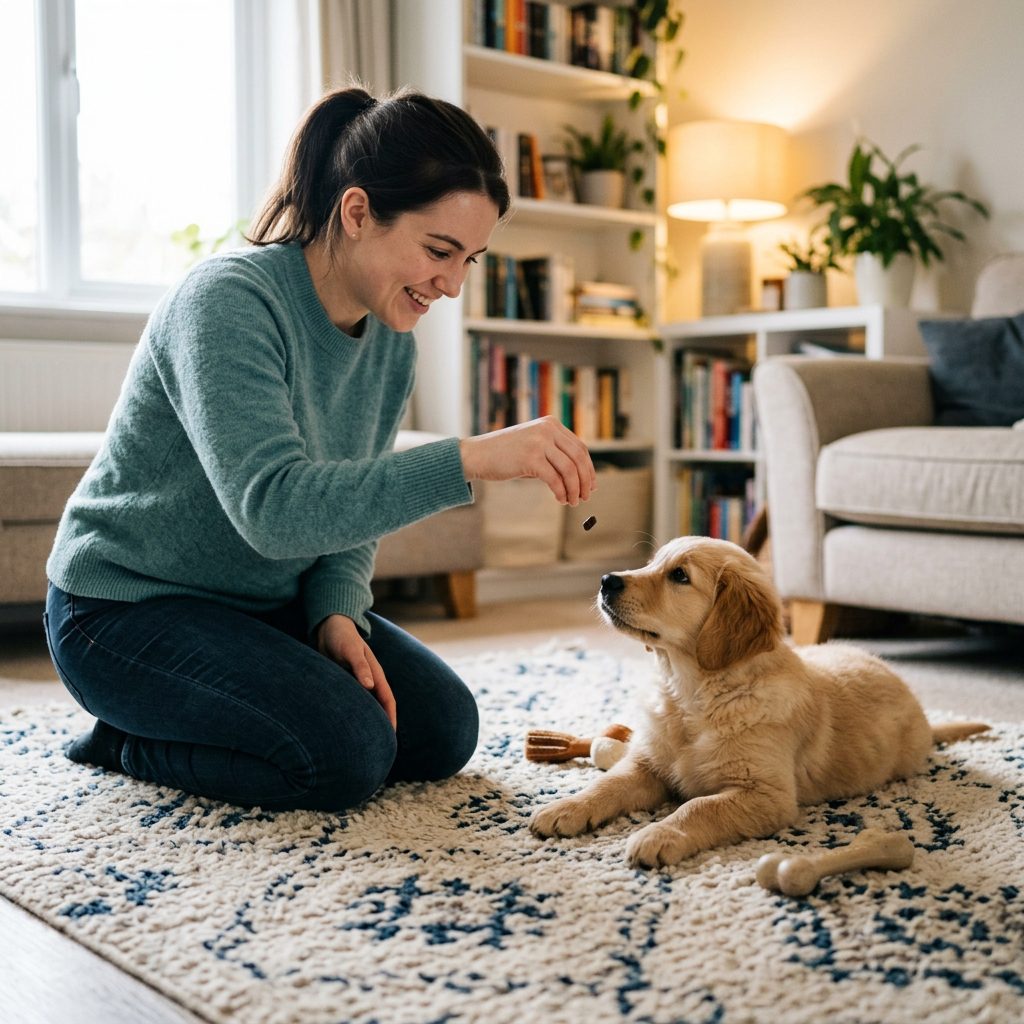
Capturing Calm
The best way to stop an unwanted behavior is to heavily reward the behavior you do want. Practice ‘capturing calm.’ Whenever you see your puppy lying down quietly or playing gently with a toy on their own, calmly walk over and drop a treat between their paws. You are teaching them that being calm is the most rewarding thing they can do.
Enrichment Over Exhaustion
Instead of just playing fetch until the puppy drops, use mental enrichment. Snuffle mats, Lickimats, and frozen Kongs are fantastic tools. These activities lower a dog’s heart rate and provide a ‘calming’ chemical release in the brain, which is the exact opposite of the ‘high-arousal’ state that leads to mounting.
By focusing on a holistic approach—managing the environment, redirecting the behavior, and ensuring proper rest—you will find that the ’embarrassing’ mounting habit fades away, replaced by a puppy who knows how to play politely and relax comfortably by your side.
Conclusion
From Awkward to Awesome
Puppy mounting is a phase, but how you handle it determines how quickly that phase passes. By staying calm, being consistent, and focusing on redirection rather than punishment, you are giving your puppy the tools they need to navigate their big emotions. Remember, your puppy isn’t trying to ‘dominate’ you or embarrass you; they are simply a young animal learning how to handle a surge of excitement. With the steps we’ve covered today, you can get back to what really matters: enjoying the goofy, wonderful, and (mostly) polite company of your growing dog. Happy training!