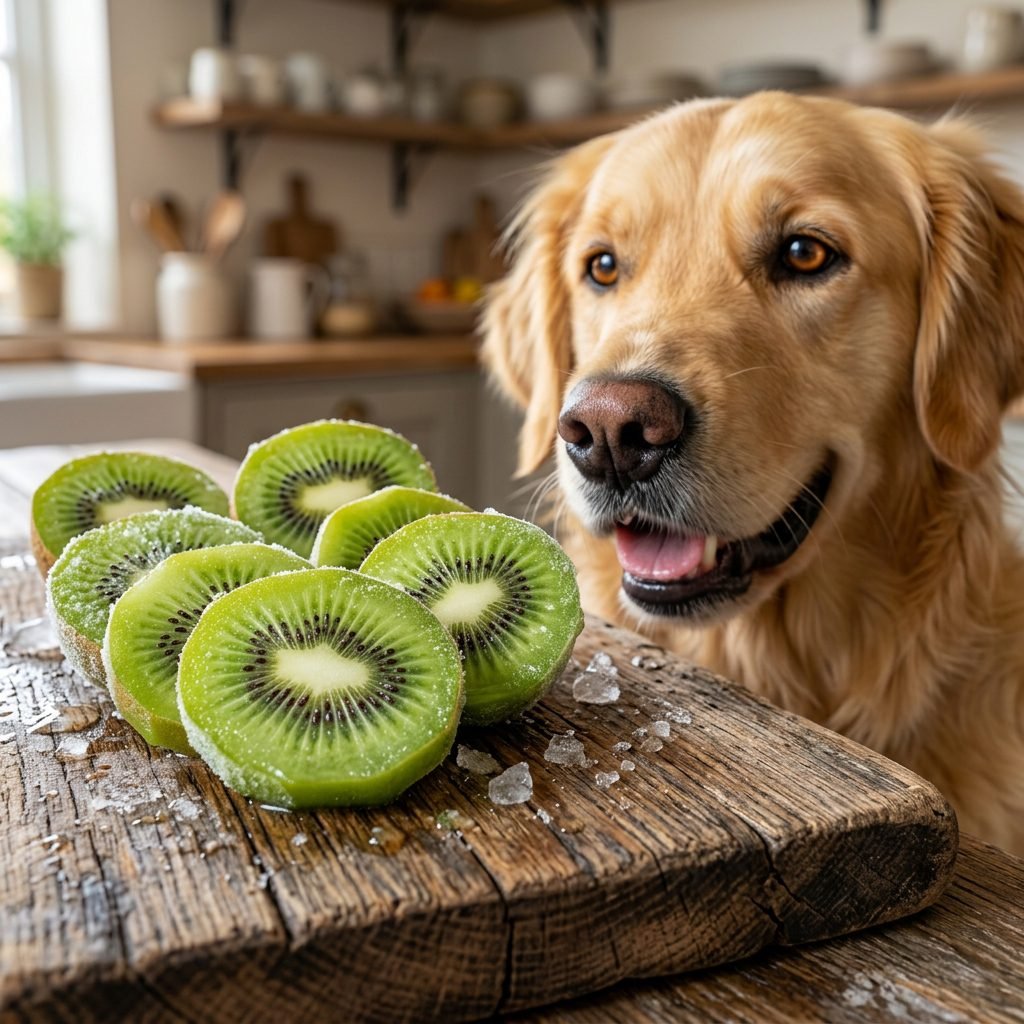
Why Frozen Kiwi Dog Treats Are the Secret to Your Dog’s Shiny Coat and Happy Tummy
The Superfood They Don’t Want You to Know About
Let’s get real for a second. I’ve spent years dissecting the back of dog treat bags like a forensic scientist at a crime scene. You know what I see most of the time? Corn starch, ‘natural flavors’ (which is code for lab-created chemicals), and enough sugar to make a toddler bounce off the walls. We’re paying $15 for a bag of ‘superfood’ treats that contain maybe 1% of the actual fruit shown on the front. It’s a racket. That’s why I started looking into raw, whole-food alternatives that actually move the needle for our dogs’ health. Enter the humble kiwi.
You might think of kiwi as just a fuzzy tropical fruit, but in the world of canine nutrition hacking, it’s a goldmine. When frozen, it becomes a crunchy, hydrating, and enzyme-rich snack that targets the two things every owner wants: a mirror-like coat shine and a gut that doesn’t produce room-clearing gas. In this guide, I’m going to break down why frozen kiwi is the ultimate hack for your dog’s health and how you can prepare it for a fraction of the cost of those ‘premium’ store-bought snacks.
Hacker Tip: Most ‘fruit-flavored’ dog treats use fruit juice concentrate, which strips away the fiber and leaves only the sugar. Using whole frozen kiwi keeps the fiber intact, which is the key to that happy tummy we’re after.
The Nutritional Forensic Report: What’s Actually Inside a Kiwi?
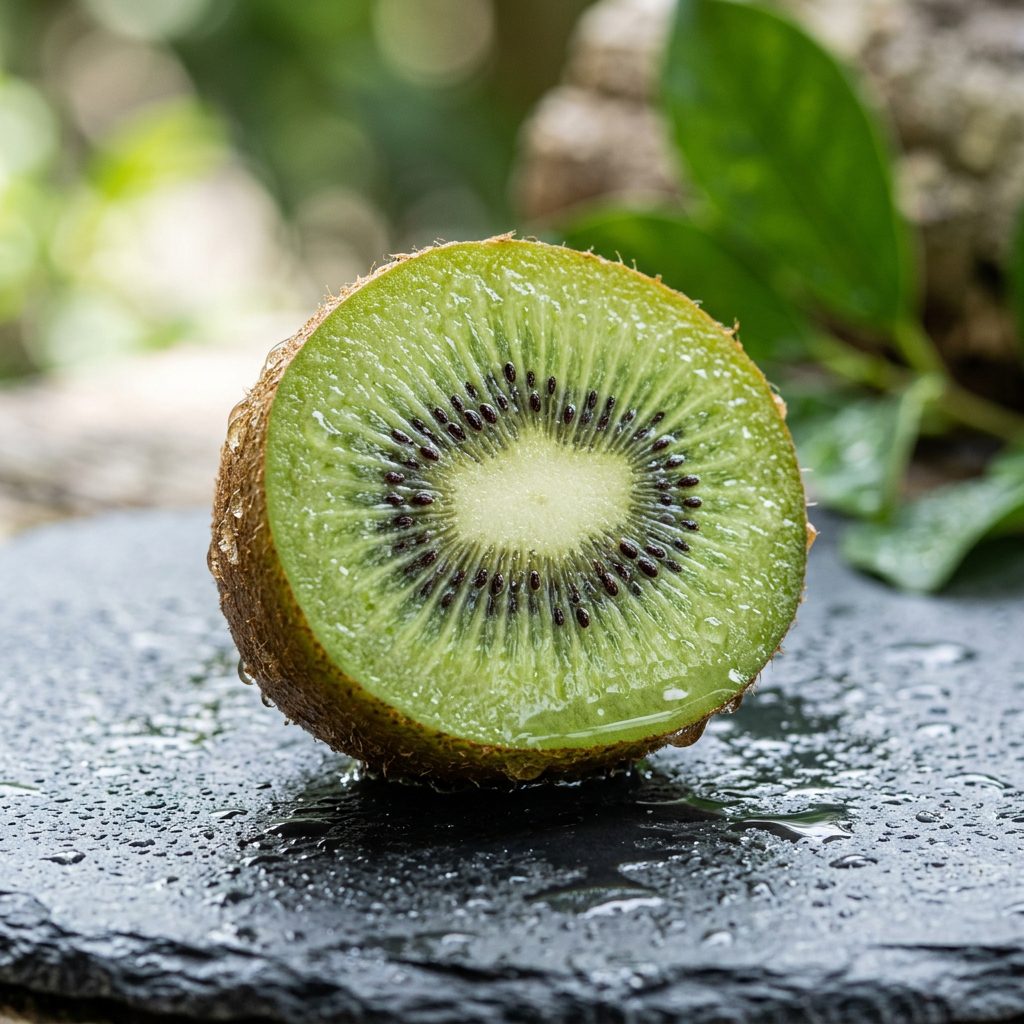
When we look at the nutritional profile of a kiwi, we aren’t just looking for ‘vitamins.’ We are looking for bio-availability—how much of that goodness your dog actually absorbs. Kiwi is packed with a specific set of nutrients that specifically target skin elasticity and fur health.
Vitamin C: The Immunity Booster
While dogs produce their own Vitamin C in their livers (unlike humans), supplemental Vitamin C from whole foods can be a massive help during times of stress or aging. It acts as a powerful antioxidant that fights oxidative stress, which is often the culprit behind a dull, brittle coat.
Vitamin E and Phytonutrients
This is the ‘secret sauce’ for the coat. Vitamin E is essential for skin cell regeneration. If your dog has flaky skin or ‘hot spots,’ the Vitamin E in kiwi helps strengthen the skin barrier from the inside out. A strong skin barrier means less itching and a softer feel to the fur.
Potassium and Folate
These minerals support heart health and cell division. For a savvy owner, seeing these in a whole-food form is much better than seeing ‘Potassium Chloride’ added to a bag of kibble as a synthetic supplement.
The Enzyme Advantage: Actinidin for a Happy Tummy
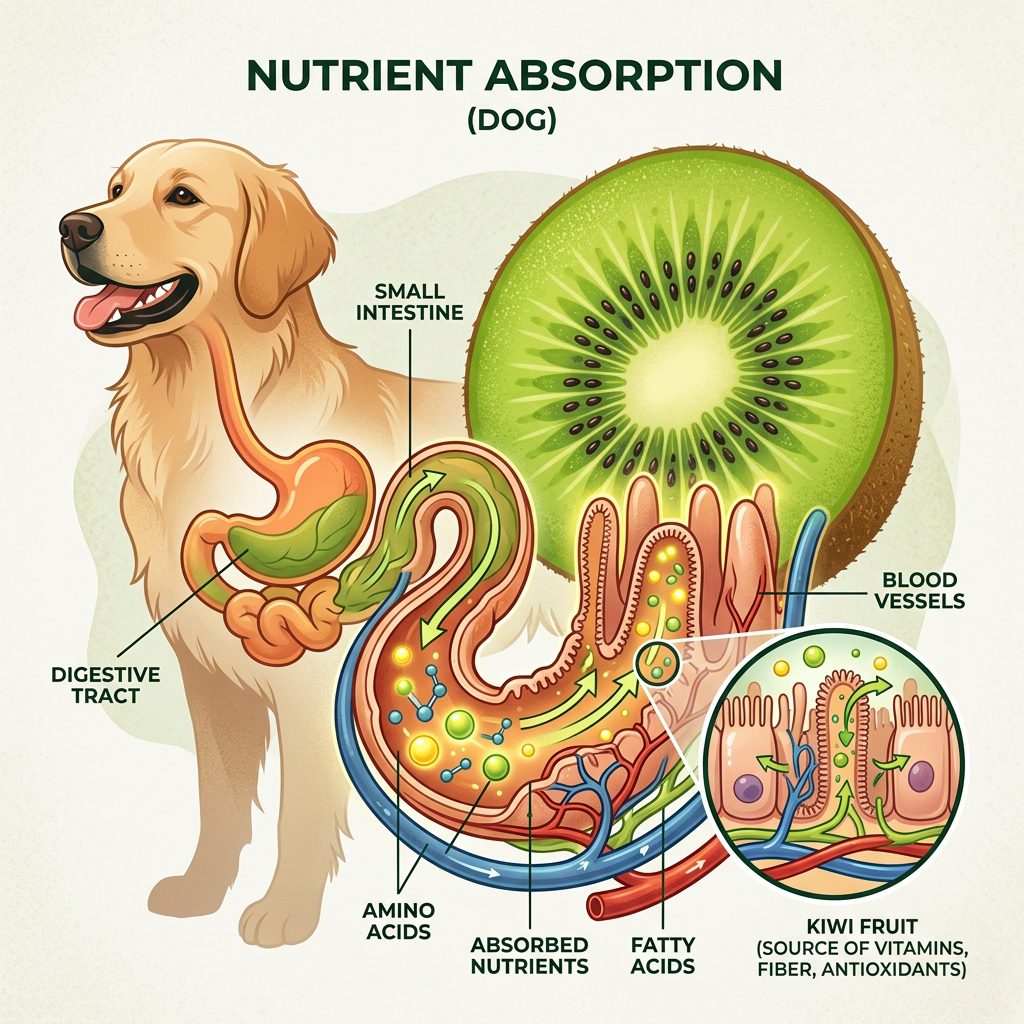
This is where kiwi leaves other fruits like apples or bananas in the dust. Kiwi contains a unique proteolytic enzyme called actinidin. This enzyme is a powerhouse at breaking down proteins.
Think about it: most dogs eat a high-protein diet. If their gut isn’t efficiently breaking down those proteins, it leads to bloating, gas, and poor nutrient absorption. By introducing a small amount of actinidin via frozen kiwi, you are essentially giving your dog a natural digestive aid. This leads to smaller, firmer stools and significantly less ‘doggy breath’ caused by digestive backup.
Insider Secret: If your dog is a ‘gulper’ who eats too fast, their digestion is already under pressure. A frozen kiwi treat after a meal can help kickstart the protein breakdown process.
The Math: DIY Kiwi Treats vs. ‘Premium’ Store Brands
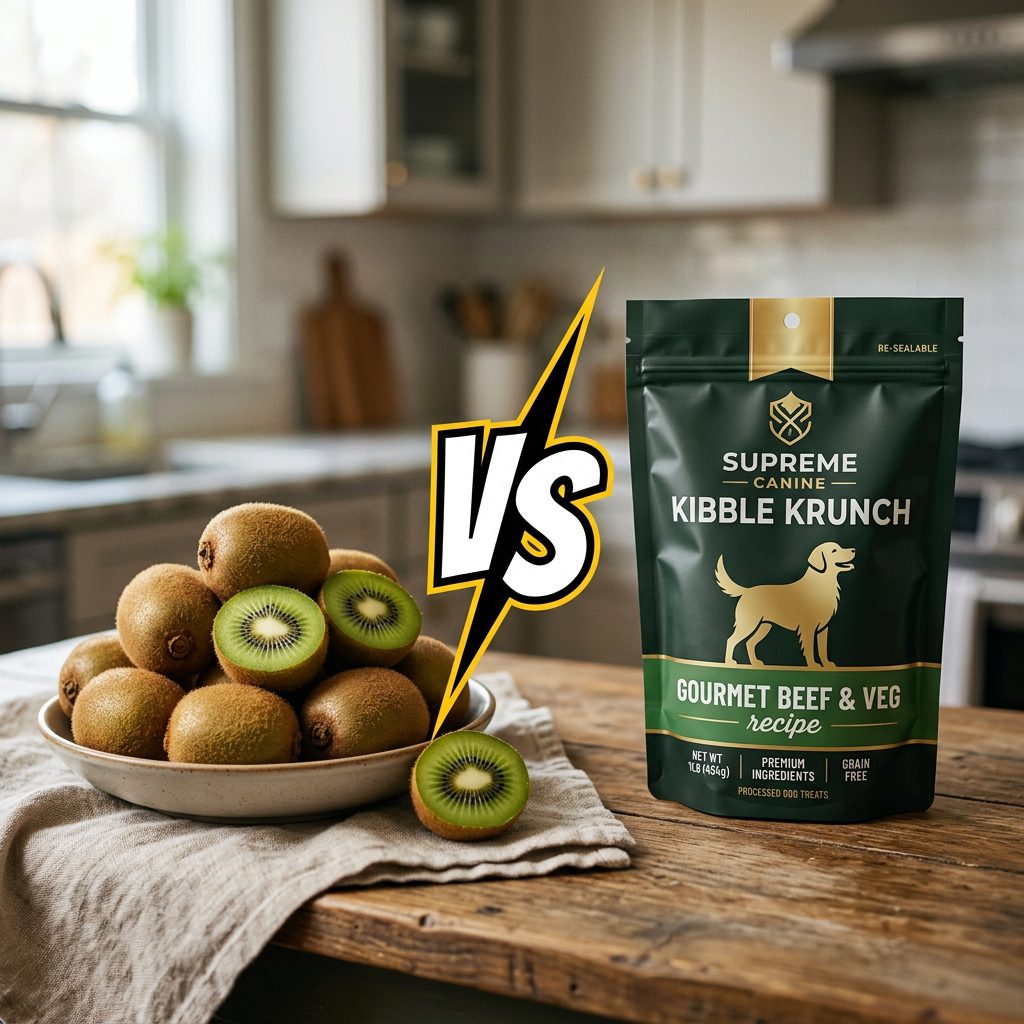
As a nutrition hacker, I don’t just care about the ingredients; I care about the wallet. Let’s look at how much you’re actually spending when you buy into the marketing hype of ‘Natural Fruit Bites’ at the pet store.
| Treat Type | Cost Per Ounce | Primary Ingredient | Hacker Verdict |
|---|---|---|---|
| ‘Premium’ Fruit Chews | $1.25 – $1.80 | Glycerin / Pea Starch | Overpriced Filler |
| Freeze-Dried Kiwi (Pet Brand) | $3.50+ | Kiwi (Processed) | Expensive Convenience |
| Fresh/Frozen DIY Kiwi | $0.15 – $0.25 | 100% Whole Kiwi | The Winner |
By switching to frozen kiwi, you aren’t just giving your dog better nutrition; you’re saving enough money over a year to pay for a high-end orthopedic bed or a few extra vet checkups. That is what being a savvy owner is all about.
Preparation & Safety: The ‘Safe Chef’ Guide
SAFETY DISCLAIMER
I am not a veterinarian. While kiwi is generally safe for dogs, every dog is an individual. Always introduce new foods in small quantities to monitor for allergic reactions or digestive upset. Kiwi is high in fiber and natural sugars, so moderation is key.
The ‘Hacker’ Prep Method
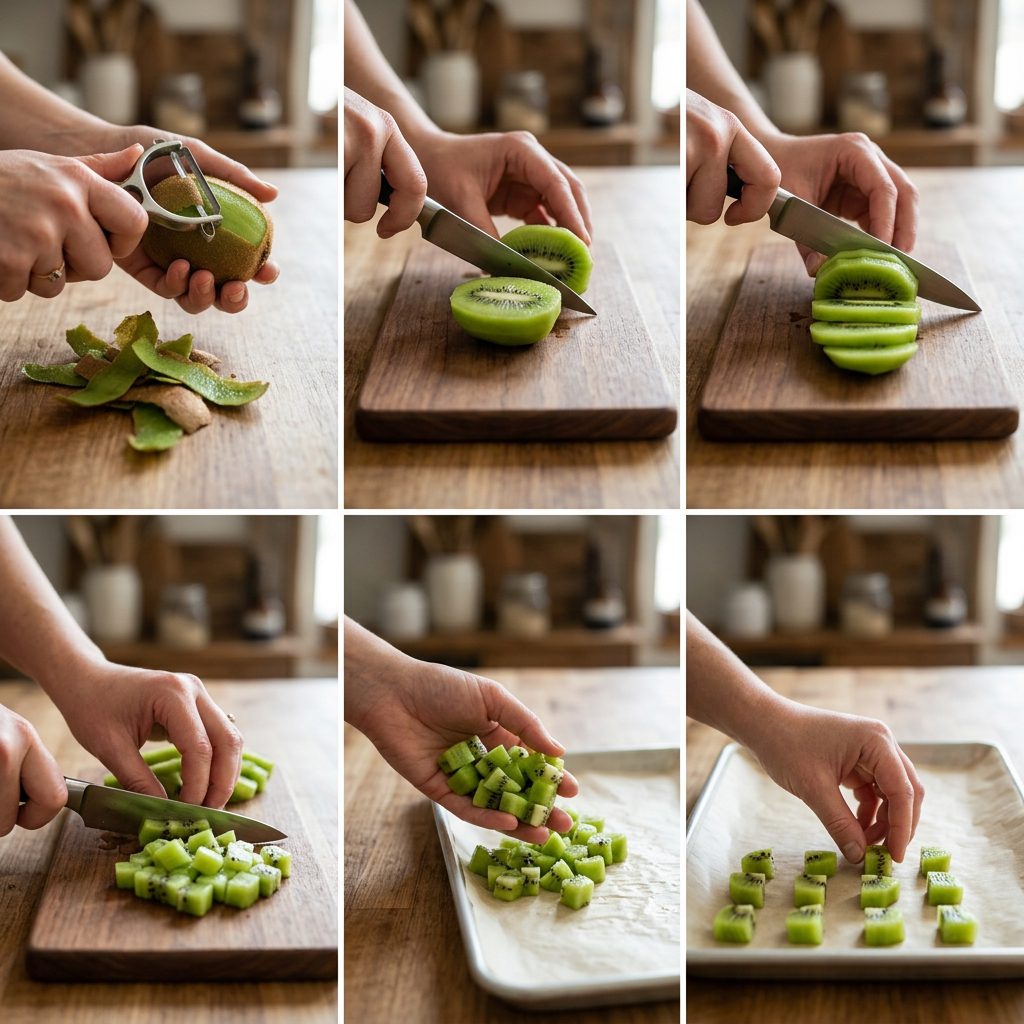
You can’t just toss a whole kiwi at your dog. The fuzzy skin is technically edible, but for most dogs, it’s a choking hazard and can be very irritating to the digestive tract. Here is the safest way to prep:
- Peel Thoroughly: Use a vegetable peeler to remove every bit of the brown, fuzzy skin.
- Remove the Core: The hard white center of the kiwi can be tough to digest for smaller dogs. I recommend slicing it out.
- Size Matters: Cut the kiwi into bite-sized rounds or cubes based on your dog’s size. For a 50lb dog, a 1-inch cube is perfect.
- The Flash Freeze: Lay the pieces on a parchment-lined tray and freeze for 4 hours before moving them to a silicone bag. This prevents them from clumping into a giant ‘kiwi-brick.’
The Safe Chef Recipe: The Frozen Kiwi Glow-Pop
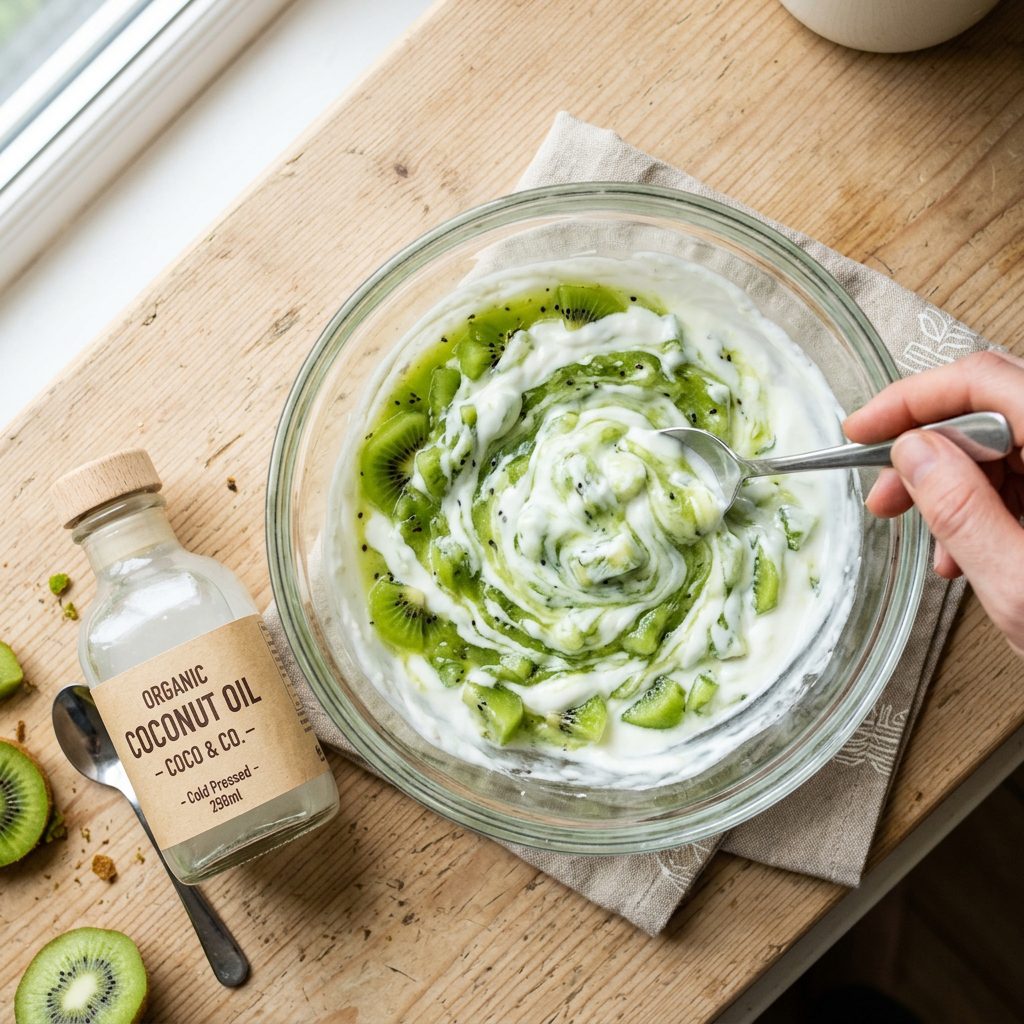
If you want to level up from just plain frozen slices, try this ‘Hacker’ recipe. It combines the kiwi with healthy fats to make those fat-soluble vitamins (like Vitamin E) even more effective.
Ingredients:
- 2 Ripe Kiwis (Peeled and diced)
- 1/2 Cup Unsweetened Plain Greek Yogurt (or Kefir for a probiotic boost)
- 1 Teaspoon Unfiltered Coconut Oil (Melted)
Instructions:
- Blend the kiwi and yogurt until smooth.
- Whisk in the melted coconut oil (this provides the healthy fats for coat shine).
- Pour the mixture into small silicone molds.
- Freeze for at least 6 hours.
Hacker Tip: Use a mold with small cavities. These should be ‘treats,’ not ‘meals.’ A 10-calorie pop is plenty for a mid-day reward.
Portion Control: Don’t Overdo the Sugar
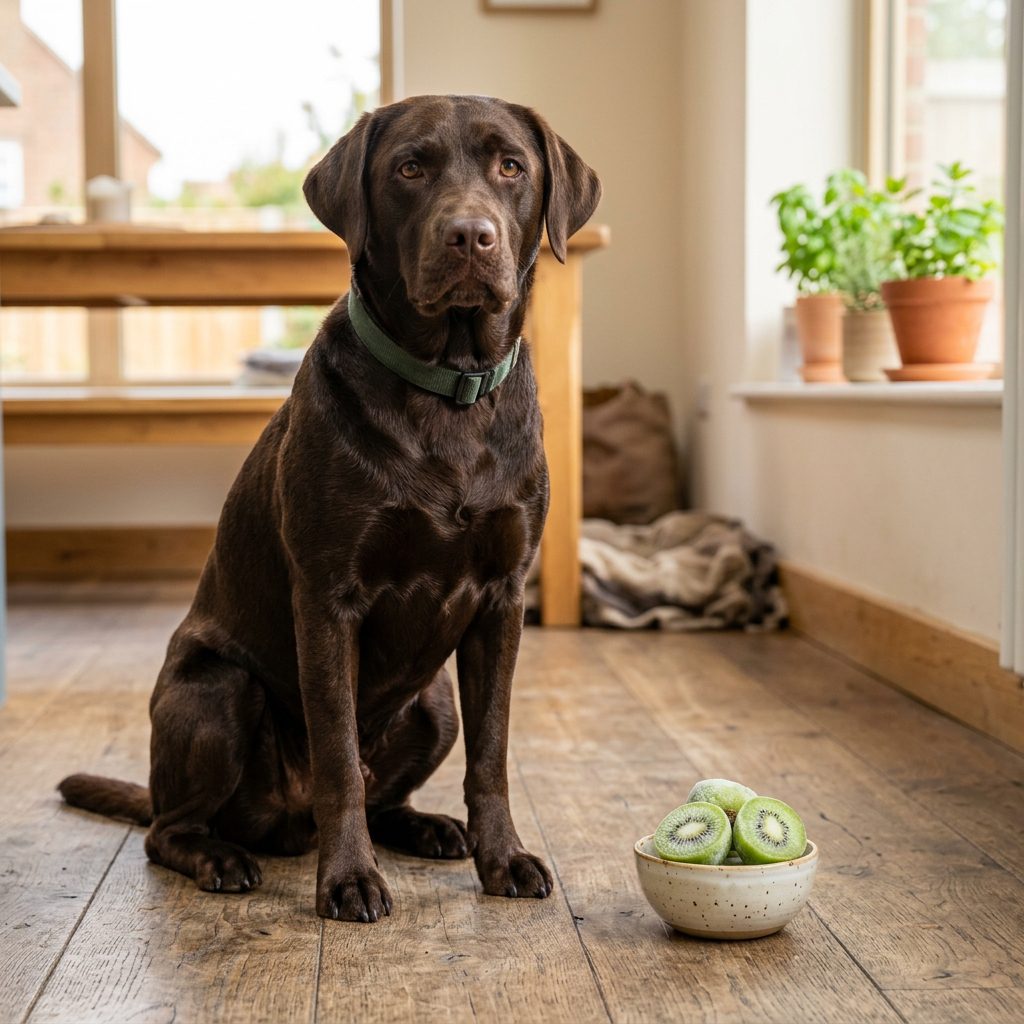
Even ‘good’ sugar is still sugar. Kiwi contains fructose, and too much of it can lead to weight gain or loose stools. As a rule of thumb, treats should never exceed 10% of your dog’s daily caloric intake. For most medium-sized dogs, two to three frozen kiwi slices a day is the ‘sweet spot’ for seeing coat benefits without causing tummy trouble.
Signs You’re Feeding Too Much:
- Loose or runny stools.
- Increased thirst (due to the fiber/sugar balance).
- Unexplained weight gain.
Conclusion
The Bottom Line on Kiwi
You don’t need a PhD in canine nutrition to see that the pet food industry often prioritizes shelf-life over health-life. By taking control of your dog’s snacks and utilizing the enzymatic power of frozen kiwi, you’re bypassing the fillers and giving your dog exactly what they need for a glowing coat and a rock-solid gut. It’s cheaper, it’s safer, and your dog will think they’re getting a gourmet dessert. Start slow, peel carefully, and watch that coat start to shimmer. Your dog (and your wallet) will thank you.