The Crucial 3-Step Method To Stop Puppy Resource Guarding Before It Starts
Welcome to the Proactive Puppy Parent’s Guide
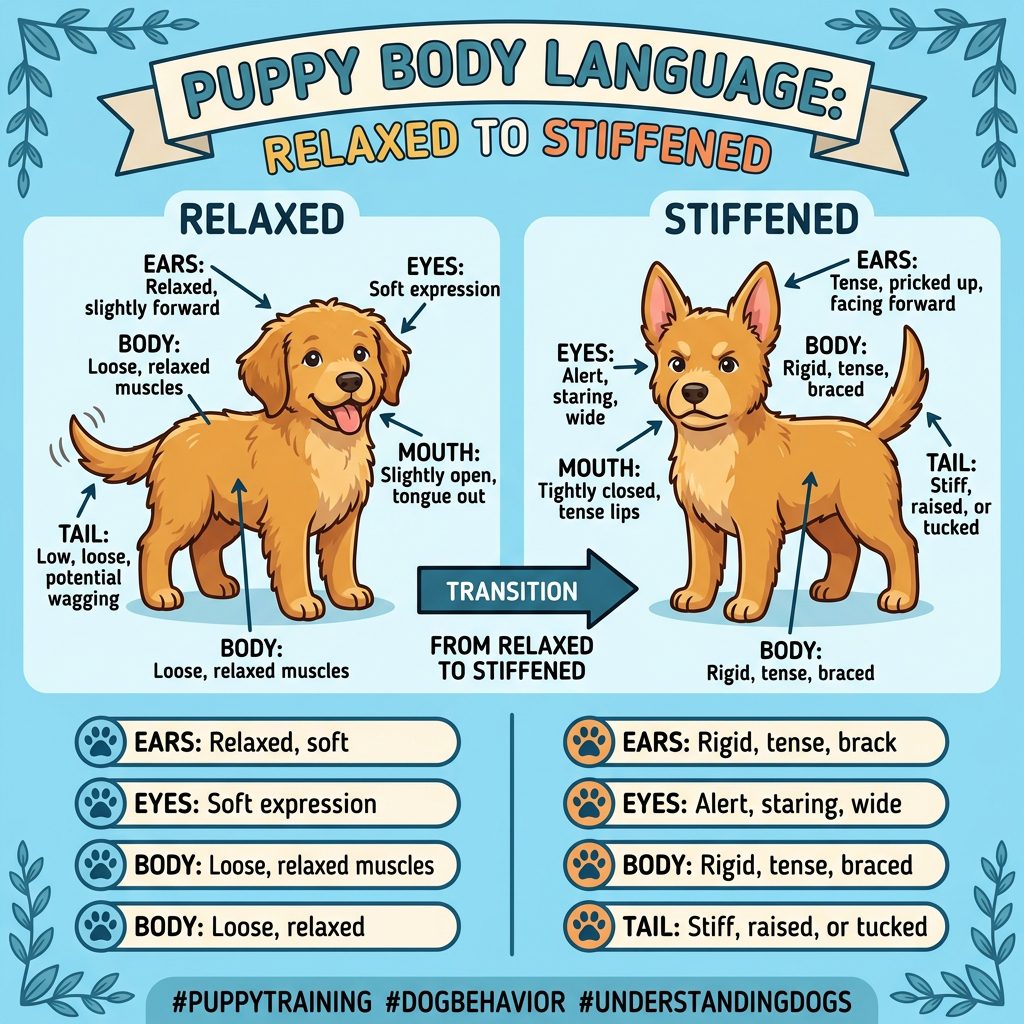
There is nothing quite like the joy of bringing a new puppy home. Those tiny paws, the puppy breath, and the endless zoomies are enough to melt anyone’s heart. However, as your little one begins to settle in, you might notice something a bit concerning: a stiffened posture when you approach their food bowl, or perhaps a low growl when you try to take away a stray sock they found. This, my fellow dog lovers, is the beginning of resource guarding.
Resource guarding is a natural, albeit frustrating, behavior where a dog becomes defensive of items they perceive as valuable. In the wild, guarding food or territory was a survival skill. In our living rooms, however, it can lead to dangerous situations. The good news? If you catch it early, or better yet, start training before it ever appears, you can raise a dog who is happy to share. Today, we are diving deep into my Crucial 3-Step Method to stop resource guarding before it even starts. We aren’t just training commands; we are building a lifelong relationship based on trust, not fear.
Understanding the ‘Mine!’ Mentality
Why Puppies Guard Their Treasures
Before we jump into the ‘how,’ we must understand the ‘why.’ Resource guarding isn’t about your puppy being ‘dominant’ or ‘mean.’ It is rooted in anxiety and the fear of loss. From a puppy’s perspective, when a human approaches their high-value item, that item often disappears. If every time I walked up to you while you were eating a steak, I took it away, you’d eventually start holding onto your plate a little tighter, too!
Commonly Guarded Items
- Food and Kibble: The most common trigger, often seen during meal times.
- High-Value Chews: Bully sticks, marrow bones, or pig ears.
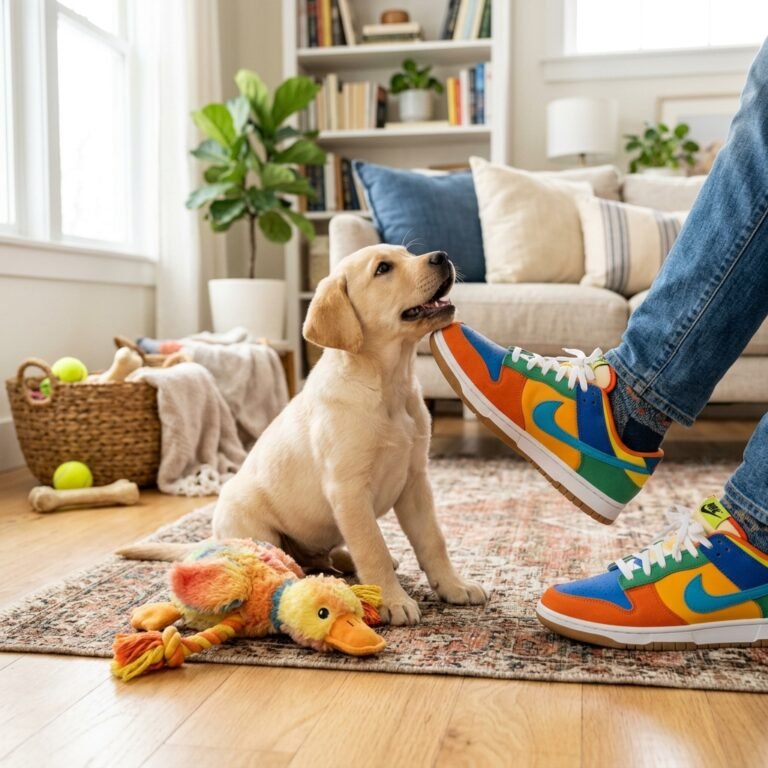
- Stolen Items: Socks, tissues, or the TV remote.
- Space: A favorite spot on the couch or even their crate.
- People: Guarding a specific family member from others.
To successfully prevent guarding, we need to shift the puppy’s emotional response. We want them to think: ‘When my human approaches, something even better is about to happen!’
| Behavior Level | Body Language Signs | Action Required |
|---|---|---|
| Relaxed | Loose muscles, wagging tail, continues eating calmly. | Continue positive reinforcement. |
| Alert | Freezing, eating faster, hovering over the item. | Slow down; increase distance and treat value. |
| Defensive | Growling, lip curling, snapping. | Consult a professional behaviorist immediately. |
Preparation: Tools and Mindset for Success
Setting the Stage for Training
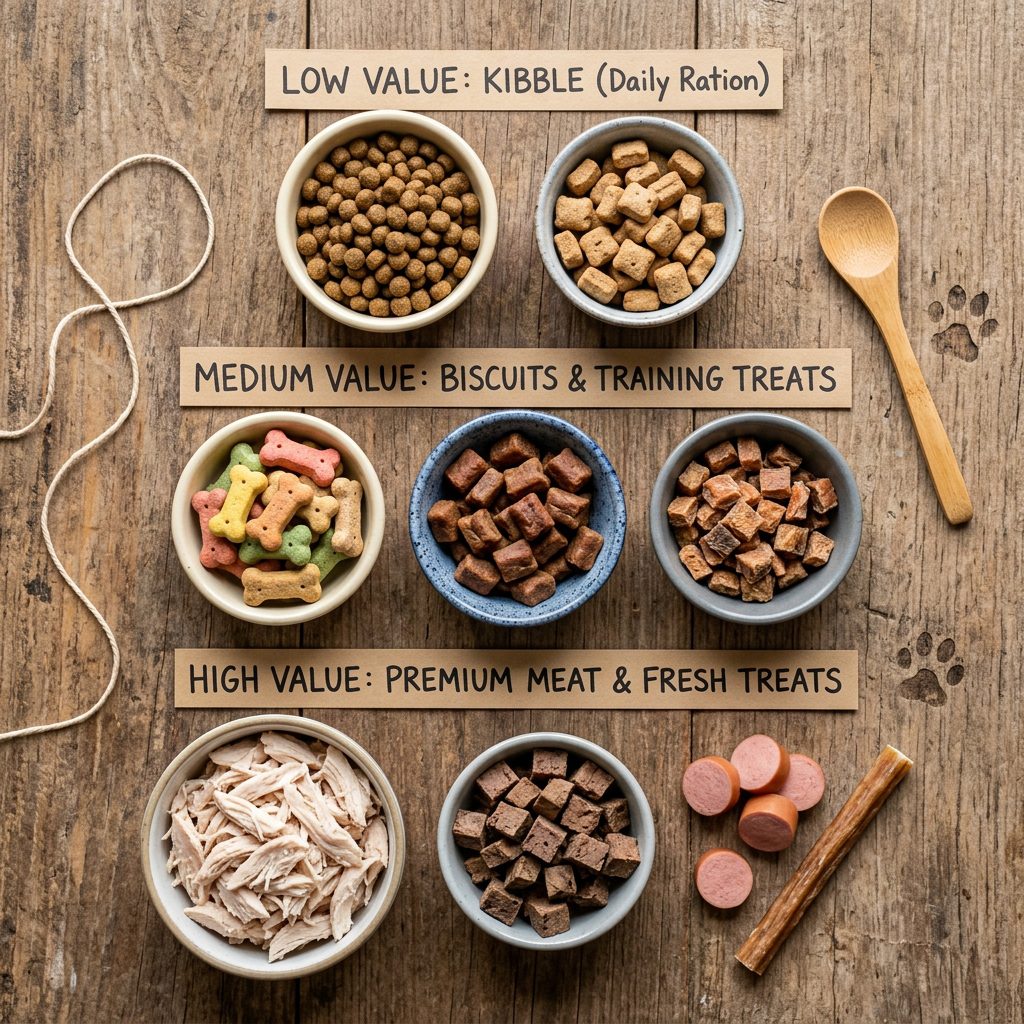
Success in dog training is 80% preparation. You cannot expect your puppy to learn if you are stressed or if you don’t have the right ‘currency’ to pay them for their cooperation. We need to establish a Reward Hierarchy.
The Reward Hierarchy
Not all treats are created equal. To prevent resource guarding, you need rewards that are significantly more exciting than the item the puppy currently holds. This is what we call ‘The Trade-Up Strategy.’
| Value Category | Examples | When to Use |
|---|---|---|
| Low Value | Standard kibble, dry biscuits. | Everyday commands in low-distraction areas. |
| Medium Value | Store-bought training treats, jerky strips. | New tricks or mildly distracting environments. |
| High Value | Boiled chicken, cheese cubes, freeze-dried liver. | Resource guarding prevention and ‘The Trade.’ |
Expert Tip: Never use physical punishment if your puppy growls. Growling is a warning. If you punish the growl, you don’t fix the fear; you simply remove the warning system, which can lead to a bite without warning later on.
Step 1: The ‘Drop It’ and ‘Trade-Up’ Game
The Art of the Fair Exchange
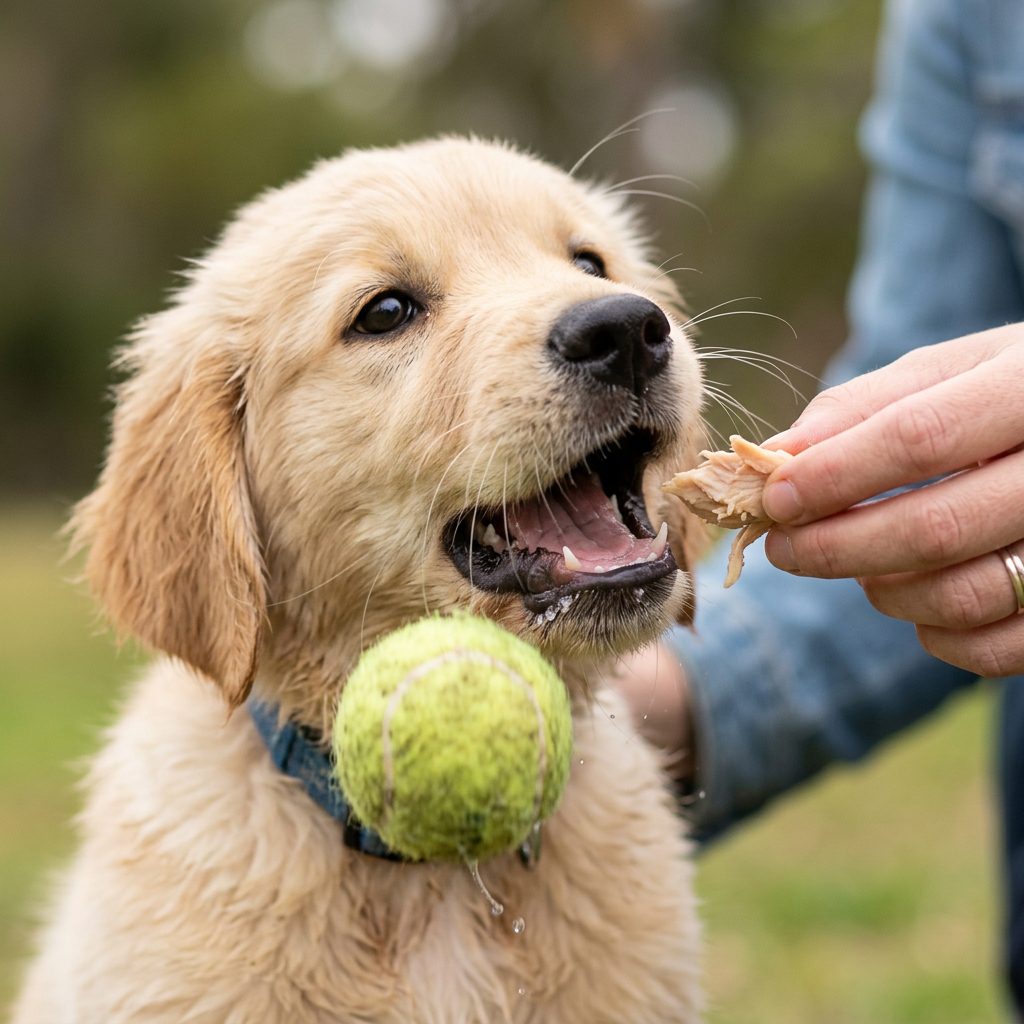
The first step in our method is teaching the puppy that giving something up results in a win-win situation. We start with low-value toys and work our way up. This builds the muscle memory of letting go.
How to Execute the Trade
- Start with a Low-Value Toy: Give your puppy a toy they like but don’t ‘love.’
- Present the ‘Better’ Option: While they are playing, bring a high-value treat (like a piece of cheese) to their nose.
- Say the Cue: As they release the toy to take the treat, say ‘Drop it.’
- The Bonus: While they eat the treat, give the toy back to them.
By giving the toy back, you are teaching the most important lesson of all: Giving things to my human doesn’t mean I lose them forever. Sometimes, I get the item back AND a snack!
Progressive Difficulty
Once your puppy is a pro at dropping a rubber ball, move to a plush toy, then a nylon bone, and eventually (with caution) a high-value chew. Always ensure your ‘trade’ is higher in value than what they currently have.
Step 2: The ‘Approach and Add’ Technique
Changing the Meaning of Your Presence
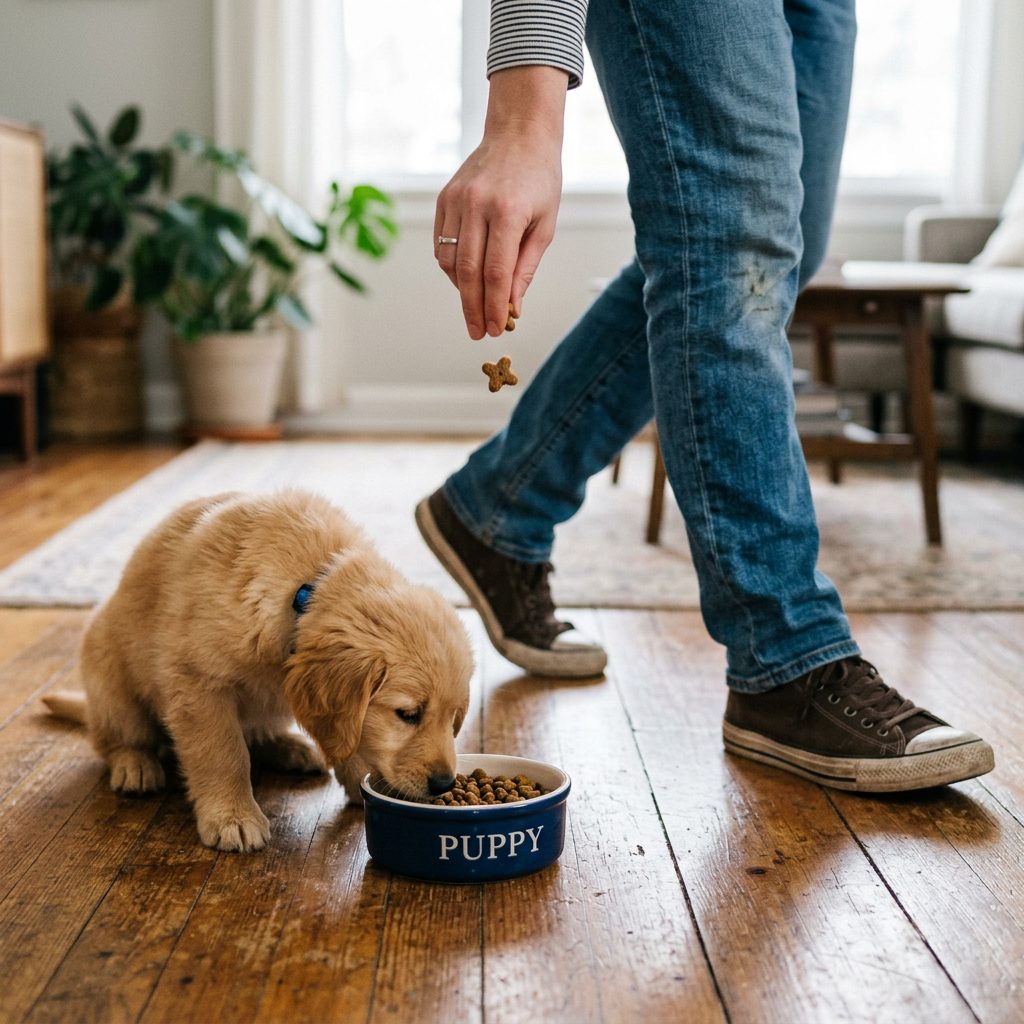
Many owners make the mistake of only approaching their puppy’s food bowl to take it away or move it. This creates a negative association. Step 2 focuses on making your approach the best part of their meal.
The Mealtime Walk-By
During your puppy’s regular mealtime, follow this protocol:
- The Distance: Stand a few feet away while they eat. If they are relaxed, toss a high-value treat (like a bit of roast beef) into or near their bowl.
- The Approach: Gradually, over several days, walk closer before tossing the treat.
- The Goal: Eventually, you should be able to walk right up to the bowl, drop a ‘bonus’ treat in, and walk away without the puppy tensing up.
We want the puppy to think: ‘Oh, look! Here comes my human. I wonder what delicious topping they are bringing for my dinner today!’
Safety Note: If at any point your puppy freezes, whites of their eyes show (whale eye), or they gulp their food faster, you have moved too fast. Back up to a distance where they are comfortable and stay there for a few more sessions.
Step 3: Hand-Feeding and Gentle Interaction
Building a Foundation of Trust
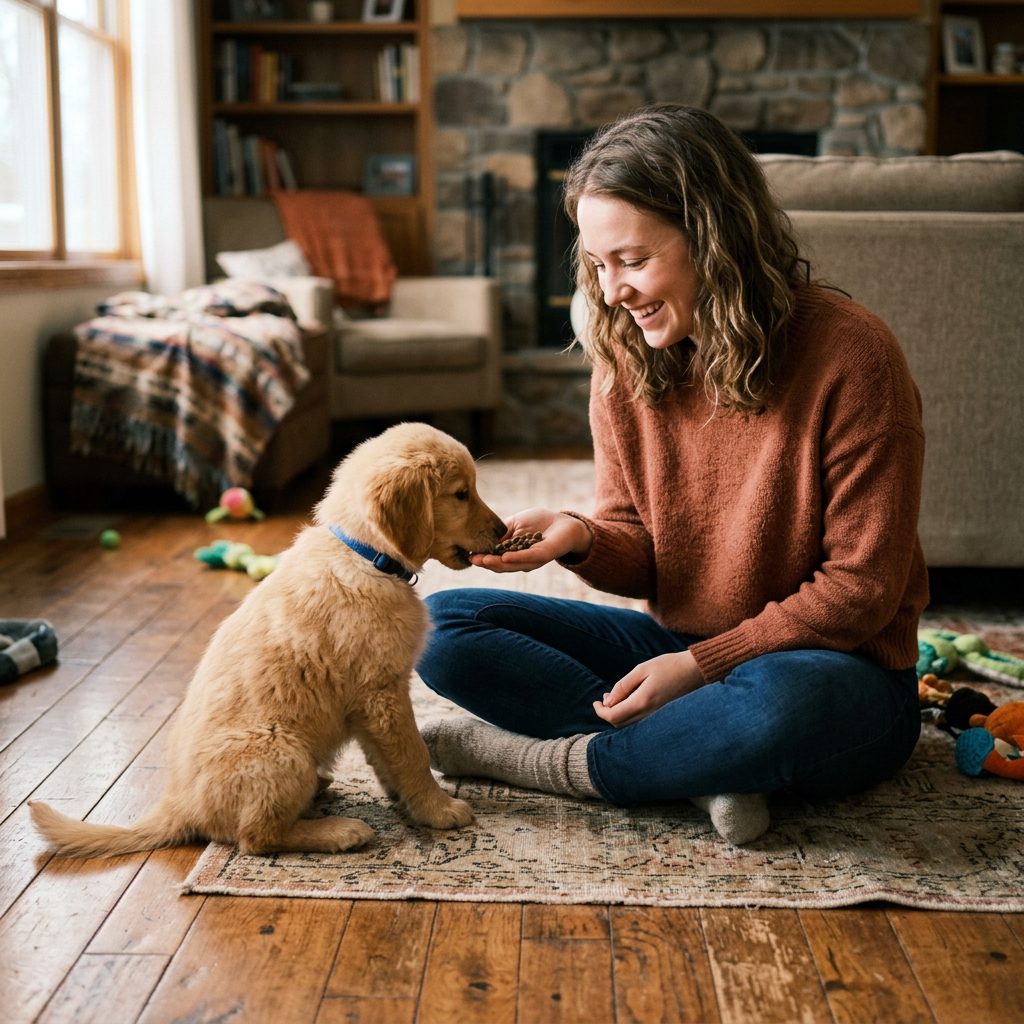
The final step in our prevention method is Hand-Feeding. This is one of the most powerful ways to bond with a new puppy and establish that all good things come from you. It reinforces that your hands are a source of comfort and food, not a threat.
How to Hand-Feed Effectively
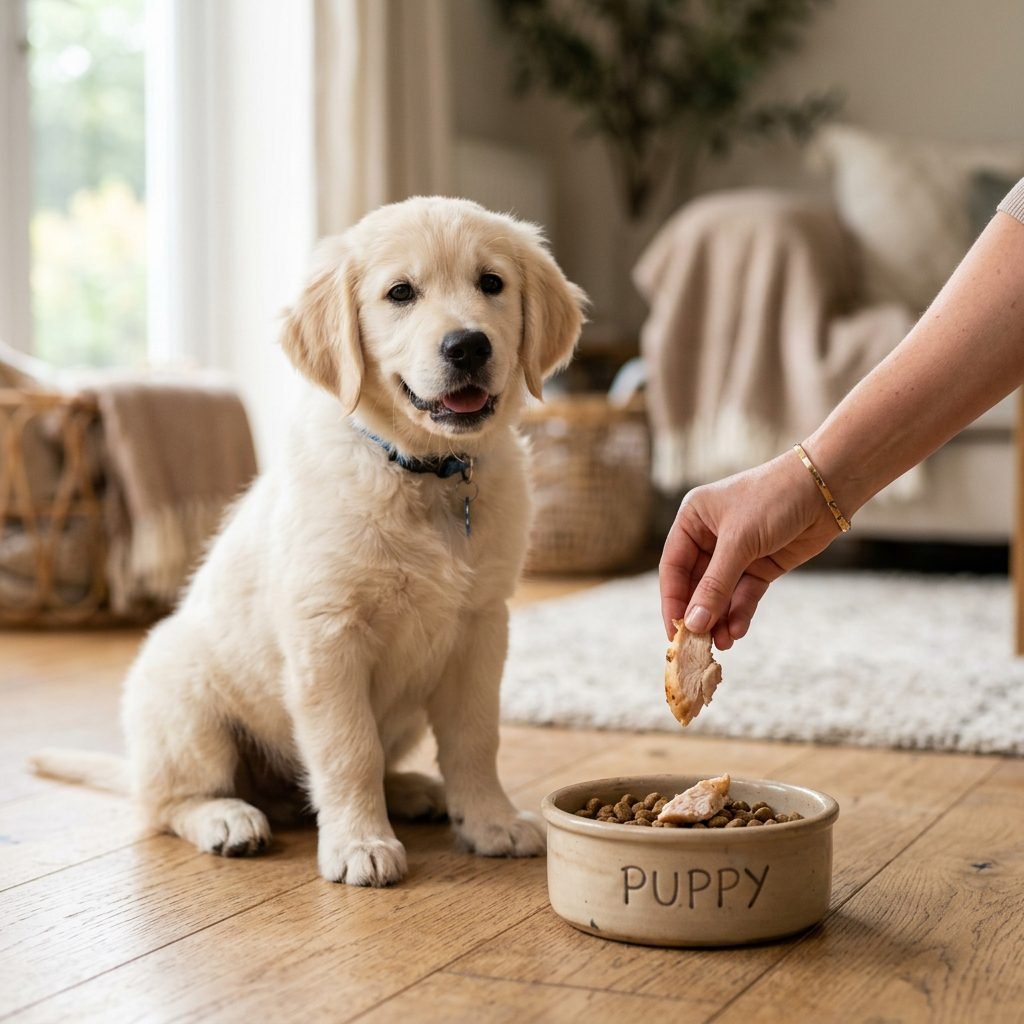
Instead of putting the entire bowl down, sit on the floor with your puppy. Offer small handfuls of their kibble. Mix in a few high-value surprises to keep them engaged. While they are eating from one hand, use the other to gently stroke their back or ears (if they are comfortable).
The ‘Empty Bowl’ Variation
- Place an empty bowl on the floor.
- The puppy will look at you, wondering where the food is.
- Drop a small handful of food into the bowl.
- Once they finish, wait for them to look at you again, then add more.
This teaches the puppy that your presence is the trigger for food to appear. They learn to look to you for resources rather than guarding what they already have.
Common Pitfalls and Troubleshooting
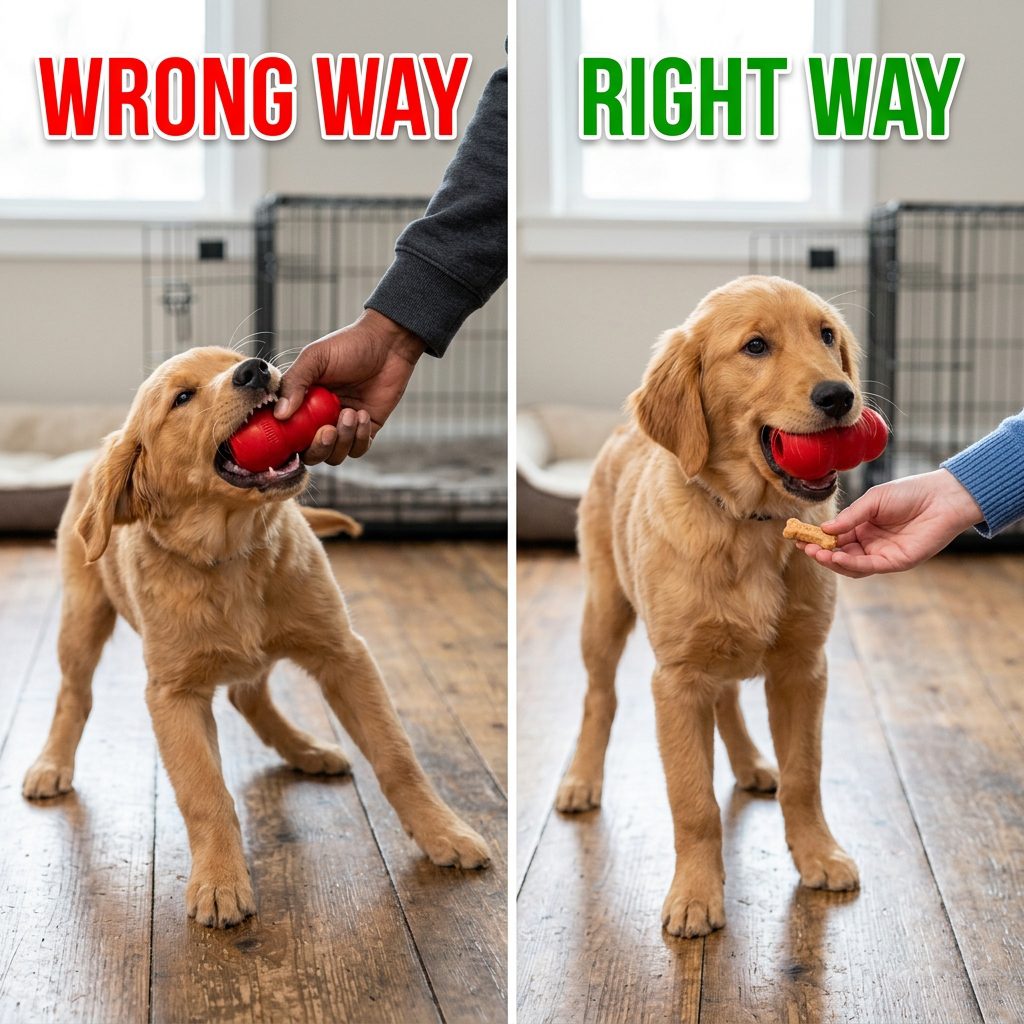
Avoiding the Mistakes That Cause Guarding
Even with the best intentions, some common ‘old school’ training methods can actually cause resource guarding. Let’s look at what to avoid to keep your puppy on the right track.
The ‘I’m the Boss’ Fallacy
Some people believe they should take their puppy’s food away randomly to ‘show them who’s boss.’ This is a recipe for disaster. All this does is teach the puppy that you are unpredictable and that their food is never safe. Consistency creates confidence.
Ignoring Early Warning Signs
Resource guarding rarely starts with a bite. It starts with a look. Pay attention to:
- Whale Eye: Seeing the whites of the puppy’s eyes.
- Body Stiffness: A sudden freeze in movement.
- Hovering: Using their head or body to shield the item.
- Rapid Eating: Speeding up their consumption when you get close.
Table: Prevention vs. Reaction
| Situation | The Wrong Way (Reactionary) | The Right Way (Proactive) |
|---|---|---|
| Puppy finds a sock. | Chasing them and prying their mouth open. | Offering a ‘Trade’ for a high-value treat. |
| Approaching the bowl. | Sticking your hand in the food to ‘test’ them. | Dropping a piece of chicken into the bowl as you pass. |
| Puppy has a bone. | Taking it away because ‘time is up.’ | Trading for a treat, then letting them finish the bone. |
Conclusion
A Lifetime of Trust Starts Now
Preventing resource guarding is not about being a ‘pack leader’ or using force. It is about being a reliable, generous partner to your puppy. By following this 3-Step Method—Trading Up, Positive Approaches, and Hand-Feeding—you are teaching your puppy that the world is a place of abundance, not scarcity.
Remember, every puppy is an individual. Some may take to these steps in a few days, while others might need weeks of consistent practice. Be patient, stay positive, and always keep those high-value treats handy! If you ever feel overwhelmed or if your puppy’s behavior seems to escalate into aggression, do not hesitate to reach out to a certified professional dog trainer or veterinary behaviorist. You’ve got this, and your puppy is lucky to have such a savvy owner!