Gross Alert! How to Stop Your Puppy From Eating Dead Bugs Off the Floor Instantly
The Gross Reality of Puppyhood
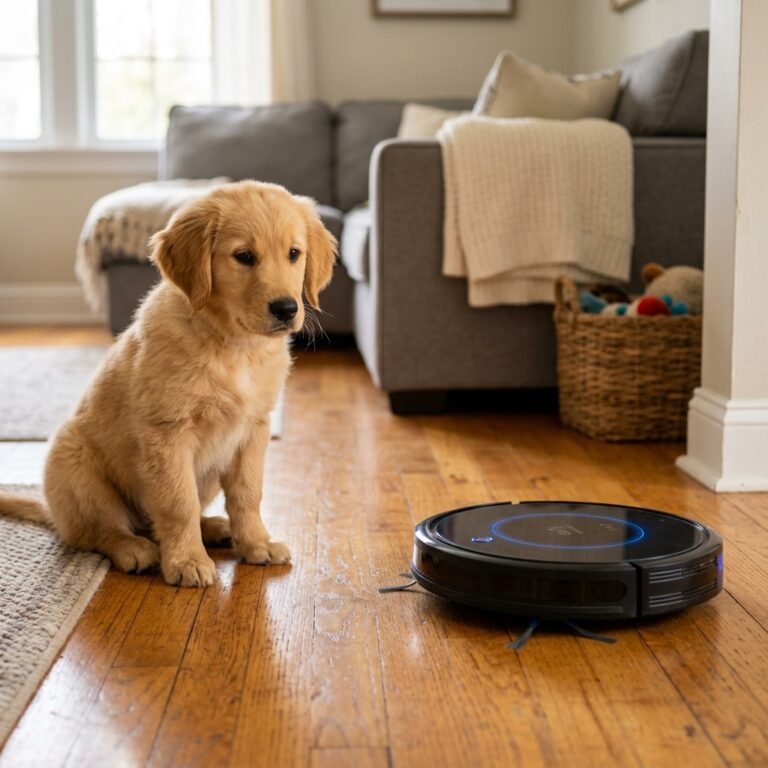
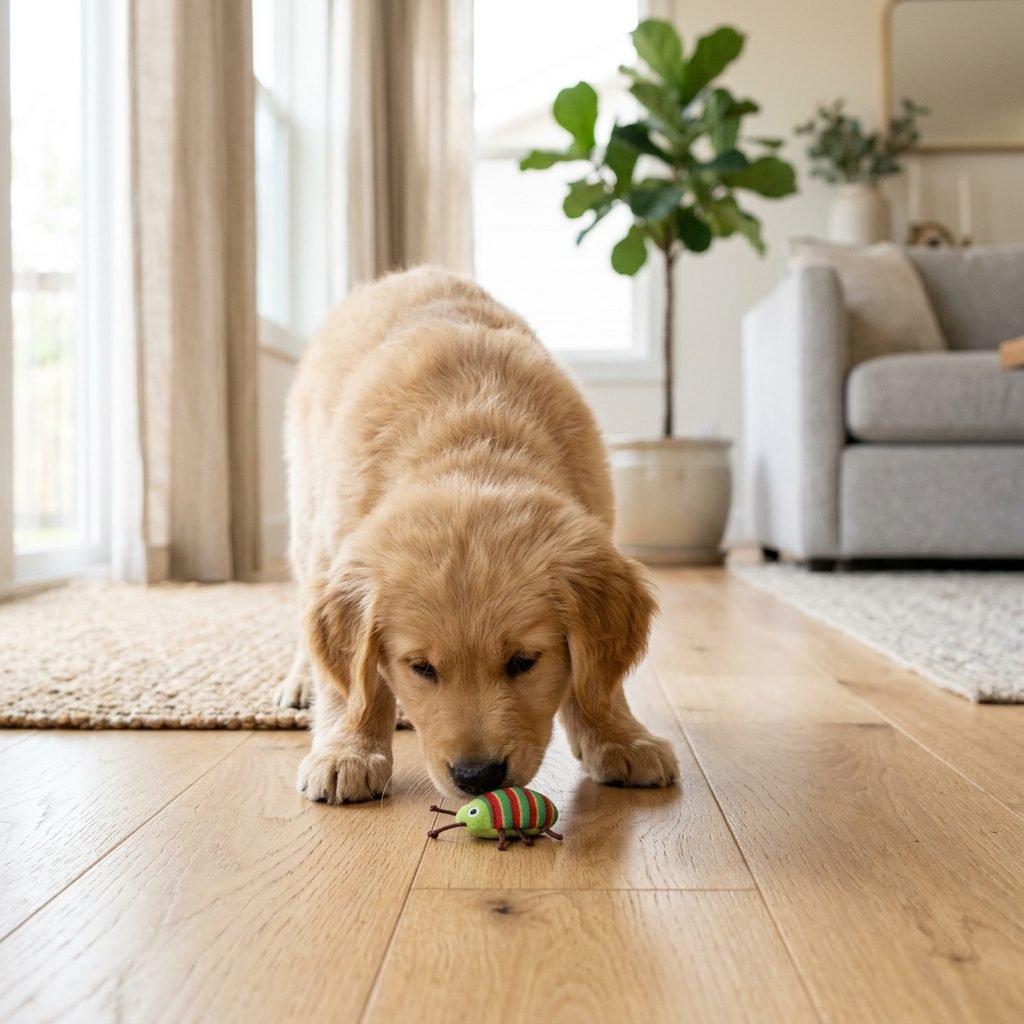
We have all been there. You are enjoying a quiet afternoon with your adorable new fur baby. They are happily trotting around the living room, exploring their new world. Suddenly, they stop, sniff intensely at a mysterious speck on the floor, and before you can even blink, they gobble it up. You rush over, pry open those tiny jaws, and discover the horrifying truth: your precious puppy just ate a dead, crunchy bug. Gross alert! If you are a savvy dog owner dealing with a puppy who treats your floorboards like a free, all-you-can-eat insect buffet, you are certainly not alone. This is one of the most common, albeit disgusting, phases of puppyhood.
As a canine specialist, I hear this complaint almost daily. While it might make your stomach churn, understanding why your puppy is doing this is the first step to stopping it. Puppies explore the world with their mouths. To them, a dead spider or a dried-up beetle is not a gross pest; it is a fascinating, crunchy puzzle piece of their environment. However, just because it is a natural behavior does not mean it is safe or acceptable. From potential parasites to toxic insect defense mechanisms, letting your dog snack on dead bugs can lead to unexpected vet visits.
Expert Tip: Never punish your puppy for eating a bug after the fact. They will not connect the punishment to the bug, and it will only damage your bond. Instead, focus on proactive management and rock-solid command training.
In this comprehensive guide, we are going to dive deep into the psychology behind this crunchy craving. More importantly, I am going to walk you through a highly effective, step-by-step training protocol to stop your puppy from eating dead bugs instantly. Grab your high-value treats, and let us get started!
Why Is My Puppy Obsessed with Dead Bugs?
The Psychology of the Bug Buffet
Before we can fix the behavior, we need to understand the motivation. Puppies do not eat bugs to gross you out; they are driven by deeply ingrained canine instincts and developmental stages.
1. The Scavenger Instinct
Dogs are natural scavengers. In the wild, their ancestors did not turn their noses up at easy protein. A dead bug on the floor is essentially a free, zero-effort snack. Even though you feed your puppy a premium, perfectly balanced diet, that opportunistic scavenger instinct is hardwired into their DNA.
2. Exploring the World
Human babies touch everything with their hands; puppies touch everything with their mouths. When a puppy sees a strange, multi-legged object on the floor, their first thought is, What is this? Let me put it in my mouth to find out. The texture, the smell, and even the crunch are all sensory experiences that help your puppy learn about their environment.
3. Teething Relief
If your puppy is between three and six months old, they are likely teething. Their gums are sore, and chewing on things provides relief. A hard, crunchy beetle might offer a momentary, satisfying crunch that feels good on irritated gums.
4. Boredom and Pica
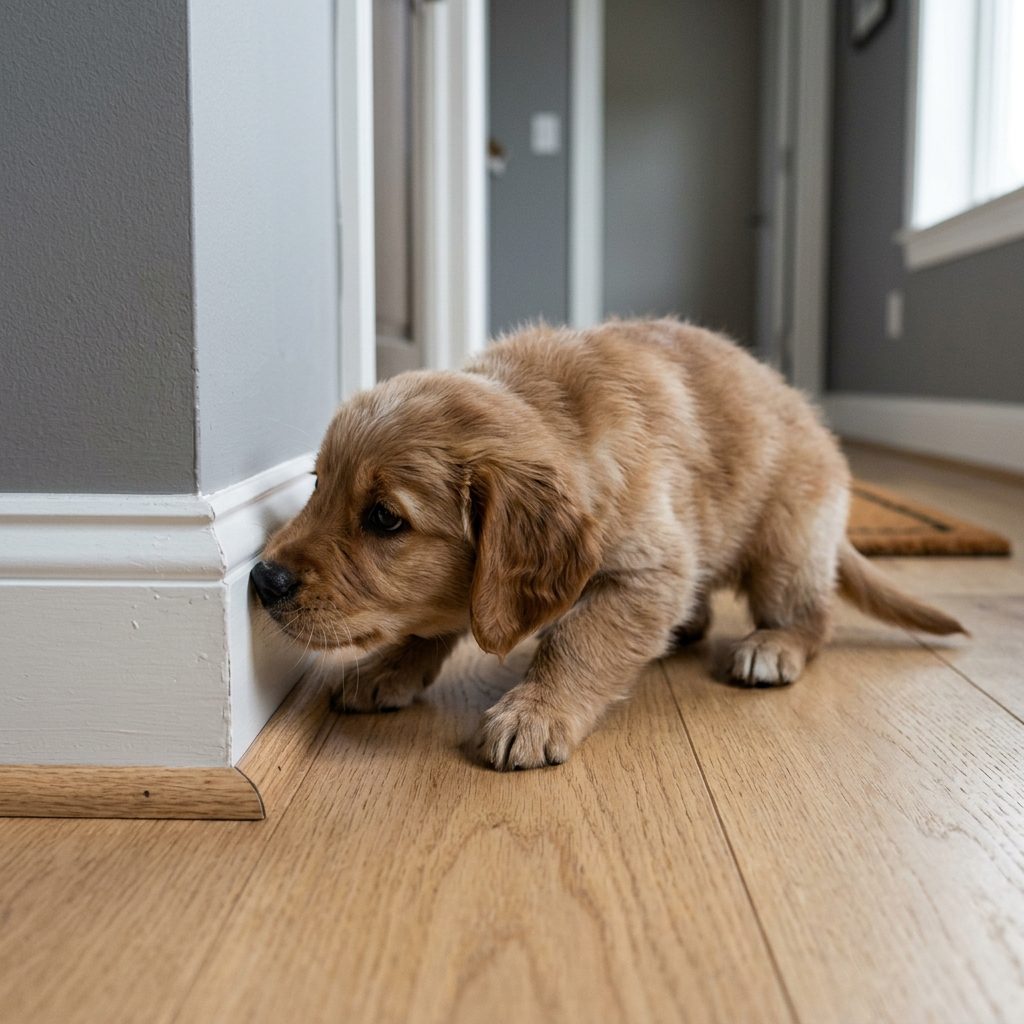
Sometimes, eating non-food items (a condition known as pica) stems from sheer boredom. If your puppy is under-stimulated, patrolling the baseboards for dead ants becomes a highly entertaining game. Ensuring your puppy has enough physical exercise and mental enrichment is crucial to curbing this behavior.
Are Dead Bugs Dangerous to Dogs?
Understanding the Health Risks
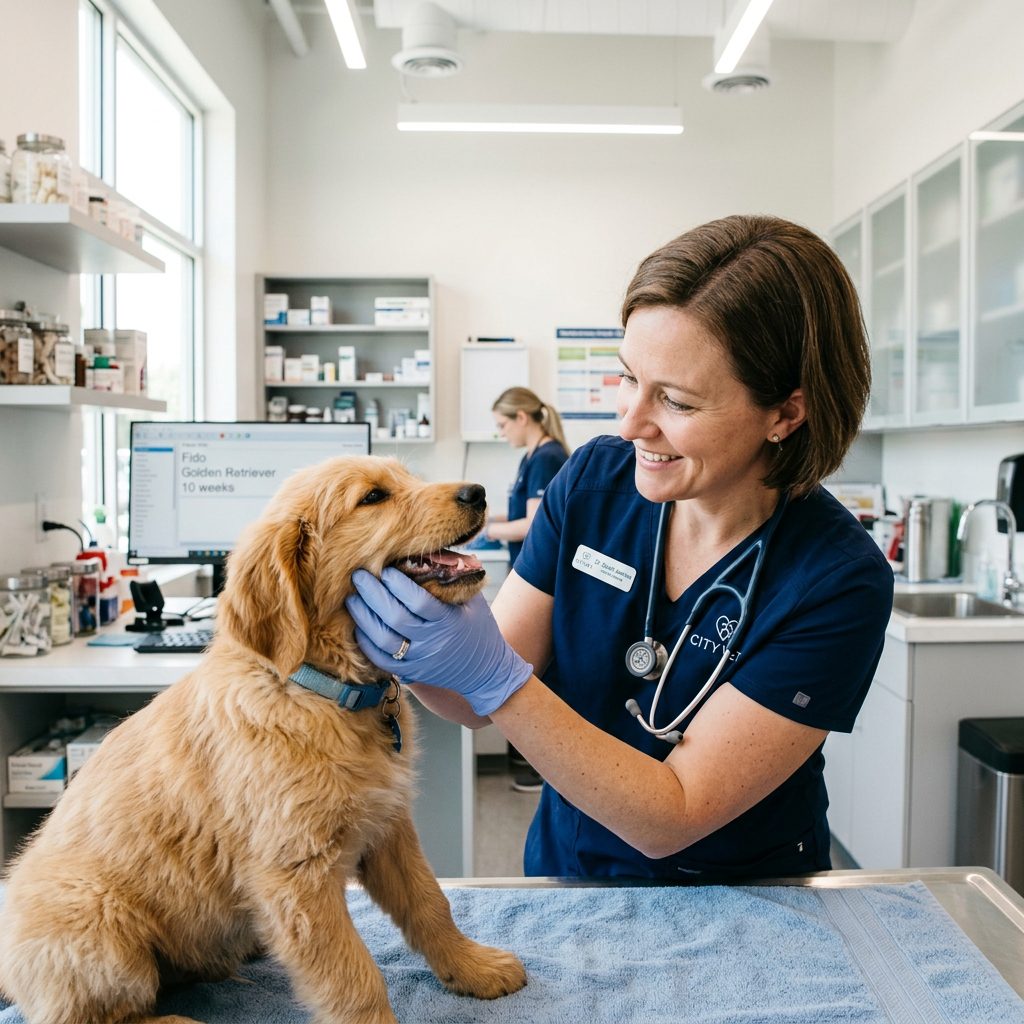
Many owners wonder, Is eating a dead bug actually going to hurt my dog? The answer is: it depends on the bug. While eating a random housefly or a dead ant is usually harmless, there are specific insects that pose a real threat to your puppy’s health. Furthermore, dead bugs found indoors might have been killed by chemical pesticides, which introduces a secondary poisoning risk.
The Pesticide Problem
If you recently sprayed for pests, or if your apartment complex treats the grounds regularly, a dead bug is likely coated in toxic chemicals. When your puppy eats the bug, they are ingesting a micro-dose of that poison. While one bug might not cause severe poisoning, a habit of eating them can lead to gastrointestinal distress or worse.
Common Household Bugs and Their Risks
To help you assess the danger, here is a breakdown of common bugs your puppy might find and the associated risk levels.
| Type of Bug | Toxicity / Danger Level | Potential Symptoms in Puppies |
|---|---|---|
| Ants (Common House) | Mild | Usually harmless, mild stomach upset if eaten in large quantities. |
| Spiders (Non-Venomous) | Mild | Harmless if dead; crunchiness might cause minor throat tickle. |
| Cockroaches | Moderate | Can carry bacteria, parasites, and worms. May cause diarrhea or vomiting. |
| Stink Bugs | Moderate | Not toxic, but their foul-tasting secretions cause excessive drooling and vomiting. |
| Bees and Wasps | High | Even dead, the stinger can still penetrate the mouth or throat, causing severe swelling. |
| Spiders (Venomous – e.g., Widow/Recluse) | High | Venom can still be active shortly after death. Requires immediate vet attention. |
Expert Tip: If your puppy eats an unknown bug and begins vomiting, excessively drooling, or showing signs of facial swelling, contact your veterinarian immediately. It is always better to be safe than sorry when dealing with potential toxins or stingers.
Essential Tools for the ‘Leave It’ Protocol
Setting Up for Success
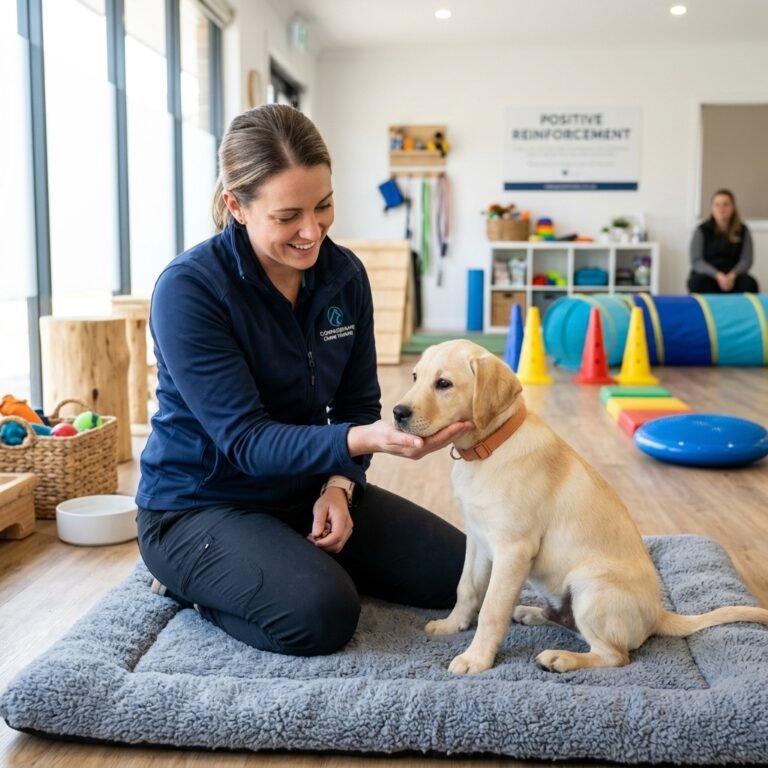
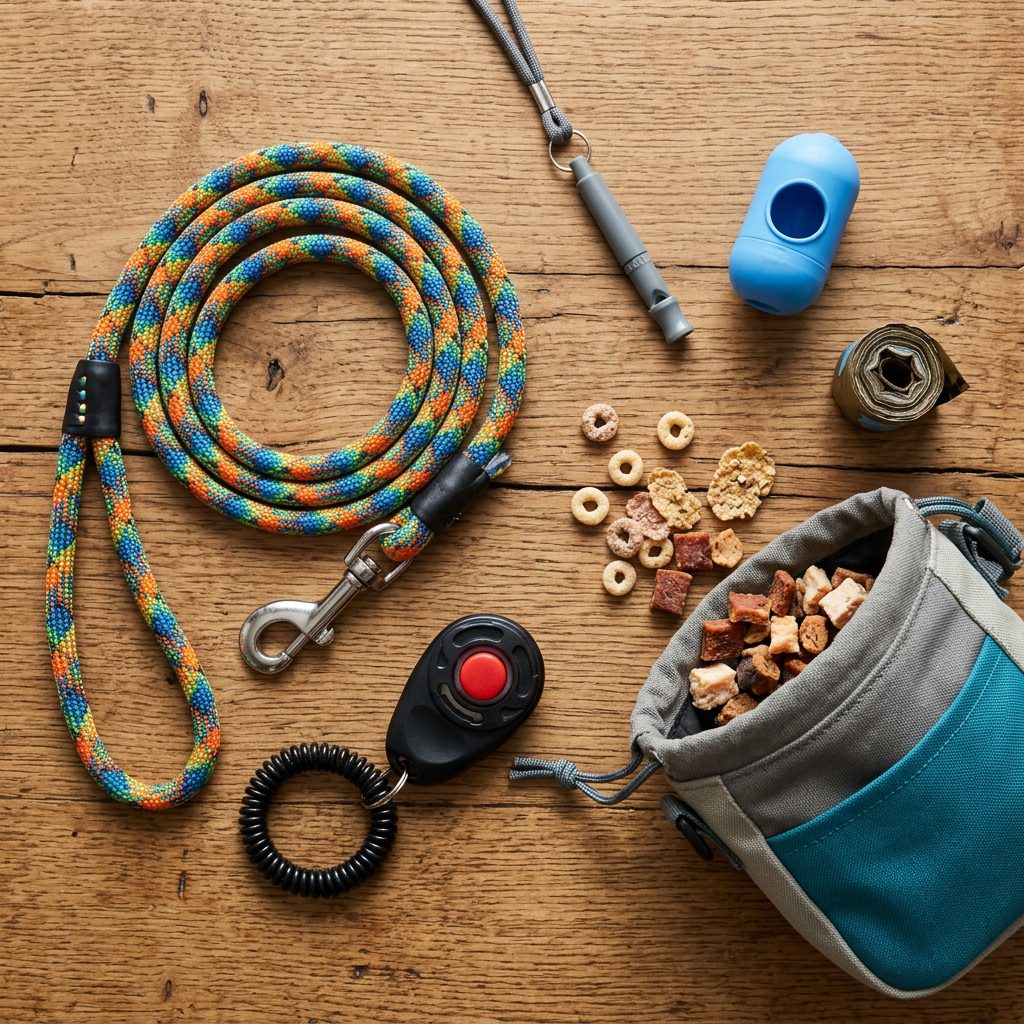
To stop your puppy from eating dead bugs instantly, you need to teach a rock-solid Leave It command. This is arguably the most important command your dog will ever learn, as it is a literal lifesaver. Before we begin the step-by-step training, you need to gather the right tools.
- High-Value Treats: Standard kibble will not work here. You are competing with a highly interesting, crunchy bug. You need something irresistible. Think tiny pieces of boiled chicken, hot dogs, freeze-dried liver, or small cubes of cheese.
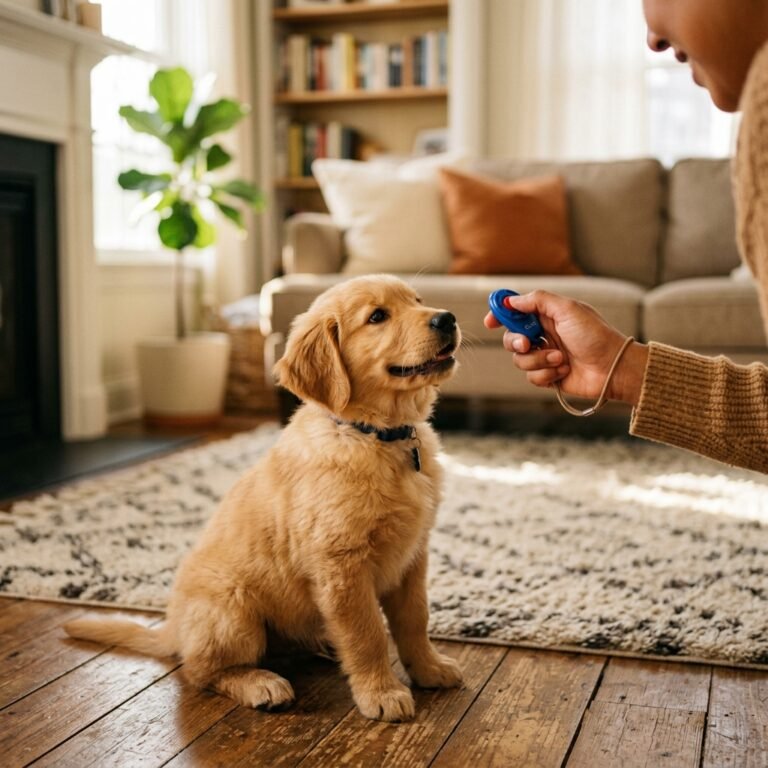
- A Clicker (Optional but Recommended): A clicker provides a sharp, distinct sound that marks the exact moment your puppy makes the right choice. If you do not have a clicker, a sharp marker word like Yes! works perfectly.
- A Leash and Collar: Even indoors, a leash gives you control and prevents your puppy from self-rewarding (i.e., lunging and eating the bug before you can stop them).
- Decoy Bugs: Do not use real dead bugs for training! Use small, safe items that mimic the size of a bug, like a piece of dry cereal (Cheerios work great) or a small, hard dog treat that they are not super excited about.
Once you have your tools assembled, find a quiet, low-distraction room in your house. Training a new command requires your puppy’s full attention, so turn off the TV and ask family members to give you some space.
Step-by-Step Guide to Stopping the Bug Buffet
Mastering the ‘Leave It’ Command
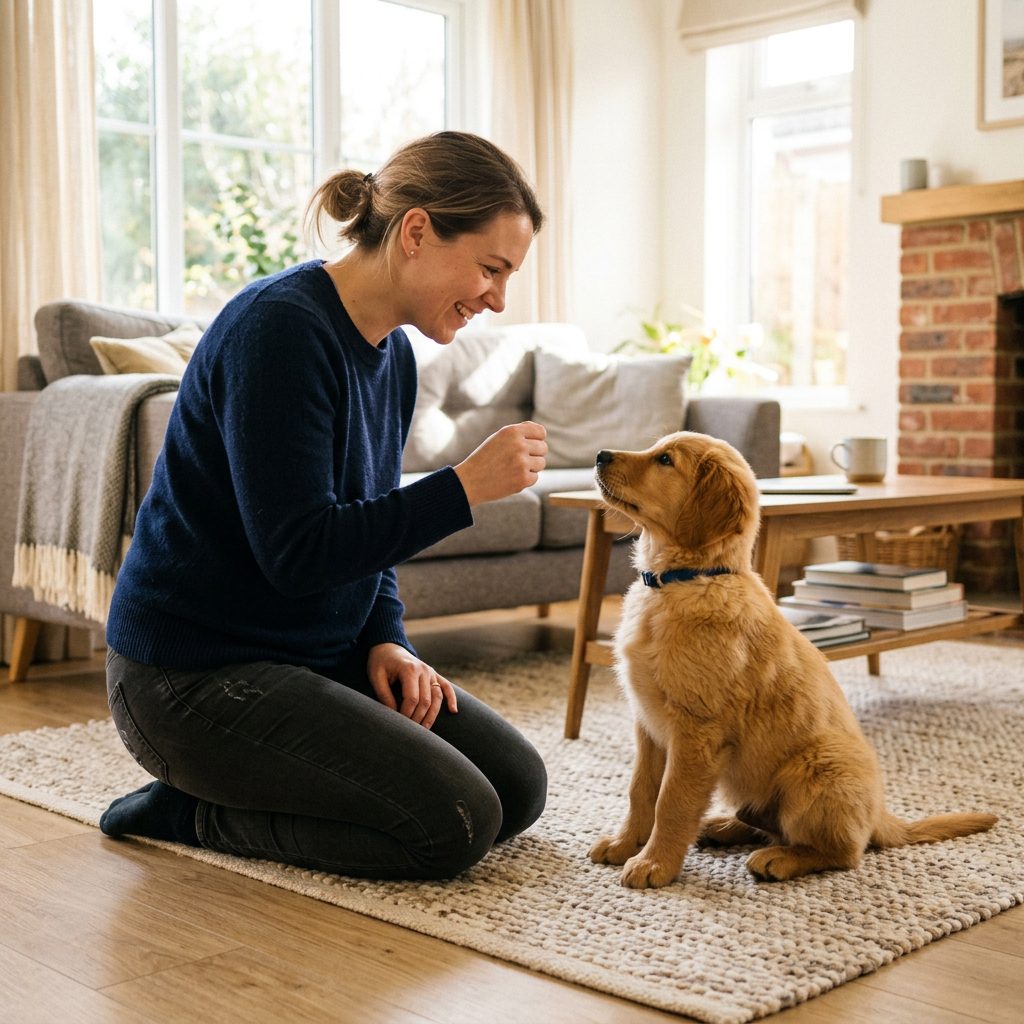
This is the core of our strategy. We are going to teach your puppy that ignoring the gross thing on the floor results in something infinitely better from you. Follow these steps carefully, and do not rush the process.
Step 1: The Closed Fist Game
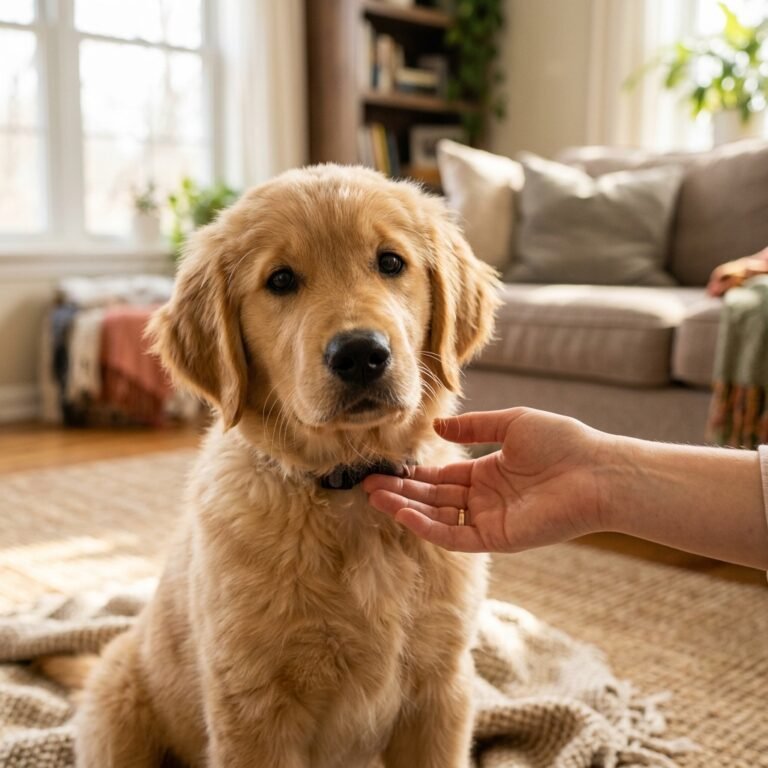
Start by placing a low-value treat (like a piece of kibble) in one hand, and close your fist tightly. Hold your closed fist out to your puppy. They will sniff, lick, paw, and maybe even gently nibble at your hand to get the treat. Do nothing. Keep your fist closed and wait.
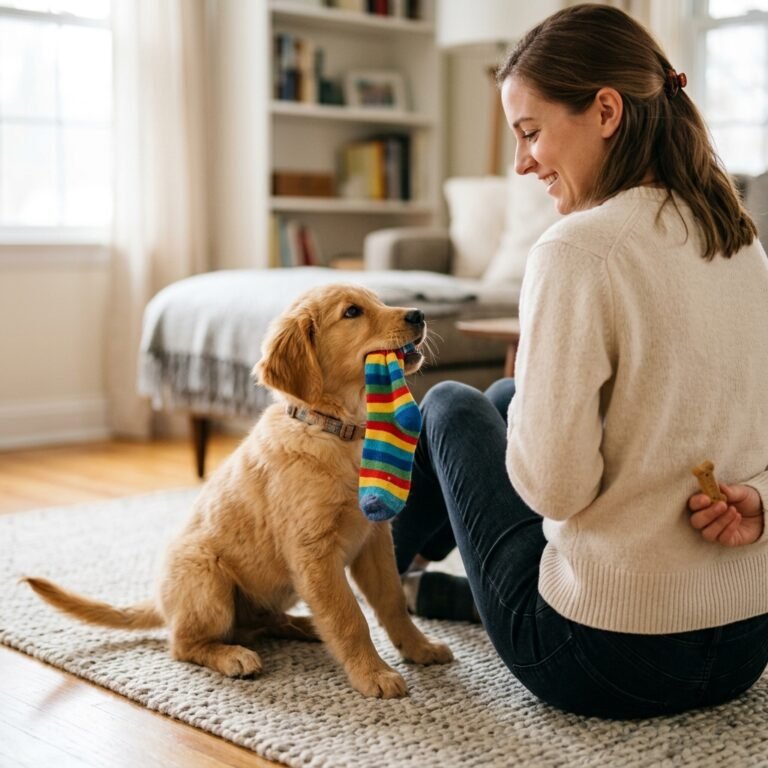
The exact second your puppy stops trying to get the treat and pulls their nose away from your fist, click your clicker (or say Yes!) and immediately reward them with a high-value treat from your other hand. Repeat this 10 to 15 times until your puppy stops trying to get the treat in your fist and instead looks up at you waiting for the high-value reward.
Step 2: Adding the Verbal Cue
Once your puppy is consistently ignoring the closed fist, it is time to add the verbal command. Present the closed fist and firmly say, Leave it. When they pull away and look at you, mark with a Yes! and reward from the other hand. Consistency is key here.
Step 3: The Open Hand Challenge
Now, let us up the difficulty. Place the low-value treat in your open palm. Say Leave it. If your puppy dives for the treat, simply close your hand into a fist before they can get it. Wait for them to back off, then open your hand again. When they can stare at the open hand without lunging for it, mark and reward with the high-value treat from your other hand. Never reward them with the treat they were told to leave!
Step 4: Moving to the Floor
This is where it gets real. Put your puppy on a leash so you have control. Place your decoy bug (the Cheerio or dry kibble) on the floor and cover it with your foot. Say Leave it. When your puppy stops sniffing your shoe and looks at you, mark and reward. Gradually lift your foot so the decoy is exposed. If they lunge, cover it back up. If they look at the decoy and then look at you, jackpot! Give them a massive reward.
Step 5: The Walking Test
Walk your puppy on the leash past the decoy on the floor. As you approach it, say Leave it. If they walk past it without trying to eat it, reward them heavily. You are now rewiring their brain: Ignoring floor trash equals delicious chicken from mom/dad!
Troubleshooting & Common Training Mistakes
What to Do When Things Go Wrong
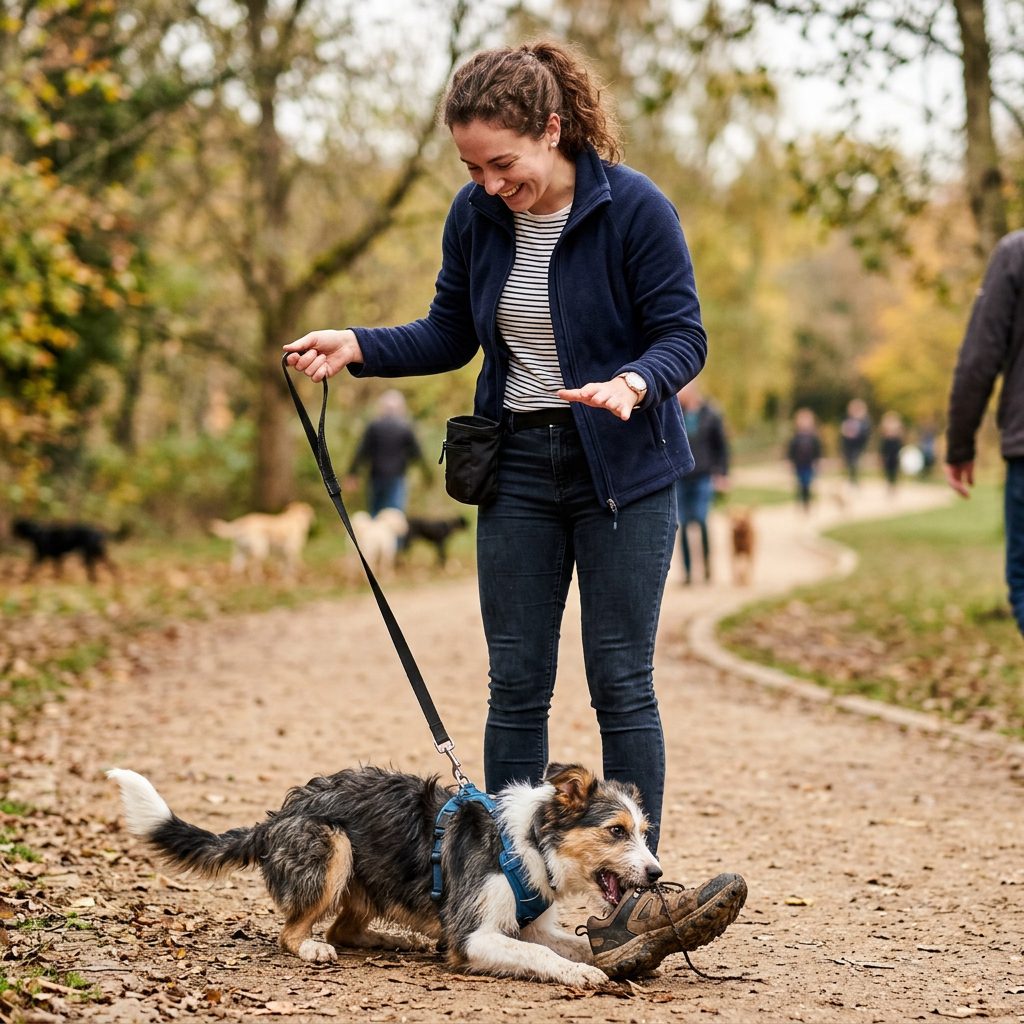
Training is rarely a perfectly linear process. You will face setbacks, especially with a highly impulsive puppy. Here are the most common troubleshooting scenarios and how to fix them.
My Puppy is Faster Than Me!
If your puppy is snatching up bugs before you can even get the words Leave it out of your mouth, you need to rely on environmental management. Keep your floors meticulously swept and vacuumed during this phase. Use baby gates to restrict access to areas of the house where bugs tend to accumulate (like entryways, basements, or laundry rooms). You cannot train in the moment if the environment is setting you up for failure.
They Swallowed It Anyway: ‘Drop It’ vs ‘Leave It’
What if you are too late and the bug is already in their mouth? This is where the Drop It command comes in. Leave It means do not pick it up; Drop It means spit out what is already in your mouth. To train this, trade your puppy for a toy they are holding by offering a high-value treat right in front of their nose. When they open their mouth to take the treat, say Drop It. If your puppy has a bug in their mouth, do not chase them—this turns it into a fun game of keep-away. Instead, run to the fridge, grab a piece of cheese, and excitedly offer a trade.
The Mistake of the ‘Scary Voice’
Many savvy dog owners make the mistake of yelling LEAVE IT! in a deep, intimidating voice. While this might startle the puppy into dropping the bug, it creates fear and anxiety around the command. Your Leave It command should be firm and clear, but not terrifying. We want the puppy to willingly choose to ignore the bug because they know a better reward is coming, not because they are terrified of your reaction.
Lack of Generalization
Dogs are terrible at generalizing. If you only practice Leave It in the living room with Cheerios, your puppy will not understand that the command also applies to dead spiders in the kitchen. You must practice this command in every room of the house, in the yard, and on walks, using different types of safe decoys.
Conclusion
Patience, Practice, and Bug-Free Floors
Dealing with a puppy who loves to snack on dead bugs off the floor is undeniably gross, but it is a completely normal part of canine development. By understanding their natural scavenging instincts and implementing a proactive, positive-reinforcement training strategy, you can put an end to the bug buffet once and for all.
Remember, the key to success is a rock-solid Leave It command, high-value rewards, and impeccable environmental management while they are learning. Do not get discouraged if your puppy has a few slip-ups along the way. Stay consistent, keep your training sessions short and fun, and soon enough, your savvy pup will realize that the chicken in your pocket is far superior to the crunchy spider on the rug. Happy training, and here is to clean floors and fresh puppy breath!