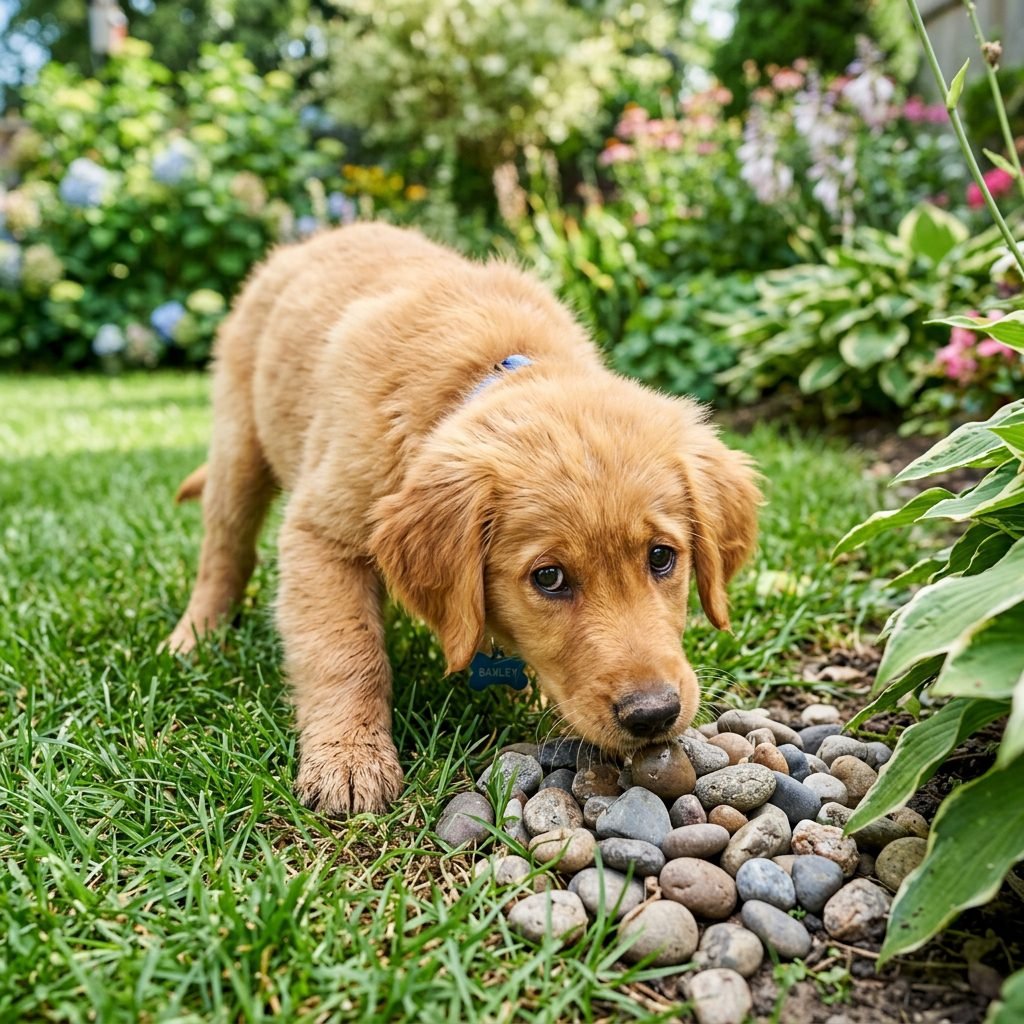
The Dangerous Habit of Puppy Stone Eating (And How to Block It)
The Pebble Predicament: Why Your Puppy Loves Rocks
Hey there, fellow dog lovers! If you have ever looked out into your yard only to see your precious pup treating a pebble like a gourmet snack, you know that heart-stopping moment of panic. It starts with a simple sniff, then a lick, and before you can yell ‘Drop it!’, that stone has disappeared down the hatch. While puppies are known for exploring the world with their mouths, the habit of eating stones—scientifically known as pica—is more than just a quirky phase. It is a dangerous behavior that can lead to emergency surgeries and long-term health complications.
In this guide, we are going to dive deep into the psychology of why puppies do this, the physical risks involved, and most importantly, a step-by-step training protocol to block this habit for good. Whether you are a first-time owner or a seasoned pro dealing with a particularly stubborn ‘rock-hound,’ we have got the expert insights you need to keep your furry friend safe and sound.
Understanding the ‘Why’: The Root Causes of Stone Eating
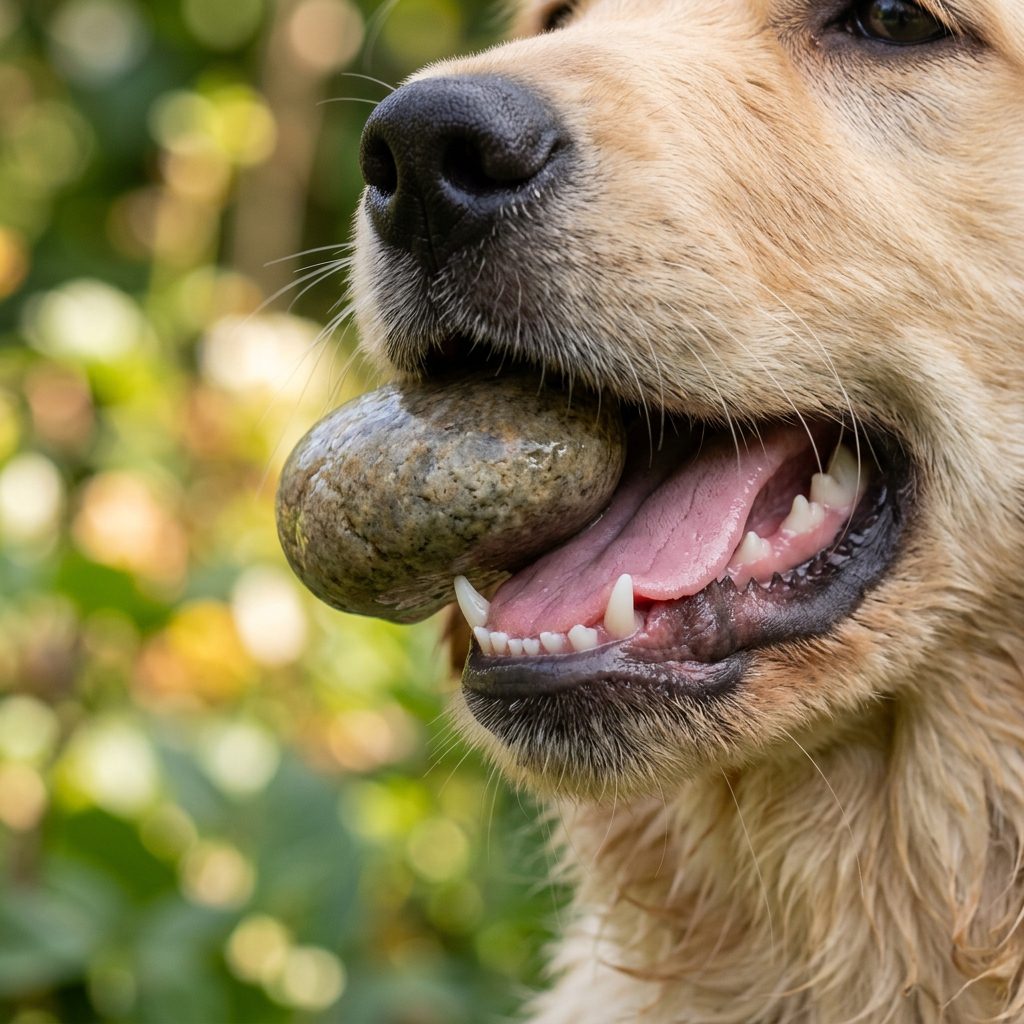
Why on Earth is My Puppy Eating Stones?
Before we can fix the behavior, we have to understand what is driving it. Puppies do not eat rocks because they taste good; they usually do it for one of four main reasons. Identifying which category your puppy falls into will help you tailor your training approach.
1. Exploratory Behavior and Teething
Just like human toddlers, puppies use their mouths to gather information. Stones are cold, have interesting textures, and provide resistance when chewed. If your puppy is currently teething, the hard surface of a rock might actually feel good against their sore gums. However, this ‘exploration’ can quickly turn into an accidental swallow.
2. Behavioral Pica and Boredom
Pica is the technical term for craving and consuming non-food items. In many puppies, this is driven by pure boredom. If a puppy is left alone in a yard with nothing to do, a shiny pebble becomes a toy. If they swallow it and notice you suddenly run over to give them attention (even if you are scolding them), they may learn that eating stones is a great way to get you to play ‘chase.’
3. Nutritional Deficiencies
In some cases, a puppy might be seeking out minerals that are missing from their diet. While most modern commercial puppy foods are balanced, certain medical conditions or low-quality fillers can leave a pup feeling unsatisfied, leading them to seek out ‘earthy’ supplements like soil and stones.
4. Anxiety and Stress
Compulsive behaviors often stem from underlying anxiety. A puppy who feels overwhelmed by their environment might engage in repetitive stone-licking or swallowing as a self-soothing mechanism.
Expert Tip: Always rule out medical issues first. If your puppy is obsessively eating stones, a quick blood test at the vet can ensure they aren’t suffering from anemia or a zinc deficiency.
The Hidden Dangers: What Happens After the Swallow
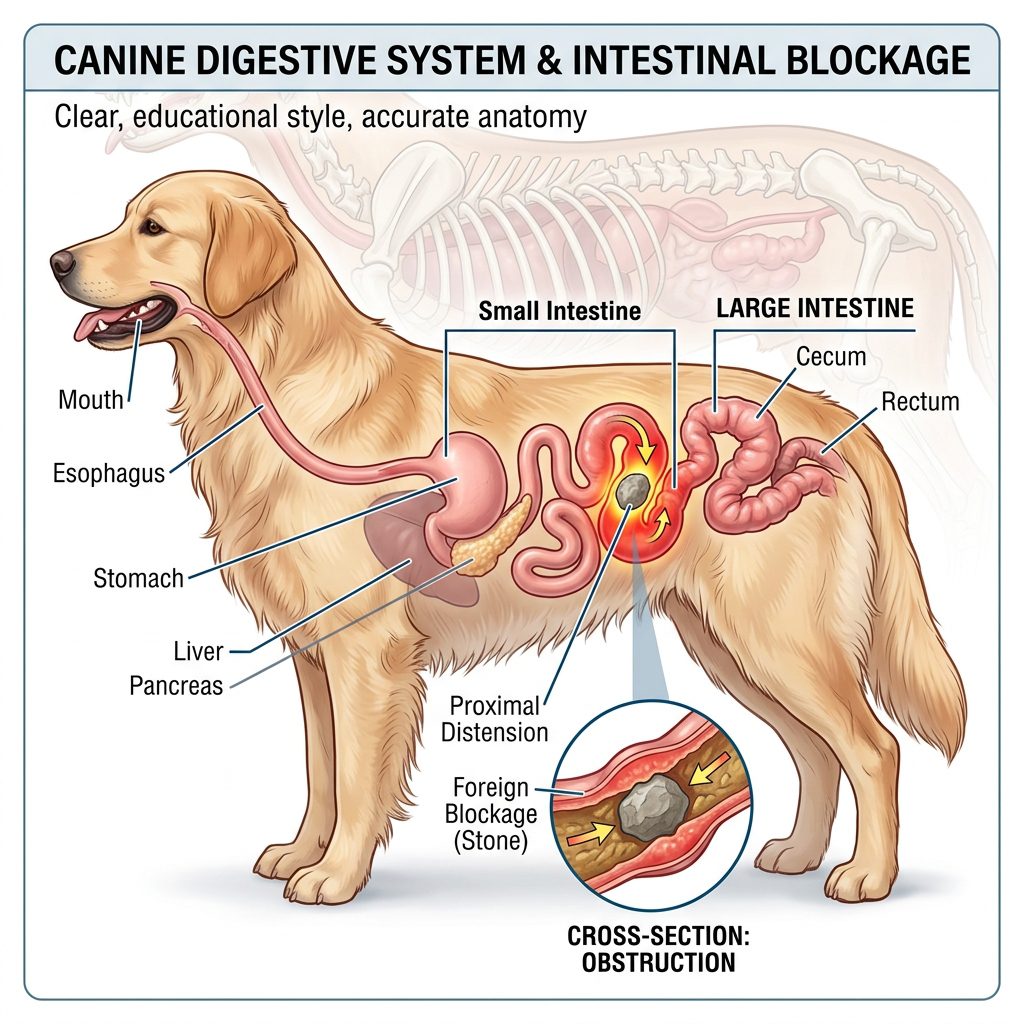
The Physical Risks of Stone Consumption
It might seem like ‘just one little pebble,’ but stones pose a multi-layered threat to your puppy’s anatomy. Unlike grass or sticks, stones do not break down in the digestive tract. They are heavy, often sharp, and completely indigestible.
| Risk Factor | Potential Medical Outcome | Severity Level |
|---|---|---|
| Choking | Obstruction of the airway or esophagus | Emergency |
| Gastrointestinal Blockage | Stone gets stuck in the small intestine, stopping flow | Critical (Surgery Required) |
| Perforation | Sharp edges tear the stomach or intestinal lining | Life-Threatening |
| Dental Fractures | Broken teeth or worn-down enamel from chewing | High (Painful) |
| Heavy Metal Poisoning | Some stones contain lead or high levels of minerals | Moderate to High |
The most common and terrifying result is a bowel obstruction. When a stone gets stuck, it prevents food and water from passing, leading to dehydration, tissue death in the intestines, and eventually, systemic shock. If your puppy has swallowed a stone, watch for symptoms like repeated vomiting, lethargy, a painful abdomen, or straining to defecate.
The Management Phase: Securing the Environment
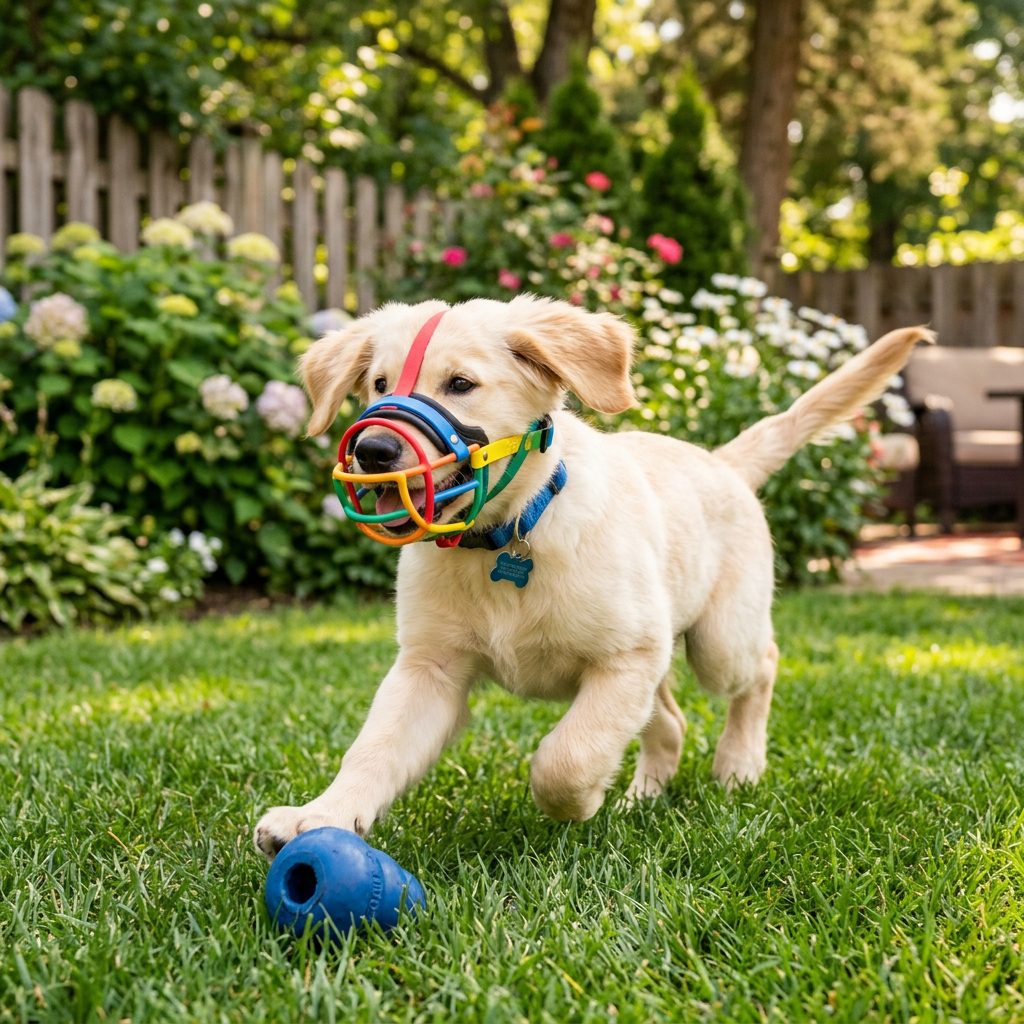
How to ‘Puppy-Proof’ Your Outdoors
Training takes time, but safety must be immediate. While you work on the behavioral side of things, you must manage the environment to prevent your puppy from practicing the bad habit. You cannot train a dog who has just been rushed into surgery!
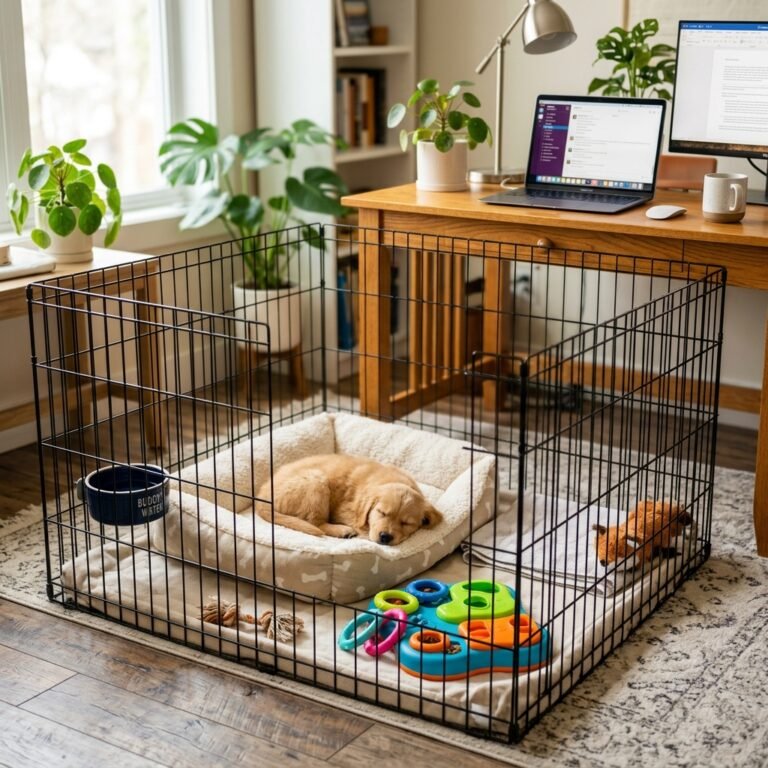
- Clear the ‘Hot Zones’: If you have a specific area with pea gravel or decorative stones, fence it off with temporary exercise pens (X-pens).
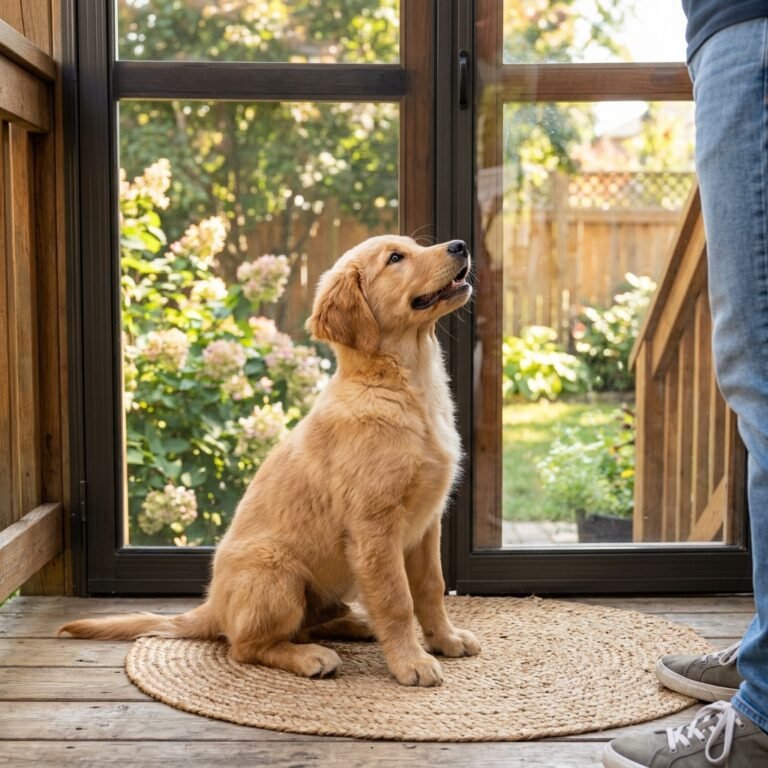
- Supervised Potty Breaks: For the next few weeks, your puppy should not be in the yard alone. Keep them on a 6-foot leash during potty breaks so you can redirect them the second they show interest in a rock.
- Muzzle Training: This might sound extreme, but a basket muzzle is a literal lifesaver for ‘obsessive’ stone eaters. A well-fitted basket muzzle allows the dog to pant, drink, and sniff, but prevents them from picking up objects.
- Substitute with Safe Chews: Always have a ‘legal’ toy in your pocket. If the pup looks at a stone, offer a rubber chew toy or a flavored nylon bone instead.
Management is not a failure of training; it is the foundation that allows training to happen safely.
The Training Protocol: Blocking the Habit for Good
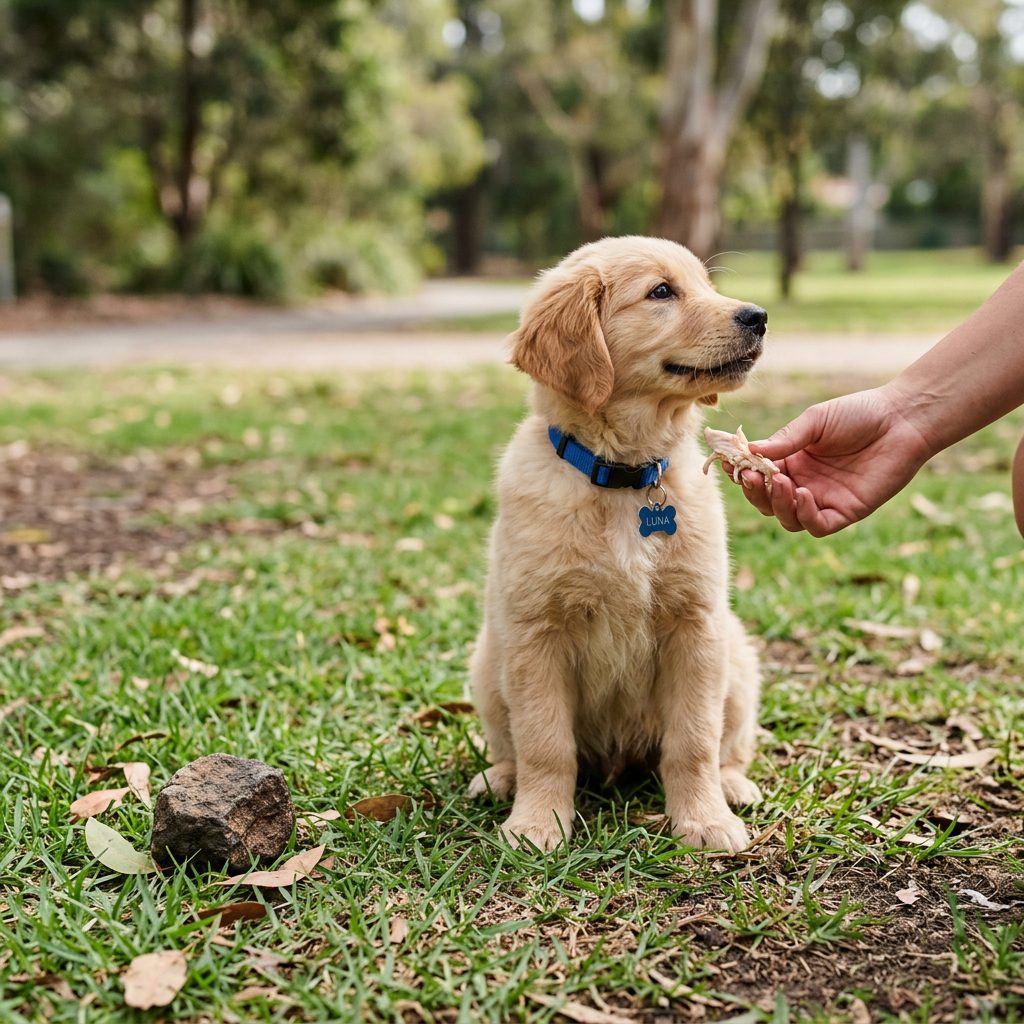
Step-by-Step Guide to the ‘Leave It’ and ‘Drop It’ Commands
To truly block the habit, we need to teach the puppy that ignoring stones is more rewarding than eating them. We will use a two-pronged approach: ‘Leave It’ (don’t touch it in the first place) and ‘Drop It’ (give it back if you already have it).
Step 1: The ‘Leave It’ Foundation
- Place a low-value item (like a piece of kibble) on the floor and cover it with your hand.
- Your puppy will sniff and paw at your hand. Ignore this.
- The moment the puppy pulls their head away, say ‘Yes!’ and reward them with a high-value treat (like chicken) from your other hand.
- Repeat until the puppy stops trying to get the hidden item the moment they see it.
Step 2: Generalizing to Stones
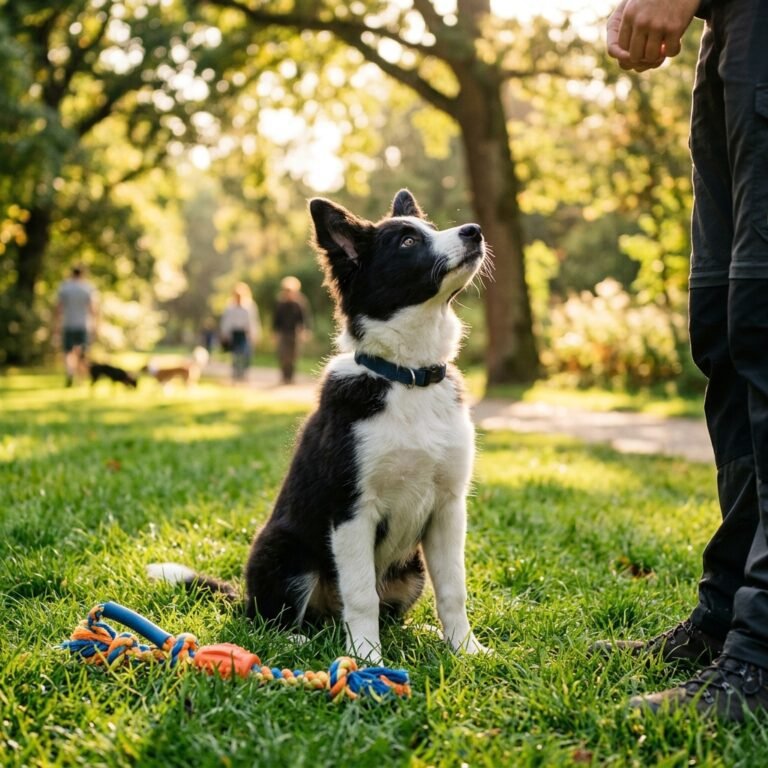
Once they understand the concept, move the training outside. Place a stone on the ground while the puppy is on a leash. As they move toward it, say ‘Leave It.’ If they look at you, throw a ‘treat party’! You are teaching them that stones are just a cue to look at you for something better.
Step 3: The ‘Trade’ (Drop It)
If your puppy already has a stone in their mouth, do not chase them. Chasing turns it into a game and may cause them to swallow the stone to ‘win.’ Instead, grab a handful of incredibly smelly, delicious treats and toss them on the ground right in front of the puppy’s nose. Most puppies will drop the stone to eat the treats. As they drop it, say ‘Drop It’ and then safely remove the stone.
Pro Tip: Use the ‘Scatter Feed’ technique. Tossing multiple treats on the grass keeps their nose busy and their mouth occupied with food, giving you time to clear the area of stones.
Enrichment and Nutrition: Addressing the Internal Drive
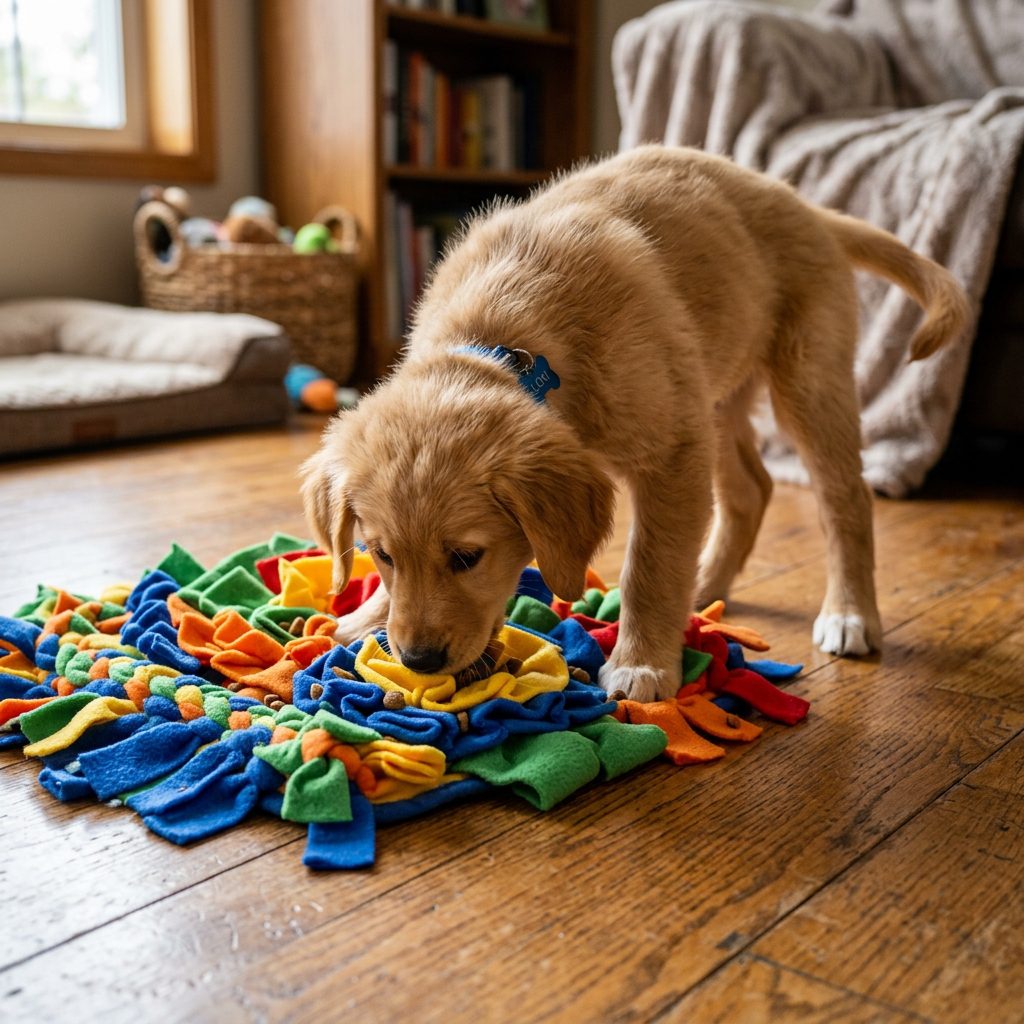
Is Your Puppy Bored or Hungry?
Sometimes, the best way to block a behavior is to satisfy the need that caused it. If your puppy is eating stones out of boredom, we need to increase their mental stimulation. A tired puppy is a well-behaved puppy!
The Enrichment Checklist
- Puzzle Feeders: Stop using a bowl. Use Kongs, Snuffle Mats, or slow feeders to make mealtime a mental workout.
- Sniffari Walks: Take your puppy on a walk where they choose the direction and get to sniff as much as they want. Sniffing burns more energy than walking!
- Digging Pits: If your puppy loves the earth, give them a designated sandbox where you hide toys and safe treats. This redirects their natural ‘foraging’ instinct away from your gravel path.
Nutritional Check-up
Consult with your vet to ensure your puppy’s caloric intake is appropriate for their growth spurt. Sometimes, simply increasing the fiber content of their diet can make them feel ‘fuller’ and less likely to forage for non-food items in the backyard.
When It Becomes an Emergency: Knowing the Signs

When to Stop Training and Start Driving to the Vet
Even with the best training, accidents happen. If you suspect your puppy has swallowed a stone, you need to act fast. Do not wait for the stone to ‘pass’ on its own without professional advice, as the wait can be the difference between a simple procedure and a life-threatening crisis.
Emergency Symptoms to Watch For:
- Productive Vomiting: The puppy keeps throwing up food or water.
- Silent Retching: Attempting to vomit but nothing comes up.
- Loss of Appetite: Refusing even high-value treats.
- Abdominal Tenderness: The puppy yelps or pulls away when you touch their belly.
- Changes in Stool: Diarrhea, bloody stool, or a total lack of bowel movements.
If you see these signs, head to an emergency vet immediately. They will likely perform an X-ray (radiograph) to locate the stone. Stones show up very clearly on X-rays, allowing the vet to determine if it can be removed via endoscopy (a camera down the throat) or if full abdominal surgery is required.
Conclusion
Building a Safer Future for Your Pup
The habit of eating stones is undoubtedly one of the most stressful challenges a puppy owner can face. It feels like a constant battle against nature! But remember, this behavior is usually a combination of curiosity, boredom, and a lack of communication. By implementing strict management, consistent ‘Leave It’ training, and providing plenty of mental enrichment, you can break the cycle.
Stay patient and stay vigilant. Most puppies do eventually outgrow this ‘mouthy’ phase as they mature and their focus shifts to more complex tasks. Until then, keep your treats handy, your leash short, and your eyes on the ground. You’ve got this, and your puppy is lucky to have such a dedicated guardian!