The Ultimate Guide To Patio Training: How To Train Your Puppy To Settle At A Cafe
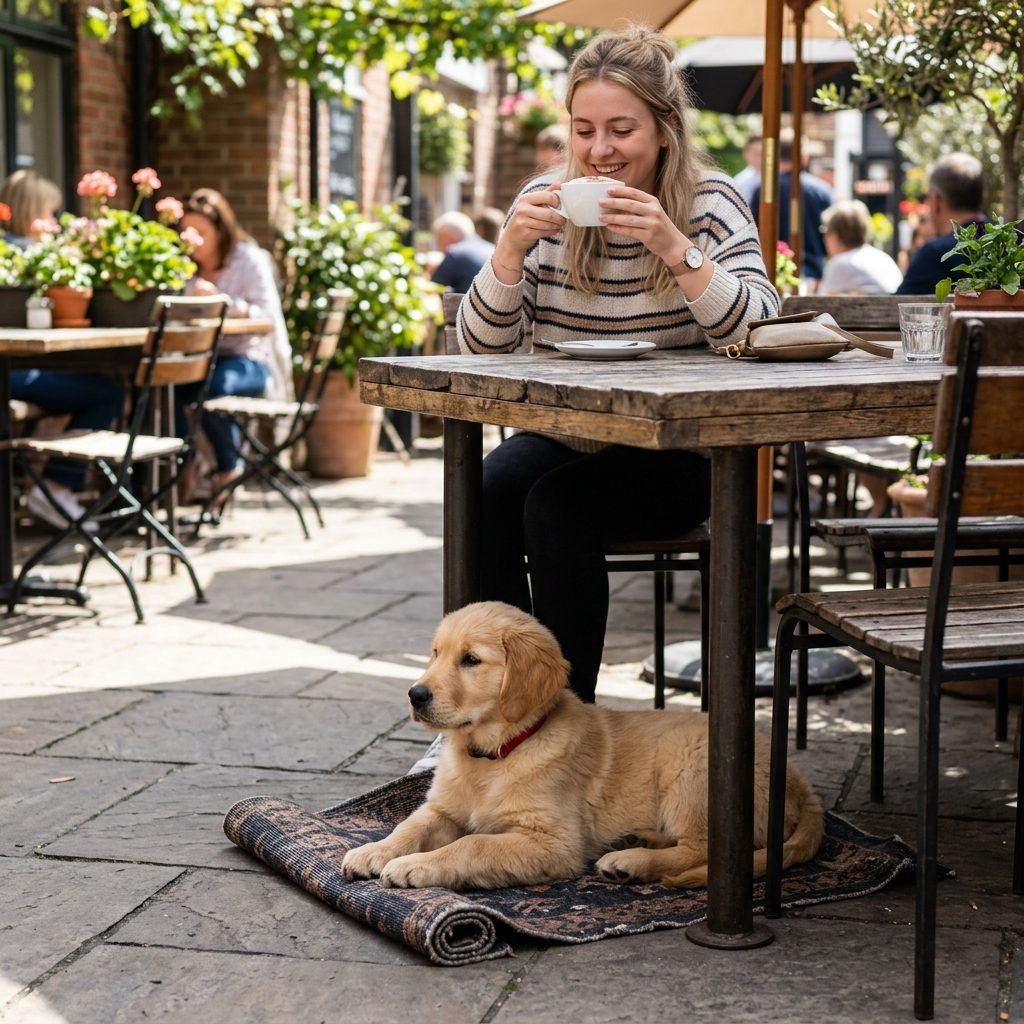
Picture this: It is a gorgeous Saturday morning. The sun is shining, there is a gentle breeze, and you are sitting on the patio of your favorite local cafe, sipping a perfectly crafted flat white. Best of all? Your puppy is lying peacefully at your feet, unfazed by the clinking of coffee cups, the chatter of other patrons, or the delicious smells wafting from the kitchen. Sounds like a dream, right? For many savvy dog owners, bringing their furry best friend along for a cafe date is the ultimate goal. But as any experienced pet parent knows, a calm cafe dog is not born; they are trained.
Welcome to The Ultimate Guide To Patio Training. If you have ever tried to enjoy a meal while your pup whines, tangles their leash around the table legs, or tries to steal a french fry from a passing waiter, you know exactly why this training is so crucial. Patio training is about much more than just teaching your dog to lie down. It is a complex blend of socialization, impulse control, and environmental neutrality.
In this comprehensive guide, we are going to break down the exact steps you need to take to transform your energetic puppy into a seasoned cafe companion. We will cover the essential gear you need to set your dog up for success, the foundational commands you must master at home, and the real-world strategies for managing distractions. Remember: patience and consistency are your best friends here. Grab your favorite training treats, and let us dive into the ultimate blueprint for patio perfection!
Essential Gear for Patio Success
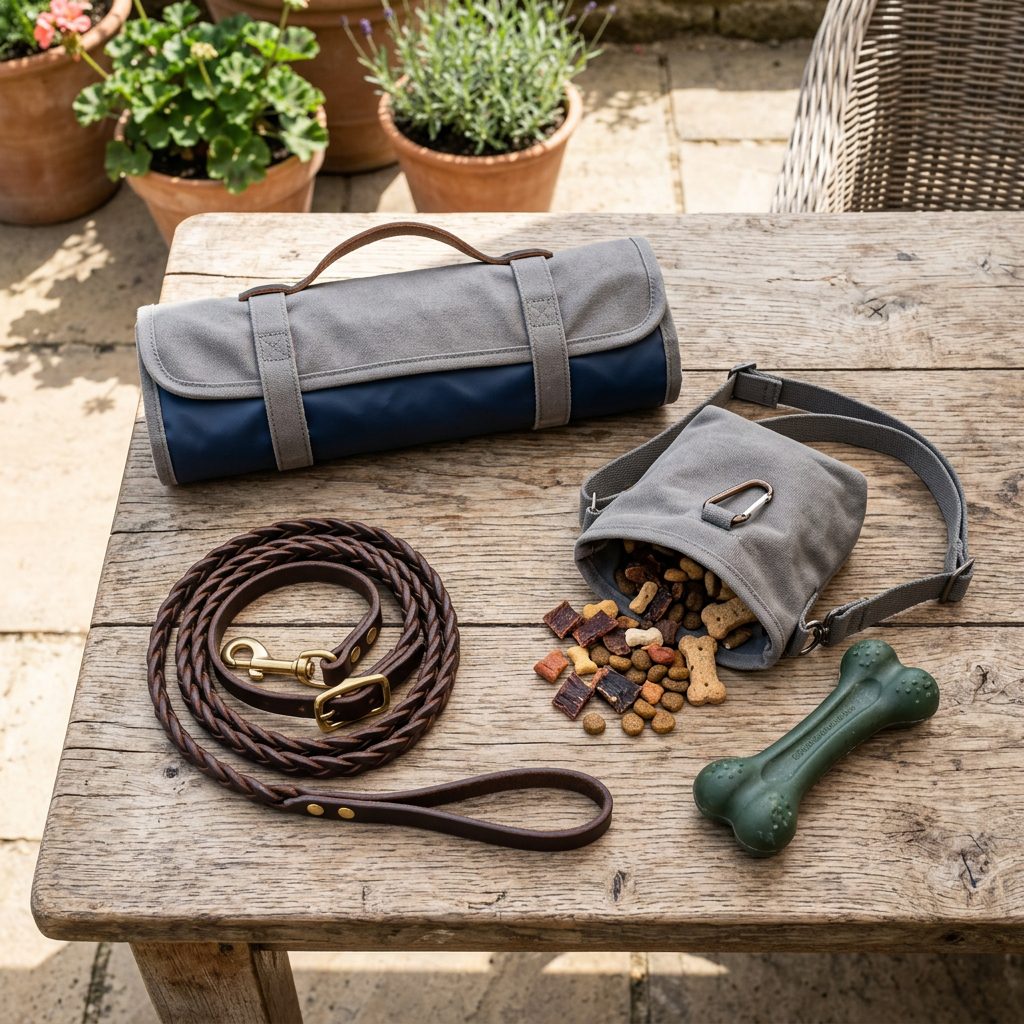
Before we even think about ordering that iced latte, we need to talk about equipment. Setting your puppy up for success starts with bringing the right tools to the cafe. You wouldn’t go to the gym without your sneakers, and you shouldn’t take your puppy to a patio without their ‘settle toolkit’. Having dedicated gear helps create clear boundaries and positive associations for your dog.
The Patio Training Toolkit
Here is a breakdown of the non-negotiable items you should pack for every cafe outing:
| Essential Item | Why You Need It | Pro Tip |
|---|---|---|
| Settle Mat or Blanket | Creates a clear, physical boundary that tells your dog exactly where they need to stay. It acts as a portable ‘safe space’. | Choose a mat that rolls up easily and has a distinct texture. Only use it for settling, never for active play. |
| High-Value Treats | Cafes are highly distracting environments. Standard kibble might not cut it when a waiter walks by with a plate of bacon. | Bring soft, smelly treats like boiled chicken, cheese, or freeze-dried liver. Cut them into pea-sized pieces. |
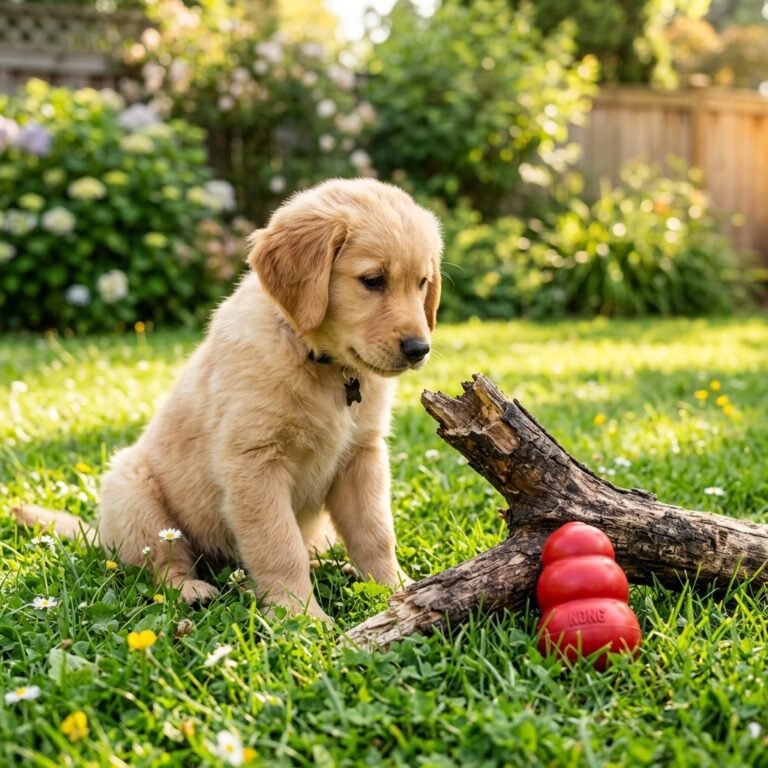
| Long-Lasting Chew | Provides a self-soothing activity that keeps your puppy occupied and encourages them to lie down. | Bully sticks, stuffed Kongs, or yak cheese chews are excellent options. Avoid messy bones. |
| Short, Fixed Leash | Keeps your dog close to your table and prevents them from wandering into the aisles or greeting strangers uninvited. | A 4-foot leather or biothane leash works best. Never use a retractable leash on a patio. |
Trainer’s Secret: The settle mat is the most powerful tool in your arsenal. By teaching your dog that ‘mat equals relaxation’ at home, you can take that mat anywhere in the world, and your dog will immediately understand the assignment.
Once you have your gear packed and ready to go, you are technically prepared for the patio. However, the actual training begins long before you step foot outside your house. Let’s move on to the foundational steps.
Step 1: Mastering The ‘Settle’ Command At Home
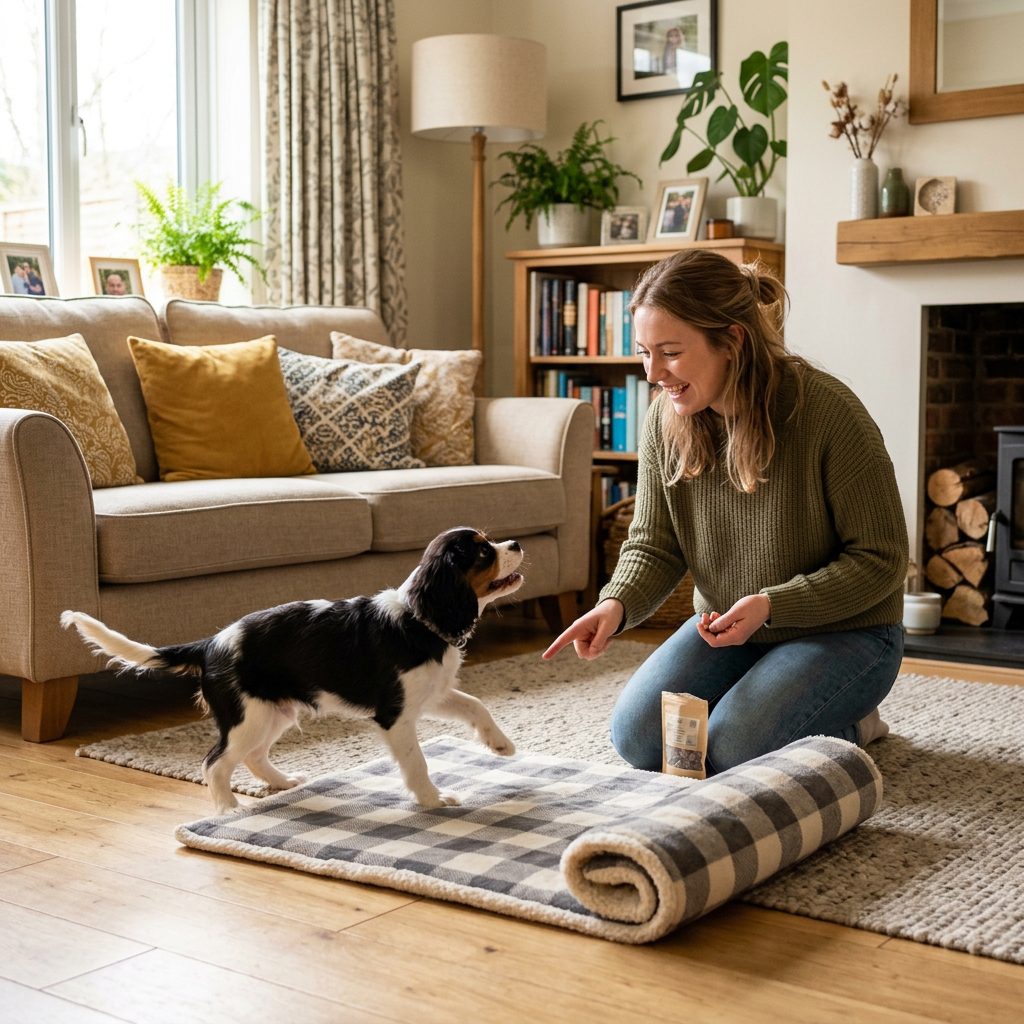
Patio training does not start at the patio; it starts in your living room. A cafe is a sensory overload for a young dog. If they cannot hold a ‘settle’ or ‘place’ command in a quiet, distraction-free environment, they have zero chance of doing it when there are pigeons, other dogs, and dropped pastries around.
Introducing the ‘Place’ Command
The goal of the ‘place’ command is to teach your dog to go to a specific spot (their mat) and stay there until released. Here is how to build this behavior from the ground up:
- Lure and Reward: Toss a treat onto the mat to encourage your puppy to step on it. As soon as all four paws are on the mat, say ‘Yes!’ and give them another treat.
- Add the Cue: Once your puppy is eagerly stepping onto the mat, introduce the word ‘Place’ or ‘Mat’ right before they step on it.
- Encourage the Down: We don’t just want them standing on the mat; we want them relaxed. Wait for your puppy to offer a ‘down’ on the mat, or gently ask for a down. Reward heavily when their belly hits the floor.
- Build Duration: Start spacing out your treats. Instead of treating immediately, wait 3 seconds, then 5 seconds, then 10 seconds. If your puppy gets up, simply withhold the treat, reset, and lower your expectations slightly.
Capturing Calmness
In addition to the structured ‘place’ command, you want to reward your dog for naturally choosing to relax. If you are watching TV and your puppy wanders over and sighs as they lie down next to you, calmly drop a treat between their paws. Do not say anything or make a big fuss; just let them know that doing nothing pays off. This concept, often called ‘capturing calm’, is essential for creating a dog that naturally settles in public spaces.
Step 2: The Dry Run (Starting Small)
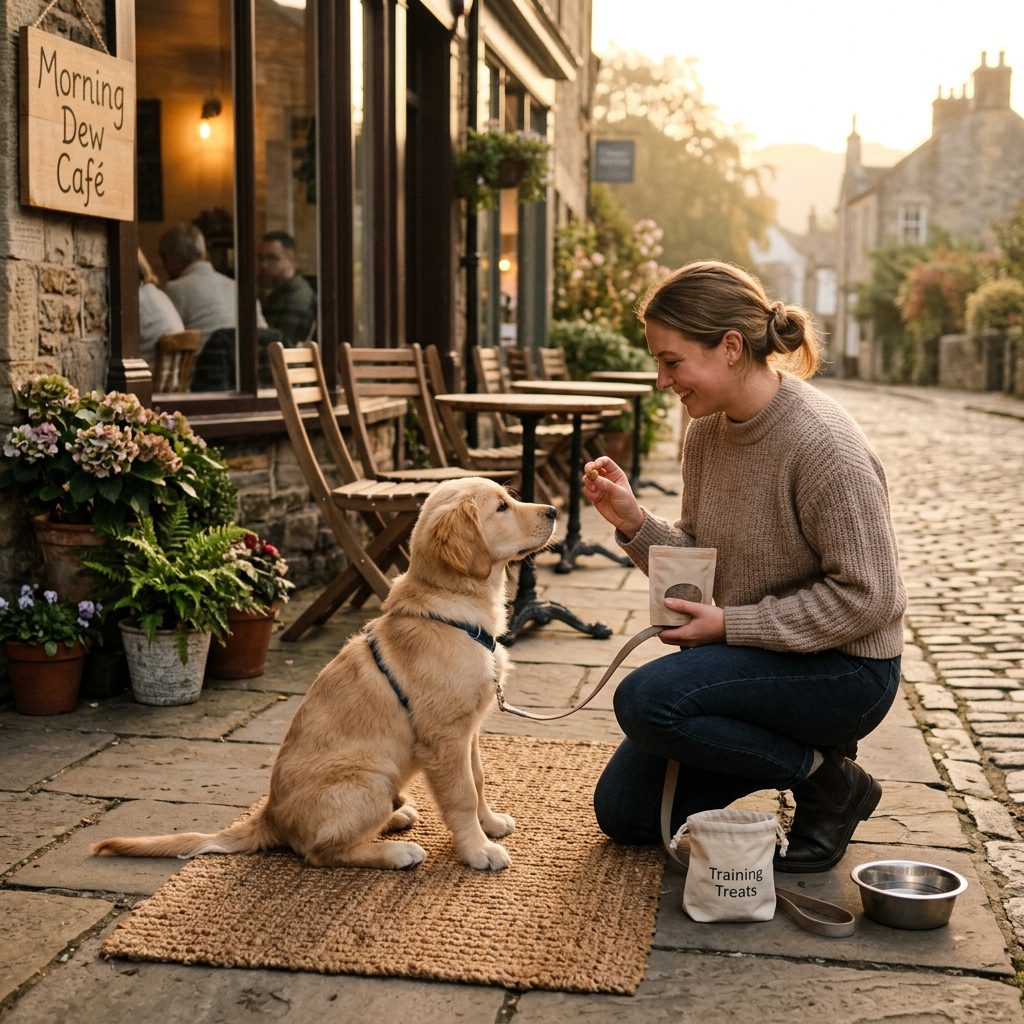
Now that your dog is a champion at settling in the living room, it is time to take the show on the road. But hold on—do not head to the busiest brunch spot in town on a Sunday morning. We need to set your puppy up for success by carefully controlling the environment during their first few outings.
Choosing the Right Location and Time
Your first few cafe visits should be what we call ‘Dry Runs’. The goal is not for you to enjoy a leisurely meal; the goal is strictly to train your dog. You should be prepared to leave after 10 minutes if necessary.
- Off-Peak Hours: Visit the cafe early in the morning or late in the afternoon between lunch and dinner rushes.
- Perimeter Seating: Ask to sit on the outer edge of the patio. This gives your dog a clear view of their surroundings without feeling trapped in the middle of a bustling crowd, and it provides an easy escape route if they get overwhelmed.
- Bring a Helper: If possible, bring a friend or partner. One person can focus entirely on managing and rewarding the dog, while the other handles ordering the coffee and paying the bill.
The Dry Run Schedule
To help you structure your early visits, follow this progressive schedule. Do not move to the next phase until your dog is completely relaxed at their current level.
| Phase | Duration | Focus Goal |
|---|---|---|
| Phase 1 | 5-10 Minutes | Just ordering a coffee to-go. Dog stays on mat, gets a high-value chew, and you leave while they are still successful. |
| Phase 2 | 15-20 Minutes | Sitting down to drink one beverage. Rewarding the dog for ignoring people walking past the perimeter. |
| Phase 3 | 30-45 Minutes | Ordering a quick snack. Dog practices settling while waiters approach the table and food is present. |
Trainer’s Secret: Always end the session on a high note. It is much better to leave after 10 minutes of perfect behavior than to push for 30 minutes and have the session end with your dog barking or pulling out of frustration.
Step 3: Managing Distractions in the Real World
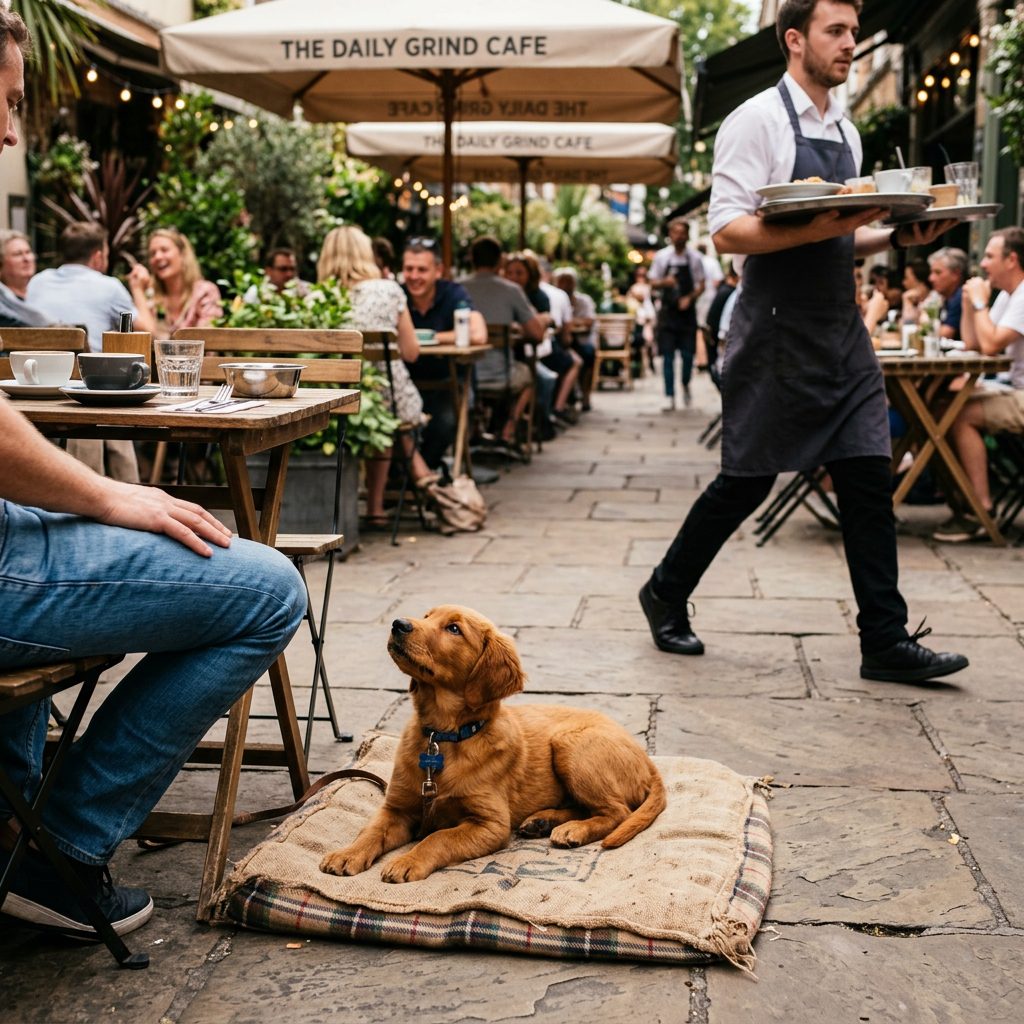
Cafes are dynamic environments. No matter how well you plan, unexpected distractions will happen. A waiter might drop a tray, a stray cat might walk by, or a toddler might run up to pet your dog. How you handle these distractions will define your dog’s patio manners.
The ‘Look At That’ Game (LAT)
When your dog notices a distraction (like another dog walking by the patio), you do not want them to react by barking or lunging. Instead, play the ‘Look At That’ game.
- Wait for your dog to look at the distraction.
- The second they look at it (but before they react), say ‘Yes!’ or click your clicker.
- When your dog turns their head back to you expecting the treat, deliver a high-value reward.
This game changes your dog’s emotional response to triggers. Instead of thinking, ‘Oh wow, another dog, I need to go say hi!’ they start thinking, ‘Oh, another dog! That is my cue to look at mom/dad for a piece of chicken!’
Advocating for Your Dog
As a savvy dog owner, you must be your dog’s biggest advocate. People love puppies, and they will often approach your table without asking. If your dog is in the middle of a training session or seems overwhelmed, it is completely okay to say no to greetings.
You can politely say, ‘I am so sorry, but he is in training right now and needs to focus,’ or ‘She is a little overwhelmed today, so we are not doing greetings.’ Protecting your dog’s space ensures they feel safe on the mat. If they know you will handle the scary humans, they won’t feel the need to stand up and protect themselves.
Troubleshooting Common Patio Mistakes
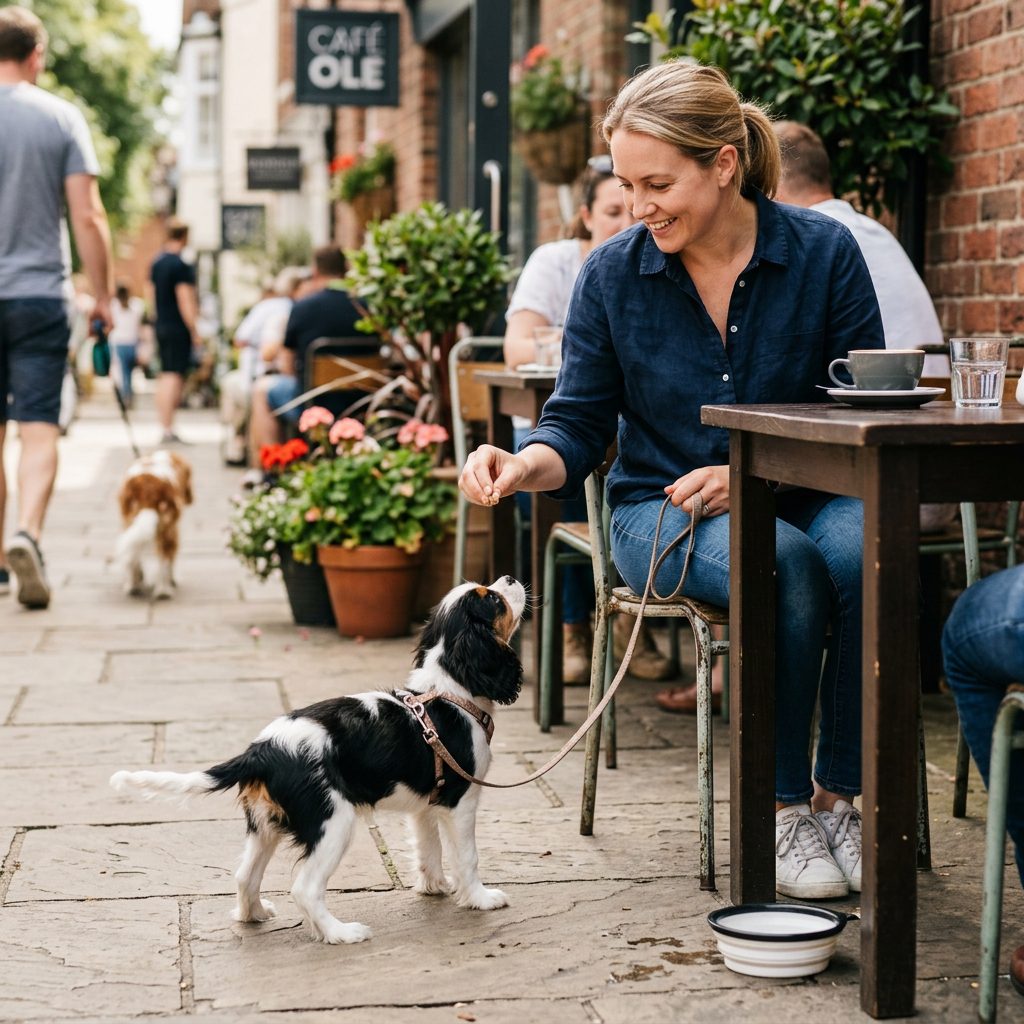
Even with the best preparation, training is rarely perfectly linear. You will have good days and bad days. Here are some of the most common patio problems and exactly how to troubleshoot them.
Problem 1: Constant Whining or Vocalizing
If your dog is whining, they are likely either over-stimulated, frustrated, or under-exercised. Solution: Ensure your dog has had adequate physical and mental exercise before you go to the cafe. A tired dog is a good dog. If they are still whining, they might be overwhelmed by the environment. Increase the distance from the busy areas of the cafe, or offer a higher-value chew to redirect their mouth and brain.
Problem 2: Breaking the ‘Settle’ to Beg for Food
It is natural for dogs to want what we are eating, especially when it smells amazing. Solution: Never, ever feed your dog from the table or your plate. If you do it even once, you have taught them that begging works. Keep their rewards strictly to the dog treats you brought, and always deliver those treats directly onto their mat, between their paws. This reinforces that looking down at the mat is rewarding, not staring up at your burger.
Problem 3: Getting Tangled in the Leash
A restless dog will often pace around the table legs, resulting in a tangled mess that knocks over chairs. Solution: Keep the leash short. Step on the leash about halfway down, giving your dog just enough slack to stand up, turn around, and lie down, but not enough to wander around the table. This technique, often called ‘leash pressure settling’, physically limits their options and encourages them to choose the down position.
Problem 4: Reacting to Other Patio Dogs
Many cafes have multiple dogs on the patio. If your dog is fixating on them, it can ruin the vibe quickly. Solution: Use your body as a visual block. Sit in a way that blocks your dog’s direct line of sight to the other dog. Feed a continuous stream of small treats to keep their focus on you until the other dog settles or leaves. If your dog cannot calm down, it is time to ask for the check and try again another day.
Conclusion
Patio training is a journey, not a sprint. It takes time, immense patience, and a lot of roast chicken to teach a puppy how to navigate the human world of cafes and restaurants. But the payoff is incredibly rewarding. By investing the time now to build a strong ‘settle’ command, properly managing their environment, and consistently advocating for their space, you are setting the foundation for years of enjoyable outings together.
Remember to celebrate the small victories. If your puppy manages to lie quietly for just five minutes while you drink your espresso, that is a massive win! Keep your sessions short, always end on a positive note, and never be afraid to pack up and leave if your dog is having a hard day. With consistency and the savvy training techniques outlined in this guide, your dog will soon be the most well-behaved patron on the patio. Now, go grab that settle mat, pack those treats, and enjoy your coffee dates!