Stop Your Puppy From Eating Cat Food Instantly With This 1 Weird Trick
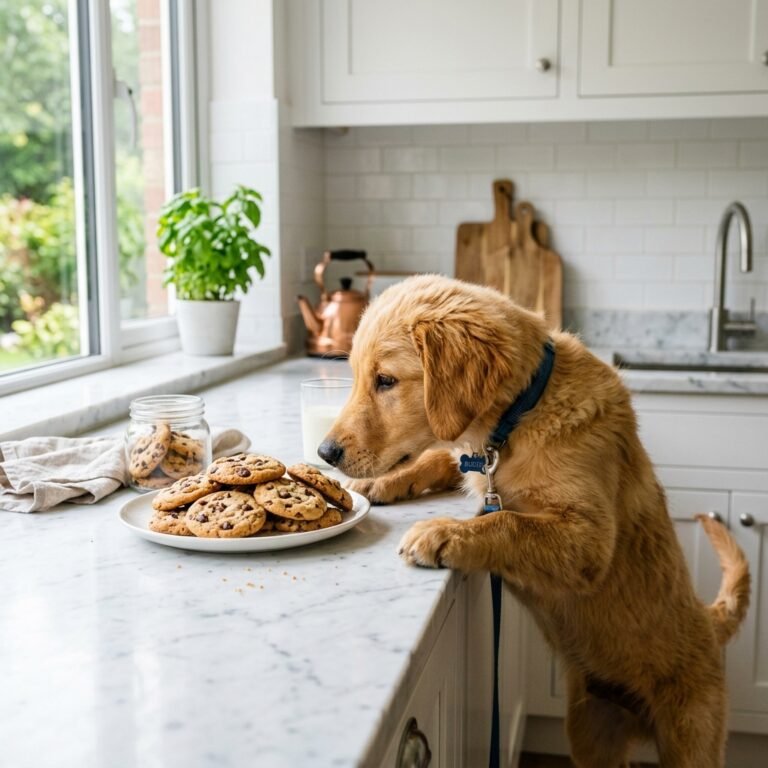
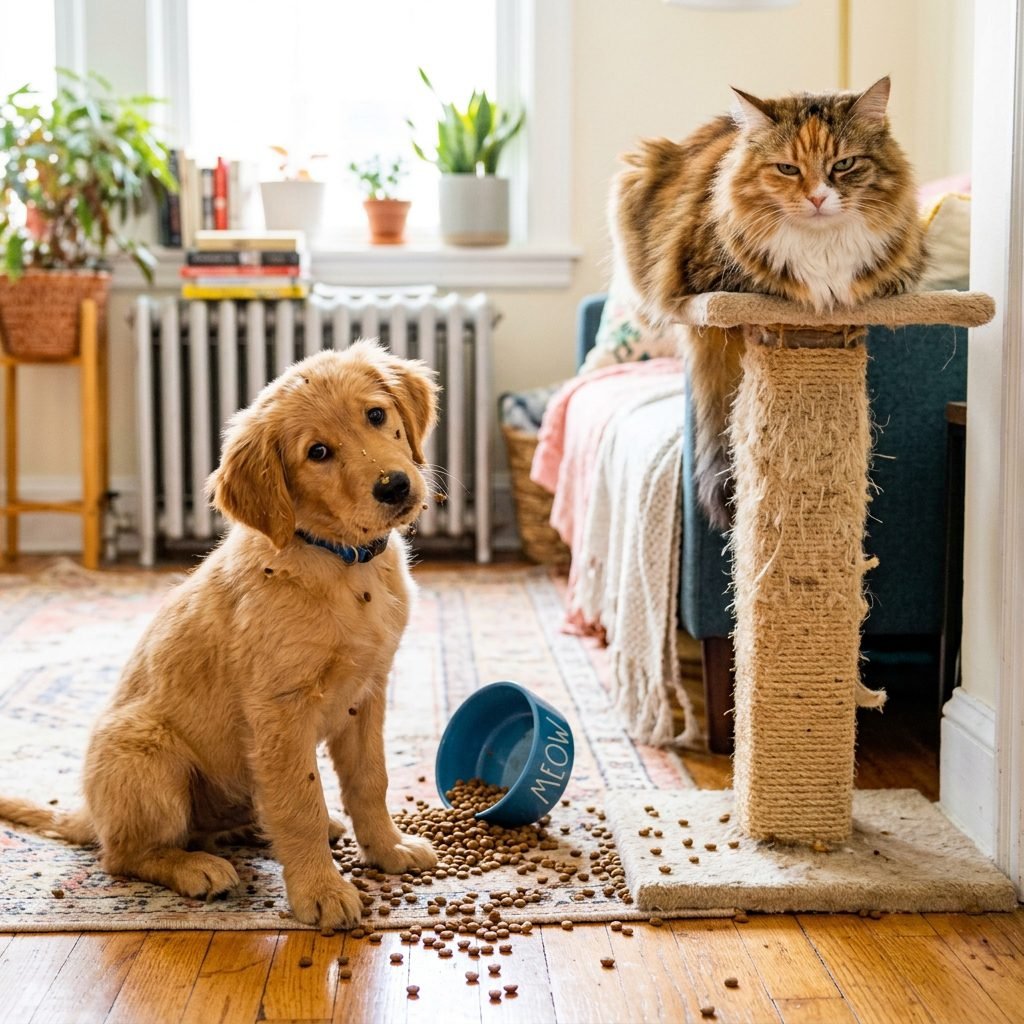
Welcome, savvy dog parents! If you share your home with both a canine and a feline, you already know the everyday struggle of inter-species mealtime. You turn your back for exactly one second, and suddenly your new puppy is face-deep in the cat’s bowl, gobbling down feline kibble like it is a five-star gourmet meal. It is frustrating, it is messy, and as we will explore in a moment, it can actually be quite dangerous for your growing pup.
As a canine specialist, I hear this complaint from frustrated pet owners almost every single day. Puppies are naturally curious, highly food-motivated scavengers. When they smell the rich, pungent aroma of cat food, their instincts take over. You have probably tried moving the bowl, scolding your pup, or even standing guard like a bouncer at a VIP club, but nothing seems to work long-term.
“The secret to stopping unwanted puppy behaviors isn’t always about endless correction; sometimes, it is about smart, instant environmental management combined with positive reinforcement.”
In this comprehensive guide, we are going to dive deep into exactly why your puppy is so obsessed with the cat’s dinner, the hidden health risks of letting them indulge, and most importantly, the 1 weird trick that will stop this behavior instantly. We will also cover foolproof training methods to ensure your puppy learns to respect boundaries for life. Grab a cup of coffee, give your pup a belly rub, and let’s solve this cat food conundrum once and for all!
The Irresistible Allure: Why Puppies Go Crazy for Cat Food
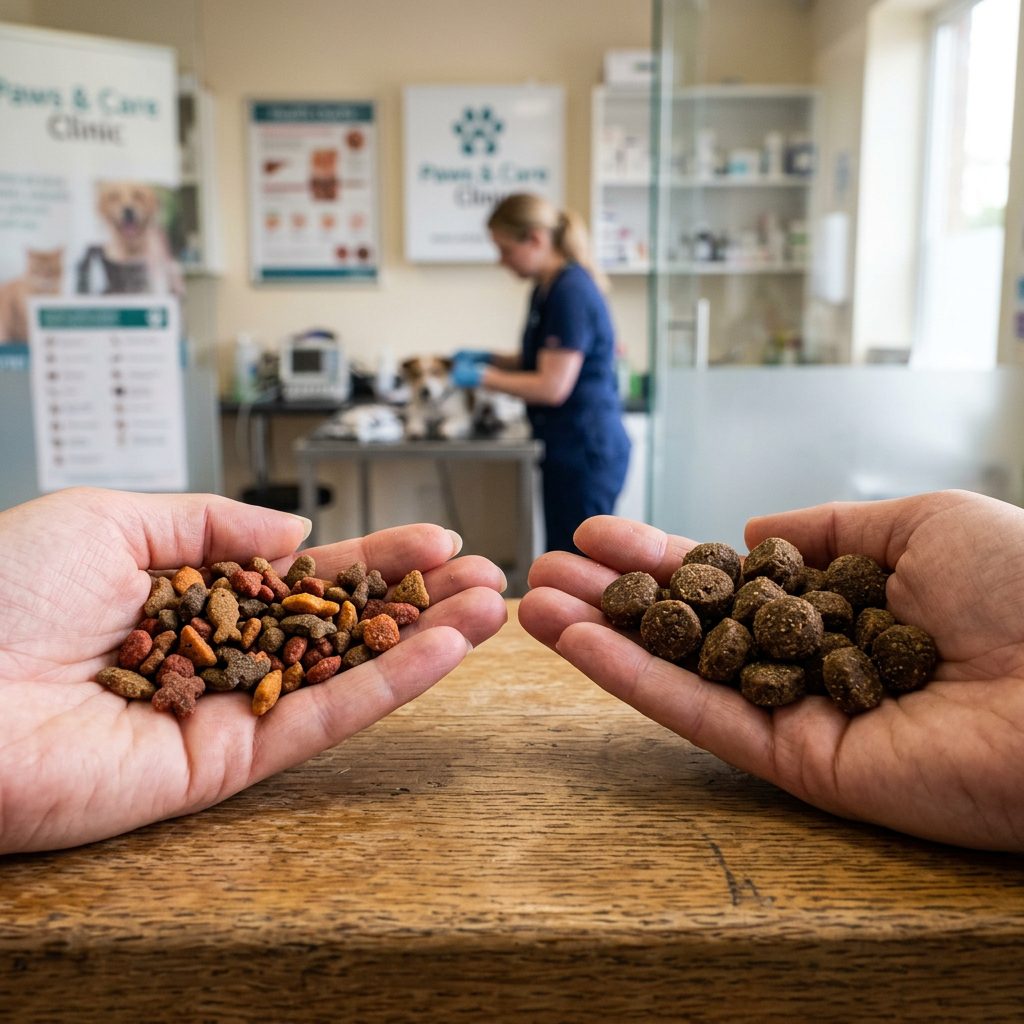
Before we can fix the behavior, we have to understand the motivation. Have you ever wondered why your puppy will ignore their own premium, expensive kibble but will sprint across the house for a single piece of cat food? The answer lies in the fundamental biological differences between dogs and cats, and how their food is formulated to meet those specific needs.
The Science of Feline Nutrition
Cats are obligate carnivores. This means their bodies absolutely require meat to survive and thrive. Because of this, cat food is formulated to be incredibly dense in animal proteins and heavy in animal fats. Dogs, on the other hand, are scavenging omnivores. While they love meat, their bodies are designed to process a wider variety of nutrients, including carbohydrates and plant-based ingredients.
When your puppy smells cat food, their powerful nose detects a massive concentration of fat and protein. To a puppy’s brain, this smells like the ultimate high-value jackpot. It is the canine equivalent of walking past a bakery that is venting the smell of fresh, warm donuts into the street. It is practically irresistible.
The Hidden Health Risks of Cat Food for Dogs
While a single piece of stolen cat kibble will not harm your puppy, making a habit of eating cat food can lead to severe health complications. The nutritional profile of cat food is entirely wrong for a growing canine.
| Nutritional Component | Standard Dog Food | Standard Cat Food | Impact on Puppies |
|---|---|---|---|
| Protein | 18% – 25% | 30% – 40%+ | Excessive protein can put unnecessary strain on a puppy’s developing kidneys over time. |
| Fat | 10% – 15% | 15% – 25%+ | High fat content is the leading cause of acute canine pancreatitis, a painful and potentially fatal condition. |
| Taurine | Usually Not Added | Essential (High Levels) | While not toxic to dogs, the imbalance of amino acids can disrupt their overall nutritional harmony. |
| Calories | Moderate Density | Extremely High Density | Rapid weight gain, leading to early-onset joint issues and canine obesity. |
The most immediate and terrifying risk is Pancreatitis. When a puppy consumes a massive amount of fat in a short period (like gorging on a full bowl of cat food), their pancreas can become severely inflamed. Symptoms include intense abdominal pain, vomiting, diarrhea, and extreme lethargy. It often requires expensive emergency veterinary hospitalization. By stopping this behavior, you are not just saving money on cat food; you are potentially saving your puppy’s life.
The 1 Weird Trick: The Micro-Gap Door Strategy
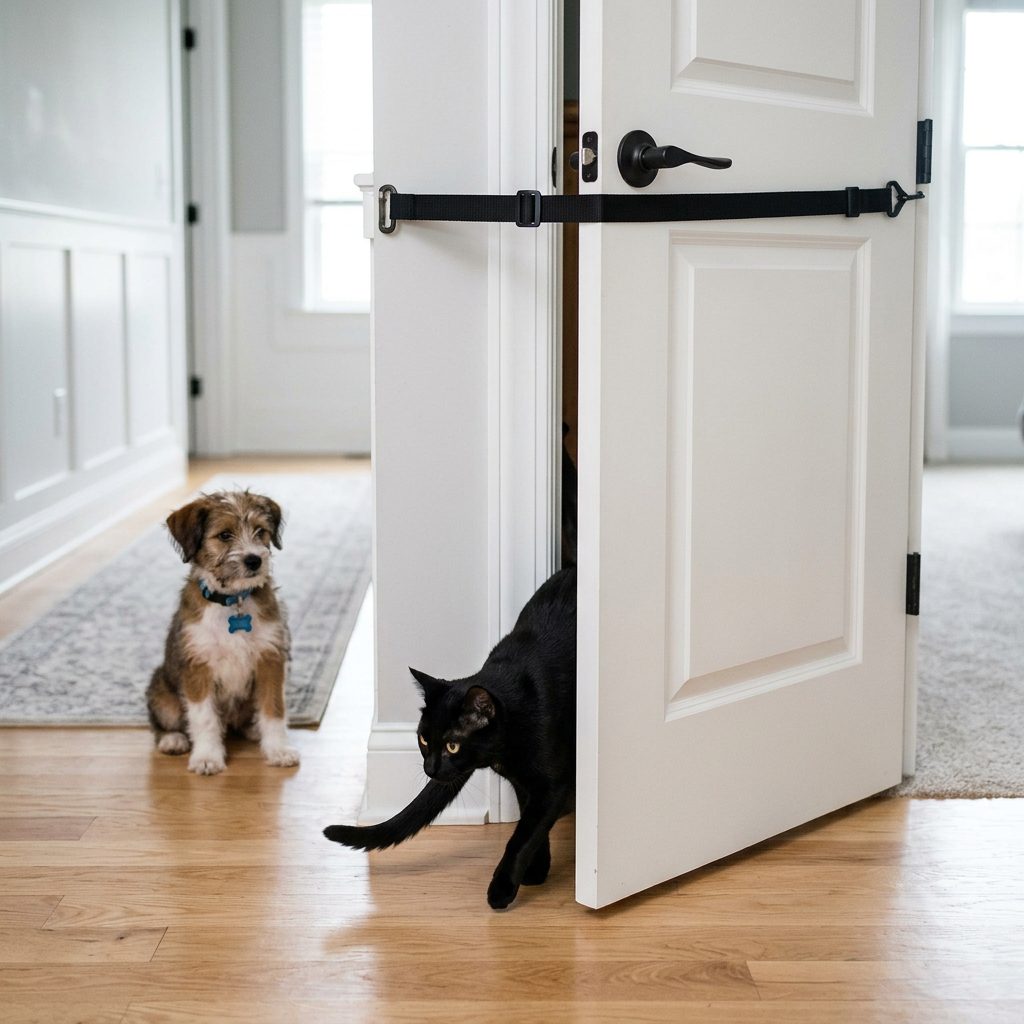
Now that we understand the stakes, let’s talk about the solution. You might be expecting a complicated, months-long behavioral modification protocol. While training is crucial (and we will cover that next), you need an instant fix to keep your puppy safe right now. Enter the Micro-Gap Door Strategy.
What is the Micro-Gap Trick?
The concept is bizarrely simple but universally effective. Instead of using clunky baby gates that you have to step over (and inevitably trip over in the dark), or moving the cat food to a high counter (which encourages cats to jump on food prep surfaces), you use a specialized adjustable door strap to create a permanent, customized micro-gap in an interior door.
This strap attaches to the door and the door frame, holding the door open exactly 3 to 4 inches. Because cats have floating collarbones and are incredibly agile, they can effortlessly slip through a 3-inch gap. Your puppy, however, with their wider chest and rigid shoulders, is instantly locked out. The cat gets a safe, private dining room, and the puppy gets an impenetrable physical boundary.
Why This Trick is a Game-Changer
- Instant Success: There is zero training required for the puppy. The physical barrier does 100% of the work immediately.
- Cost-Effective: Adjustable door straps cost a fraction of the price of heavy-duty pet gates or microchip-activated feeders.
- Cat Comfort: Cats prefer to eat in quiet, secluded areas away from chaotic puppy energy. Giving them a dedicated room reduces feline stress and prevents scarf-and-barf behaviors.
- Airflow: Unlike keeping a door completely shut, the micro-gap allows HVAC airflow to continue through your home.
This trick is the ultimate environmental management tool. By completely removing the puppy’s access to the reward (the cat food), you immediately extinguish the self-rewarding behavior of scavenging. When the puppy realizes they can no longer reach the prize, they will eventually stop trying.
Step-by-Step Guide to Implementing the Micro-Gap
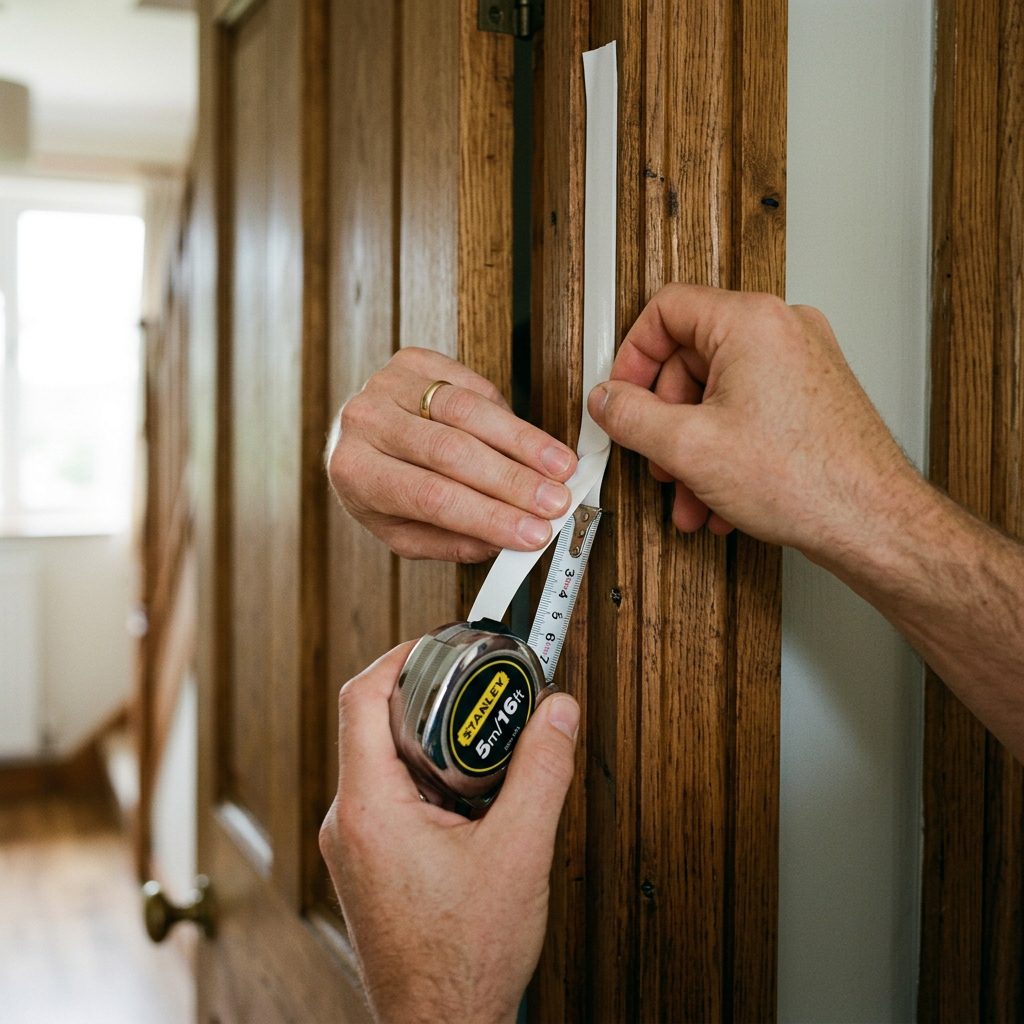
Ready to set up your puppy-proof feline dining room? Follow these specific steps to ensure the trick works flawlessly without stressing out your cat or frustrating your dog.
Step 1: Choose the Perfect Cat Room
Select a room that makes sense for your cat. A laundry room, a spare bathroom, or a guest bedroom works perfectly. Ensure this room does not contain anything the puppy absolutely needs access to. Move the cat’s food, water, and scratching post into this designated safe zone.
Step 2: Measure Your Pets
Before installing anything, you need to know the magic number. Measure the width of your cat’s whiskers and shoulders. Most adult cats can comfortably fit through a space that is 3.5 to 4 inches wide. Next, look at your puppy. Unless you have a teacup breed (we will cover troubleshooting for tiny dogs later), their chest will be significantly wider than 4 inches.
Step 3: Install the Adjustable Strap
Purchase a high-quality adjustable door strap (often sold under names like Door Buddy). Clean the surface of the door and the door frame with rubbing alcohol to ensure the heavy-duty adhesive sticks properly. Peel the backing, stick one end to the door and the other to the frame. Adjust the strap tension until the door cannot open wider than your measured gap.
Step 4: Acclimate the Cat
Do not just lock the cat in or out! Prop the door fully open for the first day so the cat gets used to entering the room for food. On day two, engage the strap. Place a few high-value cat treats right inside the gap to encourage the cat to slip through. Reward them heavily when they do.
Step 5: Redirect the Puppy
When your puppy inevitably marches up to the door expecting their daily cat food snack, they will hit the barrier. They may sniff, whine, or paw at the gap. Do not scold them. Simply call their name in a happy, upbeat tone, and when they turn away from the door, reward them with a high-value dog treat or a quick game of tug. You are teaching them that ignoring the cat room is far more rewarding than trying to break in.
Long-Term Success: Mastering the Leave It Command
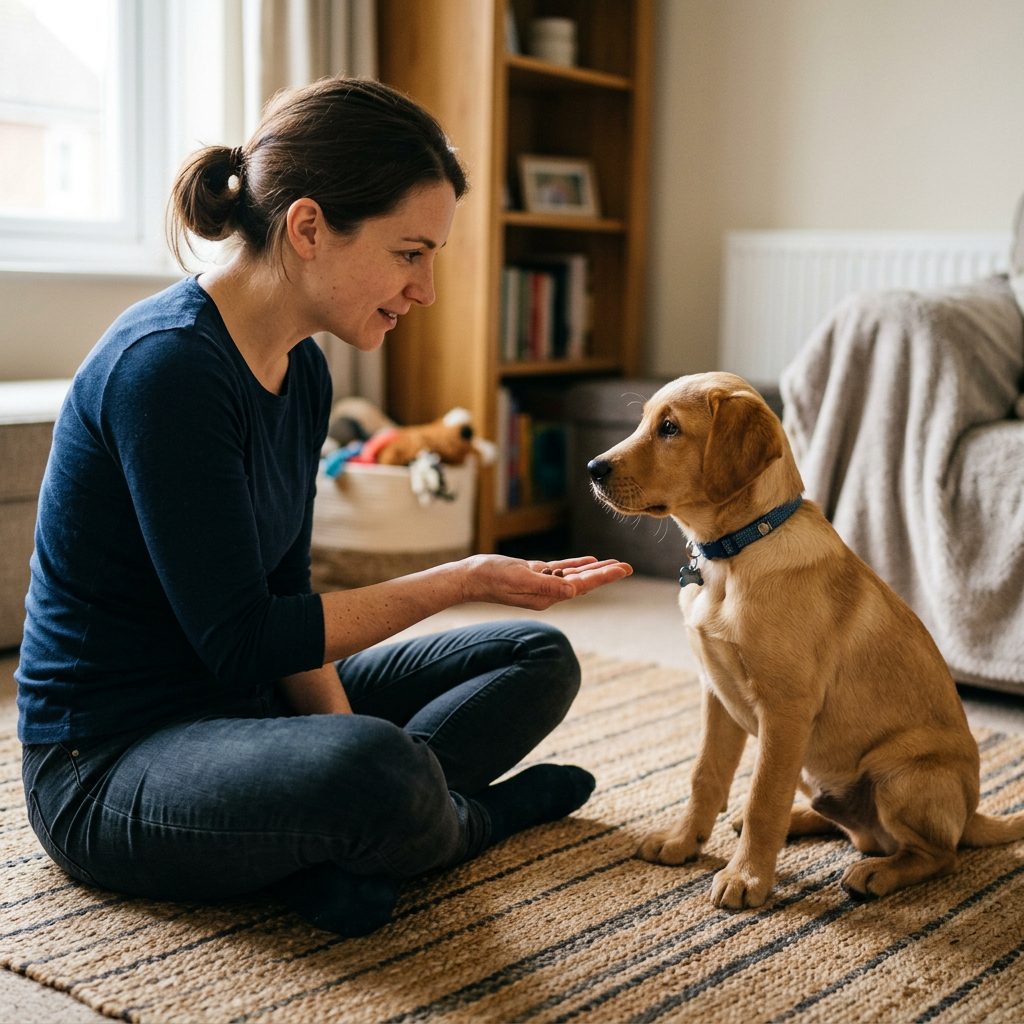
While the Micro-Gap trick is brilliant for environmental management, savvy dog owners know that true peace of mind comes from foundational training. What happens if you drop a handful of cat food on the kitchen floor? What if you are visiting a friend’s house who doesn’t use the door trick? You need a reliable, rock-solid Leave It command.
The Psychology of Leave It
The Leave It command is not about intimidation; it is about impulse control. You are teaching your puppy that choosing to ignore a temptation results in a reward that is equal to or better than the temptation itself. When dealing with something as high-value as cat food, your reward must be spectacular—think boiled chicken, hot dogs, or freeze-dried liver.
Step-by-Step Leave It Training
- The Closed Fist: Sit on the floor with your puppy. Place a piece of standard dog kibble in your hand and close your fist. Present your fist to the puppy. They will sniff, lick, and paw at your hand. Say nothing and wait. The exact second they pull their nose away from your hand, say “Yes!” and give them a high-value treat from your other hand. Repeat until they immediately look away when you present the fist.
- The Open Palm: Now, open your hand with the kibble inside. Say “Leave it.” If the puppy dives for it, simply close your hand. If they hold back and look at you, say “Yes!” and reward from the other hand.
- The Floor Challenge: Place the kibble on the floor and cover it with your shoe. Say “Leave it.” Wait for the puppy to stop investigating your shoe and look up at you. Reward heavily.
- The Ultimate Cat Food Test: Once your puppy has mastered the floor challenge with dog kibble, it is time for the final boss. Place a single piece of cat food on the floor, ready to cover it with your foot if necessary. Say “Leave it.” If your puppy successfully ignores the pungent smell of the cat food and makes eye contact with you, throw a massive puppy party! Give them a jackpot of 5 or 6 high-value dog treats.
Consistency is key. Practice this in short, 5-minute sessions daily. Over time, your puppy will learn that cat food on the floor is just a cue to look at you for something even better.
Troubleshooting: When the Trick Needs Tweaking
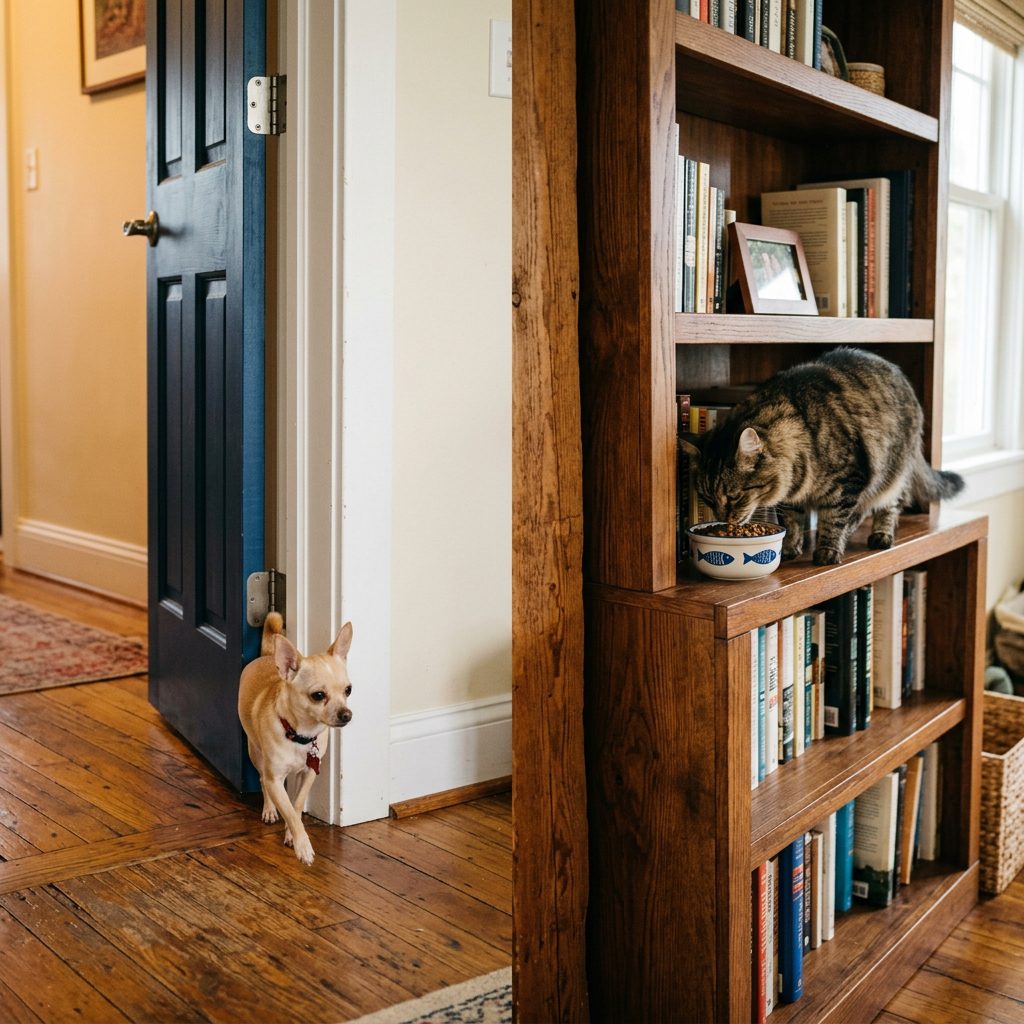
In the real world of pet parenting, things do not always go exactly according to plan. Every home is different, and every pet has their own unique quirks. If you are running into roadblocks with the Micro-Gap trick or your training, do not panic. Here are the most common issues savvy dog owners face and how to fix them instantly.
Common Challenges and Solutions
| The Problem | Why It Happens | The Expert Solution |
|---|---|---|
| My puppy is a toy breed and fits through the gap! | Small breeds (Chihuahuas, Yorkies) have shoulder widths similar to cats, making the door strap ineffective. | Pivot to the Elevated Dining Strategy. Clear a space on a sturdy bookshelf or a wide windowsill. Ensure the cat has a safe, non-slip path to reach it, completely out of the tiny puppy’s vertical jump range. |
| My cat refuses to push through the narrow gap. | Some cats are claustrophobic or lack the confidence to squeeze through tight spaces, especially older or overweight cats. | Open the gap slightly wider (if the puppy’s size allows). Use a trail of high-value lickable cat treats leading through the gap to build positive association. Never force the cat through. |
| The puppy sits at the door and barks or whines relentlessly. | The puppy is experiencing barrier frustration. They know the food is there, and the sudden physical block is causing an emotional reaction. | Ignore the vocalizations completely. Any attention (even scolding) reinforces the barking. Wait for three seconds of total silence, then call them away and reward them with a stuffed Kong to redirect their chewing energy. |
| The puppy scratches and damages the door trying to get in. | High prey drive or extreme food motivation leads to destructive digging behaviors at the barrier. | Install a clear plastic scratch shield on the bottom half of the door and the door frame. Combine this with intense “Place” or “Mat” training away from the cat room to build alternative resting behaviors. |
Remember, management is an evolving process. As your puppy grows into an adult dog, their size and temperament will change. The beauty of the Micro-Gap strap is that it is fully adjustable. If your puppy hits a growth spurt, you can tighten the gap to ensure the boundary remains secure. Always monitor your pets during the transition phase to ensure both the dog and the cat are comfortable, safe, and stress-free.
Conclusion
Managing a multi-pet household is no small feat, but as a savvy dog owner, you are more than equipped to handle the challenge. By understanding exactly why your puppy is drawn to the dangerous allure of feline kibble, you can approach the problem with empathy rather than frustration. The Micro-Gap Door Trick is your immediate, stress-free solution to protect your puppy from the risks of pancreatitis and obesity, while giving your cat the peaceful dining experience they deserve.
But do not stop at just physical barriers! Pairing this weirdly effective trick with rock-solid “Leave It” training ensures that your puppy develops the impulse control necessary to navigate the human world safely. Remember to be patient, stay consistent with your rewards, and always advocate for the health and well-being of both your pets. With a little bit of setup and a lot of positive reinforcement, the days of stolen cat food will be nothing but a distant memory. Happy training!