Why Every Puppy Needs Muzzle Training (And How To Do It Without Fear!)
Welcome to the Muzzle Revolution!
Hey there, savvy dog parents! Let us talk about a topic that often gets a bad rap in the dog world: muzzles. If you are like most passionate puppy owners, the mere thought of strapping a muzzle on your adorable, fluffy new best friend might make you cringe. For decades, muzzles have been unfairly stigmatized as the universal symbol of a bad or dangerous dog. But as modern, science-based dog owners, we know better!
Think of a muzzle exactly like you would think of a seatbelt in your car, or a helmet when you are riding a bike. You do not put on a seatbelt because you are planning to get into a car crash today; you wear it because emergencies happen, and you want to be prepared and protected. The same logic applies to muzzle training your puppy. Teaching your puppy to happily wear a muzzle is one of the most profound acts of love and responsibility you can undertake. It is a proactive safety net that protects your dog, protects veterinary staff, and gives you incredible peace of mind.
Muzzle training is not about restricting your dog; it is about expanding their world safely. A dog that is comfortable in a muzzle can safely navigate stressful situations without the added panic of unfamiliar equipment.
In this comprehensive guide, we are going to completely dismantle the stigma surrounding muzzles. We will explore exactly why every single puppy—regardless of their breed, size, or sweet temperament—needs to learn this vital life skill. More importantly, we are going to walk you through a foolproof, step-by-step process to train your puppy to wear a muzzle without an ounce of fear. By using positive reinforcement and moving at your puppy’s pace, we will turn the muzzle from a scary cage into a magical treat dispenser. Grab your clicker, stock up on some high-value treats, and let us dive right into the wonderful world of fear-free muzzle training!
The Stigma vs. The Reality: Why Every Dog Needs a Muzzle

Shattering the Muzzle Myths
Before we dive into the how, we need to thoroughly understand the why. As dedicated dog owners, we spend countless hours teaching our puppies to sit, stay, and walk nicely on a leash. Yet, muzzle training is frequently left off the curriculum. Why? Because society has conditioned us to believe that only aggressive dogs wear muzzles. This could not be further from the truth. Let us break down the real-world scenarios where a muzzle is an absolute lifesaver.
Veterinary Emergencies and Pain
Even the sweetest, most gentle Golden Retriever or floppy-eared Beagle can bite when they are in excruciating pain. It is a natural, instinctual canine response. If your dog tears a cruciate ligament, gets hit by a car, or suffers a severe laceration, the veterinary team must be able to treat them safely. If your dog is already muzzle trained, the vet can slip it on and get straight to saving your dog’s life. If they are not trained, forcing a muzzle onto a terrified, in-pain dog adds massive trauma to an already horrific situation.
Scavenging and Pica (Eating Dangerous Things)
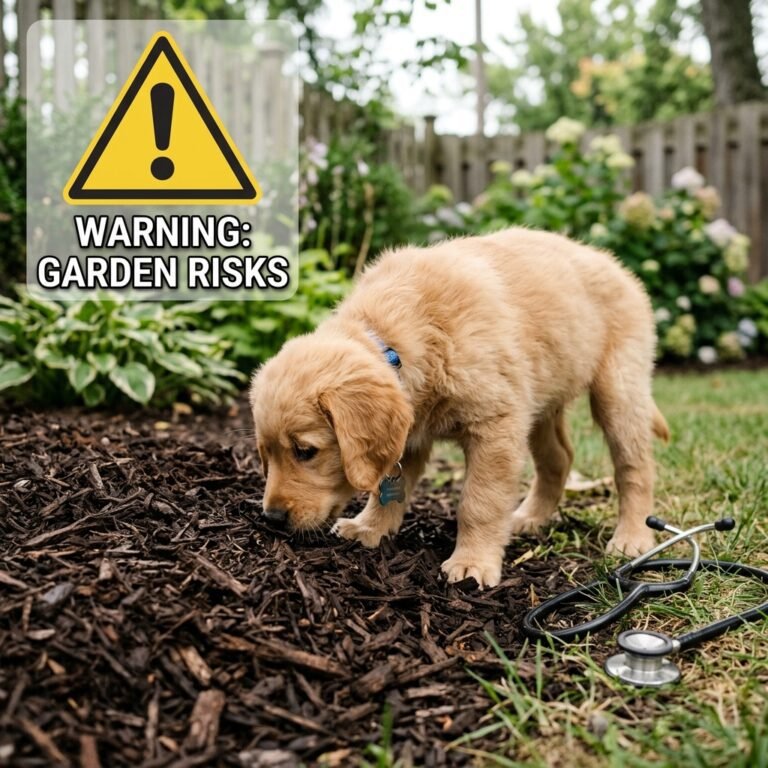
Puppies explore the world with their mouths. While chewing on sticks is normal, some dogs develop a dangerous habit of eating rocks, socks, toxic plants, or discarded garbage on walks. This behavior can lead to deadly intestinal blockages and incredibly expensive surgeries. A well-fitted basket muzzle allows your dog to sniff, pant, and enjoy their walk while physically preventing them from swallowing that stray chicken bone on the sidewalk.
Safe Socialization and Behavior Modification
If your puppy shows signs of fear or reactivity toward other dogs or humans, a muzzle provides a safety buffer. It allows you to work on their socialization and counter-conditioning without the underlying anxiety that they might make a mistake and bite someone. When you are relaxed, your dog is relaxed. The muzzle acts as an invisible shield of confidence for both ends of the leash.
Public Transport and Evacuations
Did you know that many public transportation systems, ferries, and emergency evacuation shelters require all dogs to be muzzled, regardless of their behavior history? If a natural disaster strikes and you need to evacuate, the last thing you want is to be turned away from a rescue vehicle because your dog cannot tolerate a muzzle.
- Pro Tip: Start changing your own mindset first. When you hold the muzzle, smile and use a happy, upbeat voice. Your puppy reads your emotional cues!
Choosing the Right Muzzle for Your Puppy
Not All Muzzles Are Created Equal
One of the biggest mistakes well-meaning dog owners make is purchasing the wrong type of muzzle. If the equipment is uncomfortable, restricts breathing, or causes pain, your fear-free training plan will fail before it even begins. When shopping for a muzzle, your absolute top priority is ensuring your dog has full panting room. Dogs do not sweat like humans; they regulate their body temperature by panting. If a muzzle holds their mouth shut, they can easily overheat and suffer from deadly heatstroke.
The Basket Muzzle (The Gold Standard)
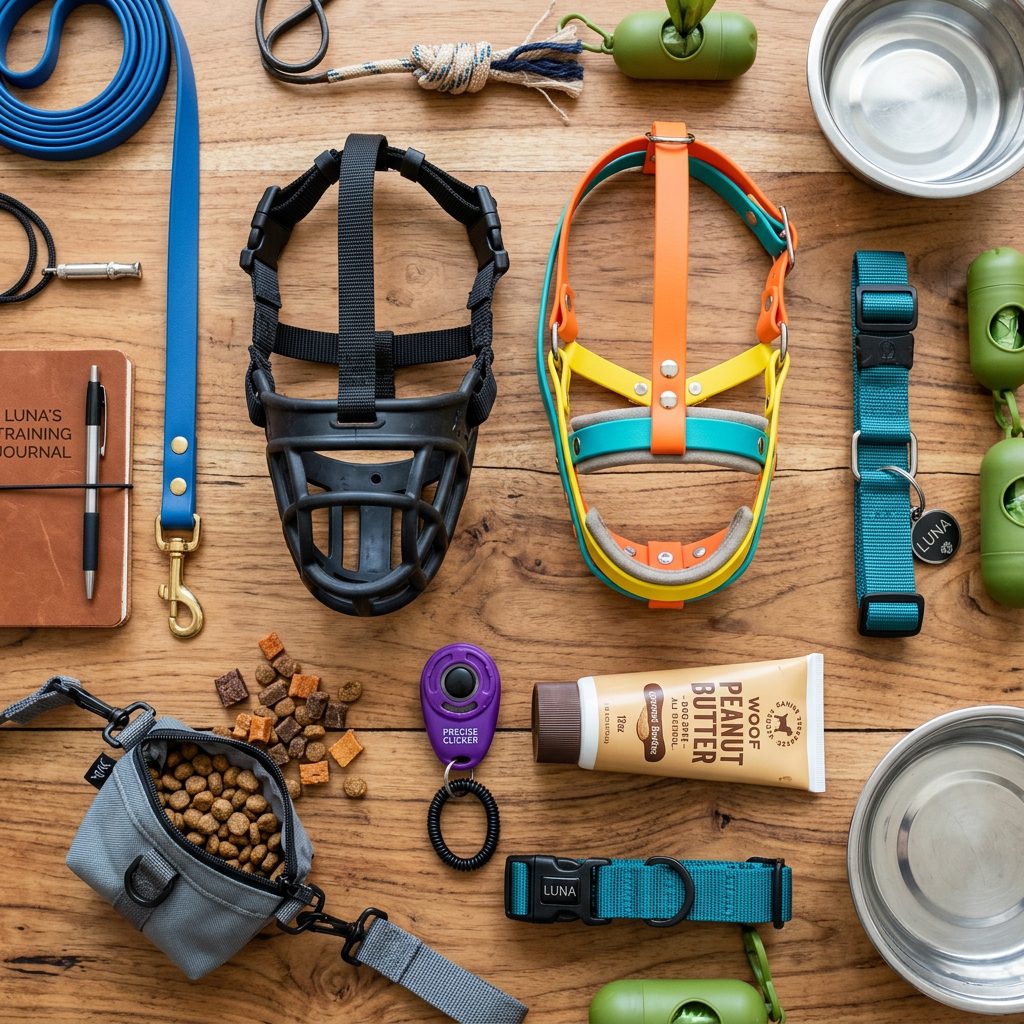
For everyday use, training, and walking, the basket muzzle is the undisputed champion. These muzzles look like a cage or basket over the dog’s snout. While they might look a bit intense to the uninitiated, they are actually the most humane and comfortable option. A properly fitted basket muzzle allows your dog to open their mouth fully to pant, drink water, and accept treats from you. They come in various materials, including hard plastic, wire, and flexible rubber (like the popular Baskerville Ultra).
Biothane Muzzles
Biothane is a synthetic material that looks and feels like leather but is waterproof and easy to clean. Biothane muzzles are custom-made to fit your dog’s exact measurements. They are fantastic for dogs with unique snout shapes (like Bull Terriers or Greyhounds) and offer a softer, more colorful alternative to traditional basket muzzles. They are highly recommended by positive reinforcement trainers.
Soft Fabric or Grooming Muzzles (What to Avoid for Daily Use)
You have likely seen those soft nylon tubes that wrap tightly around a dog’s snout at the vet’s office. These are strictly for short-term procedures (under 5 minutes) because they physically hold the dog’s mouth closed. Never use a soft mesh or nylon muzzle for walks, training, or extended wear, as your dog cannot pant or cool themselves down.
Comparison of Muzzle Types
| Muzzle Type | Best Used For | Pros | Cons |
|---|---|---|---|
| Basket (Rubber/Plastic) | Daily walks, training, scavenging prevention | Allows panting, drinking, and treating; highly durable. | Can look intimidating to strangers; rigid sizing. |
| Biothane Custom | Long-term wear, sensitive skin, unique snouts | Custom fit, colorful, soft on the face, allows full panting. | More expensive; requires precise measuring to order. |
| Wire Basket | Bite risk dogs, hot climates | Maximum airflow, extremely secure, allows panting. | Heavy; can hurt if the dog bumps into your legs. |
| Soft Nylon/Mesh | Quick vet exams ONLY | Inexpensive, easy to store in a pocket. | DANGEROUS for daily use. Prevents panting and drinking. |
Always measure your puppy’s snout length and circumference before ordering. Remember that puppies grow rapidly, so you may need to upgrade to a larger size as they mature!
Tools You Will Need for Success
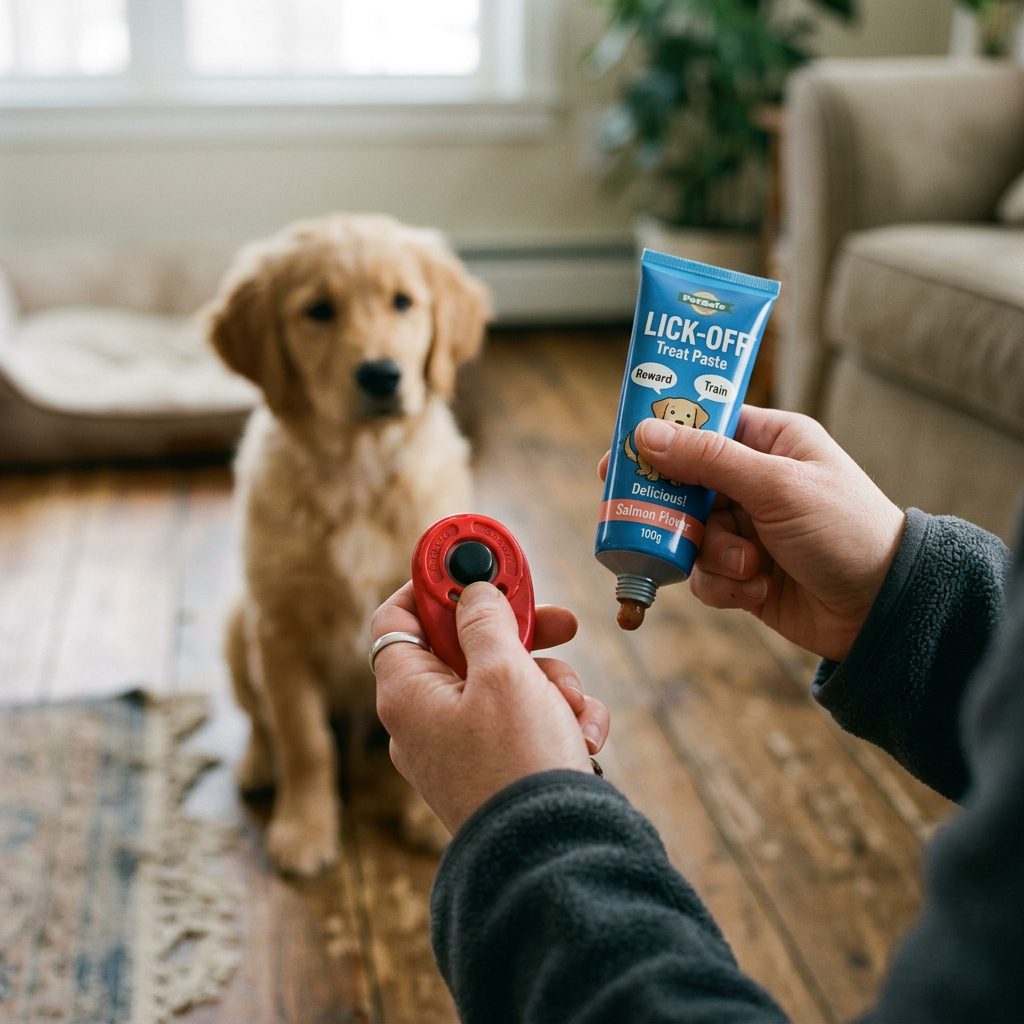
Setting Up Your Muzzle Training Toolkit
Before we introduce the muzzle to your puppy, we need to gather our tools. Muzzle training is essentially a game of classical conditioning. We are going to pair the sight, smell, and feel of the muzzle with the most amazing things your puppy has ever experienced. To do this effectively, you need the right gear.
- The Muzzle Itself: As discussed, a well-fitted basket muzzle is ideal. Wash it with warm, soapy water before the first use to remove any weird factory smells that might put off your puppy’s sensitive nose.
- High-Value, Spreadable Treats: Dry kibble will not cut it for this level of training. You need something highly reinforcing that your dog can lick continuously. Dog-safe peanut butter (xylitol-free!), squeeze cheese, liver paste, or wet dog food in a squeeze tube are perfect. Licking is naturally soothing for dogs and will help keep them engaged.
- A Clicker or Marker Word: If you use clicker training, grab your clicker. If not, choose a clear marker word like Yes! to tell your dog exactly when they have done the right thing.
- A Quiet, Distraction-Free Environment: Start your training in your living room or kitchen. Do not try to introduce the muzzle at the dog park or during a stressful vet visit. We want a calm, controlled environment.
- Patience and a Positive Attitude: This is the most crucial tool. If you are stressed, your puppy will be stressed. Keep sessions incredibly short—no more than 2 to 3 minutes at a time.
Step-by-Step Muzzle Training Guide
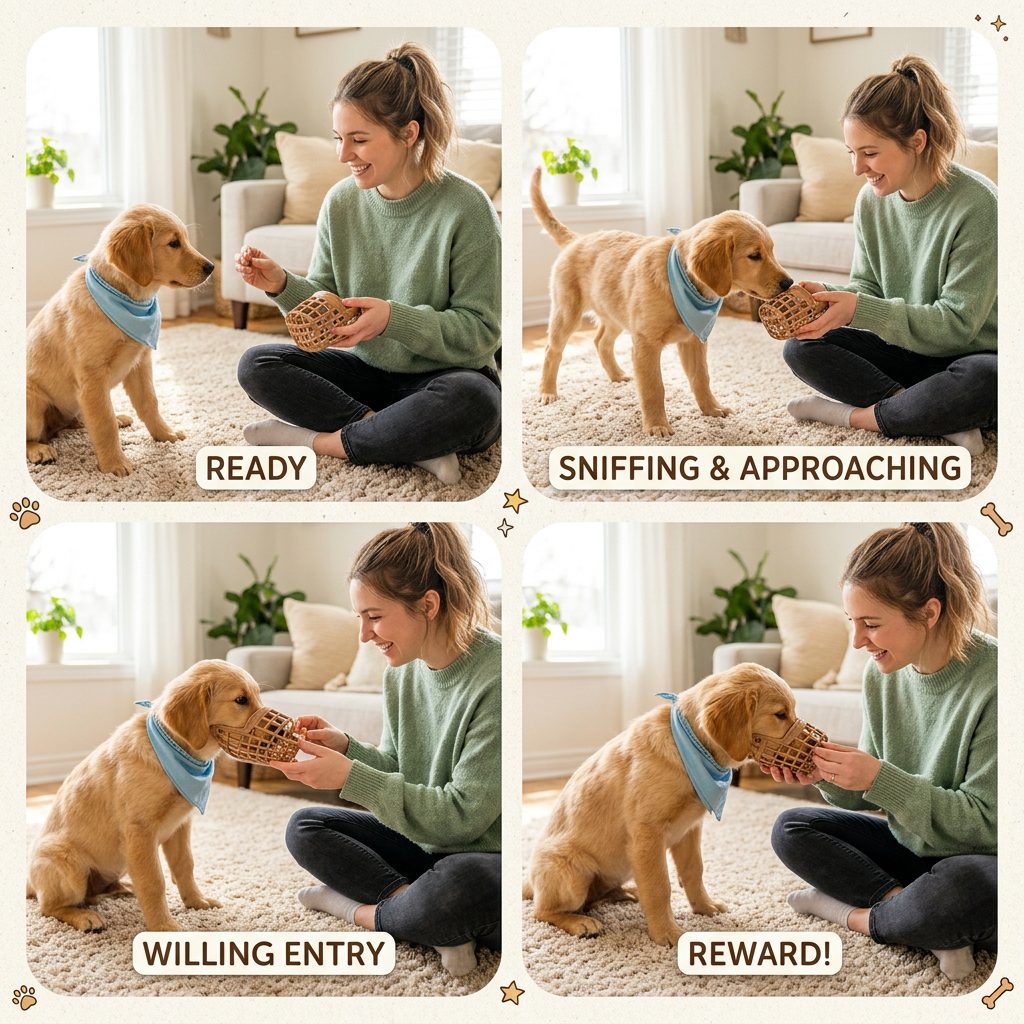
The Fear-Free Muzzle Training Protocol
Now comes the fun part! This step-by-step guide is designed to let your puppy dictate the pace. Do not move on to the next step until your puppy is completely comfortable and eagerly anticipating the current step. For some puppies, this entire process takes a week. For others, it takes a month. There is no rush!
Step 1: The Magical Treat Dispenser (Introduction)
Hold the muzzle behind your back. Bring it out, present it to your puppy, and immediately feed them a high-value treat. As soon as they eat the treat, hide the muzzle behind your back again. Repeat this 10 to 15 times. We want the puppy to think: Wow, whenever this weird plastic basket appears, raining hotdogs happen! Do not ask them to put their nose in it yet; just let them look at it and sniff it.
Step 2: Nose Targeting (The Choice is Theirs)
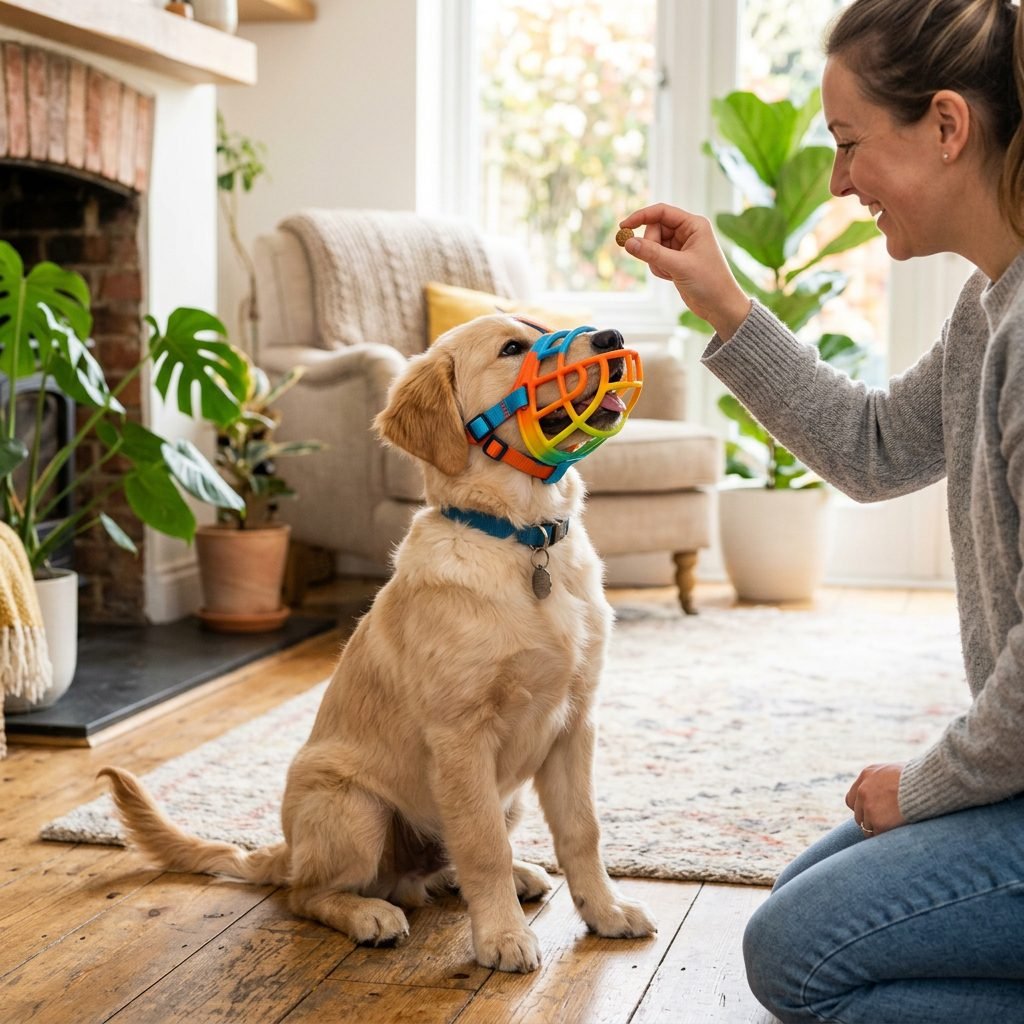
Smear a generous amount of peanut butter or squeeze cheese on the inside edge of the muzzle (the part furthest from their nose). Hold the muzzle out and let your puppy voluntarily step forward to lick the treat out of the basket. Crucial Rule: Never push the muzzle onto your dog’s face. The dog must always push their face into the muzzle. If they back away, you are moving too fast. Bring it back and make the treat easier to reach.
Step 3: Adding Duration
Once your puppy is happily burying their face in the muzzle to get the treats, start delaying the reward. When they put their nose in, say Yes!, count to two, and then feed them a treat through the front holes of the basket. Gradually build up the time they keep their nose in the muzzle—from 2 seconds to 5 seconds, then 10 seconds. You want them resting their face in the muzzle comfortably, waiting for the goodies.
Step 4: The Straps (Desensitization)
While your puppy has their nose in the muzzle eating treats, gently touch the straps behind their ears. Do not buckle them yet! Just drape the straps over their neck, say Yes!, feed a treat, and let them pull their head out. Slowly increase the pressure until you can clip the buckle, immediately unclip it, and reward. This teaches them that the clicking sound of the buckle is nothing to fear.
Step 5: Building Time and Movement
Buckle the muzzle, feed a jackpot of treats through the front, and encourage your puppy to take a few steps with you. Keep it light and fun! Talk in a happy voice. After 10 seconds, take it off. Over the next few weeks, gradually increase the time they wear it around the house. Have them wear it while you prepare their dinner, or while they are doing their favorite tricks.
Suggested Training Schedule
| Phase | Goal | Daily Practice Time |
|---|---|---|
| Week 1 | Sight = Treats; Voluntary nose insertion for licking. | 3 sessions / day (2 mins each) |
| Week 2 | Building duration; puppy holds nose in muzzle for 10+ seconds. | 3 sessions / day (3 mins each) |
| Week 3 | Fiddling with straps; clipping and unclipping the buckle. | 2 sessions / day (5 mins each) |
| Week 4 | Wearing the muzzle while walking around the house and doing tricks. | 1 session / day (10-15 mins) |
Troubleshooting Common Muzzle Training Hiccups

What to Do When Things Go Off Script
Even with the best training plan, puppies are living beings with their own opinions. It is completely normal to hit a few speed bumps along the way. The key to savvy dog ownership is knowing how to pivot and troubleshoot without getting frustrated.
Hiccup 1: Pawing at the Muzzle or Rubbing on the Floor
This is the most common issue. Your puppy realizes there is a strange contraption on their face and tries to pry it off with their paws or by rubbing their face on the carpet. Solution: Do not scold them! If they are pawing, it means you have left the muzzle on too long, or you are not keeping them engaged. Interrupt the pawing by enthusiastically calling their name or asking for a Touch or Sit command. Reward them through the muzzle. When they are distracted and happy, take the muzzle off. Next time, keep the session shorter.
Hiccup 2: The Puppy Freezes and Refuses to Move
Some puppies put the muzzle on and turn into a statue. They think the muzzle means they are trapped. Solution: Movement is the antidote to freezing. Put the muzzle on and immediately start walking backward, clapping your hands, and using your most ridiculous, high-pitched happy voice. Lure them forward with a continuous stream of treats. Make it a game of chase!
Hiccup 3: Running Away When the Muzzle Appears
If your puppy sees the muzzle and leaves the room, the muzzle has become a poisoned cue. It predicts stress instead of treats. Solution: You need to go way back to Step 1. Leave the muzzle sitting on the floor in the living room and randomly drop high-value treats around it throughout the day. Do not ask the puppy to interact with it. Let them realize that the muzzle sitting there simply means snacks are nearby.
Biggest Mistakes to Avoid
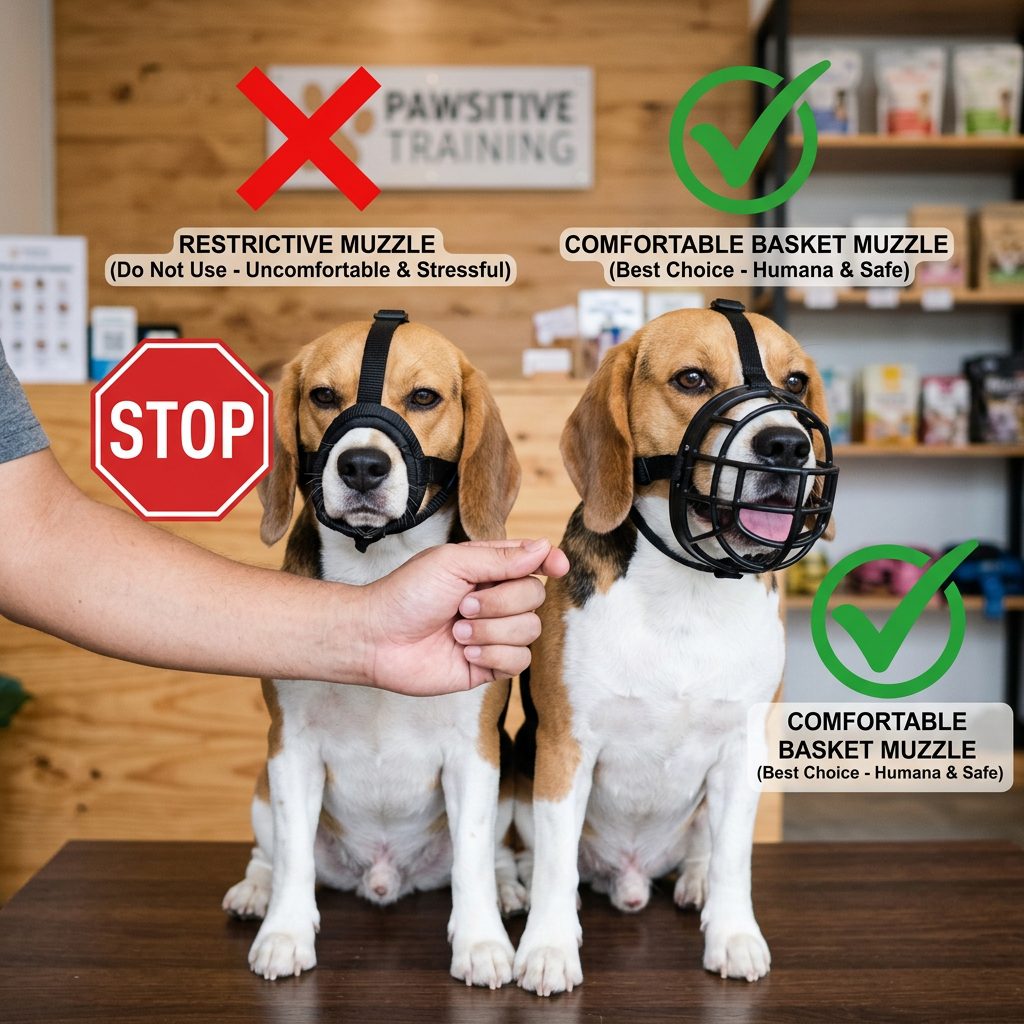
Keep Your Training Safe and Effective
To ensure your puppy grows into a confident, muzzle-loving adult dog, there are a few major pitfalls you absolutely must avoid. Falling into these traps can instantly undo weeks of hard work and create a dog that is terrified of their gear.
Mistake 1: Using the Muzzle as Punishment
Never, ever use a muzzle to punish your dog for biting, chewing furniture, or misbehaving. If you angrily strap a muzzle on your puppy after they chew your favorite shoes, they will associate the muzzle with your anger and their fear. The muzzle must remain a purely positive, neutral, or happy tool.
Mistake 2: Using a Muzzle to Stop Barking
This is a dangerous misconception. A properly fitted basket muzzle allows a dog to open their mouth, which means they can still bark. If you use a tight grooming muzzle to physically clamp their jaws shut to stop barking, you are risking their life by preventing them from panting. Muzzles do not cure nuisance barking; proper training and mental enrichment do.
Mistake 3: Rushing the Process
We cannot stress this enough: go at your dog’s pace. If you try to force the muzzle on on day one because you have a vet appointment on day two, you will create a lifelong aversion. If an emergency happens before they are fully trained, do what you must, but otherwise, respect their boundaries and let them opt-in to the training.
Conclusion
Wrapping It Up: Empowering You and Your Puppy
Congratulations! You are now equipped with the knowledge, tools, and step-by-step strategy to successfully muzzle train your puppy without a shadow of fear. By taking the time to introduce this vital piece of equipment through positive reinforcement, you are giving your dog a incredible gift. You are ensuring that no matter what life throws your way—be it a medical emergency, a dropped chicken bone on the sidewalk, or a required evacuation—your dog will remain safe, calm, and comfortable.
Remember, savvy dog parents know that training is a lifelong journey, not a sprint. Celebrate the tiny victories. If your puppy simply rests their chin in the basket for two seconds today, that is a massive win! Keep your sessions short, keep the peanut butter flowing, and always end on a positive note. You and your puppy are building a foundation of deep trust, and that is the most beautiful part of dog ownership. You’ve got this!