Better Than Rawhide: The Super Simple Dehydrated Banana Chews Dogs Obsess Over
The Rawhide Scandal Nobody Talks About
If you walked into a pet store today and saw a sign that said ‘Chemically Processed Cattle Hide Soaked in Bleach and Glue,’ would you buy it for your best friend? Probably not. But that is exactly what rawhide is. As the Canine Nutrition Hacker, I have spent years peeling back the labels of the ‘big pet food’ industry, and rawhide is one of the biggest scams going. It is a byproduct of the leather industry, not the food industry. It is indigestible, often contaminated with toxic chemicals like formaldehyde, and poses a massive choking hazard. But dogs have a biological drive to chew. They need that oral stimulation. So, what is the savvy owner to do? You hack the system. Today, I am showing you the ‘Goldilocks’ of treats: Dehydrated Banana Chews. They are leathery enough to satisfy the urge to gnaw, sweet enough to be a high-value reward, and safe enough that you can sleep easy while they snack. We are talking about a one-ingredient miracle that costs pennies compared to those ‘premium’ store-bought chews. Let’s dive into why your dog is about to become obsessed with your dehydrator.
The Rawhide Reality Check: Why We Are Ditching the Leather
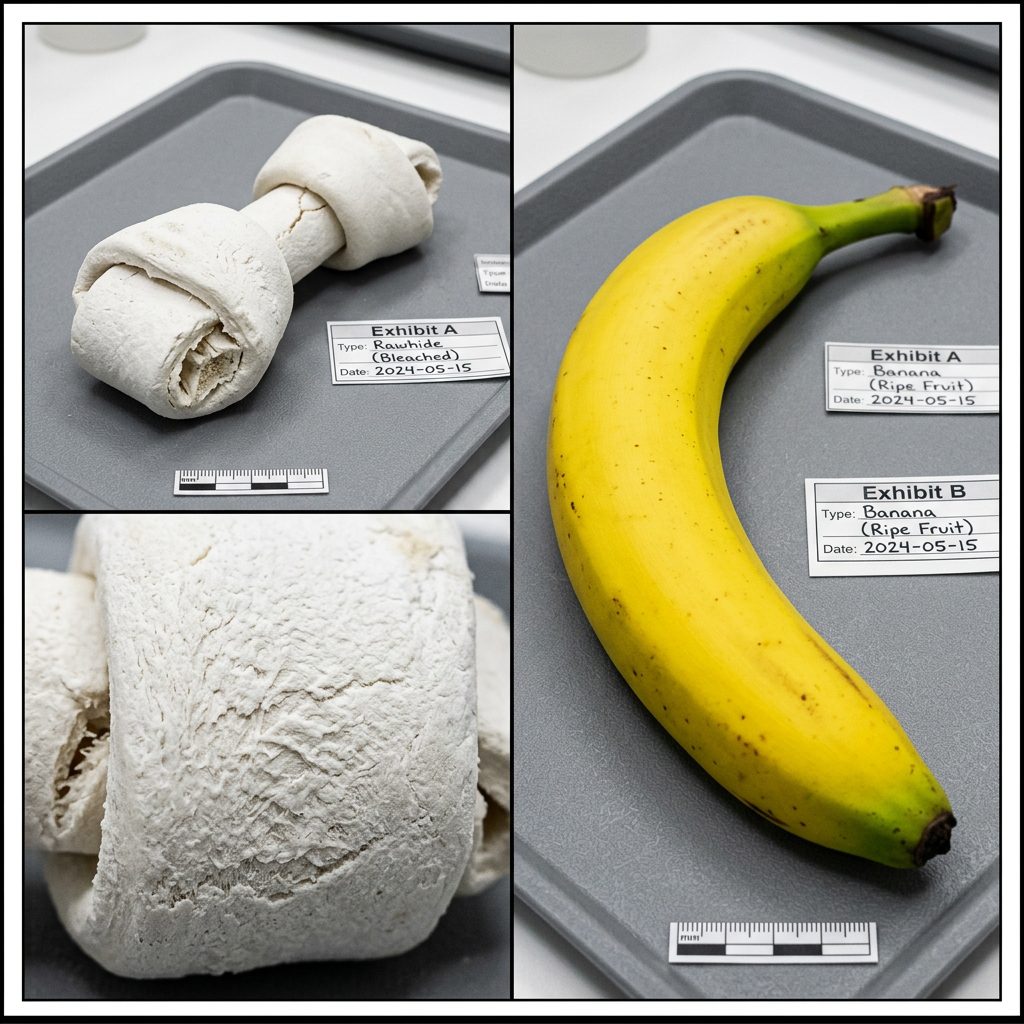
Before we get to the good stuff, we need to talk about the enemy. Most owners think rawhide is a dried meat product. It is not. It is the inner hide of cows or horses that has been treated with high-concentration lime baths to strip the hair and fat. Then, it is bleached with hydrogen peroxide and often painted with artificial colors or flavors to make it look ‘meaty.’ It is essentially a chemical-laden leather toy that your dog eats.
The Three Major Dangers
- Choking and Blockages: Rawhide does not break down in the stomach. It swells. If your dog swallows a large piece, it can sit in their digestive tract like a wet sponge, leading to expensive emergency surgeries.
- Chemical Contamination: Arsenic, lead, and formaldehyde have all been found in imported rawhide samples.
- Digestive Distress: Because it is not a ‘food,’ it often causes diarrhea and vomiting in sensitive dogs.
Hacker Tip: If a treat can last for three years on a shelf without rotting and is white as a sheet of paper, it has been heavily processed. Real food has color and a shelf life.
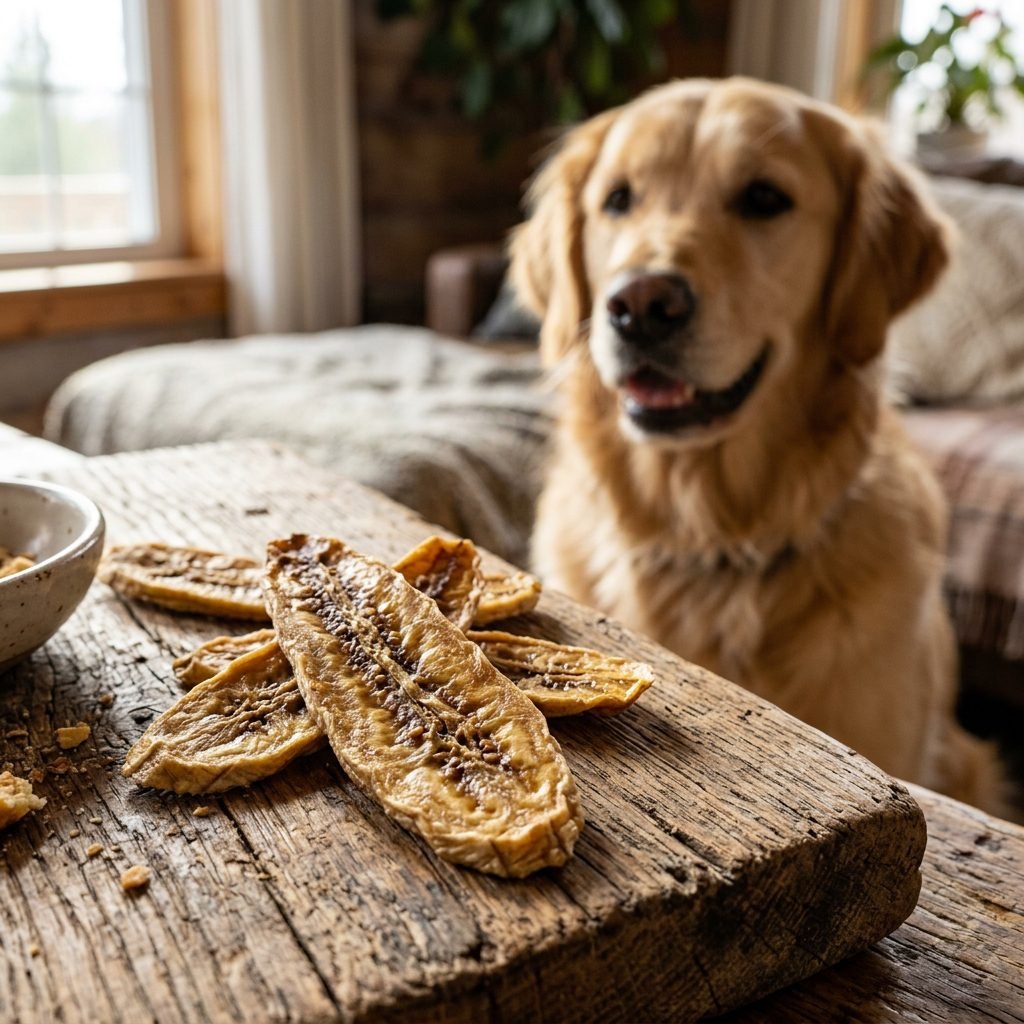
By switching to dehydrated bananas, you are removing every single one of these risks while providing actual nutritional value. Bananas are packed with potassium, magnesium, and fiber. When dehydrated correctly, they take on a tough, jerky-like texture that gives the jaw a workout without the risk of an intestinal blockage.
The Safe Chef Guide: DIY Banana Chews
SAFETY DISCLAIMER: I am a canine nutrition hacker, not a veterinarian. While bananas are generally safe for dogs, they are high in natural sugars. Always introduce new treats slowly and consult your vet if your dog has specific health issues like diabetes or kidney disease. These treats should supplement a balanced diet, not replace it.
The Real Cost Breakdown
Let’s look at the numbers. A bag of ‘natural’ sweet potato or fruit-based chews at the boutique pet store will run you anywhere from $12 to $18 for a measly 6 ounces. Let’s see how the DIY version stacks up.
| Item | Store-Bought ‘Natural’ Chews | DIY Banana Chews |
|---|---|---|
| Main Ingredient | Processed Veggie/Fruit Starch | 100% Organic Bananas |
| Price Per Pound | $32.00 – $45.00 | $0.69 – $1.20 |
| Preservatives | Citric Acid, Potassium Sorbate | None (Natural Dehydration) |
| Safety Rating | Moderate (Check for fillers) | High (Whole Food) |
The Actionable Recipe: The ‘Low and Slow’ Method
The secret to that rawhide-mimicking texture is the thickness of the slice and the temperature of the air. If you go too hot, you get banana chips (crunchy). If you go low and slow, you get banana leather (chewy).
- Selection: Use bananas that are yellow with a few brown spots. They have the highest sugar content for flavor but are still firm enough to slice. Avoid mushy, overripe bananas for this specific recipe.
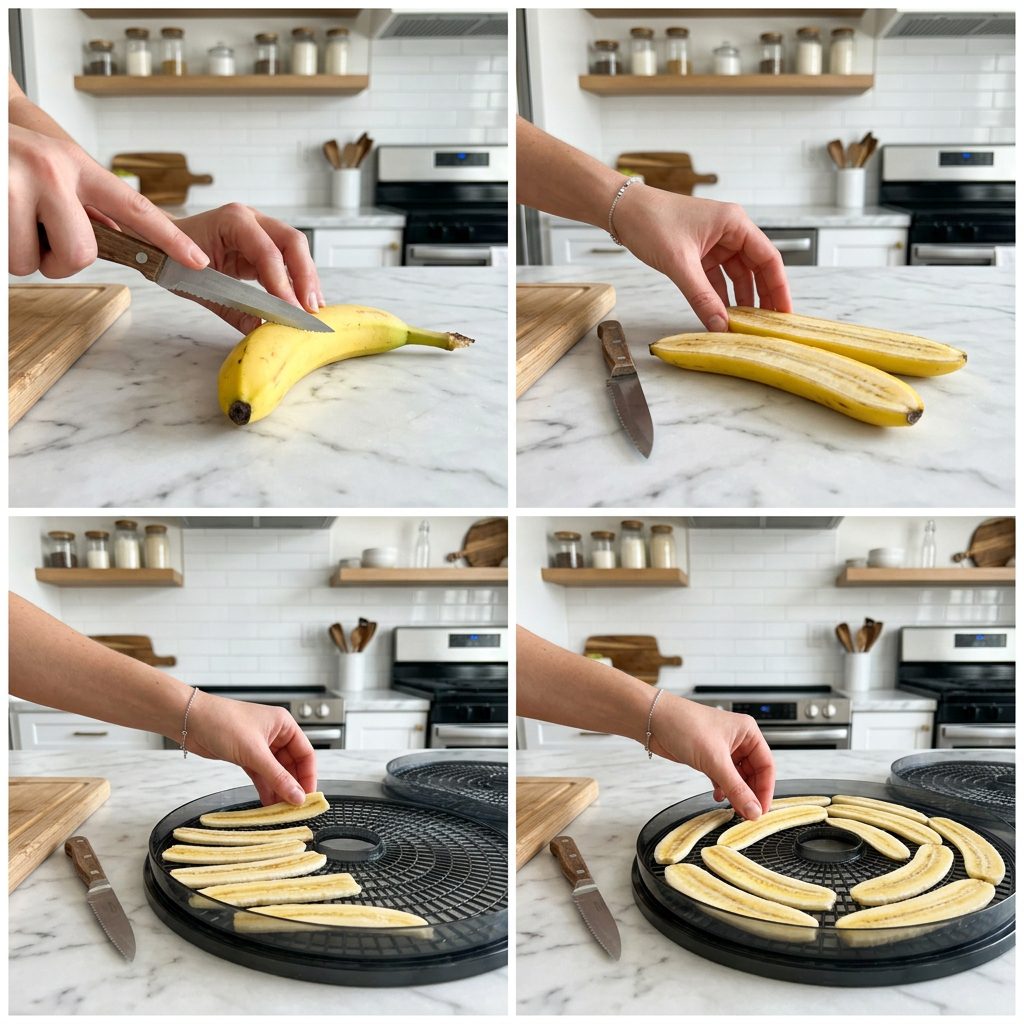
- The Slice: Cut the bananas lengthwise into long strips, about 1/4 inch thick. Do not cut them into rounds; long strips provide more ‘chew time.’
- The Prep: (Optional) Lightly spritz the slices with a mixture of water and a dash of lemon juice to prevent excessive browning, though your dog won’t care about the color!
- The Dehydration: Set your dehydrator to 135°F (57°C). If using an oven, use the lowest setting (usually 170°F) and prop the door open slightly with a wooden spoon.
- The Timing: Dehydrate for 6 to 10 hours. At the 6-hour mark, check the texture. You want them to be flexible and leathery, not brittle.
The Science of the Chew: Why Dogs Obsess
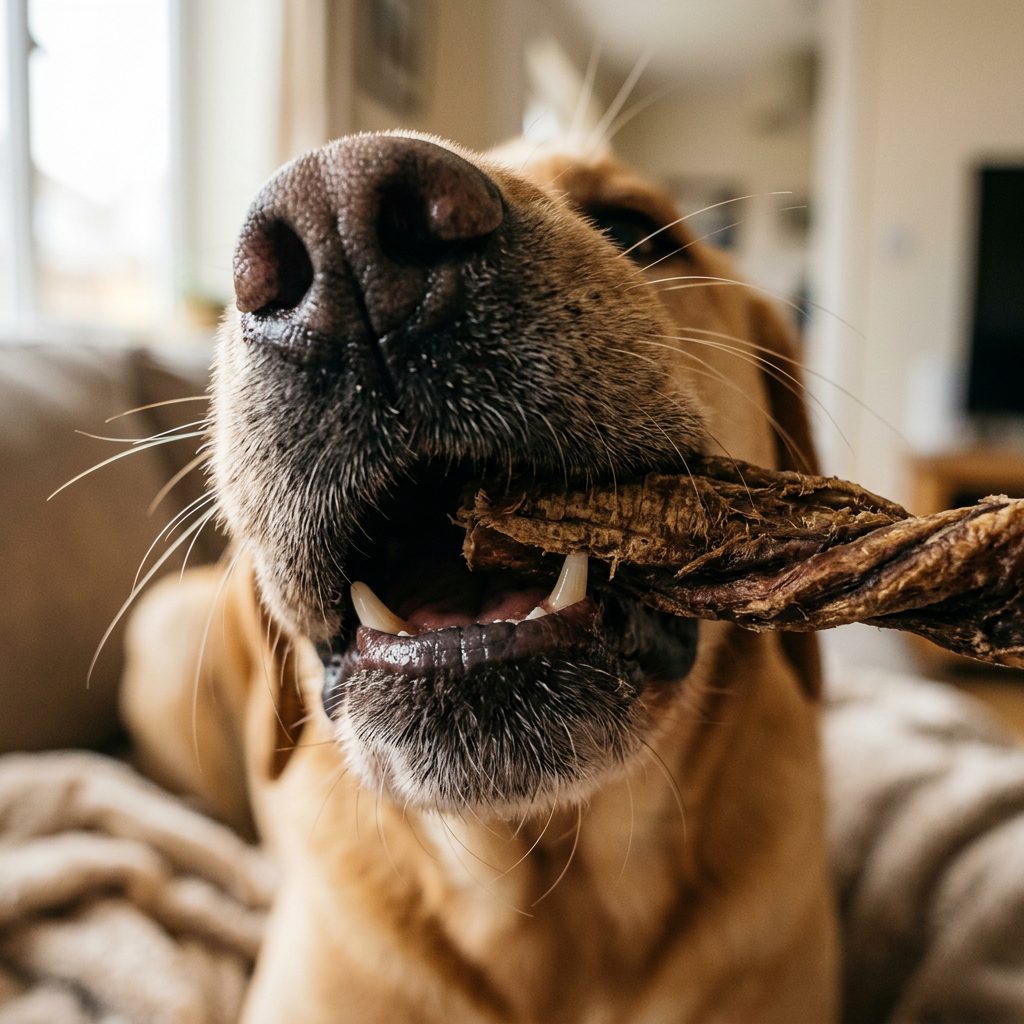
Why does a dog choose a dehydrated banana over a piece of plain kibble? It comes down to palatability and texture. When you dehydrate a fruit, you are concentrating the natural sugars and the aroma. To a dog, a dehydrated banana strip is like a high-potency energy bar. But more importantly, the act of chewing releases endorphins in a dog’s brain. This is why they ‘obsess’ over these treats.
The Nutritional Powerhouse
- Potassium: Essential for heart and kidney function and aids in muscle contraction.
- Vitamin B6: Crucial for glucose generation, red blood cell function, and nervous system health.
- Fiber: Helps regulate the digestive tract, especially for dogs prone to ‘loose’ stools.
Insider Secret: If you want to take these to the next level, lightly dust the strips with a tiny bit of Ceylon cinnamon before dehydrating. Cinnamon is an anti-inflammatory and most dogs love the scent!
Batch Cooking and The ‘Hacker’ Storage Method
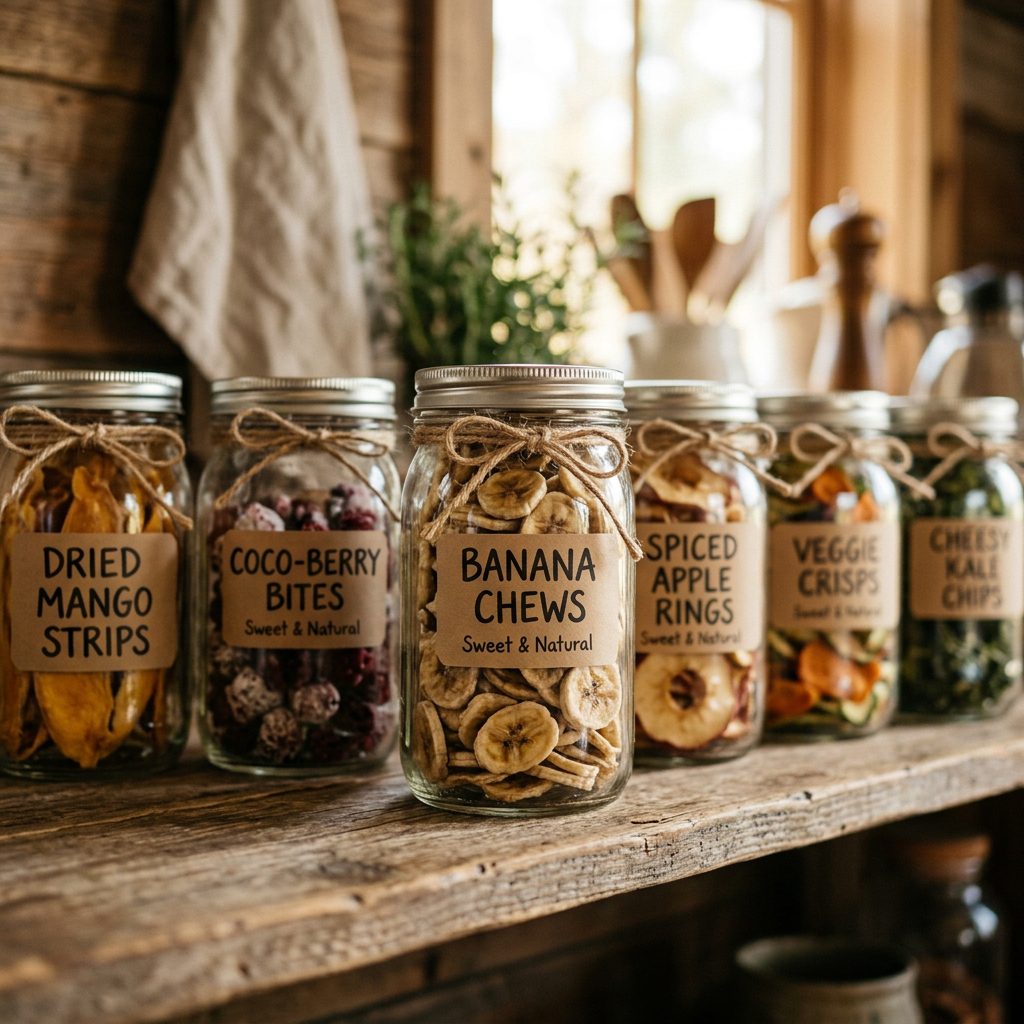
Since we aren’t using chemical preservatives, storage is key. You don’t want to spend 10 hours dehydrating just to have your treats grow mold in three days. Because bananas have high sugar and moisture content, they can be tricky.
The Storage Protocol
- Short Term: Store in an airtight glass jar in a cool, dry place for up to 5 days.
- Long Term: Keep them in the refrigerator for up to 2 weeks.
- The Pro Move: Freeze them! Dehydrated bananas don’t actually freeze solid due to the sugar content; they just get extra chewy. This makes them a perfect cooling treat for a hot summer day.
Batch Cooking Tip: Buy the ‘reduced price’ bananas at the grocery store—the ones that are just starting to turn. You can usually get a massive bundle for under a dollar. Process 10-12 bananas at once. The energy cost of running a dehydrator for 8 hours is roughly $0.12 to $0.15, making this the ultimate budget-friendly hack.
Troubleshooting: When Things Go Wrong
Not every batch is perfect. If your chews come out too hard (brittle), don’t throw them away! You can grind them up in a blender to create a ‘Banana Dust’ topper for their regular kibble. If they are too sticky, they likely didn’t stay in long enough. Put them back in for another 2 hours.
The ‘Hacker’ Variation: The PB-Banana Sandwich
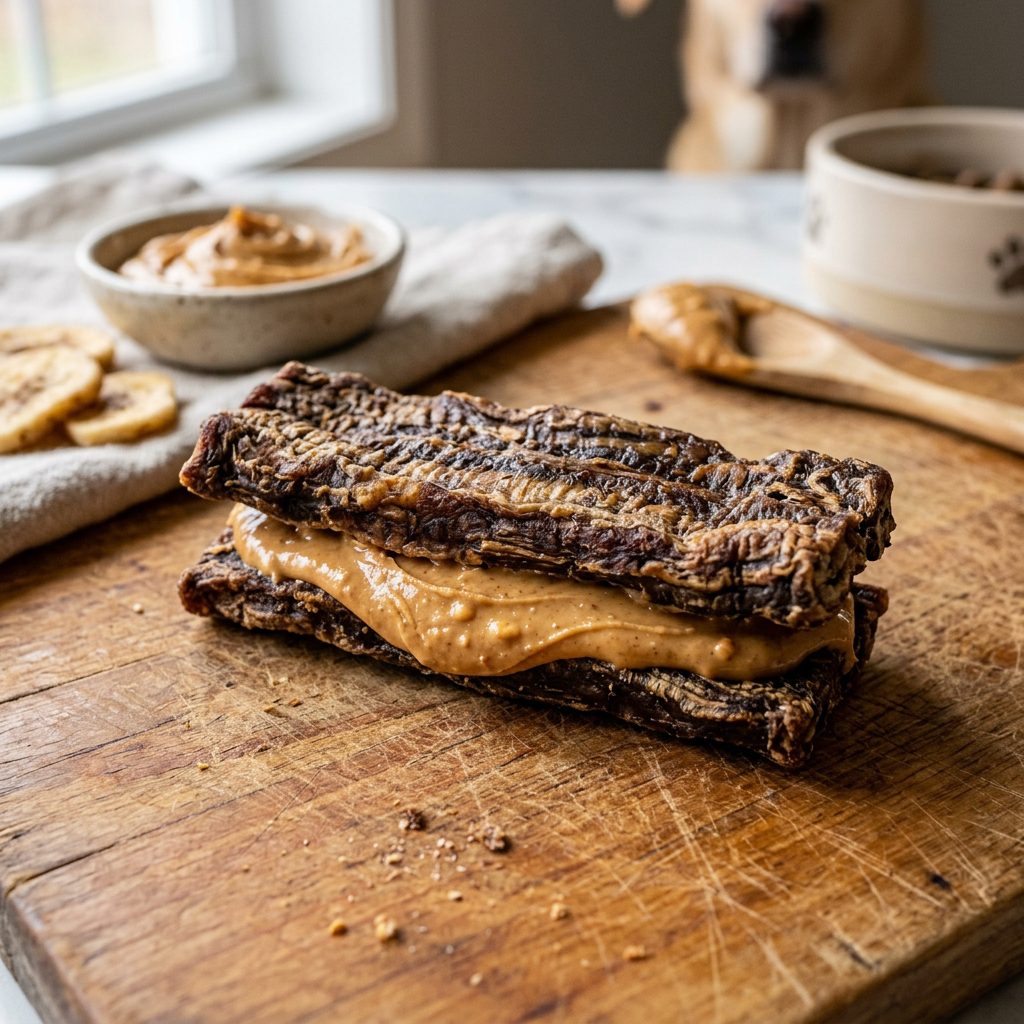
If you have a high-energy dog that needs a serious distraction, try this: Take two dehydrated banana strips, smear a micro-thin layer of Xylitol-free peanut butter between them, and press them together. It creates a ‘jerky sandwich’ that will keep them occupied for twice as long.
Conclusion
Final Verdict: The Banana Wins
Stop overcomplicating your dog’s nutrition. You don’t need fancy ‘technological’ chews or expensive leather-replacement products. You need a bunch of bananas and a little bit of time. By making these dehydrated banana chews, you are saving roughly $30 per pound compared to premium treats, avoiding the ‘bleach and glue’ nightmare of rawhide, and giving your dog a snack that actually supports their biological needs. It is the ultimate win-win. Your dog gets to satisfy that deep-seated urge to chew, and you get to be the hero who knows exactly what is going into their body. Now, go grab a bunch of bananas and start hacking your dog’s health!