
Help! Why is My Puppy Digging the Carpet? (And the 5-Minute Trick to Make Them Stop)
Welcome to the Frustrating World of Carpet Digging!
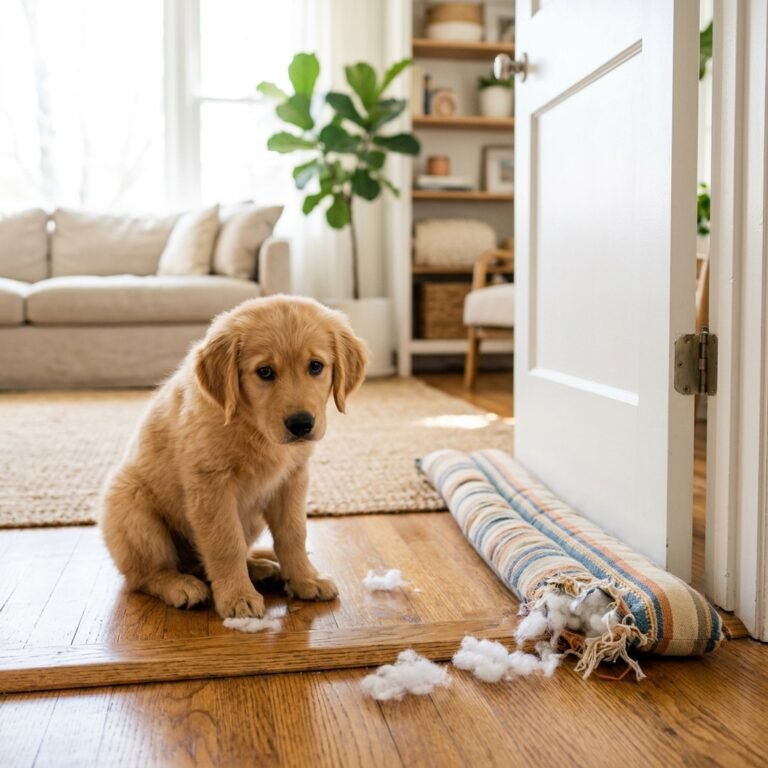
Hey there, fellow dog parents! If you are reading this, chances are you have recently walked into your living room only to find your adorable, angelic puppy frantically pawing at your expensive area rug like they are trying to unearth buried treasure. You probably asked yourself, ‘Why on earth are they doing this?’ followed closely by, ‘How do I make it stop before my security deposit is gone forever?’ Trust me, you are not alone. As a canine specialist, I see this behavior all the time. It is incredibly common, incredibly frustrating, but thankfully, incredibly fixable. Puppies are curious, energetic little sponges, and they interact with their world using their mouths and their paws. When that energy gets directed at your carpet, it is usually a sign of an unmet need rather than a malicious plot to ruin your home decor. In this comprehensive guide, we are going to dive deep into the canine psychology behind why your puppy is treating your carpet like a sandbox. More importantly, I am going to share my absolute favorite, foolproof 5-Minute Trick to redirect this behavior peacefully and effectively. Grab a cup of coffee, take a deep breath, and let us save your carpets together!
Decoding the Dig: Why Your Puppy Loves Your Carpet

The Canine Psychology Behind the Paws
Before we can fix the behavior, we have to understand the motivation. Dogs do not do things just to annoy us (even if it feels that way!). Every behavior serves a purpose. When it comes to carpet digging, there are four primary culprits.
1. The Ancestral Nesting Instinct
Believe it or not, your fluffy little couch potato shares DNA with wild wolves. In the wild, canines dig at the ground to move away hot topsoil to find cool dirt to sleep on, or to create a safe, cozy ‘den’ to rest in. When your puppy circles three times and furiously digs at the carpet before flopping down, they are simply acting on thousands of years of hardwired nesting instincts. They are trying to fluff up their bed!
2. Boredom and Excess Energy
A tired puppy is a good puppy. If your dog has not had enough physical exercise or mental stimulation throughout the day, that pent-up energy has to go somewhere. Digging is a physically demanding activity that feels good to a dog. It releases endorphins and gives them a ‘job’ to do, even if that job is destroying your rug.
3. Hidden Smells and Crumbs
Your puppy’s nose is tens of thousands of times more sensitive than yours. While your carpet might look perfectly clean to you, to your puppy, it is a fascinating tapestry of smells. A microscopic crumb from last week’s movie night, a drop of spilled juice, or even a fascinating bug hiding in the fibers can trigger an intense digging session as your pup tries to ‘get’ the treasure.
4. Anxiety and Stress Relief
Just like humans might bite their nails or tap their feet when anxious, dogs often turn to repetitive behaviors to soothe themselves. If your puppy is feeling stressed—perhaps due to separation anxiety, loud noises outside, or a change in routine—digging can serve as a coping mechanism. It is a rhythmic, focused task that helps them block out the stressful stimulus.
Expert Tip: Pay close attention to when the digging happens. Does it happen right before bed? It is probably nesting. Does it happen when you are busy working? It is likely boredom or attention-seeking.
Your Anti-Digging Toolkit: Essential Gear
Equipping Yourself for Success
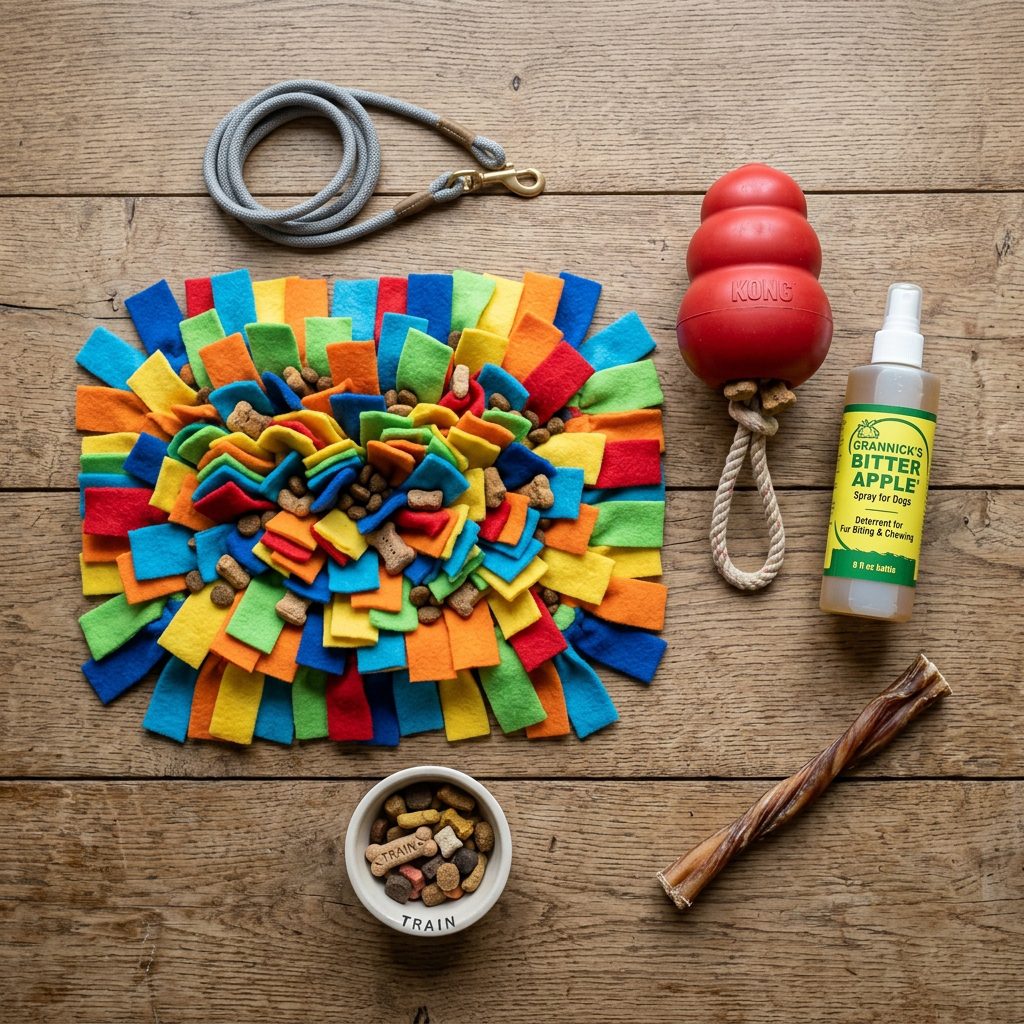
You cannot just tell a puppy ‘no’ and expect them to suddenly understand human property values. You have to tell them what to do instead. To execute the 5-Minute Trick successfully, you need to have the right tools on hand to redirect their natural instincts into appropriate outlets. Here is a breakdown of the best tools to keep in your anti-digging arsenal.
| Tool Name | Purpose | Best For |
|---|---|---|
| Snuffle Mat | Mimics the texture of carpet but hides treats inside fabric folds. | Boredom, scent-driven diggers, and mental stimulation. |
| KONG Wobbler | Provides a physical challenge that requires pawing and nudging to release food. | High-energy puppies who need a ‘job’ to do. |
| Dedicated Dig Box | A plastic bin filled with safe sand or torn paper where digging is strictly allowed. | Instinctual diggers who just cannot shake the urge. |
| Bitter Apple Spray | A safe, taste-deterrent spray applied directly to the favorite digging spot on the rug. | Breaking the immediate habit while you train the redirection. |
| High-Value Chews | Bully sticks or frozen marrow bones that take a long time to consume. | Anxious puppies who need self-soothing through chewing rather than digging. |
I always recommend that savvy dog owners keep at least two of these tools readily available in the living room. When the digging starts, you have a split second to intervene, so you do not want to be running to the kitchen to find a distraction!
The 5-Minute Trick to Stop Carpet Digging
Step-by-Step: The ‘Interrupt and Redirect’ Method
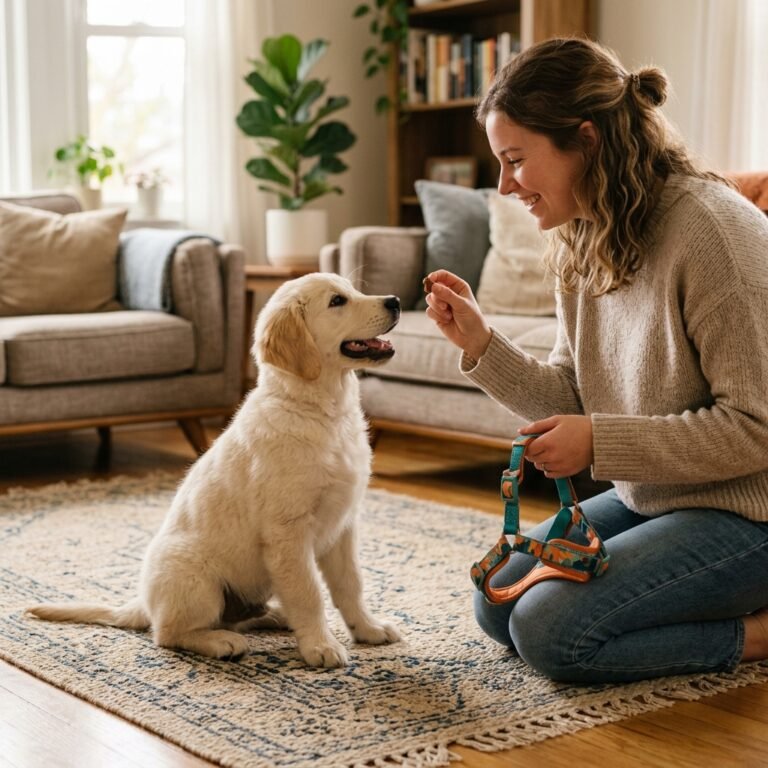
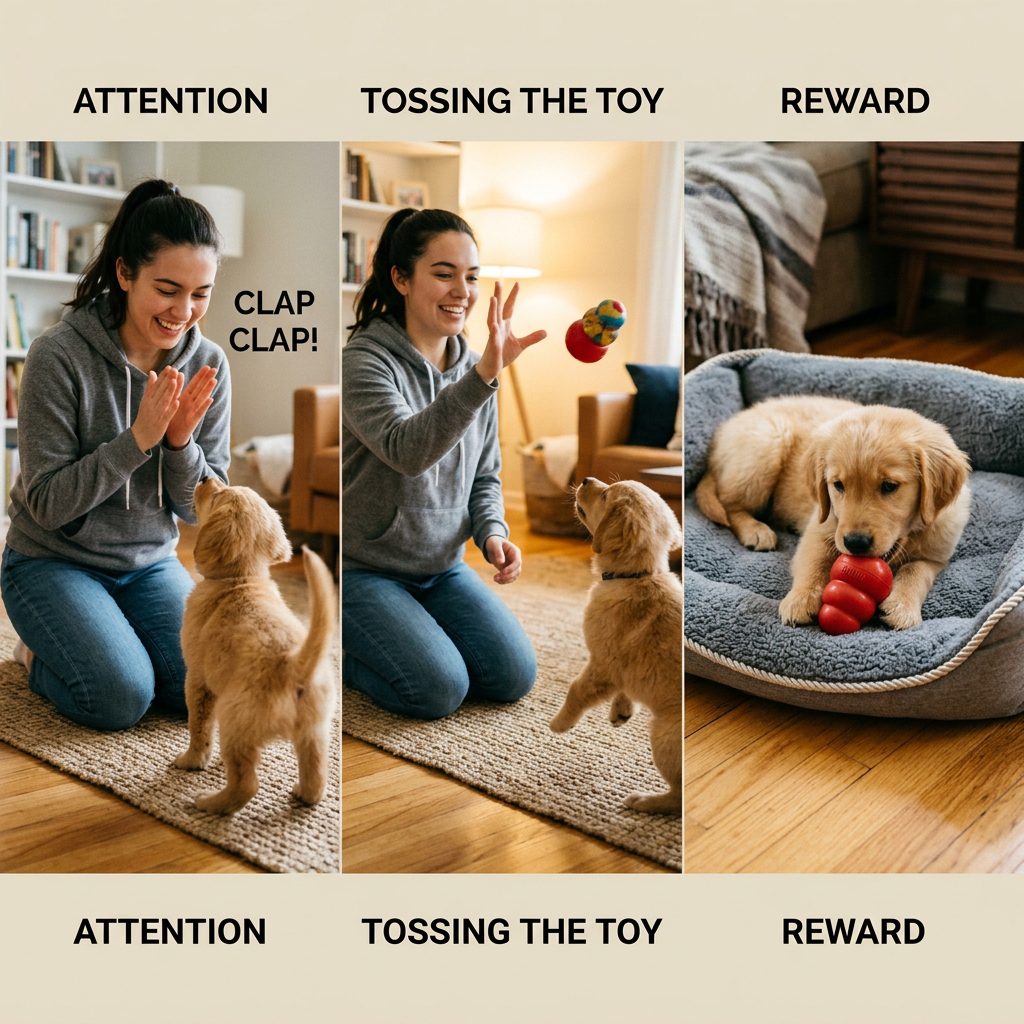
Alright, here is the moment you have been waiting for. This 5-minute trick is based on positive reinforcement and behavioral redirection. It does not involve yelling, punishing, or scaring your puppy. Instead, it teaches them that digging the carpet gets them nothing, but engaging with their own toys gets them a jackpot. Here is exactly how to do it.
Step 1: The Neutral Interruption (Minute 1)
The second you see your puppy start to dig, you must interrupt the behavior. Do not yell their name, and do not scream ‘NO!’ Negative attention is still attention to a bored puppy. Instead, make a sharp, neutral noise. A quick hand clap, a kissy noise, or a cheerful ‘Oops!’ works perfectly. Your goal is simply to get them to pause and look at you. The moment they look up, the digging has stopped.
Step 2: The High-Value Redirection (Minutes 2-3)
Now that you have their attention, immediately offer them an incompatible, highly rewarding alternative. Grab your Snuffle Mat (pre-loaded with a few smelly treats) or their favorite chew toy. Toss it a few feet away from the spot they were digging. You are saying, ‘The carpet is boring, but look at this amazing thing over here!’ Encourage them to engage with the new item using an excited, happy voice.
Step 3: Block the Spot (Minute 4)
While your puppy is happily snuffling for treats or chewing their toy, casually walk over and stand on the spot they were digging, or place a physical barrier there (like a footstool or a heavy book). If they finish their treat and try to return to the scene of the crime, the spot is no longer accessible. This breaks the behavioral loop.
Step 4: Reward the Calm (Minute 5)
Once your puppy has settled into their new activity and is ignoring the carpet, calmly walk over and drop one more treat between their paws, or give them a gentle pet. You are reinforcing the idea that chilling out and playing with their own toys brings continued rewards.
Expert Tip: Consistency is your best friend here. You must perform this exact 5-minute sequence every single time they dig. If you let them dig for five minutes before interrupting them, they have already rewarded themselves with the fun of the dig!
Troubleshooting Common Training Mistakes
Why Is Not It Working? Let us Fix It!
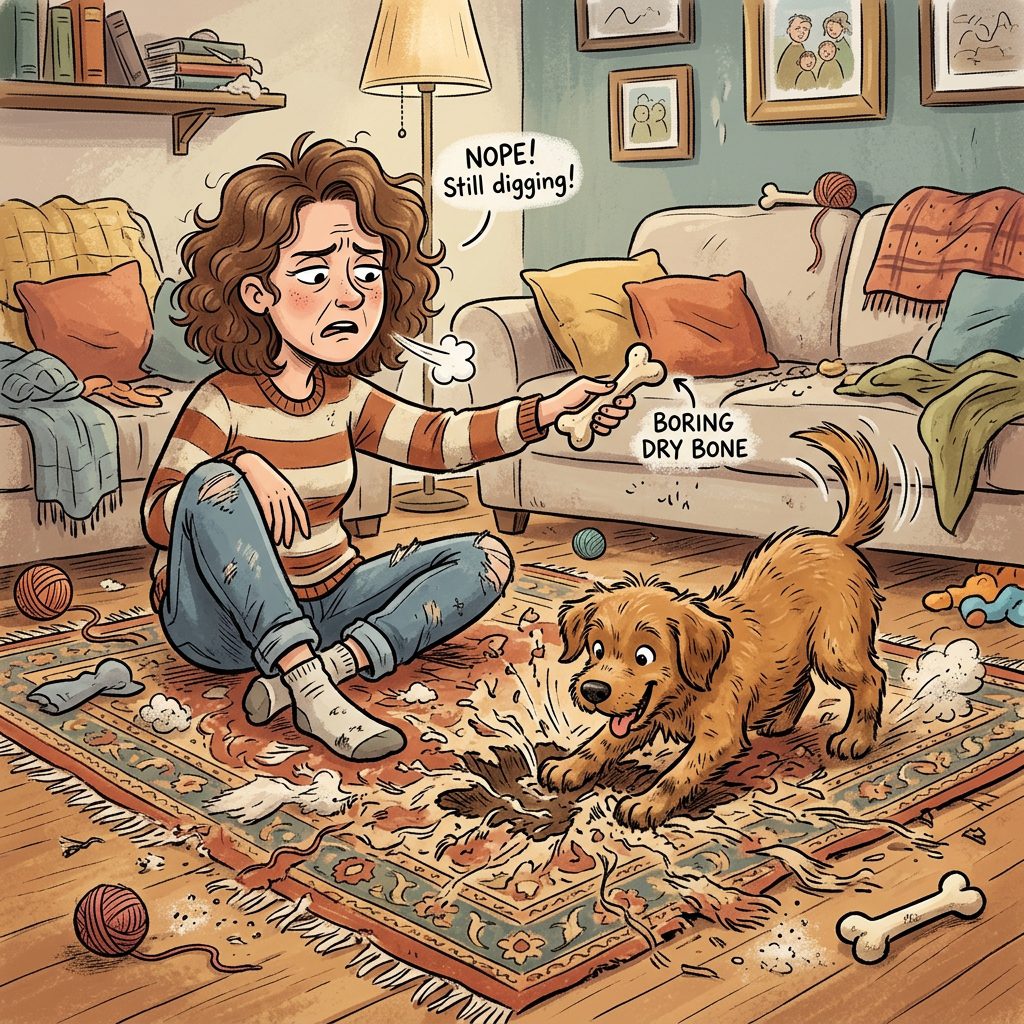
Even the best training methods can hit a snag. If you have been trying the 5-Minute Trick and your puppy is still treating your living room like an excavation site, do not panic. You might just need to tweak your approach. Let us look at some common pitfalls and how to correct them.
Mistake 1: Your Redirection is Boring
If you interrupt your puppy’s digging and hand them a dry, boring piece of kibble or a toy they have had access to all day, they are going to look at you, drop the toy, and go right back to the carpet. The carpet is fun! Your redirection needs to be more fun. Reserve a special, super-stinky treat (like freeze-dried liver or a tiny dab of peanut butter inside a toy) specifically for this training.
Mistake 2: You Are Inadvertently Playing a Game
Sometimes, owners run over to the puppy, push them away from the spot, and the puppy immediately runs back and digs faster. Congratulations, you have just invented a hilarious new game called ‘Keep Away!’ Remember Step 1: use a neutral noise from a distance. Do not physically engage with them while they are on the spot, or they will think it is playtime.
Mistake 3: Ignoring the Underlying Cause
The 5-Minute Trick is fantastic for stopping the behavior in the moment, but if your puppy is chronically under-exercised, the digging will simply morph into another destructive behavior, like chewing the baseboards. You must address the root cause. Are they getting enough walks? Are you doing short training sessions to tire out their brain?
- Quick Fix: Add a 15-minute training session or a brisk ‘sniffari’ walk to their daily routine to burn off that excess mental energy.
- Quick Fix: Check their nails! Sometimes dogs dig simply because their nails are too long and the pressure is uncomfortable. A quick trim might solve the problem instantly.
Building a Dig-Free Daily Routine
Long-Term Solutions for a Happy Home
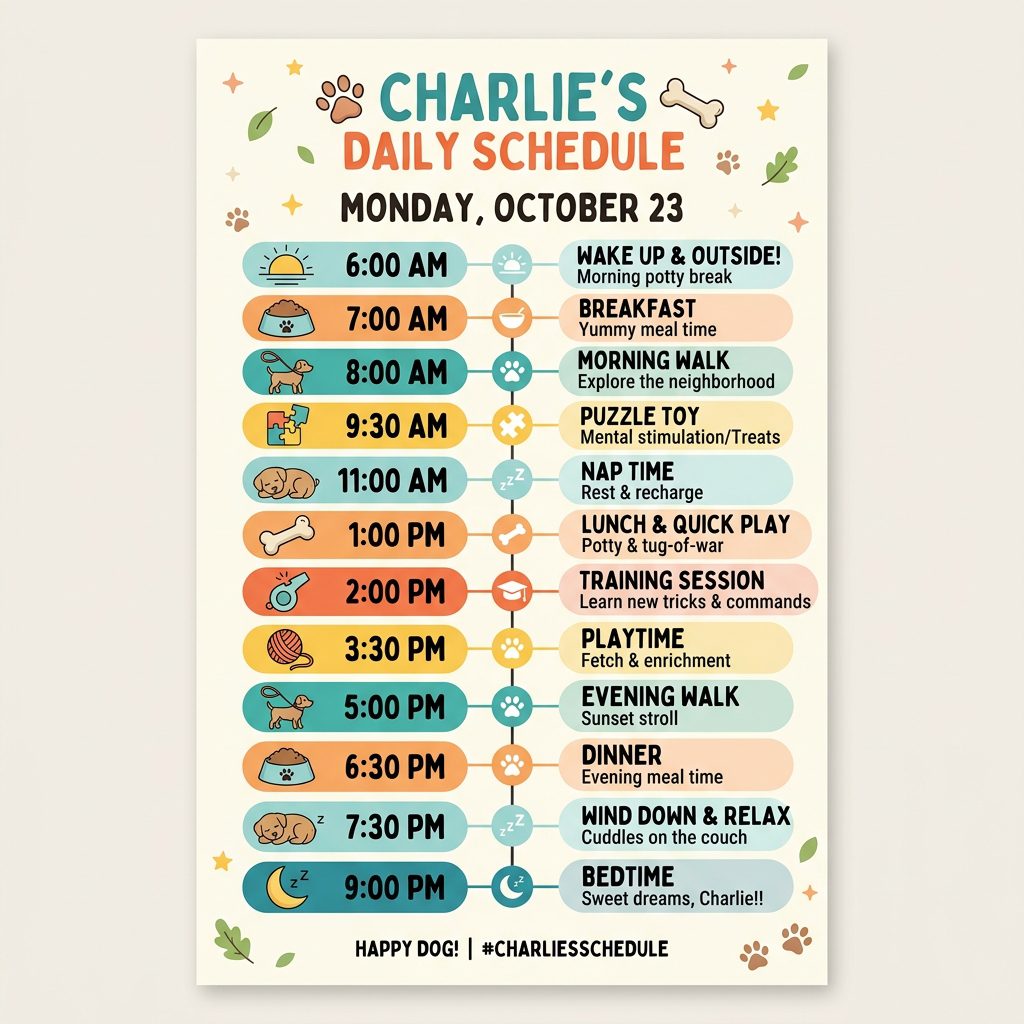
To truly extinguish carpet digging for good, you need to set your puppy up for success throughout the day. A well-structured routine prevents the boredom and anxiety that lead to destructive behaviors in the first place. Savvy dog owners know that a proactive approach is always better than a reactive one.
Creating an Enrichment Schedule
Dogs thrive on predictability. When they know when it is time to play, when it is time to eat, and when it is time to rest, they are much less likely to invent their own (destructive) jobs. Here is an example of a balanced daily schedule that keeps a puppy’s mind and body satisfied.
| Time of Day | Activity | Benefit to Puppy |
|---|---|---|
| Morning (8:00 AM) | 20-minute ‘Sniffari’ Walk. Let them smell everything! | Burns physical energy and provides massive mental stimulation. |
| Mid-Day (12:00 PM) | Lunch fed exclusively through a puzzle toy or Snuffle Mat. | Fulfills foraging instincts and tires out the brain. |
| Afternoon (3:00 PM) | 5-minute obedience training session (Sit, Stay, Down). | Builds your bond and reinforces listening skills. |
| Evening (7:00 PM) | Provide a safe chew (bully stick or stuffed KONG) on their bed. | Promotes self-soothing and satisfies the nesting/chewing urge before bedtime. |
When to Seek Professional Help
While most carpet digging is benign, sometimes it crosses the line into obsessive-compulsive behavior. If your dog is digging so frantically that they are bleeding from their paws, if they cannot be distracted even by high-value meat, or if the digging is accompanied by intense panting, pacing, and vocalization, it is time to call in the pros. This level of panic usually indicates severe anxiety. Reach out to your veterinarian to rule out any underlying medical issues, and consult with a certified positive-reinforcement dog trainer or a veterinary behaviorist. They can help you develop a customized desensitization protocol.
Conclusion
Wrapping It Up: Patience Pays Off
Dealing with a puppy who loves to dig the carpet can certainly test your patience, but remember that this is just a phase! By understanding that your puppy is acting on natural instincts, boredom, or nesting urges, you can approach the problem with empathy rather than anger. Keep your anti-digging toolkit stocked, stay consistent with the 5-Minute Trick to interrupt and redirect, and ensure your furry best friend is getting plenty of mental and physical exercise throughout the day. Before you know it, your puppy will realize that their own toys are way more fun than your living room rug. Stay positive, stick to the routine, and enjoy the wonderful journey of raising your pup. You have got this!