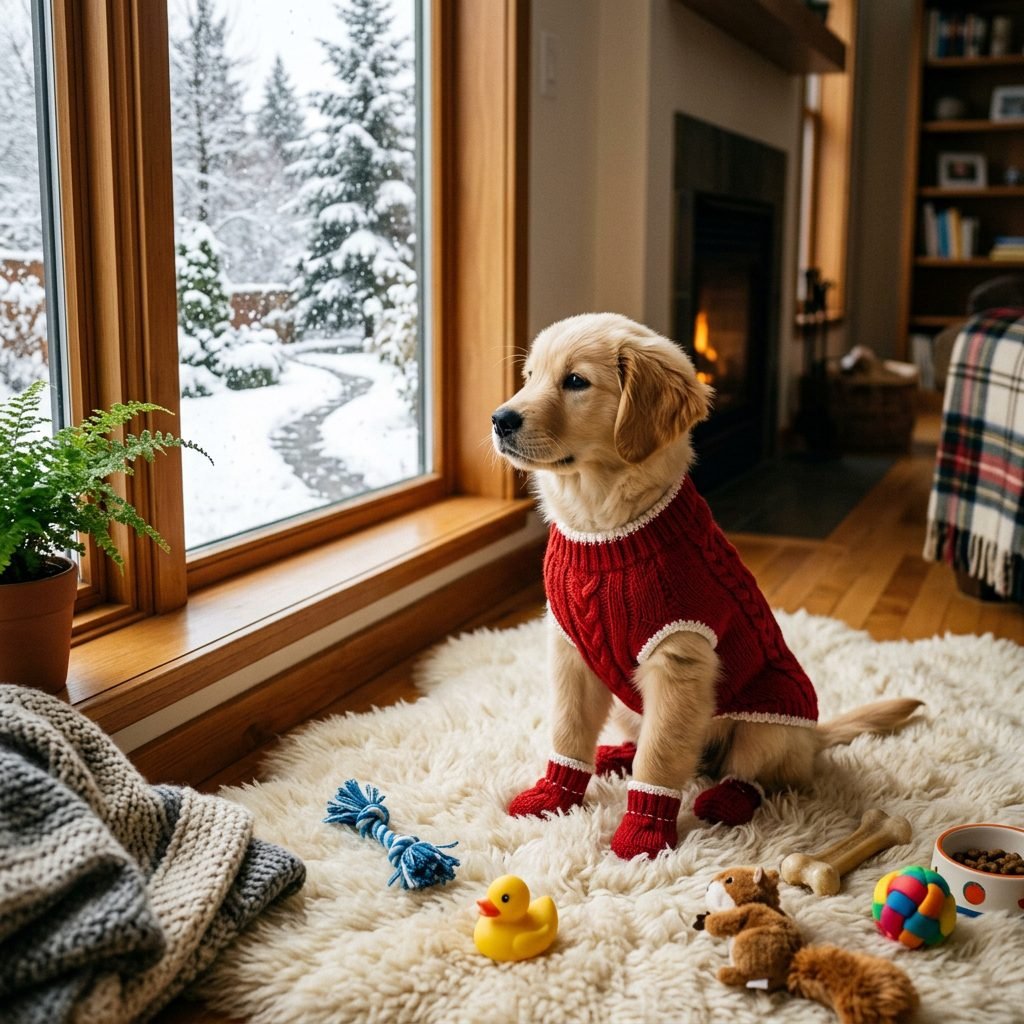
9 Winter Socialization Secrets for Puppies Who Hate the Cold
The Winter Socialization Challenge
So, you’ve brought home a new bundle of joy, but there is a slight problem: the world outside looks like a scene from Frozen, and your puppy is more of a ‘tropical climate’ kind of soul. As a savvy dog owner, you already know that the critical socialization window (typically between 3 and 16 weeks of age) is the most important period in your dog’s life. This is the time when their brains are like sponges, soaking up experiences that will define their temperament for years to come. But what happens when the thermometer drops, the sidewalks are covered in caustic salt, and your pup starts shivering the moment the door opens? You can’t just hit the ‘pause’ button on their development until spring. If you do, you risk raising a dog that is fearful of new sights, sounds, and surfaces. The good news? You don’t have to brave a blizzard to raise a well-adjusted dog. We are going to dive into the nine professional secrets that will help you navigate winter socialization like a pro, ensuring your puppy gets the exposure they need while staying warm, safe, and happy.
Secret #1: The Indoor ‘Sensory’ Obstacle Course
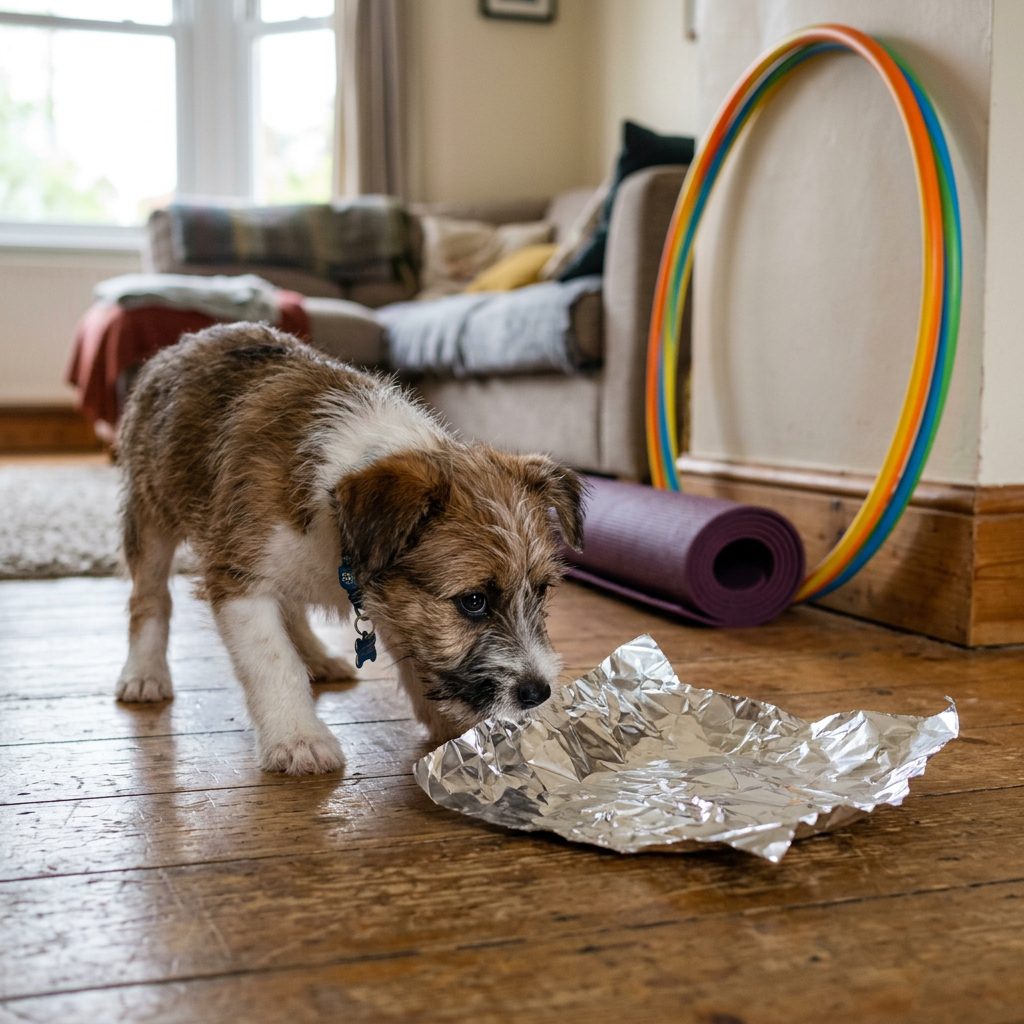
When the weather outside is frightful, your living room becomes the ultimate training ground. Socialization isn’t just about meeting other dogs; it’s about novelty. You want your puppy to experience different textures under their paws and strange objects in their environment. Create a ‘Sensory Obstacle Course’ using household items. This builds confidence and teaches them that ‘new’ doesn’t mean ‘scary.’
How to Build Your Course
- Texture Training: Lay out a yoga mat, a piece of crinkly aluminum foil, a plastic tarp, and a thick shag rug. Encourage your pup to walk across each one using high-value treats.
- The Umbrella Surprise: Open an umbrella slowly across the room. Don’t point it at them; just let it exist. When they look at it calmly, reward them.
- The Moving Object: Gently roll a hula hoop or a skateboard past them. The goal is to normalize movement that isn’t ‘living.’
By exposing them to these ‘weird’ things indoors, you are preparing their brain to handle the ‘weird’ things they will eventually see outdoors, like strollers or flapping flags.
Secret #2: The ‘Car-Side’ Theater Strategy
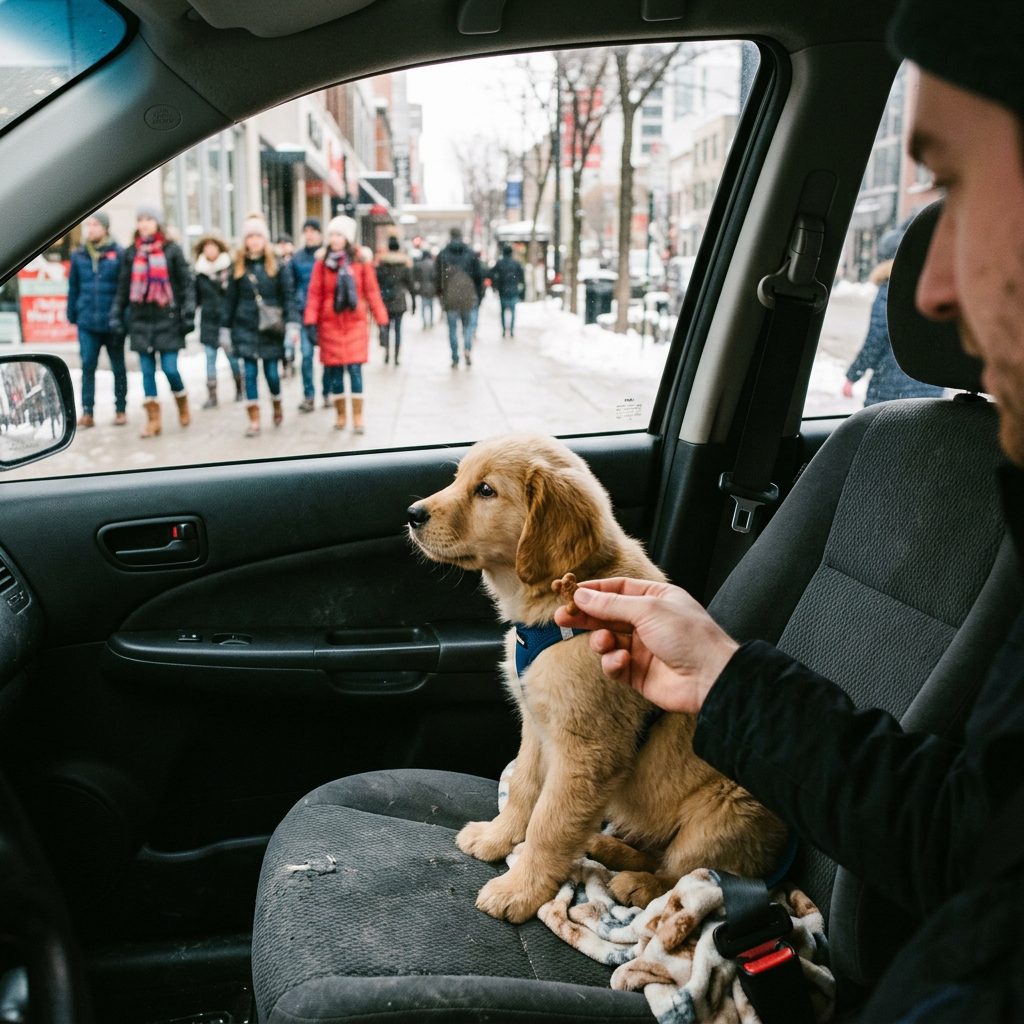
If your puppy hates the cold, the car is your best friend. It’s a heated, mobile observation deck. You can take your puppy to busy locations—like a shopping center parking lot or near a school during pickup—and let them watch the world go by from the safety and warmth of your vehicle.
Maximizing the Car Experience
Park in a spot where there is plenty of ‘action’ but enough distance so your puppy doesn’t feel overwhelmed. Open the window just a crack so they can catch the scents and sounds of the outdoors without the wind chill. Every time a person walks by, a car honks, or a child yells, give your puppy a tiny, delicious treat. This creates a positive association with the hustle and bustle of the world.
| Location | What They See/Hear | Socialization Value |
|---|---|---|
| Home Improvement Store | Lumber carts, sliding doors, heavy coats | High: Exposure to industrial noises and bulky clothing. |
| High School / Park | Running kids, bouncing balls, shouting | High: Normalizes fast movement and high-pitched sounds. |
| Drive-Thru | Speakers, muffled voices, hand-offs | Medium: Great for getting used to strangers in a controlled way. |
Secret #3: Mastering the ‘Gear Game’ Early
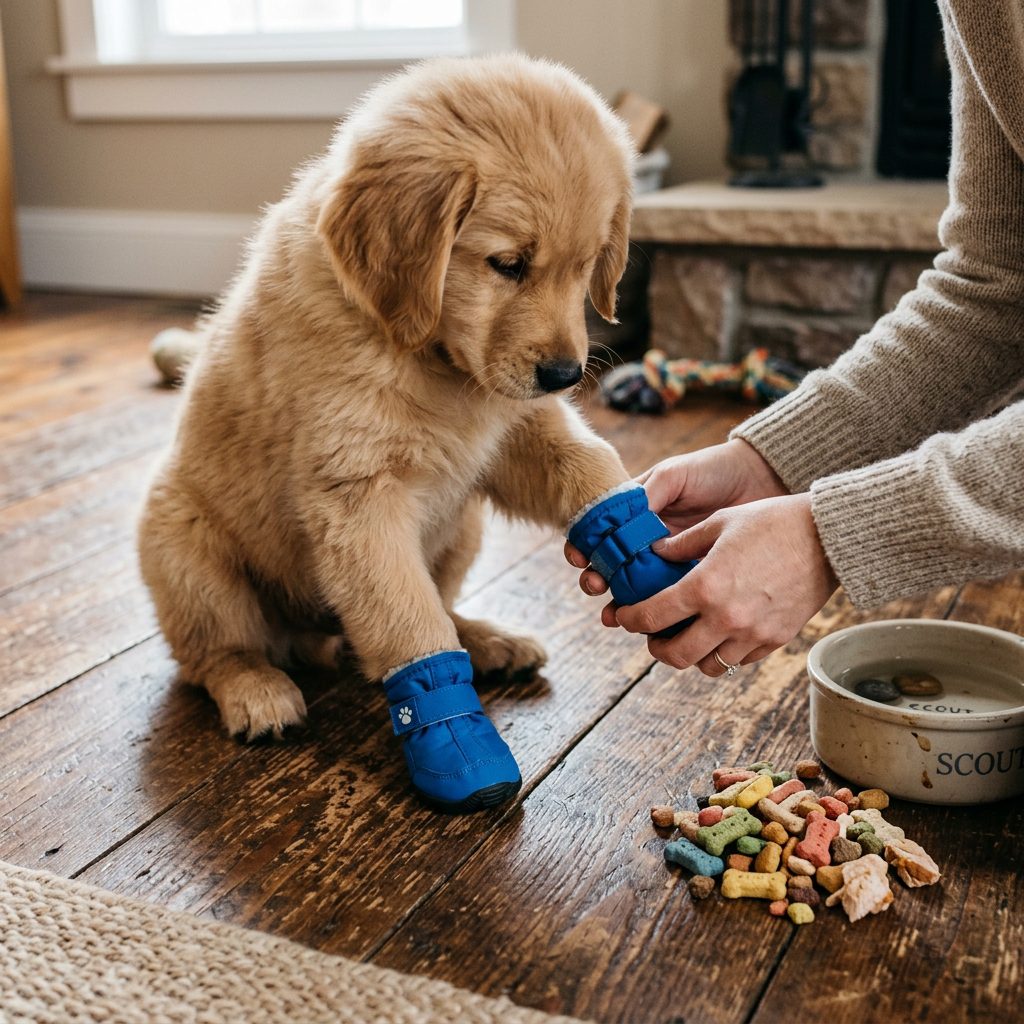
Many puppies ‘hate’ the cold because they aren’t used to the gear required to stay warm. If the first time they wear boots is when they are already shivering in the snow, they will associate the boots with discomfort. You need to make the gear part of the fun.
The Step-by-Step Desensitization
- The ‘Sniff and Treat’: Place the coat or booties on the floor. Every time your pup sniffs them, click and treat.
- The ‘Touch and Treat’: Drape the coat over their back for two seconds, then take it off and reward. Repeat until they don’t care.
- The ‘Walk and Wag’: Put the gear on and immediately engage in their favorite indoor game, like fetch or tug. If they are playing, they aren’t focusing on the ‘weird’ feeling of the clothes.
Expert Tip: Use paw wax (like Musher’s Secret) if your puppy absolutely refuses boots. It provides a protective barrier against salt and ice without the restrictive feeling of footwear.
Secret #4: Scent Safaris and Digital Soundscapes
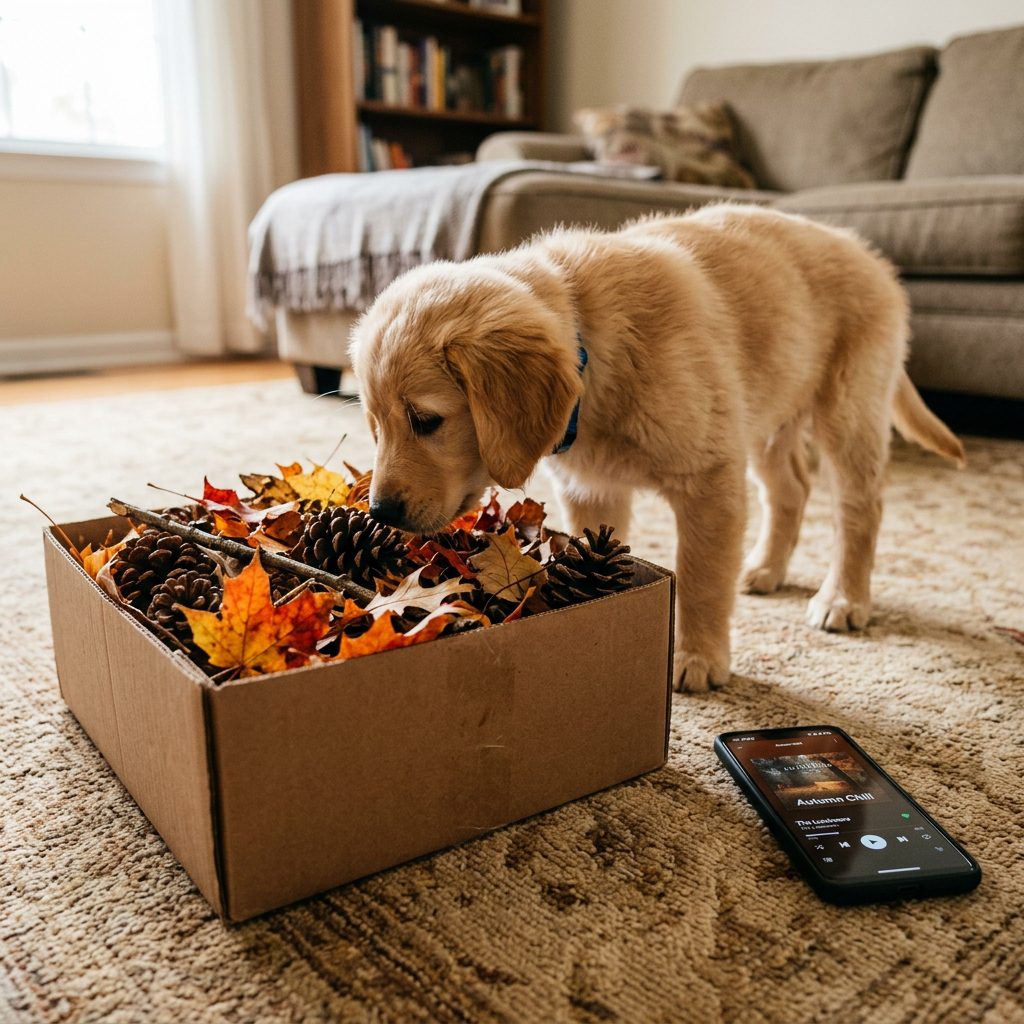
Socialization is a multi-sensory experience. If you can’t take the puppy to the world, bring the world to the puppy. This is especially effective for ‘olfactory socialization.’ Dogs experience the world primarily through their noses, and winter can be scent-muted because of the snow.
Bringing the Outdoors In
Go outside and gather items that carry the scents of the neighborhood: a pinecone, a handful of dried leaves, or even a stone from a local park. Bring them inside in a box and let your puppy investigate. For sounds, use technology. There are countless ‘Sound Desensitization’ playlists on YouTube or Spotify. Play sounds of thunderstorms, fireworks, sirens, and crying babies at a very low volume while your puppy eats or plays. Gradually increase the volume over several days as long as they remain relaxed.
Secret #5: Strategic Field Trips to Dog-Friendly Stores

When the sidewalk is a sheet of ice, head for the local hardware store or pet-friendly boutique. These environments are climate-controlled and offer a goldmine of socialization opportunities. However, you must be ‘savvy’ about how you handle these trips.
Store Etiquette for Socialization
- The ‘Four on the Floor’ Rule: If the floors are clean, let them walk. If it’s a high-traffic pet store with potential disease risks (like Parvo), keep your puppy in a shopping cart lined with a warm towel from home.
- Distance is Key: Don’t let every stranger pet your puppy. Socialization is about neutrality, not just interaction. Your pup should learn to be calm in the presence of people without needing to jump on everyone.
- Watch for Overstimulation: If your puppy starts tucking their tail or yawning excessively, it’s time to head home. Always end on a high note!
Secret #6: The ‘Warmth-First’ Positive Reinforcement
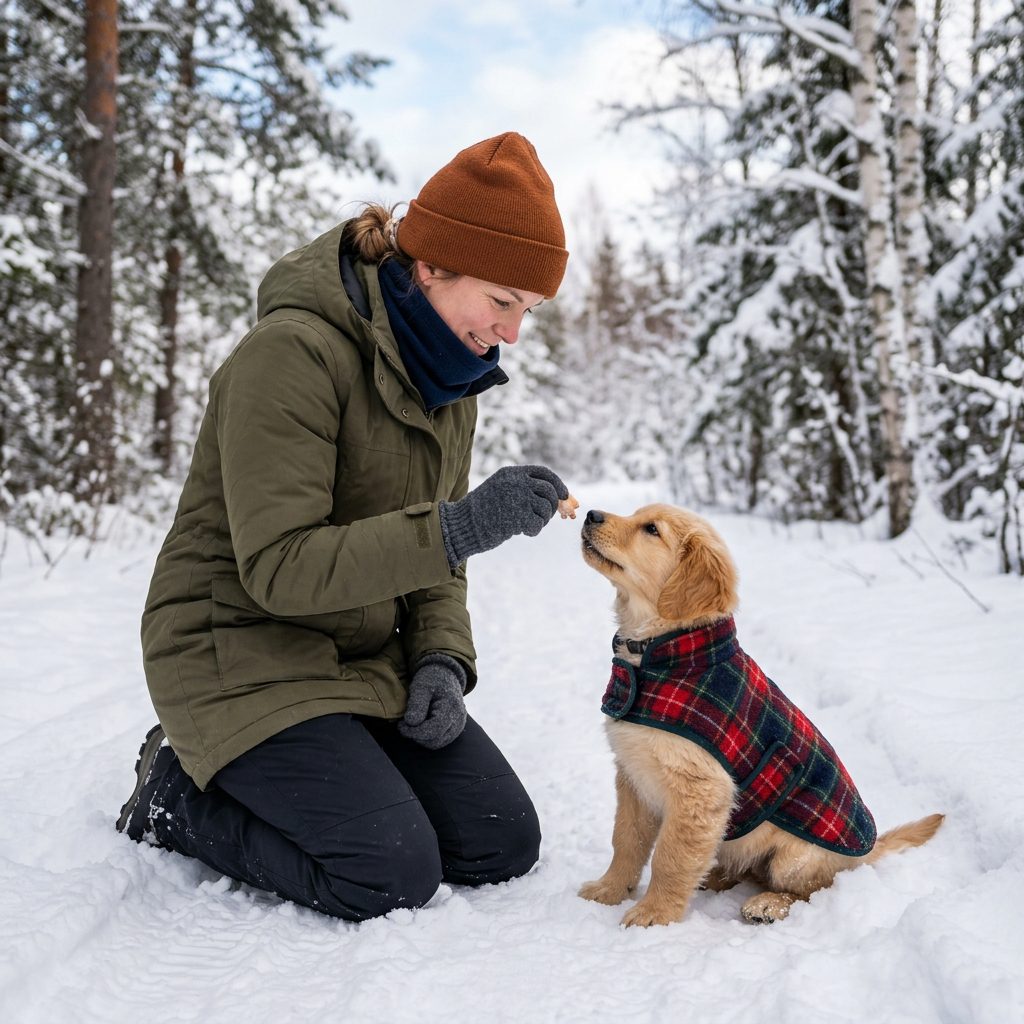
One of the biggest mistakes owners make is dragging a shivering puppy through the snow to ‘toughen them up.’ This actually causes sensitization, making the puppy more fearful of the cold. Instead, use the ‘Warmth-First’ approach. This means ensuring the puppy is physically comfortable so their brain is open to learning.
Creating a Warm Association
Use ‘jackpot’ treats that they only get when they are outside in the cold. We’re talking boiled chicken, tiny bits of cheese, or freeze-dried liver. If they associate the cold with the best food they’ve ever tasted, their brain will start to override the ‘I’m cold’ signal with the ‘I’m excited’ signal. Additionally, keep outdoor sessions incredibly short—sometimes just 60 seconds is enough to get a positive exposure without them reaching the point of shivering.
| Temperature Range | Exposure Limit | Activity Type |
|---|---|---|
| 32°F to 45°F | 10-15 Minutes | Active play, short walks, sniffing. |
| 20°F to 32°F | 5-10 Minutes | Quick potty break + one ‘novel’ exposure. |
| Below 20°F | 1-3 Minutes | Strictly potty and immediate return to warmth. |
Conclusion
Building a Confident Adult, One Cold Day at a Time
Winter socialization requires a bit more creativity and effort than a summer stroll, but the payoff is immense. By utilizing indoor sensory courses, car-side observations, and strategic trips to dog-friendly stores, you are ensuring that your puppy doesn’t miss out on the most formative months of their life. Remember, the goal isn’t to make your puppy love the cold—it’s to make sure they are confident and resilient regardless of the environment. Keep your sessions short, keep your treats high-value, and always prioritize your puppy’s physical comfort. Before you know it, the snow will melt, and you’ll be walking a brave, well-adjusted dog who is ready to take on the world, no matter what the weather looks like outside. Happy training!