Why Did My Puppy Stop Being Potty Trained? 5 Steps to Fix Potty Regression
The Frustration of the ‘Oops’ Moment
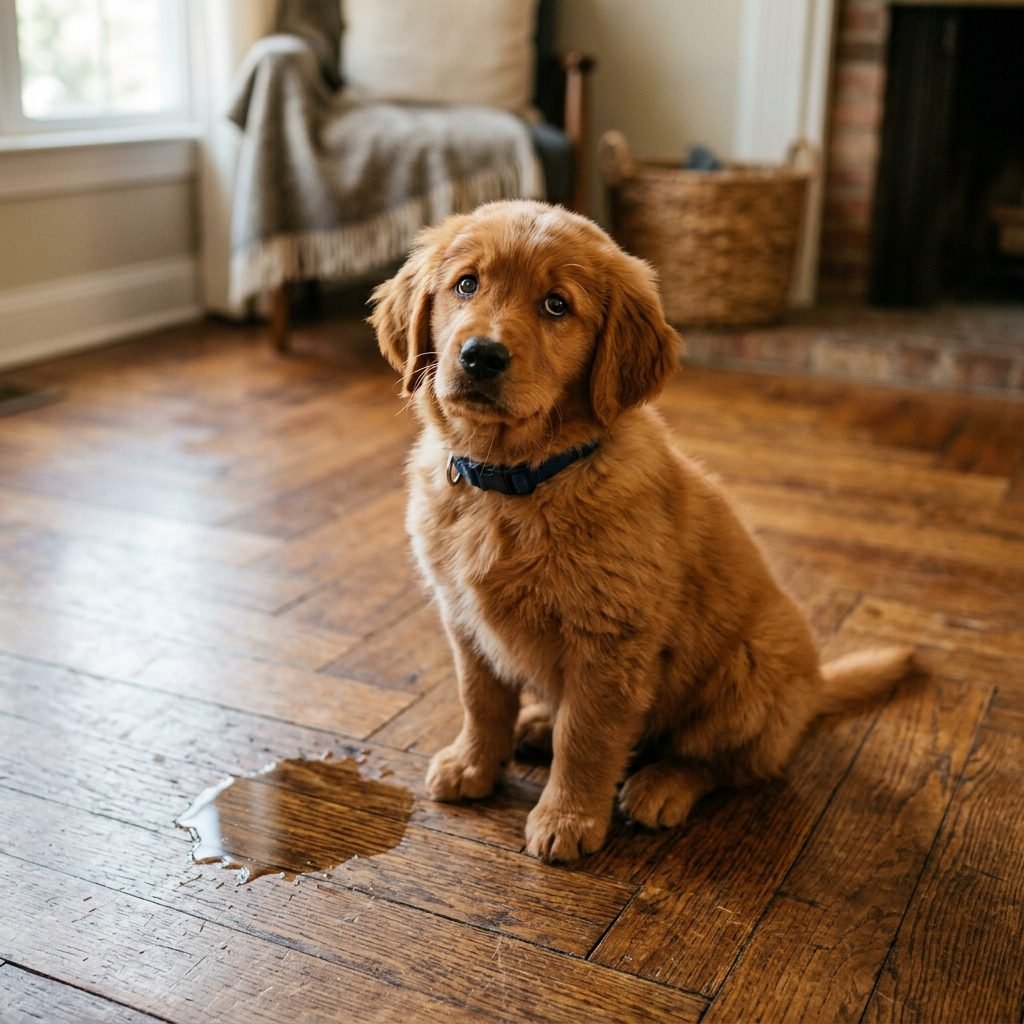
You thought you were in the clear. For two weeks, your puppy was a superstar, ringing the bell at the door or sitting patiently to be let out. You finally dared to roll the rugs back out and stop sleeping with one eye open. Then, it happens: a puddle in the hallway or a surprise on the carpet. Your heart sinks. Why did my puppy stop being potty trained?
First, take a deep breath. You aren’t failing as a dog parent, and your puppy isn’t trying to ‘get back’ at you. Potty regression is an incredibly common phase in canine development. As a canine specialist, I see this daily. It’s a temporary setback, a glitch in the learning process that usually happens between the ages of 4 and 12 months. In this comprehensive guide, we are going to dive deep into the ‘why’ behind this behavior and provide a foolproof 5-step protocol to reclaim your clean floors and your puppy’s bathroom habits.
Understanding the ‘Why’: Common Causes of Potty Regression
Before we can fix the problem, we have to understand the root cause. Puppies don’t just ‘forget’ training for no reason. Usually, regression is triggered by physical, developmental, or environmental shifts.
1. Medical Issues
The most common culprit for sudden accidents is a Urinary Tract Infection (UTI). If your puppy is suddenly urinating more frequently, in smaller amounts, or seems to have no control, a trip to the vet is mandatory. Other issues like bladder stones, parasites (Giardia), or even new food sensitivities can cause bowel accidents.
2. The Adolescent Brain
Just like human teenagers, puppies go through a ‘rebellious’ phase. Around 6 to 10 months, their brains are undergoing massive rewiring. They become more interested in the squirrel across the street than the command you just gave. This developmental shift can lead to a temporary lapse in following established rules.
3. Changes in Routine or Environment
Dogs thrive on consistency. Have you recently moved? Changed your work schedule? Introduced a new pet or family member? Even moving the furniture can cause enough stress or confusion to trigger an accident. To a puppy, a new rug might look suspiciously like a patch of soft grass.
4. Fear and Anxiety
Puppies go through ‘fear periods’ where things that were once normal suddenly become terrifying. If a loud truck backfired while your puppy was doing their business outside, they might now associate ‘going outside’ with ‘scary noises,’ leading them to hold it until they are back in the safety of your living room.
| Cause Category | Common Examples | Primary Solution |
|---|---|---|
| Medical | UTI, Parasites, Incontinence | Veterinary Consultation |
| Developmental | Adolescence, Hormones | Back-to-Basics Training |
| Environmental | Moving, New Rugs, Schedule Change | Routine Re-establishment |
| Psychological | Fear Periods, Separation Anxiety | Positive Reinforcement & Desensitization |
Step 1: Rule Out Medical Concerns
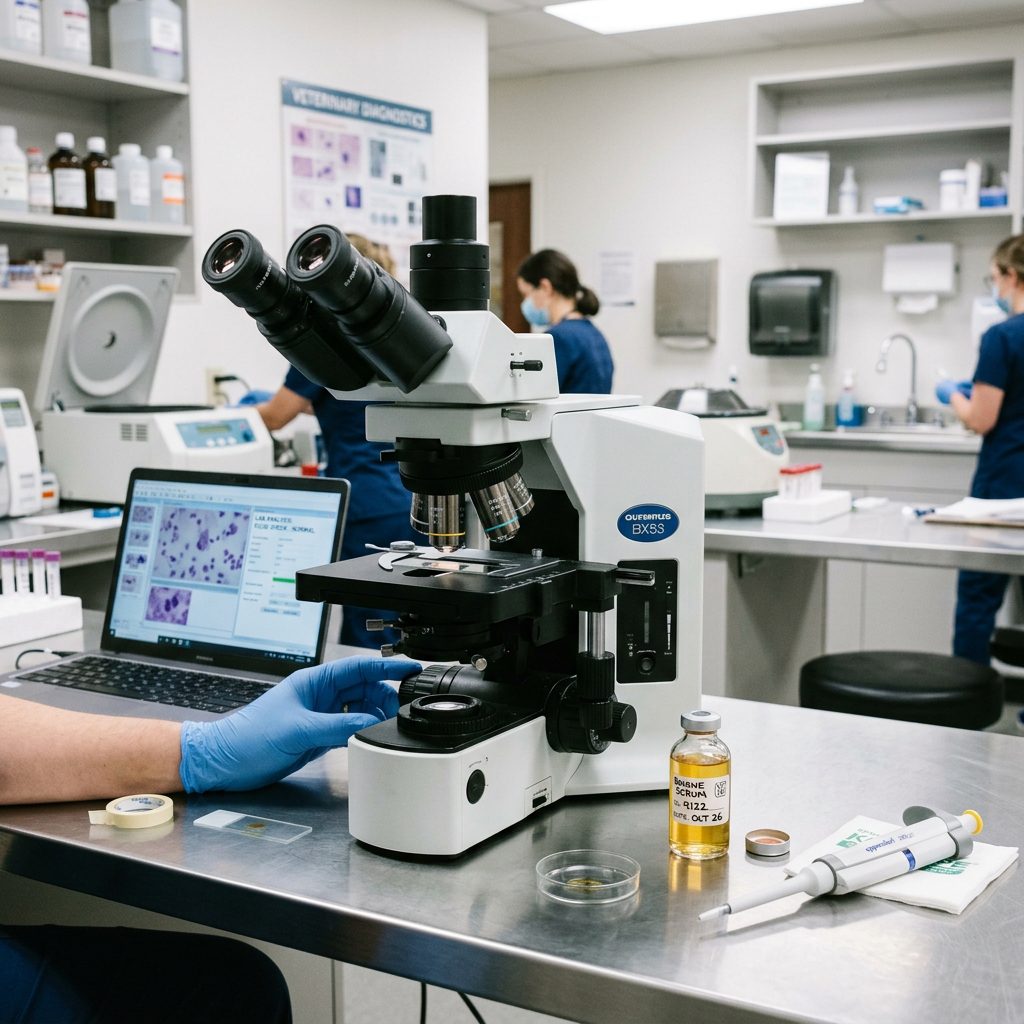
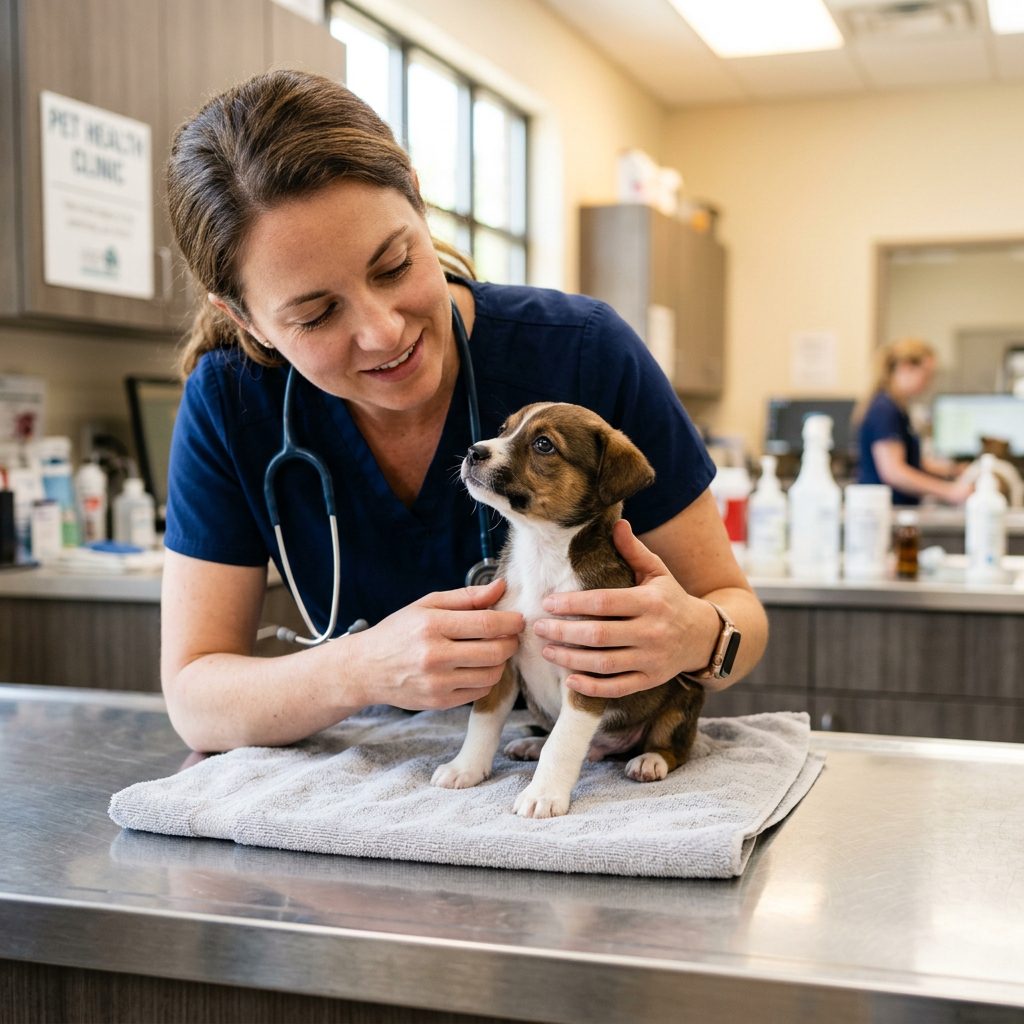
I cannot stress this enough: never assume regression is purely behavioral until a vet says so. A puppy with a UTI cannot physically hold their bladder, and punishing them for a medical failure will only destroy your bond and create deep-seated anxiety.
When you visit the vet, bring a fresh urine sample if possible. The vet will look for bacteria, crystals, or blood. If the physical exam and lab work come back clean, you can proceed with confidence to the behavioral steps. If there is an infection, a simple course of antibiotics usually resolves the ‘regression’ within days.
Expert Tip: If your puppy is ‘leaking’ while asleep or resting, this is almost always a medical issue rather than a training lapse.
Step 2: Reinstate the ‘Puppy Lockdown’ and Strict Schedule
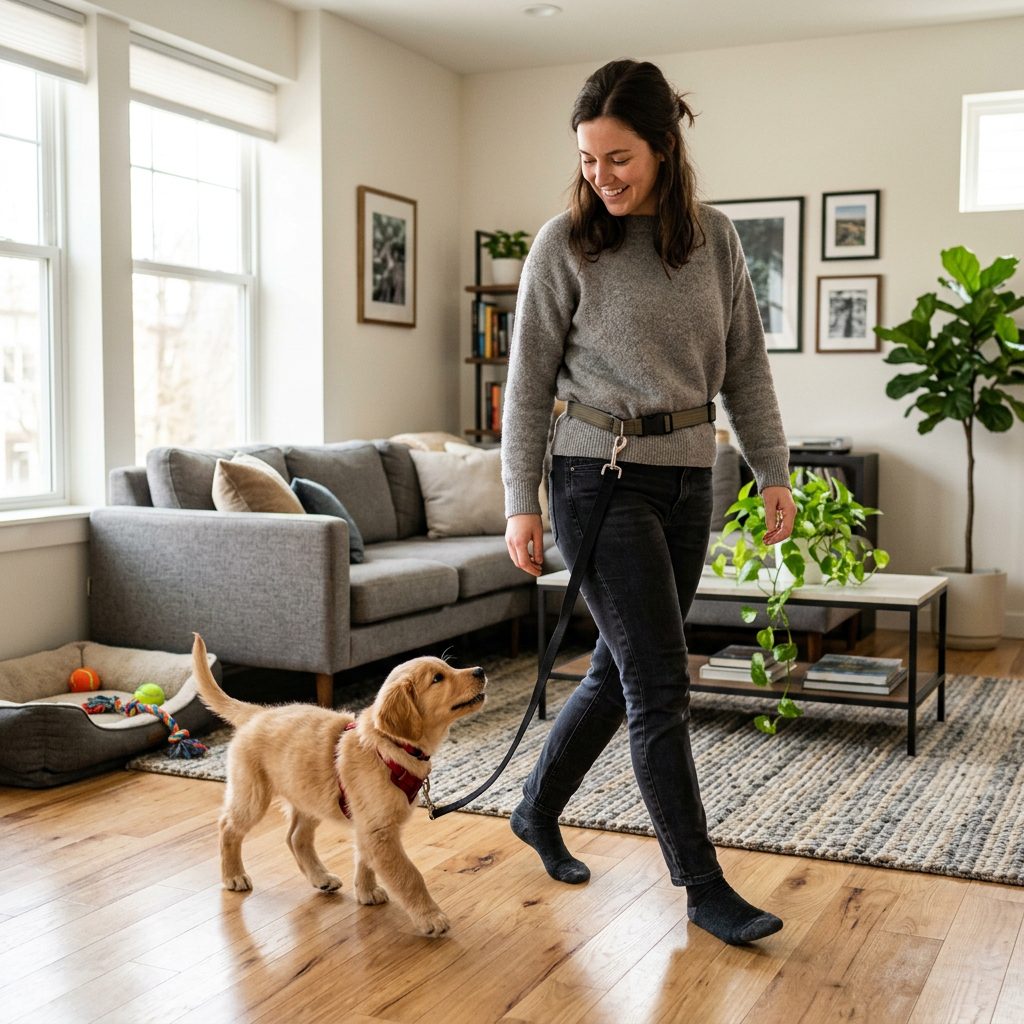
If the vet gives the all-clear, it’s time to go back to basics. This means treating your 8-month-old puppy like they are 8 weeks old again. The goal is to prevent accidents from happening in the first place, which stops the ‘habit’ from forming.
The Umbilical Cord Method
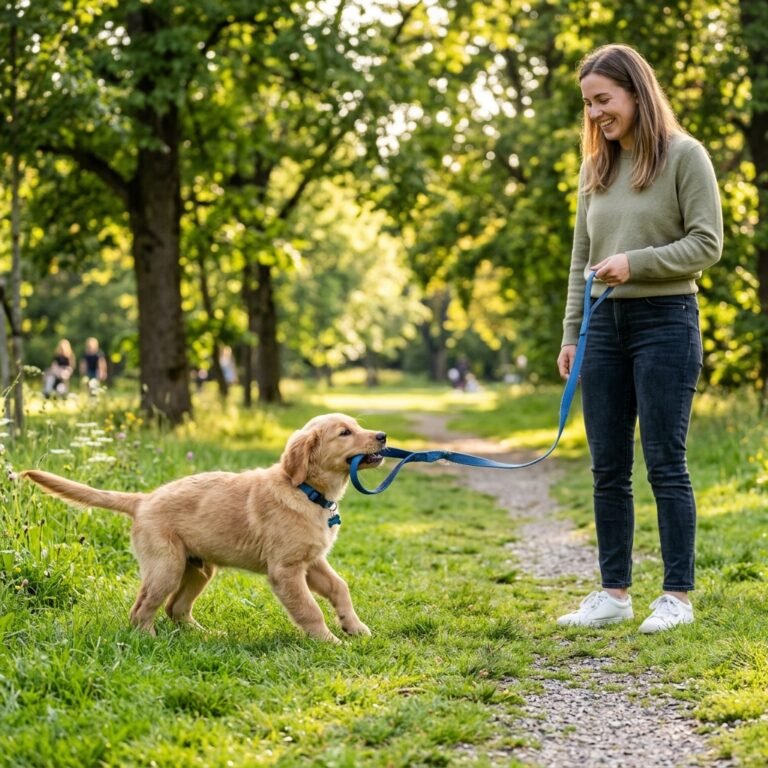
If you cannot watch your puppy with 100% focus, they should be in a crate or a playpen. When they are out, use the ‘umbilical cord’ method: tether the puppy’s leash to your belt loop. This keeps them within six feet of you at all times, making it impossible for them to sneak off to a spare bedroom to have an accident.
The Master Schedule
Consistency is the enemy of accidents. You must take your puppy out on a rigid schedule. Use a timer on your phone to remind you.
| Time Period | Potty Frequency |
|---|---|
| After Waking Up | Immediately (no stops for coffee!) |
| After Eating/Drinking | 15 to 30 minutes after |
| After Play Sessions | Immediately (excitement stimulates the bladder) |
| During Active Time | Every 2-3 hours |
| Before Bed | Immediately before crating |
Step 3: Supercharge Your Rewards
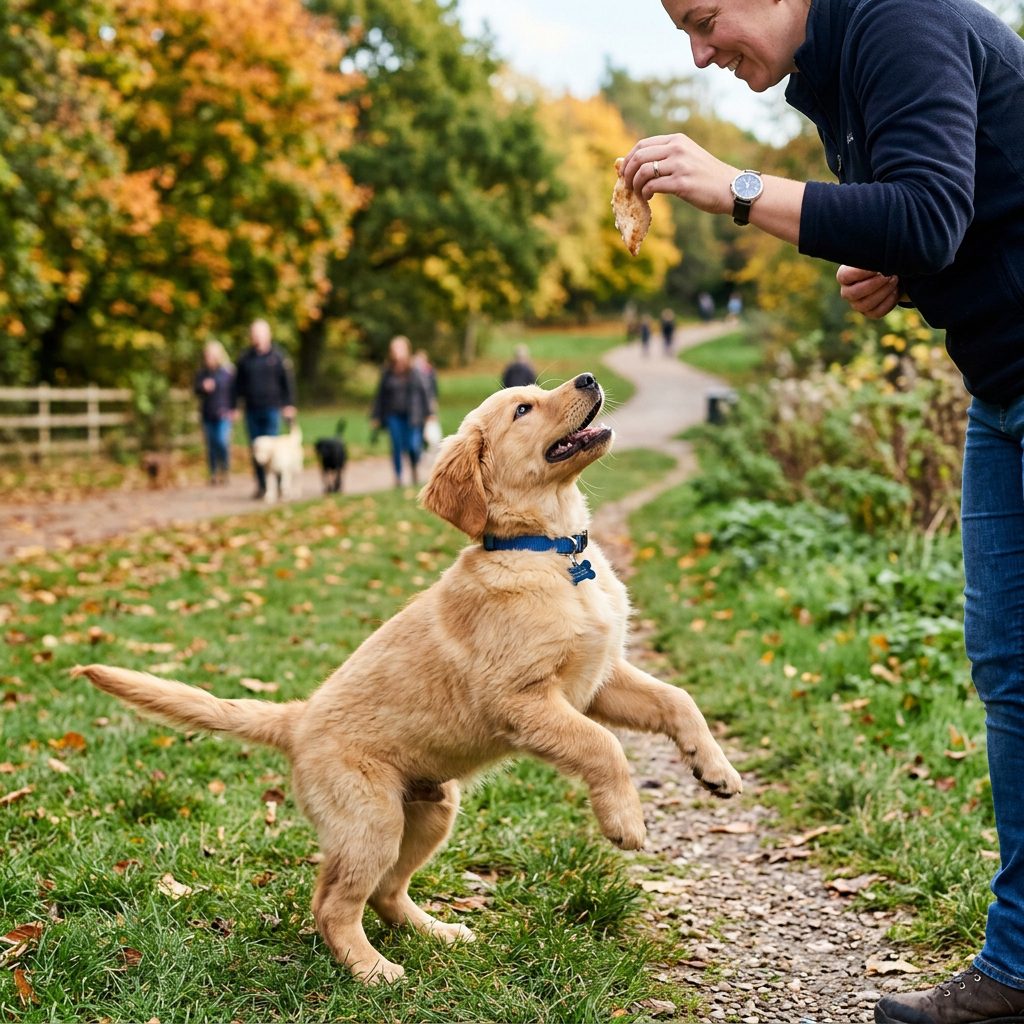
During regression, your puppy has decided that the ‘reward’ of relieving themselves immediately (wherever they are) is better than the reward of waiting to go outside. You need to change that math. You need to make going outside the best thing that happens all day.
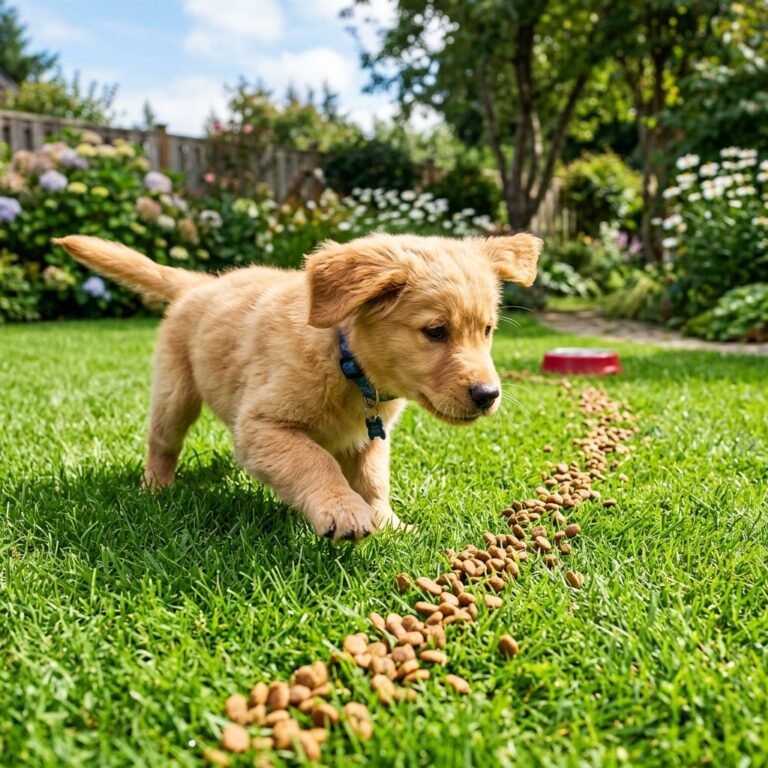
- The Jackpot: Don’t just give one boring kibble. When they go outside, give a ‘jackpot’ of 3-5 tiny pieces of high-value treats (think boiled chicken, freeze-dried liver, or cheese).
- Timing is Everything: You must reward within three seconds of them finishing their business. If you wait until you get back inside, the puppy thinks they are being rewarded for walking through the door, not for peeing on the grass.
- The Party: Use a high-pitched, happy voice. Do a ‘happy dance.’ Your puppy should feel like they just won an Olympic gold medal every time they use the designated potty area.
Step 4: Deep Clean with Enzymatic Cleaners
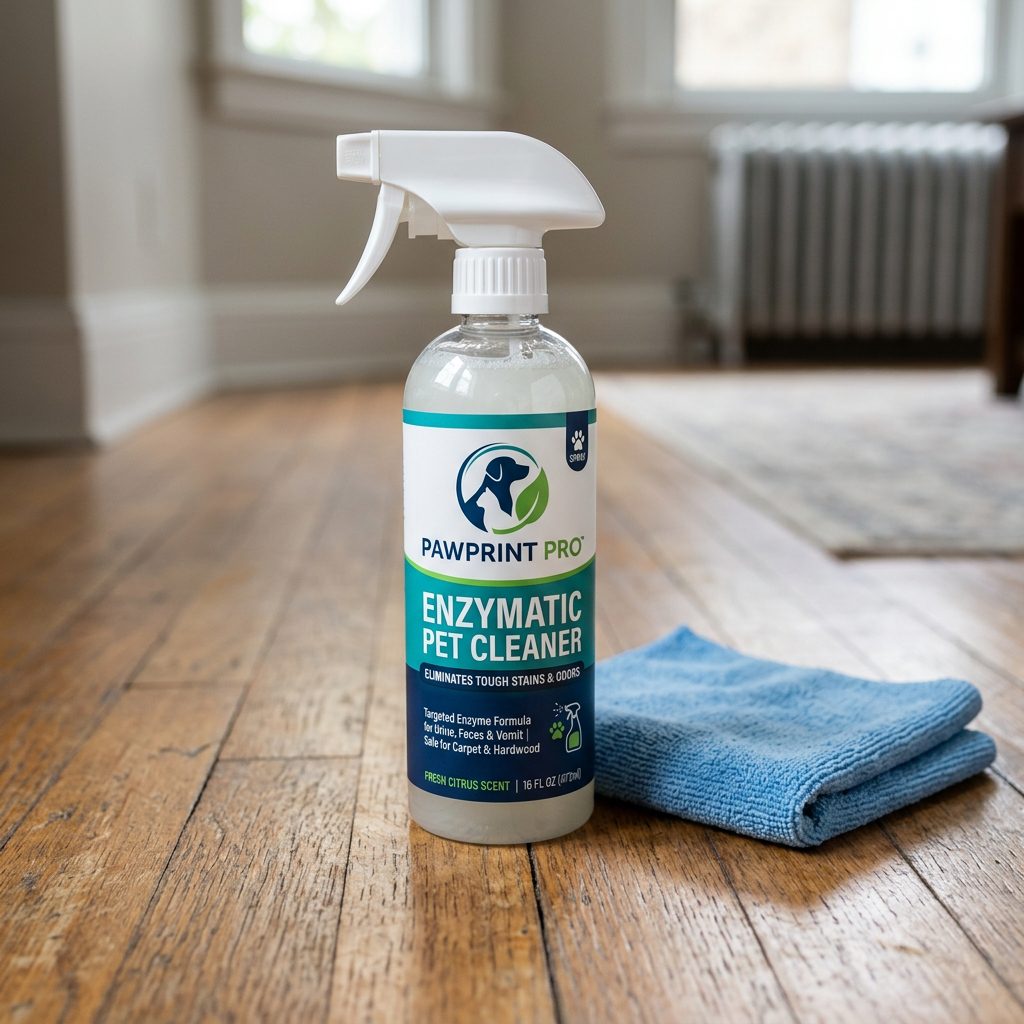
One of the biggest reasons for continued regression is the ‘scent trigger.’ To a dog’s nose, a spot where they have previously gone potty smells like a bathroom. Even if you can’t smell it, the pheromones remain.
Standard household cleaners, even those with bleach or ammonia, do not break down the uric acid crystals. In fact, ammonia-based cleaners can actually smell like urine to a dog, encouraging them to ‘mark’ that spot again. You must use an enzymatic cleaner. These products contain live bacteria or enzymes that literally ‘eat’ the organic matter causing the scent.
How to Clean Properly:
- Blot (don’t rub) as much liquid as possible with paper towels.
- Saturate the area with the enzymatic cleaner, going beyond the visible edges of the stain.
- Let it sit for the time recommended on the bottle (usually 10-15 minutes).
- Allow it to air dry naturally so the enzymes have time to work.
Step 5: Manage the Environment and Avoid Punishment
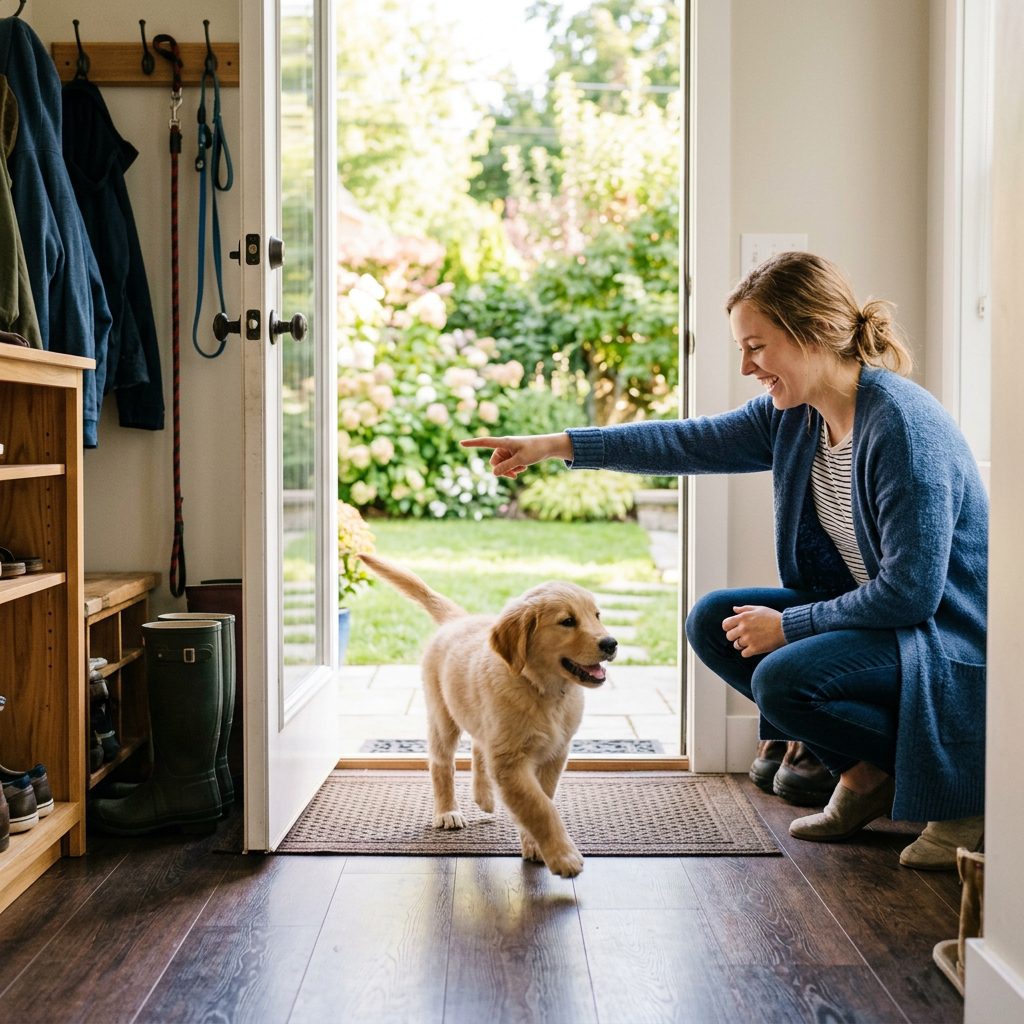
The final step is managing the environment to ensure success. This involves removing temptations and, most importantly, managing your own reactions.
Remove the Rugs
If your puppy keeps targeting a specific area rug, roll it up and put it in the garage for two weeks. By removing the substrate they prefer to use, you force them to look elsewhere—ideally, the outdoors.
The ‘No Punishment’ Rule
If you find a mess that happened ten minutes ago, do not punish the dog. Rubbing their nose in it or yelling will only teach them that you are scary, not that pottying inside is wrong. They will simply learn to hide their accidents better (like behind the sofa). If you catch them in the act, make a sharp ‘Oops!’ sound to interrupt them, then immediately scoop them up and carry them outside to finish.
Key Takeaway: Training is built on trust. If your puppy is afraid of you, they will be too stressed to learn the rules of the house.
Conclusion
Patience is Your Best Tool
Potty regression is a test of patience, but it is not a permanent state. By ruling out medical issues, returning to a strict supervision schedule, and using high-value rewards, you are rebuilding the foundation of your puppy’s habits. Most puppies move past this phase in 7 to 14 days if you are consistent. Remember, your puppy wants to please you; they just got a little lost in the distractions of growing up. Stay calm, stay consistent, and keep those treats handy. You’ve got this!