
Dangerous Habit! How To Safely Stop A Puppy Chewing Metal Crate Bars At Night
Hey there, savvy dog parents! If you are reading this, chances are you have been jolted awake at two in the morning by one of the most terrifying and frustrating sounds a new puppy owner can hear: the loud, grating, nails-on-a-chalkboard noise of your precious puppy violently gnawing on the metal bars of their crate. Not only is this habit incredibly disruptive to your much-needed sleep, but it is also a severe safety hazard that requires immediate intervention.
Chewing on metal crate bars is a dangerous habit that can lead to catastrophic dental injuries. Puppies have fragile deciduous (baby) teeth, and even their newly erupting adult teeth can easily be fractured, chipped, or completely broken off by the hard steel of a wire crate. Beyond dental damage, aggressive chewing can lead to jaw misalignment, cuts to their gums and tongue, and in severe cases, the ingestion of toxic metal flakes or broken wire pieces, which poses a life-threatening choking or impaction hazard.
Expert Tip: Never ignore the sound of teeth on metal. While it might seem like a phase your puppy will simply outgrow, allowing them to practice this behavior reinforces the habit and drastically increases the risk of a costly and painful veterinary emergency.
But do not panic! As a canine specialist, I am here to tell you that this behavior is entirely fixable. By understanding the root cause of the chewing, equipping yourself with the right tools, and following a structured, step-by-step training protocol, you can transform your puppy’s crate from a frustrating prison into a relaxing sanctuary. In this comprehensive guide, we will dive deep into the psychology of why dogs chew their crates, what you need to safely redirect the behavior, and the exact steps to ensure you and your furry best friend can finally get a peaceful night’s rest.
Understanding the Root Cause: Why Do Puppies Chew Metal Crate Bars?
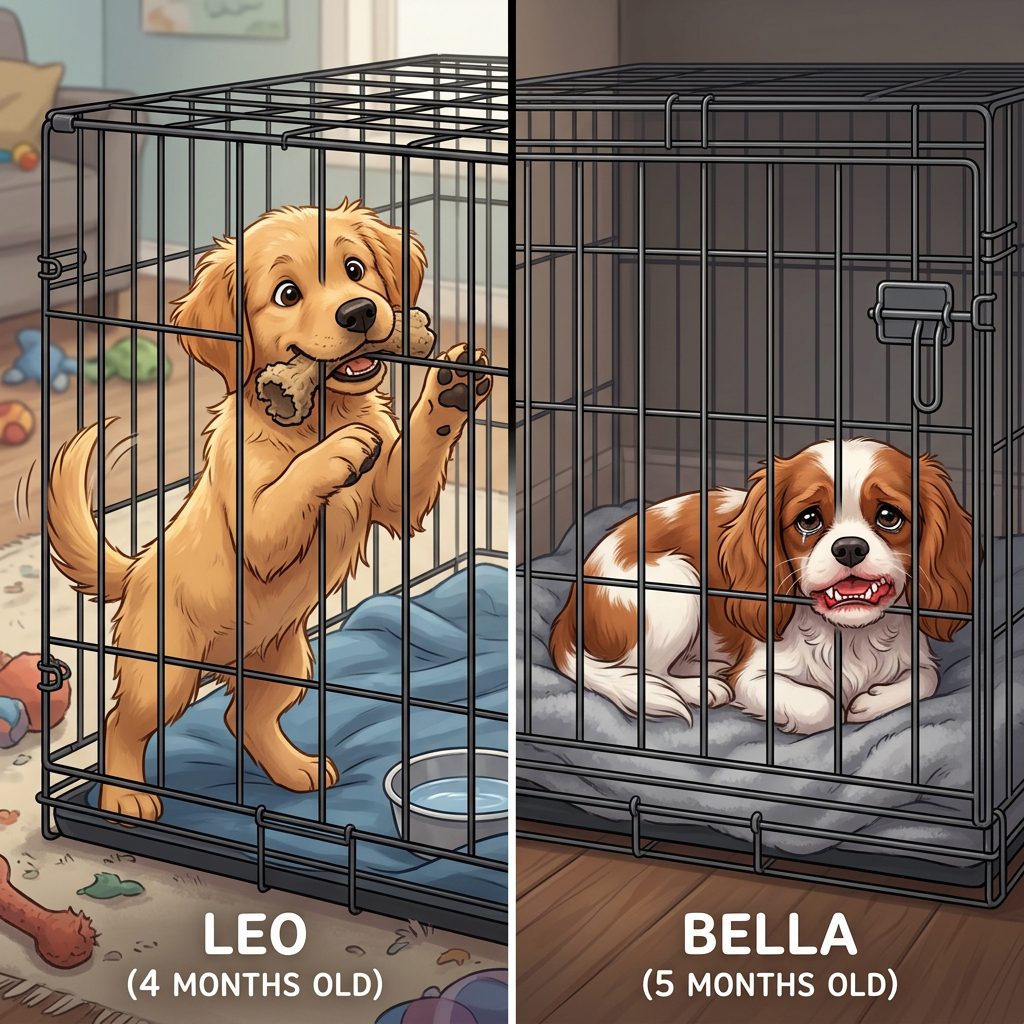
Before we can effectively stop the behavior, we have to play detective. Puppies do not chew on metal bars just to spite you or ruin your sleep; they are trying to communicate a specific physical or emotional need. Treating the symptom without addressing the underlying cause is a recipe for long-term frustration. Let us break down the four most common reasons your puppy is turning their crate into a chew toy.
1. The Agony of Teething
Between the ages of three to six months, puppies go through an intense teething phase. Their baby teeth are falling out, and their adult teeth are pushing through the gum line. This process is incredibly uncomfortable, causing their gums to feel swollen, hot, and achy. Chewing provides physical relief by massaging the gums and helping to loosen stubborn baby teeth. If a puppy wakes up in the middle of the night with throbbing gums and has nothing appropriate to chew on, the cold, hard metal bars of the crate become an immediate, albeit dangerous, source of relief.
2. Barrier Frustration
Barrier frustration occurs when a dog wants to get to something they can see, hear, or smell, but a physical barrier (like a crate door) prevents them from doing so. If your wire crate is placed in a busy room, or if your puppy can see you sleeping comfortably in your bed while they are locked away, they may bite and pull at the bars in a desperate attempt to break free and join you. Wire crates are particularly notorious for triggering barrier frustration because they offer a 360-degree view of everything the puppy is missing out on.
3. Isolation Distress and Separation Anxiety
Dogs are highly social, pack-oriented animals. For a young puppy who has recently been separated from their mother and littermates, being locked in a crate alone at night can trigger a genuine panic response. Isolation distress is a milder form of separation anxiety where the puppy simply does not want to be alone, whereas true separation anxiety is a severe panic disorder. In both cases, chewing the bars is a frantic escape attempt driven by fear and a spike in cortisol (the stress hormone).
4. Boredom and Excess Energy
A tired puppy is a good puppy. If your puppy has been resting all evening or has not had their physical and mental energy properly depleted before bedtime, they are going to wake up in the middle of the night ready to party. With nowhere to run and nothing to play with, chewing on the crate becomes an outlet for all that pent-up, restless energy.
| Root Cause | Key Symptoms | Immediate Action Required |
|---|---|---|
| Teething Pain | Excessive drooling, bleeding gums, age 3-6 months. | Provide frozen, safe chew toys immediately. |
| Barrier Frustration | Whining while staring at you, biting the door latch. | Use a breathable crate cover to block sightlines. |
| Separation Anxiety | Panting, pacing, drooling, frantic escape attempts. | Consult a vet/behaviorist, move crate closer to you. |
| Boredom | Playful barking, restlessness, lack of daytime exercise. | Increase physical and mental enrichment before bed. |
Your Crate Training Toolkit: What You Need to Stop the Chewing
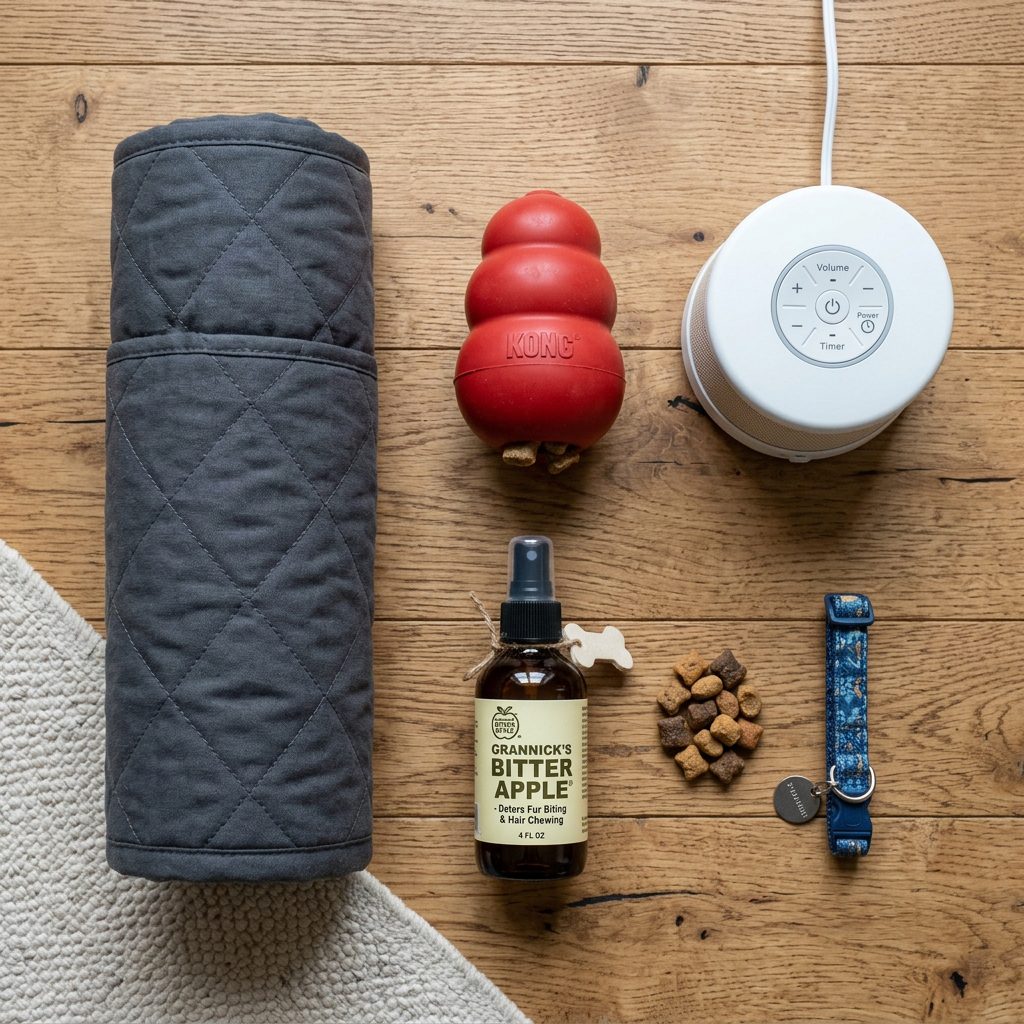
Now that we have identified the potential culprits behind your puppy’s late-night metal-munching habit, it is time to assemble your crate training toolkit. You cannot simply tell a dog ‘no’ without telling them what to do instead. Setting your puppy up for success requires providing safe alternatives and modifying their environment. Here is exactly what you need.
Durable, Safe Chew Toys
This is the most critical component of your toolkit. You must provide a high-value alternative to the metal bars. Hollow rubber toys, like the classic KONG, are absolute lifesavers. You can stuff them with puppy-safe peanut butter, plain yogurt, or soaked kibble, and freeze them solid. The freezing cold temperature numbs their inflamed teething gums, while the act of licking and chewing releases endorphins (feel-good hormones) in the puppy’s brain, naturally calming them down and lulling them back to sleep. Avoid hard bones, antlers, or cheap plastic toys that can splinter.
Veterinary-Approved Taste Deterrents
Taste deterrents, such as Bitter Apple Spray or specialized anti-chew gels, use harmless but incredibly foul-tasting natural ingredients (like bitter extracts) to discourage chewing. By applying this directly to the metal bars of the crate, you create an immediate negative association with biting the metal. When the puppy goes to gnaw on the bars, they get a terrible taste in their mouth, prompting them to look for something better tasting—which is exactly when they will discover the delicious stuffed KONG you left for them.
A Breathable Crate Cover
If your puppy is suffering from barrier frustration or visual FOMO (Fear Of Missing Out), a crate cover is a game-changer. By draping a cover over the crate, you transform it from an exposed cage into a dark, cozy, den-like environment. This removes visual stimuli (like seeing the family cat walk by or watching you sleep) and signals to the puppy’s brain that it is time to rest. Always ensure the cover is breathable and that the crate is well-ventilated to prevent overheating.
White Noise Machine or Calming Audio
Puppies have incredibly sensitive hearing. The sound of a creaking floorboard, a passing car, or the wind outside can wake them up and trigger anxiety or boredom. A small white noise machine, a fan, or a speaker playing classical music or specialized bioacoustic dog-calming music can drown out these environmental triggers. Consistent background noise creates a predictable, soothing soundscape that helps keep your puppy asleep through the night.
Expert Tip: Introduce these tools gradually during the day. If you only bring out the white noise machine and the crate cover when you are locking them up for the night, the puppy will start to associate these items with isolation. Make them part of positive daytime naps, too!
Step-by-Step Guide: How to Safely Stop Crate Chewing at Night
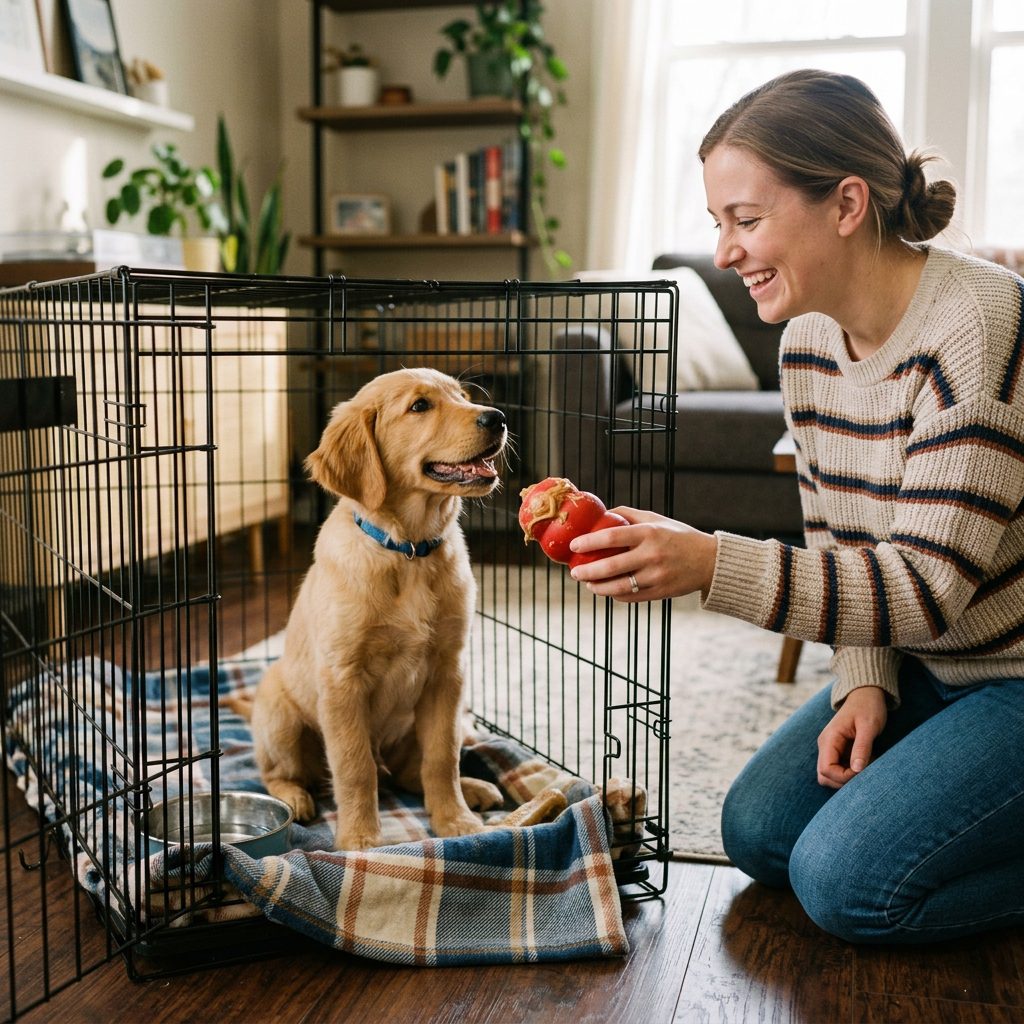
You have the knowledge, and you have the tools. Now it is time to execute the plan. Stopping a puppy from chewing metal crate bars requires a holistic approach that starts long before bedtime. Follow this comprehensive, step-by-step protocol to safely extinguish this dangerous habit.
Step 1: The Pre-Bedtime Burn
A tired dog is a well-behaved dog. Approximately one to two hours before bedtime, engage your puppy in focused physical and mental exercise. Do not just let them run wildly in the yard; go for a structured ‘sniffari’ walk where they are allowed to smell everything, practice some basic obedience training (sit, stay, down), or feed them their dinner out of a puzzle toy. Mental fatigue is often more exhausting for a puppy than physical running. By the time bedtime rolls around, your puppy should be naturally seeking out a place to sleep.
Step 2: Craft the Ultimate Zen Den
Make the crate the best place on earth. Ensure the crate is the correct size—your puppy should only have enough room to stand up, turn around, and lie down comfortably. If the crate is too large, they might pace and build up anxiety. Add a comfortable, chew-resistant bed. Apply your bitter apple spray to the inside of the metal bars, focusing on the door and the corners where they usually chew. Let the spray dry. Turn on your white noise machine and dim the lights in the room to signal that the day is officially over.
Step 3: Introduce the High-Value Safe Chew
Right as you are guiding your puppy into the crate, hand them their frozen, stuffed chew toy. This is crucial: they only get this specific, incredibly delicious toy when they are in the crate at night. This builds a powerful positive association. Instead of thinking, ‘Oh no, I am locked in,’ your puppy will think, ‘Yes! It is peanut butter time!’ The act of working on the frozen toy will soothe their gums, tire out their jaw, and put them to sleep.
Step 4: Implement the Cover and Ignore Protocol
Once the puppy is settled with their chew toy, lower the breathable crate cover to block out visual distractions. Now comes the hardest part for many dog owners: you must ignore the noise. If your puppy finishes their toy and attempts to test the bars, the bitter spray will deter them. If they whine or paw at the crate, do not speak to them, do not make eye contact, and do not let them out (unless you suspect they genuinely need a potty break). Reacting to their tantrums, even to scold them, teaches them that making noise gets your attention. Silence and consistency are your best weapons.
| Time | Activity | Purpose |
|---|---|---|
| 8:00 PM | Training Session & Puzzle Feeder | Mental stimulation and dinner time. |
| 8:30 PM | Evening Walk (Sniffari) | Physical exercise and sensory enrichment. |
| 9:30 PM | Final Potty Break & Wind Down | Empty bladder and lower arousal levels. |
| 10:00 PM | Crate Time with Frozen Chew & Cover | Soothe gums, block visuals, initiate sleep. |
Troubleshooting: What to Do When the Chewing Just Won’t Stop

Dog training is rarely a perfectly linear journey. Sometimes, despite your absolute best efforts, the puppy continues to aggressively chew the metal bars. If you have consistently applied the steps above for a week and are still dealing with a heavy chewer, it is time to troubleshoot and pivot your strategy to ensure their safety.
Switching the Crate Type
If your puppy is obsessively fixated on the wire bars, the safest and most immediate solution is to remove the temptation entirely by switching to a different type of crate. Plastic airline-style travel crates are an excellent alternative. They have solid plastic walls with small ventilation slits and a metal grate only at the very front. This design naturally mimics a dark, enclosed den, drastically reducing barrier frustration and limiting access to chewable metal. For extreme chewers or escape artists, heavy-duty aluminum impact crates with small ventilation holes are virtually indestructible and completely eliminate the risk of tooth fracture from wire biting.
Addressing Severe Separation Anxiety
If your puppy’s chewing is accompanied by excessive drooling, panic-induced urination or defecation in the crate, frantic digging, or prolonged howling, you are likely dealing with clinical separation anxiety rather than standard puppy behavior. In this scenario, pushing through the crate training can actually traumatize the dog further. You need to take a step back. Move the crate directly next to your bed so the puppy can smell and hear you. Let them sleep with a piece of clothing that smells like you. If the panic persists, it is vital to consult a certified canine behaviorist or your veterinarian, who may recommend a specialized desensitization protocol or temporary anti-anxiety medication to help them cope.
Veterinary Dental Check
If your puppy suddenly starts chewing the crate bars out of nowhere, or if they are aggressively biting the metal even when they have a soft chew toy available, schedule a veterinary visit immediately. They may have a fractured baby tooth that is causing excruciating pain, a piece of wood stuck in the roof of their mouth, or a severe gum infection. Dogs are masters at hiding pain, and sudden destructive chewing is often a glaring red flag that something is medically wrong in their mouth.
Common Crate Training Mistakes to Avoid
As savvy dog owners, we always want to do what is best for our pups, but it is incredibly easy to accidentally reinforce the exact behaviors we are trying to stop. When dealing with a crate chewer, avoiding these common pitfalls is just as important as implementing the right solutions.
- Using the Crate as a Punishment: Never, ever use the crate as a ‘time-out’ zone when you are angry. If you yell at your puppy and shove them into the crate because they had an accident on the rug, they will associate the crate with your anger and their own fear. A fearful dog is a stressed dog, and a stressed dog will chew the bars to escape. The crate must remain a 100% positive, safe sanctuary at all times.
- Leaving Collars or Harnesses On: This is a massive safety hazard. Never leave a collar, harness, or tags on your puppy when they are locked in a wire crate. If your puppy is chewing or pawing at the bars, their collar or tags can easily become wedged between the metal wires. When the puppy panics and tries to pull away, they can strangle themselves. Always strip your puppy naked before crate time.
- Providing the Wrong Bedding: If your puppy is a known chewer, putting a plush, fluffy bed inside the crate is asking for trouble. Many puppies will shred plush beds out of boredom and ingest the stuffing, leading to deadly intestinal blockages. Until your puppy has outgrown the chewing phase, use an indestructible, chew-proof mat (like a Kuranda bed or a heavy-duty ballistic nylon mat), or simply use no bedding at all if your house is climate-controlled.
- Giving Up Too Soon: Behavior modification takes time. Your puppy’s brain is literally rewiring itself to learn a new routine. If you try the frozen KONG and the white noise machine for one night, and the puppy still whines for ten minutes, do not throw your hands up and say ‘it doesn’t work.’ Consistency is the secret ingredient to all dog training. Stick to the routine strictly for at least two weeks before deciding if you need to adjust your approach.
Conclusion
Dealing with a puppy that chews metal crate bars at night is undoubtedly stressful, but it is a hurdle that you and your furry best friend can absolutely overcome together. Remember, your puppy is not trying to be naughty; they are simply navigating the uncomfortable realities of teething, learning to self-soothe, and figuring out how to be independent in a new environment. By taking a proactive approach—understanding the root cause, utilizing safe chew toys, creating a relaxing den-like atmosphere, and maintaining a consistent evening routine—you can safely redirect this dangerous habit.
Stay patient, be consistent, and always prioritize your puppy’s physical safety and emotional well-being. If the wire crate continues to be a hazard despite your best training efforts, do not hesitate to pivot to a safer plastic or impact crate, and always consult your veterinarian if you suspect dental pain or severe anxiety. With time, love, and the right strategies, those sleepless nights of metal-clanking anxiety will soon be a distant memory, replaced by the peaceful sound of a happy, healthy puppy snoring softly in their sanctuary.