How I Built A Mobile Dog Bakery Cart For Under $100 (And Made $2k In One Weekend)
The $2,000 Weekend: How I Hacked the Pet Industry
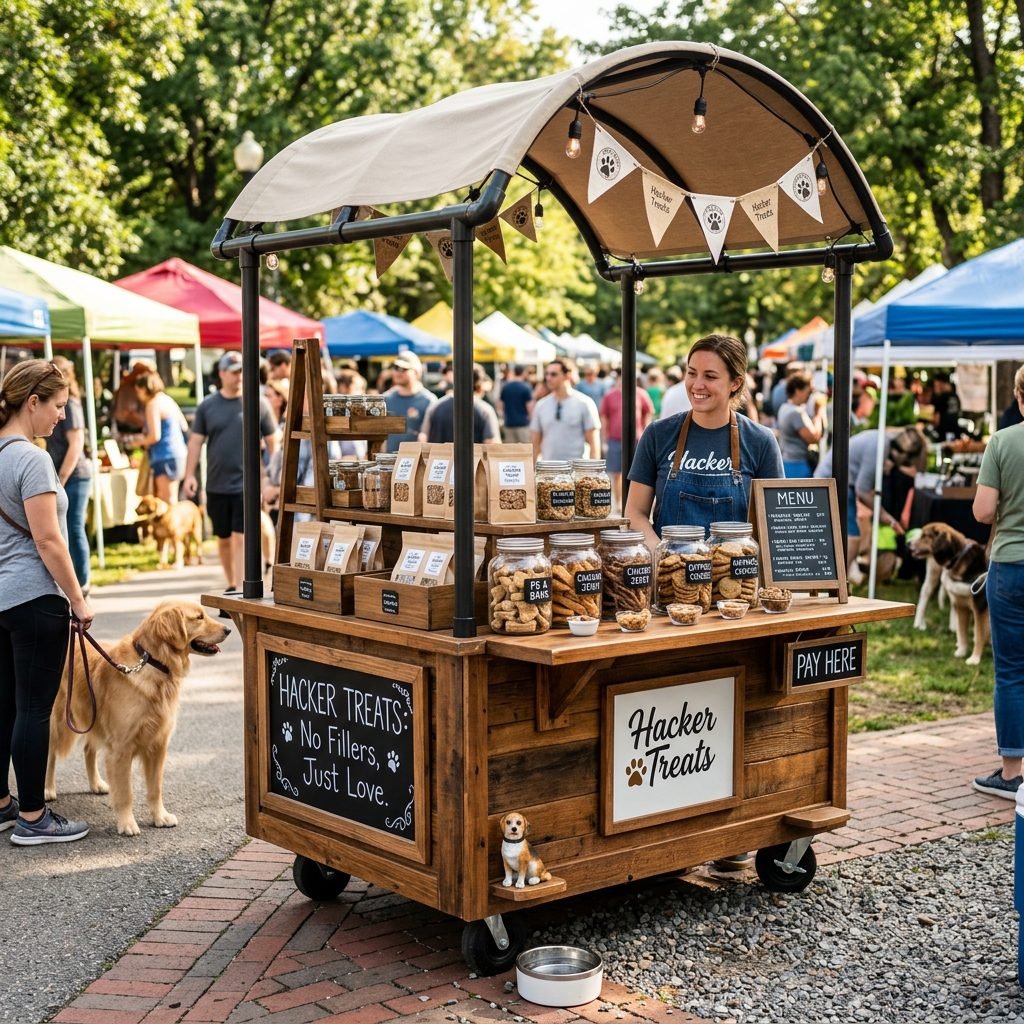
Let’s get one thing straight: the commercial dog treat industry is a racket. They take pennies’ worth of corn gluten meal and ‘animal by-products,’ press them into a bone shape, and charge you $15 a bag. As the Canine Nutrition Hacker, I couldn’t stand it anymore. I knew I could make a better product for a fraction of the cost, but I didn’t want to just feed my own pack—I wanted to show the world what real nutrition looks like while padding my wallet. Most people think you need a $50,000 food truck to start a mobile business. They’re wrong. I built a fully functional, eye-catching mobile dog bakery cart for exactly $87.42. That same cart helped me clear $2,140 in gross sales during a single local ‘Bark in the Park’ festival. This isn’t about luck; it’s about leveraging high-quality ingredients and a ‘scrappy’ build to create a premium brand on a budget. In this guide, I’m pulling back the curtain on how you can replicate this success, from the hardware store run to the secret ‘liver-dust’ recipe that makes dogs go wild.
Insider Secret: The big secret to a $2k weekend isn’t the cart—it’s the smell. I keep a small crockpot of warm beef broth and cinnamon hidden under the counter. It draws dogs (and their owners) from three aisles away.
The $100 Blueprint: Scavenging and Assembling Your Money-Maker
The Foundation: Thinking Outside the Big Box Store
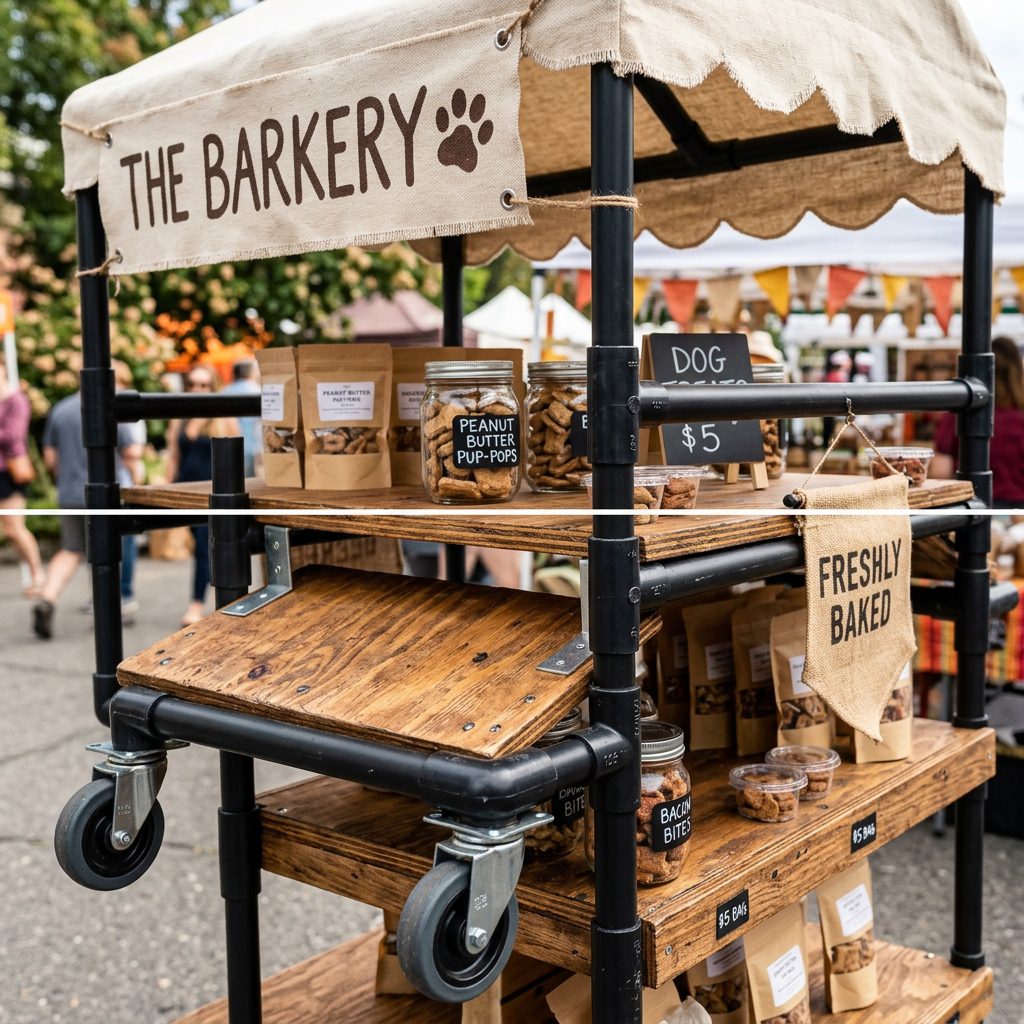
To keep the build under $100, you have to stop shopping at boutique furniture stores and start scavenging. My cart started as a used utility wagon I found on Facebook Marketplace for $20. It had a bit of rust, but the frame was solid. If you can’t find a wagon, a heavy-duty garden cart or even a repurposed double jogging stroller works beautifully. The key is mobility. You want to be able to navigate grass, gravel, and pavement without breaking a sweat.
The Build Breakdown
I used 1-inch PVC pipes to create a canopy frame. Why PVC? It’s lightweight, waterproof, and incredibly cheap. I spray-painted mine matte black to give it an ‘industrial’ look that hides the plastic texture. For the shelving, I hit up the ‘Oops’ bin at the local hardware store—this is where they sell slightly damaged plywood for 70% off. A little sanding and some food-safe wood stain, and those scraps looked like reclaimed oak.
| Item | Source | Cost |
|---|---|---|
| Used Utility Wagon | Marketplace | $20.00 |
| PVC Pipes & Connectors | Hardware Store | $18.50 |
| Plywood Scraps (Oops Bin) | Hardware Store | $7.00 |
| Matte Black Spray Paint | Hardware Store | $6.00 |
| Canvas Fabric (Canopy) | Thrift Store | $5.00 |
| Food-Safe Wood Stain | Hardware Store | $12.00 |
| Battery-Operated LED Lights | Discount Store | $10.00 |
| Total Build Cost | $78.50 |
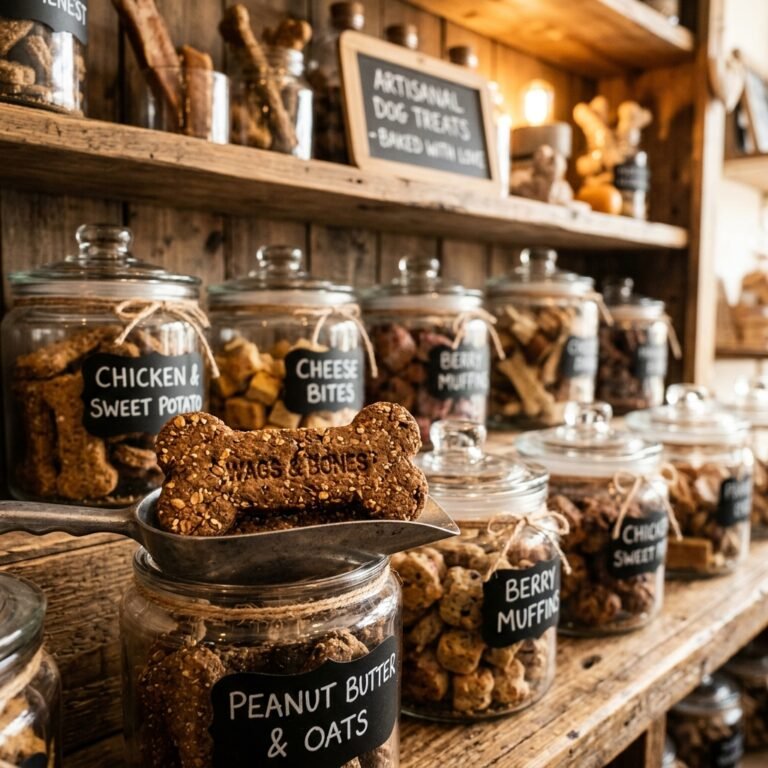
The remaining $20 of my budget went toward thrifted glass jars and a chalkboard sign. Remember, the ‘Savvy Dog Owner’ aesthetic is all about transparency. Seeing the treats in clear jars conveys freshness in a way that plastic bags never will.
The Hacker Menu: High-Margin, Low-Cost Nutrition
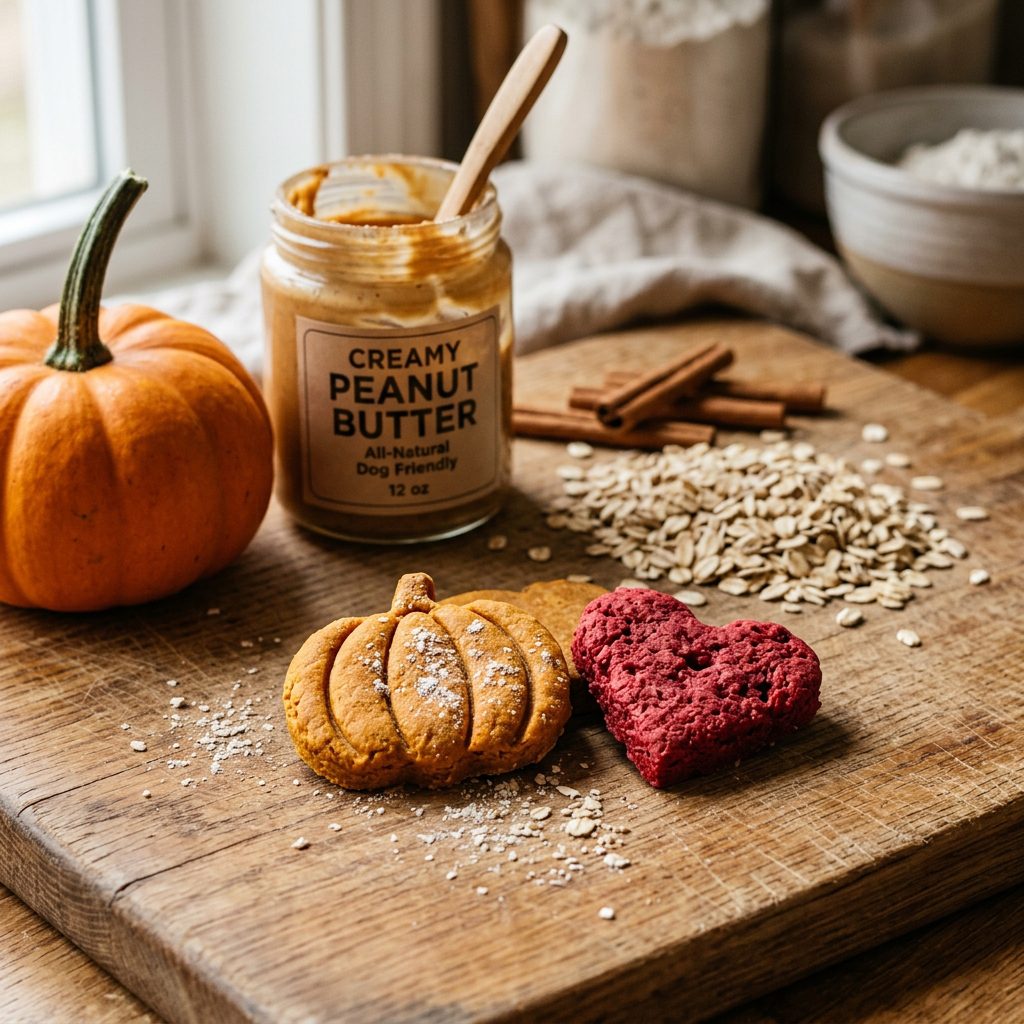
SAFETY DISCLAIMER: I am a canine nutrition enthusiast, not a veterinarian. While these recipes focus on whole-food ingredients, always advise customers to introduce new treats slowly and consult their vet for dogs with specific medical conditions. These treats are intended for supplemental feeding only.
Exposing the Filler Myth
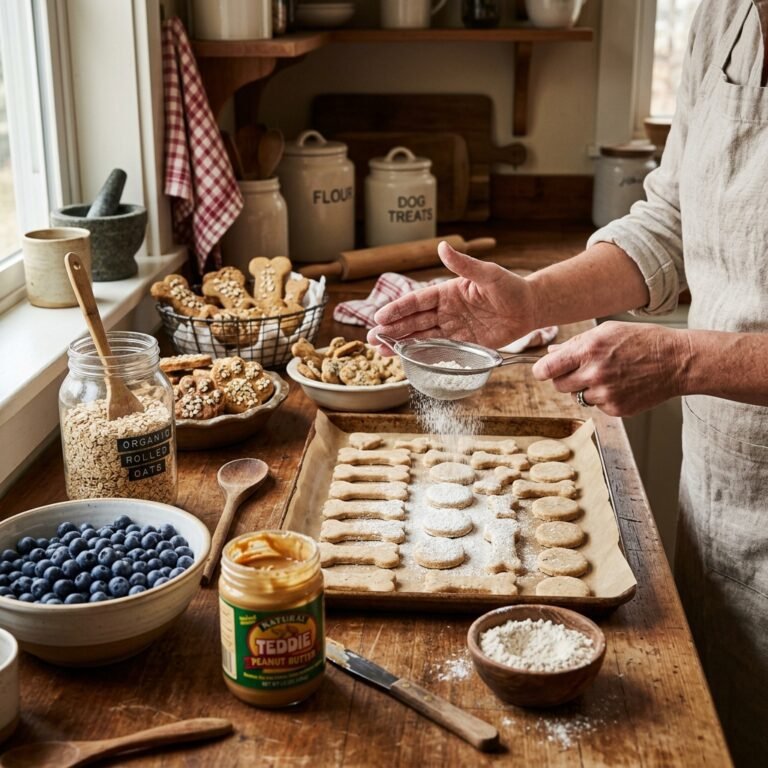
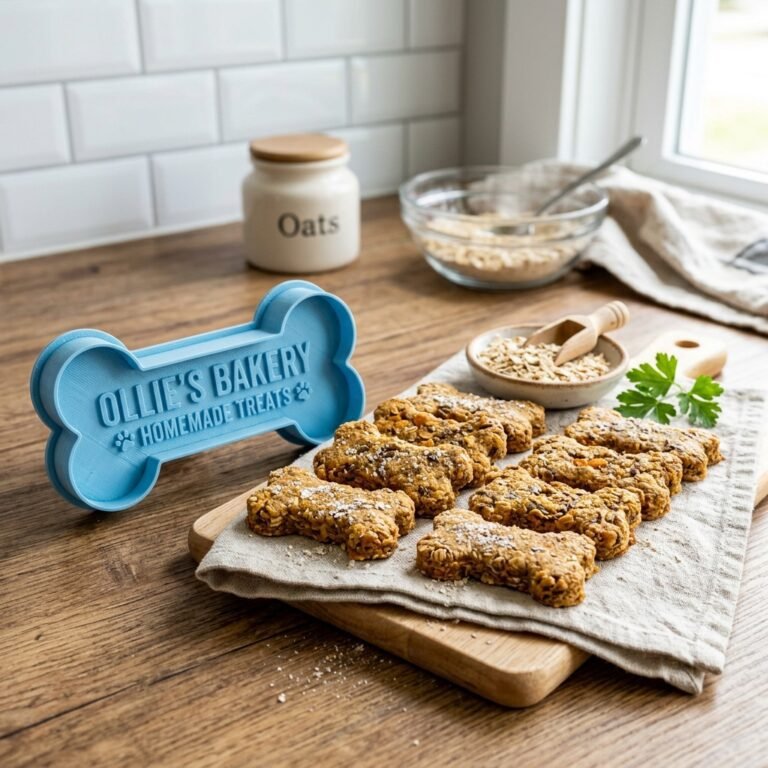
Most commercial treats use wheat flour, soy, and corn as binders because they are dirt cheap. But savvy owners know these are common allergens. My ‘Hacker’ strategy is to use oat flour. You can make it yourself by tossing old-fashioned oats into a blender. It’s gluten-free, fiber-rich, and costs pennies when bought in bulk. My profit margins on these treats are nearly 800%.
The ‘Golden Biscuit’ Recipe (Ratios)
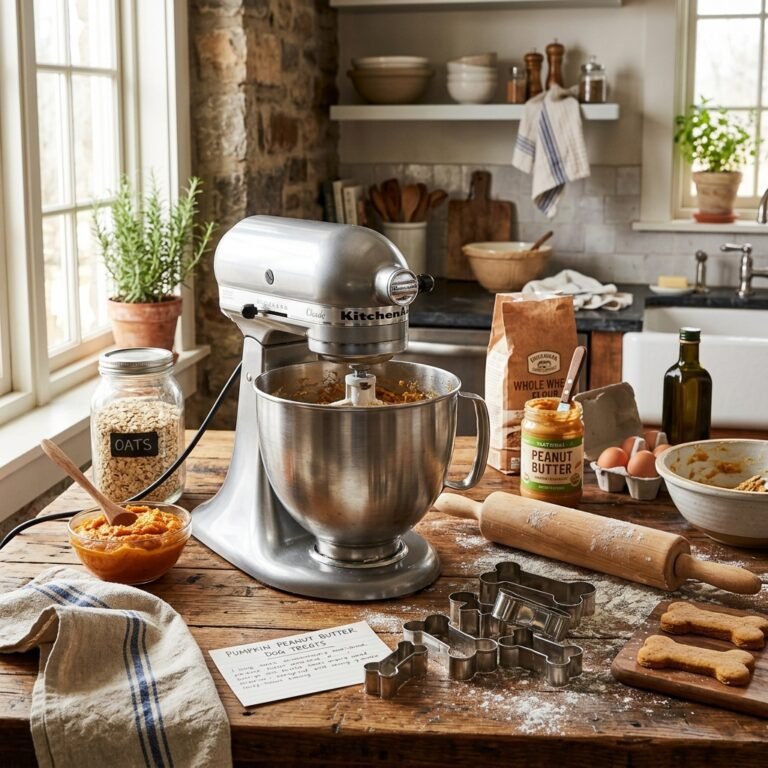
To keep your inventory manageable, focus on one base dough and three high-value ‘add-ins.’ My base ratio is 2 parts flour, 1 part liquid/binder, and 0.5 parts protein/flavor.
- Base: Oat Flour (The healthy carb)
- Binder: Pureed Pumpkin (Great for digestion) or Unsweetened Applesauce
- The Hacker Secret: Nutritional Yeast. It gives the treats a ‘cheesy’ flavor without the dairy issues many dogs face.
Cost Comparison: DIY vs. Premium Store-Bought
A 16oz bag of ‘organic’ treats at a pet boutique usually runs $18.00 to $22.00. My cost to produce that same 16oz of high-quality, oat-based treats is approximately $2.15. When you sell them at your cart for $15.00, you are offering a ‘deal’ to the customer while pocketing a massive profit. That is how you hit $2,000 in a weekend.
The Weekend Hustle: Where to Park and How to Sell
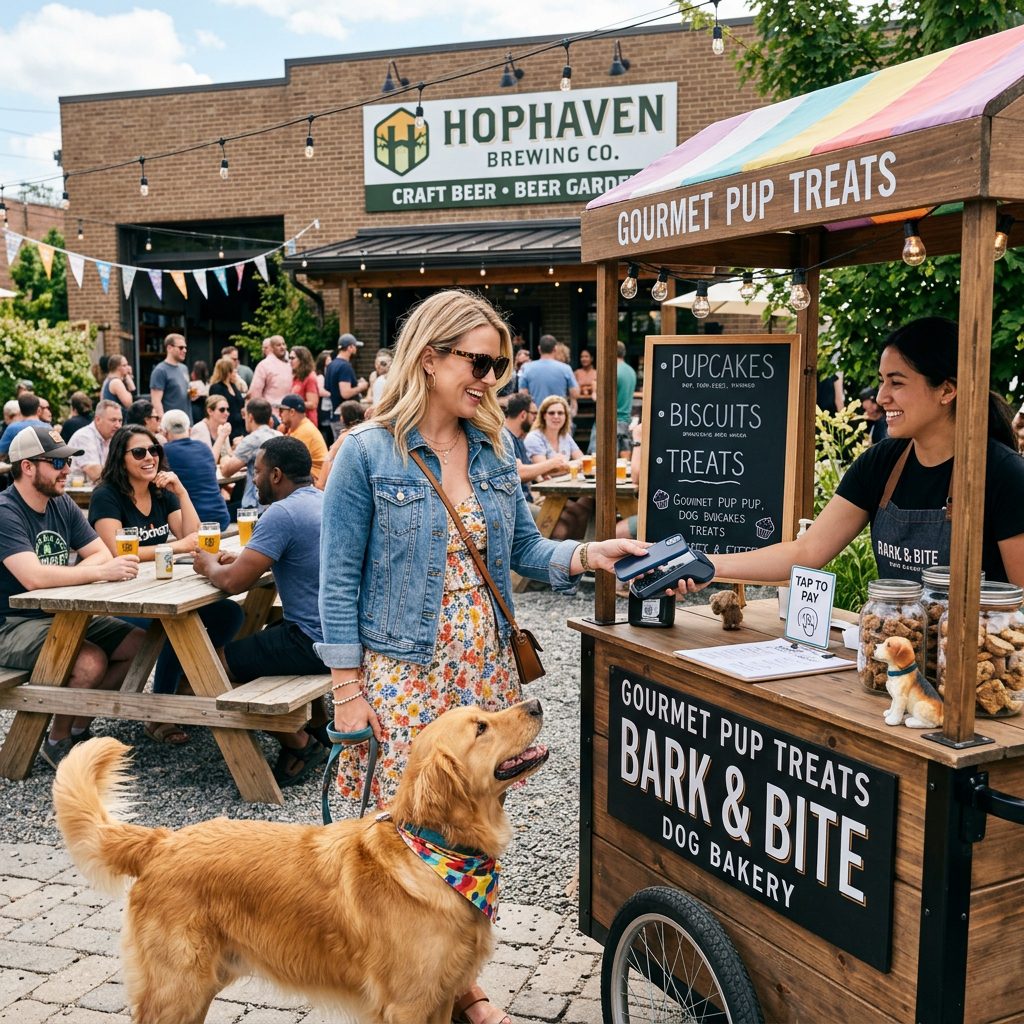
Location Scouting: Don’t Just Go to the Park
Most people think a dog park is the best spot. It’s actually one of the worst. Why? People at dog parks are there to exercise their dogs, not shop. They often don’t have wallets on them. Instead, I target Farmers Markets, Outdoor Coffee Shops, and ‘Yappy Hours’ at local breweries. These are places where people are already in a ‘spending’ mindset and have their dogs with them as accessories. They want to include their pup in the social experience.
The ‘Free Sample’ Trap
Don’t just give away samples; use them as a diagnostic tool. I keep a ‘Flavor Testing Station’ on the front of the cart. When a dog tries a sample and loves it, the owner feels an immediate emotional obligation to buy. I convert 90% of samplers into buyers.
Packaging for Profit
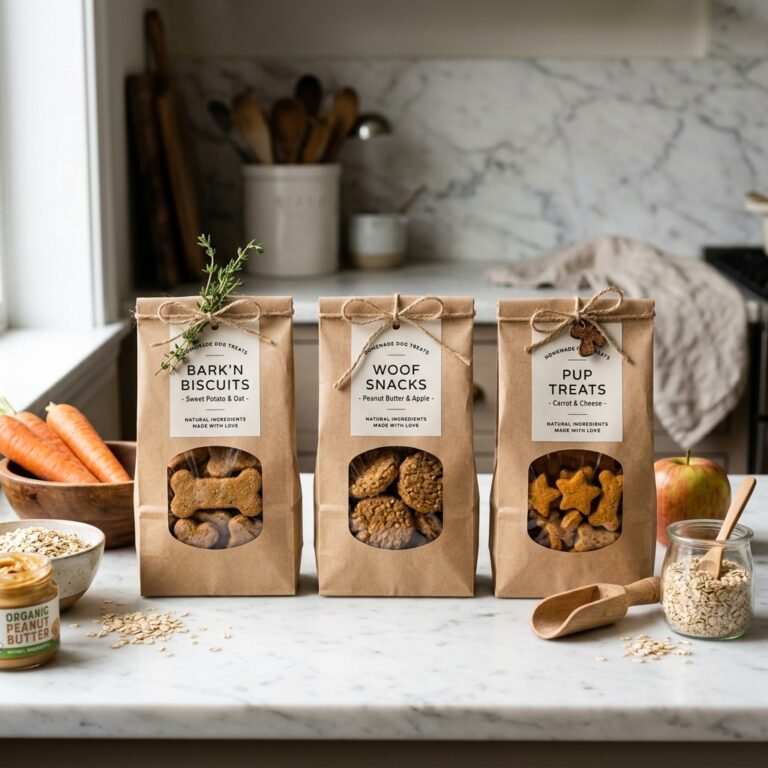
I don’t use expensive custom-printed bags. I use brown kraft paper bags and a $15 custom rubber stamp with my logo. It looks ‘artisanal’ and ‘small-batch,’ which allows you to charge a premium price. Owners love the ‘eco-friendly’ vibe, and it costs me less than $0.05 per bag.
Hacker Tip: Offer a ‘Refill Discount.’ If customers bring their glass jar back next weekend, give them $2 off. It guarantees repeat business and builds a community of regulars.
Navigating the Red Tape (Without Going Broke)
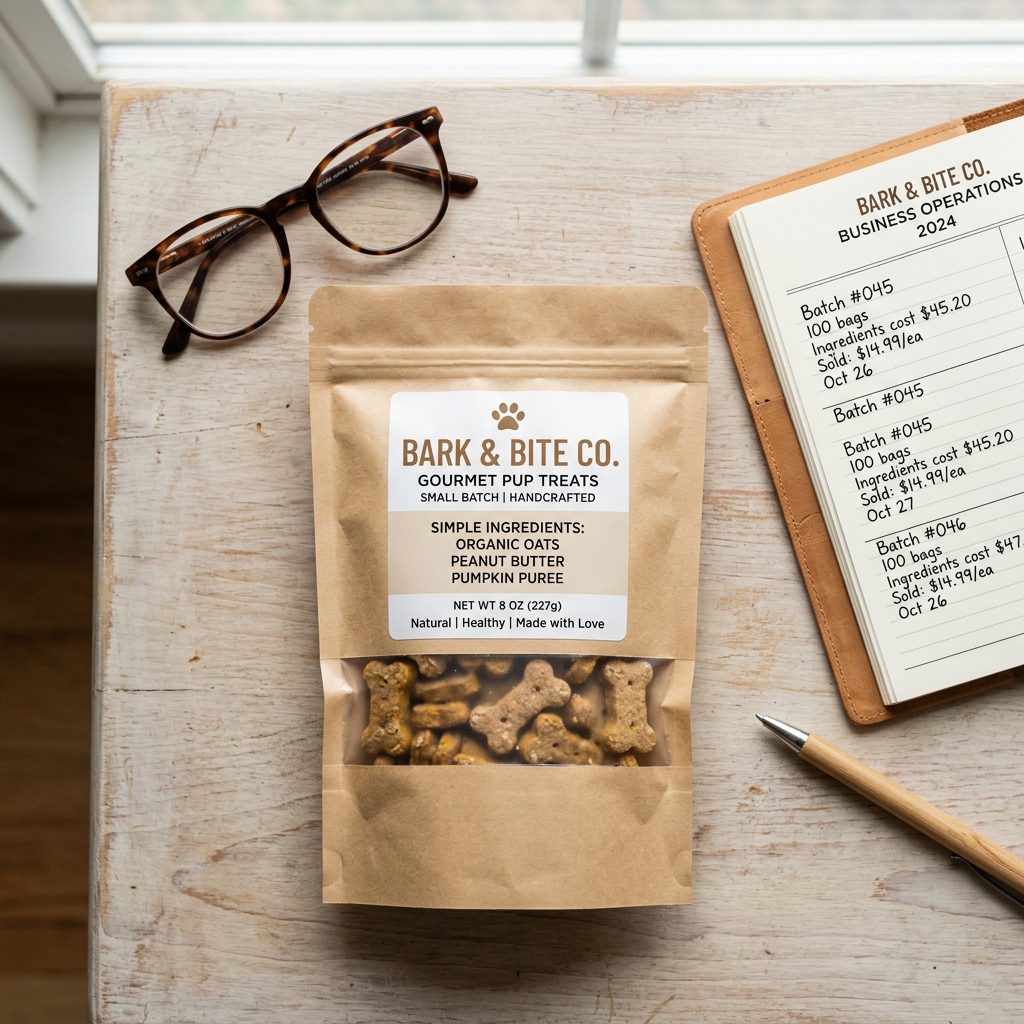
The Legal Reality Check
You can’t just start selling food without checking the boxes. However, you don’t need a $5,000 legal team either. Most states have ‘Cottage Food Laws’ or specific commercial feed licenses for pet treats. In my state, a ‘Feed License’ cost me $40 and required a simple label showing the ‘Guaranteed Analysis’ (Protein, Fat, Fiber, Moisture).
The Insurance Hack
Liability is real. What if a dog chokes or has an allergic reaction? Do not skip insurance. I use a short-term event insurance policy that covers me for specific weekends. It costs about $30 per event. It’s a small price to pay for the peace of mind that your personal assets are protected while you’re building your empire.
Labeling Like a Pro
To appeal to the savvy owner, your labels must be ‘clean.’ Avoid chemical names. Use terms like ‘Human-Grade Ingredients’ and ‘No Artificial Preservatives.’ This transparency is your biggest competitive advantage over the multi-billion dollar conglomerates. I use a simple thermal label printer (the kind used for shipping) to print my ingredient lists. It’s fast, requires no ink, and looks professional.
Conclusion
Your Turn to Hack the System
Building a mobile dog bakery cart isn’t just about making money; it’s about taking control of what our dogs eat and proving that high-quality nutrition doesn’t have to be a luxury. I started with a $20 wagon and a bag of oats, and I turned it into a $2,000 weekend powerhouse. You don’t need a fancy degree or a massive bank account. You need a little bit of hustle, a lot of heart, and the willingness to look at a ‘discarded’ utility cart and see a business. The pet industry is waiting for someone like you to disrupt it. So, grab your PVC pipes, fire up the oven, and let’s get baking. Your pack—and your bank account—will thank you. Stay savvy, and keep hacking!