The Weird Fermented Ingredient That Cured My Dog’s Bloat (No Pills Required!)
The Night the Panic Set In
I remember it like it was yesterday. My dog, Gus, was pacing the living room, his stomach looking like he’d swallowed a basketball. He was panting, restless, and trying—unsuccessfully—to burp. As a self-proclaimed Canine Nutrition Hacker, I knew the signs. This wasn’t just ‘gas’; it was the early stages of bloat, the silent killer that keeps every large-dog owner up at night. I had two choices: rush to the emergency vet for a multi-thousand-dollar surgery or lean into the forensic research I’d been doing on gut biomes. I chose the latter, and what I discovered changed my approach to dog food forever. Disclaimer: I am not a veterinarian. Bloat (GDV) is a life-threatening emergency. If your dog’s stomach is hard, twisted, or they are non-productively vomiting, stop reading and go to the ER now. But if you are dealing with chronic gassiness, ‘cow-patty’ stools, and a dog who constantly looks uncomfortable after eating, you are in the right place. We aren’t going to talk about expensive pills or ‘prescription’ kibble that’s mostly corn. We’re talking about the one ‘weird’ fermented ingredient that costs pennies and actually works: Raw Fermented Goat Milk Kefir.
The Enemy Ingredients: Why Your Dog is a Gas Factory
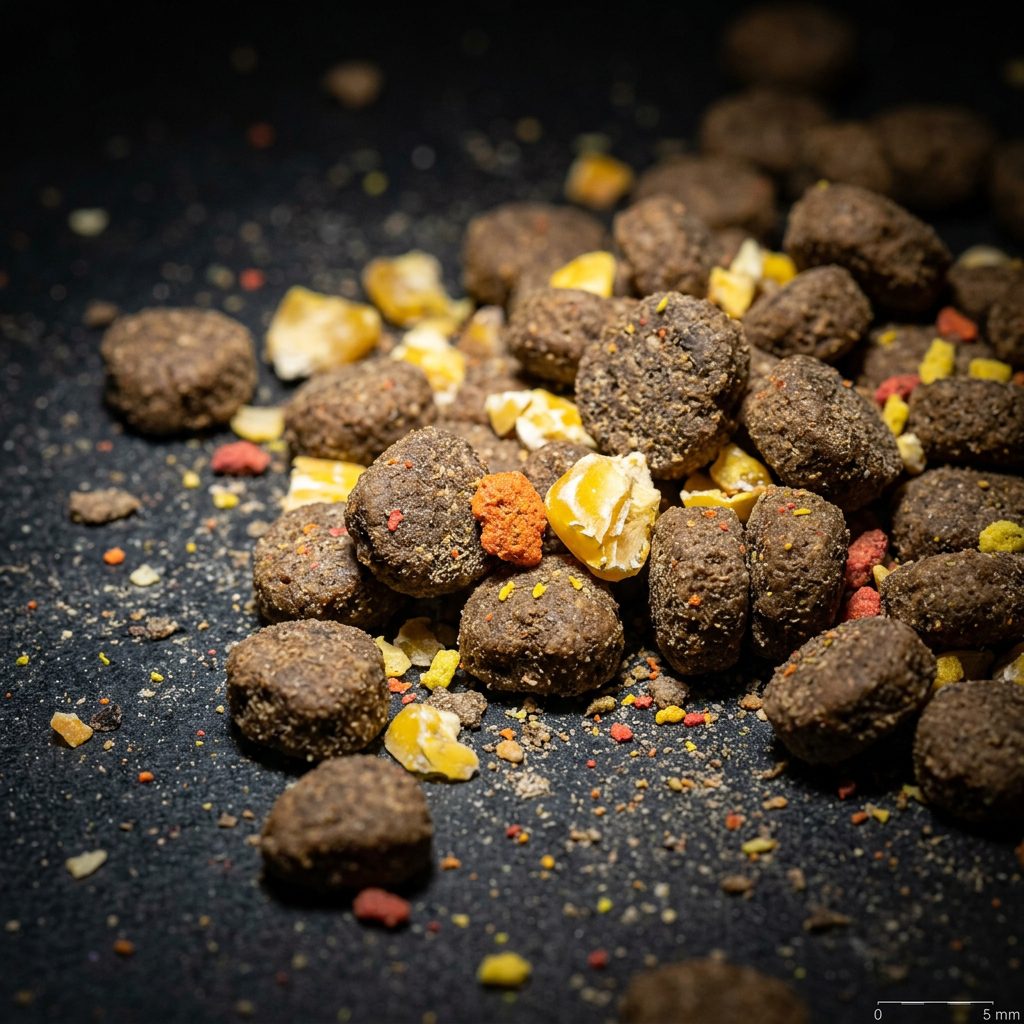
Before we fix the gut, we have to stop the fire. Most commercial dog foods are designed for shelf-life, not life-span. To keep those bags sitting in warehouses for 18 months, manufacturers load them with starches and fillers that act as high-octane fuel for the wrong kind of bacteria.
The Forensic Breakdown of ‘Anti-Gas’ Kibbles
When you look at the ‘First 5 Ingredients’ of many big-brand ‘Sensitive Stomach’ formulas, you’ll often find these culprits:
- Corn Gluten Meal: A protein byproduct that is notoriously difficult for dogs to break down, leading to fermentation in the small intestine.
- Brewers Rice: Essentially a waste product from the beer industry that spikes blood sugar and feeds yeast.
- Soybean Meal: High in phytoestrogens and a major cause of gas in deep-chested breeds.
- Beet Pulp: While a fiber source, in high amounts, it can slow down gastric emptying, keeping food in the stomach longer where it can ferment and expand.
Hacker Secret: If the first five ingredients are mostly grains or legumes, your dog isn’t eating a meal; they’re eating a science experiment that produces methane as a byproduct.
The Hero Ingredient: Why Fermentation is the Ultimate Bio-Hack
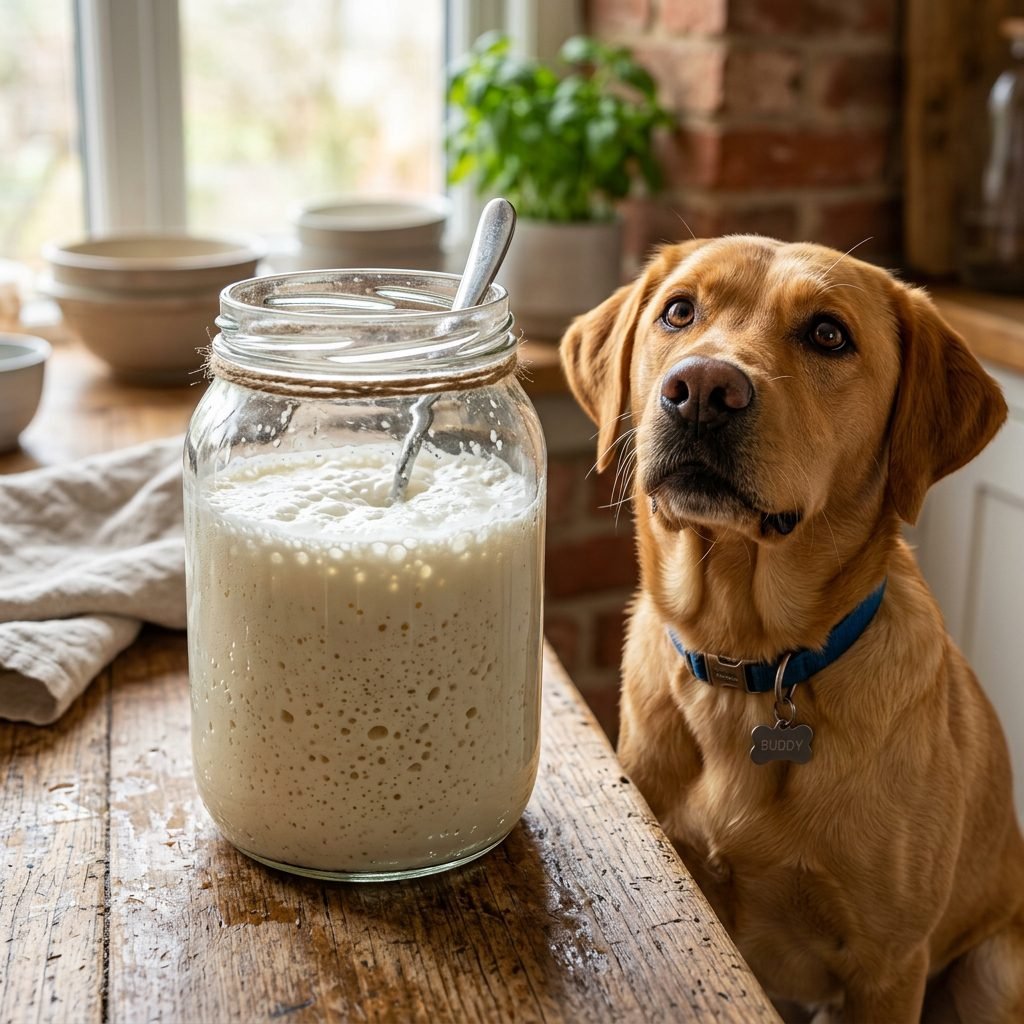
So, what is this ‘weird’ ingredient? It’s Raw Fermented Goat Milk Kefir. Now, don’t confuse this with the sugary, fruit-filled stuff you find in the dairy aisle for humans. We are looking for the raw, unpasteurized version. Why goat milk? Because goat milk molecules are smaller and easier for the canine digestive tract to absorb than cow’s milk. But the real magic is the fermentation.
Fermentation creates a living army of Lactobacillus, Bifidobacterium, and Saccharomyces. Unlike ‘probiotic’ powders that often die in the stomach’s acid before they reach the gut, the probiotics in kefir are protected by the milk’s fat and protein. They arrive alive and ready to work. They crowd out the gas-producing bacteria, break down those stubborn starches I mentioned earlier, and strengthen the stomach lining.
Why it works for bloat: Bloat is often caused by a lack of motility and an overgrowth of gas-producing microbes. Kefir acts as a natural prokinetic, helping the stomach empty faster and keeping the ‘gas-makers’ in check.
The Cost Breakdown: Big Pharma vs. The Kitchen Counter
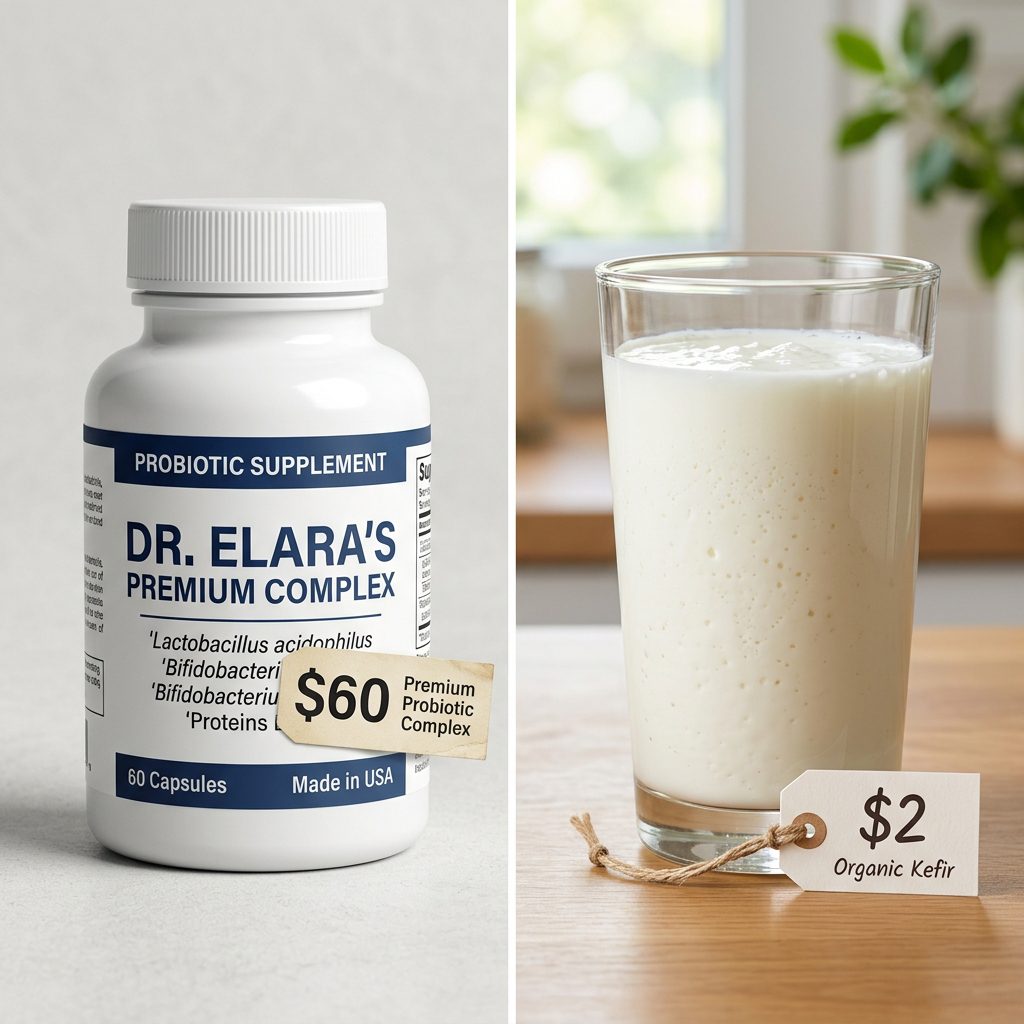
The pet industry wants you to believe that gut health comes in a $60 bottle of 30 capsules. Let’s do the math like a true hacker. A high-end probiotic supplement might give you 5 billion CFUs (Colony Forming Units) per serving. A single tablespoon of raw fermented kefir can contain up to 50 billion CFUs and 30+ different strains of beneficial yeast and bacteria.
| Feature | Prescription Probiotic Pills | Raw Fermented Goat Kefir |
|---|---|---|
| Cost Per Month | $45.00 – $75.00 | $8.00 – $12.00 |
| Strain Diversity | 1-5 Strains | 30+ Strains |
| Bioavailability | Low (Dried/Processed) | High (Living/Liquid) |
| Filler Ingredients | Microcrystalline Cellulose, Magnesium Stearate | None (Just Milk & Cultures) |
| Verdict | Overpriced Convenience | The Hacker’s Choice |
As you can see, you are paying for the plastic bottle and the marketing, not the actual health benefits. By switching to a fermented whole food, you’re saving approximately $500 per year while giving your dog a superior product.
The ‘No-Pill’ Protocol: How to Introduce Kefir Safely
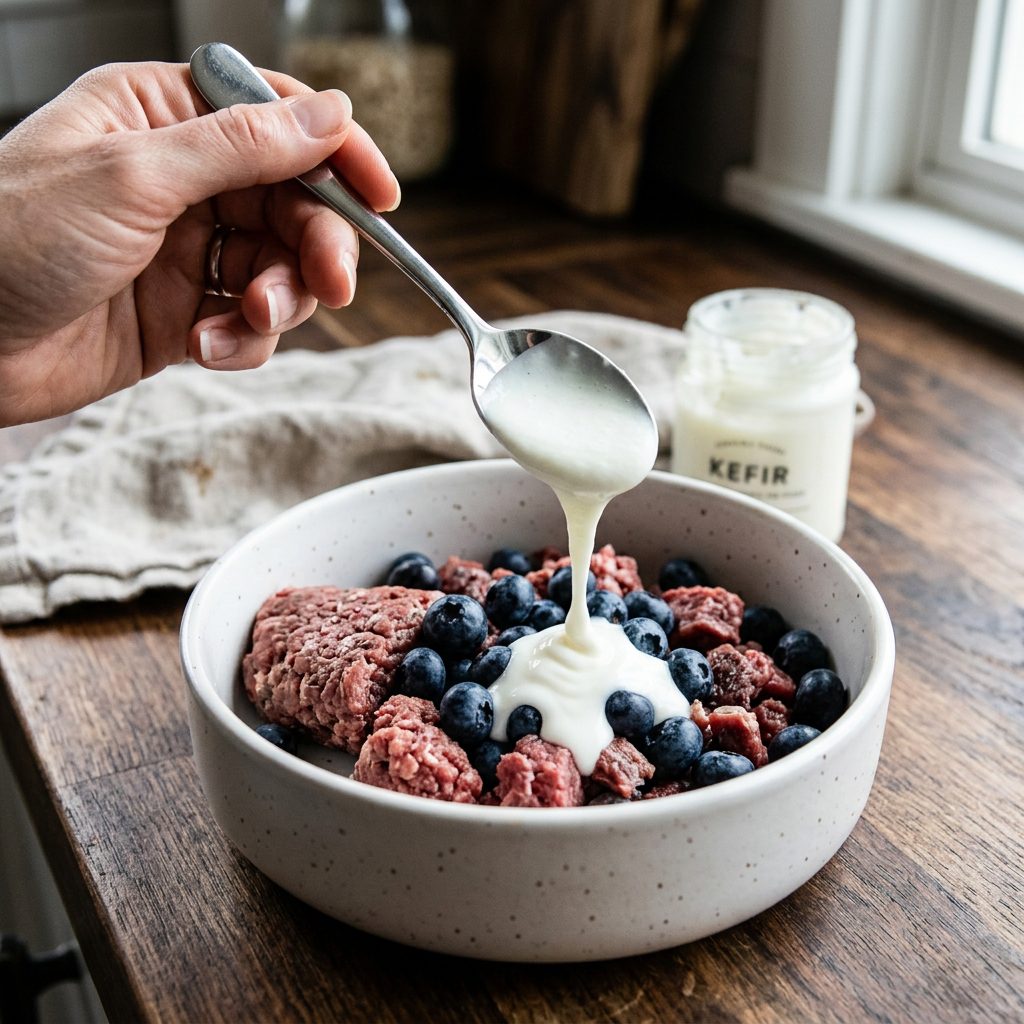
You can’t just dump a bowl of kefir in front of a dog with a sensitive stomach and expect miracles. You have to be tactical. If you go too fast, you’ll cause a ‘die-off’ reaction (the Herxheimer Reaction), which can actually cause temporary diarrhea as the bad bacteria die off.
The 3-Step Integration Plan
- The Micro-Dose (Days 1-3): Start with just one teaspoon per 20lbs of body weight, mixed into their evening meal. Watch for any signs of loose stool.
- The Loading Phase (Days 4-10): Increase to one tablespoon per 20lbs. This is where the magic happens. You’ll notice their breath starts to smell better and the ‘rumbling’ in their stomach subsides.
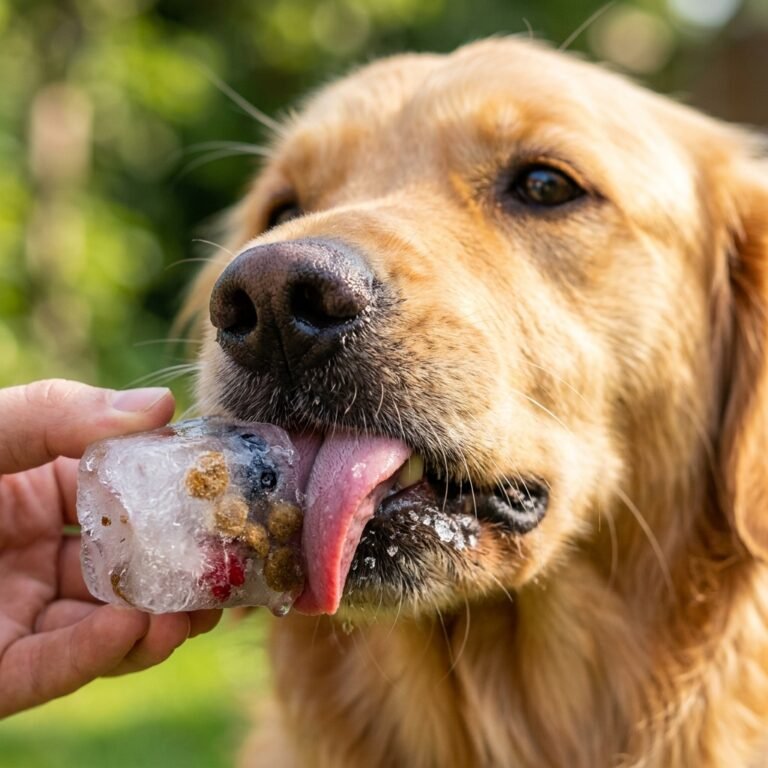
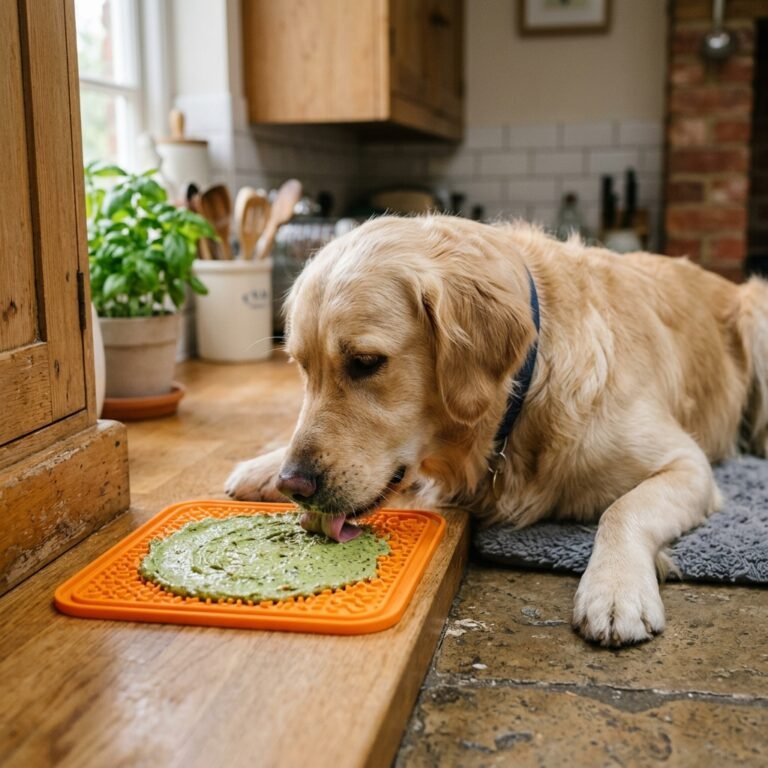
- The Maintenance Hack: Once your dog is stable, you can freeze the kefir into silicone molds (ice cube trays). Giving them a ‘Kefir-pop’ after a walk is a great way to cool them down and keep the gut flora balanced.
Hacker Tip: Always look for ‘Raw’ and ‘Unsweetened.’ If it has ‘Xylitol’ (a common human sweetener), it is LETHAL to dogs. Read your labels like a hawk!
Sourcing the ‘Good Stuff’ (Without Getting Scammed)
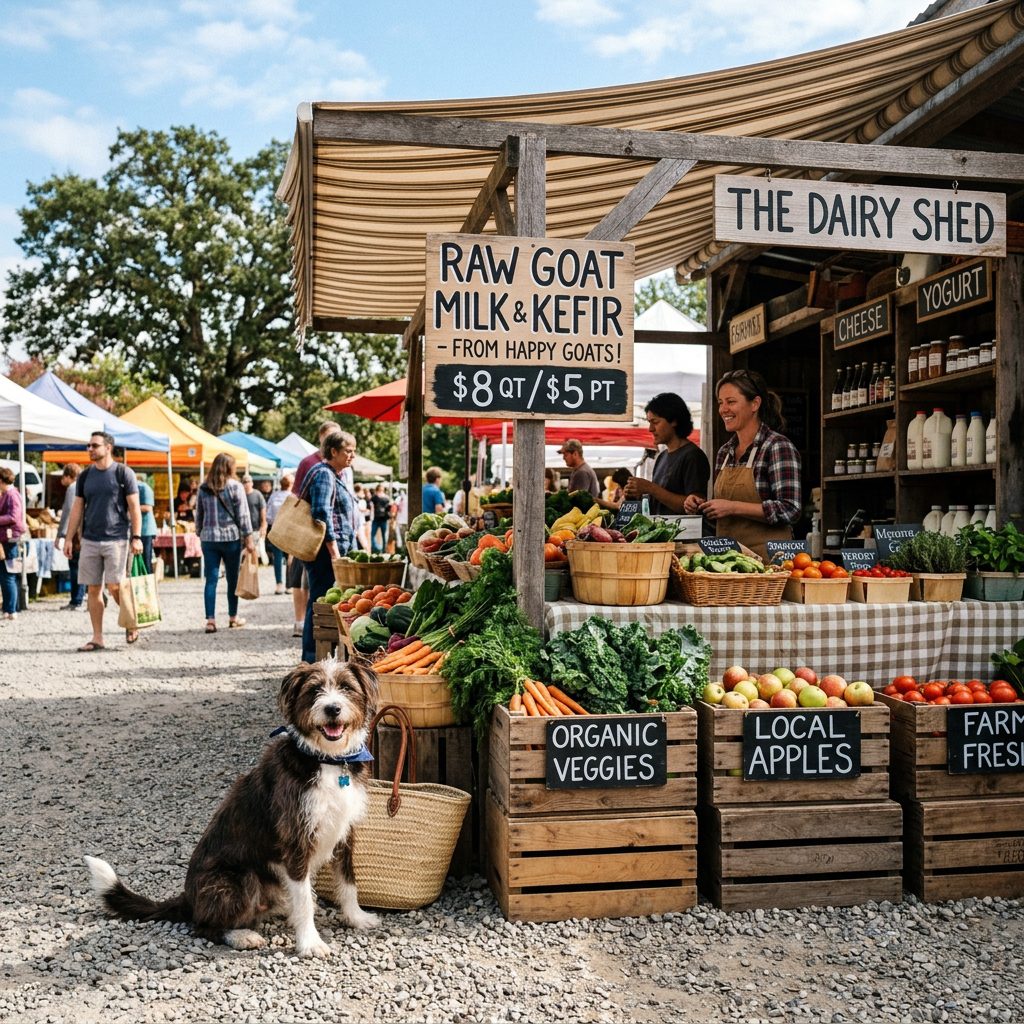
Since we are looking for Raw fermented goat milk, you won’t find the best stuff at the local big-box grocery store. Here is where the ‘insider secrets’ come in.
- Check Local Farmers Markets: Often, goat farmers sell ‘pet milk’ (labeled this way for legal reasons in some states) that is perfectly fermented and raw.
- The ‘Pet Boutique’ Secret: High-end independent pet stores often have a small freezer section. Look for brands like Answers Pet Food or Primal. These are the gold standard for fermented goat milk.
- The DIY Route: You can buy ‘Kefir Grains’ online for $15 and ferment your own goat milk at home. It takes 24 hours on your counter and costs almost nothing once you have the grains.
Avoid any product that says ‘Pasteurized’ after the fermentation process. Pasteurization kills the very bacteria we are trying to invite to the party.
Conclusion
Final Thoughts from the Hacker’s Desk
Bloat is a terrifying prospect, but it doesn’t have to be an inevitability. By moving away from processed ‘filler’ foods and embracing the power of fermentation, you are giving your dog a biological advantage. Gus hasn’t had a ‘gas episode’ in three years, and his coat is shinier than it was when he was a puppy. Stop buying into the pharmaceutical hype and start looking at the ancient power of fermented foods. Your dog’s gut—and your wallet—will thank you. Remember: Analyze the label, question the marketing, and feed the dog in front of you, not the dog on the commercial. Stay savvy!