High-Value Training Gold! The Step-by-Step Guide to Making Crispy Dehydrated Lamb Lung Chews
The Training Secret the Big Brands Don’t Want You to Know
Let’s talk straight: if you’ve ever stepped foot into a boutique pet store, you’ve probably seen those tiny, 2-ounce bags of ‘Air-Dried Lamb Lung’ sitting on the shelf for fifteen dollars. It’s a joke. As the Canine Nutrition Hacker, I hate seeing savvy dog owners get fleeced for treats that literally grow on trees—or, well, inside sheep. Lamb lung is what we call ‘Training Gold.’ It is light, airy, incredibly stinky (in the way dogs love), and low in fat, making it the ultimate high-value reward for everything from potty training to advanced agility. But the markup on these treats is astronomical. Today, I’m pulling back the curtain and showing you exactly how to source, prep, and dehydrate your own lamb lung chews at home. We are talking about 100% pure protein, zero fillers, and a cost-per-pound that will make your wallet sing. If you want your dog to focus on you like you’re the only person in the universe, this is the treat that gets you there. Let’s dive into the forensic breakdown of why this organ meat is a powerhouse and how you can master the ‘Safe Chef’ method to create shelf-stable, crispy perfection.
The Safety Briefing: The Nutrition Hacker’s Disclaimer
Safety First, Gains Second
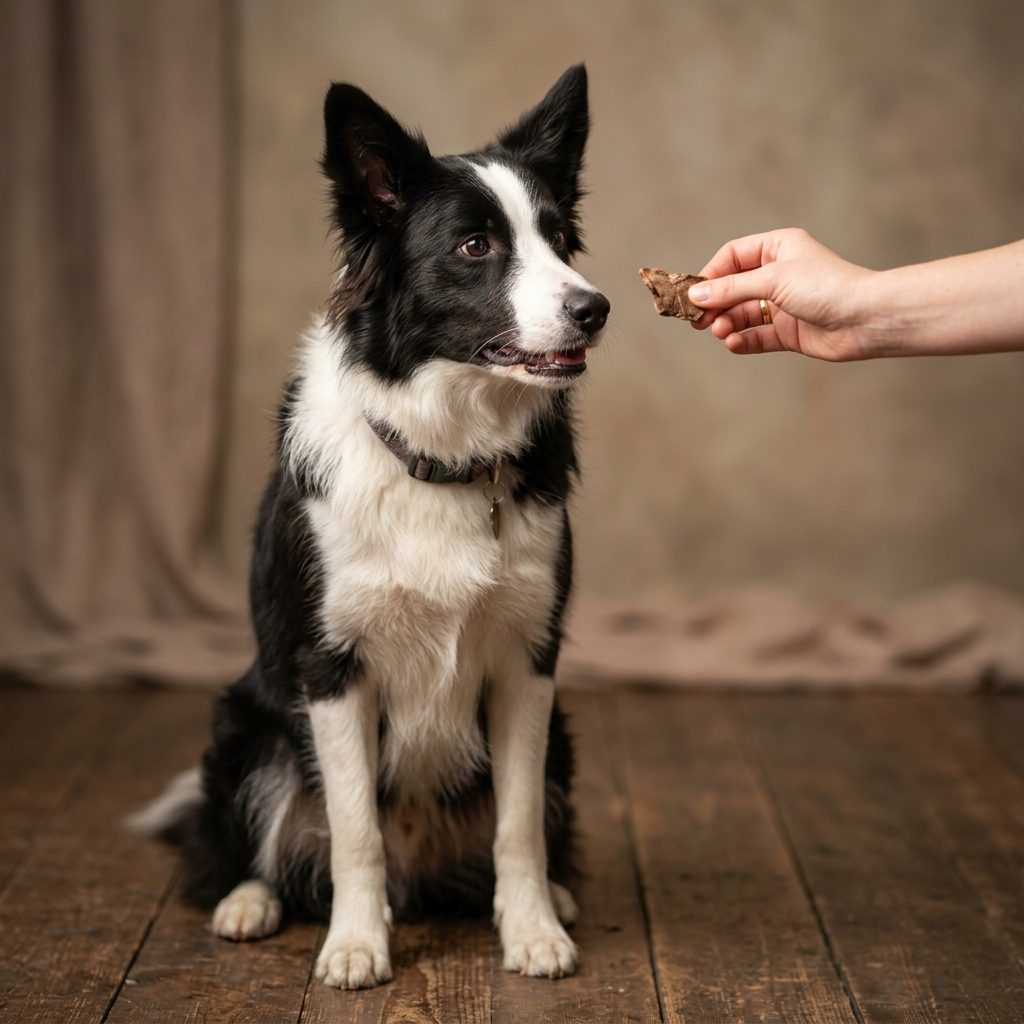
Before we fire up the dehydrator, we need to set the ground rules. I am a savvy researcher and a dedicated dog advocate, but I am not your veterinarian. This guide is for educational purposes and is designed for healthy dogs without specific organ-meat restrictions. Lamb lung is a rich organ meat, and while it is leaner than liver, it should still be introduced slowly to avoid ‘rich food’ digestive upset.
Hacker Tip: Always consult with your vet before introducing new proteins, especially if your dog has a history of pancreatitis or kidney issues.
The Supplement Gap
While these treats are nutritionally superior to any corn-filled biscuit, they are treats, not a complete and balanced meal. They lack the calcium and specific vitamins found in a formulated diet. Use them for training, but don’t let them exceed 10% of your dog’s daily caloric intake. We’re hacking the treat game, not the entire nutritional foundation of your pet’s life.
The Economics of the Lung: DIY vs. Store-Bought
Exposing the Markup
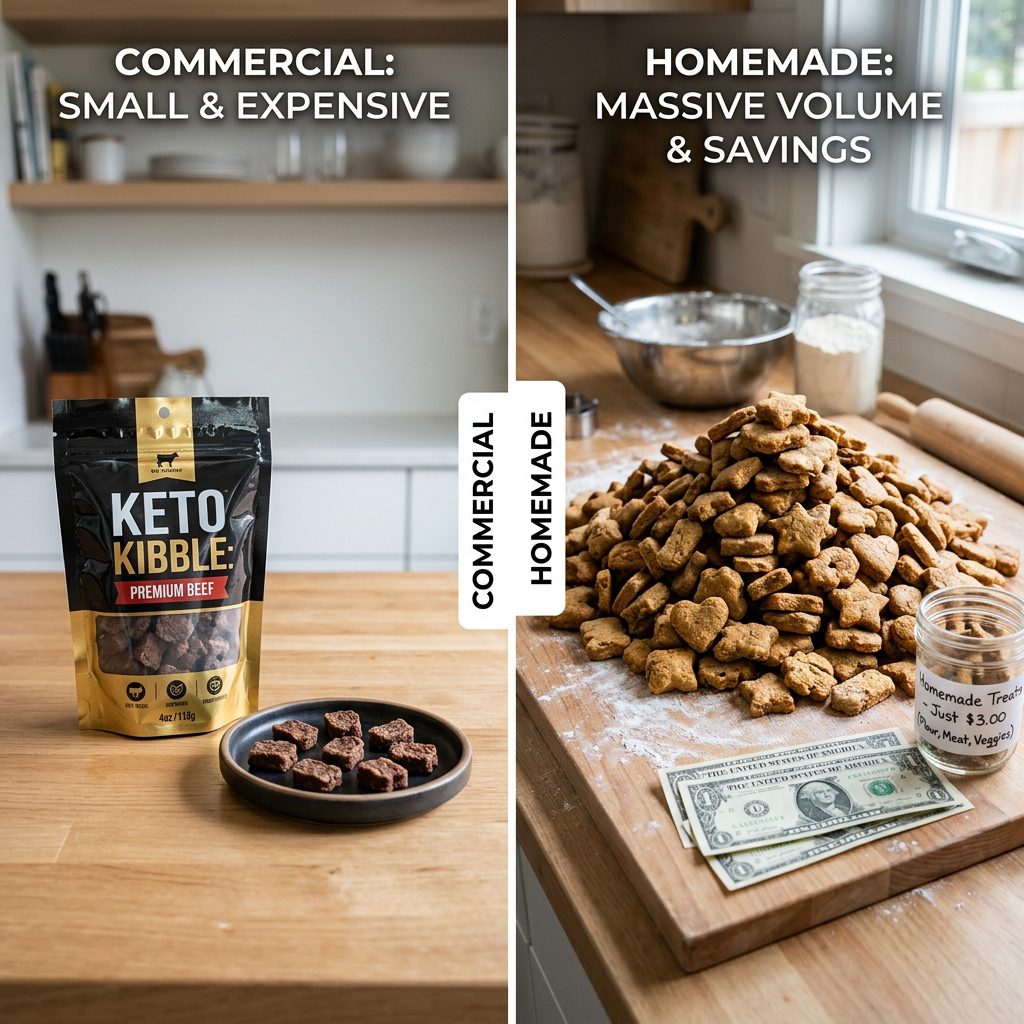
Why am I so obsessed with DIY lamb lung? Because the math doesn’t lie. When you buy a bag of ‘Premium Lamb Puffs’ at the store, you aren’t just paying for the meat; you’re paying for the branding, the plastic packaging, the shipping, and the retail shelf space. Let’s look at the forensic cost breakdown. A typical 4oz bag of lamb lung retails for about $14.00. That is a staggering $56.00 per pound! Meanwhile, I can source raw, grass-fed lamb lung from a local butcher or ethnic market for about $5.00 to $8.00 per pound. Even after the weight loss from dehydration (about 70%), the DIY cost is still less than half of the retail price.
| Feature | Premium Store Brand | Hacker’s DIY Method |
|---|---|---|
| Price Per Pound (Finished) | $50.00 – $70.00 | $18.00 – $22.00 |
| Ingredients | Lung, ‘Natural Flavors’, Citric Acid | 100% Pure Lamb Lung |
| Texture | Often crumbly or soft | Customizable (Crispy vs. Chewy) |
| Sourcing Transparency | Vague ‘Global Ingredients’ | Your Local Trusted Butcher |
By doing this yourself, you aren’t just saving money; you are ensuring your dog isn’t consuming ‘natural flavors’ or synthetic preservatives used to extend shelf life on a warm store shelf.
The Forensic Ingredient Analysis: Why Lamb Lung?
The ‘High-Value’ Science
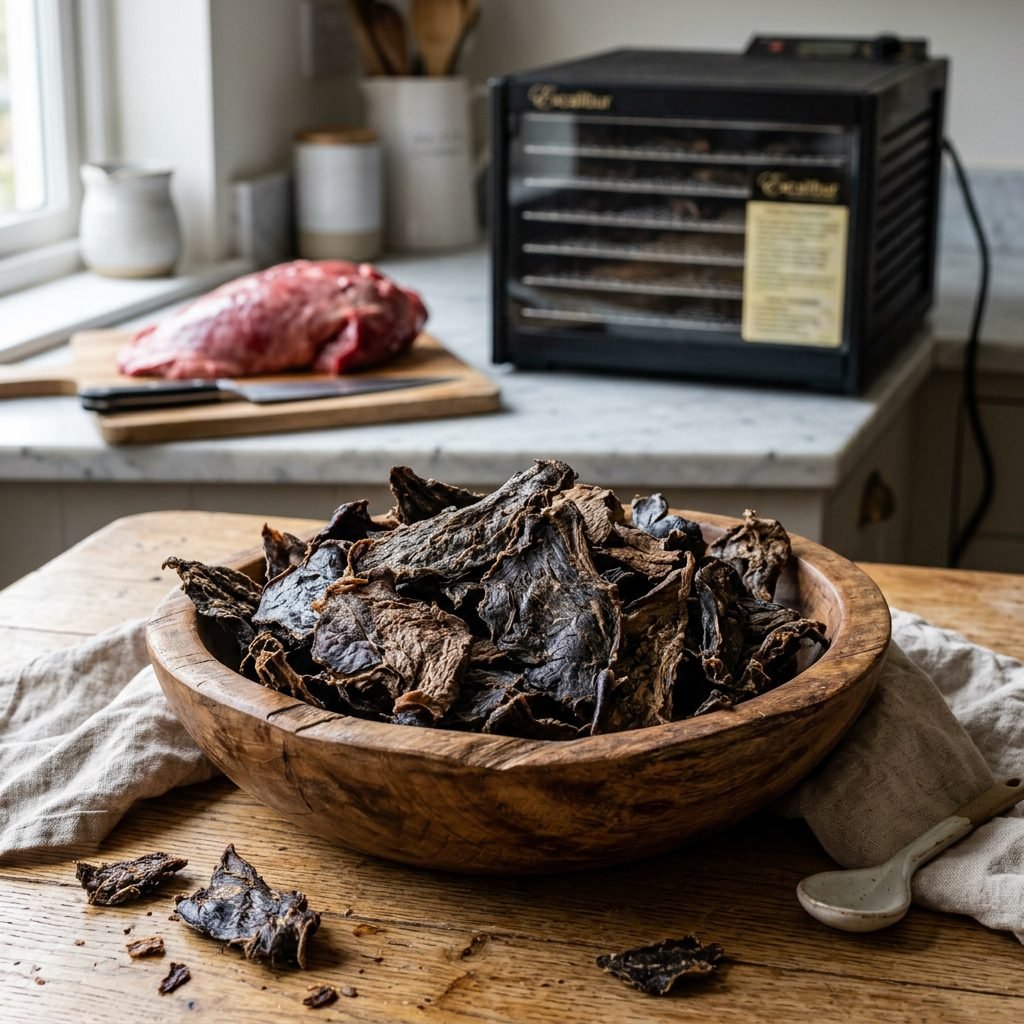
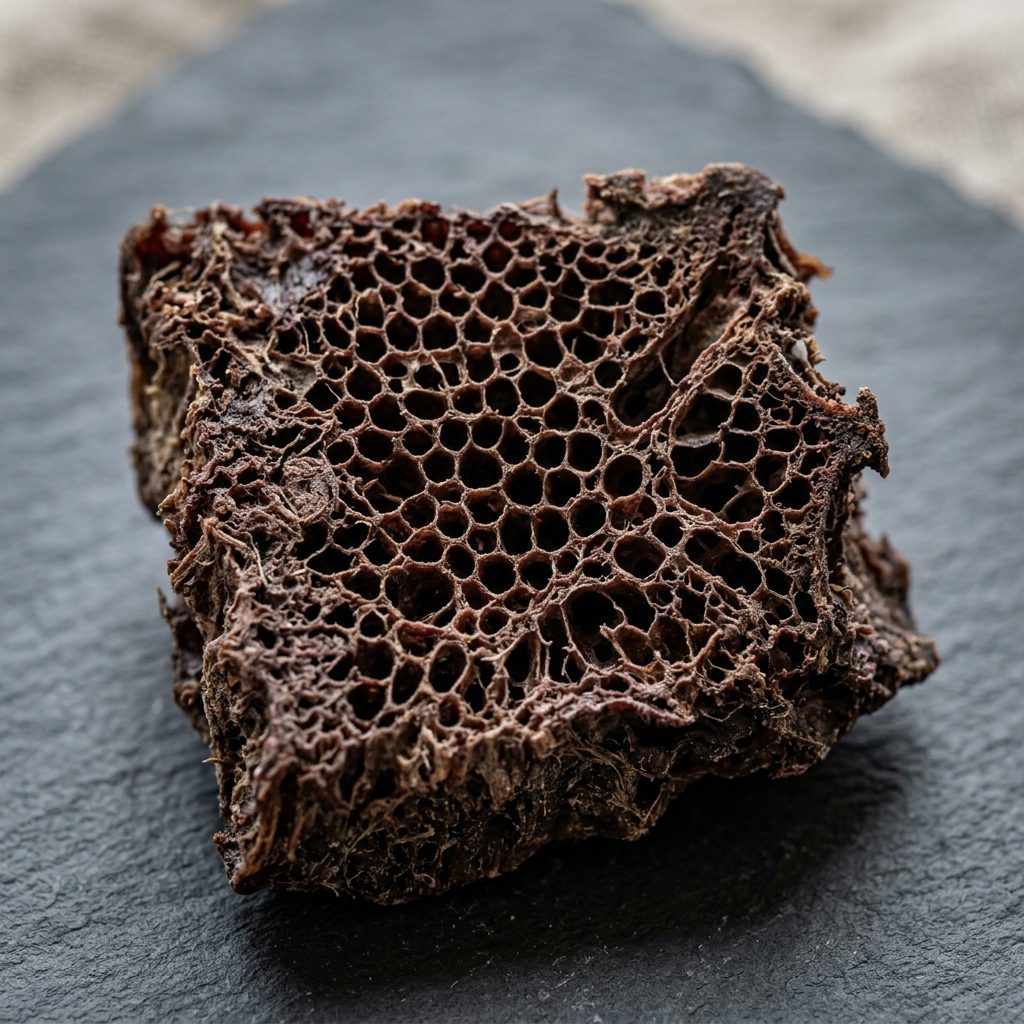
What makes lamb lung the ‘Gold’ of training? It’s all about the texture and the scent profile. Unlike muscle meat (like chicken breast), lung is highly vascular and filled with air pockets. When dehydrated, it takes on a ‘Styrofoam’ or honeycomb texture that is incredibly satisfying for dogs to crunch.
The Nutrient Profile
- Vitamin B12: Essential for nervous system function and energy metabolism.
- Iron: Critical for oxygen transport in the blood—perfect for active, working dogs.
- Selenium: A powerful antioxidant that supports immune health.
- Low Fat: Unlike marrow bones or pig ears, lamb lung is remarkably low in fat, making it ‘waistline friendly’ for long training sessions.
Because it is an organ meat, it has a concentrated ‘wild’ scent. To a dog, this smells like a five-star steakhouse. To you, it might smell a bit funky, but that’s the price of high-level focus during a walk in a busy park.
The Master Recipe: From Raw Organ to Crispy Gold
Step-by-Step Execution
Ready to become the Safe Chef? Follow these steps exactly to ensure a safe, crispy result. This process takes time, but the effort is minimal.
Step 1: The Slicing Secret
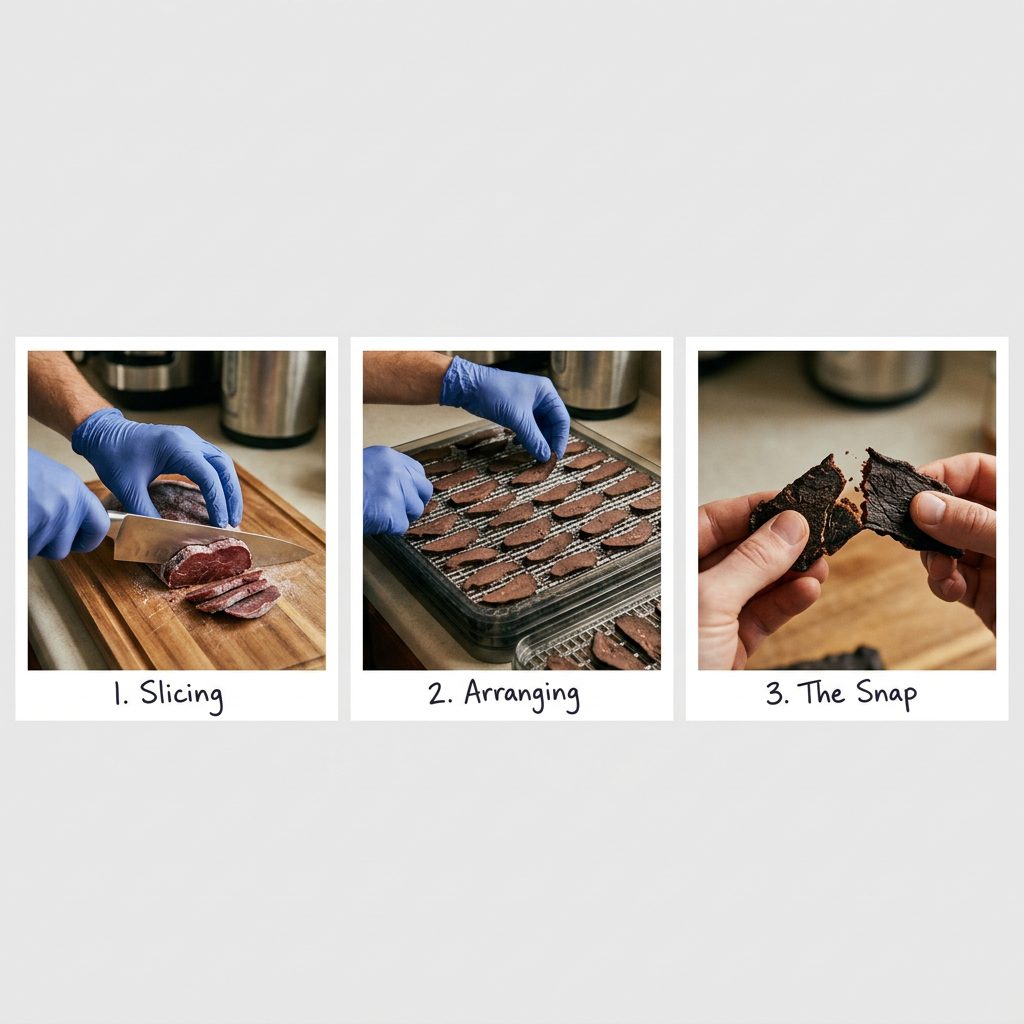
Raw lung is slippery and ‘spongy.’ If you try to slice it at room temperature, you’ll end up frustrated. Hacker Tip: Freeze the raw lung for 1-2 hours until it is firm but not rock-hard. Use a very sharp chef’s knife to slice it into 1/4 inch thick strips. Remember, they will shrink by about 50-60% during the process.
Step 2: The Dehydration Phase
- Arrange the slices on your dehydrator trays. Do not let them overlap; airflow is your best friend here.
- Set your dehydrator to 160°F (71°C). This temperature is high enough to kill potential pathogens while slowly removing moisture.
- Dehydrate for 8 to 12 hours. The time depends on the humidity in your house and how thick you cut the pieces.
Step 3: The ‘Snap’ Test
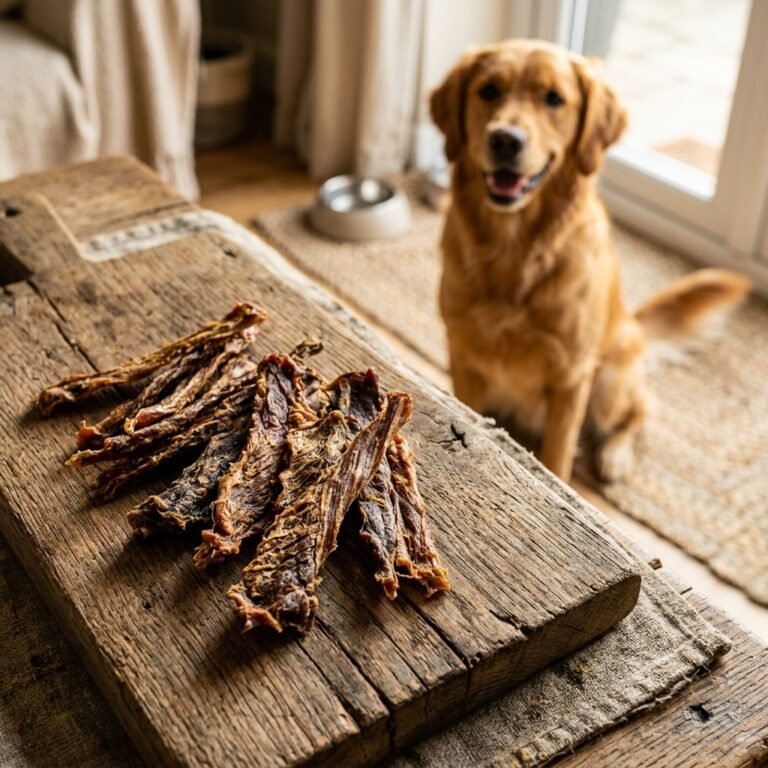
You’ll know they are done when you can take a piece, let it cool for a minute, and snap it in half. It should break cleanly with a distinct ‘crunch’ sound. If it bends or feels rubbery, it needs more time. Moisture is the enemy of shelf life!
Storage and Shelf Life Secrets
Keeping the Gold Fresh
Since we aren’t using chemical preservatives like potassium sorbate, we have to be smart about storage. Bacteria love moisture. If your treats aren’t 100% dry, they will mold within days.
The Hacker’s Storage Protocol
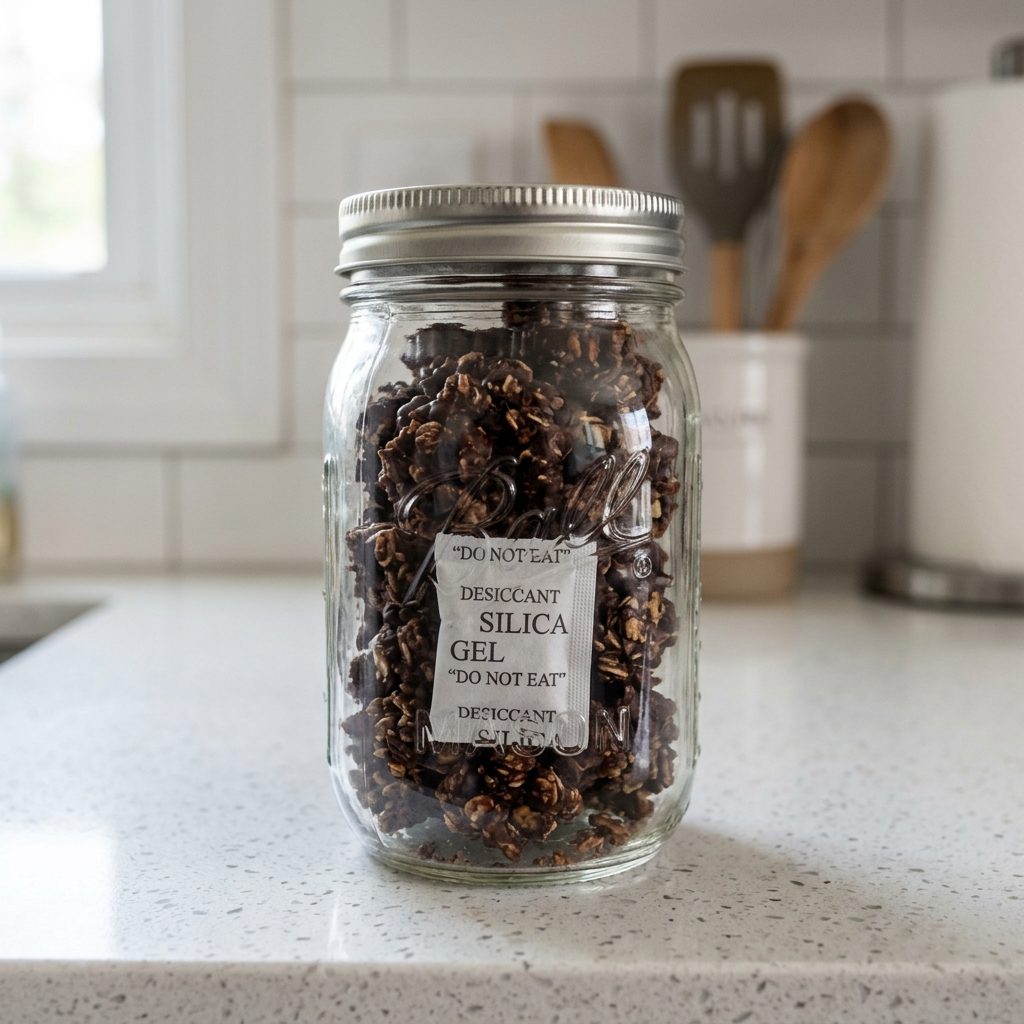
- Short Term (1-2 weeks): Store in an airtight glass jar in a cool, dark pantry.
- Long Term (1-3 months): Store in the refrigerator. The cold environment prevents any residual oils from going rancid.
- The ‘Prepper’ Method: Use a vacuum sealer and store the bags in the freezer for up to a year. Thaw only what you need for the week.
Insider Secret: Toss a food-grade silica gel packet (desiccant) into your storage jar. It will suck up any stray moisture and keep those treats ‘chip-level’ crispy for much longer.
Advanced Hacks: Infusions and Training Tips
Level Up Your Training Game
Once you’ve mastered the basic recipe, you can start hacking the flavor profile. Want to make these even more irresistible? Before dehydrating, lightly dust the raw slices with a tiny bit of turmeric (for inflammation) or unsalted beef broth powder.
Using Lung for High-Distraction Environments
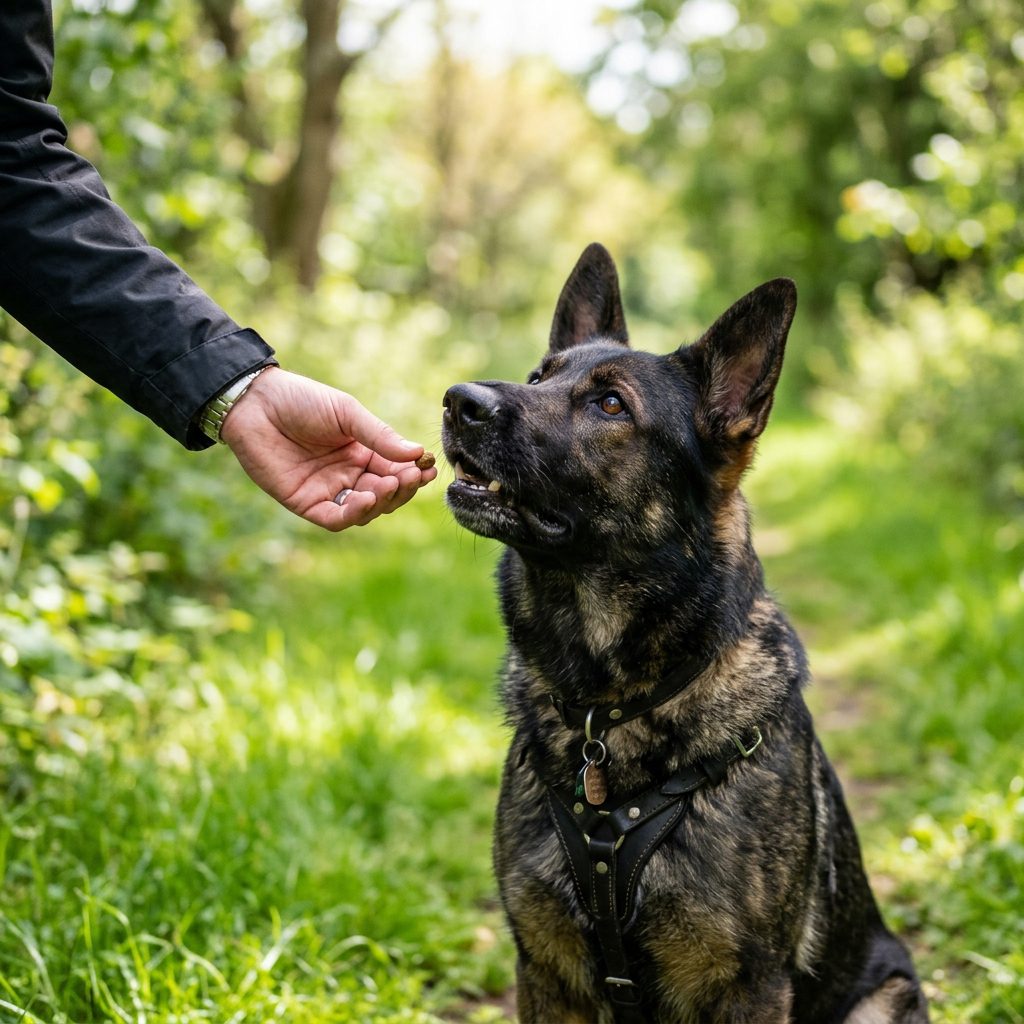
Because these treats are ‘crunchy,’ they provide sensory feedback to the dog. Use them when you are working on ‘Leave It’ or ‘Heel’ around other dogs. The high-value nature of the lamb lung creates a stronger ‘reward history,’ making your dog more likely to choose you over the squirrel in the park. Pro Tip: Break the finished chews into tiny, pea-sized pieces. You want the dog to swallow quickly and get back to work, not spend five minutes chewing a large slab.
Conclusion
Join the Nutrition Revolution
Making your own dehydrated lamb lung treats isn’t just about saving a few bucks—though the $30+ savings per pound is a nice perk. It’s about taking control of what goes into your dog’s body. You are bypassing the industrial pet food complex and providing a single-ingredient, nutrient-dense reward that actually helps your dog learn. Stop buying the ‘junk food’ biscuits filled with wheat, soy, and sugar. Start sourcing real organs and using the power of dehydration to create ‘Training Gold.’ Your dog will taste the difference, and your training sessions will never be the same. Now, get to your local butcher, find some lung, and start hacking your way to a better-behaved, healthier dog!