Your Dog Will Do Anything for These Easy Baked Tuna and Oat Flour Training Treats!
If you have ever been in the middle of a training session only to have your dog’s attention wander toward a passing squirrel or a particularly interesting blade of grass, you know the struggle. Standard kibble often doesn’t cut it when the environment gets distracting. As a canine specialist, I am frequently asked: What is the secret to a focused dog? The answer is almost always high-value rewards. Enter the tuna and oat flour training treat. These aren’t just your run-of-the-mill snacks; they are the gold standard for canine motivation. Tuna provides a pungent, irresistible scent that cuts through environmental distractions, while oat flour offers a gluten-friendly, fiber-rich alternative to traditional wheat. In this comprehensive guide, we will explore why these treats are a game-changer for your training routine, the science behind the ingredients, and how to bake them to perfection in your own kitchen.
The Power of High-Value Rewards: Why Tuna Works
In the world of dog training, not all treats are created equal. We categorize rewards into low, medium, and high value. While a piece of plain kibble might work in your living room, it won’t hold up at the local park. Tuna is the ultimate high-value reward because of its intense aroma and high protein content. Dogs experience the world primarily through their noses, and the oily, fishy scent of tuna acts as a powerful olfactory magnet.
Why Scent Matters in Training
When a dog smells something as potent as tuna, it triggers the reward centers in their brain before they even taste the treat. This makes tuna-based snacks particularly effective for counter-conditioning and desensitization, where you need the dog to form a positive association with a stressful stimulus. Furthermore, tuna is packed with Omega-3 fatty acids, which support cognitive function—essentially making your dog a better learner.
| Nutrient | Benefit for Training |
|---|---|
| Omega-3 Fatty Acids | Supports brain health and focus |
| High-Quality Protein | Provides sustained energy for long sessions |
| Vitamin D | Supports bone health and immune function |
| Selenium | Acts as an antioxidant to reduce inflammation |
Expert Tip: Use tuna treats for the most difficult commands, like a ‘recall’ away from distractions or ‘heel’ in crowded areas. This keeps the reward special and highly motivating.
The Nutritional Superiority of Oat Flour
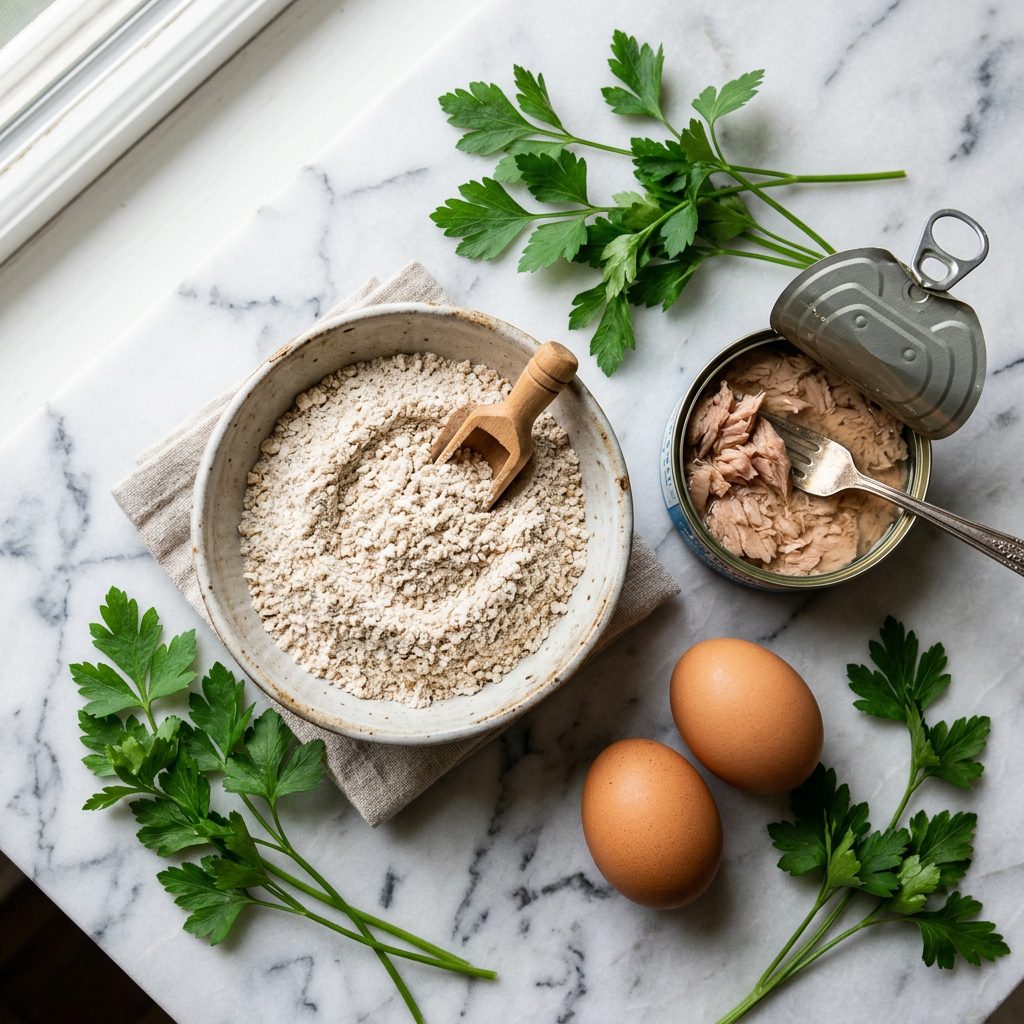
Many commercial dog treats are loaded with ‘fillers’ like corn, soy, and bleached white flour. These ingredients can lead to blood sugar spikes and may cause issues for dogs with grain sensitivities. Oat flour is a fantastic alternative for several reasons. First, it is naturally gluten-free (provided it’s certified), making it much easier on a dog’s digestive system. Second, it is rich in beta-glucans, a type of soluble fiber that helps regulate blood sugar and supports heart health.
Comparing Flours for Canine Baking
When baking for your pup, the texture of the treat is crucial. Training treats need to be small, non-crumbly, and easy to swallow quickly. Oat flour provides a dense, soft texture that holds together better than coconut flour but is less inflammatory than wheat flour. It also contains essential minerals like manganese, molybdenum, and magnesium, which are vital for metabolic processes.
If your dog has a particularly sensitive stomach, oat flour is often the ‘safe’ choice recommended by many holistic veterinarians. It provides a slow release of energy, which is perfect for high-intensity training sessions where you want your dog to remain stable and focused rather than experiencing a ‘sugar crash’ from refined carbohydrates.
The Ultimate Recipe: Step-by-Step to Training Success
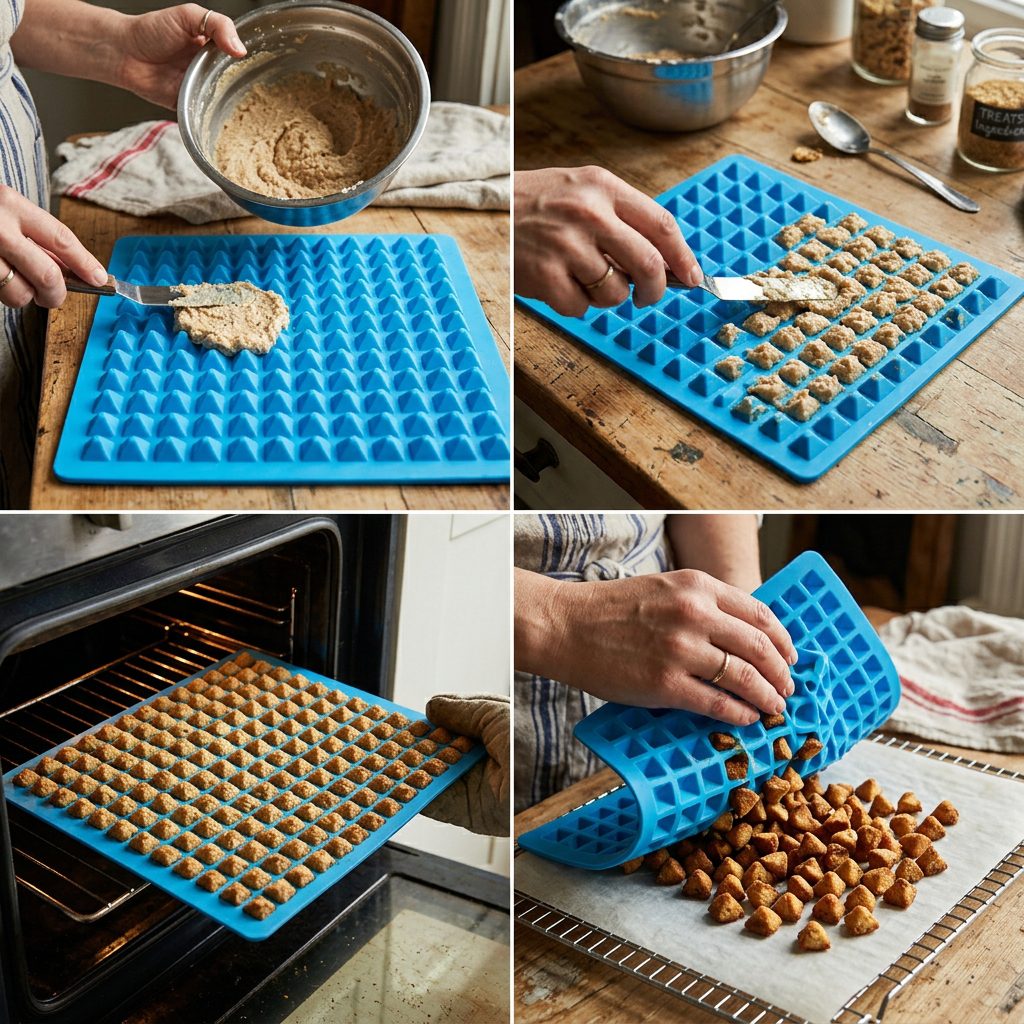
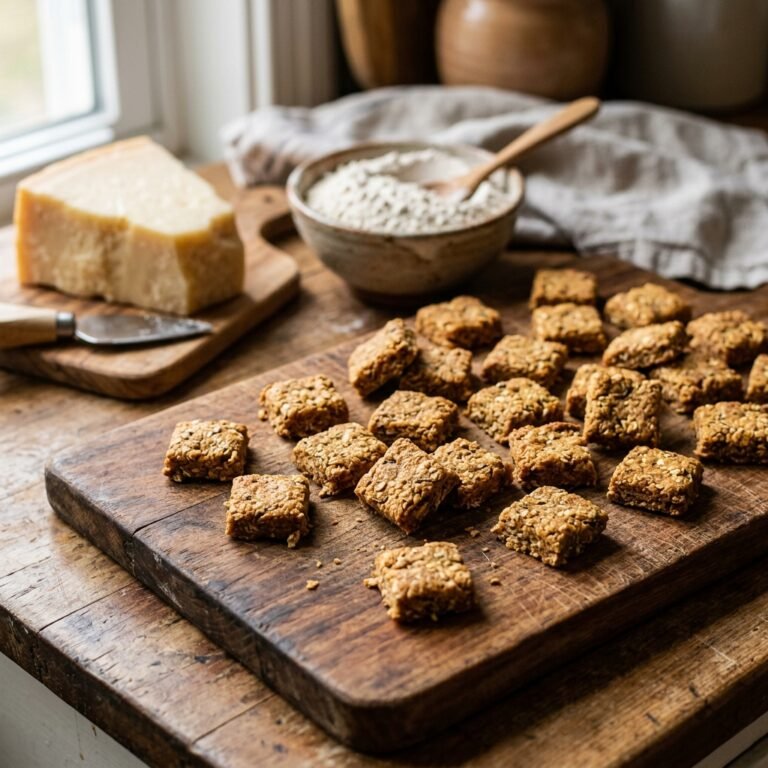
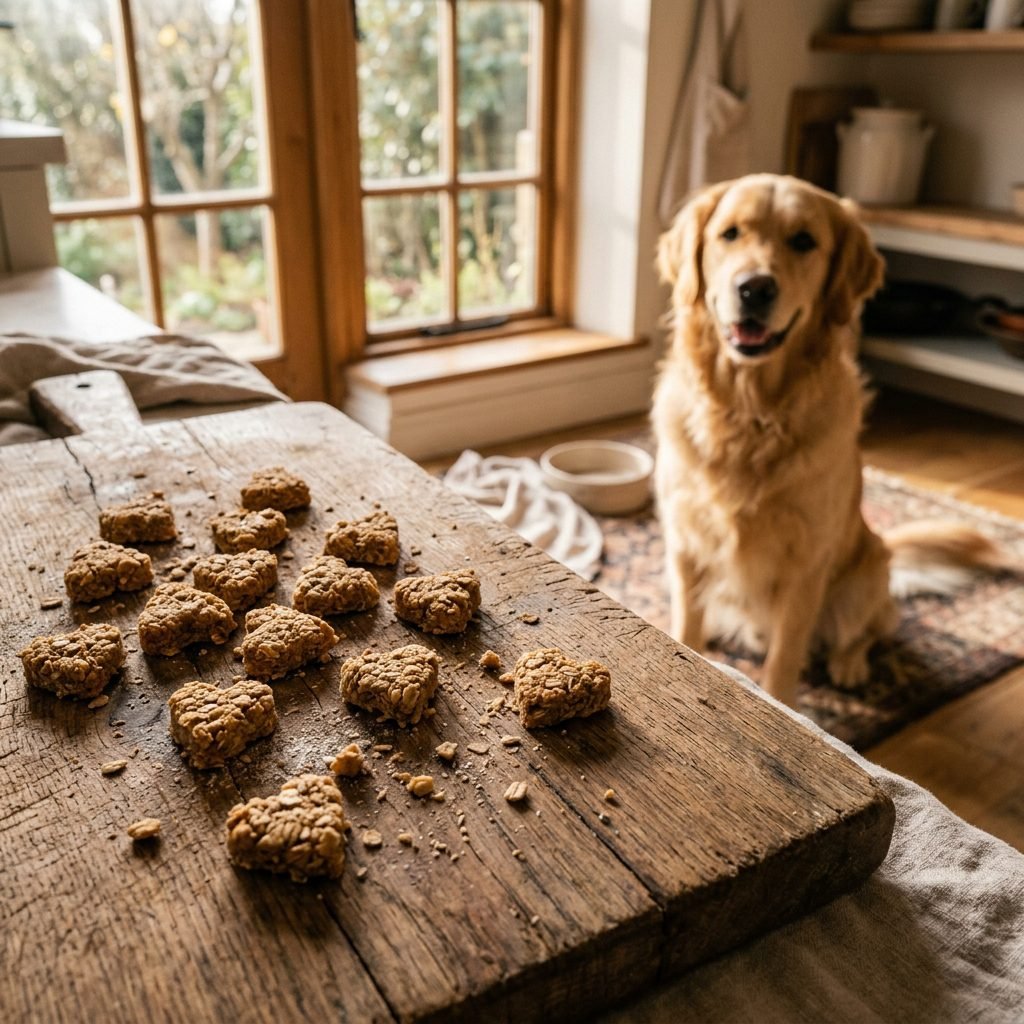
Ready to get baking? This recipe is designed to be simple, quick, and highly customizable. The goal is to create ‘pea-sized’ treats that your dog can consume in a split second, allowing you to maintain the flow of your training session.
Ingredients Needed:
- 1 can (5 oz) of Tuna in water (do not drain for extra flavor, or drain and add 1/4 cup water)
- 1.5 cups of Oat Flour (you can make this by blending rolled oats)
- 1 Large Egg (acts as a binder)
- Optional: 1 tablespoon of dried parsley (for fresh breath!)
Baking Instructions:
- Preheat: Set your oven to 350°F (175°C).
- Mix: In a food processor, combine the tuna (with liquid), the egg, and the parsley. Pulse until smooth.
- Combine: Gradually add the oat flour until a thick, dough-like consistency forms. If it is too sticky, add a little more flour; if too dry, add a teaspoon of water.
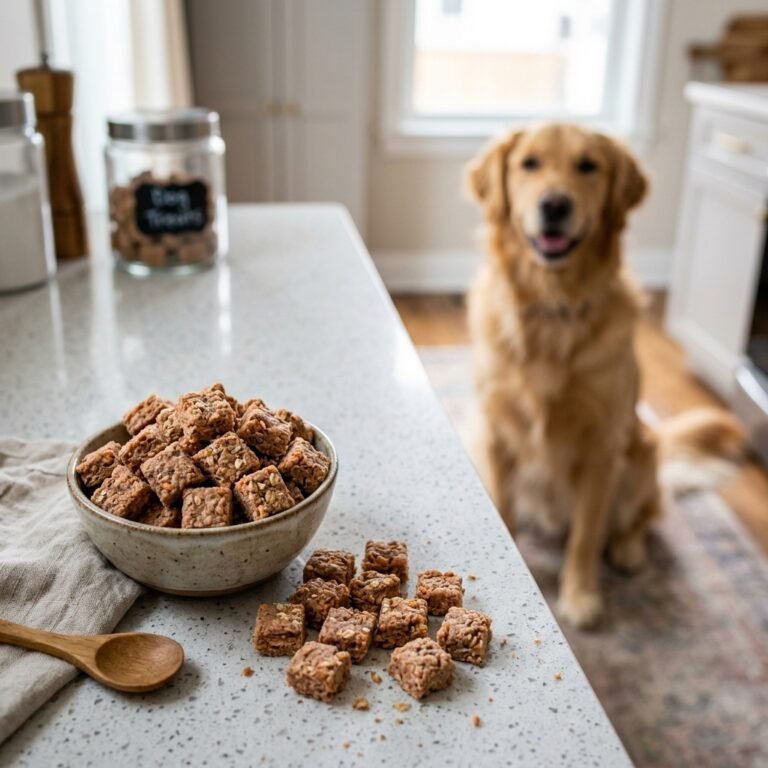
- Spread: If using a silicone ‘pyramid pan’ (highly recommended for training treats), spread the mixture over the mat using a spatula, filling the small holes. If not, roll the dough thin and cut into tiny squares.
- Bake: Bake for 15-20 minutes. For a crunchier treat, turn the oven off and leave them inside for another 10 minutes.
- Cool: Allow the treats to cool completely before popping them out of the mold.
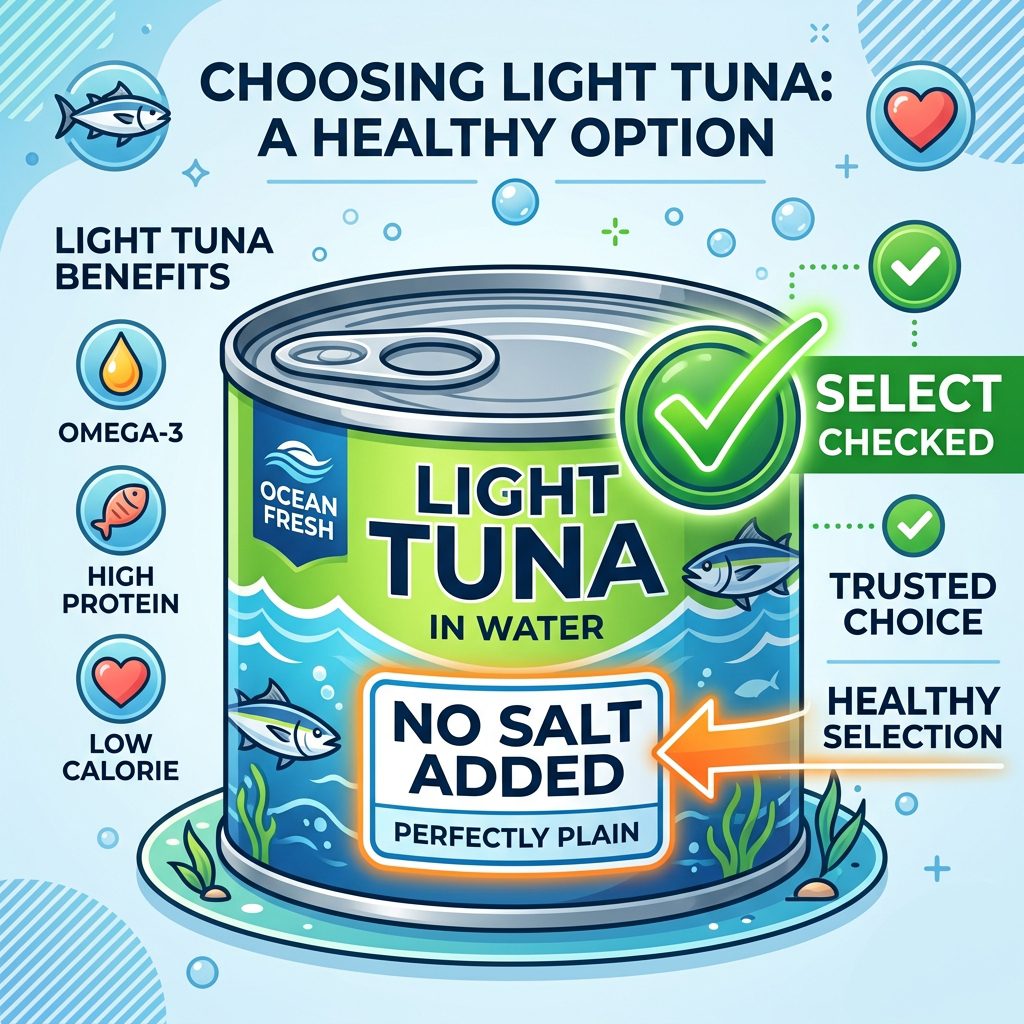
Safety Note: Always ensure your tuna is packed in water, not oil. Excess oil can lead to digestive upset or even pancreatitis in sensitive dogs.
Training Techniques: Making the Most of Your Treats
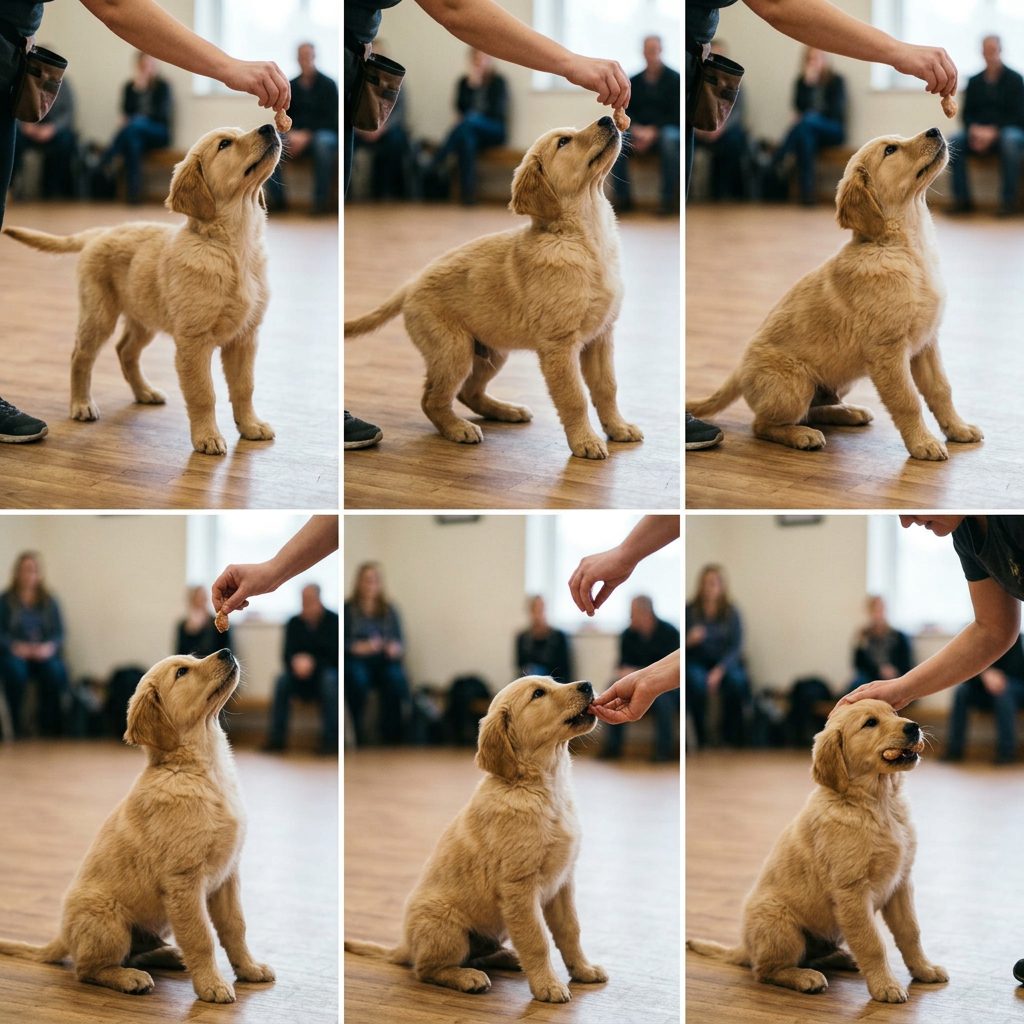
Now that you have the ultimate reward, you need to use it effectively. In canine behavior science, the Rate of Reinforcement is key. This refers to how often you are rewarding the dog. During the acquisition phase of a new behavior, you want a high rate of reinforcement—meaning these tuna treats should be flowing frequently!
Luring vs. Capturing
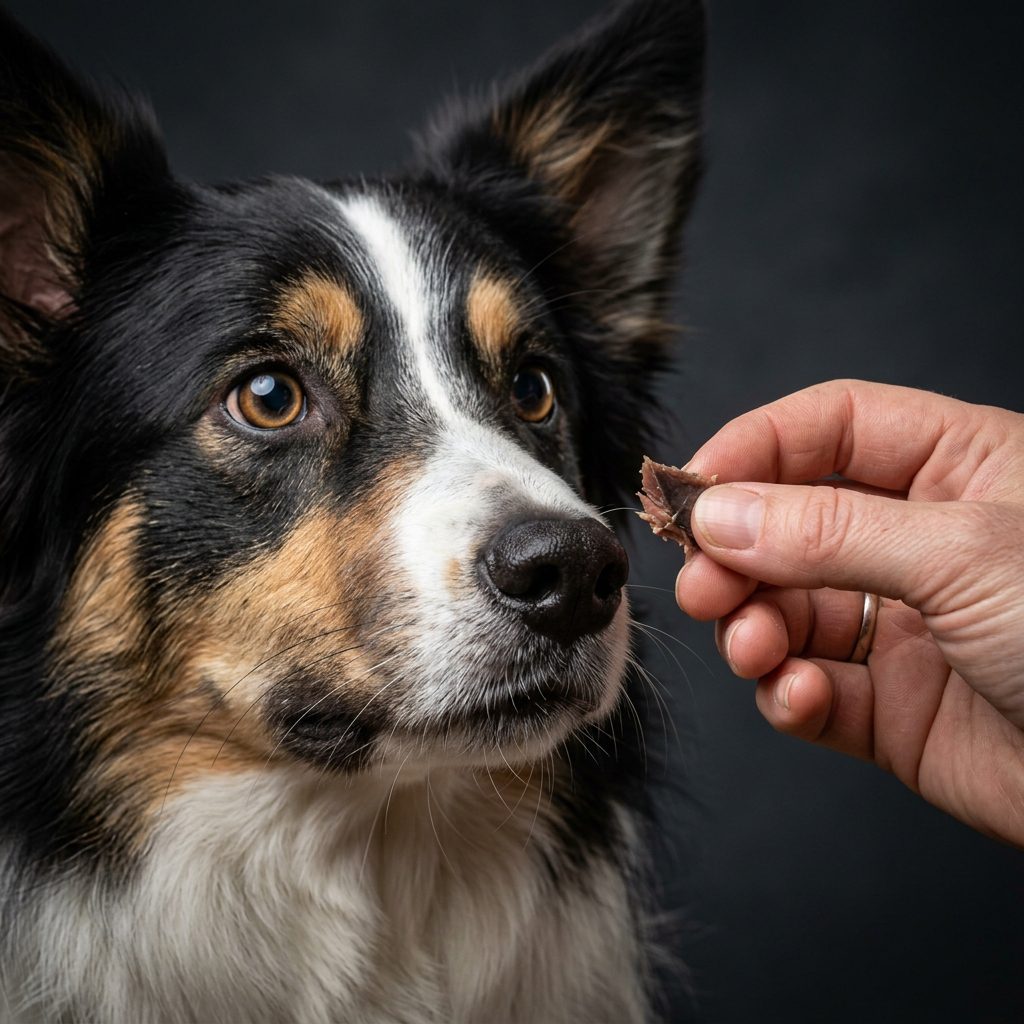
Because these treats are soft and smelly, they are perfect for luring. You can hold a treat between your thumb and forefinger to guide your dog’s nose into a ‘down’ or a ‘spin.’ Once the dog understands the movement, you transition to ‘capturing’ the behavior, where you wait for them to perform it and then immediately ‘mark’ with a clicker or a verbal ‘Yes!’ and deliver the tuna reward.
Size Matters
One common mistake owners make is giving treats that are too large. A training treat should be no larger than a blueberry (and even smaller for toy breeds). The ‘Easy Baked’ nature of this recipe allows you to break them apart easily. If the dog has to chew for thirty seconds, you’ve lost the momentum of the session. The goal is: Eat, swallow, and look back for the next instruction.
Safety First: Mercury, Portions, and Dietary Balance
While tuna is a nutritional powerhouse, it must be fed in moderation. The primary concern with any large fish is mercury content. As a savvy owner, you should choose your tuna wisely and manage the frequency of these treats.
Choosing the Right Tuna
Not all canned tuna is the same. Skipjack (often labeled as ‘Light Tuna’) generally has significantly lower mercury levels than Albacore (White Tuna). For training treats, always opt for Skipjack. Additionally, ensure the tuna contains no added salt or seasonings like onion or garlic powder, which are toxic to dogs.
| Tuna Type | Mercury Level | Feeding Recommendation |
|---|---|---|
| Skipjack (Light) | Lower | Safe for regular training treats |
| Albacore (White) | Higher | Limit to occasional use only |
| Yellowfin | Moderate | Use sparingly |
Remember the 10% rule: Treats should never make up more than 10% of your dog’s daily caloric intake. Because these treats are nutrient-dense, you may need to slightly reduce your dog’s dinner portion on heavy training days.
Storage Solutions and Creative Variations
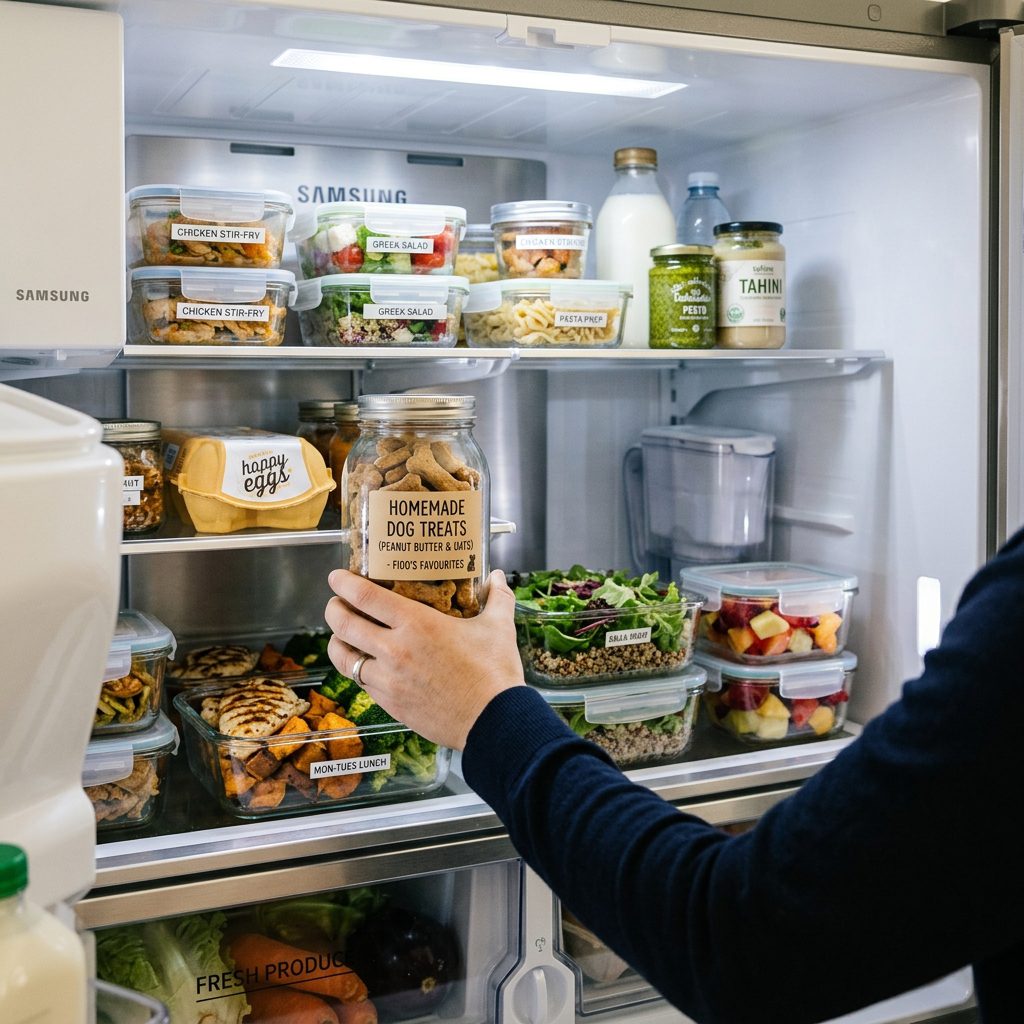
Because these treats contain fresh fish and no preservatives, they require proper storage. In the refrigerator, they will stay fresh for about 5 to 7 days. However, since this recipe makes a large batch, freezing is your best friend.
How to Store:
- Fridge: Store in an airtight glass container.
- Freezer: Place treats in a freezer bag. They can be fed directly from the freezer, which many dogs actually enjoy as a crunchy texture! They will last up to 3 months frozen.
Creative Variations:
Once you’ve mastered the base recipe, feel free to experiment. You can swap the tuna for canned salmon or sardines (in water) for a different scent profile. If your dog needs extra joint support, try adding a half-teaspoon of turmeric and a pinch of black pepper to the batter. For dogs that need more moisture, adding a tablespoon of unsweetened applesauce can create a softer, more ‘fudge-like’ consistency that is even more palatable for senior dogs with dental issues.
Conclusion
Training your dog should be a bonding experience, not a chore. By using high-value rewards like these Easy Baked Tuna and Oat Flour Treats, you are speaking your dog’s language. You are providing them with a clear, delicious reason to pay attention to you, even when the world is full of distractions. These treats are healthy, cost-effective, and—most importantly—irresistible to almost every canine. So, grab a can of tuna, some oat flour, and your favorite baking mold, and get ready to see a dramatic improvement in your dog’s focus and enthusiasm. Happy training!