Puppy Submissive Urination Training: The Gentle Cure No One Tells You About
Welcome to the No-Shame Zone
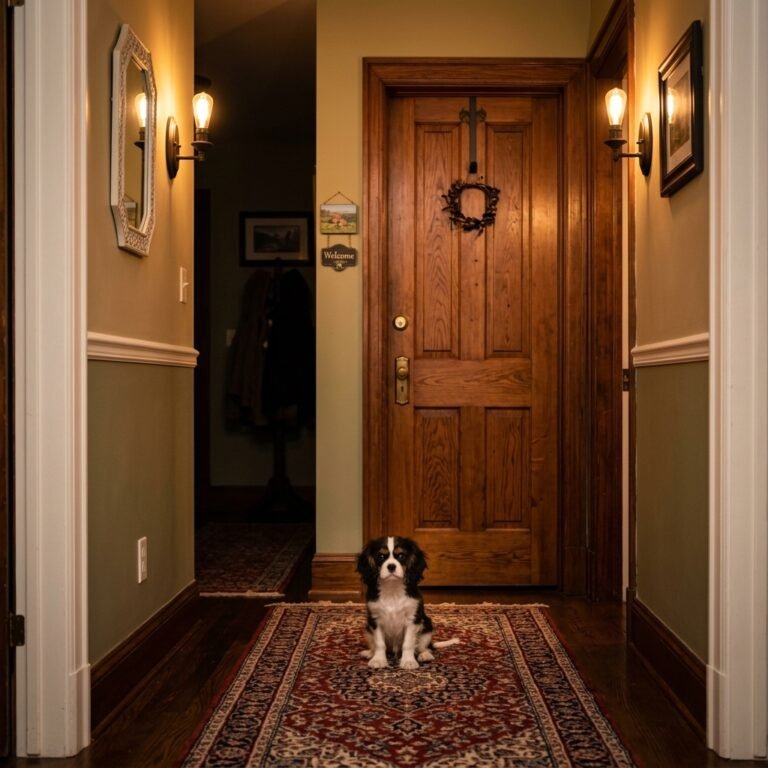
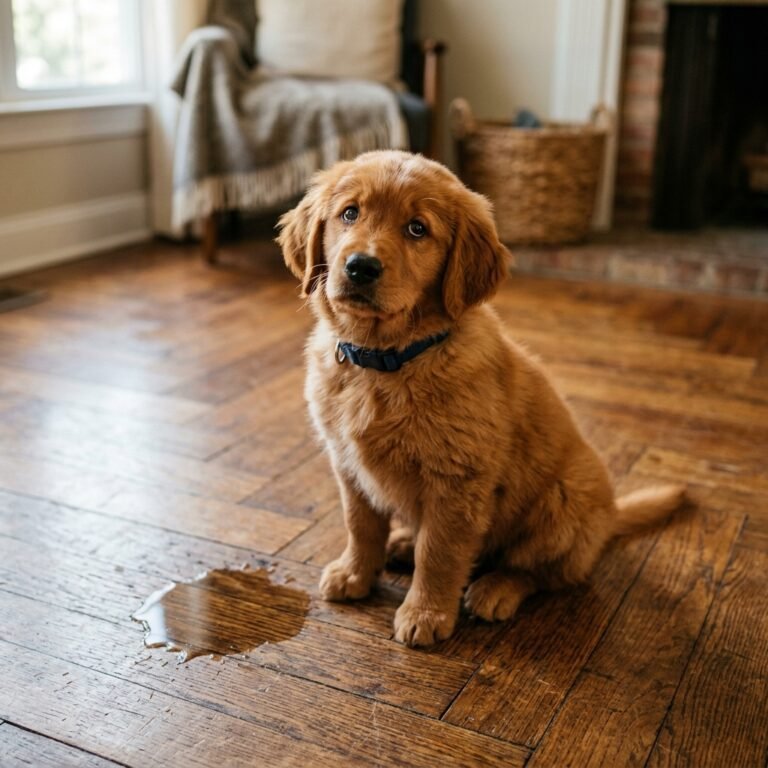
Let us set the scene: You have just walked through the front door after a long day at work. Your adorable puppy comes wiggling over to greet you, dropping their belly low to the ground, ears pinned back, tail tucking slightly. You reach down to give them a loving pat, and suddenly, there is a small puddle spreading across your floor. If you are reading this, you are likely a savvy dog owner who knows there has to be a better way to handle this than frustration. You are absolutely right, and you are in exactly the right place.
Submissive urination is one of the most misunderstood behaviors in the puppy world. It is incredibly common, yet it causes a massive amount of stress for both dogs and their humans. Many well-meaning owners accidentally make the problem worse by scolding their dogs, completely unaware that their puppy is actually trying to say, I respect you, please do not hurt me!
Submissive urination is not a spiteful act, a lack of house training, or a sign of a stubborn dog. It is an involuntary physical response to feeling overwhelmed, intimidated, or socially pressured.
In this comprehensive guide, we are going to dive deep into the gentle cure for puppy submissive urination. We will explore the fascinating canine psychology behind why your puppy leaks when they feel intimidated, how to distinguish it from pure excitement, and the exact, step-by-step protocol to build your puppy’s confidence. Grab a cup of coffee (and maybe a roll of paper towels for now), and let us transform your greetings from puddles to proud wags!
Understanding the Why: Submissive vs. Excitement Urination
Decoding Your Puppy’s Puddles
Before we can fix the problem, we need to make sure we are actually treating the right issue. Puppies generally leak urine for one of three reasons: a medical issue (like a urinary tract infection), excitement, or submission. As a savvy owner, your first step should always be a quick chat with your veterinarian to rule out any underlying medical conditions. Once your pup has a clean bill of health, it is time to look at their body language.
The Excitement Pee
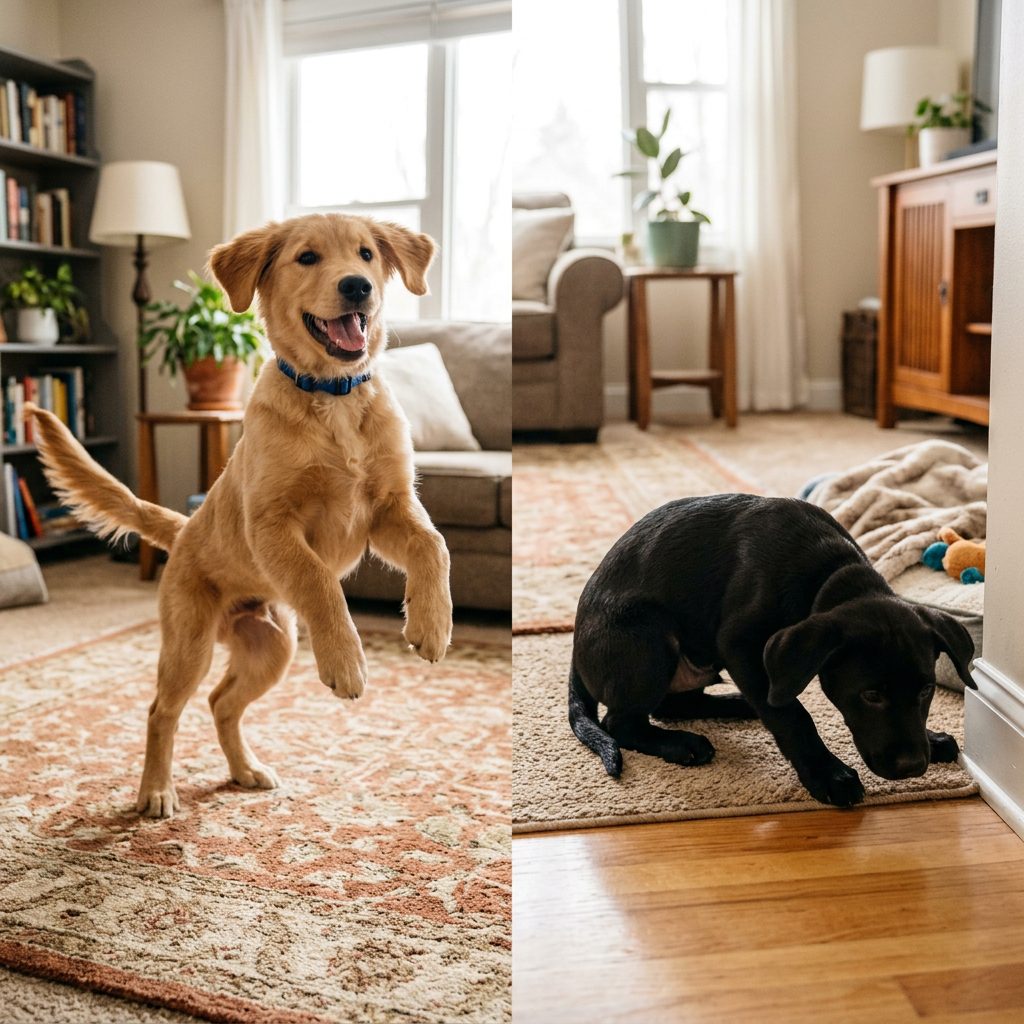
Excitement urination happens when a puppy’s nervous system is simply overloaded with joy, and they do not yet have the muscle tone to hold their bladder. Think of a toddler laughing so hard they wet their pants. A puppy experiencing excitement urination will look loose, wiggly, and bouncy. Their ears will be in a neutral or forward position, their tail will be wagging in a wide helicopter motion, and they will likely be trying to jump up to lick your face. They are just too thrilled to contain themselves!
The Submissive Pee
Submissive urination, on the other hand, is an appeasement behavior rooted deeply in canine ancestry. In the wild, lower-ranking wolves and wild dogs use submissive postures to show higher-ranking members that they are not a threat. When your puppy submissively urinates, they are offering you the ultimate white flag. You will notice very specific body language:
- Cowering or shrinking: Making their body look as small as possible.
- Ear position: Ears pinned flat back against their head.
- Eye contact: Avoiding direct eye contact, blinking rapidly, or showing the whites of their eyes (whale eye).
- Tail tucking: Tail pulled tightly between their hind legs.
- Rolling over: Exposing their belly, which is their most vulnerable area.
- Lip licking: Nervous tongue flicks or yawning.
Understanding this distinction is the golden key to the gentle cure. If your puppy is showing submissive signs, any form of scolding, loud noises, or even leaning over them to clip on a leash will only confirm their fear that you are a big, scary boss. They will pee more to try and calm you down. We have to change the narrative.
The Gentle Cure: Step-by-Step Training Protocol
Rewiring the Greeting Routine
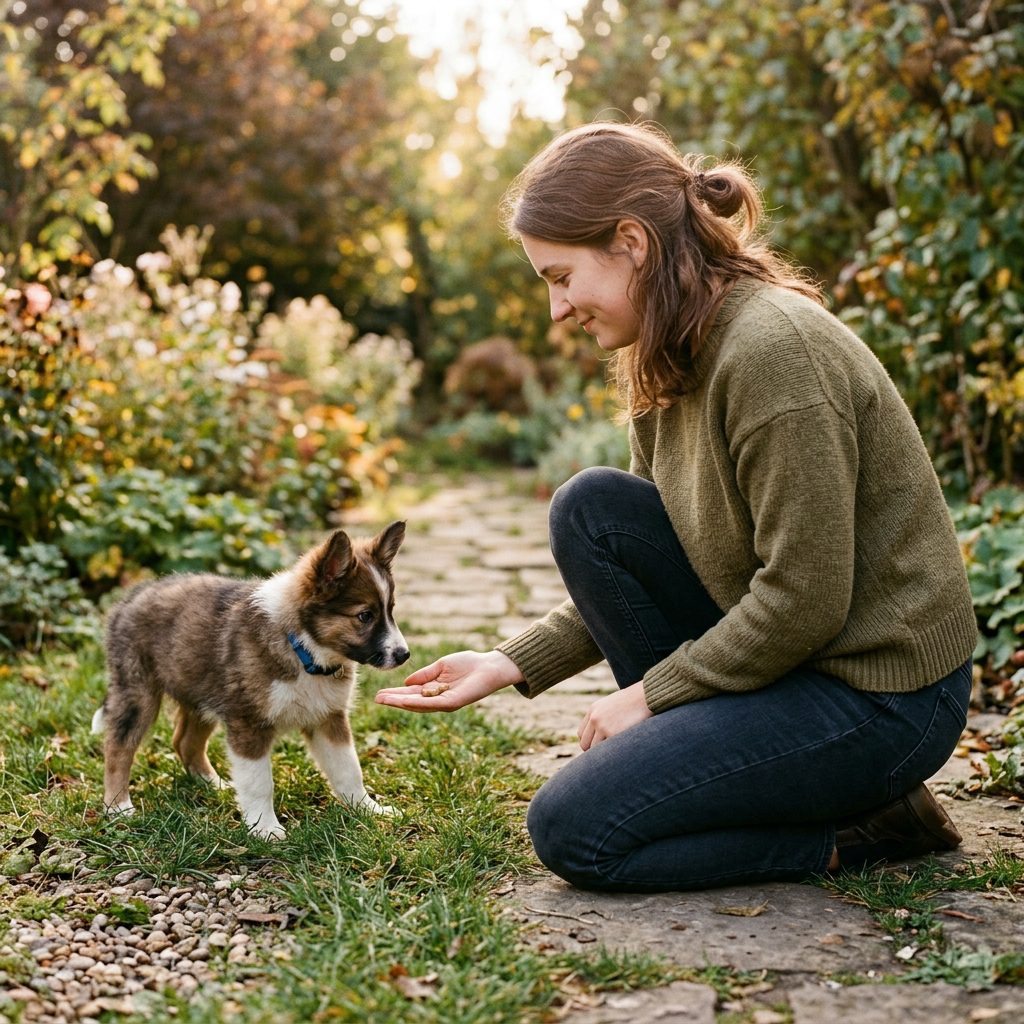
Now that we know your puppy is leaking out of a feeling of social pressure, the gentle cure involves completely removing that pressure. We want to teach your puppy that humans are safe, predictable, and nothing to worry about. This requires a temporary but strict shift in how everyone in your household interacts with the dog. Here is your step-by-step protocol.
Step 1: The Art of the Ignore
This is often the hardest step for loving dog parents, but it is the most crucial. When you come home, or when your puppy approaches you after a period of separation, you must completely ignore them. No talking, no touching, no eye contact. Walk through the door, take off your coat, put down your keys, and go about your business. By ignoring your puppy, you are removing the intense social spotlight that triggers their anxiety and subsequent urination.
Step 2: Master Your Body Language
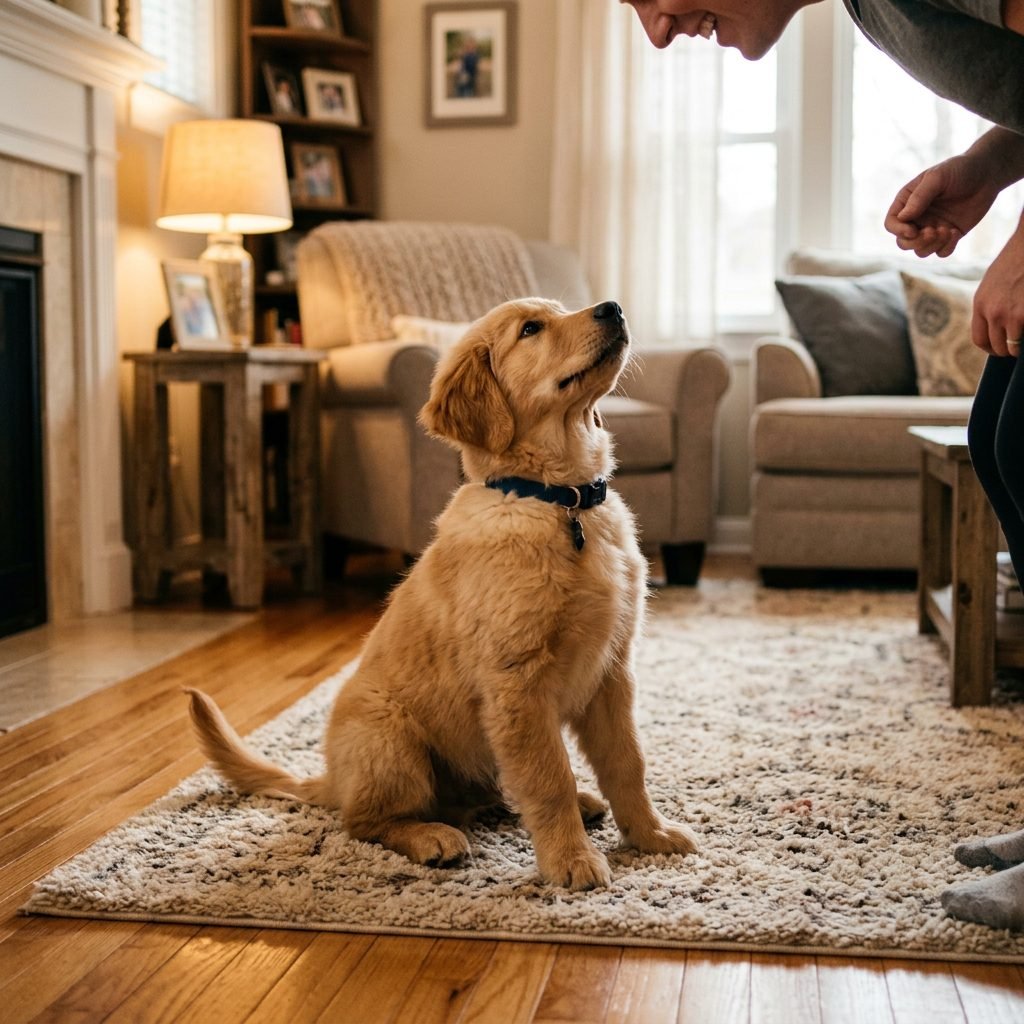
Dogs communicate primarily through body language, and humans are notoriously bad at realizing how intimidating we look. Standing tall, facing a dog directly, and staring into their eyes is highly confrontational in dog language. When you are ready to interact with your puppy (after they have calmed down from your arrival), change your geometry:
- Get Low: Crouch down to their level rather than bending over them at the waist. Leaning over a dog is incredibly intimidating.
- Turn Sideways: Present your side profile to the puppy instead of your chest. This is a classic canine calming signal that says, I am not challenging you.
- Avert Your Eyes: Look at their paws or their tail, not directly into their eyes.
- Under the Chin: If you pet them, reach under their chin or scratch their chest. Do not reach over the top of their head.
Step 3: Redirect the Energy
If your puppy struggles with greetings, give their mouth and brain something else to do. Keep a basket of high-value toys near the front door. When you walk in, silently toss a toy away from you. This encourages the puppy to move away from the pressure zone, engages their prey drive (which overrides anxiety), and gives them something to hold in their mouth, which is naturally self-soothing for dogs.
Step 4: Reward Calm Confidence
When your puppy approaches you without cowering, or successfully goes outside to potty, reward them calmly. Use a soft, soothing voice rather than a loud, high-pitched party voice. Good dog whispered gently is much better than YAY GOOD BOY!!! which might startle them right back into a puddle.
Crucial Do’s and Don’ts for Success
Your Quick-Reference Guide to Submissive Urination
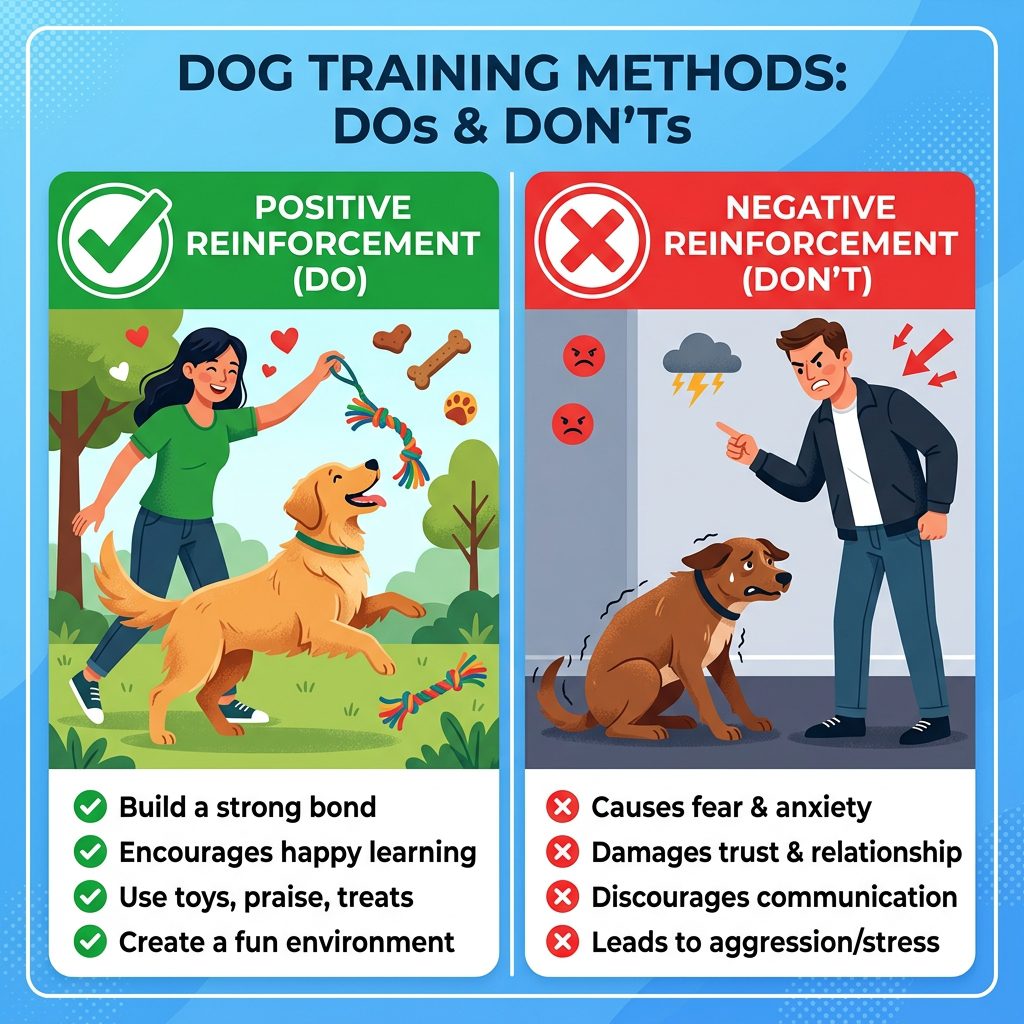
Consistency is the secret ingredient in any dog training recipe. If you follow the gentle cure, but your partner or your guests continue to overwhelm the puppy, the submissive urination will persist. You must become your dog’s advocate. Do not be afraid to give your houseguests strict instructions before they walk through the door. To help you stay on track, here is a definitive breakdown of what to do and what to absolutely avoid.
| Do This (The Gentle Cure) | Don’t Do This (The Triggers) |
|---|---|
| Ignore the puppy completely for the first 5-10 minutes of arriving home. | Make a big, loud, exciting fuss when you walk through the door. |
| Squat down and turn your body sideways when greeting. | Lean or hover over the puppy, or reach directly over the top of their head. |
| Speak in a soft, low, calm, and reassuring tone of voice. | Use a loud, booming voice, or a high-pitched, overly excited squeal. |
| Toss treats or a toy on the floor away from you to redirect their focus. | Stare directly into the puppy’s eyes (which is perceived as a challenge). |
| Clean up any accidents silently and thoroughly with an enzymatic cleaner. | Scold, yell, sigh loudly, or rub the puppy’s nose in the accident. |
| Greet the puppy outdoors where accidents don’t matter as much. | Force the puppy to interact with intimidating strangers or loud guests. |
Remember: If you scold a puppy for submissive urination, you are confirming to them that you are dangerous and unpredictable. This will guarantee that they pee even more the next time you approach them. Silence and patience are your best tools.
It is also vital to use an enzymatic cleaner specifically designed for pet urine. Regular household cleaners might smell like lemon or pine to you, but your dog’s incredible nose can still detect the uric acid underneath. If the floor smells like a bathroom, they will continue to use it as one. Enzymatic cleaners actually break down the proteins in the urine, completely eliminating the odor beacon.
Environmental Management and Confidence Building
Building a Bulletproof Puppy
The gentle cure is not just about managing the greetings; it is about fundamentally changing how your puppy views the world and their place in it. A confident dog does not feel the need to submissively urinate. Therefore, our long-term goal is to build your dog’s self-esteem. Just like humans, dogs gain confidence by learning new skills, solving problems, and realizing they have control over their environment.
Shaping and Positive Reinforcement Training
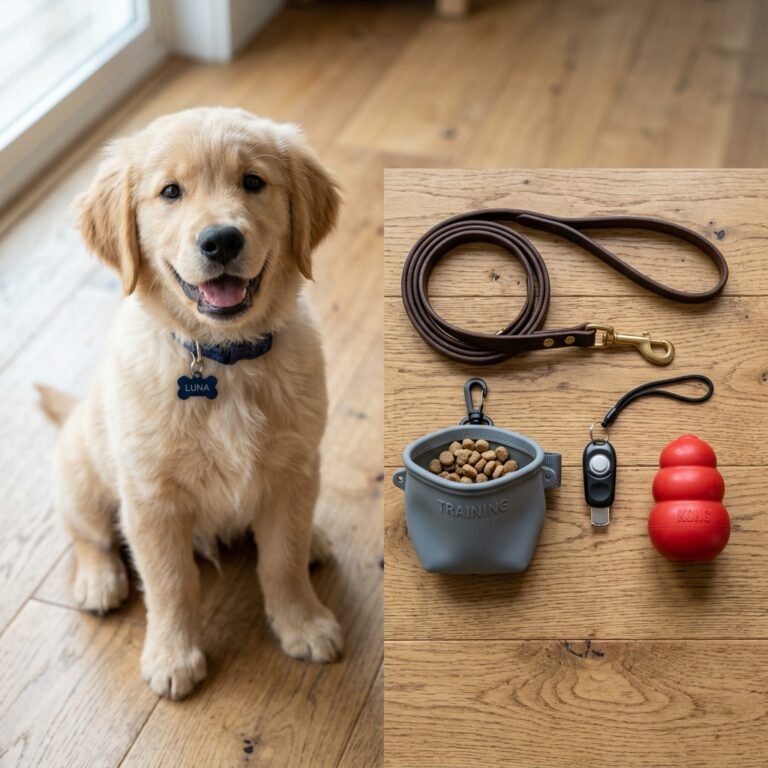
Engage your puppy in daily, short, positive reinforcement training sessions. Teach them basic obedience commands like Sit, Down, Touch (hand targeting), and Place. The key here is to use a clicker or a marker word (like Yes!) and heavily reward them with high-value treats. When a puppy realizes that their actions can make you happy and produce a reward, they feel empowered. Hand targeting is especially brilliant for submissive dogs; it teaches them to willingly approach a human hand for a reward, rather than waiting for a hand to reach out and intimidate them.
Canine Enrichment and Brain Games
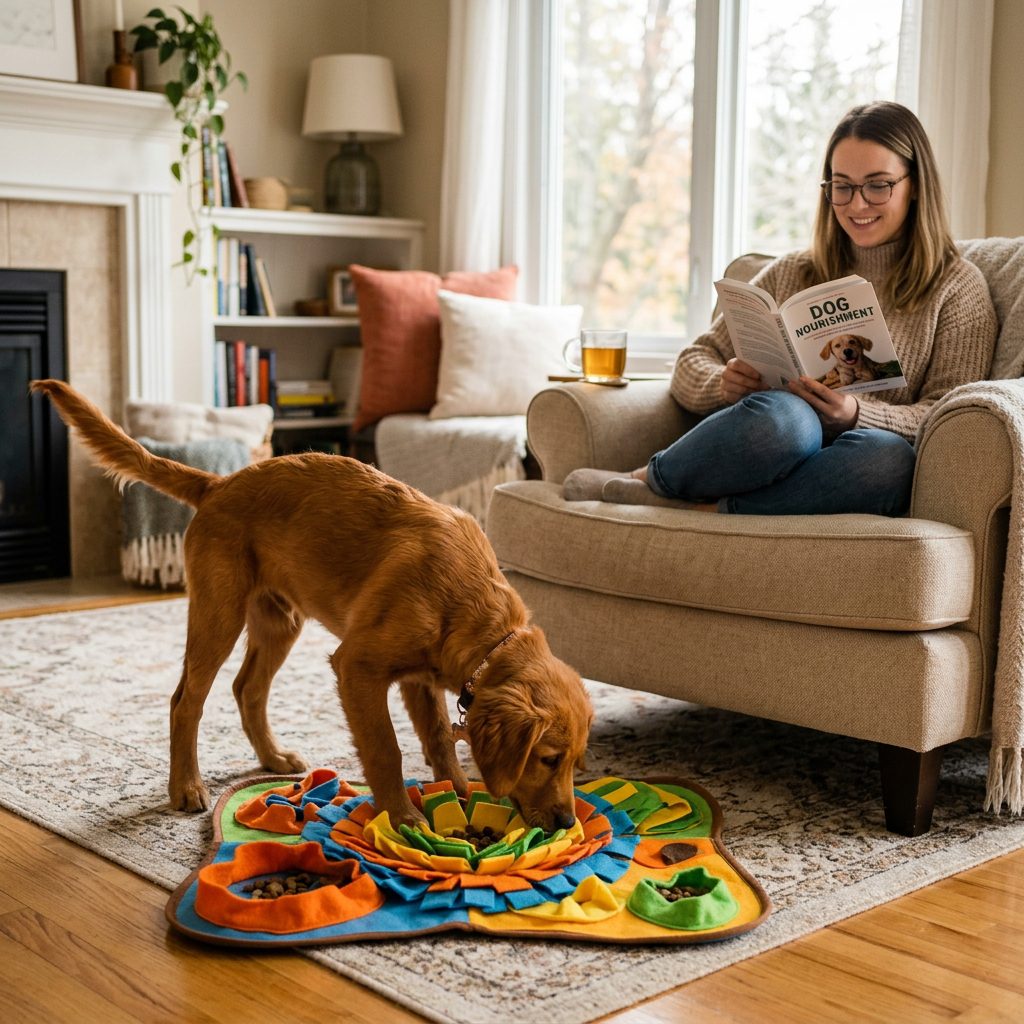
Mental stimulation is a massive confidence booster. Instead of feeding your puppy out of a standard metal bowl, make them work for their meals. Use puzzle toys, snuffle mats, or Kongs stuffed with their kibble and a little dog-safe peanut butter. You can also play scent games by hiding small treats around the living room and encouraging them to Find it! Using their nose is naturally calming for dogs and helps lower their overall cortisol (stress hormone) levels.
Managing the Environment
While you are building this confidence, set your puppy up for success by managing their environment. If you know guests are coming over, and your puppy is likely to pee out of submission, do not put them in a position to fail. Put them in their crate with a delicious chew toy before the doorbell rings. Let the guests settle in, sit down on the couch, and calm down. Only then should you let the puppy out, instructing your guests to completely ignore the dog. Let the puppy investigate the guests on their own terms. If the puppy realizes they can approach and retreat without being grabbed or stared at, their confidence will soar.
Troubleshooting Common Setbacks
When Things Don’t Go According to Plan
Dog training is rarely a perfectly linear journey. You will have great days where your floors stay totally dry, and you will have days where you feel like you are back at square one. This is completely normal. The key is to remain patient, objective, and consistent. Let us address some of the most common hurdles savvy dog owners face when treating submissive urination.
The Leash-Up Leak
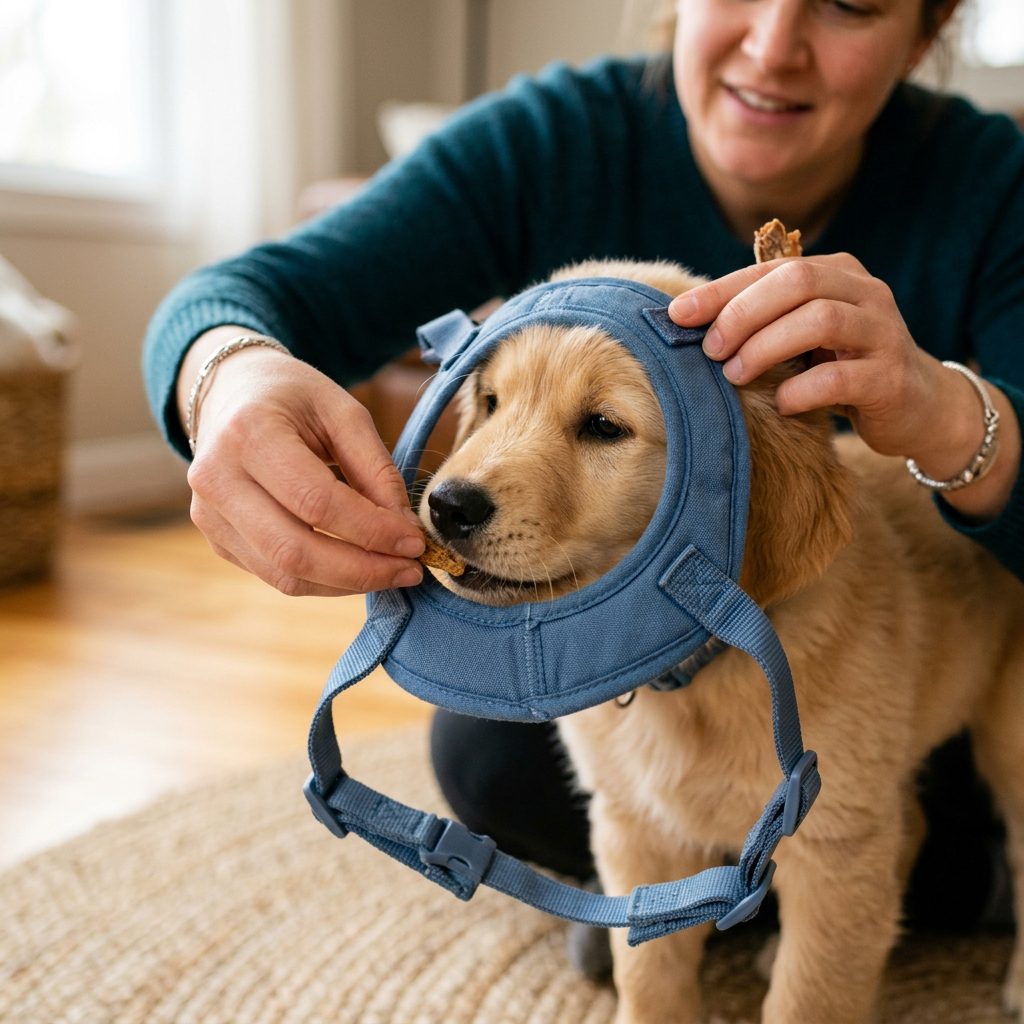
Many owners report that their puppy does fine until it is time to put the leash on for a walk. The act of bending over, reaching for their neck, and the metallic click of the leash hardware is a perfect storm for submissive urination. The Fix: Change the ritual. Sit in a chair rather than standing over them. Lure the puppy to you with a treat. Better yet, teach the puppy to willingly push their head through a slip lead or a comfortable harness for a piece of cheese. Make the equipment predict amazing things, and remove the spatial pressure of hovering.
The Rebellious Guest
We all have that one friend or family member who says, Oh, dogs love me, it’s fine! and proceeds to loudly baby-talk and scoop up your terrified puppy, resulting in a massive puddle. The Fix: You must be the alpha advocate for your dog. Do not be polite at the expense of your puppy’s progress. If a guest cannot follow your instructions to ignore the dog, the dog does not get to interact with the guest. Keep the puppy safely in another room behind a baby gate.
Regression During Fear Periods
Puppies go through natural developmental fear periods (often around 8-10 weeks, and again around 6-14 months). During these phases, a puppy that was previously gaining confidence might suddenly become spooky, shy, and revert to submissive urination. The Fix: Do not panic and do not force exposure. Double down on the gentle cure, increase your distance from triggers, and rely heavily on high-value treats and confidence-building games until the developmental phase passes.
When to Revisit the Vet
If you have been strictly following this protocol for several months, your puppy is growing older, and there is absolutely no improvement, it is time to head back to the veterinarian. Some dogs suffer from structural issues (like an ectopic ureter) or hormone-responsive incontinence (especially in spayed females) that can mimic behavioral urination. Always let science and medicine rule out the physical before you blame the behavioral.
Conclusion
Patience Pays Off: Embracing the Gentle Cure
Dealing with puppy submissive urination can test the patience of even the most savvy and dedicated dog owners. It requires you to constantly monitor your own body language, manage your environment, and sometimes have awkward conversations with well-meaning guests. But remember this: your puppy is not giving you a hard time; your puppy is having a hard time. They are looking to you for guidance, safety, and reassurance.
By implementing the gentle cure—ignoring the initial greetings, adjusting your posture, avoiding punishment, and proactively building their confidence—you are doing so much more than saving your rugs. You are building a foundation of deep, unbreakable trust between you and your dog. You are teaching them that you are a benevolent leader who understands their fears and protects them from pressure. Most puppies naturally outgrow submissive urination as they mature and their confidence blossoms under this gentle guidance. Stay consistent, keep those high-value treats handy, and celebrate the small victories. You and your pup have got this!