Ouch! How To Stop Puppy Biting Hair And Face During Cuddle Time
We have all been there. You sit down on the couch after a long day, ready for some well-deserved, relaxing cuddle time with your adorable new puppy. They climb into your lap, look up at you with those big, soulful eyes, and then—CHOMP!—those razor-sharp little puppy teeth are suddenly attached to your nose, your chin, or tangled up in your hair. What was supposed to be a sweet bonding moment has instantly turned into a painful wrestling match with a tiny land shark.
If you are reading this, you are likely a savvy dog owner who knows that puppies explore the world with their mouths. But knowing why they do it doesn’t make those needle-like teeth hurt any less! Puppy biting, especially around the sensitive areas of your face and hair, is one of the most common and frustrating challenges new dog parents face. It can make you hesitant to get close to your pup, which is the exact opposite of what you want during this crucial socialization and bonding period.
The good news? Your puppy isn’t trying to hurt you, and they certainly aren’t being aggressive. They are simply communicating, playing, or dealing with teething pain in the only way they know how.
In this comprehensive guide, we are going to dive deep into canine behavior to understand exactly why your puppy targets your hair and face. More importantly, we will walk through a proven, step-by-step training strategy to teach your puppy bite inhibition. By using positive reinforcement, smart redirection, and consistent boundaries, you can transform your bitey little monster back into the snuggle bug you always dreamed of. Let’s save your skin, rescue your hair, and reclaim your cuddle time!
Why Is My Puppy Biting My Face and Hair?
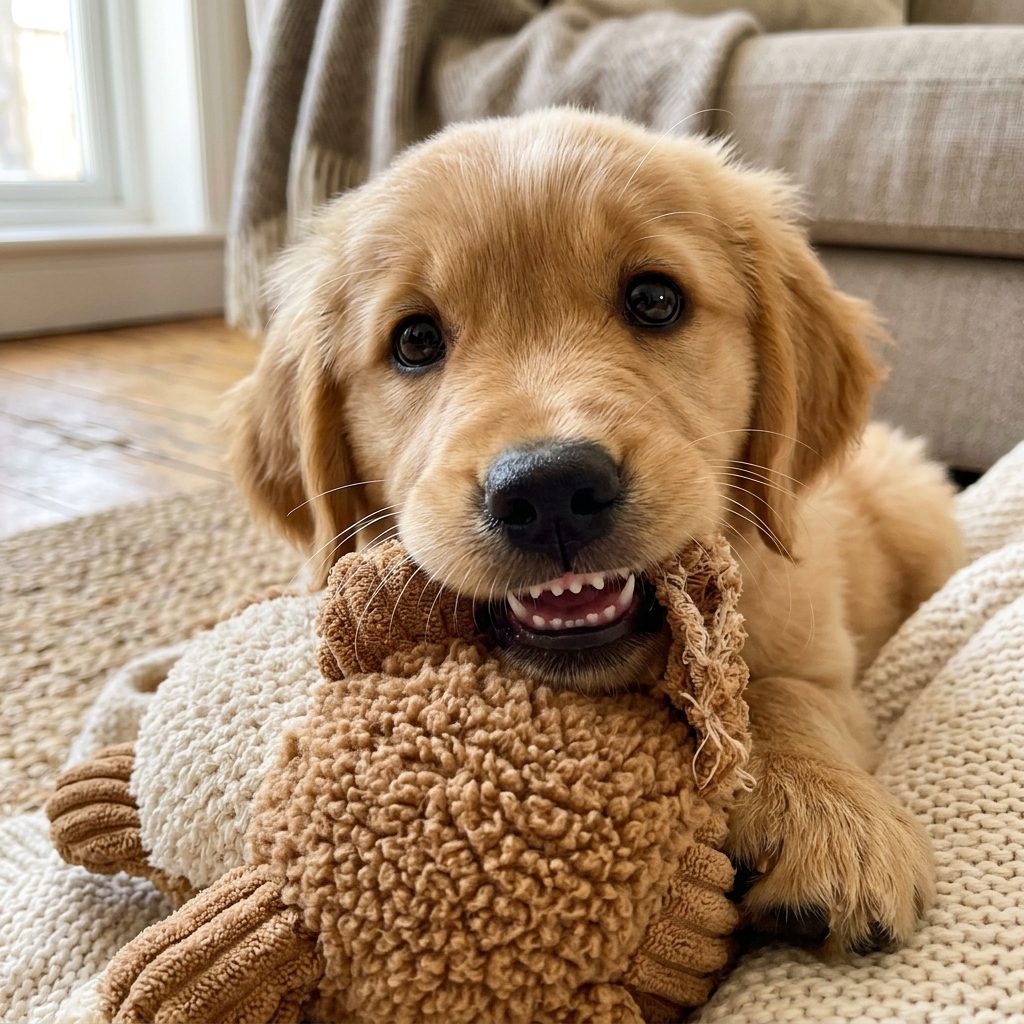
Before we can fix the behavior, we need to understand the motivation behind it. Puppies do not bite your face and hair out of spite. To them, your head is basically a magical, interactive toy box. Let’s break down the primary reasons your puppy turns into a piranha the moment they get close to your face.
1. The Teething Phase
Just like human babies, puppies go through a painful teething process. Between the ages of three and six months, their baby teeth fall out, and their adult teeth push through the gums. This causes significant discomfort, swelling, and an overwhelming urge to chew on absolutely everything to relieve the pressure. Your chin, nose, and even the texture of your hair can feel incredibly soothing to a teething pup’s sore gums.
2. Overstimulation and the ‘Witching Hour’
Puppies are notoriously bad at regulating their own energy levels. When they get too tired, instead of falling asleep, they often become hyperactive and cranky—a state many trainers refer to as the witching hour. During cuddle time, the close physical contact, your scent, and your movements can push an already tired puppy over the edge into overstimulation. When they are overstimulated, they lose all impulse control, and biting is their default reaction.
3. Play and Attention-Seeking
Watch a litter of puppies play together. How do they interact? They pounce, they wrestle, and they bite each other’s faces, ears, and scruffs. When your puppy bites your face or tugs on your hair, they are often trying to initiate play the only way they know how. Furthermore, how do you react when they bite your hair? You probably squeal, wave your hands, and pull away. To a puppy, this reaction is incredibly exciting! You have just become a giant, squeaky toy, and they have successfully gotten your full attention.
4. The Temptation of Hair
Let’s face it—human hair is fascinating to a dog. It moves, it smells interesting (thanks to shampoos and conditioners), and it has a fantastic texture for tug-of-war. Long hair dangling in a puppy’s face is practically an invitation to play. They view it as a fun, built-in rope toy that you have conveniently brought right to their level.
Essential Tools for Bite Inhibition Training
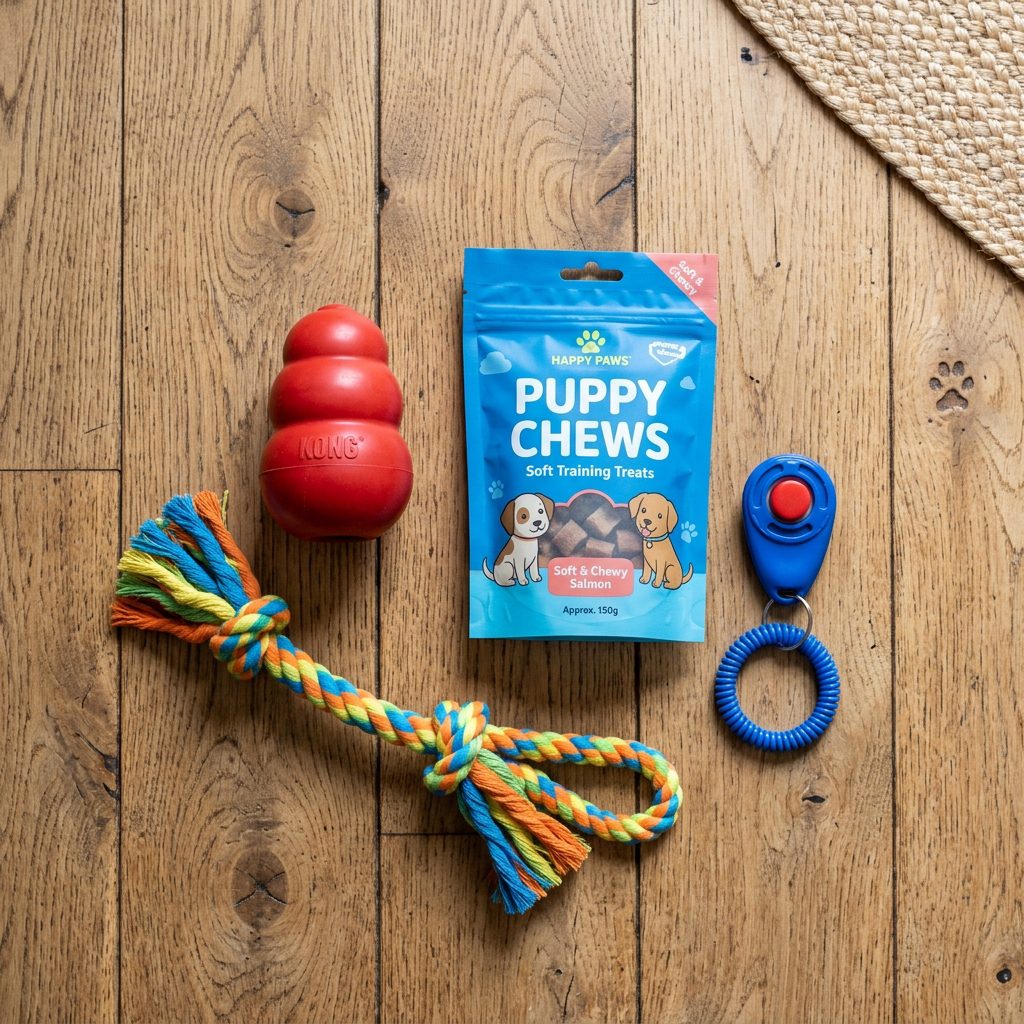
Setting your puppy up for success means having the right tools on hand before you sit down for a cuddle session. You never want to be caught empty-handed when the land shark strikes. Here is a breakdown of the essential tools every savvy dog owner needs in their bite-prevention arsenal.
| Training Tool | Purpose & Benefit | Pro Tip for Cuddle Time |
|---|---|---|
| High-Value Chew Toys | Provides a safe, acceptable alternative for your puppy to bite instead of your skin. | Keep a soft plush toy or a flexible rubber chew right next to you on the couch for instant redirection. |
| Frozen Teething Rings | Numbs sore gums and satisfies the biological urge to chew during the teething phase. | Offer a frozen toy right before cuddle time to tire out their jaw and soothe their mouth. |
| Training Treats | Rewards the puppy instantly when they choose to lick or settle down instead of biting. | Keep a small pouch of high-value, smelly treats (like freeze-dried liver) in your pocket. |
| Baby Gates / Playpens | Creates a safe boundary for ‘reverse time-outs’ when the puppy becomes too overstimulated. | Use these to manage your puppy’s environment so they can calm down safely on their own. |
| Bitter Apple Spray | Acts as a gentle deterrent for persistent biters who target specific items of clothing. | Lightly mist your collar or the ends of your hair (if safe) to make biting less appealing. |
By keeping these tools within arm’s reach, you transition from playing defense (reacting to the bite) to playing offense (preventing the bite and teaching a better behavior).
Step-by-Step Guide to Stopping Face and Hair Biting
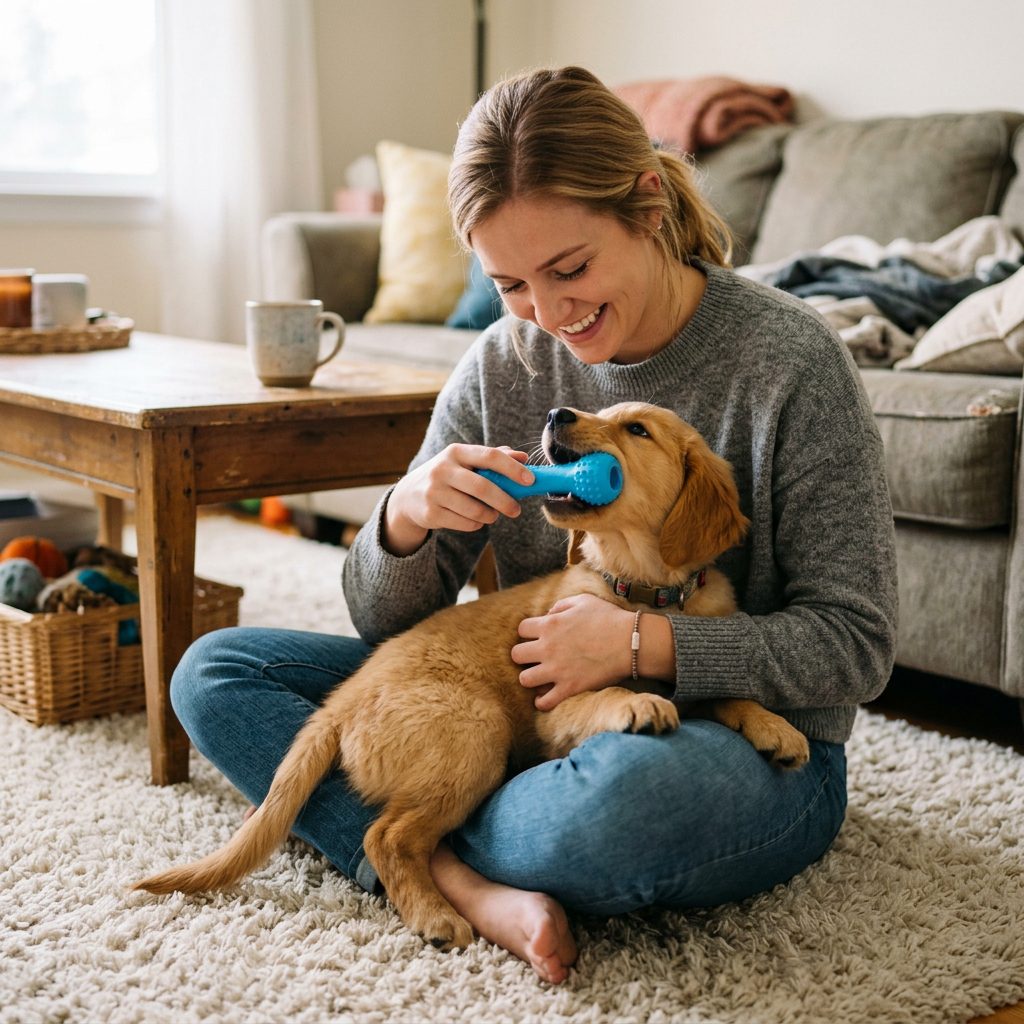
Now that we understand the why and have our tools ready, it is time to implement a rock-solid training plan. Consistency is the golden rule here. Puppies learn through repetition, so you must react the exact same way every single time they try to bite your face or hair.
Step 1: The Pre-Cuddle Setup
Never initiate a cuddle session when your puppy is bursting with energy. A tired puppy is a good puppy. Before you sit down on the couch, ensure your puppy has had adequate physical exercise (a short walk or a game of fetch) and mental stimulation (a puzzle toy or a quick training session). Have your redirection toy and treats ready on the couch next to you.
Step 2: The Redirection Technique
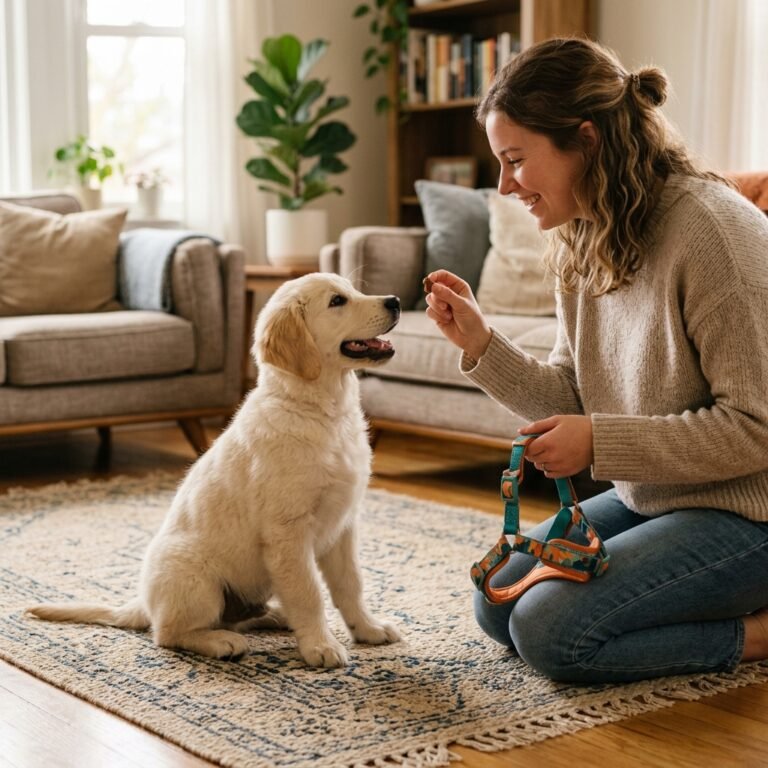
As you bring your puppy in for a cuddle, anticipate the bite. The moment they open their mouth and turn toward your face or hair, immediately place a high-value chew toy into their mouth. Do not wait for them to bite you first! Praise them warmly when they chew the toy. You are teaching them: “My face is not for biting, but this toy is!”
Step 3: The ‘Ouch!’ and Freeze
If they bypass the toy and manage to nip your face or grab your hair, you must immediately disrupt the behavior without making it a game. Say a sharp, clear “Ouch!” or “Ah-ah!” (Do not scream or squeal, as this mimics a dying prey animal and triggers their prey drive). Immediately freeze your body. Cross your arms, tuck your chin, and look away. You are completely withdrawing your attention. For a puppy, the loss of your attention is a major consequence.
Step 4: The Reverse Time-Out
If you freeze and the puppy stops biting, wait three seconds, then calmly praise them and offer the toy again. However, if they continue to bite your hair, nip at your nose, or bark at you, it is time for a reverse time-out. Calmly stand up, without saying a word, and walk away. Step over a baby gate or step out of the room for 15 to 30 seconds. This sends a powerful message: “When teeth touch human skin or hair, all the fun and cuddles end immediately.”
Step 5: Rewarding Calmness
We often focus so much on correcting bad behavior that we forget to reward the good! When your puppy is sitting in your lap calmly, gently licking your hand, or just resting their head on your chest, softly praise them and give them a treat. Reinforce the idea that calm, gentle behavior is what earns them the prolonged cuddle time they crave.
Troubleshooting Common Cuddle Time Disasters
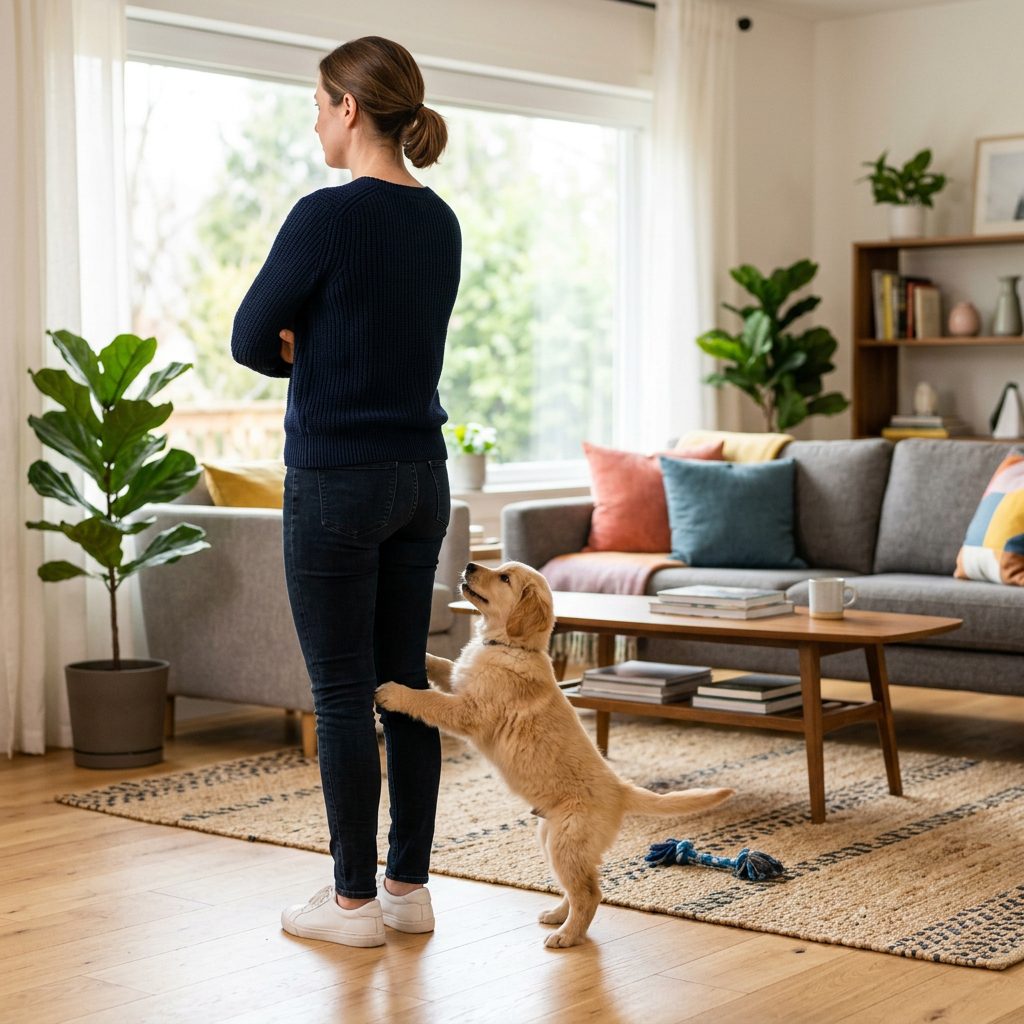
Even with the best training plan, puppies will test boundaries. Here are some common troubleshooting scenarios savvy owners run into, and how to handle them like a pro.
What if saying “Ouch!” makes my puppy bite harder?
This is incredibly common! Some puppies are highly aroused by high-pitched noises. If your “Ouch!” causes your puppy to wag their tail, growl playfully, and bite harder, they think you are playing. If this happens, skip the vocalization entirely. The moment teeth touch your skin or hair, immediately transition to Step 4 (The Reverse Time-Out). Silence and removal of attention will be much more effective for this type of personality.
What if my puppy lunges for my hair when I stand up?
If you try to walk away for a reverse time-out and your puppy grabs your pant leg or jumps up to bite your hair, you need to manage the environment better. This is where a house leash (a lightweight leash left on the puppy while supervised indoors) becomes invaluable. If they lunge, you can step on the leash to prevent them from jumping up at your face, allowing you to safely turn your back and ignore them.
Why does my puppy only do this at night?
If your puppy is an angel all day but turns into a demon at 8:00 PM, you are dealing with the classic witching hour. Your puppy is overtired and overstimulated. Instead of trying to force cuddle time, recognize that your puppy needs a nap. Give them a frozen Kong in their crate or playpen and let them decompress. Forced naps are a lifesaver for bitey puppies!
Common Mistakes Savvy Dog Owners Make
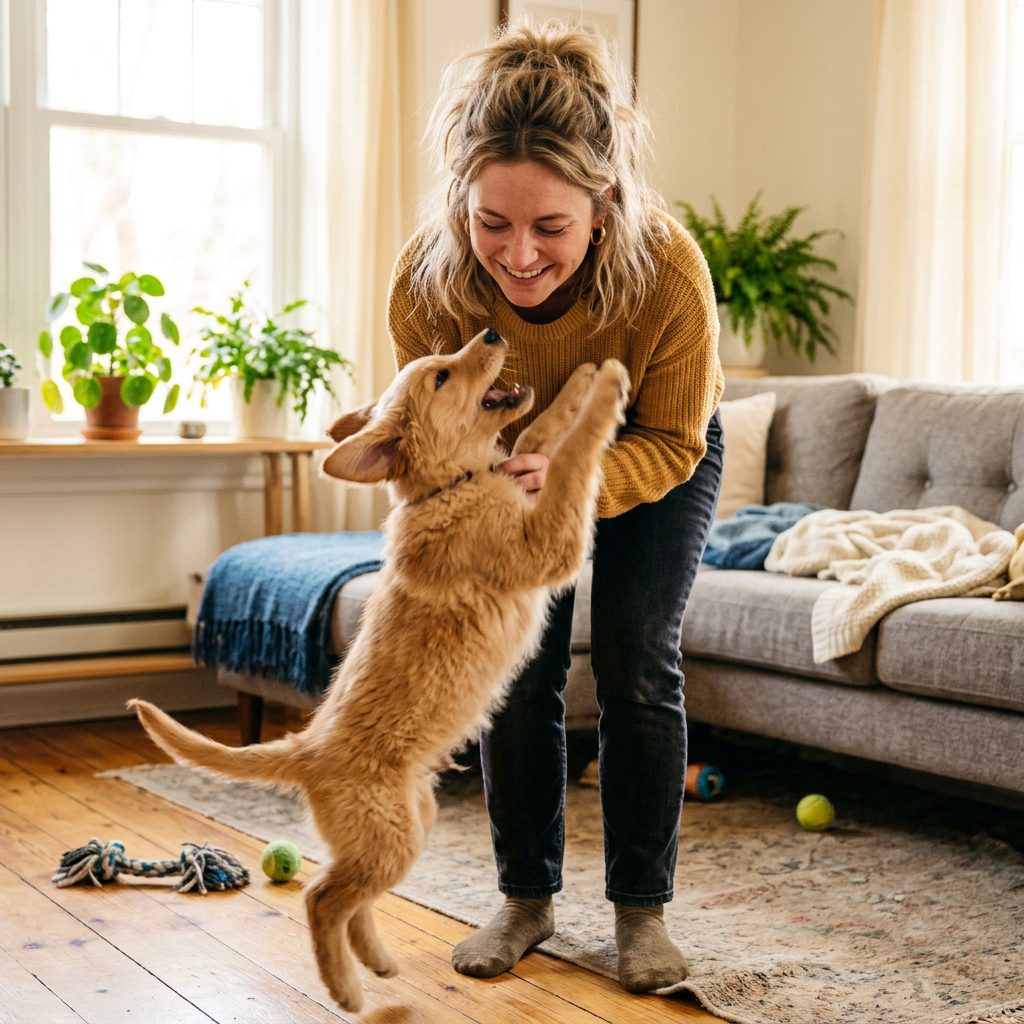
When you are frustrated and in pain, it is easy to make mistakes that accidentally reinforce the biting behavior. Avoid these common pitfalls to ensure your bite inhibition training is effective.
- Using Your Hands as Toys: Never roughhouse with your puppy using your bare hands to push their face or ruffle their cheeks. If you teach them that hands are toys during playtime, they will not understand why they cannot bite your hands (or face) during cuddle time. Always use a toy to bridge the gap between your hand and their mouth.
- Inconsistency Among Family Members: If you are strict about the “no biting” rule, but your partner or children let the puppy nibble on their fingers or play with their hair, the puppy will be thoroughly confused. The rules must be black and white. Every single person in the household must use the exact same redirection and reverse time-out methods.
- Punishing or Tapping the Nose: Never physically punish your puppy for biting. Tapping their nose, holding their muzzle shut, or yelling will severely damage your bond. It can make the puppy fear hands approaching their face, which leads to defensive, aggressive biting later in life. It can also make some puppies fight back harder. Stick to positive reinforcement and the removal of attention.
- Expecting Overnight Results: Bite inhibition takes weeks, and sometimes months, to fully master. Your puppy’s brain is still developing, and their impulses are strong. Be patient, stay consistent, and celebrate the small victories along the way.
Conclusion
Dealing with a puppy that constantly bites your face and hair during cuddle time is undoubtedly one of the most exhausting parts of raising a young dog. It tests your patience and can leave you with more than a few scratches. However, it is vital to remember that this is a normal, temporary developmental phase. Your puppy is not a bad dog; they are just a baby learning how to navigate the human world.
By utilizing the tools and step-by-step strategies outlined in this guide—managing their environment, redirecting to appropriate toys, and strictly enforcing the “teeth on skin means fun ends” rule—you are teaching them invaluable life skills. Bite inhibition is one of the most important lessons your dog will ever learn, ensuring they grow up to be a safe, gentle, and trustworthy adult dog.
Stay consistent, keep those chew toys handy, and do not forget to enforce those crucial puppy naps when the witching hour strikes. Before you know it, the land shark phase will be a distant memory, replaced by the calm, loving, and bite-free cuddle sessions you both deserve. You’ve got this!