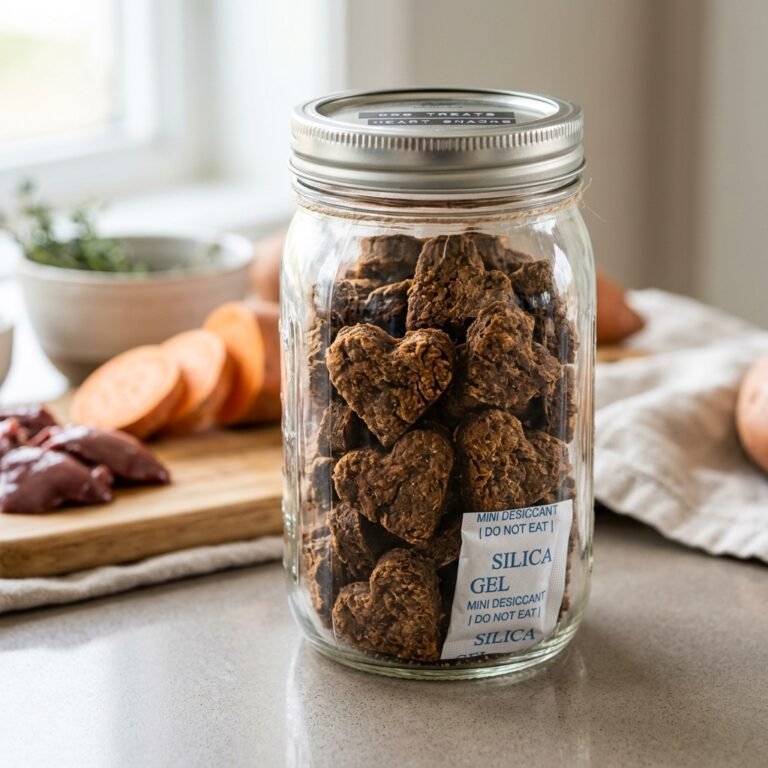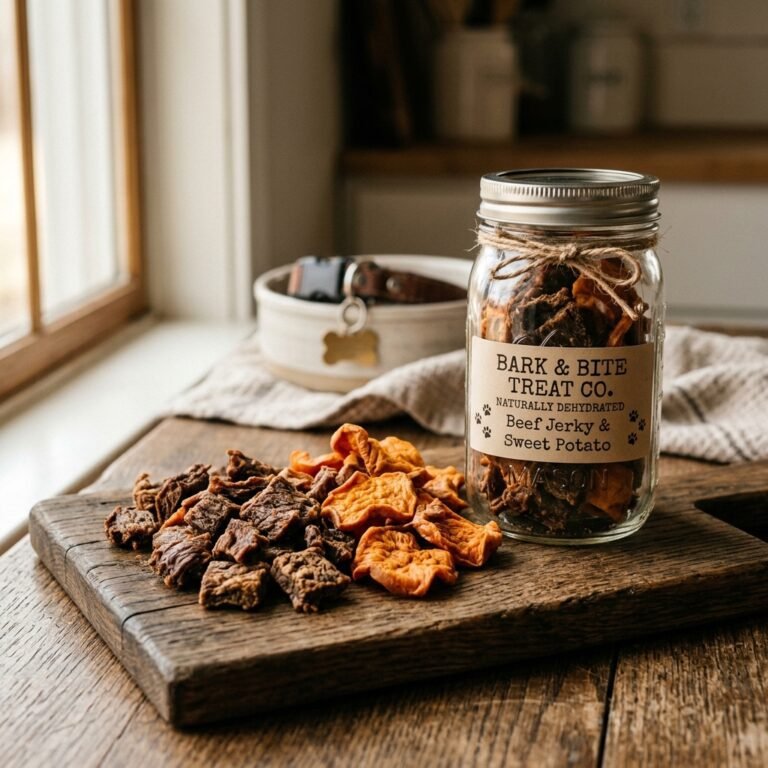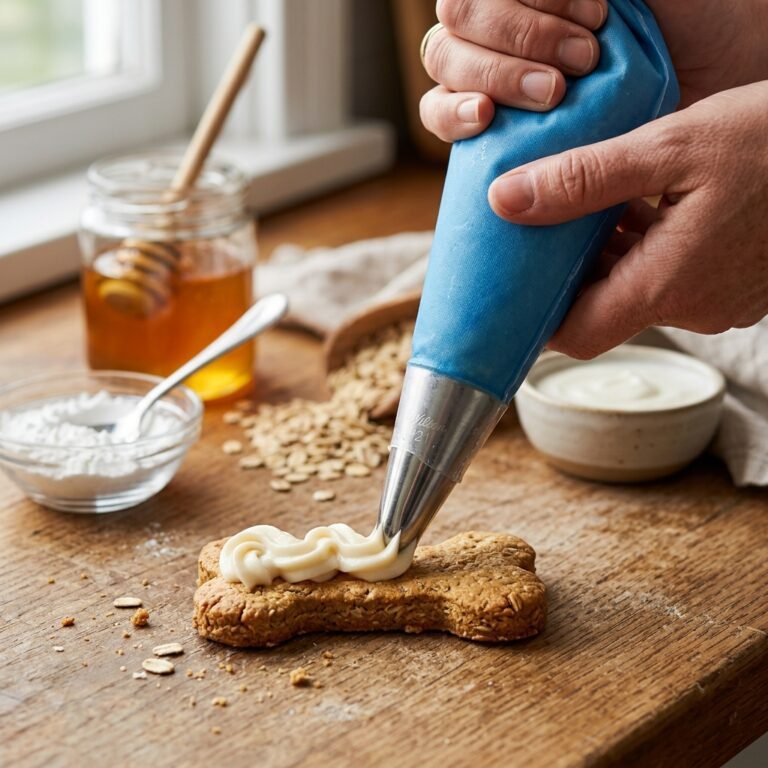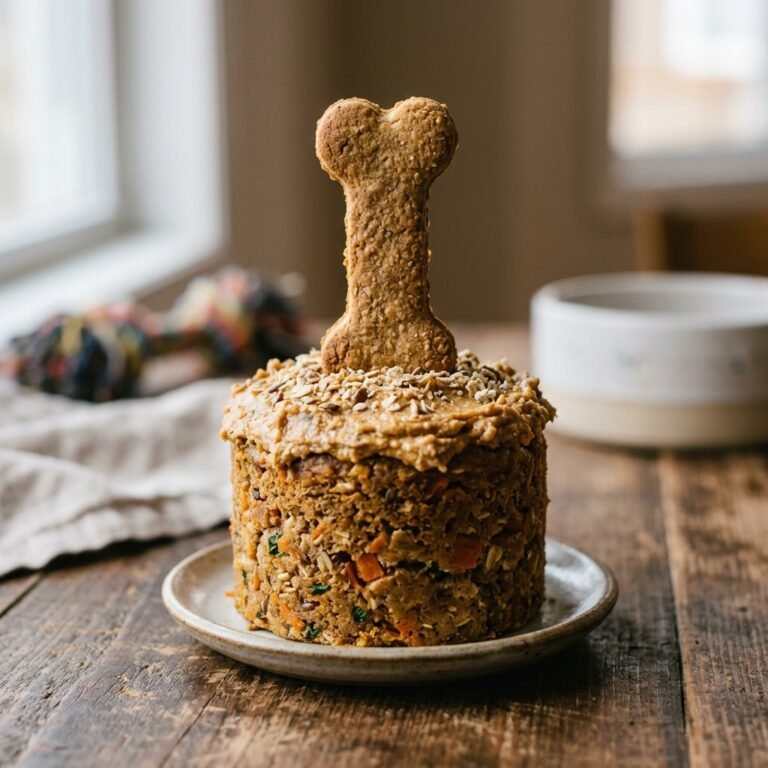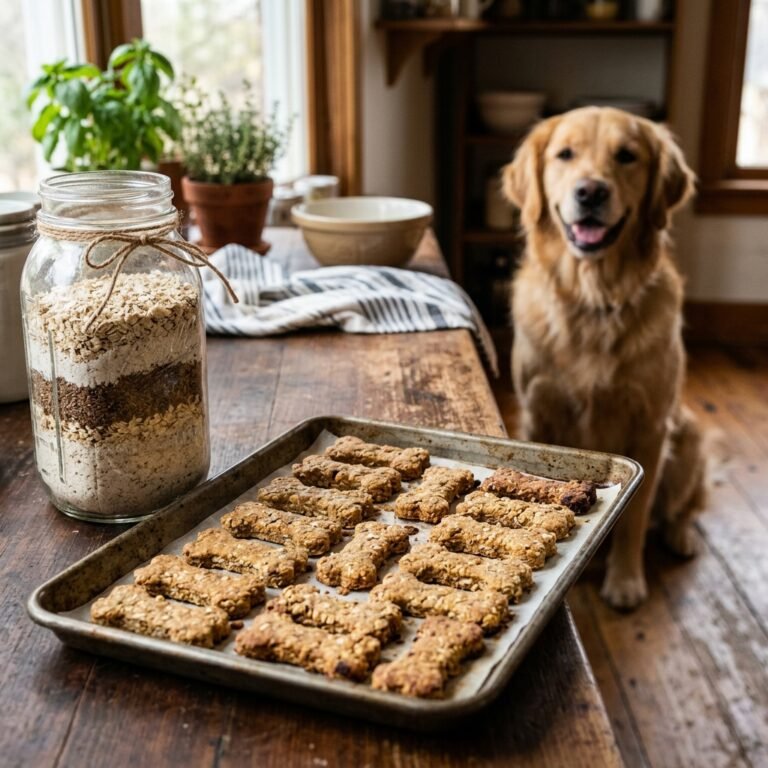
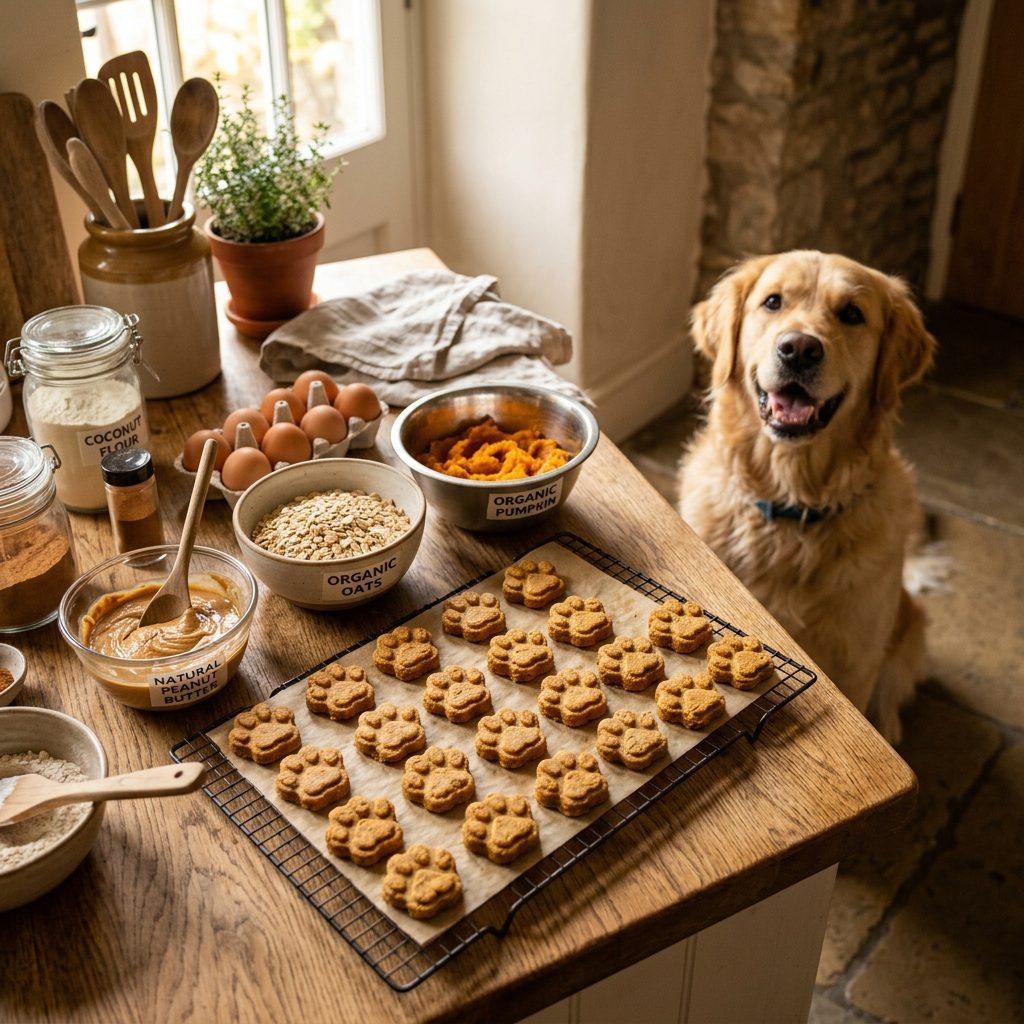
How I Started a 6-Figure Dog Bakery from My Kitchen (Free PDF Business Plan!)
Welcome to the underground dog treat revolution, my fellow canine fanatics. If you are reading this, you are probably exactly like me: a savvy, label-reading dog owner who treats their pup like royalty and refuses to feed them the chemical-laden garbage sold at big-box pet stores. I am the Canine Nutrition Hacker, and today, I am pulling back the curtain on a journey that changed my life and my dog’s health forever. A few years ago, I was standing in the treat aisle, analyzing ingredient panels like a forensic scientist. What I found was horrifying: artificial dyes, mystery meat meals, and preservatives that I would not even feed to my worst enemy, let alone my best friend. Out of pure frustration, I started baking my own treats in my tiny apartment kitchen. Fast forward to today, and that desperate pivot has exploded into a 6-figure dog bakery business. And the best part? I did it all without compromising on a single ounce of nutrition. In this guide, I am going to show you exactly how I exposed the “filler” industry, formulated treats that actually nourish, and built a massive, loyal customer base of other savvy dog owners who are begging for better options. Grab a cup of coffee, because we are about to turn your kitchen into a powerhouse of canine health and financial freedom.
Insider Secret: The pet industry wants you to believe that formulating safe, healthy treats is too complicated for a home baker. It is a lie designed to keep you buying their high-margin, low-quality bags of corn and soy. You have the power to hack this system, and I am going to give you the exact blueprint.
The Label-Reading Epiphany That Sparked an Empire
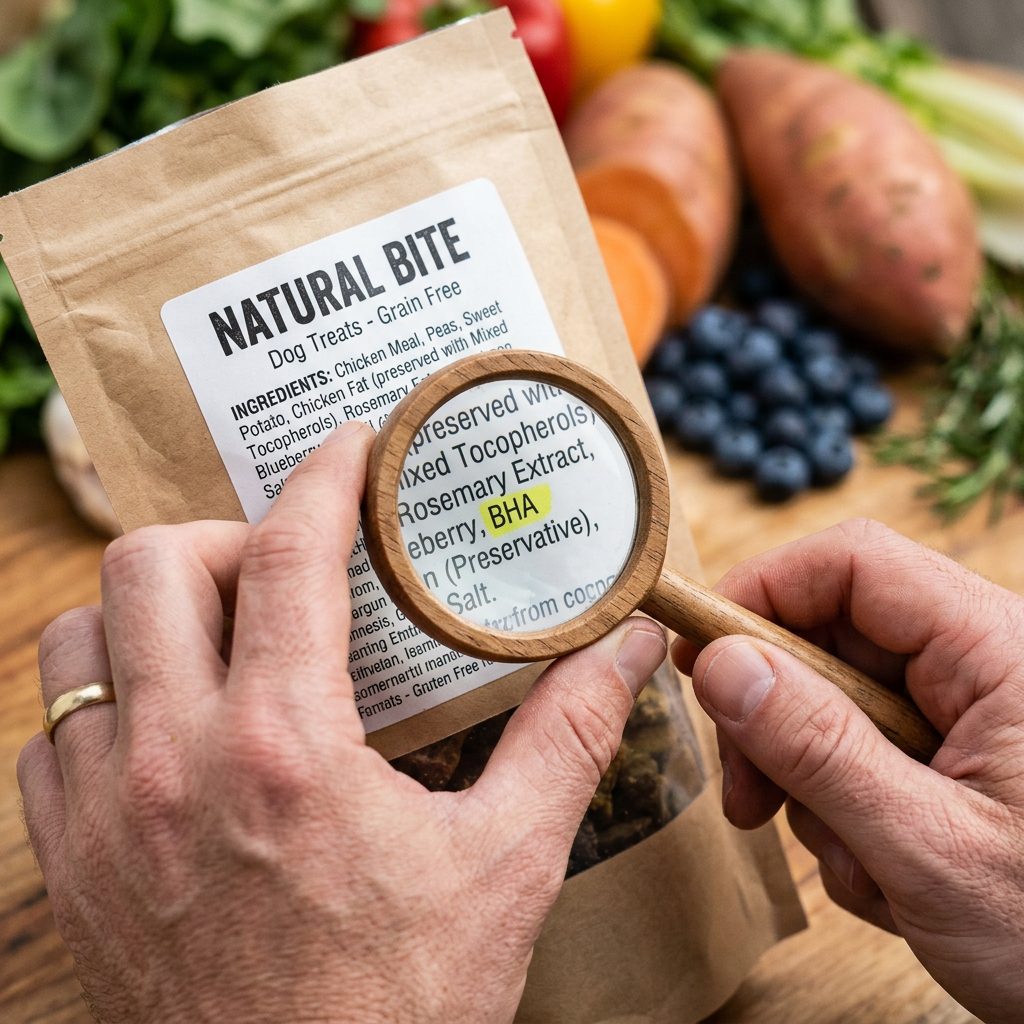
Every great business starts with a problem that desperately needs solving. For me, it was the realization that the commercial dog treat industry is fundamentally broken. When you start reading labels with a critical eye, you realize that most “premium” treats are just clever marketing wrapped around cheap, dangerous fillers. I remember looking at a bag of popular bacon-flavored snacks and realizing there was no actual bacon in them—just artificial flavoring, Red 40 dye, and a preservative called BHA, which is a known carcinogen. That was the moment I said, “Enough is enough.”
Savvy dog owners are waking up. We are no longer blindly trusting cute packaging. We want transparency, we want whole foods, and we want to know exactly what is going into our dogs’ bodies. This massive shift in consumer awareness is the exact reason why a homemade dog bakery is not just a cute hobby; it is an incredibly lucrative business opportunity. You are not just selling treats; you are selling peace of mind.
- The Enemy Ingredients: Corn gluten meal, soy flour, artificial dyes (Red 40, Yellow 5), and chemical preservatives like BHA, BHT, and Ethoxyquin. These are cheap fillers that trigger allergies, digestive issues, and long-term health problems.
- The Hero Ingredients: Organic oat flour, pure pumpkin puree, single-source novel proteins (like dehydrated rabbit or salmon), and dog-safe herbs like parsley for breath freshening.
When you start baking with Hero Ingredients, the difference in your dog’s energy, coat, and digestion is night and day. And when you share those treats with your friends at the dog park? They will literally beg you to start selling them.
The Safe Chef Guide: Formulating Treats That Sell Out
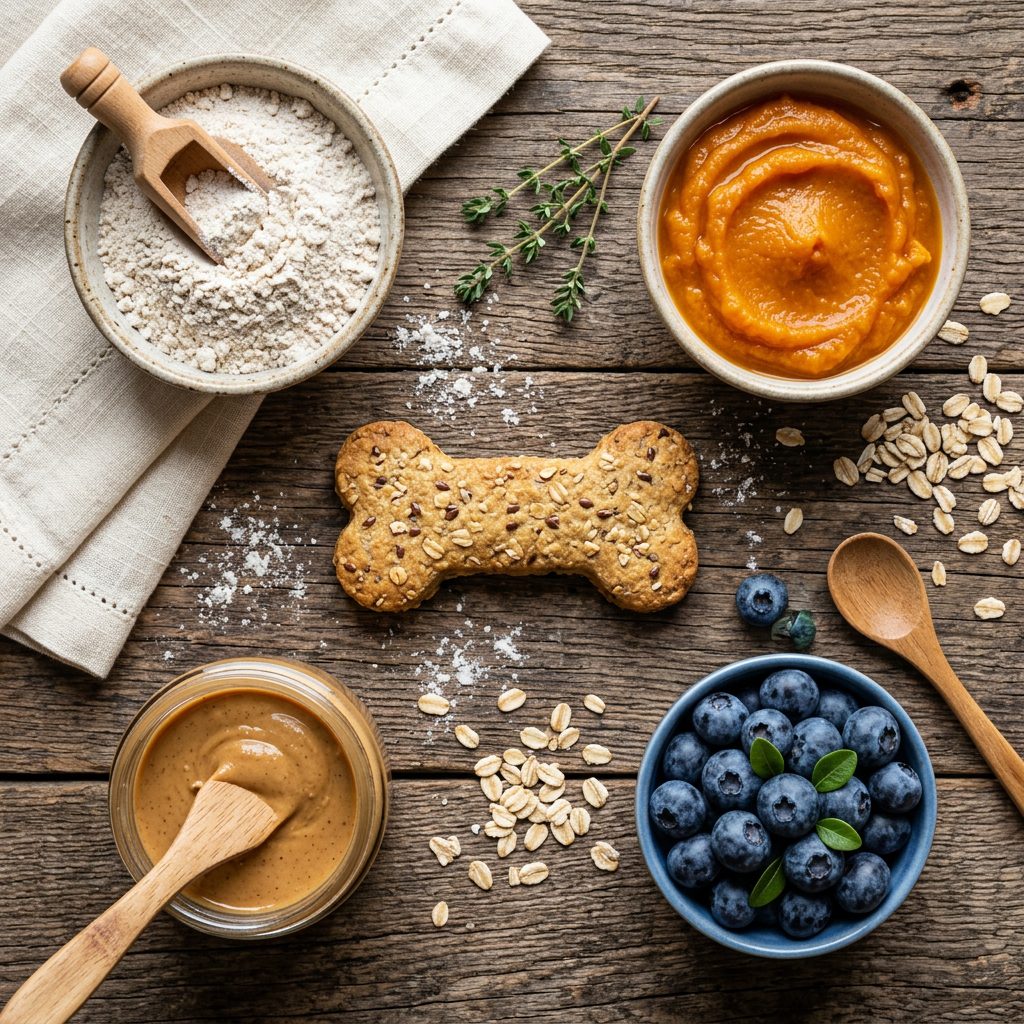
Before you even think about scaling to 6 figures, you need a product that is bulletproof. As the Canine Nutrition Hacker, I cannot stress this enough: you must formulate your treats with safety and nutrition as your absolute top priorities. You are not a veterinarian, and you should always include a strong disclaimer on your packaging that your treats are for supplemental feeding only, not a complete diet replacement. But that does not mean your treats cannot be nutritional powerhouses.
When I created my flagship recipe—the “Pumpkin Power Paw”—I focused on gut health and allergy prevention. I ditched wheat (a massive allergen for many dogs) and used organic oat flour. I used pure, unsweetened pumpkin puree for digestion, and natural peanut butter for healthy fats and protein. WARNING: You must be obsessively vigilant about your ingredients. For example, some commercial peanut butters contain Xylitol (birch sugar), which is highly toxic and potentially fatal to dogs. You must source 100% pure peanuts-only butter.
My Base Recipe Ratios for Success
- The Binder (40%): Oat flour, chickpea flour, or coconut flour. These provide structure without the inflammatory properties of cheap wheat or corn.
- The Flavor & Moisture (50%): Pure pumpkin, unsweetened applesauce, or bone broth. This keeps the treats palatable and easy to chew.
- The High-Value Kicker (10%): Dehydrated liver dust, pure peanut butter, or blueberries. This is what makes the dogs go absolutely wild.
Hacker Tip: Dehydrate your treats after baking! Moisture is the enemy of shelf life. By baking your treats and then leaving them in a warm oven or dehydrator for a few hours, you remove the moisture, naturally extending the shelf life without needing chemical preservatives.
The Economics of Premium Dog Treats: A Real Cost Breakdown
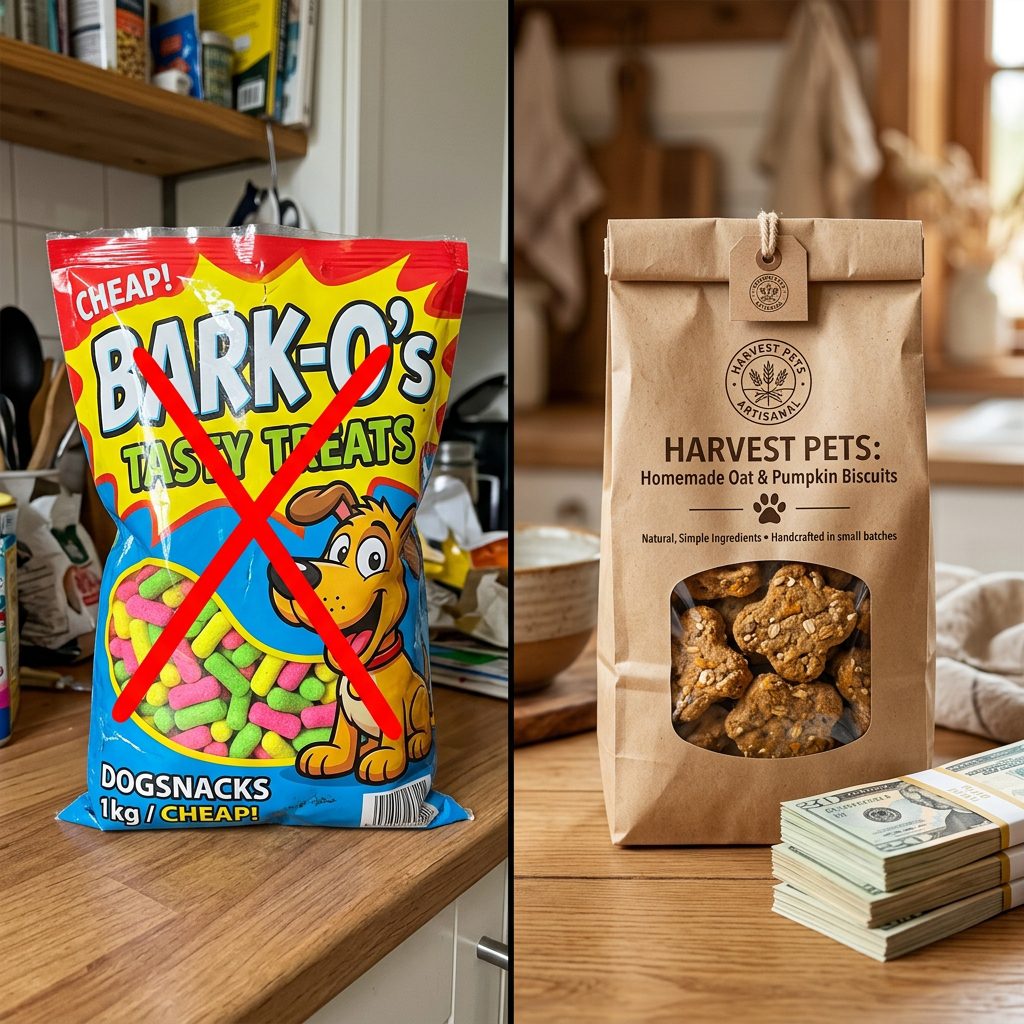
Let us talk numbers, because you cannot build a 6-figure business on passion alone. You need margins. The beauty of the premium dog treat market is that savvy owners are more than willing to pay a premium price for a premium product. They already know that cheap treats lead to expensive vet bills. When you position your product as an investment in their dog’s health, price becomes a secondary concern.
However, to make real money, you have to master your ingredient sourcing. Buying oat flour at the local boutique grocery store will destroy your margins. You need to buy in bulk from restaurant suppliers or wholesale organic co-ops. Let us look at a forensic breakdown of why this business model works so incredibly well.
The Profitability Matrix
Below is a direct comparison of the economics behind commercial junk treats versus our premium, kitchen-baked nutritional hacks. Pay close attention to the profit margins.
| Metric | Commercial Junk Treats | Our 6-Figure Gourmet Treats |
|---|---|---|
| Primary Ingredient | Corn Gluten Meal (Filler) | Organic Oat Flour (Nutrient-Dense) |
| Protein Source | Mystery Meat Meal | Pure Peanut Butter & Dehydrated Liver |
| Preservatives | BHA / BHT (Chemicals) | Natural Dehydration / Vitamin E |
| Cost to Produce (Per 8oz Bag) | $0.45 | $1.80 |
| Average Retail Price | $3.99 | $14.99 |
| Profit Margin | N/A (Corporate Volume) | Over 85% |
As you can see, even though our cost to produce is higher because we use actual, real food, our retail price reflects the premium nature of the product. When a savvy dog owner sees a bag of treats made with just three readable, organic ingredients, dropping $14.99 is a no-brainer. That 85% margin is how you scale to 6 figures from your kitchen.
Navigating the Red Tape: AAFCO and Guaranteed Analysis
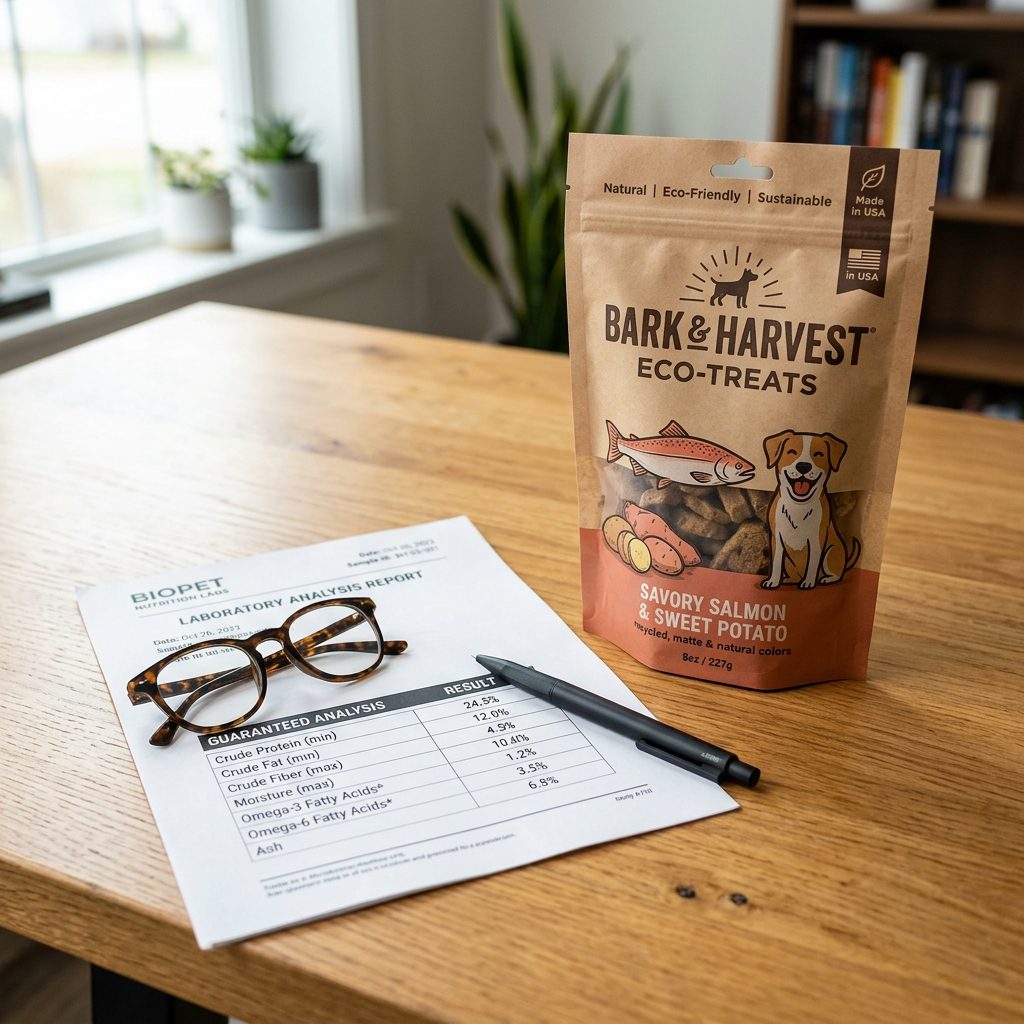
Alright, hackers, it is time for some tough love. You cannot just bake cookies and sell them on the internet without following the rules. The pet food industry is highly regulated, and if you want to play in the big leagues and hit that 6-figure mark, you have to legitimize your operation. This is where most amateur bakers give up, which means this is exactly where you will gain your competitive advantage.
Every state has its own Department of Agriculture, and they regulate the sale of pet treats. You will need to register your product with them. But the biggest hurdle is the Guaranteed Analysis. Just like human food has nutritional labels, dog treats must display the minimum percentages of crude protein and crude fat, and the maximum percentages of crude fiber and moisture. This ensures that what you are selling is safe and accurately represented.
How to Hack the Lab Testing Process
- Do not guess: You cannot calculate this yourself using an online recipe calculator. You must send a sample of your finished treats to an accredited commercial laboratory.
- It is cheaper than you think: A standard Guaranteed Analysis test usually costs between $30 and $70 per recipe. It is a one-time business expense that instantly validates your product.
- Labeling requirements: Your packaging must include the product name, net weight, ingredient list (in descending order of weight), the Guaranteed Analysis, and your business name and address.
Insider Secret: Keep your product line small at first! Do not launch with 20 different flavors. Launch with 3 incredibly solid, lab-tested recipes. This keeps your testing costs low, simplifies your bulk ingredient purchasing, and prevents production bottlenecks in your kitchen.
Kitchen Hacks: Scaling Production Without Losing Your Mind
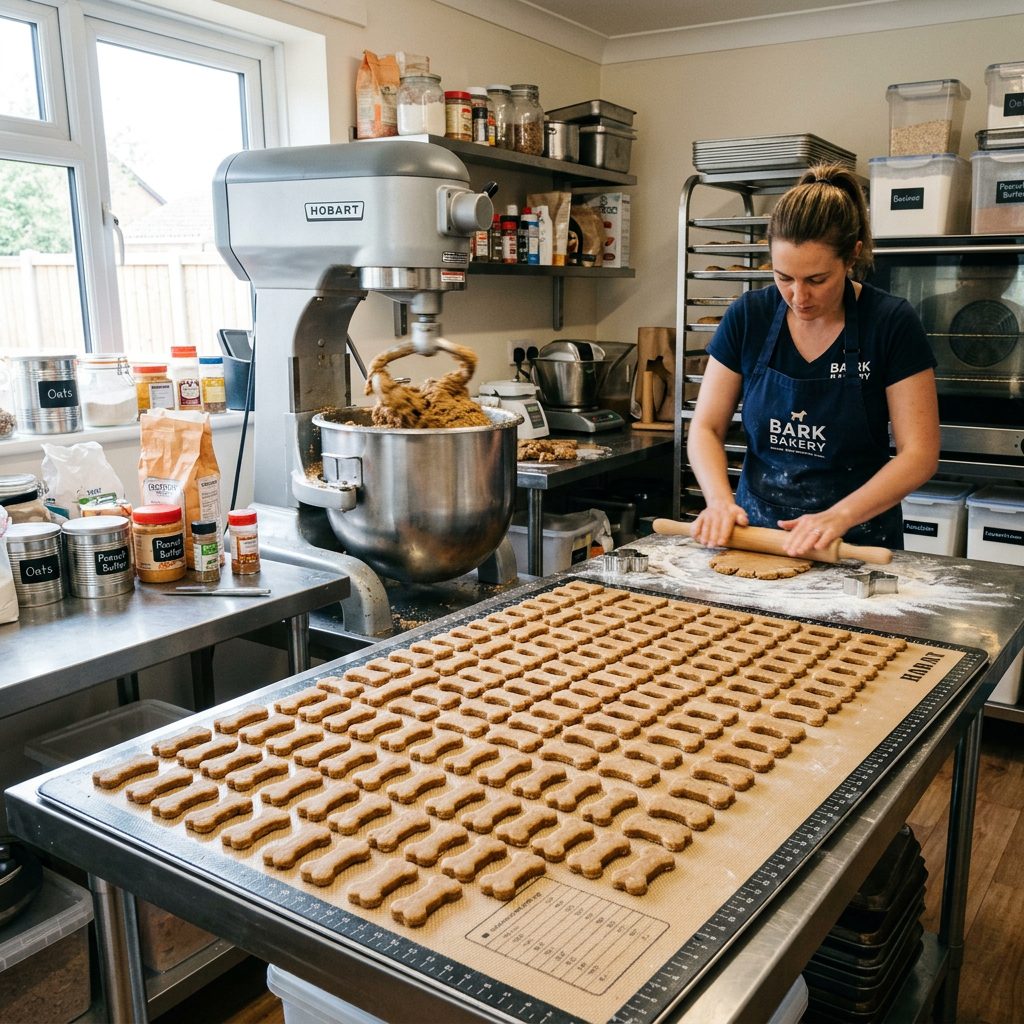
Hitting 6 figures means you are moving volume. You are selling at local farmers’ markets on weekends, you are fulfilling online orders, and you are wholesaling to local boutique pet shops and grooming salons. If you are rolling out dough with a wooden pin and cutting out individual bone shapes by hand, you will burn out in a month. You have to optimize your kitchen like a manufacturing plant.
When I scaled my business, I had to completely rethink my workflow. I stopped viewing myself as a home baker and started viewing myself as a production manager. Here are the exact upgrades that took me from making $1,000 a month to over $10,000 a month.
The 6-Figure Equipment Stack
- The Commercial Stand Mixer: Ditch the standard kitchen mixer. Invest in a heavy-duty, 8-quart commercial mixer. Dog treat dough, especially oat and chickpea-based dough, is incredibly dense and will burn out a standard motor in weeks.
- Silicone Baking Mats & Multi-Cutters: Stop cutting individual shapes. Use a multi-cutter (a grid that cuts 50 treats at once) or switch to silicone molds where you can just press the dough in and bake. This cuts production time by 70%.
- The Multi-Tier Dehydrator: As mentioned earlier, moisture is the enemy. A large, 10-tray commercial dehydrator allows you to process hundreds of treats overnight while you sleep.
By batch-cooking your base doughs on Mondays, baking on Tuesdays, and packaging on Wednesdays, you create a streamlined system that frees up the rest of your week for marketing, engaging with your community on Instagram, and pitching your products to local pet stores.
Conclusion
Starting a 6-figure dog bakery from your kitchen is not a pipe dream; it is a highly strategic, totally achievable reality for the savvy dog owner. By ditching the toxic fillers of the commercial pet food industry, formulating nutrient-dense, high-value treats, and treating your kitchen like a streamlined production facility, you can build an empire that not only fills your bank account but genuinely improves the lives of dogs everywhere. You have the knowledge, you have the drive, and now you have the blueprint. The market is absolutely starving for transparency and health. It is time for you to step up and deliver.
If you are ready to stop reading labels and start printing your own, download my Free PDF Business Plan linked below. It includes my exact profit-loss spreadsheets, my vendor list for bulk organic ingredients, and the step-by-step marketing strategy I used to dominate my local farmers’ markets. Empower yourself, protect the pack, and let’s get baking!