Absolutely Pinterest-Worthy: How to Safely Decorate Beautiful Dog Cakes Using Real Edible Flowers
SAFETY DISCLAIMER: I am The Canine Nutrition Hacker, a passionate advocate for dog health and ingredient transparency, not a veterinarian. Always consult your vet before introducing new foods, especially if your dog has a history of allergies, sensitive digestion, or specific medical conditions. Any homemade diet or treat should be factored into your dog’s daily caloric intake to prevent weight gain.
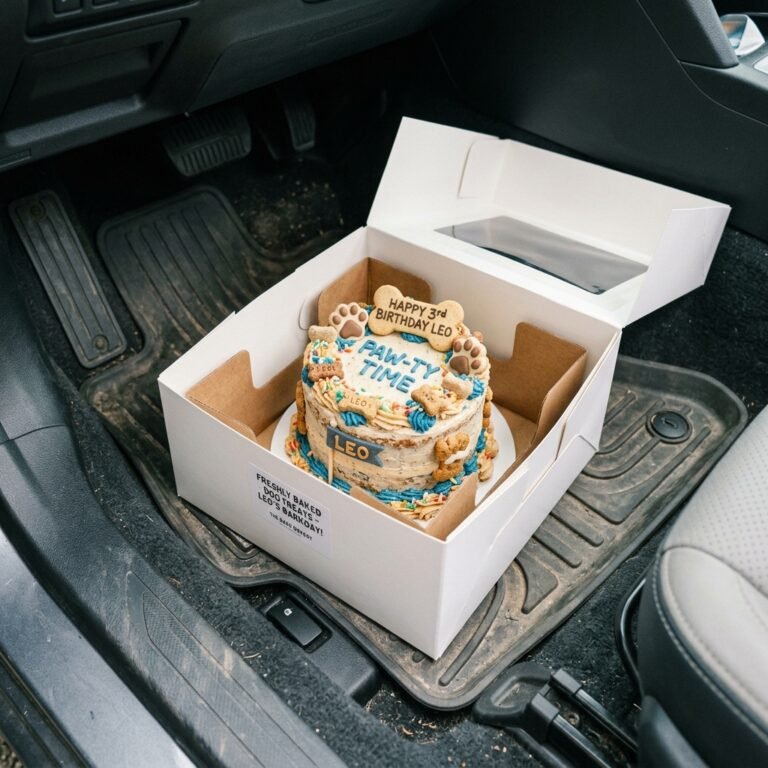
Let’s have a real conversation about dog birthdays. You scroll through Pinterest or Instagram, and you see these absolutely stunning, magazine-quality dog cakes. They look better than most human wedding cakes. Naturally, you want one for your furry best friend. But then you look at the price tag at the local boutique “barkery”—$60, $70, sometimes even $100 for a cake that your dog is going to inhale in exactly fourteen seconds.
As the Canine Nutrition Hacker, I look at those cakes and I don’t just see the price tag; I look at the ingredient list. Many commercial dog cakes, even the expensive ones, are loaded with refined flours, hidden sugars (like honey or molasses in excessive amounts), and artificial food dyes that offer zero nutritional value. Some even use fondant! Fondant is basically edible plastic made of pure sugar. Why on earth are we feeding that to our carnivore companions?
Here is the insider secret: You can build an absolute showstopper of a dog cake in your own kitchen. You can make it look incredibly chic, rustic, and Pinterest-worthy by using real, edible flowers. It requires zero piping skills, zero artificial dyes, and zero expensive bakery equipment. Best of all, we are going to use ingredients that actually benefit your dog’s biology. We are swapping out the empty-calorie fillers for bioavailable proteins, healthy fats, and fiber-rich carbohydrates. Grab your mixing bowls, because we are about to hack the dog cake industry.
The Hacker’s Guide to Edible Blooms: What is Safe and What is Toxic
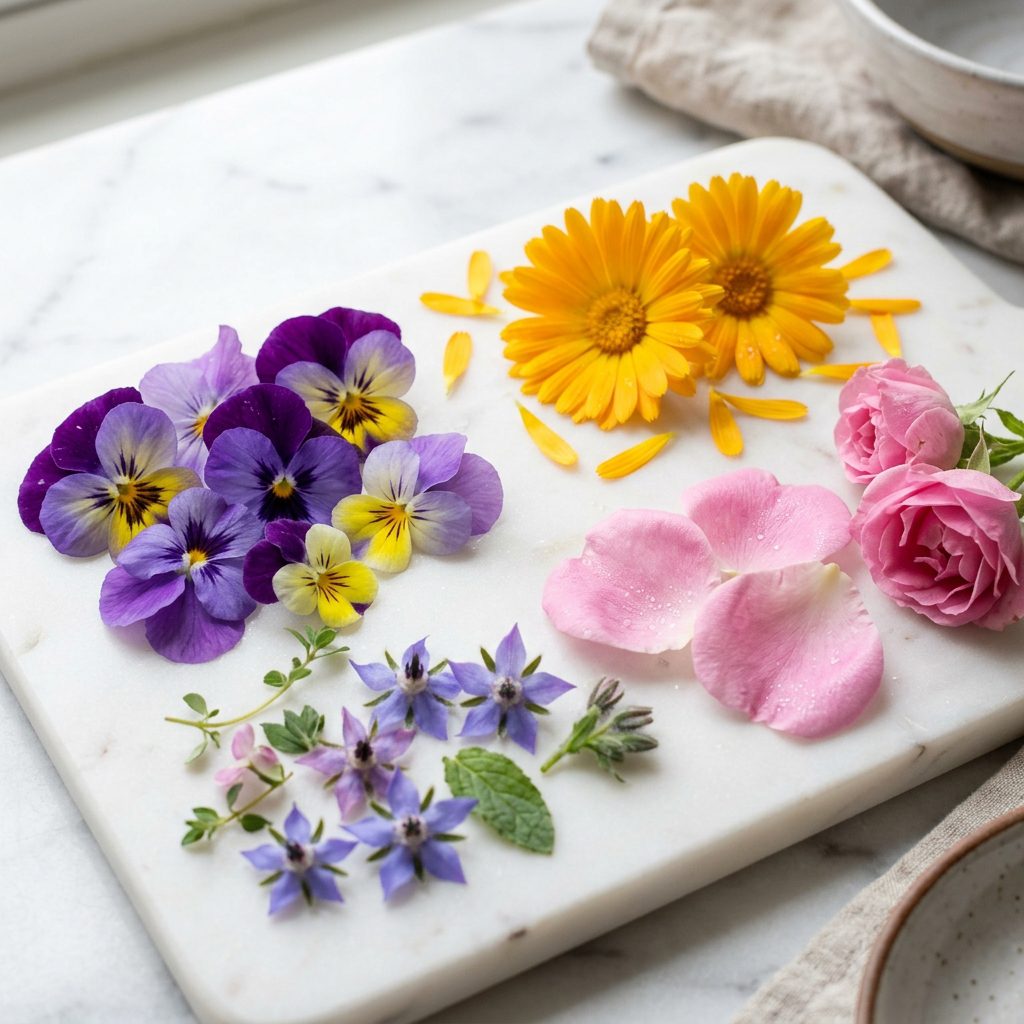
Before you run out to your garden or the local florist and start plucking petals, we need to have a serious talk about botany. Not all flowers are created equal, and what looks beautiful can sometimes be deadly. Furthermore, you cannot use flowers from a standard florist or grocery store bouquet. Those are heavily sprayed with chemical pesticides, fungicides, and floral preservatives that are highly toxic to dogs. You must source food-grade, organic edible flowers, or grow them yourself without chemicals.
The “Safe List” (Hero Ingredients)
These flowers are not only safe but can offer trace amounts of beneficial phytonutrients:
- Pansies and Violas: These are the ultimate Pinterest hack. They come in stunning, vibrant colors and lay flat against frosting beautifully. They are completely non-toxic and have a very mild, grassy flavor that dogs do not mind.
- Roses: Rose petals are safe for dogs and add an incredibly elegant touch. Insider Secret: Always remove the white base of the petal, as it can be quite bitter. Ensure they are 100% organic.
- Chamomile: Looks like adorable little daisies. Chamomile is well-known for its mild calming properties and soothing effect on the gastrointestinal tract.
- Calendula (Pot Marigold): Known as “poor man’s saffron,” these vibrant yellow and orange petals are excellent for skin health and have anti-inflammatory properties. Note: Ensure it is Calendula officinalis, not standard garden marigolds (Tagetes), which can be irritating.
- Dandelions: Yes, the common weed! If you have an untreated lawn, dandelion flowers are perfectly safe and act as a natural diuretic and liver support.
The “Never Ever” List (Enemy Ingredients)
Never let these flowers anywhere near your dog’s cake, their mouth, or your kitchen counters:
- Lilies: Highly toxic, especially to cats, but can cause severe gastrointestinal upset and lethargy in dogs.
- Daffodils and Tulips: The bulbs are the most toxic part, but the flowers themselves contain alkaloids that can cause severe vomiting, diarrhea, and cardiac arrhythmias.
- Hydrangeas: Contain cyanogenic glycosides—which is a fancy scientific term for compounds that can release cyanide. Absolute no-go.
- Baby’s Breath: Commonly used as filler in bouquets, this can cause vomiting and diarrhea in dogs.
The Real Cost: DIY Dog Bakery vs. Expensive Boutique Cakes
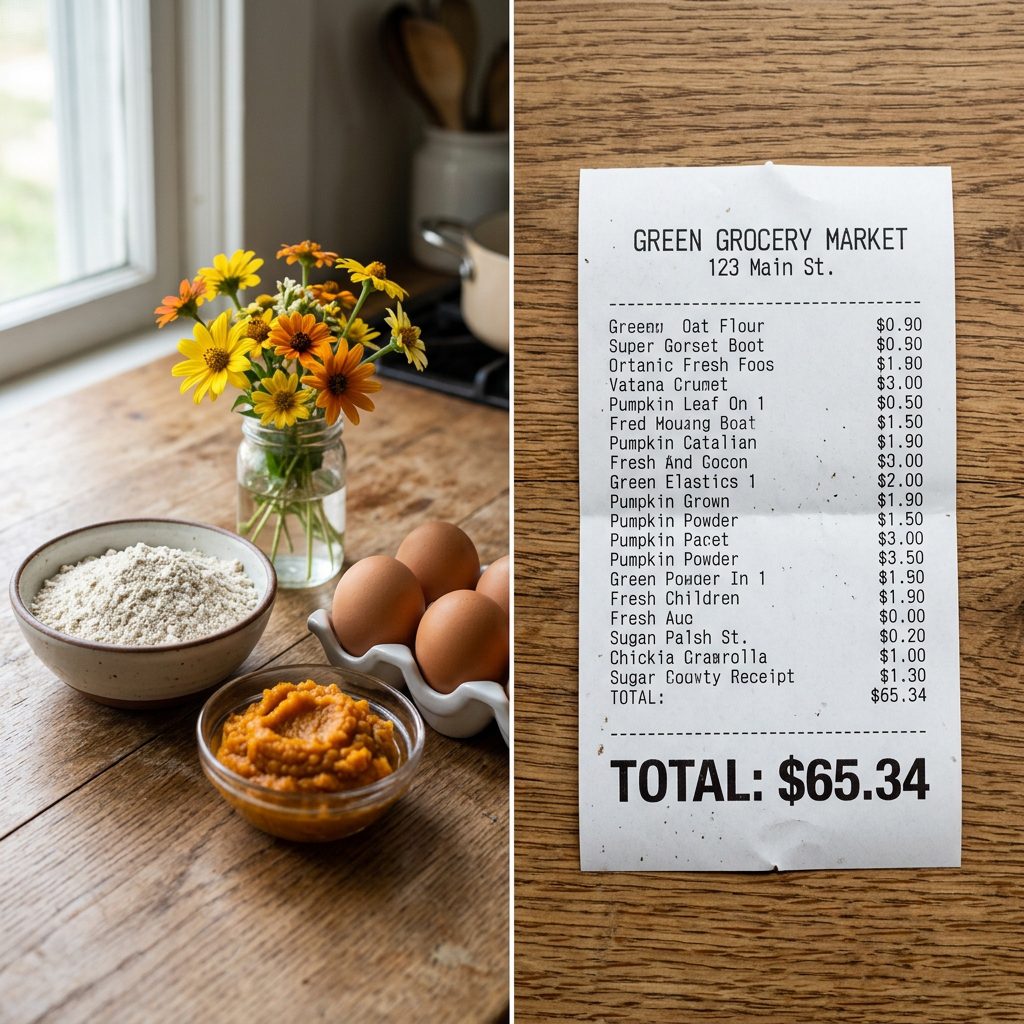
Let’s break down the economics of dog birthdays. The pet industry knows that we treat our dogs like our children, and they price their products accordingly. A custom dog cake from a boutique bakery is a luxury item, often marked up by 400% to 500% over the cost of its raw ingredients. As savvy dog owners, we do not pay for hype; we pay for nutrition.
When you take control of the ingredients, you aren’t just saving money—you are radically upgrading the quality of the food. Let’s look at the hard data comparing a standard 6-inch boutique cake to our homemade, flower-decorated hacker cake.
| Expense Category | Boutique Barkery Cake | The Hacker’s DIY Cake |
|---|---|---|
| Base Ingredients | $15.00 (Often includes cheap wheat flour) | $4.50 (Organic oat flour, pumpkin, eggs) |
| Frosting | $10.00 (Yogurt powder & hidden sugars) | $3.00 (Plain Greek yogurt & peanut butter) |
| Decorations | $15.00 (Artificial dyes, sugary icing drops) | $6.00 (Organic, food-grade edible flowers) |
| Labor & Markup | $25.00+ | $0.00 (Made with love!) |
| Total Estimated Cost | $65.00+ | $13.50 |
By baking this yourself, you are keeping over $50.00 in your pocket while delivering a product that is infinitely safer and healthier for your dog’s digestive system. That is the power of hacking your dog’s nutrition.
The “No-Filler” Dog Cake Base Recipe
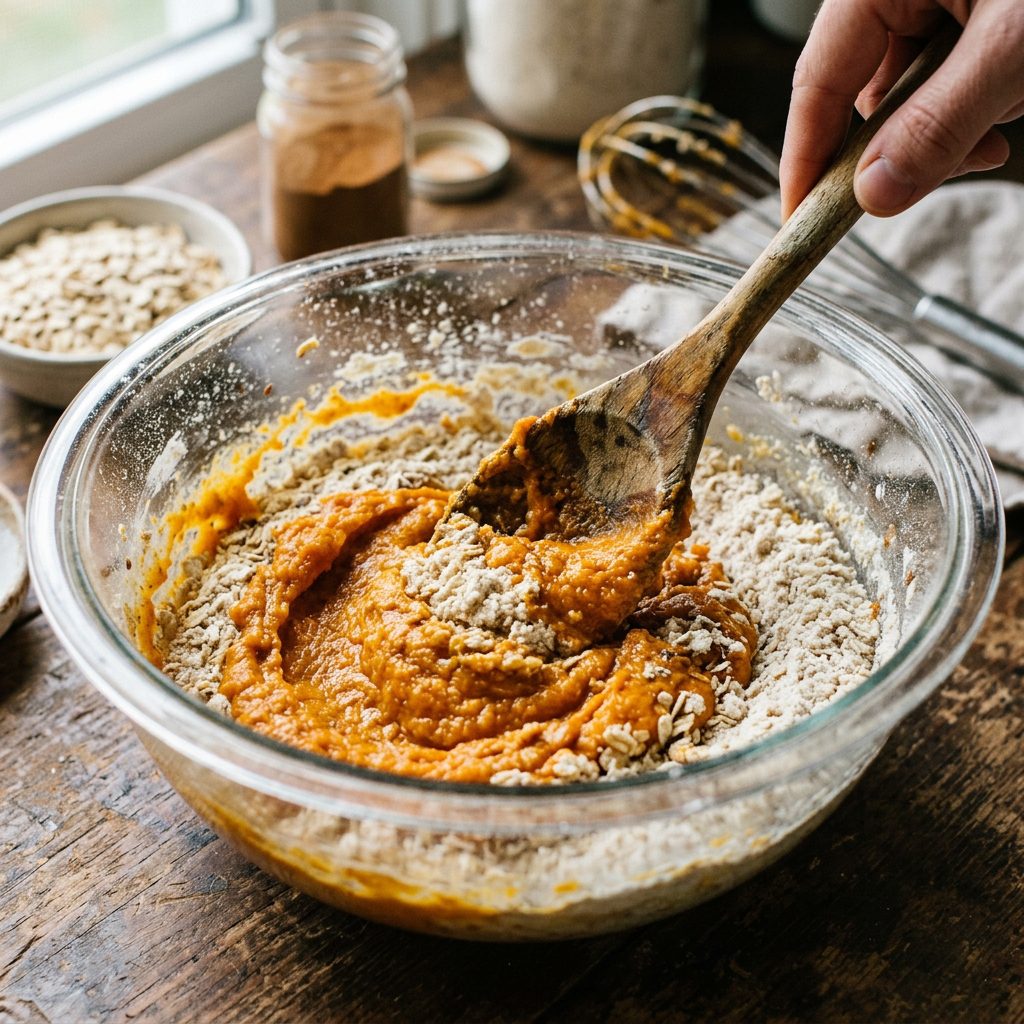
Now that we understand the safety protocols and the economics, let’s get into the actual formula. Notice I call it a formula, not just a recipe. We are balancing moisture, binding agents, and healthy fats without relying on inflammatory gluten or empty carbohydrates.
The Hacker’s Actionable Recipe
- 1 Cup Organic Oat Flour: You can make this yourself by simply blending rolled oats in a food processor until fine. Oats are a great source of soluble fiber, which helps regulate digestion.
- 1/2 Cup Pure Pumpkin Puree: WARNING: Ensure this is 100% pure pumpkin, NOT pumpkin pie filling, which contains toxic spices like nutmeg and loads of sugar. Pumpkin is our moisture agent and is fantastic for anal gland health and stool consistency.
- 1/4 Cup Unsweetened Applesauce: Adds natural sweetness and moisture without the sugar spike.
- 2 Large Eggs: The ultimate bioavailable protein source. Eggs act as our binder since we aren’t using gluten.
- 3 Tablespoons Melted Coconut Oil: A healthy fat that is excellent for your dog’s skin and coat. It also gives the cake a nice crumb texture.
- 1 Teaspoon Baking Soda: For a little bit of rise.
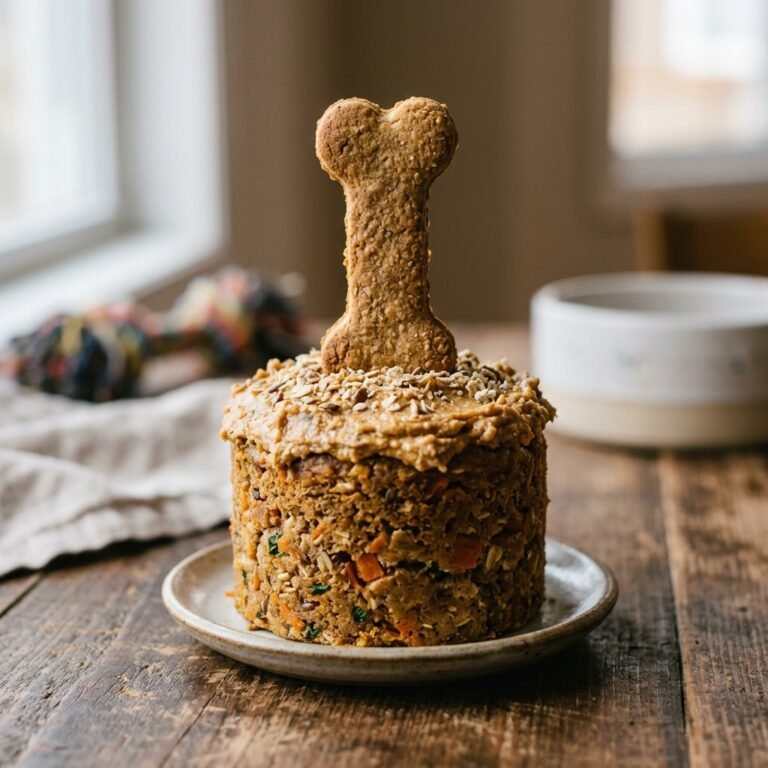
Instructions: Preheat your oven to 350 degrees Fahrenheit (175 degrees Celsius). In a large bowl, whisk your eggs, pumpkin, applesauce, and melted coconut oil until completely smooth. Gradually fold in the oat flour and baking soda. Do not overmix. Pour the batter into a greased 6-inch silicone cake pan (silicone makes removal incredibly easy without needing chemical non-stick sprays). Bake for 25-30 minutes, or until a toothpick inserted into the center comes out clean. Crucial step: Let the cake cool completely before attempting to frost it, or your frosting will melt into a sad puddle.
Insider Secret: If your dog has a known poultry allergy and cannot tolerate chicken eggs, you can substitute the eggs with a “flax egg” (1 tablespoon ground flaxseed mixed with 3 tablespoons water per egg, let sit for 5 minutes) to bind the cake.
Frosting Without the Sugar Crash & Placing Your Flowers
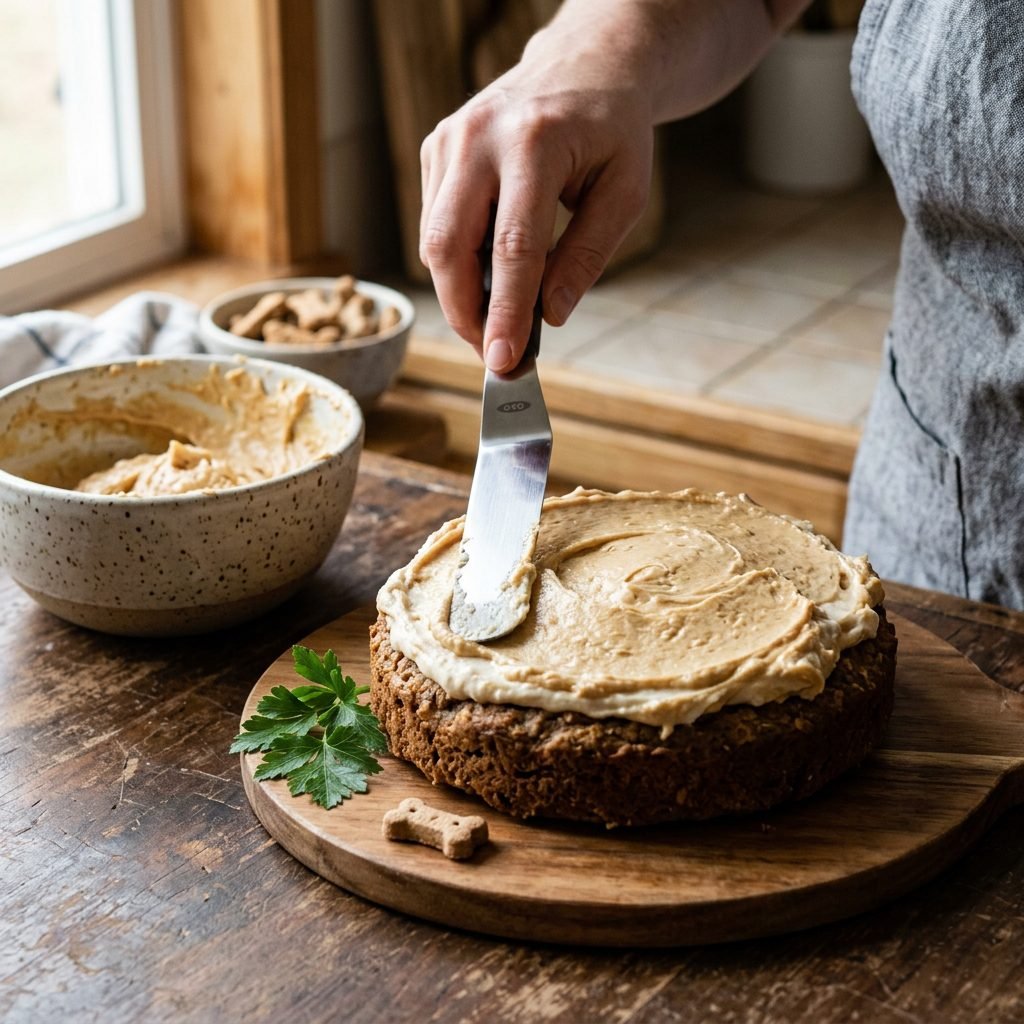
This is where the magic happens. We are going to create a stark white, smooth canvas for our vibrant edible flowers to pop against. Commercial dog frostings often rely on tapioca starch, sugar, and artificial stabilizers. We are going to use whole foods.
The Two-Ingredient Hacker Frosting
- 1 Cup Plain, Unsweetened Greek Yogurt: Must be full-fat for texture, and absolutely MUST NOT contain xylitol (a deadly artificial sweetener). Greek yogurt is thick enough to spread like real buttercream and is packed with probiotics.
- 1/2 Cup All-Natural Peanut Butter: Check the label! The only ingredients should be peanuts (and maybe a little salt). Zero xylitol allowed.
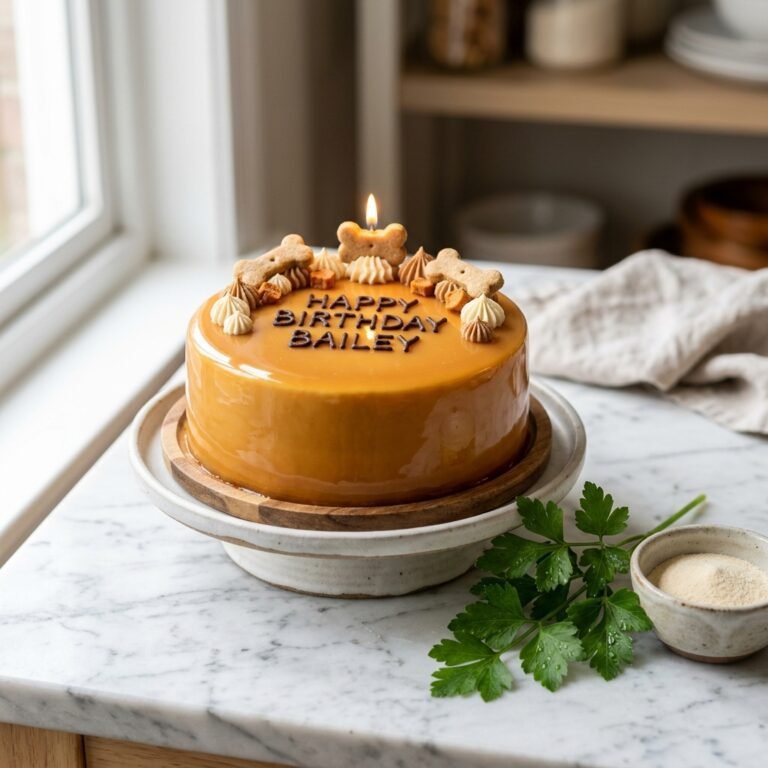
Whisk the Greek yogurt and peanut butter together until it forms a thick, fluffy consistency. If it’s too runny, you can place it in the fridge for 20 minutes to firm up. Use an offset spatula to smooth the frosting over your cooled cake. You don’t need piping bags or fancy techniques—a rustic, smooth finish looks best with flowers.
The Pinterest-Worthy Decorating Technique
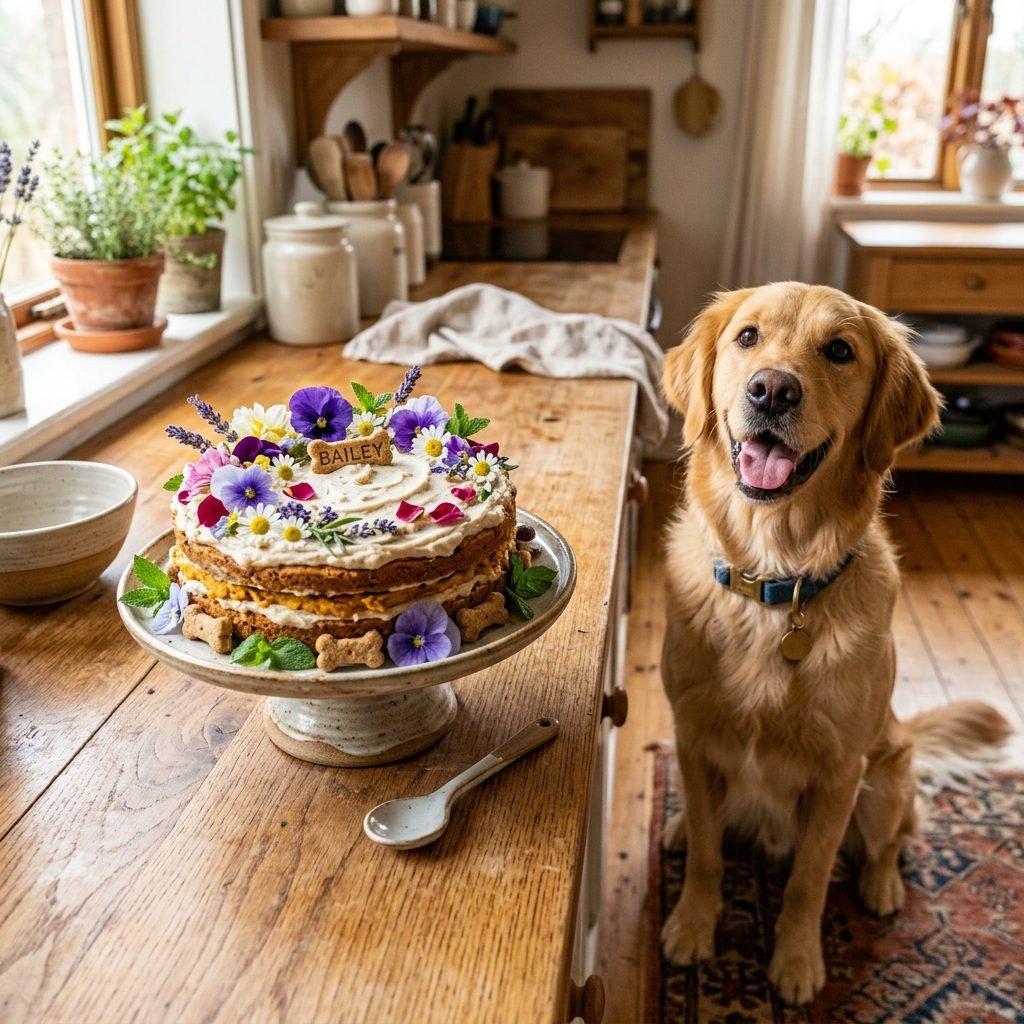
Now, take your washed and dried edible flowers. The trick to a magazine-quality look is asymmetry. Don’t just dump the flowers in the middle. Create a crescent moon shape along one edge of the cake. Start with your largest flowers (like a full pansy or a rose petal) as the focal points. Then, fill in the gaps with smaller blooms like chamomile or individual calendula petals. Gently press the flowers into the frosting so they adhere. You have just created a $70 boutique cake for under $15.
Batch Cooking & Safe Storage Tips
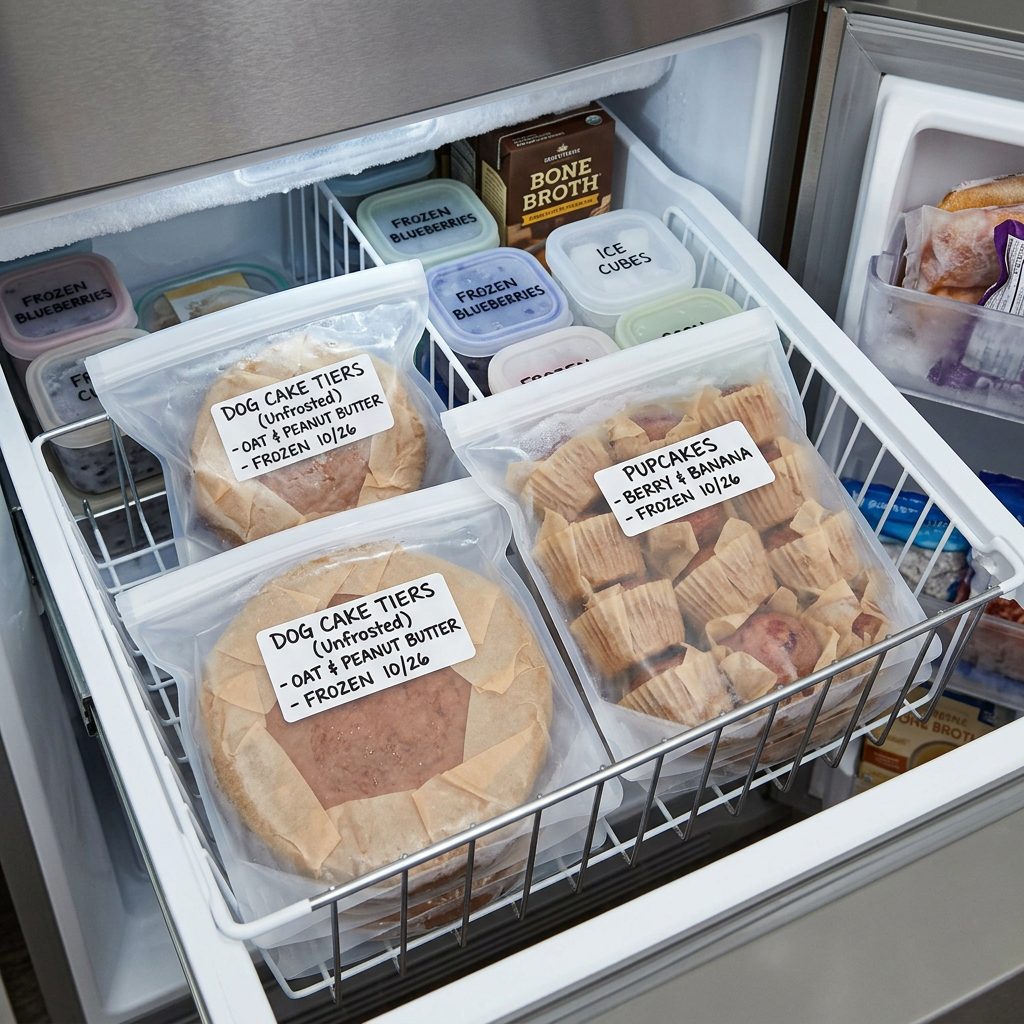
As savvy dog owners, we value our time just as much as our money. If you are going through the effort of gathering ingredients and baking, you should maximize your output. This base recipe scales beautifully, meaning you can double or triple the ingredients to make a large batch of “pupcakes” instead of one single cake.
The Freezing Strategy
The baked cake (or cupcakes) freezes incredibly well, provided you do not frost them first. Once the cake is completely cooled, wrap it tightly in a layer of parchment paper, followed by a layer of aluminum foil, and place it in a heavy-duty silicone freezer bag. It will stay fresh in the freezer for up to three months. When your dog’s next milestone arrives, simply pull it out, let it thaw on the counter for a few hours, and whip up a fresh batch of frosting.
Handling Edible Flowers
Crucial Rule: Do not freeze the edible flowers, and do not put them on the cake until the day you plan to serve it. Fresh flowers are delicate. If you put them in the fridge on top of the moist frosting for too long, they will wilt, turn brown, and look unappetizing. Keep your fresh, unwashed flowers in a hard plastic container lined with a slightly damp paper towel in the crisper drawer of your fridge for up to three days before decorating.
By mastering these storage hacks, you ensure that you always have a healthy, filler-free celebration treat ready to go, saving you from ever having to make a last-minute panic purchase at an expensive pet boutique.
Conclusion
Decorating a dog cake with edible flowers isn’t just about getting likes on social media—though, let’s be honest, the photos are going to be spectacular. It is about taking radical ownership of what goes into your dog’s body. By swapping out artificial dyes, refined sugars, and cheap carbohydrate fillers for organic blooms, oat flour, and probiotic-rich yogurt, you are turning a “cheat day” treat into a genuinely nutritious supplement to their diet.
You now have the tools, the cost breakdown, and the insider secrets to bypass the expensive boutique barkeries. You are armed with the knowledge of which botanicals are safe and which are toxic. The next time a “gotcha day” or a birthday rolls around, you won’t be stressed about spending $60 on a sugar-laden cake. You will be in your kitchen, confidently crafting a masterpiece that is as safe as it is beautiful. Stay savvy, keep reading those ingredient labels, and happy baking!