Is Your Home Dog Bakery Protected? What You Need to Know About Liability Insurance
Insider Secret: Most standard homeowner policies explicitly exclude business activities. If your homemade treats cause an issue, your personal assets could be on the chopping block.
In this no-nonsense guide, we are going to tear down the confusing jargon of liability insurance, expose the real costs of operating unprotected, and give you the street-smart strategies you need to bulletproof your home dog bakery.
The Harsh Reality: Why Dog Treat Businesses Get Sued
The Allergy Minefield
Just like humans, dogs can develop sudden, severe allergies to seemingly benign ingredients. If a customer claims your treat triggered a massive allergic reaction resulting in a $3,000 emergency vet bill, they will likely come looking to you for reimbursement.
The Choking Hazard
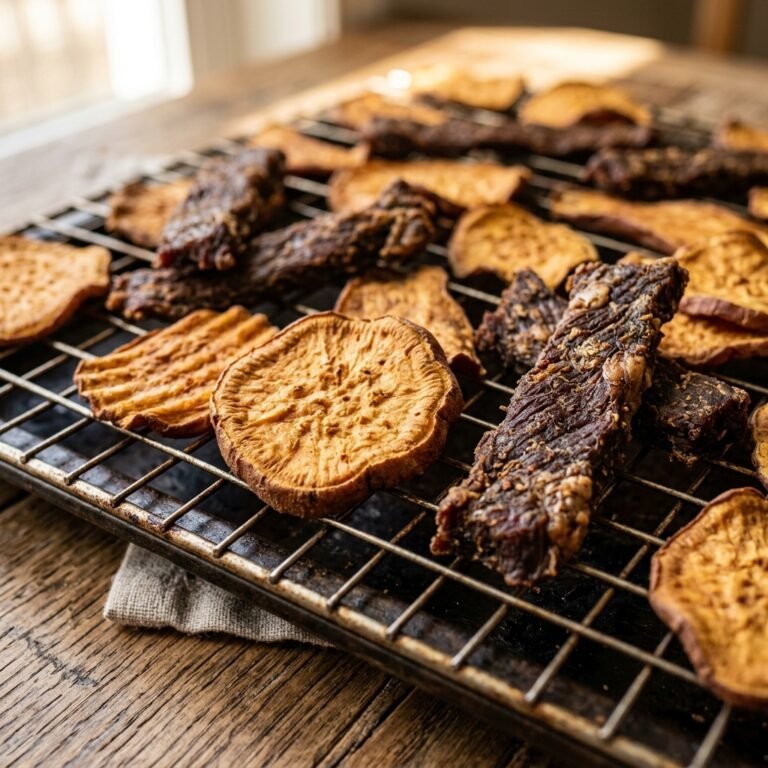
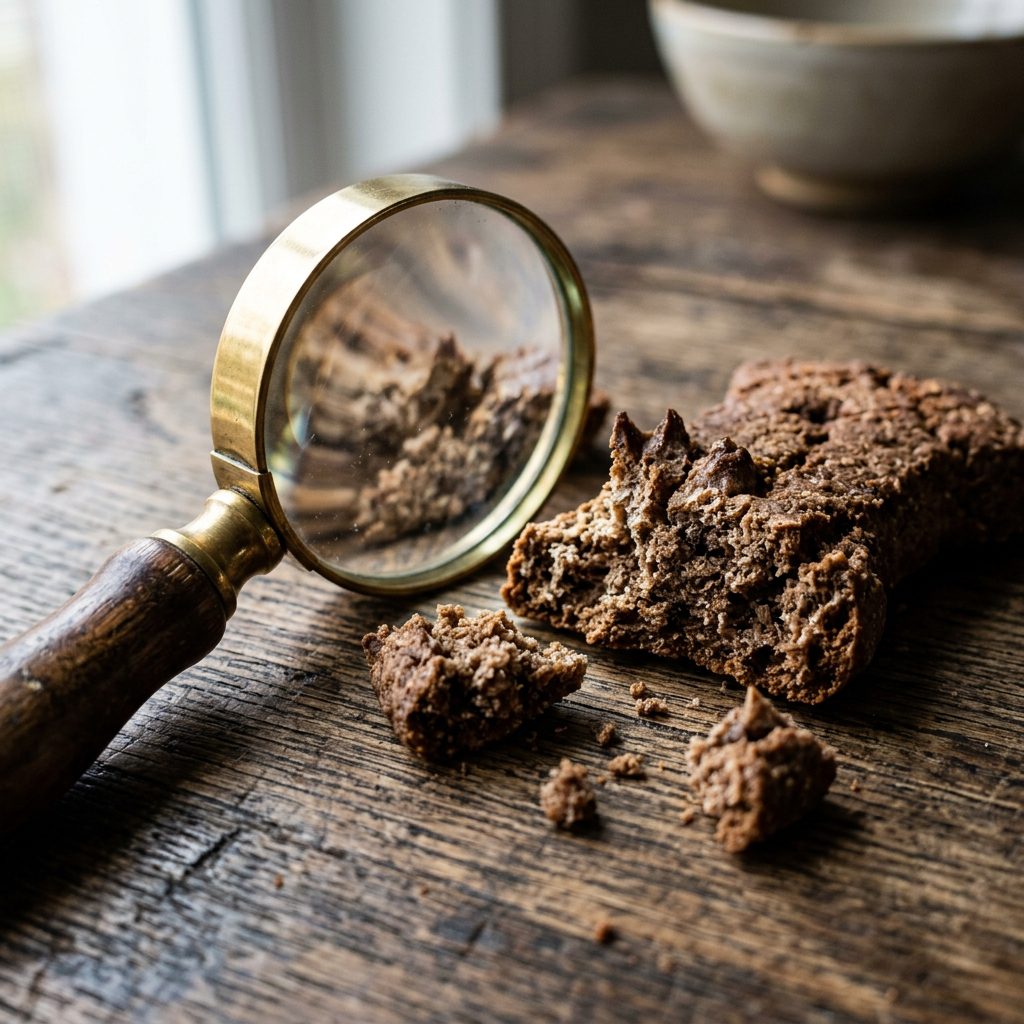
Dehydrated chews, jerky, and even hard-baked biscuits can break off into sharp pieces. If a dog swallows a jagged piece of your homemade sweet potato chew and requires emergency intestinal surgery, the liability falls on the manufacturer—that is you.
Contamination and Spoilage
When you bake at home, you do not have a commercial clean-room. Cross-contamination with human foods (think onions, garlic, or the dreaded xylitol) is a real threat. Furthermore, homemade treats lack the chemical preservatives of big-box brands. This means they spoil faster. If a customer ignores your storage instructions, feeds a moldy treat to their dog, and the dog gets sick, you could still be dragged into a dispute.
General Liability vs. Product Liability: Decoding the Jargon

General Liability Insurance
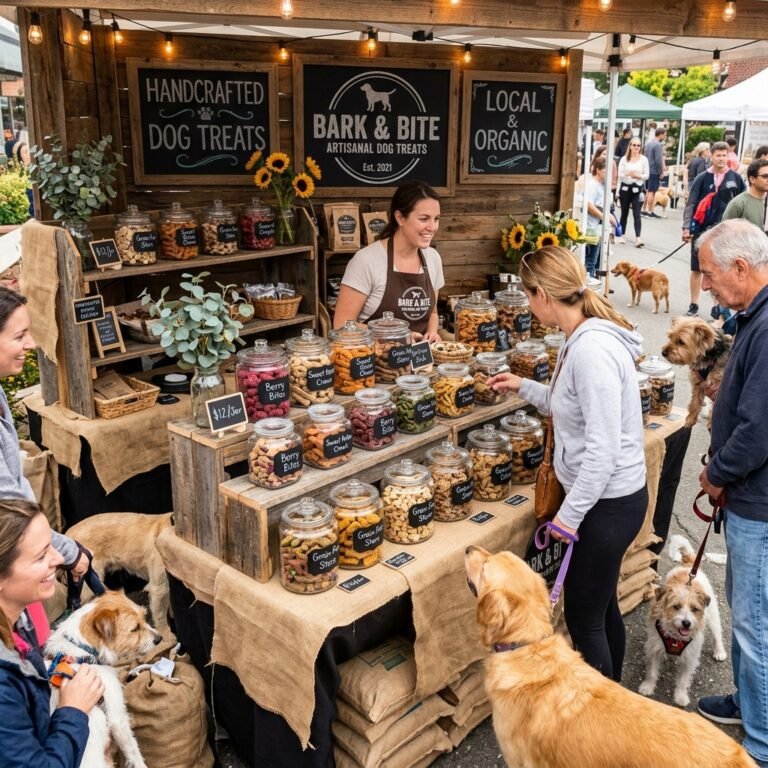
Think of this as your ‘slip and fall’ coverage. If you set up a booth at the local farmer’s market or a pet expo, and a customer trips over your display table and breaks their wrist, General Liability covers their medical bills and your legal defense. It covers bodily injury and property damage that occurs during your business operations, but it generally does not cover the products you sell once they leave your hands.
Product Liability Insurance
This is the holy grail for home dog bakeries. Product Liability steps in when the actual treat you baked causes harm. If your liver brownies give a litter of puppies severe gastroenteritis, this policy is what pays the vet bills and handles the angry lawyers.
Hacker Tip: Never buy a General Liability policy without ensuring it includes robust Product Liability coverage. For a bakery, the product is your primary risk factor.
The Real Cost Breakdown: Premiums vs. Legal Nightmares
| Expense Type | Estimated Cost (Average) |
|---|---|
| Annual Pet Business Insurance Premium | $250 – $600 per year |
| Minor Emergency Vet Settlement | $1,000 – $3,000 |
| Major Surgery Settlement (e.g., Bowel Obstruction) | $4,000 – $8,000 |
| Legal Defense Retainer (Without Insurance) | $5,000+ |
When you break down the math, a $400 annual premium costs you roughly $1.09 per day. That is less than the cost of a single cup of cheap coffee to ensure you do not lose your home over a batch of bad dog cookies.
The Safe Chef Guide: Minimizing Your Risk Before You Bake
1. Master the Art of Labeling
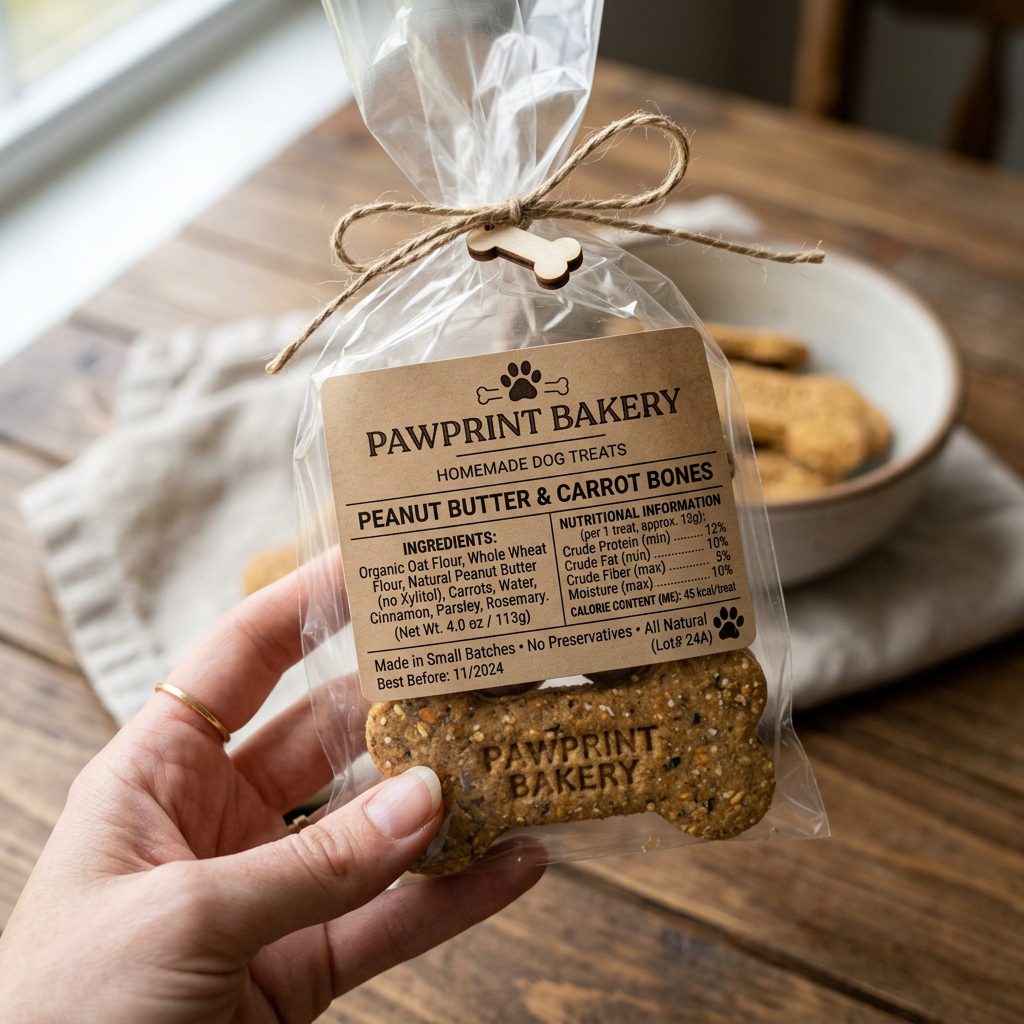
Mislabeling is the easiest way to lose a lawsuit. You must comply with AAFCO (Association of American Feed Control Officials) guidelines and your state’s specific feed laws. Every package must include:
- A clear, specific ingredient list (in descending order by weight).
- A Guaranteed Analysis (Crude Protein, Crude Fat, Crude Fiber, Moisture).
- Clear feeding instructions (e.g., ‘Intended for intermittent or supplemental feeding only’).
- Proper storage instructions (e.g., ‘Keep refrigerated and use within 7 days’).
2. Implement Strict Cross-Contamination Protocols
If you bake for humans in the same kitchen, you must have a zero-tolerance policy for cross-contamination. Ingredients like macadamia nuts, raisins, chocolate, and xylitol (often found in human peanut butter) are highly toxic to dogs. Always use dedicated baking sheets, bowls, and utensils for your dog bakery.
3. Keep Detailed Batch Records
If a customer complains that a specific treat made their dog sick, you need to be able to track exactly when that treat was made and what ingredients were used. Keep a logbook of every batch, including the expiration dates of the raw ingredients you used. This forensic level of detail proves to an insurance adjuster or judge that you run a professional, safe operation.
How to Choose the Right Policy Without Getting Ripped Off
Insider Secret: Opt for a slightly higher deductible (e.g., $500 instead of $0) to drastically lower your annual premium. Just make sure you keep that deductible amount sitting in a high-yield savings account for emergencies.
Finally, ask if the policy covers you at multiple locations. If you bake at home, sell online, and run a booth at the Sunday market, your coverage needs to travel with you. Look into specialized pet business insurance providers; they understand the nuances of the industry much better than a generic local broker.
Conclusion