The Secret to Perfect Borders: Yogurt and Peanut Butter Dog Cake Icing That Holds Its Shape
The Pinterest-Fail of Dog Birthdays
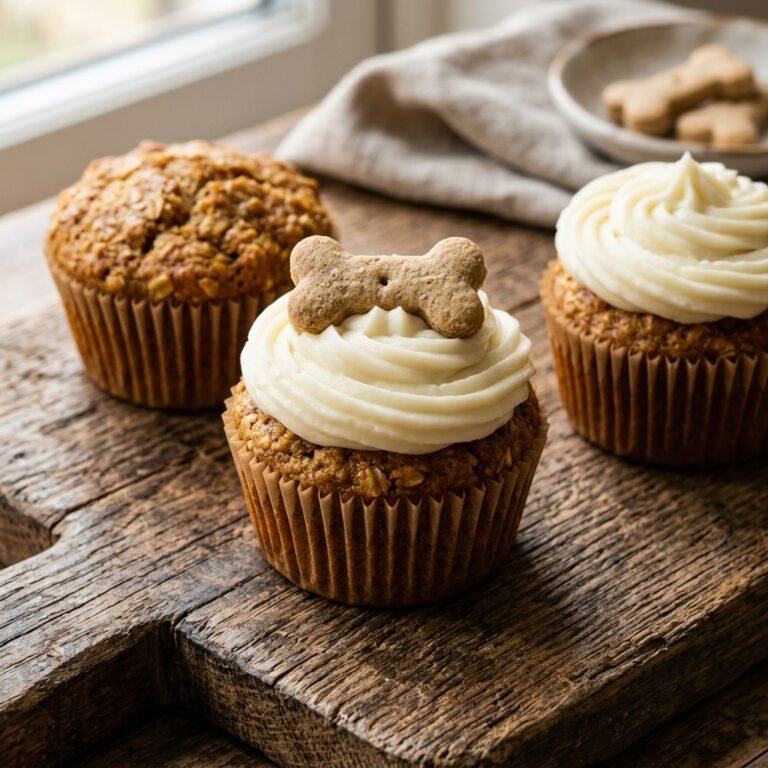
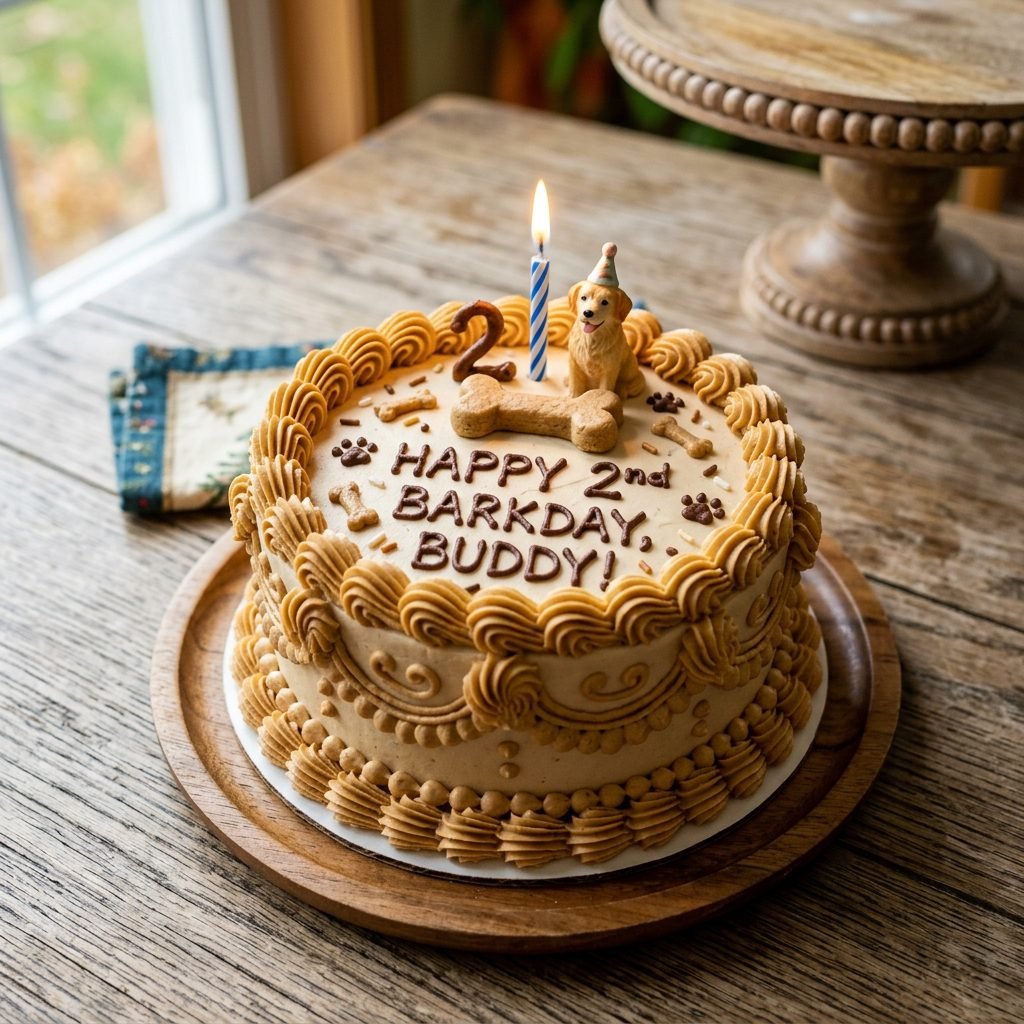
Let’s be real for a second. You’ve been there. You spent three hours baking a healthy, grain-free masterpiece for your pup’s birthday, only to have the icing slide off the sides like a slow-motion disaster. You wanted those crisp, sharp borders you see on professional dog bakery Instagrams, but instead, you got a puddle of beige goo. As ‘The Canine Nutrition Hacker,’ I’ve seen it all. Most online recipes tell you to just ‘mix yogurt and peanut butter,’ but they leave out the fundamental physics of canine-safe fats and proteins. If you want icing that actually holds its shape and allows for beautiful piping, you need more than just a mix; you need a strategy. In this guide, I’m pulling back the curtain on the commercial secrets used by high-end dog boutiques. We are going to analyze the ingredients like forensic scientists and build an icing that is as structurally sound as it is delicious. No fillers, no artificial stabilizers, and definitely no ‘Pinterest-fail’ energy. We’re talking about professional-grade borders that will make the neighborhood dogs jealous.
The Safety Protocol: A Hacker’s Disclaimer
Safety First, Frosting Second
Before we dive into the bowls and whisks, we need to establish the ground rules. I am a savvy dog owner and a nutrition hacker, but I am not your veterinarian. While this recipe focuses on whole-food ingredients, every dog’s digestive system is a unique ecosystem. Always consult with your vet before introducing new treats if your dog has a history of pancreatitis or sensitive stomach issues.
The Xylitol Warning
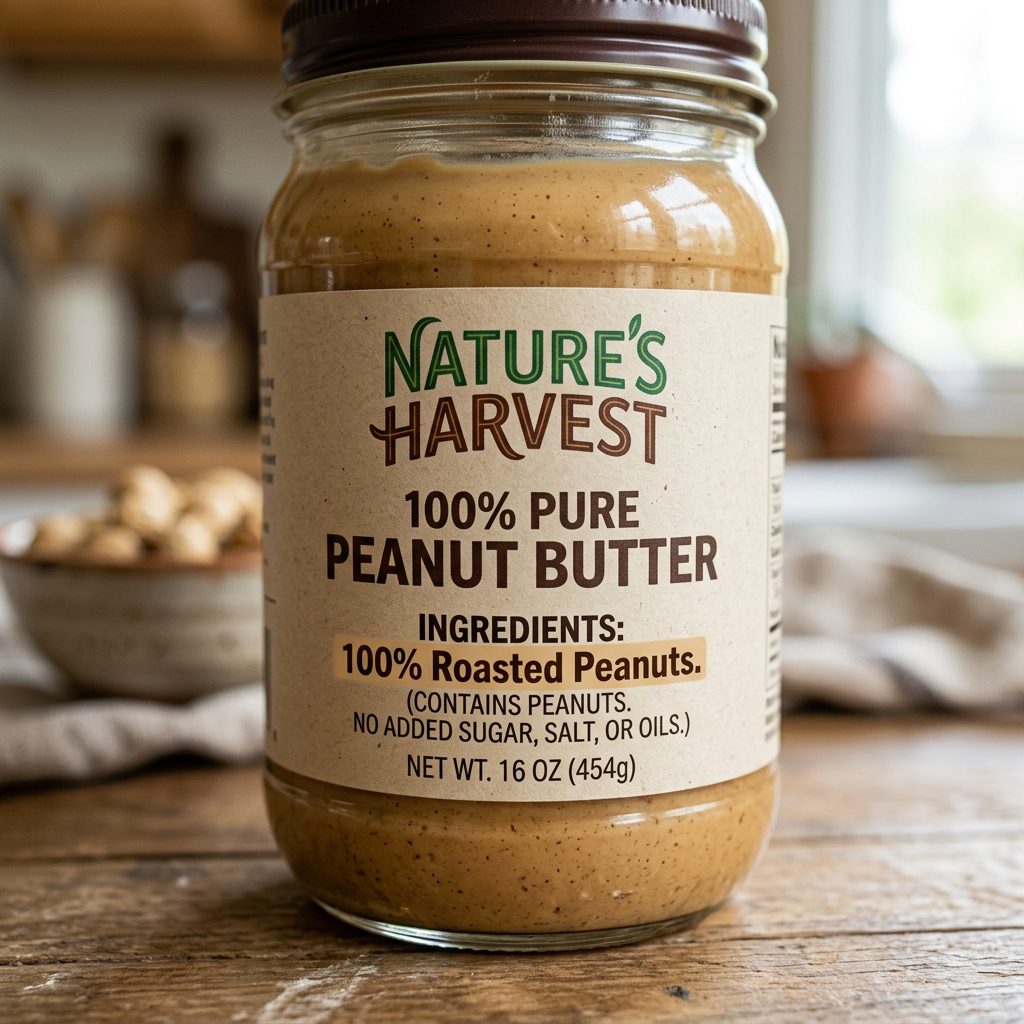
This is the most important sentence in this entire article: You must check your peanut butter label for Xylitol (also listed as Birch Sugar). This sweetener is becoming more common in ‘low sugar’ or ‘natural’ spreads and it is highly toxic to dogs. Even a small amount can cause life-threatening hypoglycemia or liver failure. We only use 100% roasted peanuts. No salts, no sugars, and absolutely no artificial sweeteners. Furthermore, while yogurt is generally safe, it does contain lactose. Most dogs can handle the small amount in Greek yogurt, but if your pup is severely lactose intolerant, this recipe might not be the right fit. We’re here to celebrate, not to cause a midnight trip to the emergency clinic.
Hacker Tip: If you aren’t sure about an ingredient, leave it out. A plain cake is better than a sick dog.
The Forensic Breakdown: Why Your Icing is Runny
The Science of the Slump
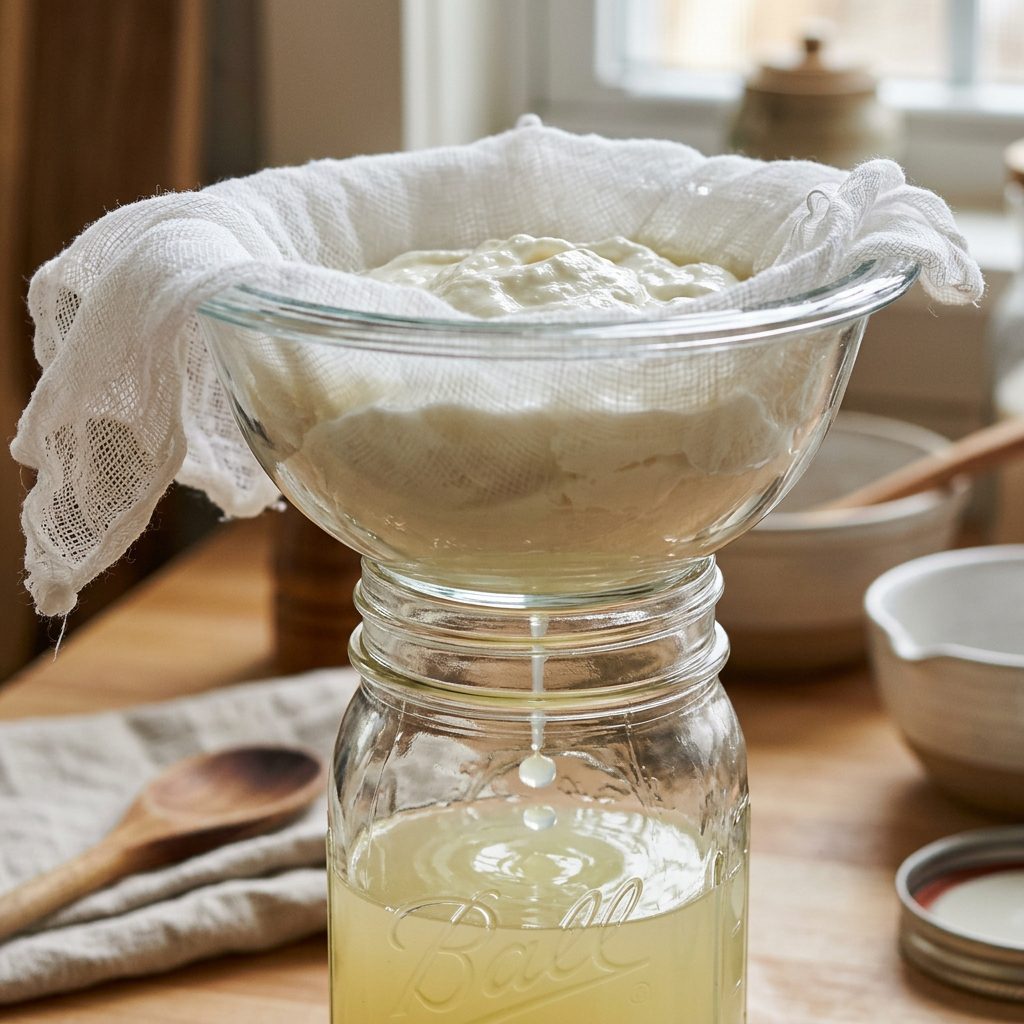
To fix the problem, we have to understand the chemistry. Standard yogurt is about 80% water. When you mix that with peanut butter—which is essentially fat and protein—the water molecules prevent the fats from emulsifying into a solid structure. The result? A runny mess. To get those perfect borders, we need to manipulate the moisture content. Commercial dog bakeries often use ‘yogurt powder’ or heavy starches to cheat. We aren’t going to cheat; we’re going to optimize.
Greek vs. Regular Yogurt
If you’re using regular ‘runny’ yogurt, stop right now. Greek yogurt is better because it has already been strained to remove much of the whey. However, even ‘thick’ Greek yogurt isn’t thick enough for piping intricate borders. The secret is the 24-hour strain. By using a cheesecloth to remove even more moisture, you turn yogurt into ‘yogurt cheese’ or Labneh. This creates a base that has the structural integrity of cream cheese but without the high fat and salt content that can trigger digestive upset.
| Ingredient | Role in Structure | Hacker Rating |
|---|---|---|
| Strained Greek Yogurt | The Structural Base | 5/5 (Essential) |
| Natural Peanut Butter | Flavor & Fat Binding | 4/5 (Use sparingly) |
| Tapioca Starch | The Stabilizer | 5/5 (The Secret Weapon) |
| Honey (Optional) | The Glue | 2/5 (Watch the sugar) |
The Secret Stiffening Agent: Achieving Professional Borders
The Missing Link: Tapioca Starch
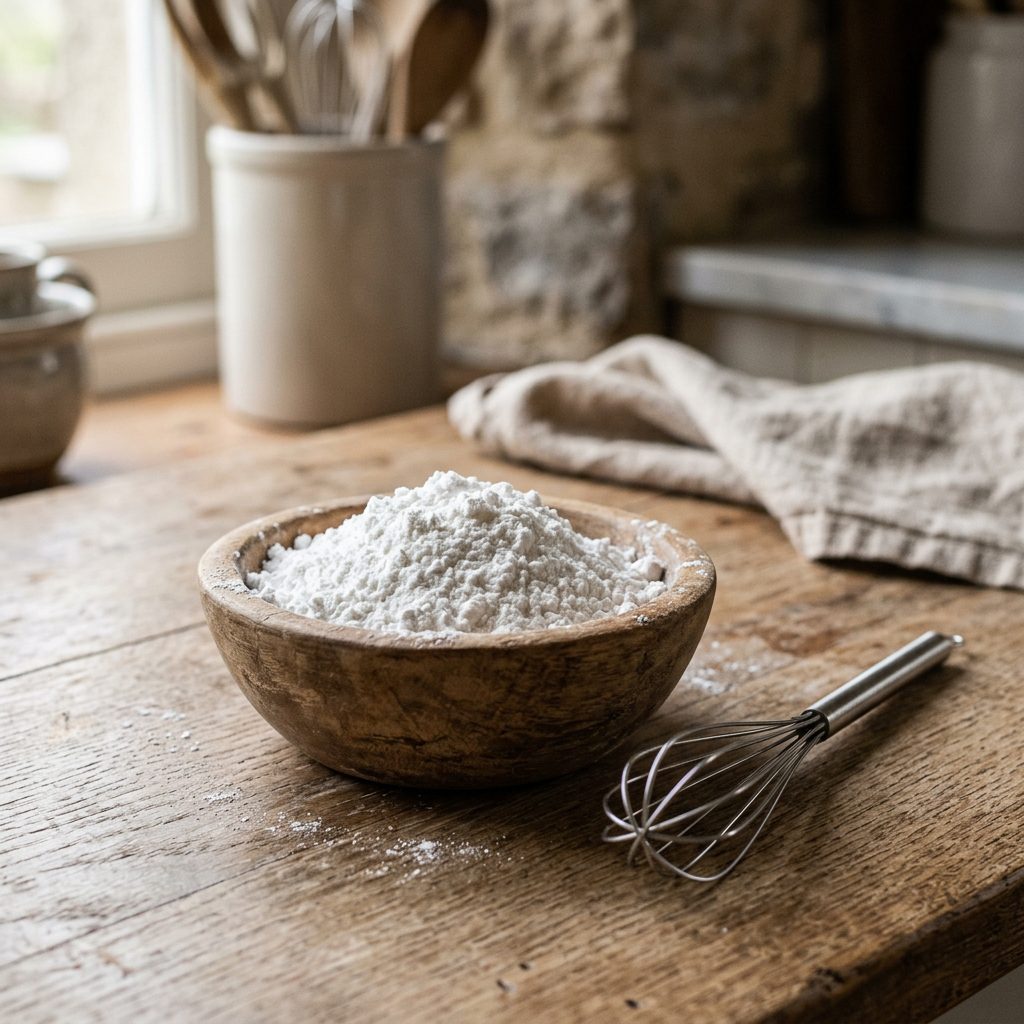
Even with strained yogurt, the heat from your hands while holding a piping bag can cause the icing to soften. This is where most DIYers fail. The ‘insider secret’ to borders that stay crisp for hours is Tapioca Starch (sometimes called Tapioca Flour). Unlike wheat flour, tapioca starch provides a smooth, glossy finish and acts as a thickening agent that doesn’t require heat to activate when used in high concentrations. It absorbs the remaining moisture from the yogurt and peanut butter, creating a ‘dough-like’ icing that holds every ridge of a star-piping tip.
Why Not Cornstarch?
You’ll see many blogs suggesting cornstarch. Here’s the forensic truth: corn is a common allergen for dogs and is often a GMO-heavy filler in cheap kibble. Tapioca is a grain-free alternative derived from the cassava root. It’s easier on the gut and provides a better ‘snap’ to the icing once it sets in the fridge. Using tapioca starch allows you to save money by achieving professional results at home without buying expensive ‘dog frosting’ premixes that are 90% sugar and preservatives.
Hacker Tip: Sift your tapioca starch before adding it. Clumps are the enemy of a clean piping tip.
The Actionable Recipe: The ‘Hold-Its-Shape’ Blueprint
The Step-by-Step Build
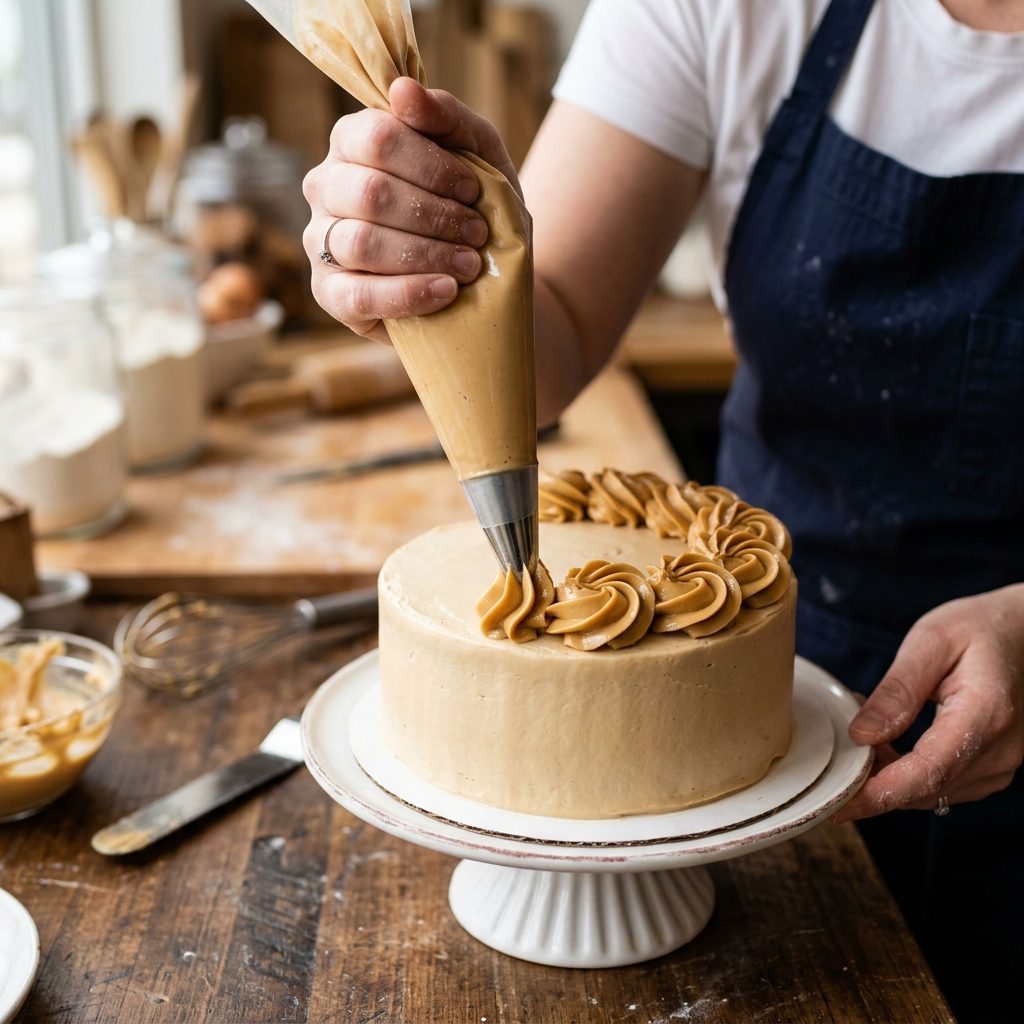
Follow these ratios exactly. Do not eye-ball it. Baking is science; dog icing is engineering.
- 1 Cup Strained Greek Yogurt: (Must be strained for at least 4 hours, preferably 12).
- 1/2 Cup Natural Peanut Butter: (Creamy, no-salt, no-sugar, NO XYLITOL).
- 1/2 Cup to 1 Cup Tapioca Starch: (Added gradually until the desired ‘stiff peak’ consistency is reached).
The Method
- In a chilled glass bowl, whisk the strained yogurt and peanut butter until completely smooth.
- Slowly fold in the tapioca starch 1/4 cup at a time. Do not over-beat, or the friction will melt the fats.
- Once the mixture reaches the consistency of thick toothpaste, stop adding starch.
- The Chill Factor: Place the mixture in the fridge for 30 minutes before putting it into your piping bag. This allows the fats in the peanut butter to firm up.
Batch Cooking & Storage
You can make this icing in large batches! It stays fresh in an airtight container in the refrigerator for up to 5 days. However, because it contains live cultures from the yogurt, it will eventually begin to thin out as the bacteria break down the proteins. For the best borders, pipe the cake the day of the event. Do not freeze the icing; the expansion of water crystals will destroy the smooth emulsion, and it will ‘weep’ once thawed.
The Economics: DIY vs. Boutique Dog Bakeries
The Real Cost Breakdown
Savvy owners know that ‘specialty’ dog products are often just marked-up pantry staples. Let’s look at the math. A custom-decorated 4-inch dog cake from a boutique bakery in a major US city can cost anywhere from $25.00 to $45.00. By hacking the recipe yourself, you are looking at a fraction of that cost.
| Expense Item | Boutique Price | DIY Hacker Price |
|---|---|---|
| 4-inch Cake & Icing | $35.00 | $3.50 |
| Labor/Customization | Included | $0.00 (Priceless Love) |
| Total Cost | $35.00 | $3.50 |
By doing it yourself, you are saving approximately $31.50 per cake. That’s enough to buy a high-quality bag of freeze-dried liver treats or a new indestructible toy. Plus, you have total control over the ingredient quality. You know exactly which brand of yogurt and peanut butter went in, ensuring no ‘mystery fillers’ make it into your dog’s bowl.
Mastering the Pipe: Professional Tips for Success
Level Up Your Decorating Game
Now that you have the perfect icing, you need the technique. Even the best icing will fail if you don’t handle it correctly. Heat is the enemy. Your hands are 98.6 degrees; that heat transfers through the plastic piping bag and melts the peanut butter fats.
The Two-Bag Trick
Use a ‘double bag’ method. Place your icing in one piping bag, then place that bag inside a second piping bag. The layer of air between the two bags acts as an insulator, keeping the icing cool and firm for longer while you work on those intricate borders. If you feel the bag getting soft, toss it in the freezer for 2 minutes and start again.
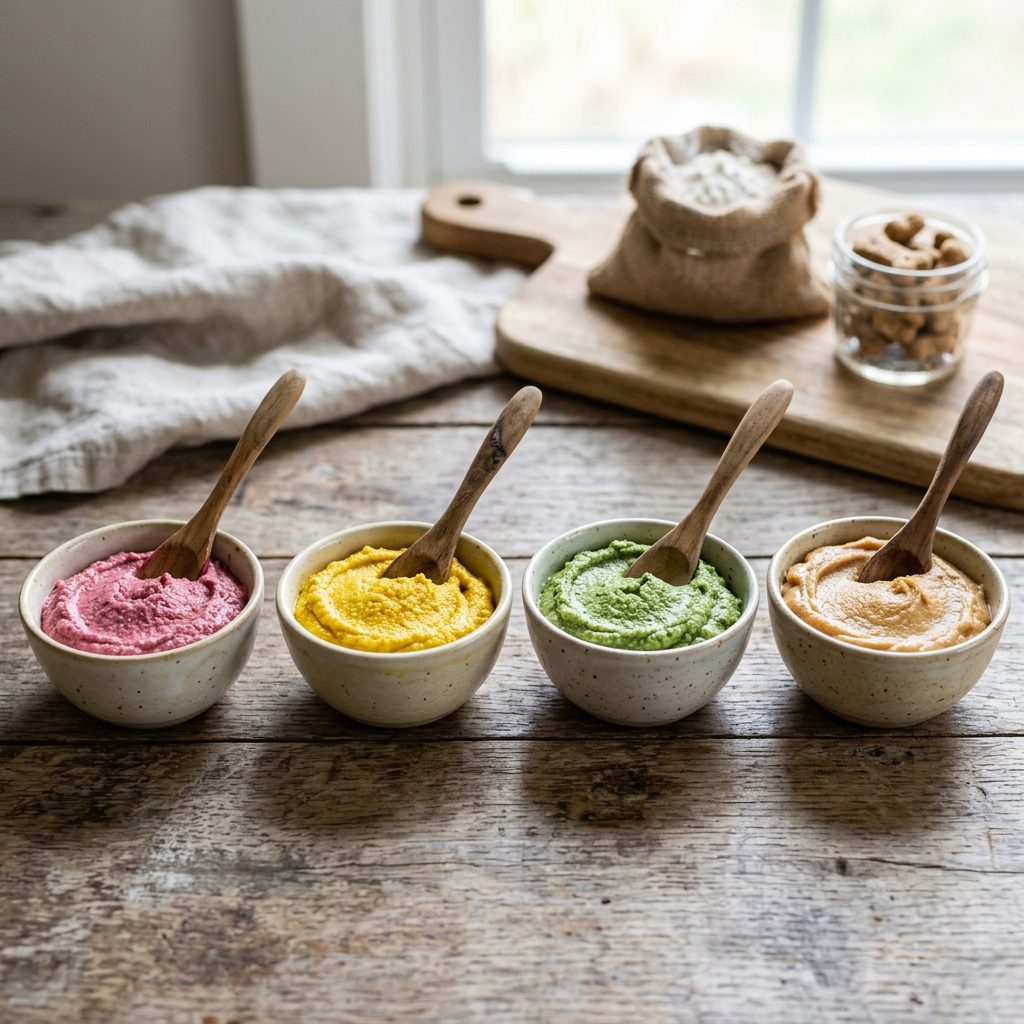
Natural Color Hacks
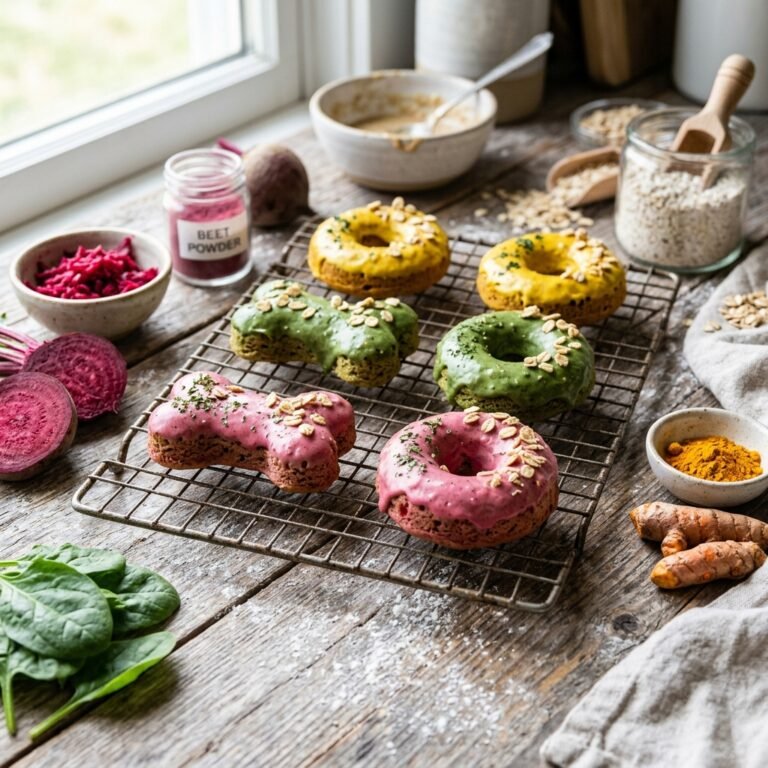
Want colors? Don’t touch the artificial dyes. They are linked to hyperactivity and allergies in dogs. Use these hacker alternatives:
- Pink: A teaspoon of beet juice or beet powder.
- Yellow: A pinch of turmeric (anti-inflammatory bonus!).
- Green: A half-teaspoon of spirulina or wheatgrass powder.
- Purple: A few mashed blueberries (strained).
These natural additives won’t compromise the ‘hold’ of your icing as long as you add them at the same time as the yogurt and peanut butter.
Conclusion
The Final Verdict on Perfect Borders
You don’t need a degree in pastry arts to give your dog a professional-looking birthday cake. You just need to stop following the ‘fluff’ recipes and start using the science of canine nutrition. By straining your yogurt, choosing the right peanut butter, and stabilizing with tapioca starch, you’ve mastered the secret to perfect borders. Not only are you providing a treat that is physically impressive, but you’re also ensuring it’s packed with probiotics and healthy fats without the dangerous sugars found in commercial mixes. Remember: check your labels, chill your icing, and pipe with confidence. Your dog doesn’t care if the borders are perfect, but as a savvy owner, you know that the effort you put into the details reflects the care you put into their overall health. Now, go get that piping bag and start hacking!