The Secret Natural Preservative Dog Bakeries Use To Keep Treats Fresh For Months
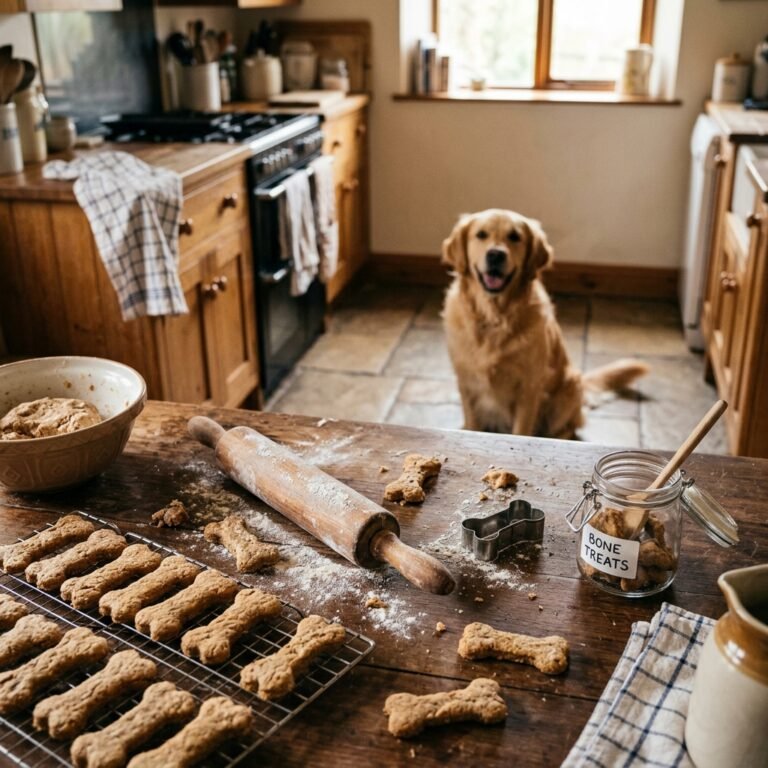
You’ve been there, right? You spend a Sunday afternoon lovingly baking a batch of pumpkin-peanut butter biscuits for your pup. They look great, they smell… well, like dog treats, and your dog is doing backflips. You put them in a cute ceramic jar, and three days later? Mold. A fuzzy, green, disappointing mess. It’s enough to make you give up and go back to buying those $15 bags of ‘artisan’ treats at the boutique pet store.
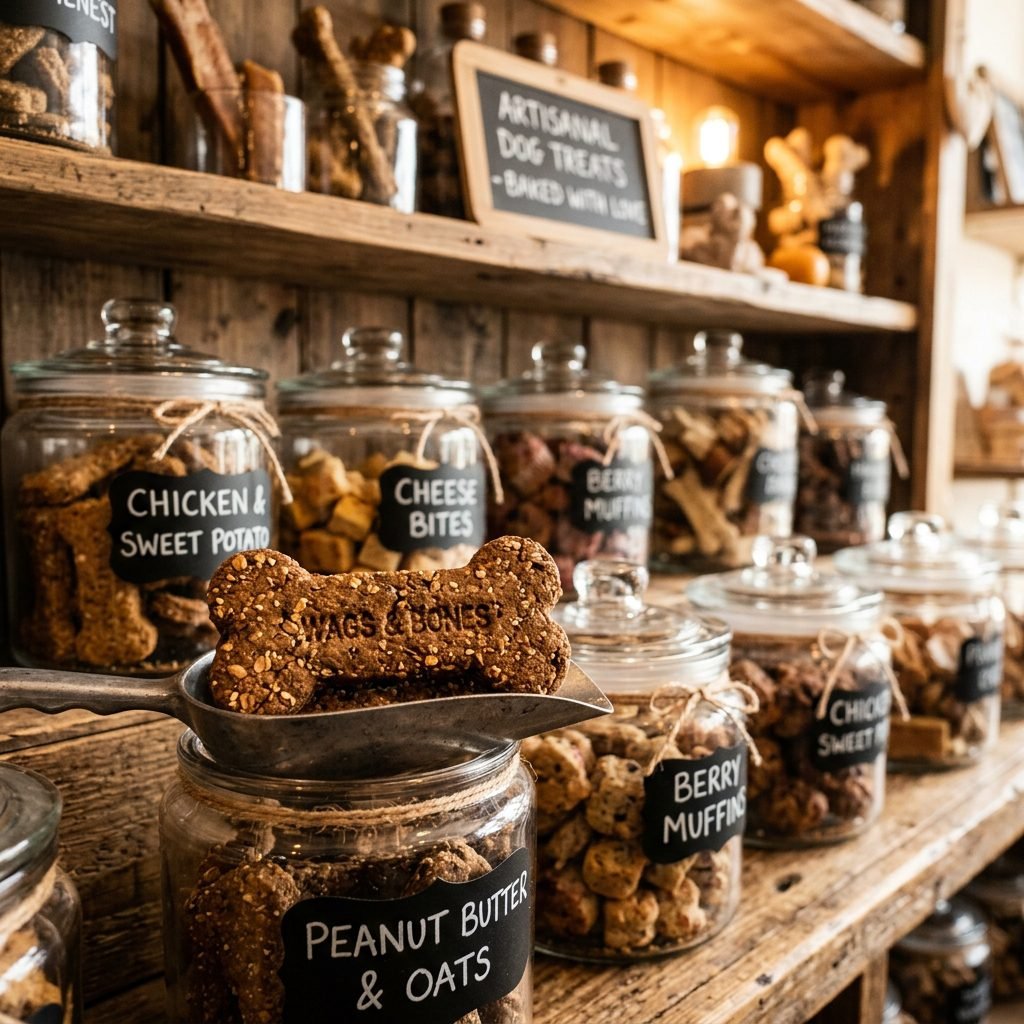
But here is the thing that really grinds my gears: have you ever looked at the ‘Best By’ date on those boutique treats? They are often good for six months to a year. How? If you ask the person behind the counter, they’ll tell you it’s ‘magic’ or ‘special ovens.’ As the Canine Nutrition Hacker, I’m here to tell you it’s neither. It’s science. There is a specific, natural, and completely safe ‘secret’ preservative that high-end dog bakeries use to stop fats from going rancid and mold from moving in.
Today, I’m pulling back the curtain. We are going to talk about the ‘Big Two’ natural preservatives, why you should run away from synthetic ones like BHA and BHT, and how you can use these professional secrets at home to save a small fortune while keeping your dog’s tail wagging. Let’s get forensic.
Hacker Tip: Most ‘natural’ labels are marketing fluff, but when it comes to shelf-life, the ingredients don’t lie. Look for ‘Mixed Tocopherols’—that is the industry’s gold standard for keeping things fresh without the toxins.
The Chemical Trap: Why BHA, BHT, and Ethoxyquin are Off the Menu
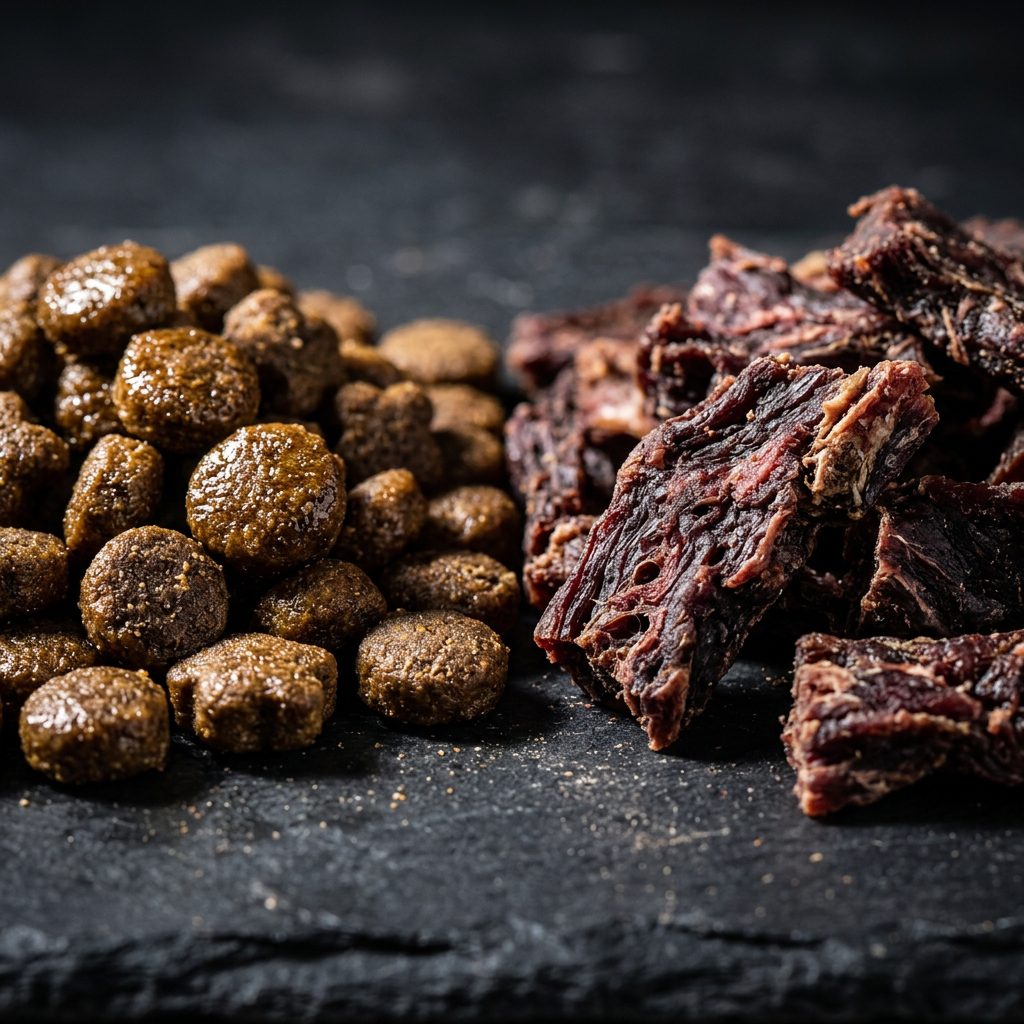
Before we get to the good stuff, we have to talk about the villains in this story. In the world of mass-produced dog treats, ‘shelf-stable’ often means ‘chemically preserved.’ Large-scale manufacturers love synthetic antioxidants because they are dirt cheap and practically immortal. They don’t just keep treats fresh for months; they can keep them ‘fresh’ for years.
The Usual Suspects
- BHA (Butylated Hydroxyanisole): The World Health Organization has actually labeled this as a ‘possible carcinogen.’ It’s used to prevent fats from spoiling, but at what cost?
- BHT (Butylated Hydroxytoluene): A close cousin to BHA, often used in tandem. It’s been linked to liver and kidney issues in animal studies.
- Ethoxyquin: Originally developed as a herbicide. Yes, you read that right. It’s often hidden in the fish meal used in dog treats, and manufacturers don’t always have to list it if they didn’t add it themselves (it was added by the fish supplier).
As a savvy dog owner, your goal is to avoid these like a squirrel avoids a vacuum cleaner. These chemicals are designed for profit margins, not for your dog’s longevity. The good news? You don’t need them. The ‘secret’ ingredients we are about to discuss do the same job without the side of toxicity.
The Secret Ingredients: Mixed Tocopherols and Rosemary Extract
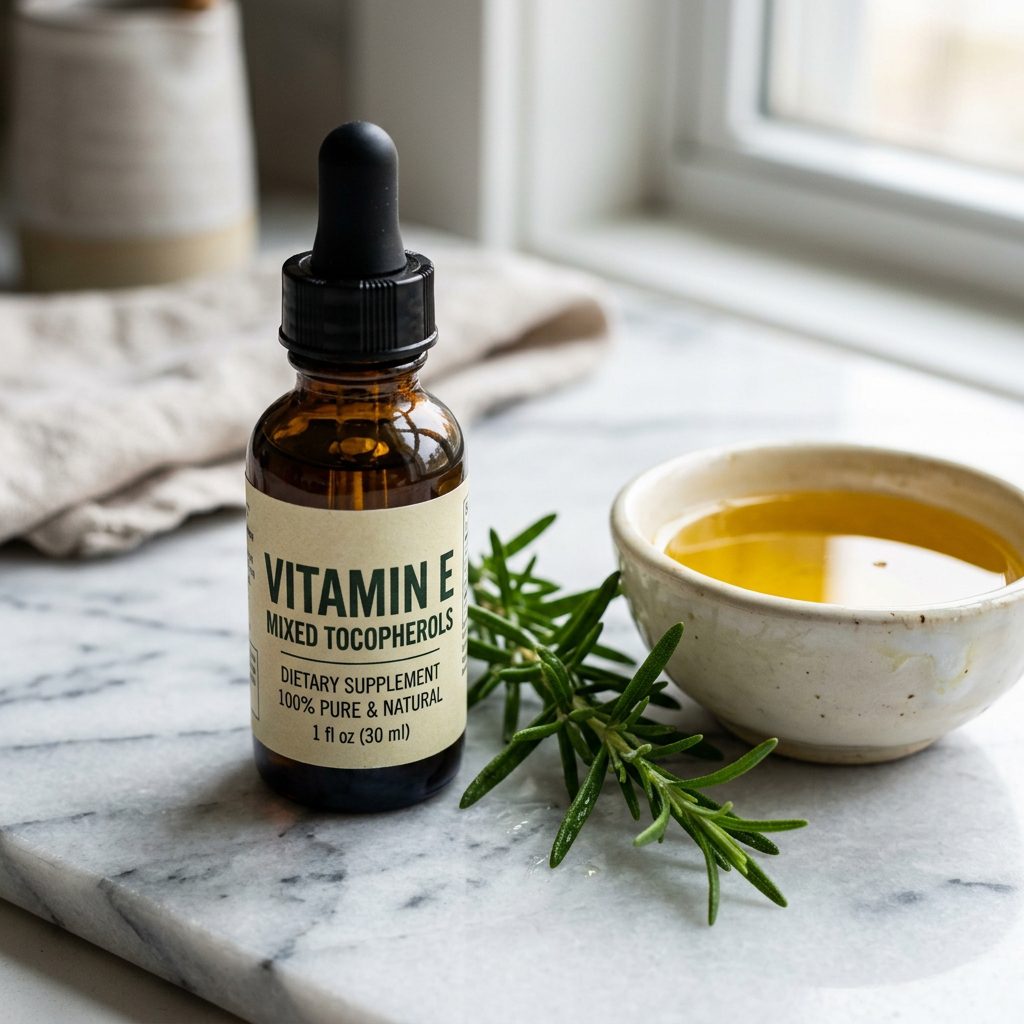
If you flip over a bag of high-end, $20-a-bag dog treats, you will almost always see one of two things at the very end of the list: Mixed Tocopherols or Rosemary Extract. This is the ‘secret sauce’ of the dog bakery world.
Mixed Tocopherols (Vitamin E)
Mixed tocopherols are a fancy name for various forms of Vitamin E. In the world of food science, Vitamin E is a powerhouse antioxidant. Fats in dog treats (like the oils in peanut butter or the fats in meat) react with oxygen over time. This is called oxidation, and it leads to rancidity. Rancid fat doesn’t just taste bad; it can actually be toxic to your dog over time. Tocopherols sacrifice themselves to the oxygen molecules, preventing the fats from breaking down.
Rosemary Extract
This isn’t the same as the rosemary sprig you put on your roast chicken. This is a highly concentrated extract of the plant’s antioxidant compounds (specifically carnosic acid). It is incredibly effective at stopping the oxidation process. Warning: While safe in the tiny amounts used for preservation, you should never use rosemary essential oil in treats, and dogs with a history of seizures should generally avoid high amounts of rosemary.
Insider Secret: Dog bakeries often use a combination of both. The Vitamin E provides the heavy lifting, while the rosemary extract adds an extra layer of protection against light and heat.
The Safety Disclaimer: Read This First
SAFETY DISCLAIMER: I am the Canine Nutrition Hacker, a dedicated researcher and dog advocate, but I am not a veterinarian or a board-certified veterinary nutritionist. The information provided here is for educational purposes. When you move from store-bought to DIY, you are taking control of your dog’s nutrition. While treats are generally safe, always consult your vet before making massive changes to your dog’s primary diet, especially if they have underlying health conditions like kidney disease or pancreatitis.
Remember, treats should never make up more than 10% of your dog’s daily caloric intake. Even the healthiest, most perfectly preserved treat is still a treat!
DIY vs. Store-Bought: The Real Cost Breakdown
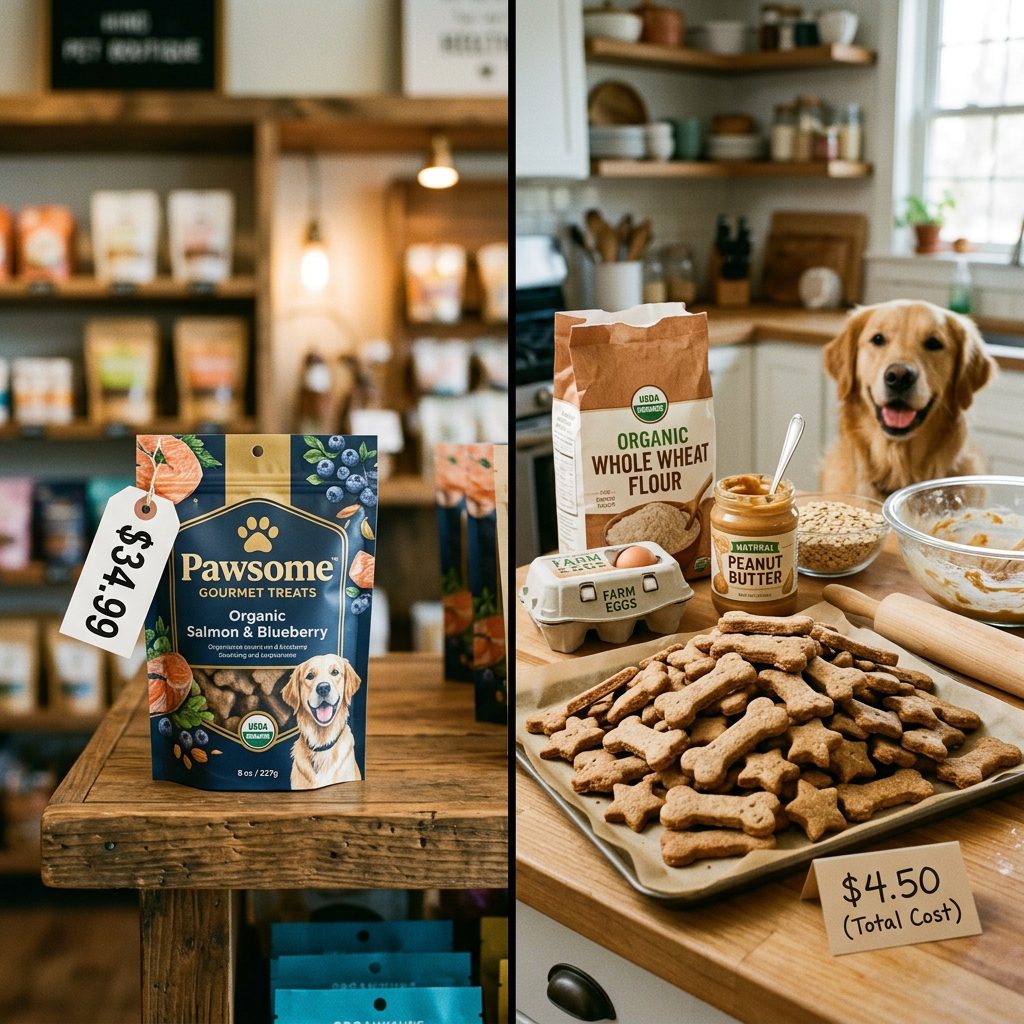
Let’s talk numbers. Why do I bother making my own treats and using these ‘bakery secrets’? Because the markup on ‘premium’ treats is absolutely insane. You are paying for the packaging, the marketing, and the retail shelf space. When you hack the process at home, you get a superior product for a fraction of the price.
| Feature | Boutique Bakery Treats | Hacker DIY (With Tocopherols) |
|---|---|---|
| Price per lb | $24.00 – $35.00 | $4.50 – $7.00 |
| Preservative Type | Natural (Tocopherols) | Natural (Tocopherols) |
| Ingredient Control | Limited | 100% Total Control |
| Shelf Life | 6-12 Months | 3-6 Months (Properly Stored) |
| Verdict | Overpriced Convenience | The Winner for Savvy Owners |
By investing about $15 in a bottle of Mixed Tocopherols (which will last you for literally thousands of treats), you are cutting your long-term costs by nearly 80%. That is money you can put toward higher quality protein for their main meals.
The ‘Forever Fresh’ Master Recipe: Peanut Butter & Pumpkin Biscuits
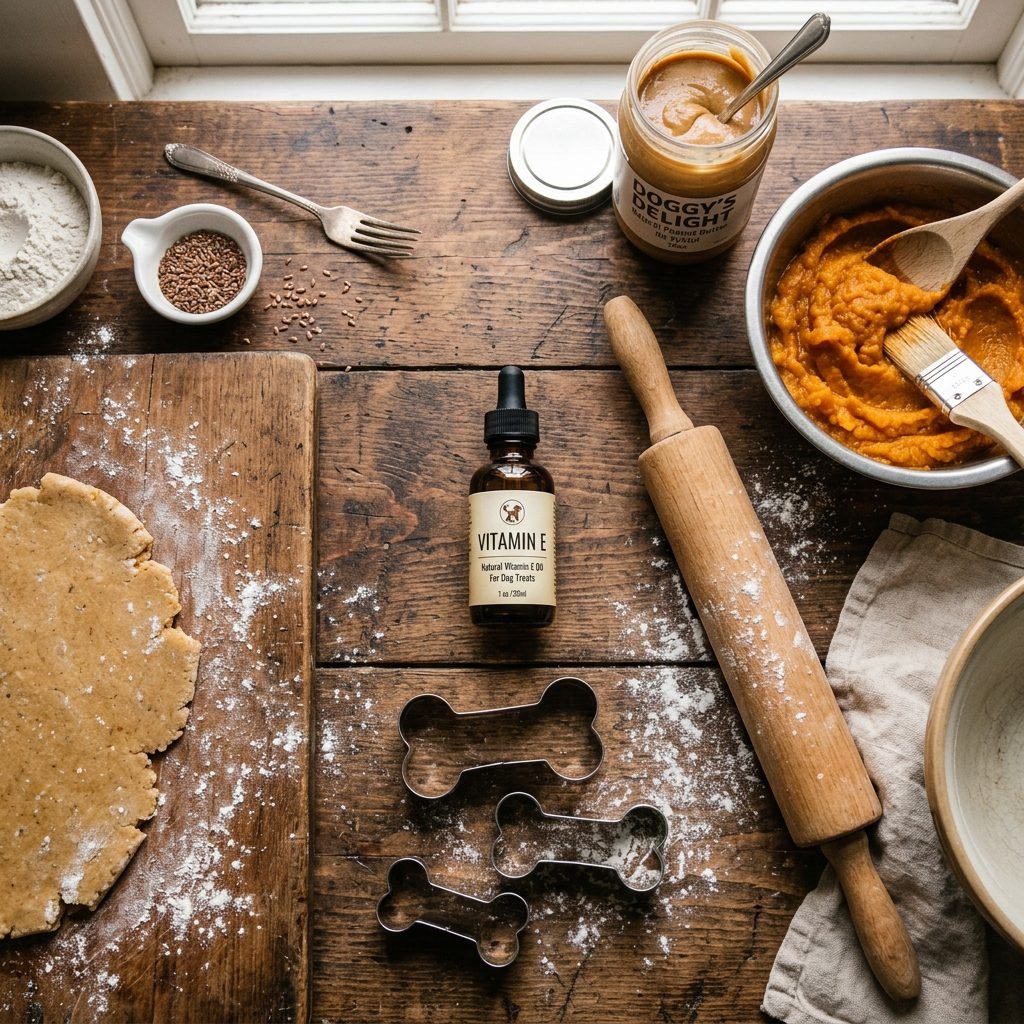
This is the base recipe I use. It’s crunchy, which is key for shelf life (moisture is the enemy!). We are going to incorporate our secret natural preservative to ensure these stay fresh in the pantry for weeks, or months if you follow the storage hacks below.
The Ratios
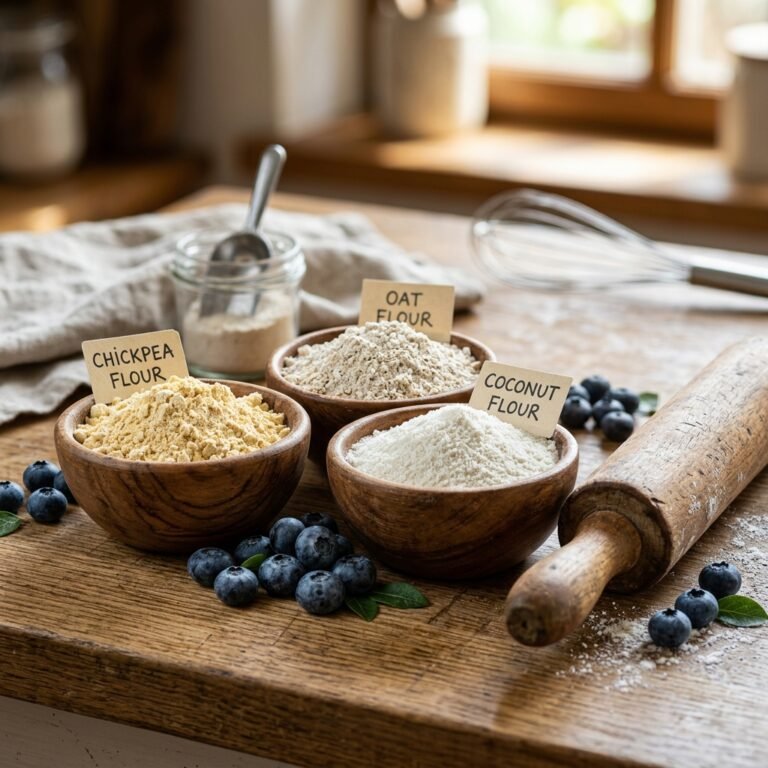
- 2 cups Whole Wheat Flour (or Oat Flour for grain-free)
- 1/2 cup Pure Canned Pumpkin (NOT pumpkin pie filling)
- 1/2 cup Natural Peanut Butter (Xylitol-free!)
- 2 Large Eggs
- 1/4 tsp Mixed Tocopherols (The Secret!)
- Optional: 1/8 tsp Rosemary Extract
Instructions
- Preheat your oven to 350°F (175°C).
- In a large bowl, whisk the eggs, pumpkin, peanut butter, and your Mixed Tocopherols. It is vital to mix the tocopherols into the wet ingredients first to ensure even distribution.
- Gradually add the flour until a stiff dough forms.
- Roll out the dough to 1/4 inch thickness and cut into shapes.
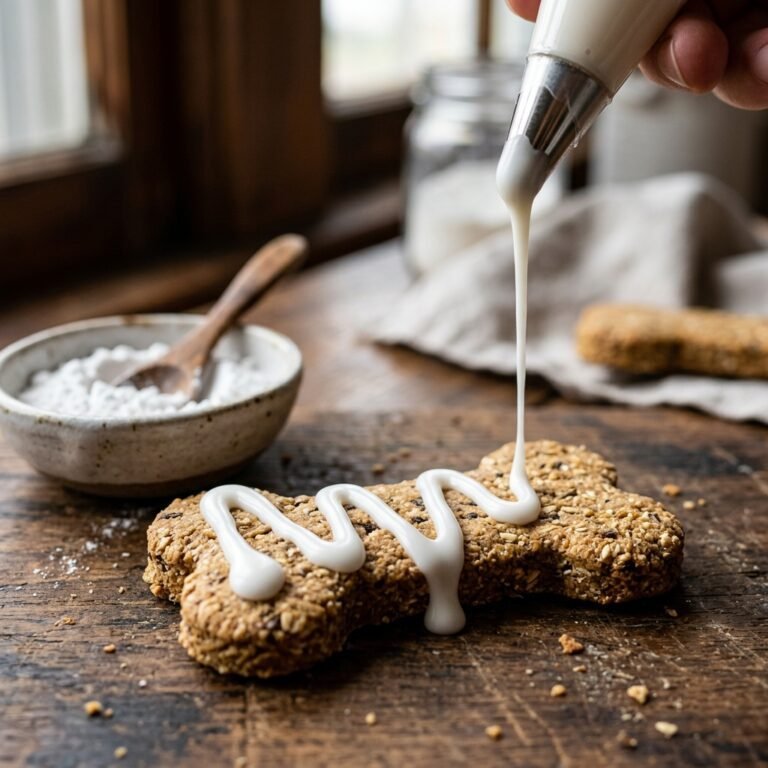
- The Hacker’s Trick: Bake for 30 minutes, then turn the oven OFF. Leave the treats in the oven for another 2 hours as it cools. This ‘double-drying’ method removes the moisture that mold needs to grow.
Batch Cooking & Storage Hacks: How to Hit the 6-Month Mark
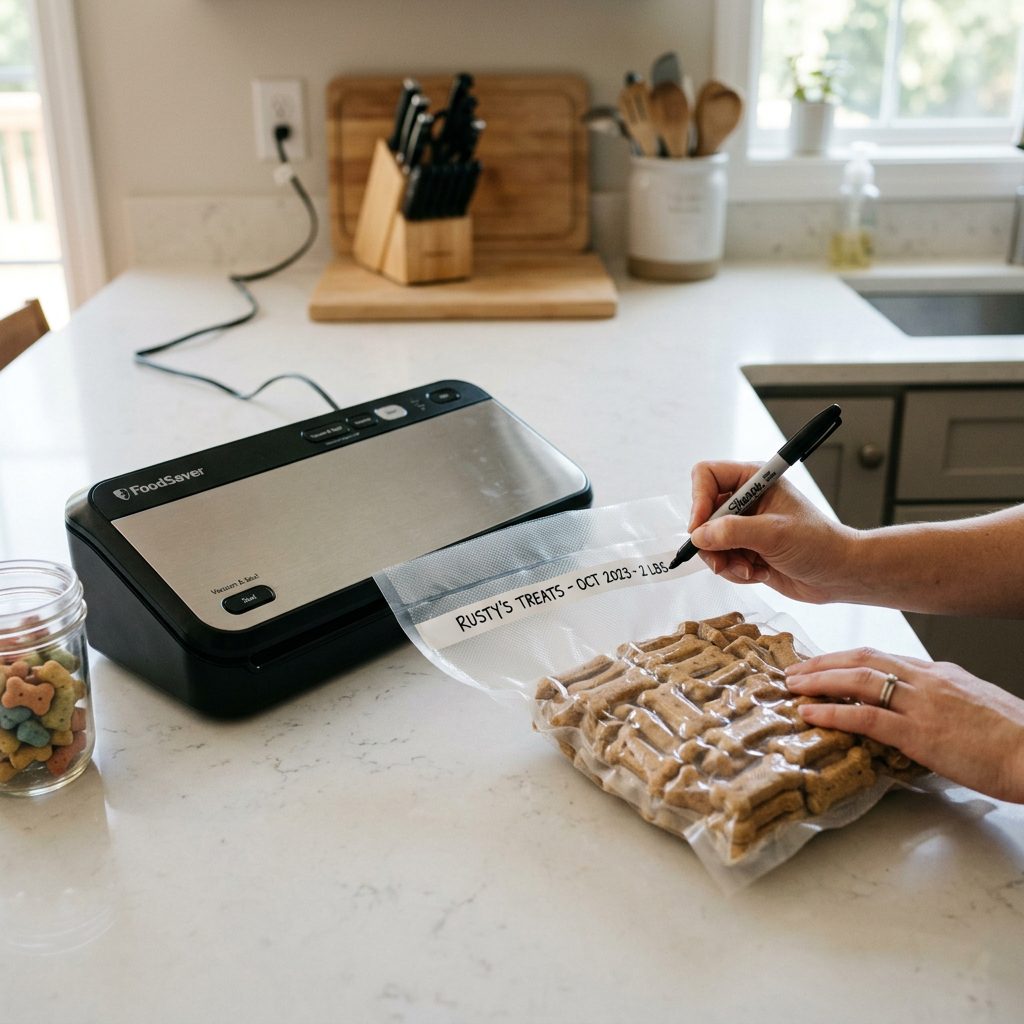
Even with the best natural preservatives, your storage game needs to be on point. If you leave your treats in a bowl on the counter, they are going to go stale. Here is how the pros do it.
The Dehydration Factor
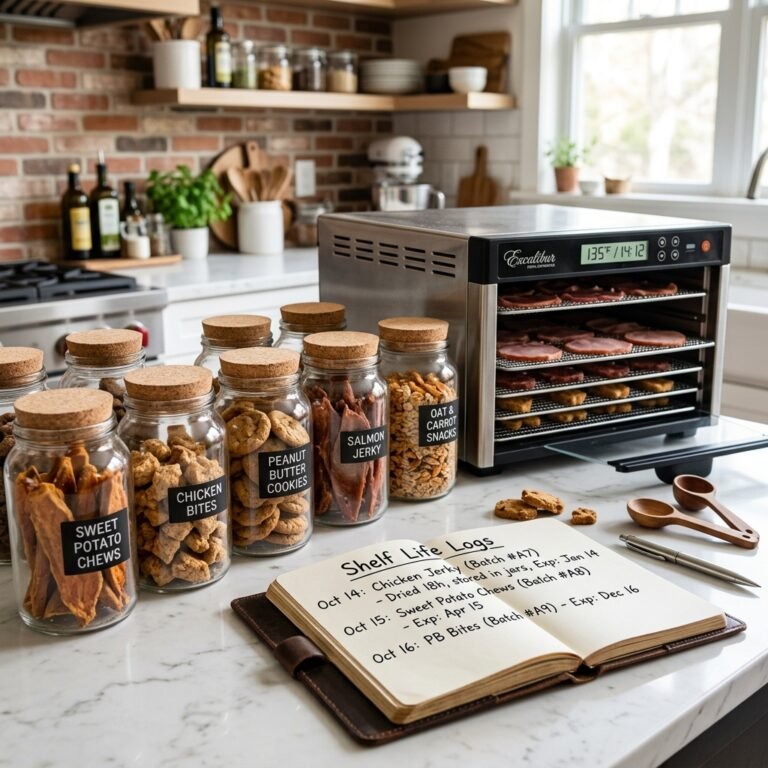
The secret to long-lasting treats isn’t just the preservative; it’s the Water Activity (Aw). Mold needs moisture. If you can get your treats bone-dry (like a cracker), they will last much longer. If your dog likes soft treats, you must store them in the freezer. There is no natural way to keep a high-moisture treat shelf-stable for months.
Pro Storage Tips
- Vacuum Sealing: This is the ultimate hack. By removing oxygen, you stop the oxidation process in its tracks. Vacuum-sealed treats with tocopherols can last 12 months in the freezer and 6 months in a cool pantry.
- Silica Packets: You know those ‘Do Not Eat’ packets you find in new shoes? You can buy food-grade versions. Dropping one into your treat jar absorbs any stray moisture.
- The ‘Snap’ Test: If you bend a treat and it bends instead of snapping, it still has too much moisture for long-term pantry storage. Put it back in a low oven (150°F) for another hour.
Hacker Tip: Always label your bags with the date of production. Even with preservatives, ‘First In, First Out’ is the rule of the kitchen.
Conclusion
You don’t need a degree in food science to feed your dog like a pro; you just need to stop falling for the marketing ‘magic’ and start looking at the chemistry. By using Mixed Tocopherols and Rosemary Extract, and by mastering the art of dehydration, you can create treats that are just as shelf-stable as the expensive boutique brands at a fraction of the cost.
You are now officially a member of the Canine Nutrition Hacker inner circle. No more fuzzy green surprises in the cookie jar. Just healthy, crunchy, long-lasting treats that your dog will love and your wallet will appreciate even more. Now, go get baking—and don’t forget to lick the peanut butter spoon (the dog’s spoon, I mean… or yours, no judgment here).