Turn Paws Into Profits: The Ultimate Guide To Starting A Home Dog Bakery Business
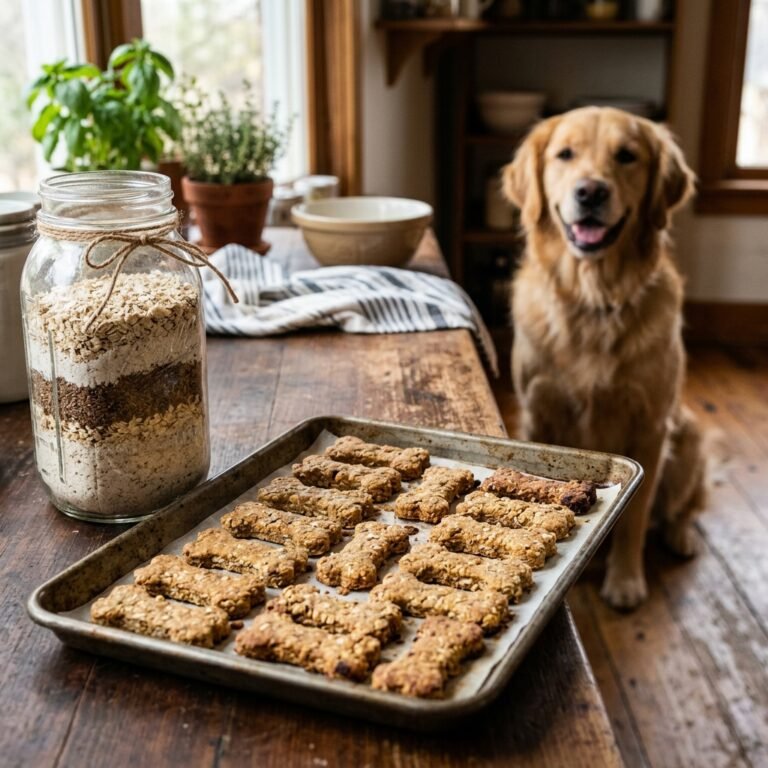
Listen up, fellow dog lovers. If you are like me, you have spent way too many hours squinting at the back of a treat bag, wondering why on earth ‘yellow dye #5’ or ‘animal by-product meal’ is in something meant for your best friend. I am the Canine Nutrition Hacker, and I am here to tell you that the pet industry is ripe for a revolution—one that starts in your kitchen. The demand for high-quality, transparently sourced dog treats is exploding. People are tired of the industrial sludge being marketed as ‘gourmet.’ They want real food, and they are willing to pay a premium for it. Starting a home dog bakery isn’t just about baking cookies; it is about providing a health-conscious alternative to a market saturated with fillers. In this guide, I am going to peel back the curtain on how to turn your passion for pups into a legitimate, profitable business without losing your mind or your savings. We are talking about high-margin, low-overhead success that keeps tails wagging and your bank account growing. Let’s get to work.
Cracking the Code: Legalities and the ‘Red Tape’
Navigating the Legal Landscape
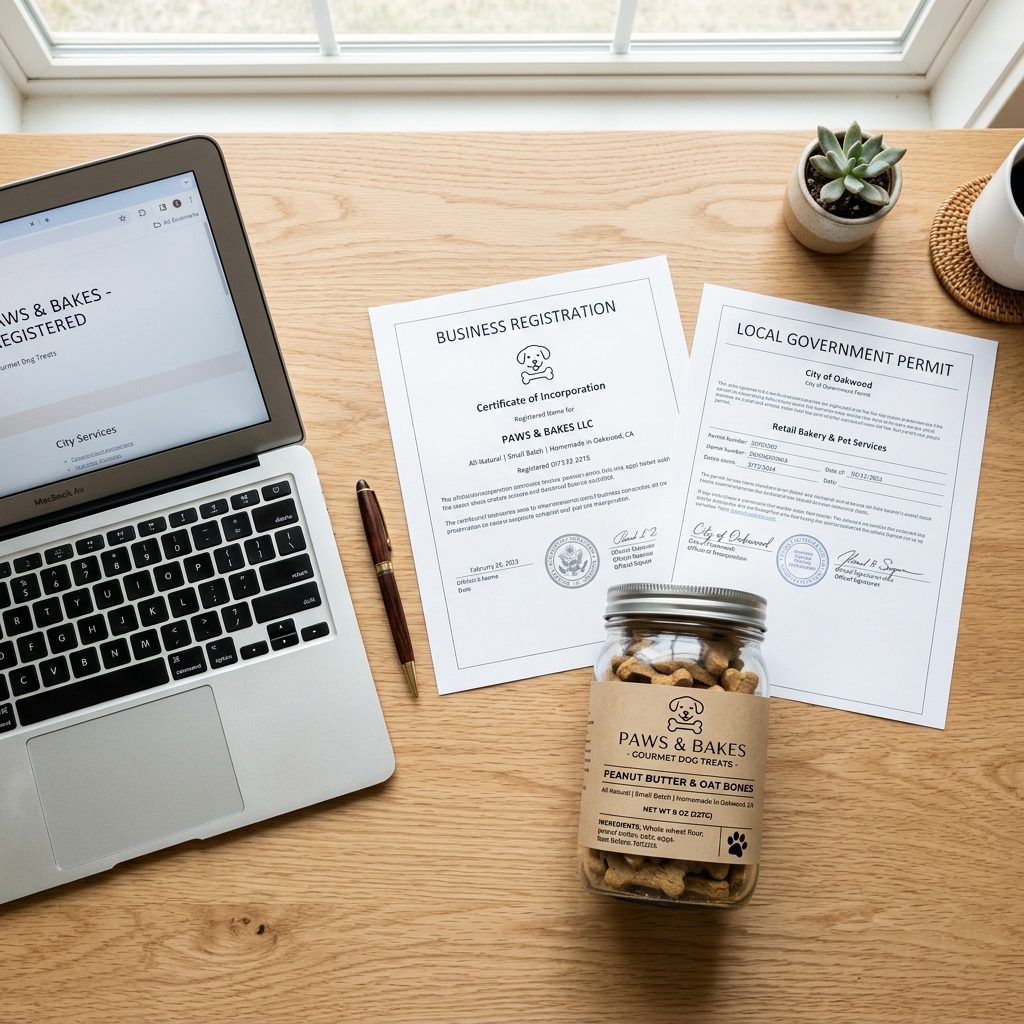
Before you even preheat that oven, we need to talk about the ‘boring’ stuff. Every state has different rules regarding pet food production. Most people assume they fall under ‘Cottage Food Laws,’ but here is the insider secret: those laws usually only apply to food for human consumption. Pet treats often fall under the jurisdiction of your state’s Department of Agriculture. You will likely need a feed license. It sounds intimidating, but it is usually just a bit of paperwork and a small annual fee.
Insurance and Protection
Do not skip out on product liability insurance. Even the best-made treat could potentially cause an upset stomach, and in today’s world, you need to protect your assets. Look for policies specifically tailored for pet businesses. It is a small price to pay for peace of mind.
Labeling Requirements
The AAFCO (Association of American Feed Control Officials) sets the standards. You will need a Guaranteed Analysis on every bag. This tells the customer exactly how much protein, fat, fiber, and moisture is in your treats. You do not necessarily need a laboratory for this; there are online databases and software that can calculate these values based on your ingredients.
Hacker Tip: Contact your local Small Business Development Center (SBDC). They often provide free consulting to help you navigate state-specific licensing without hiring an expensive lawyer.
The Nutrition Hacker’s Pantry: Ingredients That Sell
Quality Over Fillers
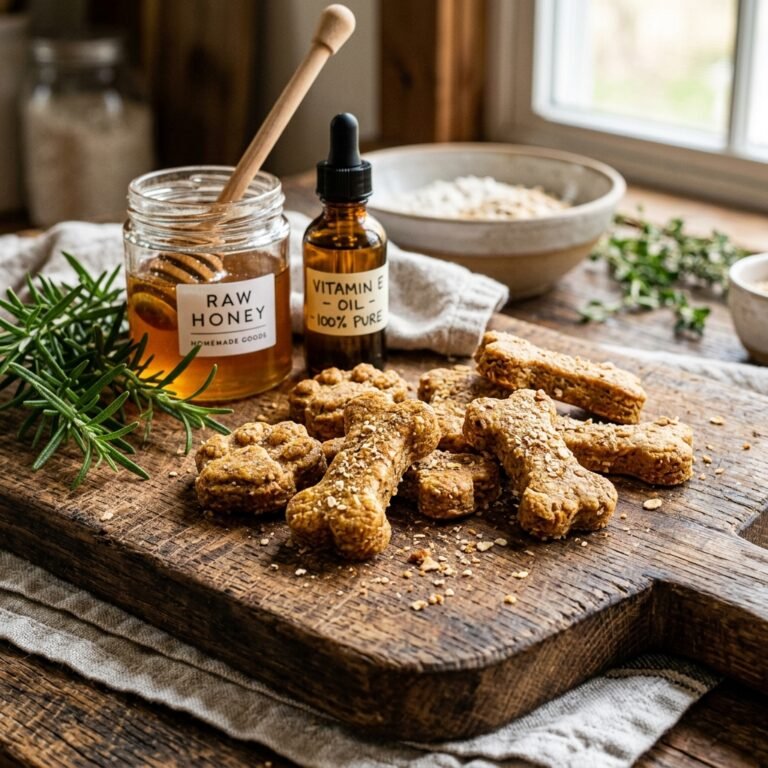
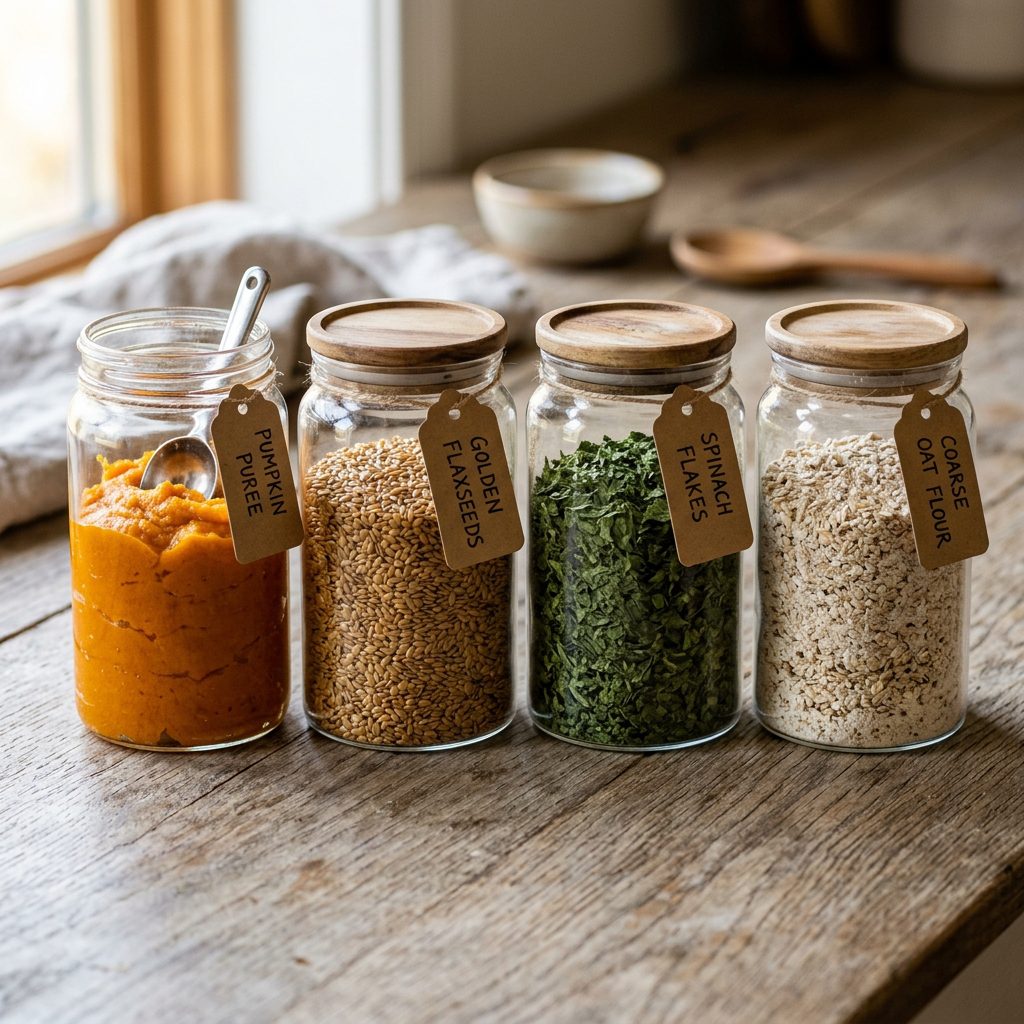
As a nutrition hacker, I analyze labels like a forensic scientist. Your edge over the big brands is your ingredient list. If your first five ingredients are ‘Wheat Flour, Corn Syrup, Animal Fat, Soy Flour, and Artificial Flavor,’ you are no better than the junk at the supermarket. We want Hero Ingredients.
The ‘First 5’ Rule
In your treats, the first five ingredients should be recognizable whole foods. Think oat flour, organic pumpkin, wild-caught salmon, or pasture-raised eggs. Avoid ‘meat meals’ or anything with the word ‘by-product.’
Flour Power: Choosing the Right Base
- Oat Flour: My top choice. It is gluten-free, high in fiber, and relatively inexpensive when bought in bulk.
- Coconut Flour: Great for grain-free options, but it absorbs a ton of moisture, so you will need more eggs or liquid.
- Garbanzo Bean Flour: High in protein and gives a great crunch that dogs love.
The ‘No-Go’ List
Never, ever use Xylitol (often found in cheap peanut butters), grapes, raisins, onions, or excessive salt. Always double-check your peanut butter source to ensure it is just peanuts and maybe a little salt.
Insider Secret: Sourcing your ingredients from local farmers’ markets not only improves quality but gives you a fantastic ‘locally sourced’ marketing angle that justifies a higher price point.
The Safe Chef Guide: Ratios and Recipes
Formulating the Perfect Crunch
SAFETY DISCLAIMER: I am a nutrition hacker and an experienced baker, but I am not a veterinarian. These treats are intended for supplemental feeding only, not as a replacement for a balanced meal. Always advise your customers to consult their vet before introducing new treats, especially for dogs with underlying health conditions.
The Golden Ratio
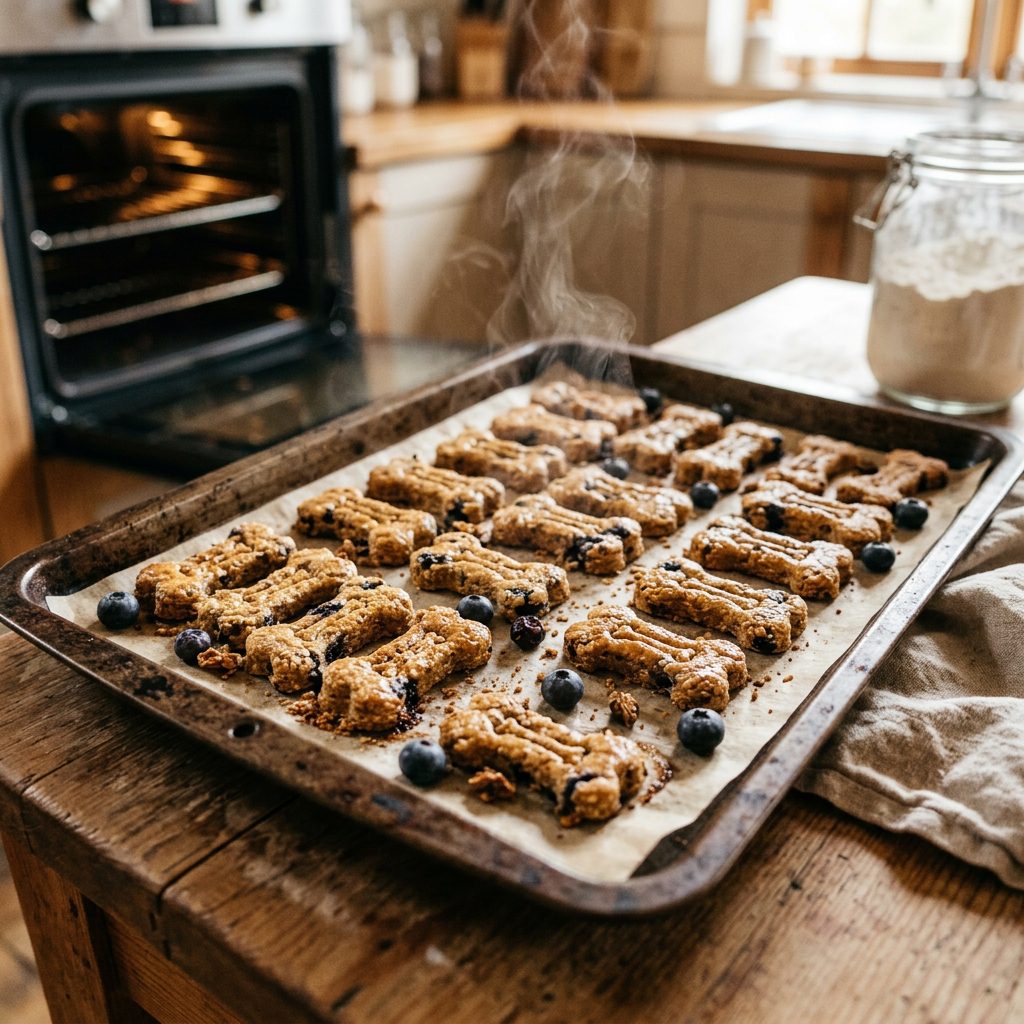
For a standard biscuit, I follow a simple ratio: 2 parts flour, 1 part liquid/binder, and 1/2 part ‘flavor’ or protein. For example: 2 cups oat flour, 1 cup pumpkin puree, and 1/2 cup natural peanut butter.
Batch Cooking and Shelf Life
Moisture is the enemy of shelf life. To make your treats last without using synthetic preservatives like BHA or BHT, you need to dehydrate them. After baking, turn the oven off and let the treats sit inside for several hours. This removes the residual moisture, making them shelf-stable for weeks.
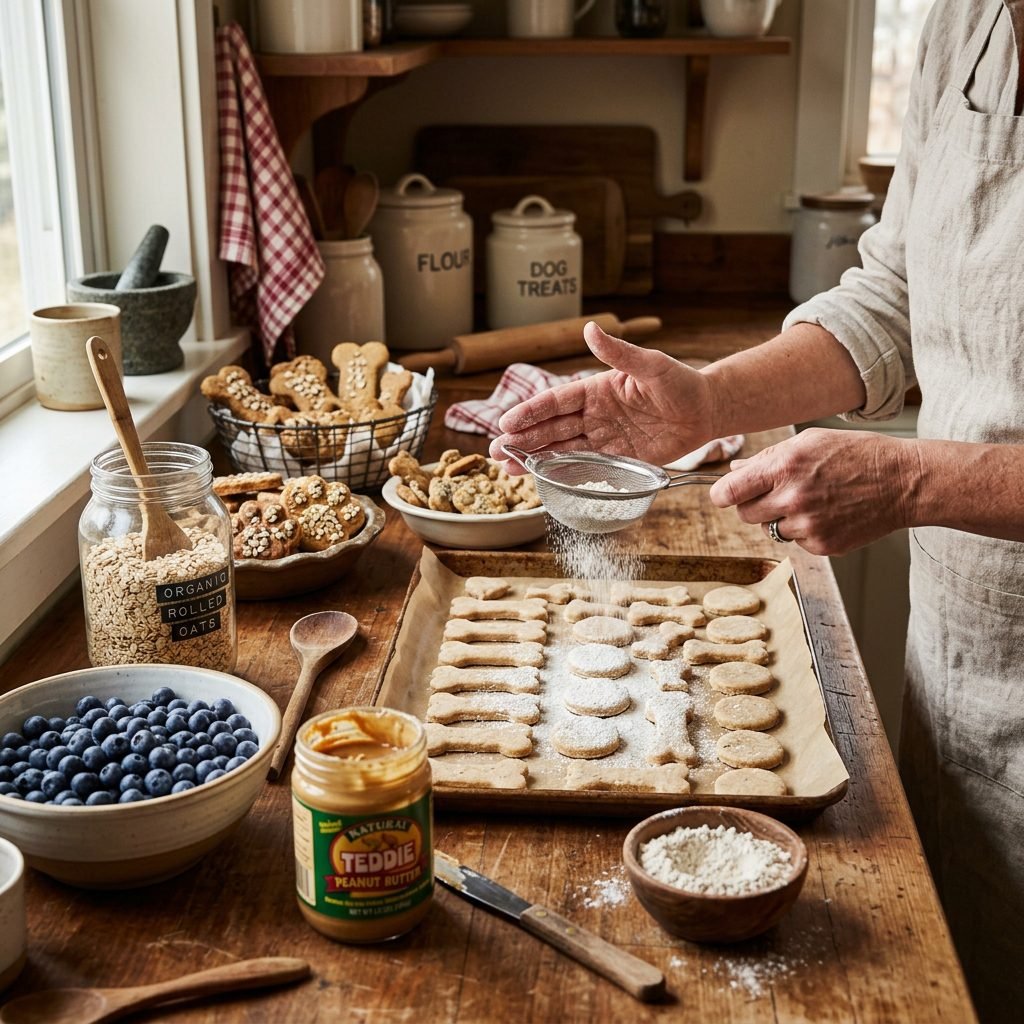
Actionable Recipe: The ‘Anti-Inflammatory’ Power Bone
- 2.5 cups Oat Flour
- 1 teaspoon Turmeric (great for joints!)
- 1/2 cup Blueberries (antioxidants)
- 1/2 cup Unsweetened Applesauce
- 1 Egg (pasture-raised if possible)
Mix, roll, cut into shapes, and bake at 350°F for 20-25 minutes. Let them dry out completely for that satisfying ‘crunch.’
The Money Talk: Costs, Margins, and Pricing
Turning Dough Into Dollars
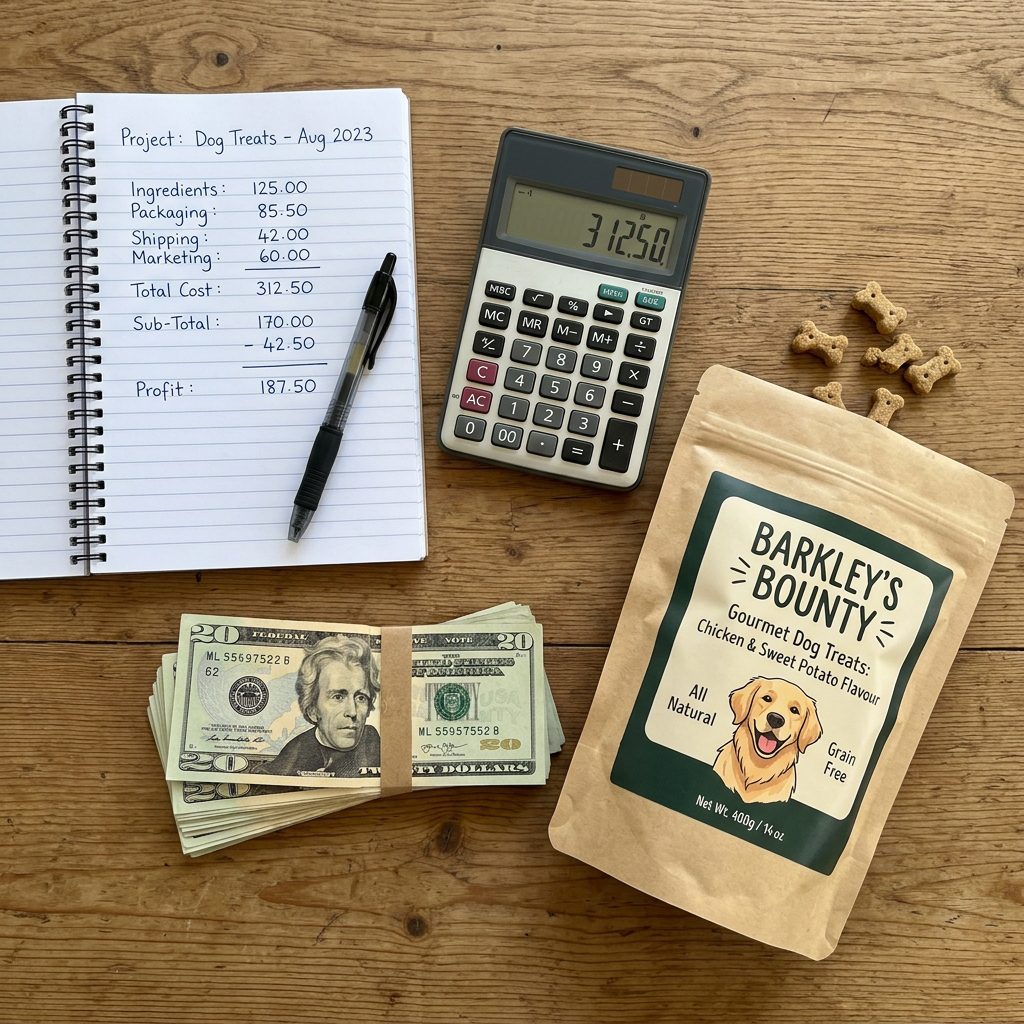
Let’s get real about the numbers. If you aren’t making a profit, you have a hobby, not a business. Most home bakers underprice their work because they forget to factor in their time and overhead.
Cost Breakdown Comparison
| Ingredient/Cost Factor | Cheap ‘Filler’ Version | Hacker’s Premium Version | |
|---|---|---|---|
| Base Flour (per lb) | $0.40 (Wheat) | $1.10 (Oat/Coconut) | $0.70 |
| Protein/Flavor | $0.50 (Artificial) | $2.50 (Real Salmon/PB) | $2.00 |
| Packaging (per unit) | $0.10 (Plastic bag) | $0.65 (Eco-friendly pouch) | $0.55 |
| Total Cost per Bag | $1.00 | $4.25 | $3.25 |
| Retail Price | $5.00 | $15.00 | $10.00 |
Notice the difference? While the premium treats cost more to make, the perceived value allows you to charge triple the price, resulting in a much higher profit margin per unit.
Calculating Your Hourly Rate
Do not work for free. If it takes you two hours to bake, package, and label 20 bags, you need to build that labor cost into your wholesale and retail pricing. Aim for at least $25-$30/hour for your labor when starting out.
Branding and Marketing: The Insider Secret
Selling the Sizzle (and the Liver)
In the dog world, your brand is everything. You aren’t just selling treats; you are selling health, longevity, and love.
Packaging That Pops
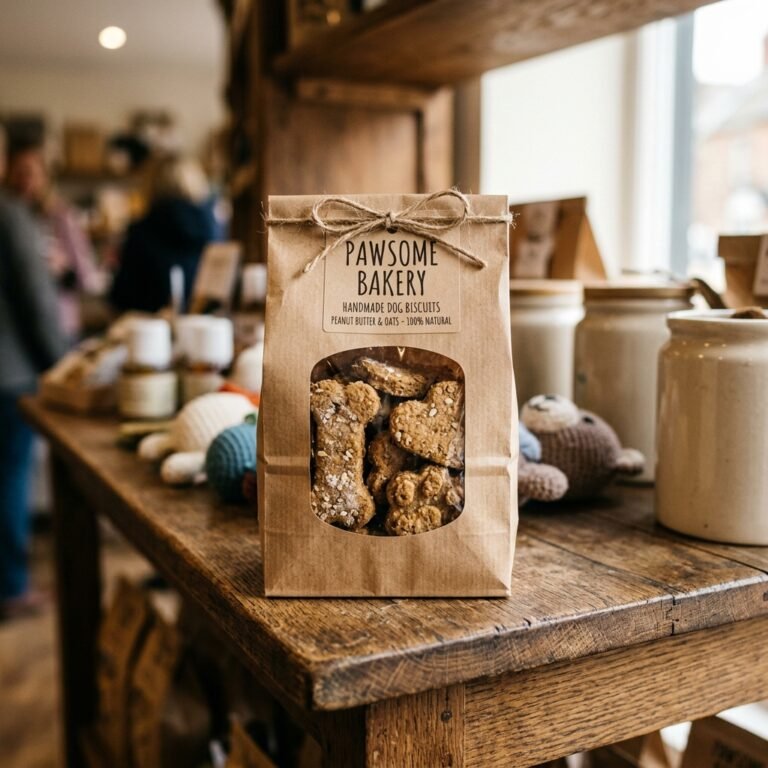
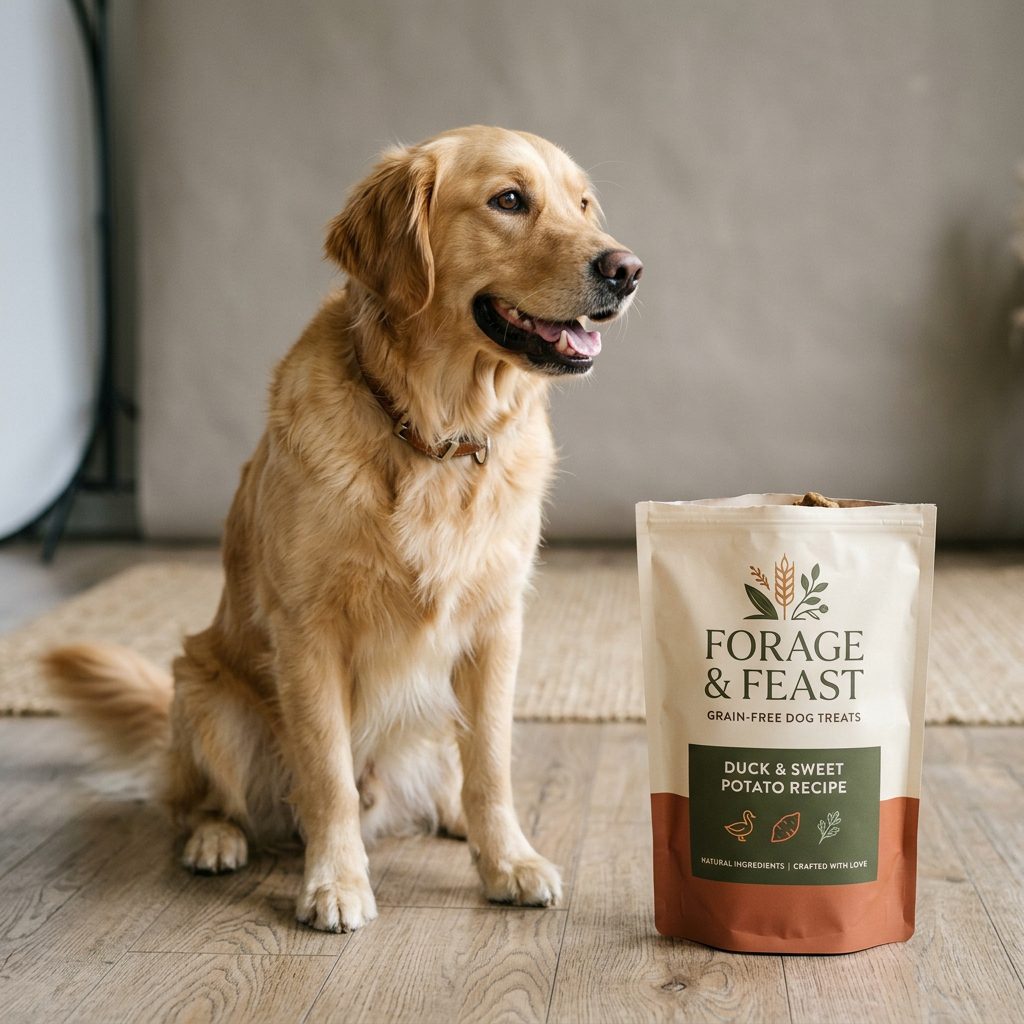
Invest in high-quality, resealable pouches. Use kraft paper for a ‘natural’ feel or clear windows so owners can see the actual ingredients.
The Power of Social Proof
Get ‘dogfluencers’ to try your treats. Send free samples to local pet groomers and dog walkers. These people are the gatekeepers to your target audience.
SEO for Your Barkery
If you are selling online, you need to rank for terms like ‘grain-free dog treats near me’ or ‘handmade organic dog biscuits.’ Use your blog to educate owners on nutrition—just like I am doing now.
Hacker Tip: Subscription boxes are your best friend. A recurring revenue model (e.g., a ‘Treat of the Month’ club) provides predictable income and builds intense brand loyalty.
Conclusion
Starting a home dog bakery business is one of the most rewarding ways to combine your love for animals with your entrepreneurial spirit. By focusing on high-quality ingredients, mastering the legal requirements, and pricing your products for profit, you can build a sustainable business that truly makes a difference in the lives of dogs. Remember, the ‘Canine Nutrition Hacker’ way is about transparency and quality. Don’t compete with the big guys on price—compete with them on integrity. Your customers (and their four-legged friends) will thank you for it. Now, get into that kitchen and start baking your way to freedom!