Can You Bake from Home? The Truth About Commercial Kitchen Requirements for Dog Bakeries
The Dream vs. The Red Tape
So, you’ve been making those organic, peanut butter and pumpkin swirls for your golden retriever, and everyone at the dog park is losing their minds. ‘You should sell these!’ they tell you. It sounds like the perfect side hustle, right? You imagine yourself as the next big name in canine confections, working from the comfort of your own kitchen in your pajamas. But then, you start Googling. You hit a wall of legal jargon about Department of Agriculture registrations, commercial kitchen leases, and guaranteed analysis labels. Suddenly, your dream of a doggie donut empire feels like it’s being buried under a mountain of paperwork.
I’m here to tell you: don’t panic. As the Canine Nutrition Hacker, I’ve spent years deconstructing the pet food industry, and I’ve seen exactly how savvy entrepreneurs navigate these waters. The truth is, the answer to ‘can I bake from home’ isn’t a simple yes or no—it’s a ‘yes, but only if you know the hacks.’ We aren’t just talking about baking cookies; we are talking about entering a highly regulated industry governed by the same people who monitor cattle feed and industrial grain. In this guide, we’re going to strip away the fluff and look at the cold, hard reality of commercial kitchen requirements, state-by-state loopholes, and how to stay legal without blowing your life savings on a warehouse lease.
The Cottage Food Loophole: Does It Apply to Dogs?
When humans want to sell strawberry jam or sourdough bread from their home kitchens, they usually fall under Cottage Food Laws. These laws are designed to help small-scale artisans get started without needing a $50,000 commercial build-out. However, here is the first insider secret you need to know: In the eyes of the law, dog treats are not ‘food’—they are ‘feed.’
The Human vs. Animal Divide
Most state Cottage Food Laws specifically apply to food intended for human consumption. Because dog treats are classified as animal feed, they are often regulated by the State Department of Agriculture or the Chemist’s Office, not the Department of Health. This is a critical distinction. In many states, this means you cannot use the standard Cottage Food exemption to sell dog treats. However, several states have recently modernized their laws to allow ‘Pet Treat’ home-based businesses. You need to check your specific state’s ‘Commercial Feed Act.’
Hacker Tip: Check if your state distinguishes between ‘non-medicated’ treats and ‘complete and balanced’ food. Most home-based permits only allow for treats (supplements or snacks), not full meal replacements.
If you live in a state like Ohio or Pennsylvania, the path is relatively clear for home bakers. If you live in a state with stricter ‘Feed’ laws, you might find yourself needing a separate entrance for your kitchen or a dedicated set of equipment that never touches human food.
The Commercial Kitchen Reality Check
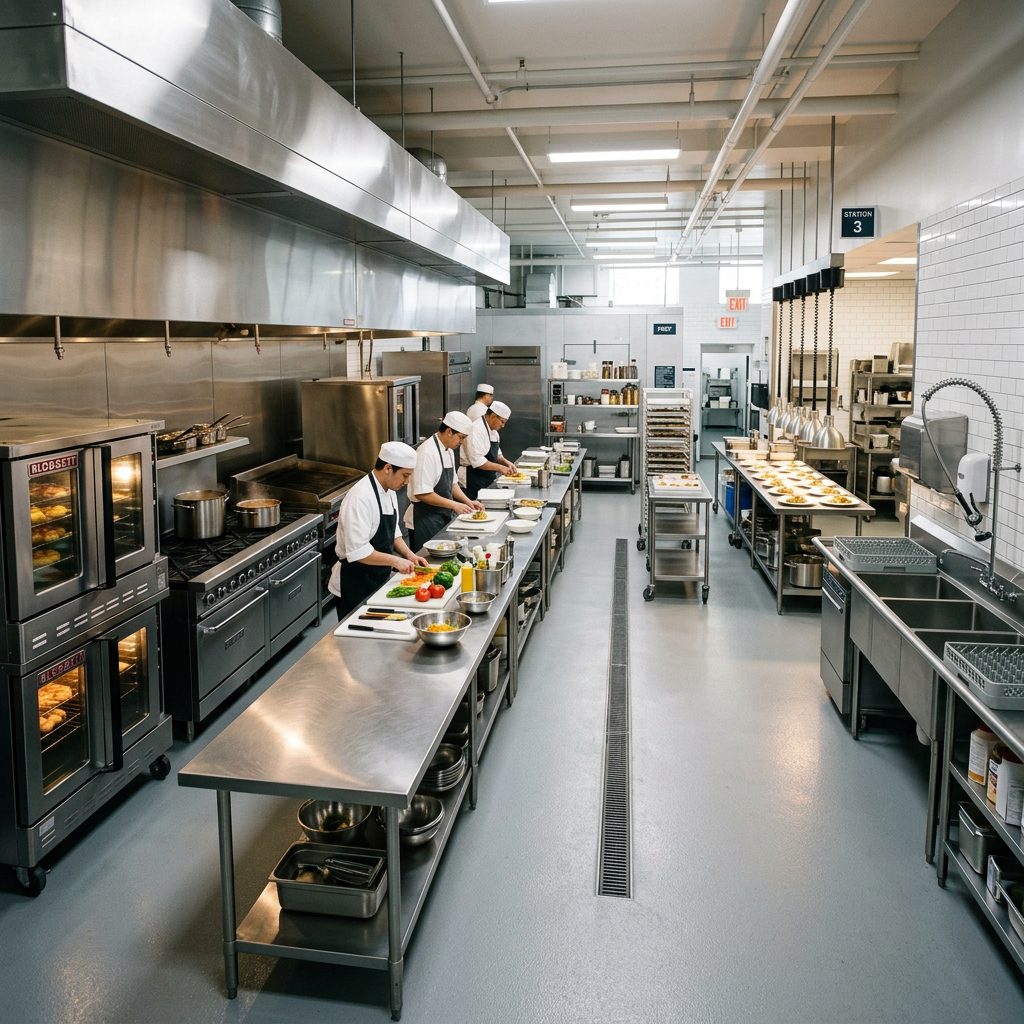
If your state says ‘No’ to home baking, or if you plan to scale your business beyond a few farmers’ markets, you’re going to need a commercial kitchen. But wait—before you go signing a five-year lease on a retail storefront, let’s look at the options that won’t bankrupt you.
Shared-Use and Commissary Kitchens
A shared-use kitchen is a licensed commercial space that you rent by the hour. This is the ultimate ‘hack’ for the savvy dog bakery owner. You get the licensed space required by the Department of Agriculture without the overhead. You show up, bake 500 treats, clean up, and leave.
The Dedicated ‘Pet-Only’ Space
Some states require that pet treats be produced in a space where no human food is prepared to prevent cross-contamination (though, ironically, most dog treat ingredients are human-grade). If you are building a space, it must usually have:
- Non-porous surfaces (Stainless steel or sealed tile).
- Three-compartment sinks for washing, rinsing, and sanitizing.
- Proper ventilation and grease traps.
- Pest control logs and rigorous cleaning schedules.
| Kitchen Type | Estimated Monthly Cost | Best For | Legal Compliance |
|---|---|---|---|
| Home Kitchen | $0 – $100 (Permit fees) | Start-ups / Farmers Markets | Varies by State |
| Shared Commercial Kitchen | $200 – $600 | Scaling / Online Sales | High |
| Private Commercial Lease | $1,500 – $5,000+ | High Volume / Wholesale | Absolute |
The ‘Guaranteed Analysis’ Nightmare (Solved)
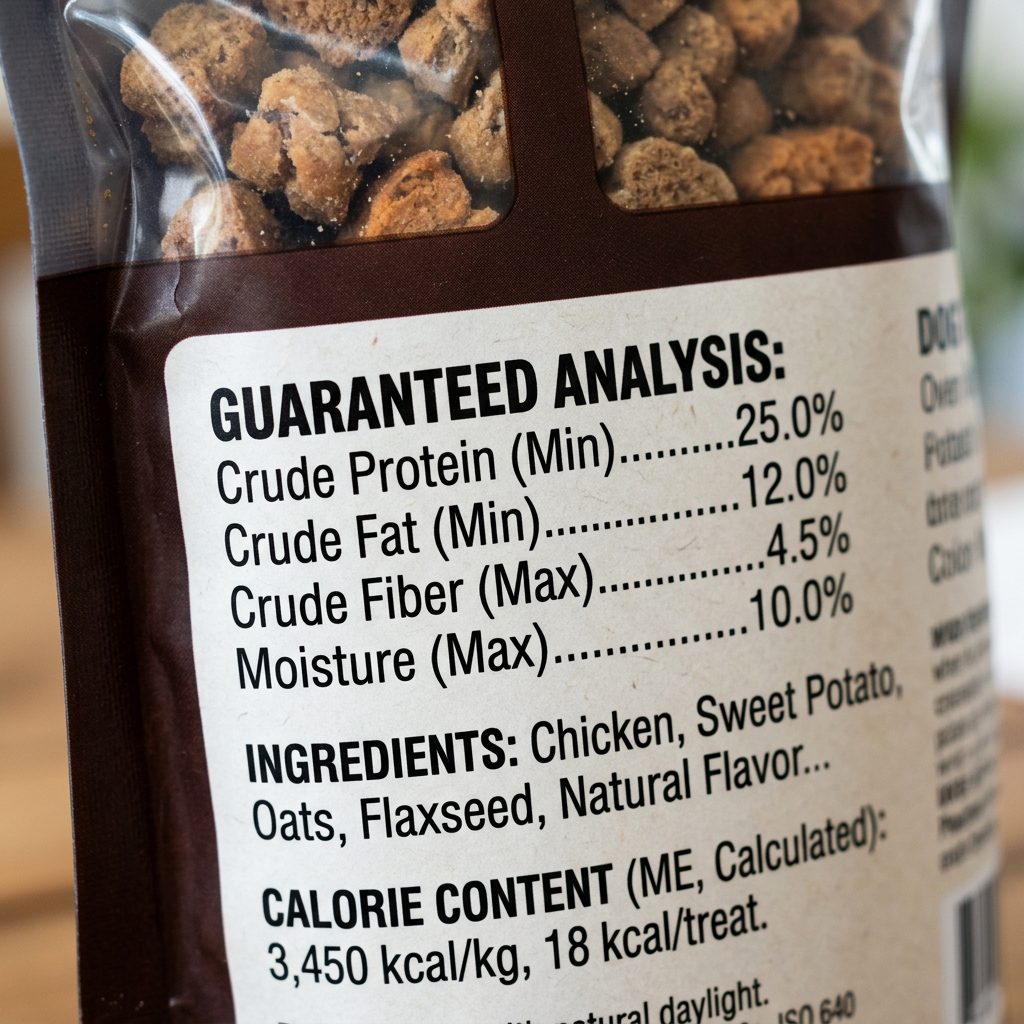
Even if you bake in a commercial kitchen, your treats aren’t legal until they are tested. Every bag of dog treats sold in the U.S. must have a Guaranteed Analysis (GA) on the label. This isn’t a suggestion; it’s a requirement by AAFCO (Association of American Feed Control Officials).
What You Must List
You are legally required to list the minimum percentages of Crude Protein and Crude Fat, and the maximum percentages of Crude Fiber and Moisture. If you claim your treat is ‘High in Omega-3,’ you have to prove that, too. This usually involves sending a sample of your treats to a lab.
The Hacker’s Shortcut to Lab Testing
Testing every single recipe can cost $100-$300 per treat. To save money, savvy owners use database-calculated analysis for their initial testing phases, though many states still require a physical lab report. To keep costs down, stick to 3 ‘Hero’ recipes rather than 20 different flavors. This limits your testing fees while you build your brand.
Insider Secret: Moisture content is the biggest hurdle. If your treats are ‘soft and chewy,’ they have high moisture, which means they can grow mold quickly. Unless you use natural preservatives like Vitamin E (Tocopherols) or mold inhibitors, you’ll need to prove your shelf-life stability to the inspectors.
Sourcing Ingredients Like a Forensic Scientist
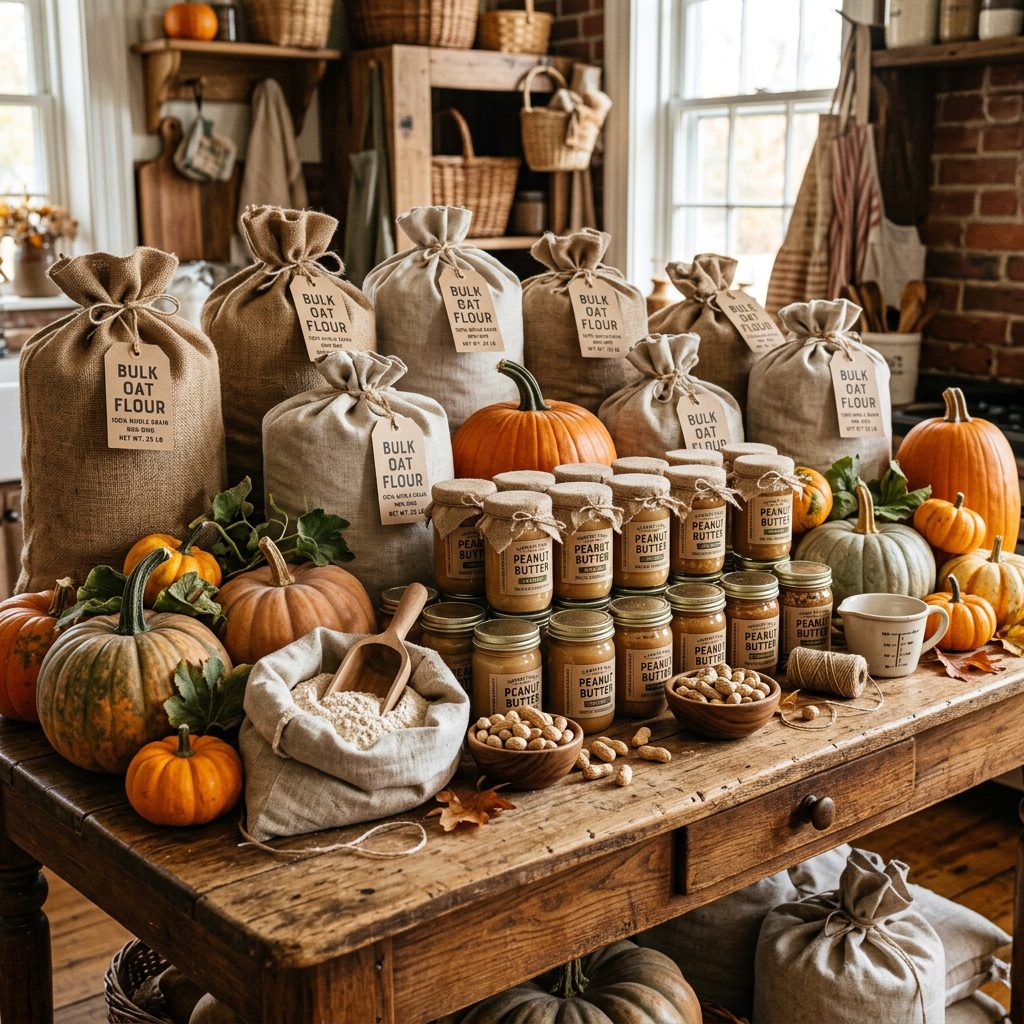
If you’re baking at scale, you cannot buy your flour and peanut butter at the local grocery store. You’ll kill your margins. But you also can’t use the ‘industrial grade’ junk found in some commercial kibbles. We want human-grade ingredients at wholesale prices.
The ‘First 5’ Rule for Bakers
Just like I analyze kibble, I analyze my baking ingredients. Avoid ‘Peanut Butter’ that contains Xylitol (which is deadly to dogs) or excessive salt and sugar. Look for bulk suppliers of oat flour, chickpea flour, and coconut oil.
Ingredient Comparison Table
| Ingredient | Retail Price (per lb) | Wholesale Price (per lb) | Hacker Verdict |
|---|---|---|---|
| Organic Oat Flour | $3.50 | $0.85 | Buy Bulk: Essential base |
| Pure Pumpkin Puree | $4.00 | $1.20 | Buy Bulk: Great binder |
| Natural Peanut Butter | $5.00 | $2.10 | Watch for Xylitol! |
By sourcing wholesale, you can drop your Cost Per Treat from $0.45 down to $0.08. That is how you turn a hobby into a profitable business.
The Inspection: What to Expect When They Knock
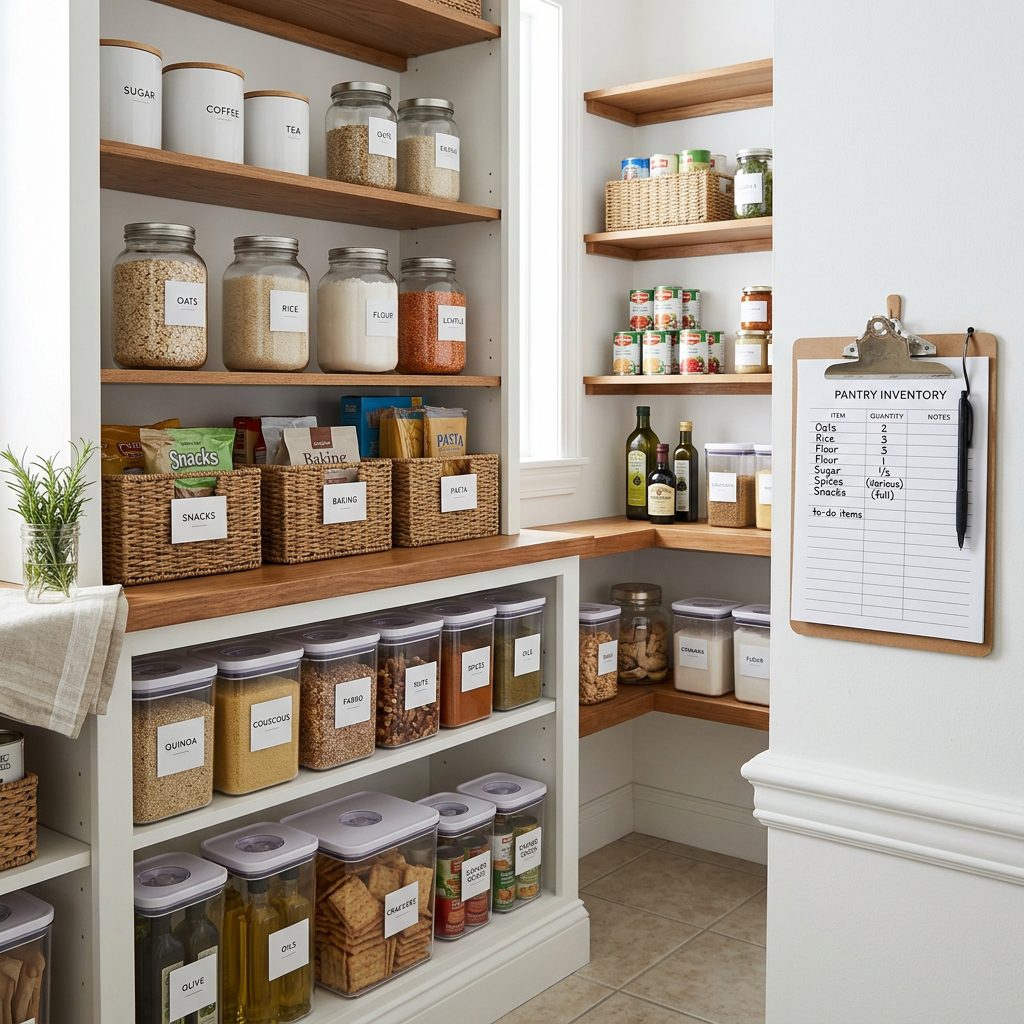
If you are registered with the Dept. of Agriculture, they will eventually inspect you. Don’t sweat it. They aren’t looking to shut you down; they are looking for safety. They will check your storage (ingredients must be off the floor), your labeling (is the weight correct?), and your Lot Tracking.
Mastering Lot Tracking
If a batch of flour you used is recalled, you must be able to tell the inspector exactly which bags of treats that flour went into. This is ‘Lot Tracking.’ A simple spreadsheet with ‘Date Baked,’ ‘Ingredients Used,’ and ‘Batch Number’ is all you need to look like a pro. This level of organization separates the amateurs from the serious business owners.
Conclusion
The Path to a Profitable Bakery
Starting a dog bakery is a journey of nutrition, creativity, and compliance. While the commercial kitchen requirements can seem daunting, they are simply hurdles designed to ensure the safety of our four-legged friends. To recap: start by checking your state’s Commercial Feed Laws, look for shared-use kitchens to keep overhead low, and never skip the Guaranteed Analysis.
Remember, the world doesn’t need another generic dog biscuit filled with wheat and sugar. The world needs your high-quality, nutritionally dense treats. By hacking the system—sourcing wholesale, mastering the legalities, and staying organized—you can build a business that is both profitable and life-changing for the dogs you serve. Now, get in that kitchen (wherever it may be) and start baking!