Better Than Beef Liver! Why Dehydrated Pork Kidney Is The Ultimate Training Reward
The Dirty Little Secret of the Dog Training World
Let us get straight to the point, savvy dog owners. If you have spent more than five minutes in a dog obedience class, you have probably been told that freeze-dried or dehydrated beef liver is the absolute holy grail of training treats. Trainers push it, pet stores dedicate entire aisles to it, and our dogs undeniably go crazy for it. But as a canine nutrition hacker, I am here to tell you that we have all been settling for second best. It is time to talk about the real MVP of the treat pouch: Dehydrated Pork Kidney.
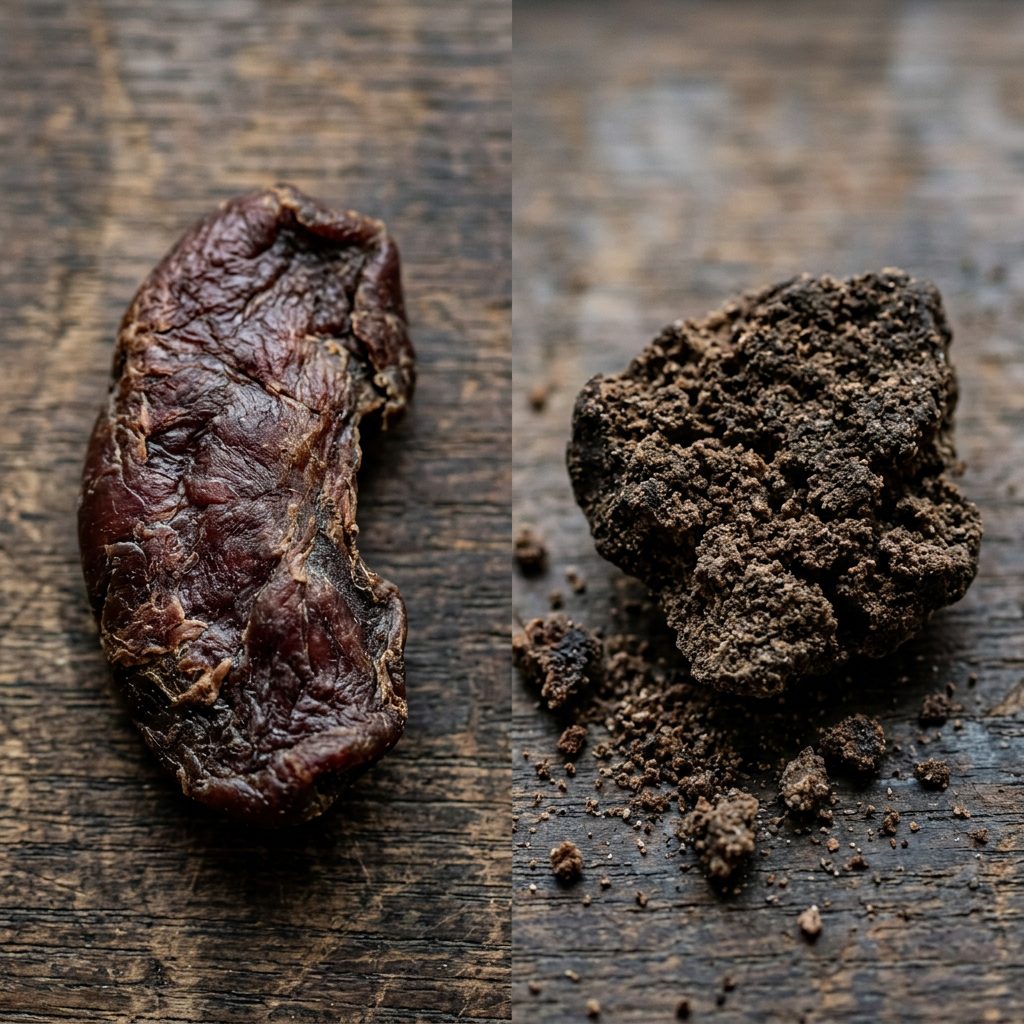
Why are we questioning the mighty beef liver? Simple. Have you ever reached into your treat pouch after a long training session only to pull out a handful of useless, powdery liver dust? Or worse, have you ever dealt with the dreaded ‘liver squirts’—the digestive upset that happens when your dog consumes just a little too much rich beef liver during an intense agility or recall session? Beef liver is fantastic, but it is incredibly rich, highly crumbly, and surprisingly expensive when bought commercially.
“Insider Secret: Professional working dog handlers often avoid commercial beef liver because it crumbles into dust and can easily cause vitamin A toxicity if overfed. They need a high-value reward that holds its shape and digests easily. Enter the pork kidney.”
Today, we are putting on our forensic nutrition hats and breaking down exactly why dehydrated pork kidney is the ultimate, budget-friendly, high-value training reward. We will look at the nutritional science, the scent profile that makes dogs lose their minds (in a good way), and exactly how you can source and make this super-treat at home for pennies on the dollar. Buckle up, because your dog’s training sessions are about to get a massive upgrade.
The Forensic Review: Pork Kidney vs. Beef Liver
When we analyze ingredient labels and raw components like forensic scientists, we have to look past the marketing hype and focus strictly on the bioavailable nutrients. Let us look at the cold, hard facts. Beef liver is a nutritional powerhouse, but it is incredibly dense in Vitamin A. While Vitamin A is essential for your dog’s vision, immune system, and skin health, it is fat-soluble. This means your dog’s body stores the excess rather than flushing it out, which can lead to toxicity if you are using liver heavily for daily training. Pork kidney, on the other hand, offers a different, safer, and highly beneficial nutritional profile.
The Nutritional Breakdown
Pork kidney is loaded with B vitamins (especially B12, riboflavin, and niacin), iron, selenium, and zinc. It provides a massive burst of energy and supports metabolic function without the extreme Vitamin A load of liver. Furthermore, the protein-to-fat ratio in pork kidney is exceptional for working dogs or dogs watching their waistlines. Let us break down the data.
| Nutrient Profile & Features | Dehydrated Pork Kidney | Dehydrated Beef Liver | The Hacker’s Verdict |
|---|---|---|---|
| Protein Density | Extremely High (Lean) | High | Pork Kidney wins for lean muscle support. |
| Vitamin A Risk | Low to Moderate | Very High | Pork Kidney is much safer for heavy, daily training sessions. |
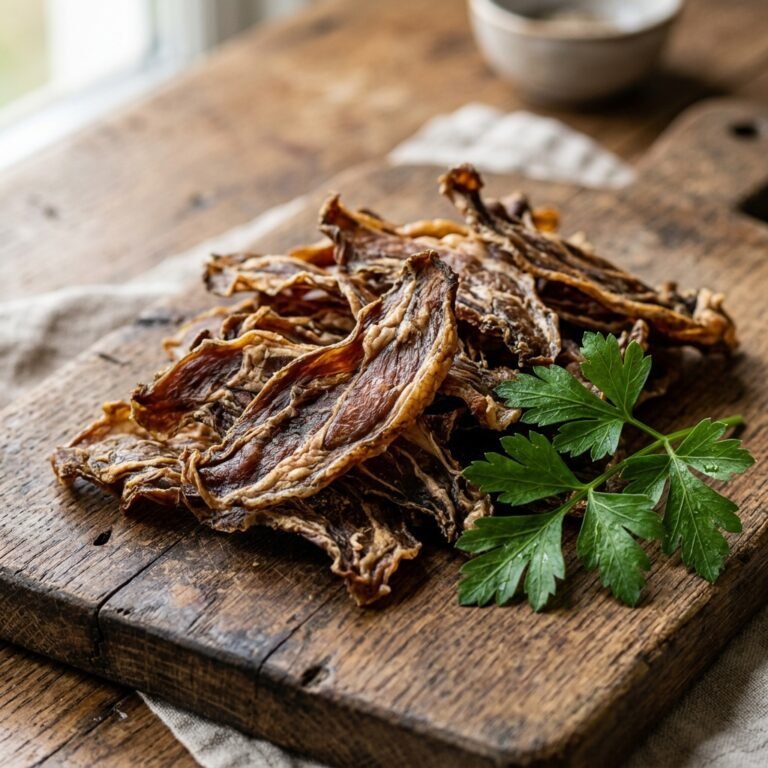
| Texture & Durability | Chewy, holds shape perfectly | Brittle, crumbles into useless dust | Pork Kidney is the undisputed champion of the treat pouch. |
| Scent Profile | Pungent, musky (Dogs love it) | Earthy, metallic | Tie (Depends on the dog, but kidney is a novel scent). |
As you can see, when you are doing high-repetition training—like counter-conditioning a reactive dog or proofing a reliable off-leash recall—you need a treat you can dispense rapidly without worrying about overdosing your dog on specific vitamins or cleaning treat dust out of your jacket pockets. Pork kidney delivers exactly what you need: a safe, durable, and highly aromatic reward.
The Scent and Texture Advantage: A Trainer’s Dream
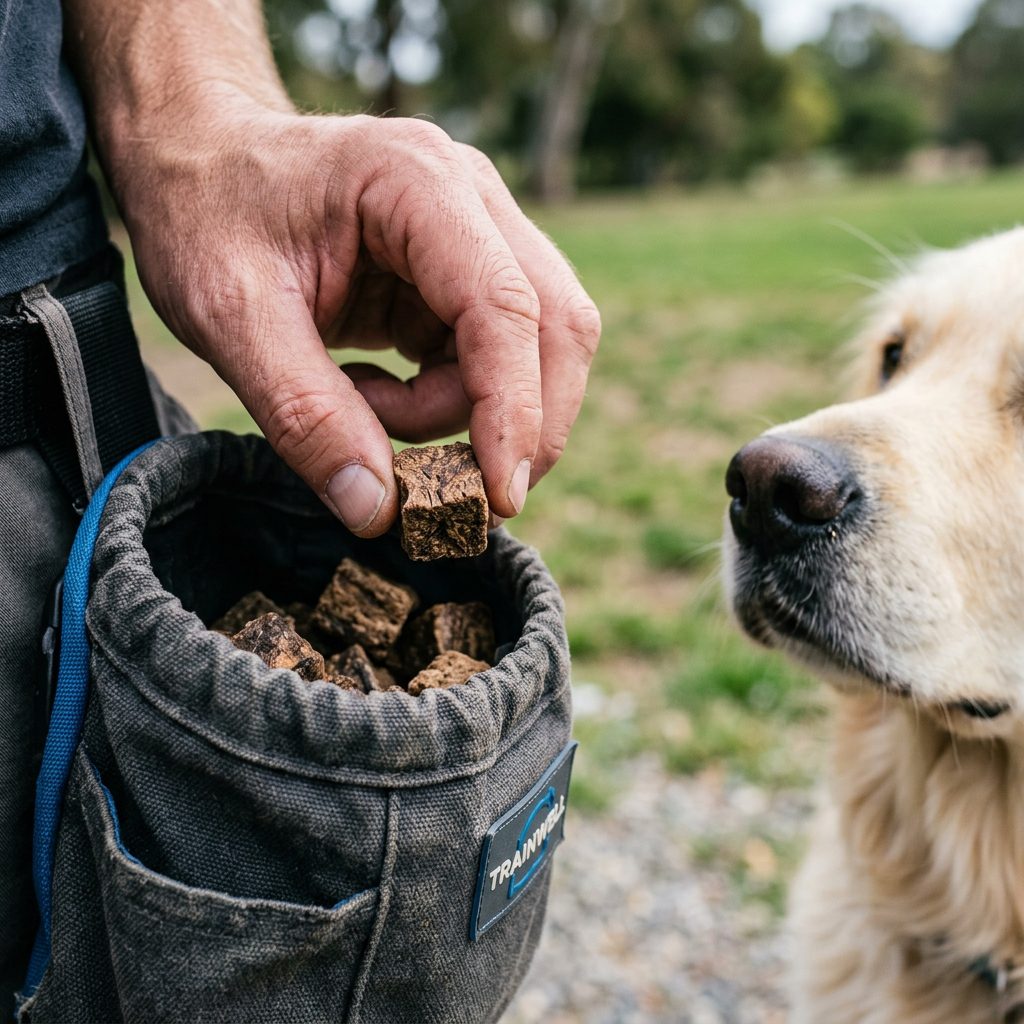
Let us talk about the practical application of treats in the real world. You are out in a distracting environment—maybe a busy park with squirrels, other dogs, and loud noises. You need your dog’s absolute, undivided attention. Dry biscuits are not going to cut it. You need a high-value reward. This is where the unique properties of dehydrated pork kidney shine.
The Power of Novel Scent
Dogs experience the world through their noses. Their olfactory receptors are thousands of times more sensitive than ours. When you introduce a novel protein scent like pork kidney, it hits their brain like a lightning bolt. Because pork kidney is rarely used in standard commercial kibbles (which are usually dominated by chicken, beef, or lamb), the smell is entirely unique to your dog. This novelty creates a massive spike in dopamine and focus. It smells slightly musky and rich—a scent profile that triggers their primal drive.
The Treat Pouch Durability Test
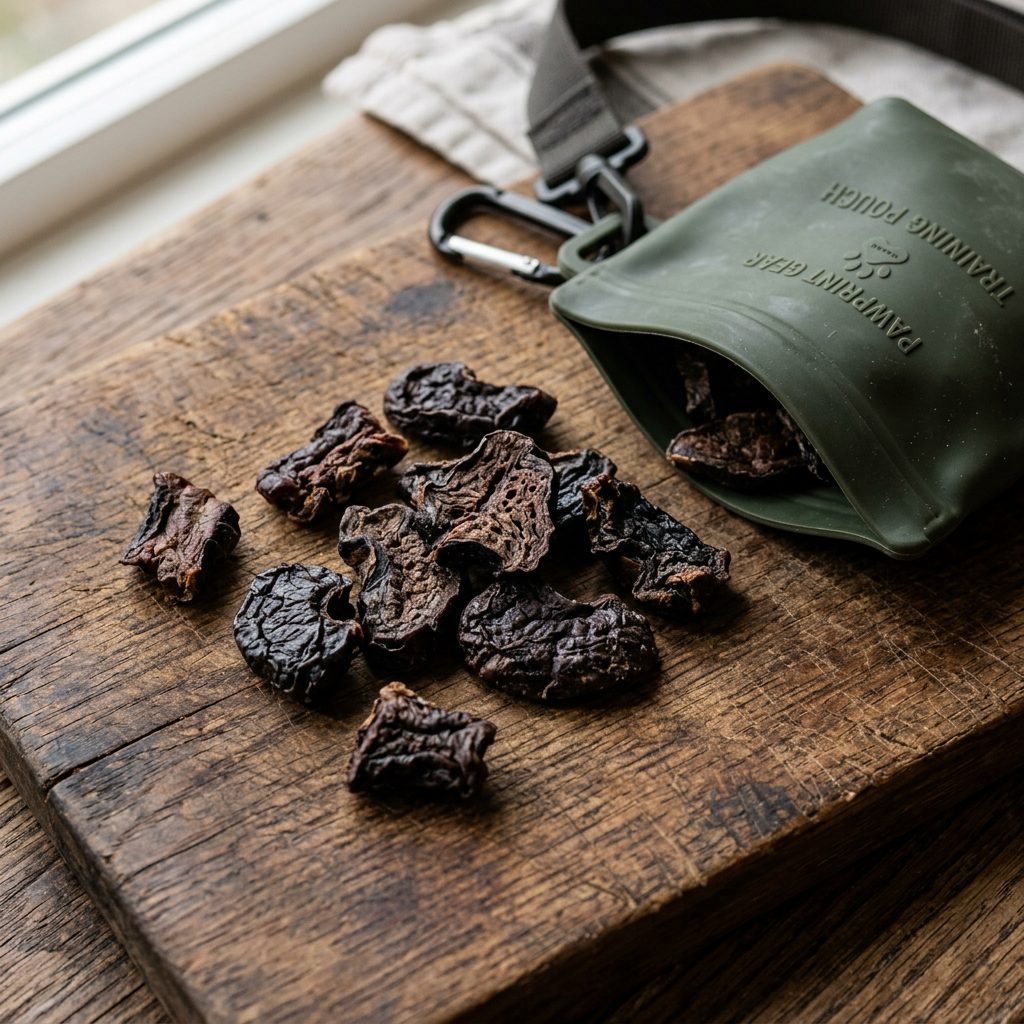
Any savvy dog owner knows the frustration of the ‘treat pouch dust.’ You buy a $15 bag of premium freeze-dried liver, and by the time you reach the bottom third of the bag, it is just powder. You cannot hand-feed powder during a heel-work routine. Dehydrated pork kidney has a naturally denser, more fibrous cellular structure than liver. When dehydrated properly, it becomes slightly chewy and holds its structural integrity. You can cut it into tiny, pea-sized cubes, and those cubes will stay intact in your pocket, your silicone pouch, or your bait bag all day long.
- No more wasted money: Every single piece of kidney you cut is usable. Zero dust.
- Better delivery: You can toss a piece of kidney on the grass for a ‘find it’ game, and it will not shatter on impact.
- Satisfying chew: The slightly rubbery texture forces the dog to actually taste the treat rather than just inhaling a powdery substance, making the reward event last just a fraction of a second longer, which is great for marking behaviors.
The Hacker’s Guide to Sourcing and Cost Breakdown
Here is where we get into the real insider secrets. The commercial pet food industry loves to take cheap, raw ingredients, process them, slap a picture of a wolf on the bag, and mark the price up by 400%. If you buy commercial dehydrated exotic organ meats, you are going to pay a premium. But as a canine nutrition hacker, you know better. You know that sourcing raw ingredients yourself is the key to premium nutrition on a budget.
Where to Find Raw Pork Kidney
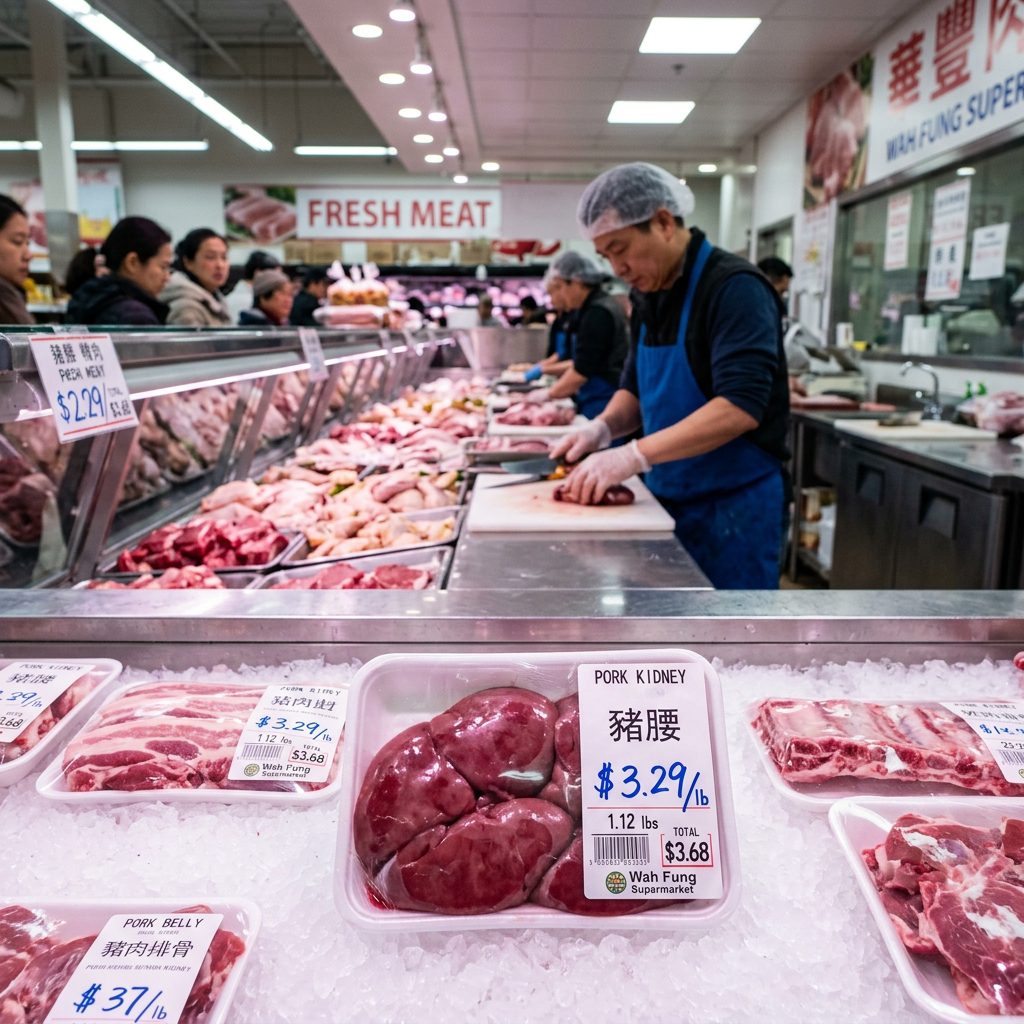
You will rarely find pork kidney sitting next to the chicken breasts at your standard suburban grocery store. To find the good stuff, you need to step outside the standard retail bubble. Your best friends in this endeavor are local ethnic markets (especially Asian or Hispanic supermarkets) and independent local butchers. These markets cater to a clientele that utilizes the whole animal, meaning offal and organ meats are always in stock, exceptionally fresh, and incredibly cheap.
“Hacker Tip: Talk to the butcher at your local Asian market. Ask them what days they get their fresh pork deliveries. Buying kidney on delivery day ensures you get the freshest organs, which makes the dehydration process much less smelly in your kitchen!”
The Real Cost Breakdown
Let us look at the math. A standard 4-ounce bag of premium, single-ingredient commercial dog treats will easily run you between $10 and $15. That is roughly $40 to $60 per pound. Now, let us look at the DIY route.
| Sourcing Method | Approximate Cost (Per Pound) | Yield After Dehydration | Estimated Cost per 4oz of Treats |
|---|---|---|---|
| Commercial Boutique Brand | $40.00 – $60.00 | N/A (Already dried) | $10.00 – $15.00 |
| Standard Supermarket | $3.00 – $4.00 (Raw) | Yields ~4oz dried per 1lb raw | $3.00 – $4.00 |
| Local Ethnic Market / Butcher | $1.50 – $2.50 (Raw) | Yields ~4oz dried per 1lb raw | $1.50 – $2.50 |
By sourcing the raw kidney yourself from a local market and dehydrating it at home, you are saving up to 90% on your treat budget. For a savvy dog owner who trains daily, that equates to hundreds of dollars saved every single year, all while providing a superior product.
The Safe Chef Guide: DIY Dehydrated Pork Kidney
Ready to make your own? It is incredibly simple, but there are a few strict rules you must follow to ensure safety and maximum shelf life. SAFETY DISCLAIMER: Always handle raw pork with the same sanitary precautions you would use for raw chicken. Wash your hands, sanitize your cutting boards, and ensure your dehydrator reaches safe temperatures to eliminate any potential pathogens.
Step-by-Step Dehydration Protocol
- The Deep Freeze Prep: Raw kidney is slippery and notoriously difficult to cut into neat, uniform cubes. Hacker Secret: Place the raw kidneys in the freezer for about 45 to 60 minutes before prep. You want them firm and partially frozen, but not rock solid. This makes slicing them an absolute breeze.
- Trimming the Fat: While pork kidney is generally lean, use a sharp knife to remove any visible hard white fat or heavy connective tissue from the center. Fat does not dehydrate well and can cause the treats to go rancid faster during storage.
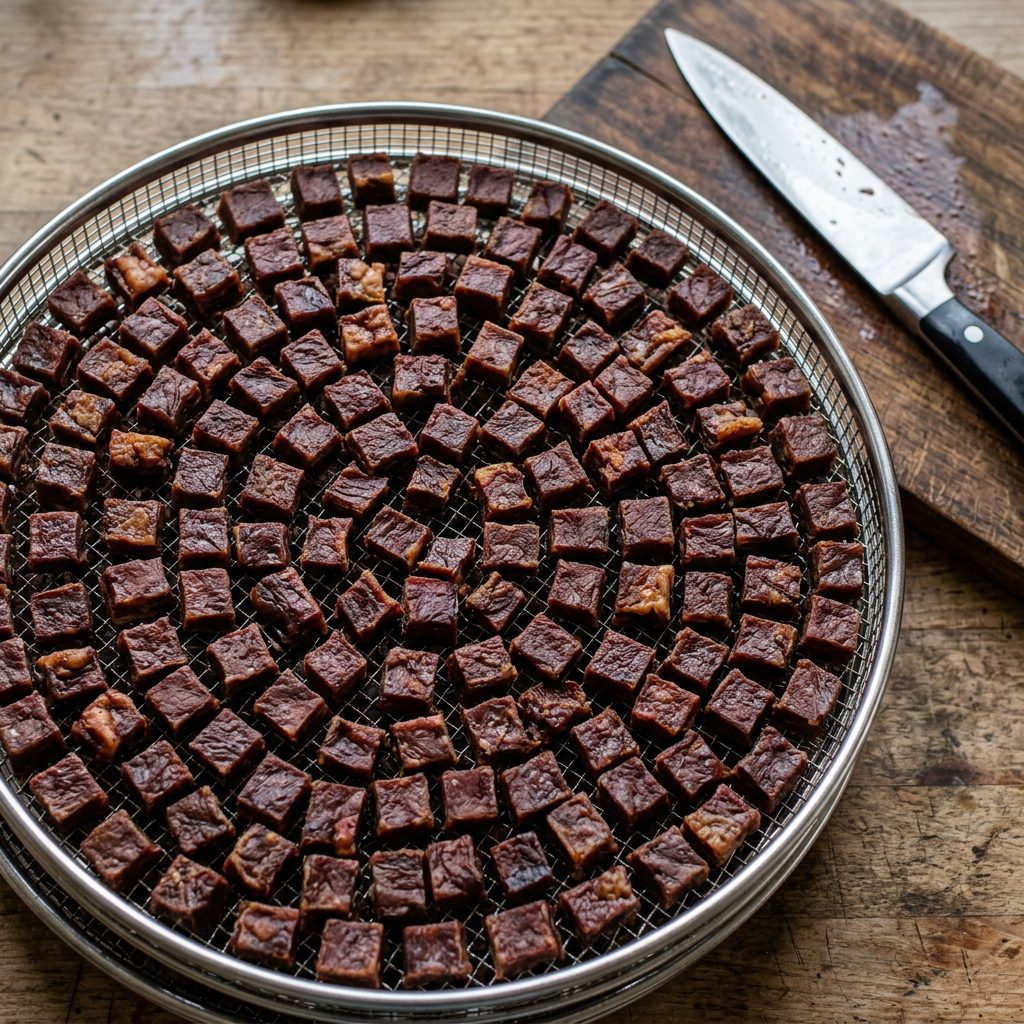
- The Precision Cut: Slice the kidney into strips, and then into small, pea-sized cubes. Remember, they will shrink by about 50-60% during the drying process, so cut them slightly larger than your desired final treat size.
- The Dehydration Phase: Spread the cubes evenly on your dehydrator trays, ensuring they do not touch so air can circulate. Set your dehydrator to 160 degrees Fahrenheit (71 degrees Celsius). This temperature is critical for safely dehydrating raw meat for pets.
- Timing it Right: Let them dehydrate for 8 to 12 hours. You are looking for a dark, leathery, and slightly hard texture. If you squeeze a piece, no moisture should seep out. Break one in half; it should be dry all the way through the center.
“Batch Cooking Tip: Dehydrating organ meat can have a strong odor. I highly recommend moving your dehydrator to the garage or a well-ventilated laundry room while running this batch. Make a massive batch once a month, store a week’s worth in the fridge, and freeze the rest in airtight vacuum-sealed bags to preserve maximum freshness.”
Safety Protocols: Feeding Organ Meats Responsibly
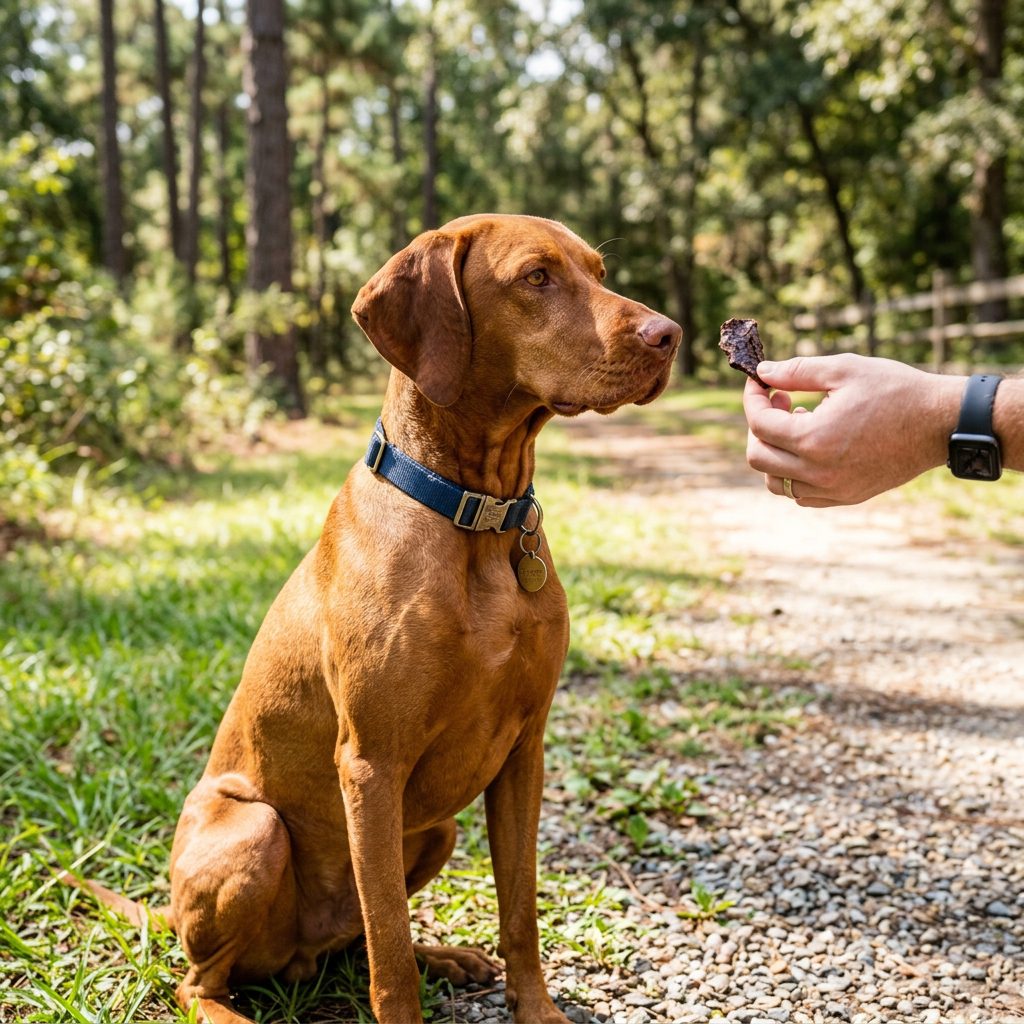
As a responsible canine nutrition hacker, we have to talk about the golden rules of feeding organ meat. While dehydrated pork kidney is the ultimate training reward, it is still a secreting organ, which means it is incredibly nutrient-dense. It is a supplement to a balanced diet, not a meal replacement.
The 10% Rule
In the raw feeding and canine nutrition community, the standard guideline is that secreting organs (like liver, kidney, and spleen) should make up no more than 10% of your dog’s total daily diet. If you feed a commercial kibble that is already balanced with synthetic or natural vitamins, you need to be even more mindful of how many organ-meat treats you are dispensing.
Enemy Ingredients vs. Hero Ingredients
If your dog has a sensitive stomach, you know that introducing new foods can be a minefield. The ‘Enemy Ingredients’ for most sensitive dogs are usually cheap fillers: corn gluten meal, soy, or highly processed poultry by-products. Pork kidney, however, is a ‘Hero Ingredient.’ It is a single-source, novel protein that is highly digestible. That being said, because it is so rich, introducing it too quickly can cause loose stools.
Action Plan for Safe Introduction: Start by swapping out just 10% of your normal training treats with your new dehydrated pork kidney. Monitor your dog’s stool over the next 24 hours. If everything remains solid and normal, you can gradually increase the ratio. Always remember to reduce your dog’s daily meal portion slightly on heavy training days to account for the calories consumed through these high-value rewards.
Conclusion
Upgrade Your Training Game Today
There you have it, pack leaders. The days of settling for overpriced, crumbly beef liver dust are officially over. By stepping outside the pet store aisle and utilizing the power of dehydrated pork kidney, you are taking control of your dog’s nutrition, supercharging your training sessions with an irresistible novel scent, and saving a massive amount of money in the process.
Being a savvy dog owner isn’t just about buying the most expensive gear; it is about understanding the science of nutrition, knowing how to source the best raw ingredients, and putting in a little bit of DIY effort to yield incredible results. The next time you need to nail that perfect heel or proof a recall off a squirrel, you will be armed with the ultimate, high-value reward. Go hit up your local butcher, fire up that dehydrator, and watch your dog’s focus reach levels you never thought possible. Happy training, and hack on!