The Easiest Homemade Dehydrated Turkey Dog Treats for Dogs With Severe Food Allergies
Welcome to the Canine Nutrition Hacker Kitchen
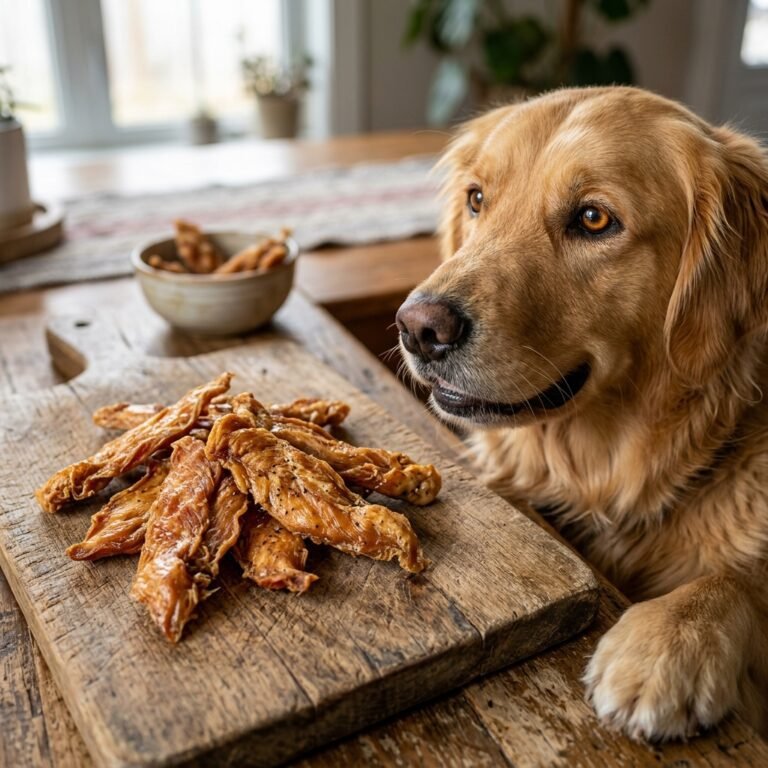
Listen up, savvy dog parents. If you are reading this, you are probably exhausted. You have spent hundreds, maybe thousands of dollars at the vet trying to diagnose your dog’s relentless itching, chronic ear infections, or sensitive stomach. You have finally pinpointed the food allergies, switched to a premium limited-ingredient or hydrolyzed diet, and your dog is finally healing. But then comes the next hurdle: treats. How on earth do you reward a dog that is allergic to chicken, beef, soy, corn, and wheat? If you walk down the treat aisle at your local big-box pet store, you will quickly realize that almost every commercial treat is a minefield of hidden allergens. Even the so-called ‘hypoallergenic’ treats are often loaded with ambiguous ingredients, synthetic preservatives, and fillers that can trigger a massive flare-up. As your resident Canine Nutrition Hacker, I analyze ingredient labels like a forensic scientist, and let me tell you a harsh truth: the pet food industry relies on your convenience to sell you overpriced, filler-stuffed junk. But today, we are taking the power back. We are going to bypass the marketing fluff, ditch the overpriced boutique treats, and create the absolute best, safest, and most budget-friendly reward for your allergy-prone pup. We are talking about single-ingredient, homemade dehydrated turkey dog treats. No fillers. No hidden chicken fat. No nonsense. Just pure, lean protein that you control from start to finish. Grab your cutting board, because we are about to hack your dog’s treat game and save you a fortune in the process.
The Allergy Epidemic: Why Commercial Treats Fail Our Dogs
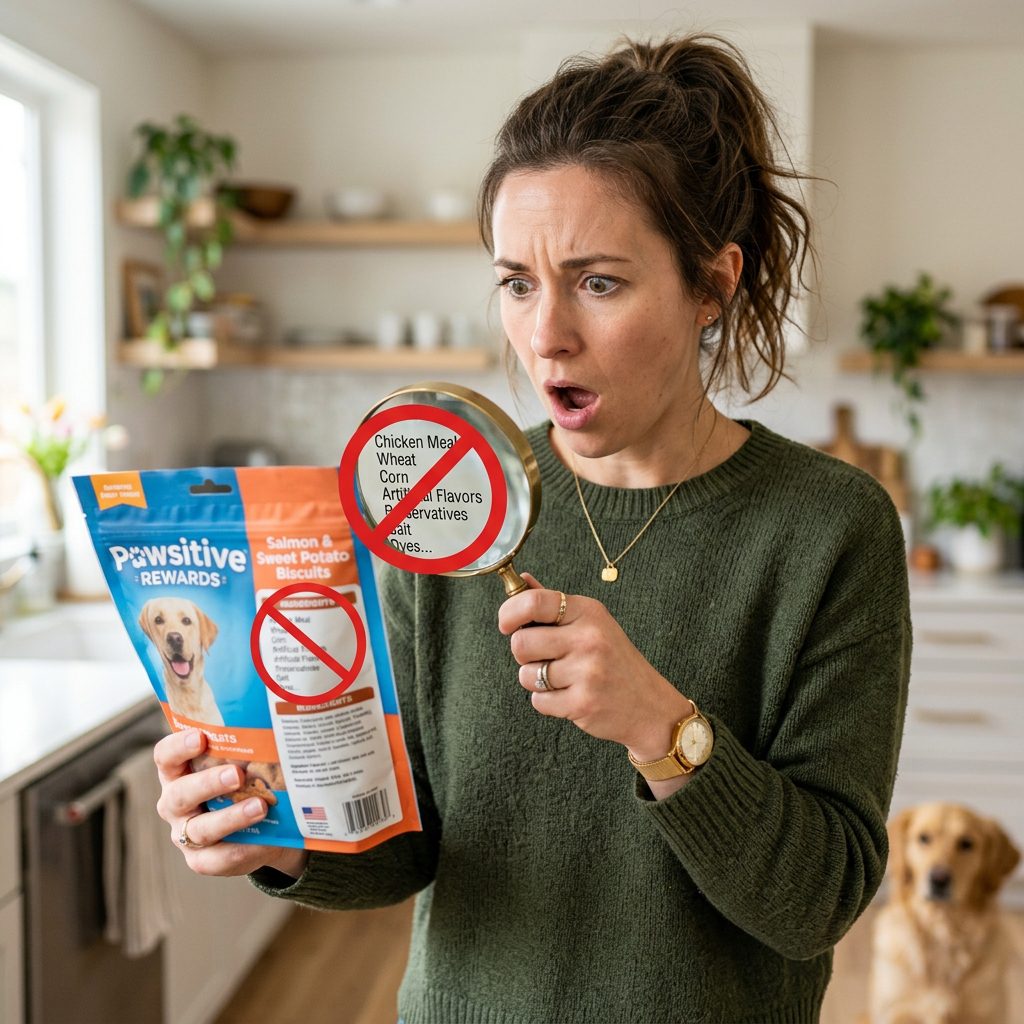
Let us start with a little forensic label reading. When a dog has severe food allergies, their immune system is in a state of hyper-reactivity. It only takes a microscopic amount of an offending protein to trigger a full-blown allergic reaction. So, you buy a bag of premium ‘Sweet Potato and Venison’ treats, thinking you are safe. But if you turn that bag around and read the fine print, you might see ingredients like ‘natural flavors,’ ‘animal fat,’ or ‘meat by-products.’ Here is the insider secret the industry does not want you to know: ‘natural flavors’ is very often derived from chicken or pork. If your dog has a poultry allergy, that innocent-looking treat just reset their healing process by weeks.
The Hidden Dangers in the Treat Aisle
Commercial dog treats are formulated for shelf stability, not for your dog’s immune system. To keep a semi-moist treat sitting on a warehouse shelf for two years without molding, manufacturers pump them full of glycerin, artificial preservatives like BHA and BHT, and complex starches. Furthermore, cross-contamination in manufacturing facilities is incredibly common. A machine that just processed a batch of beef treats might not be thoroughly sanitized before running a batch of turkey treats. For a dog with severe allergies, that cross-contamination is enough to cause severe gastrointestinal distress or skin inflammation.
- Ingredient Splitting: Manufacturers break down cheap fillers (like corn) into multiple smaller ingredients (corn gluten meal, corn flour, whole grain corn) so that meat appears first on the label.
- Ambiguous Fats: Terms like ‘poultry fat’ or ‘animal digest’ are massive red flags for allergy dogs. You have no idea what animal that came from.
- Glycerin and Sugars: Used to keep treats chewy, these ingredients feed yeast in the gut and on the skin, exacerbating allergy symptoms.
Insider Secret: If an ingredient list reads like a chemistry textbook, put it back on the shelf. For severe allergy dogs, the only safe ingredient list is a single-ingredient list. Period.
Why Turkey? The Ultimate Lean Protein for Allergies
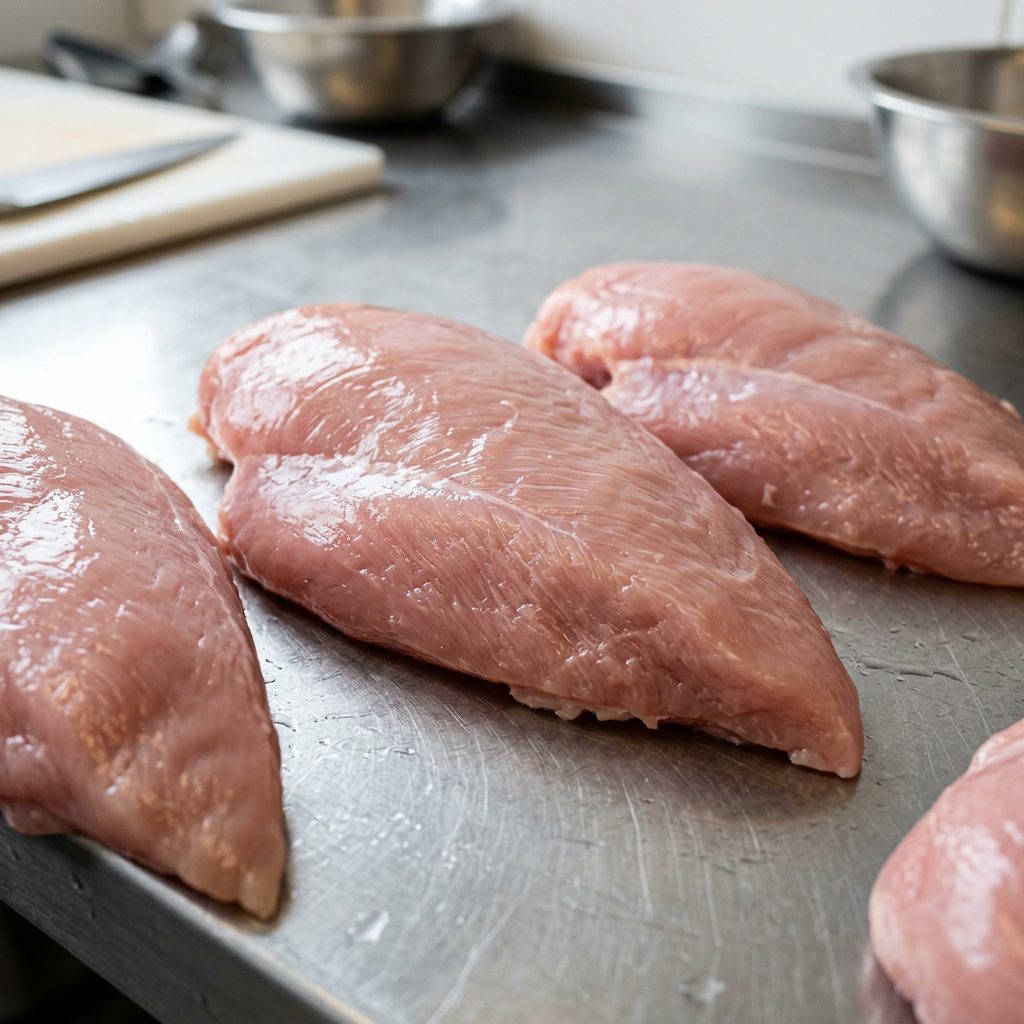
When dealing with allergies, you need what veterinarians call a ‘novel protein’—a meat source your dog has not been overexposed to. While turkey is not as exotic as kangaroo or alligator, it is surprisingly effective for many dogs who are strictly allergic to chicken or beef. But the real reason we are using turkey breast for this dehydration hack comes down to food science and fat content.
The Science of Dehydration and Fat
When you dehydrate meat, you are removing the moisture to prevent bacterial growth and spoilage. However, you cannot dehydrate fat. Fat does not dry out; it simply goes rancid. If you try to dehydrate a fatty cut of meat like pork belly or cheap beef chuck, the resulting treat will spoil quickly at room temperature, potentially making your dog sick. Turkey breast is incredibly lean, naturally low in fat, and packed with essential nutrients. It provides a clean, easily digestible protein source that dries beautifully into a safe, shelf-stable jerky.
- High Protein, Low Fat: Ideal for maintaining lean muscle mass without triggering pancreatitis or adding unnecessary calories.
- Rich in B Vitamins: Turkey is loaded with Vitamin B6 and Niacin, which support energy production and healthy skin—crucial for dogs recovering from allergy-induced dermatitis.
- Selenium and Zinc: Essential minerals that help boost the immune system and repair damaged skin barriers.
By choosing turkey breast, we are controlling exactly what goes into our dog’s body. No hidden fats, no mystery by-products, just pure, unadulterated muscle meat. This is the ultimate hack for sensitive stomachs and hyper-reactive immune systems.
The Real Cost Breakdown: DIY vs Premium Store-Bought
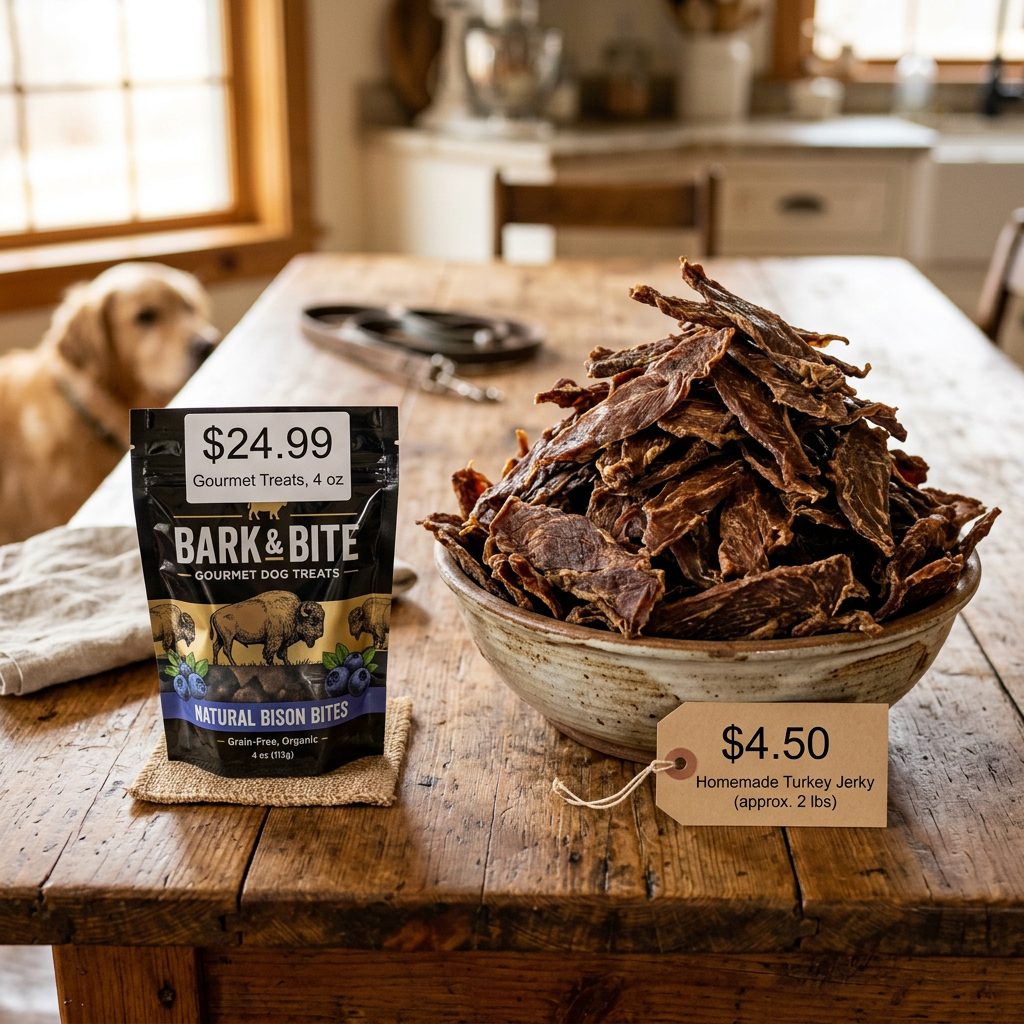
Now, let us talk about your wallet. Managing a dog with severe allergies is incredibly expensive. Prescription kibble can easily cost over one hundred dollars a bag. When you add premium, single-ingredient treats into the mix, you are bleeding money. Boutique pet brands know you are desperate, and they charge a massive premium for ‘allergy-friendly’ products. Let us run the numbers and see exactly how much money you are saving by becoming your own canine chef.
The Financial Forensic Analysis
A typical high-end bag of single-ingredient turkey jerky for dogs costs about $15 for a tiny 4-ounce bag. That is roughly $60 per pound of dried treats! Meanwhile, you can purchase fresh, human-grade turkey breast at your local grocery store for about $5 to $7 per pound. Because meat loses about 70% to 75% of its weight during the dehydration process (due to moisture loss), it takes roughly 4 pounds of raw turkey to yield 1 pound of dehydrated jerky. Let us look at the hard data.
| Metric | Premium Store-Bought Jerky | Homemade DIY Turkey Jerky |
|---|---|---|
| Raw Material Cost | Unknown (Often lower grade) | $5.00 – $7.00 per lb (Human Grade) |
| Cost Per Dehydrated Pound | $60.00+ | $20.00 – $28.00 |
| Ingredient Transparency | Trusting the label / Risk of cross-contamination | 100% Total Control |
| Cost Per Day (50lb Dog) | Approx. $2.50/day | Approx. $0.85/day |
By investing a little bit of your time, you are cutting your treat budget by more than half, while simultaneously upgrading the quality of the meat from ‘feed grade’ to ‘human grade.’ That is what I call a massive win for the savvy dog owner. You are keeping your money in your pocket and keeping your dog completely safe from hidden allergens.
The Safe Chef Guide: Preparation and Safety Protocols
SAFETY DISCLAIMER: I am a Canine Nutrition Hacker, not a licensed veterinarian. These homemade dehydrated turkey treats are intended for supplemental feeding and training purposes only. They do not constitute a complete and balanced diet. Treats should never make up more than 10% of your dog’s daily caloric intake. If your dog is on a strict elimination diet prescribed by a vet, consult with them before introducing any new protein, even a single-ingredient one.
Mastering Kitchen Safety
When handling raw poultry, food safety is paramount. We are dealing with potential pathogens like Salmonella and E. coli. The goal of dehydrating is to remove moisture, but we also must ensure the meat reaches a safe internal temperature to kill any lingering bacteria. This is where many DIYers fail, but we are going to do it right.
- Sanitization: Wash your hands, cutting boards, and knives with hot, soapy water before and after handling the raw turkey. Dedicate a specific cutting board just for raw meat to avoid cross-contamination in your kitchen.
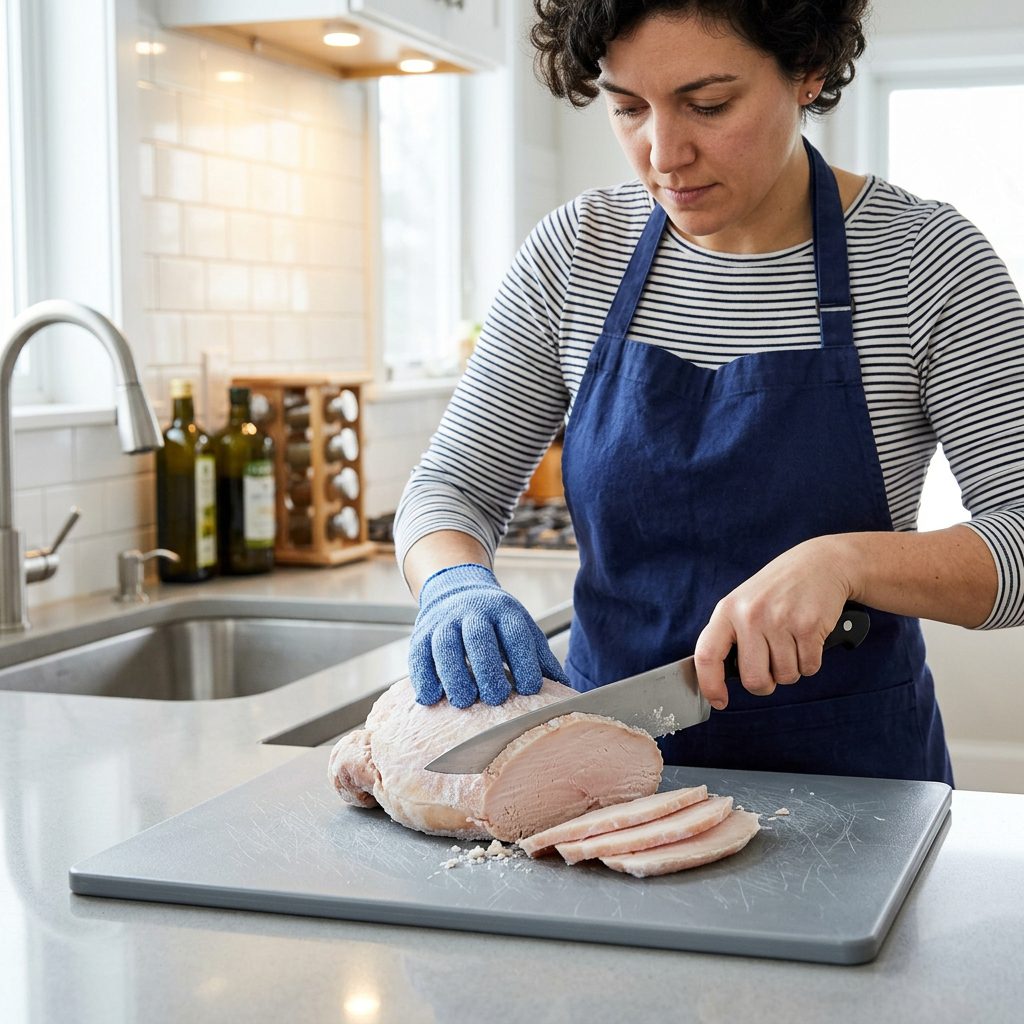
- The Freeze Hack: Slicing raw, room-temperature turkey breast into perfectly thin, uniform strips is incredibly frustrating and dangerous for your fingers.
Insider Secret: Place the raw turkey breast in the freezer for 45 to 60 minutes before slicing. It will firm up the meat, allowing you to slice incredibly thin, uniform pieces with ease.
- Slicing Against the Grain: Look at the direction of the muscle fibers in the turkey breast. You want to slice perpendicular to those lines (against the grain). This makes the final dehydrated jerky much easier for your dog to chew and digest, rather than being tough and stringy.
- Trimming the Fat: I cannot stress this enough—trim every single visible piece of fat off the turkey breast before slicing. Fat is the enemy of dehydration.
The Step-by-Step Dehydrating Recipe
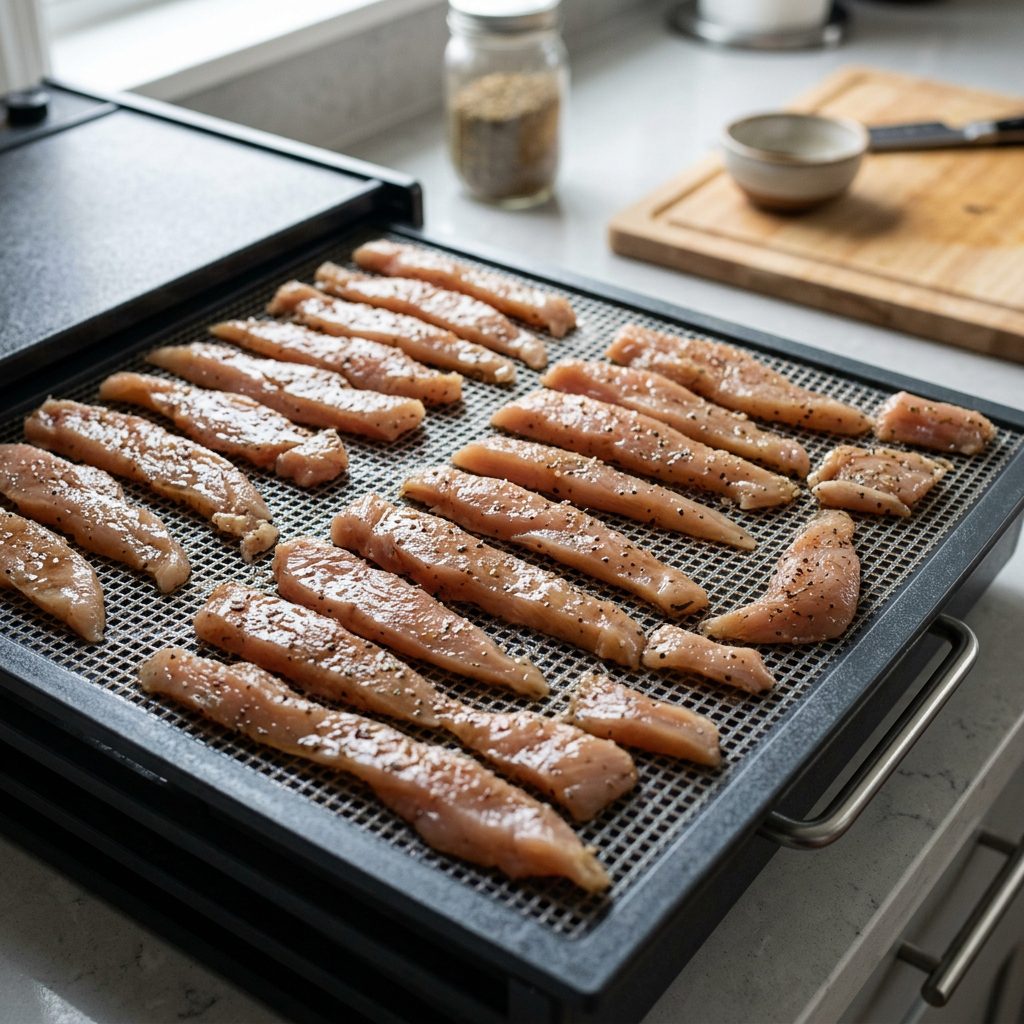
You have sourced your lean turkey breast, you have trimmed the fat, and you have sliced it perfectly against the grain into 1/4-inch thick strips. Now it is time to transform this raw meat into high-value, allergy-safe canine currency. You can use a dedicated food dehydrator (highly recommended for the savvy owner) or your standard kitchen oven. Here is the foolproof method.
The Dehydration Process
- Preparation: Lay the turkey strips flat on your dehydrator trays or on wire cooling racks placed over baking sheets if using an oven. Ensure none of the pieces are touching or overlapping. Airflow is critical for proper dehydration.
- Temperature Setting: For poultry, safety standards dictate that the meat must reach an internal temperature of 165 degrees Fahrenheit to kill pathogens. Set your dehydrator to its highest meat setting, typically 160F to 165F. If using an oven, set it to the lowest possible temperature (usually 170F) and prop the oven door open slightly with a wooden spoon to allow moisture to escape.
- The Drying Time: Dehydrate the turkey strips for 5 to 8 hours. The exact time will depend on the thickness of your slices, the humidity in your home, and the efficiency of your machine.
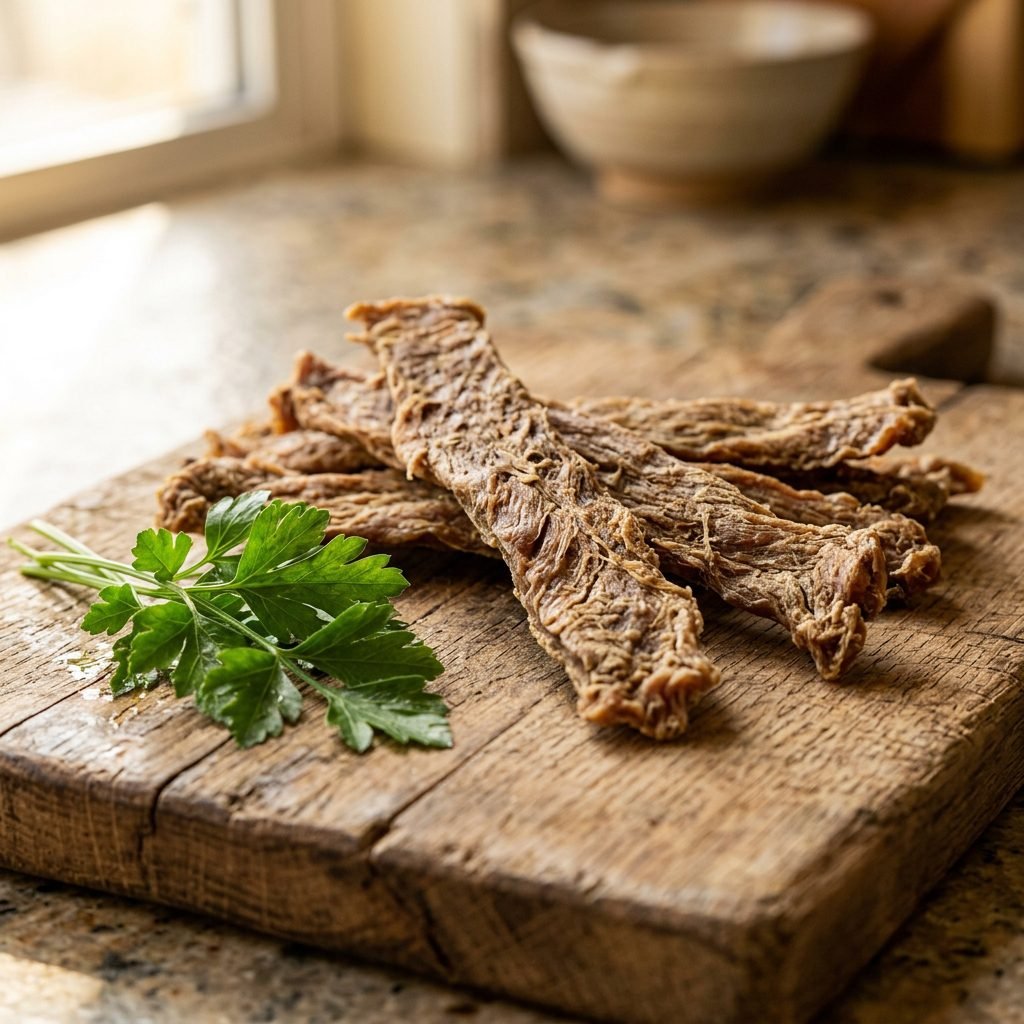
- The Snap Test: How do you know when they are done? Take a piece out and let it cool completely for 5 minutes. Bend it. If it bends easily and feels rubbery, it needs more time. If it cracks and snaps in half, showing dry white fibers on the inside with no moisture, it is perfectly dehydrated.
- The Heat Treatment (Optional but Recommended): If your dehydrator does not reach 165F, you must heat-treat the jerky for safety. Once dehydrated, place the strips on a baking sheet in a 275F preheated oven for 10 minutes to ensure all bacteria are eradicated.
Do not add any marinades, salts, or spices. Remember, we are building this specifically for dogs with severe food allergies. The natural, concentrated flavor of the dehydrated turkey is more than enough to drive your dog absolutely wild.
Batch Cooking, Storage, and The Conditioning Secret
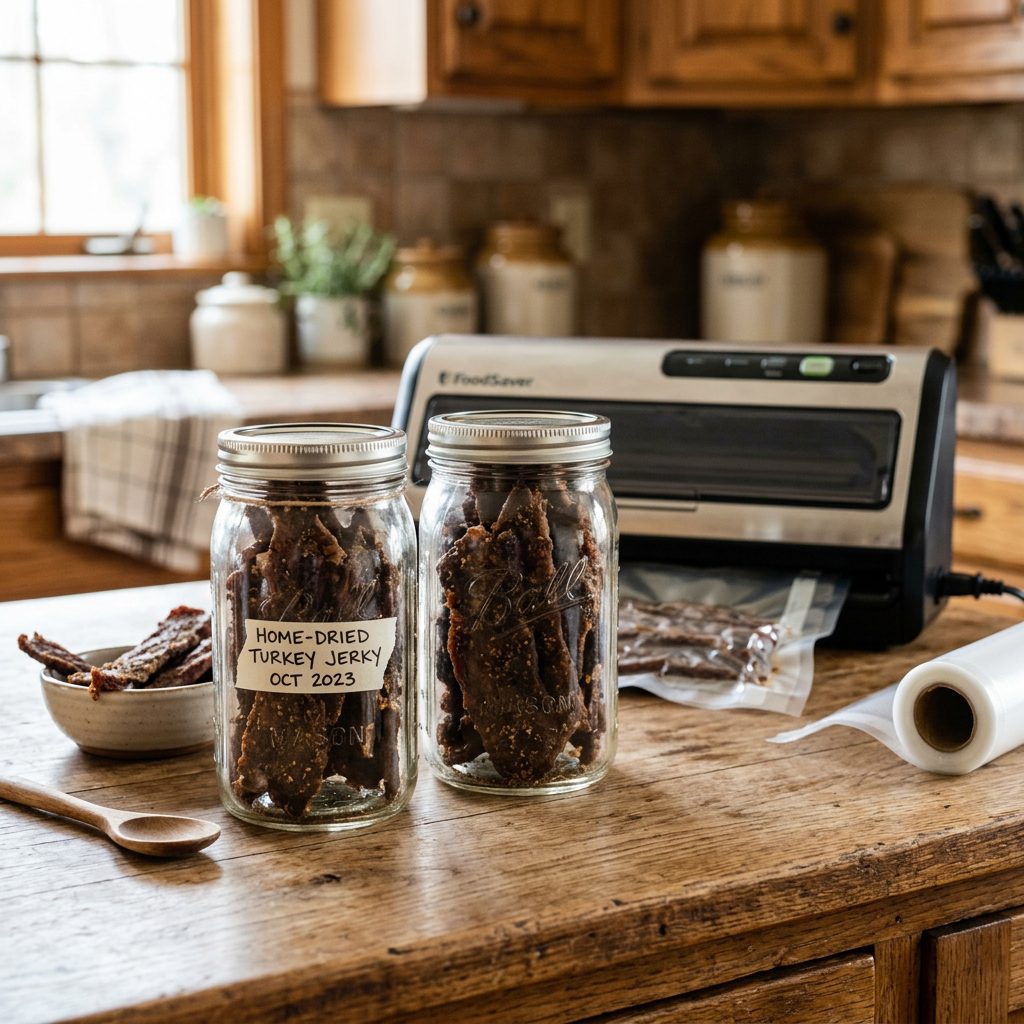
Congratulations, you have just created a batch of premium, single-ingredient dog treats that would cost a fortune at a boutique pet store. But our job is not done yet. Proper storage is the final, crucial step in this nutrition hack. Because we used zero artificial preservatives, improper storage will lead to mold, ruining your hard work and your wallet.
The Art of Conditioning
Even when jerky passes the snap test, there can be microscopic variances in moisture between different pieces. If you throw them all into a sealed bag immediately, the residual moisture from a slightly thicker piece can spread and cause the whole batch to mold. We solve this with a process called ‘conditioning.’
- Step 1: Once the jerky is completely cool, place it loosely in a large glass Mason jar or a Ziploc bag. Do not pack it tightly.
- Step 2: Seal the container and leave it on your counter for 48 hours. Shake the jar vigorously once a day.
- Step 3: Observe the glass or plastic. If you see any condensation forming on the inside, the jerky is not dry enough. Put it back in the dehydrator for another hour. If the glass remains clear, the moisture has equalized, and the jerky is safe for long-term storage.
Long-Term Storage Hacks
For treats you plan to use within two weeks, store them in an airtight container in the refrigerator. The fridge extends the shelf life and keeps the fats (even the microscopic amounts left) from oxidizing. For batch cooking, the freezer is your best friend.
Insider Secret: Vacuum seal your turkey jerky in portion-sized bags and toss them in the deep freezer. They will easily last for 6 to 8 months. Just pull out a bag and let it thaw in the fridge overnight when you need a fresh supply.
By batch cooking a massive amount of turkey when it goes on sale at the grocery store, you maximize your savings and ensure you never run out of safe treats for your allergy-prone dog.
Conclusion
Final Thoughts from the Nutrition Hacker
Managing a dog with severe food allergies is a journey of patience, vigilance, and a lot of label reading. It can feel overwhelming when every commercial product seems designed to trigger a reaction. But by stepping into the kitchen and taking control of the process, you are doing more than just saving money—you are taking an active role in your dog’s health and longevity. These homemade dehydrated turkey treats are the ultimate hack: they are incredibly high-value for training, perfectly safe for sensitive immune systems, and aggressively budget-friendly. You have successfully bypassed the overpriced, filler-stuffed commercial treat industry. Your dog gets to enjoy a delicious, biologically appropriate reward, and you get the peace of mind knowing exactly what is going into their body. So keep analyzing those labels, keep demanding better nutrition, and keep hacking your way to a healthier, happier dog. Until next time, stay savvy.