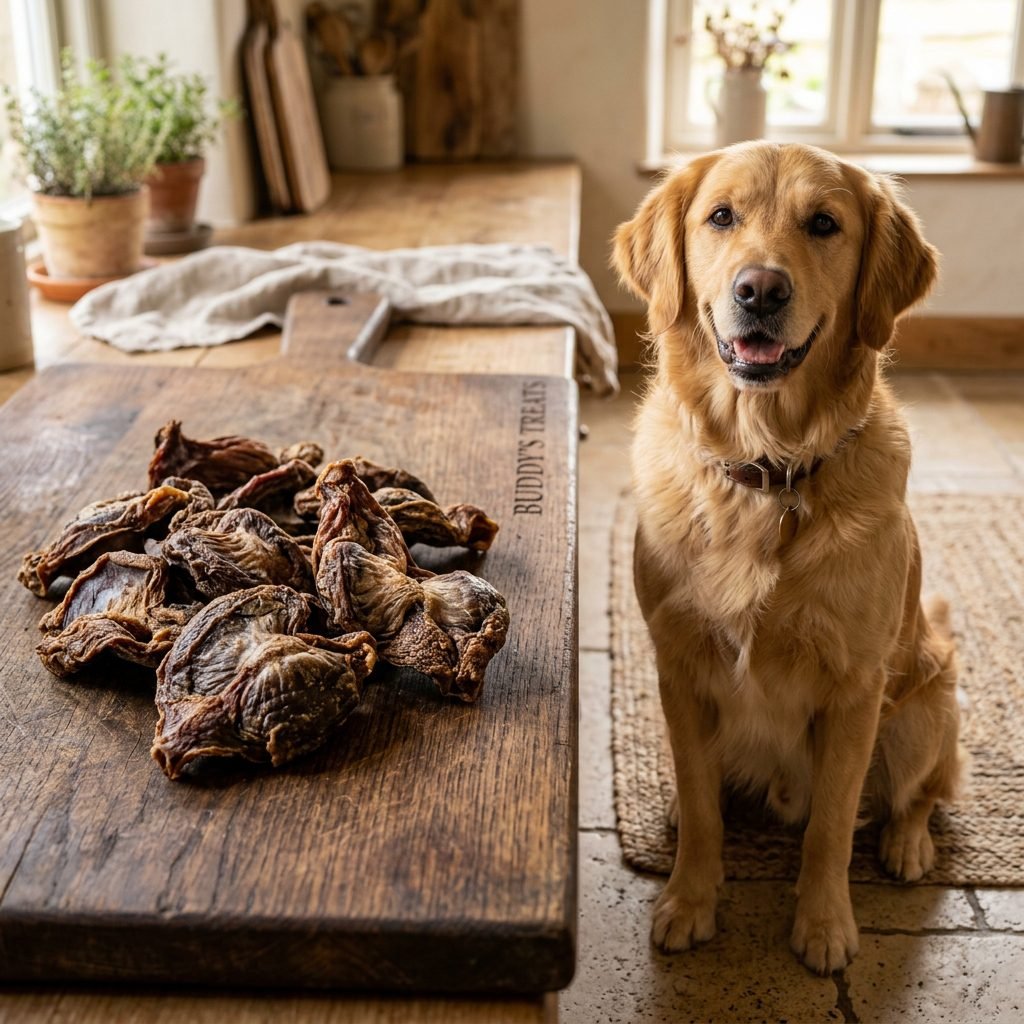
Stop Buying Expensive Chews: These $2 Dehydrated Chicken Gizzards Last For Hours
SAFETY DISCLAIMER: I am a savvy dog owner and a canine nutrition hacker, not a veterinarian. While these DIY treats are incredible, always supervise your dog when they are chewing, ensure they have access to fresh water, and consult your vet before introducing new foods, especially if your dog has a history of pancreatitis or specific allergies. Remember, treats should never make up more than 10% of your dog’s daily caloric intake!
Welcome back to the hacker’s kitchen, savvy dog owners! If you are tired of watching your hard-earned cash disappear faster than a bully stick in a Labrador’s mouth, you are in exactly the right place. Today, we are exposing one of the pet industry’s most closely guarded secrets: you do not need to spend twenty dollars a week to give your dog a high-quality, long-lasting chew. In fact, the absolute best solution is sitting right in the poultry section of your local grocery store, and it costs less than your morning cup of coffee.
Let us talk about the cold, hard truth. Commercial dog chews are a massive money-maker for big pet food corporations. They take basic animal by-products, slap a fancy label on them, call them ‘artisanal’ or ‘single-ingredient,’ and mark up the price by five hundred percent. As a canine nutrition hacker, I analyze ingredient labels like a forensic scientist, and I am here to tell you that you are being taken for a ride. But do not worry, because we are about to flip the script. We are talking about dehydrated chicken gizzards.
For around $2.00 a pound, you can create a massive batch of tough, chewy, incredibly nutritious treats that will keep your heavy chewers occupied for hours. No mysterious preservatives, no hidden sugars, and absolutely no ‘filler’ ingredients like corn gluten meal or soy. Just pure, unadulterated canine joy. Grab your dehydrator, roll up your sleeves, and let us dive into the ultimate budget-friendly dog treat hack that will save you hundreds of dollars this year.
The Great Pet Store Chew Rip-Off (And Why Gizzards Win)
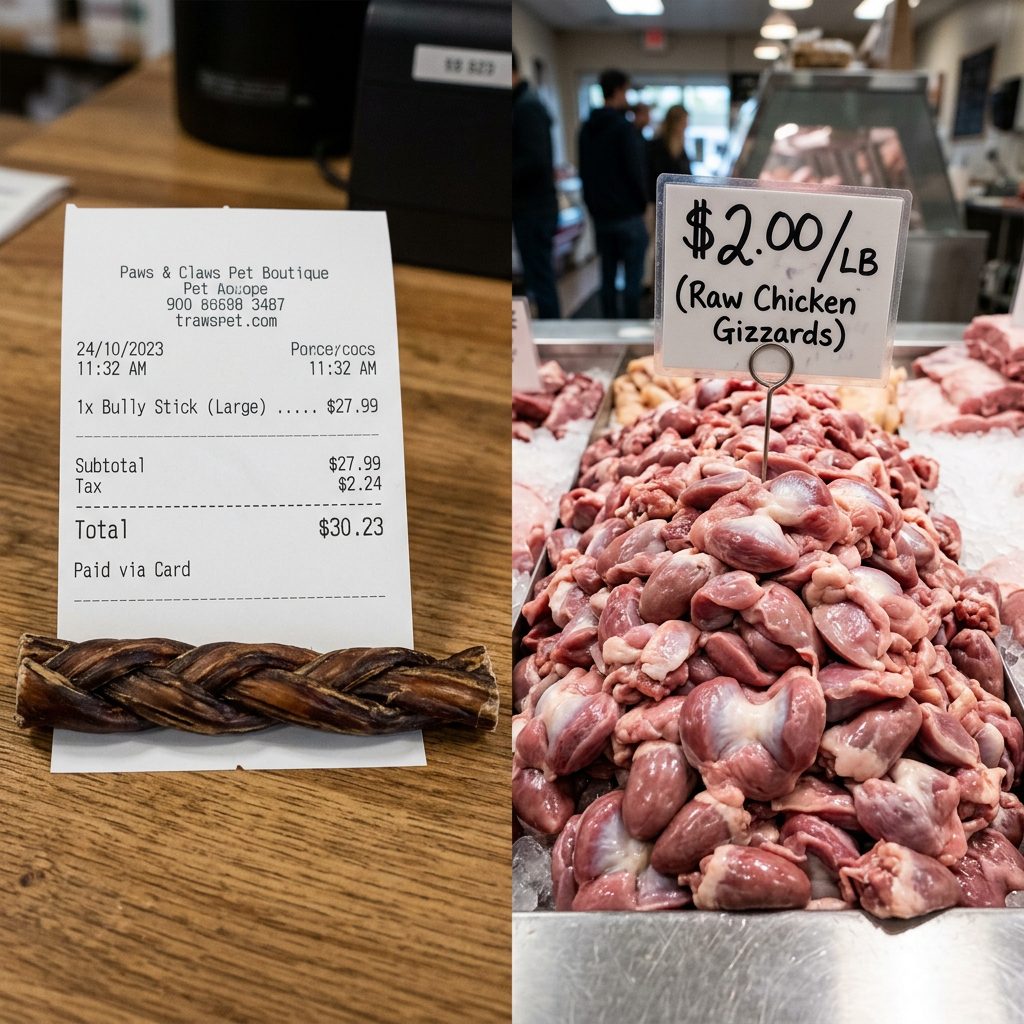
Let us start with a forensic review of what you are actually buying when you walk down the treat aisle at your local big-box pet store. You see bags of jerky, bins of bully sticks, and vacuum-sealed yak cheese chews. They look great, but let us look at the cold, hard math and the hidden dangers lurking in those shiny packages.
A standard 6-inch bully stick can cost anywhere from $5 to $10 depending on the brand and the boutique tax applied to it. If you have a power chewer, that ten-dollar investment might last exactly twelve minutes. Furthermore, many commercial bully sticks are washed in chlorine or other harsh chemicals to eliminate their naturally putrid odor. Commercial jerky is not much better. If you look closely at the ‘first 5 ingredients’ of many commercial jerky treats, you will often find chicken, followed immediately by glycerin, sugar, salt, and potassium sorbate. Why are we feeding our dogs sugar and chemical preservatives when we just wanted to give them a piece of meat?
| Chew Type | Avg Cost Per Pound | Key Ingredients | The Hacker Verdict |
|---|---|---|---|
| Premium Bully Sticks | $40.00 – $60.00 | Beef Pizzle, Chemical Washes | Great single ingredient, but massively overpriced and chemically processed. |
| Commercial Chicken Jerky | $25.00 – $35.00 | Chicken, Glycerin, Sugar, Preservatives | Filled with unnecessary fillers and sugars. A hard pass. |
| Yak Cheese Chews | $30.00 – $45.00 | Yak Milk, Salt, Lime Juice | Long-lasting, but expensive and can crack teeth in aggressive chewers. |
| DIY Dehydrated Gizzards | $2.00 – $3.00 | 100% Raw Chicken Gizzard | The ultimate hacker choice. Cheap, safe, and highly nutritious. |
When you compare the DIY route to the store-bought premium options, the real cost breakdown is staggering. By switching to DIY dehydrated gizzards, an owner feeding two chews a day can save upwards of $1.50/day, which translates to over $500 a year. That is money you can put toward high-quality core nutrition, veterinary care, or a really nice new orthopedic dog bed.
The Nutritional Powerhouse Hidden in Plain Sight
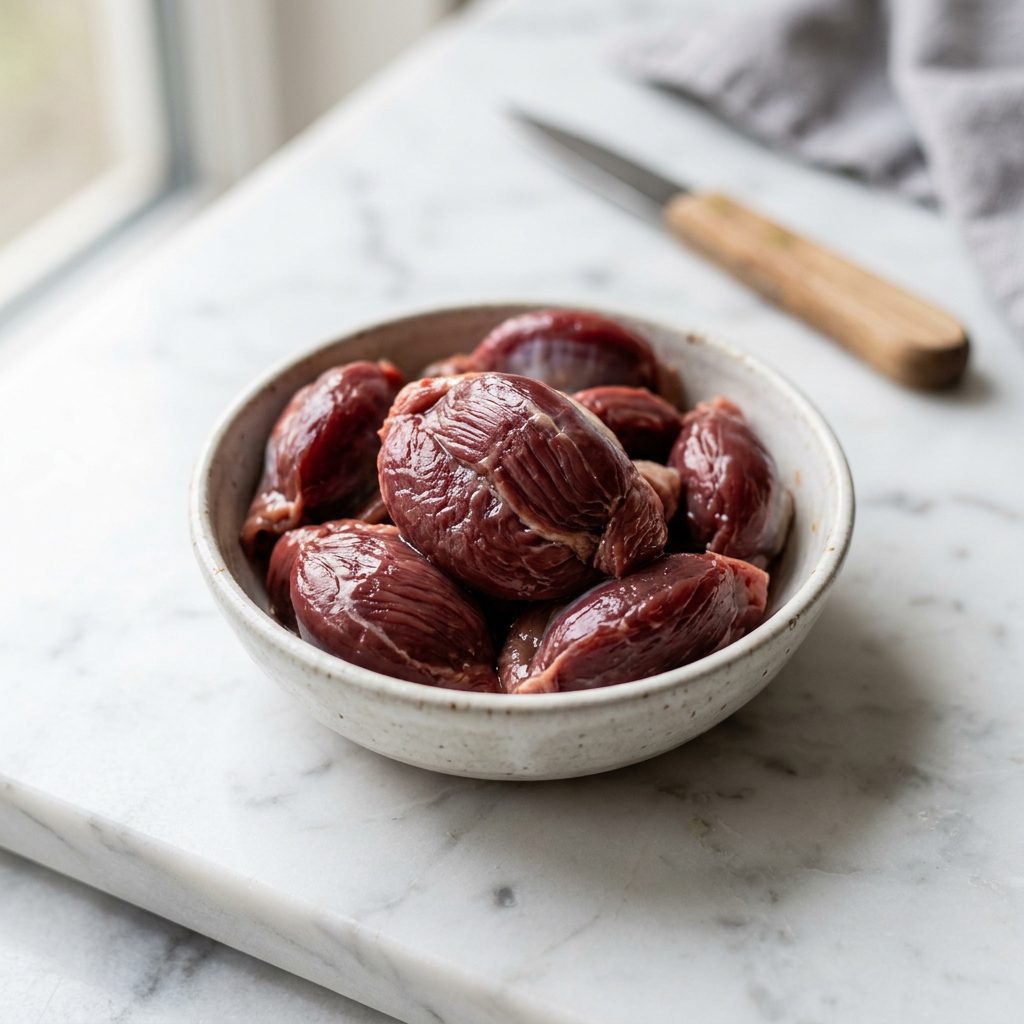
Now, you might be asking, ‘What exactly is a gizzard, and why is it so good for my dog?’ This is where we put on our forensic scientist hats and dig into the anatomy and nutrition of our hero ingredient. A lot of dog owners confuse gizzards with secreting organs like the liver or kidneys. While liver is incredibly nutrient-dense, feeding too much of it can lead to vitamin A toxicity and explosive diarrhea. Nobody wants to deal with that mess on their living room rug.
The gizzard, however, is a muscular organ found in the digestive tract of a chicken. Its job in nature is to grind up seeds and tough foods using small stones the chicken has swallowed. Because of this heavy workload, it is essentially a dense, tough, heavily worked muscle. For our dogs, this means it is a fantastic source of lean, high-quality protein without the richness of secreting organs.
- High Protein, Low Fat: Gizzards are incredibly lean. This makes them an ideal chew for dogs that need to watch their waistlines or dogs with sensitive stomachs that cannot handle high-fat treats like pig ears or marrow bones.
- Natural Glucosamine: Because gizzards contain a lot of connective tissue and cartilage, they provide a natural source of glucosamine and chondroitin, which are essential for joint health and mobility, especially in senior dogs or large breeds prone to hip dysplasia.
- Rich in Essential Vitamins: They are packed with Vitamin B12, Iron, and Zinc. Zinc is crucial for supporting a healthy immune system and maintaining a shiny, resilient coat.
Because they are pure muscle meat, you can feed them more generously than liver or kidney, making them the perfect daily chew. They are tough enough to scrape plaque off teeth but digestible enough to pass safely through the gastrointestinal tract.
Sourcing Your Ingredients Like an Insider
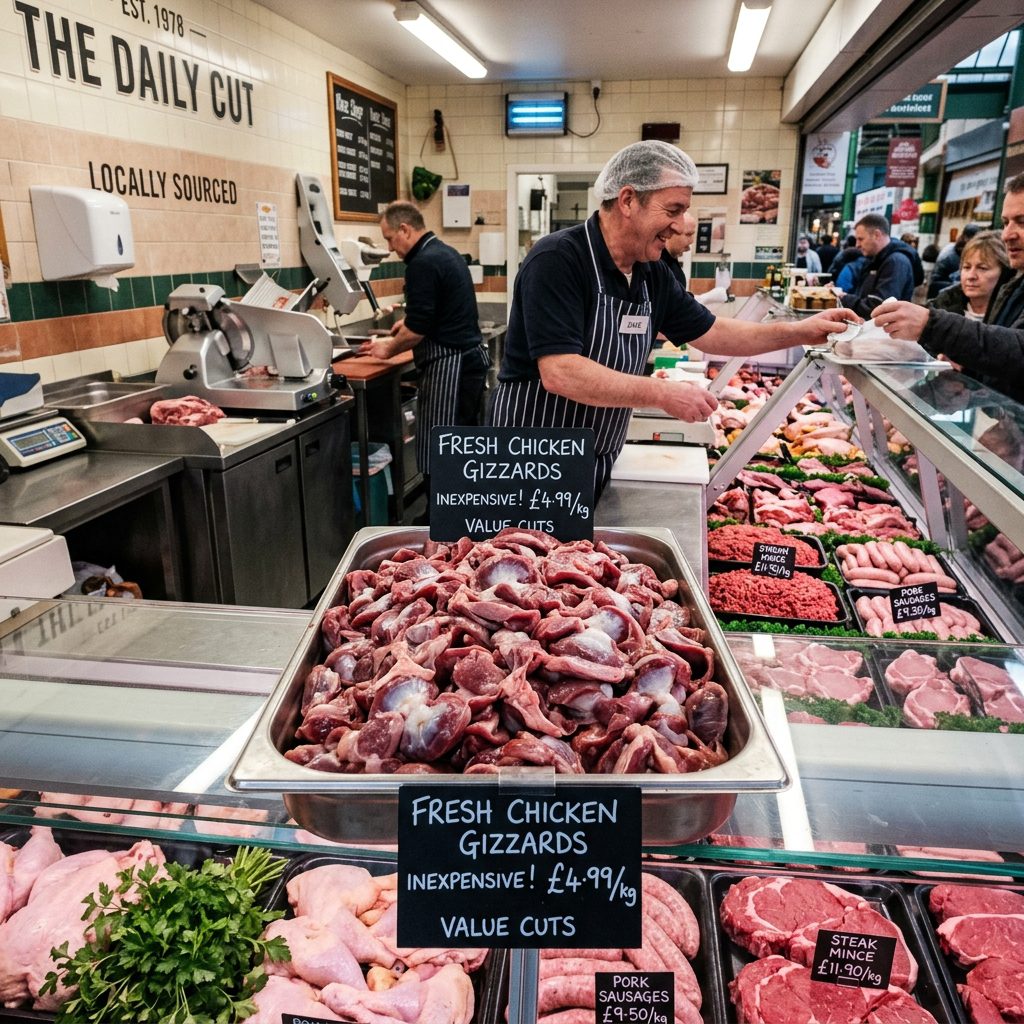
Before we can start cooking, we need to source our ingredients. One of the best hacker tips I can give you is to step outside the boutique pet store and walk into your local ethnic market, butcher shop, or even the poultry section of a standard big-box grocery store like Walmart or Kroger.
You are looking for fresh, raw chicken gizzards. They usually come in 1-pound or 2-pound plastic tubs or styrofoam trays wrapped in plastic. When inspecting the package, look for meat that is a deep, rich red or purplish color. Avoid anything that looks gray, slimy, or smells excessively fishy or sour. Freshness matters, even when we are dehydrating the meat to a crisp.
Insider Secret: If you build a relationship with a local butcher, you can often buy gizzards in bulk for pennies on the dollar. Ask them if they have any ‘pet quality’ or bulk offal bags in the back freezer. You can easily score 10 pounds of gizzards for the price of one single boutique dog treat!
Once you have secured the bag, bring them home and keep them refrigerated. We are dealing with raw poultry, so standard kitchen hygiene applies. Wash your hands thoroughly with antibacterial soap, sanitize your cutting boards, and let us get ready to prep.
The Safe Chef Guide: How to Dehydrate Chicken Gizzards
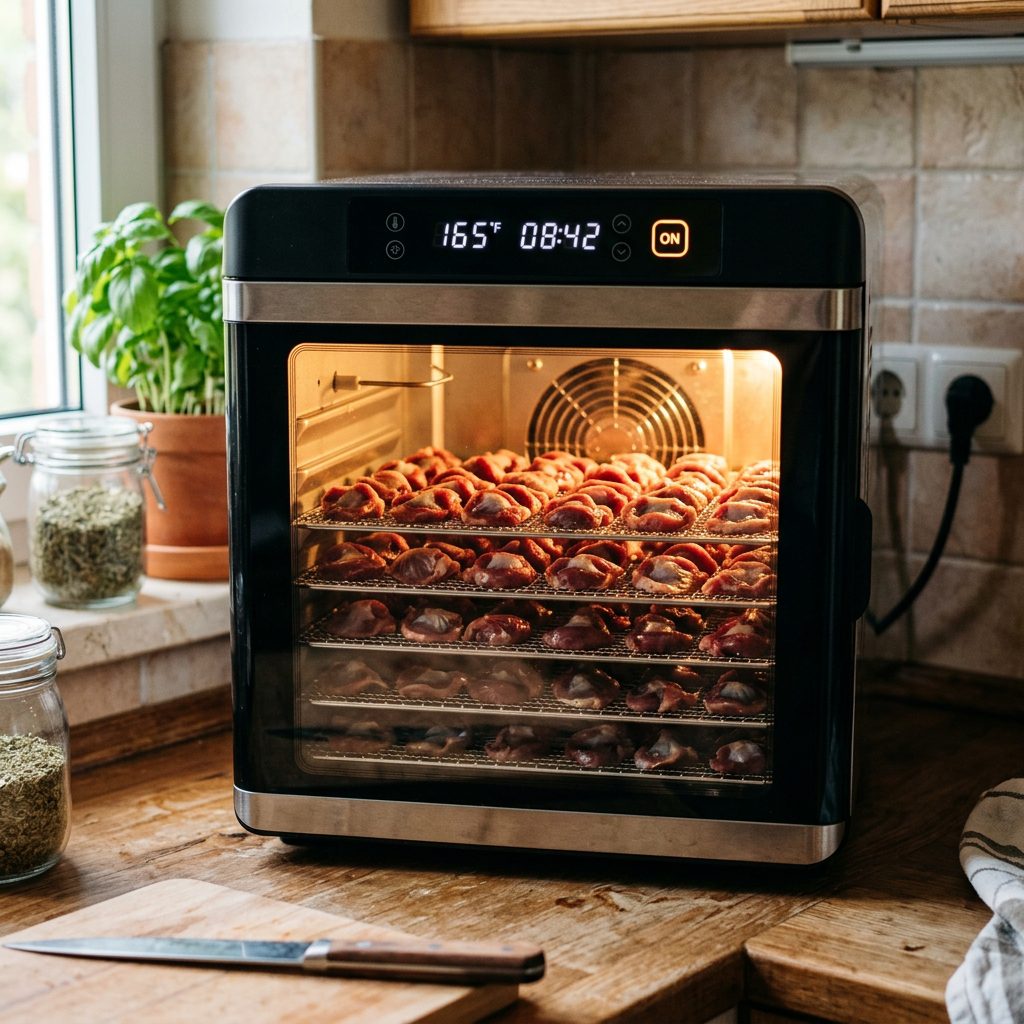
This is where the magic happens. Dehydrating your own dog treats is incredibly simple, but there are a few strict rules we must follow to ensure the final product is safe, shelf-stable, and delicious for your canine companion.
Step 1: The Preparation Phase
First, take your raw gizzards and rinse them thoroughly under cold water. Some gizzards come pre-cleaned, while others might still have a bit of the yellow membrane attached. You can leave the membrane on—your dog certainly will not mind—but you must take a sharp knife and trim away any large, visible chunks of white fat. Fat does not dehydrate; it goes rancid. The leaner you can make these gizzards, the longer they will last in your pantry without spoiling.
Step 2: To Slice or Not To Slice?
Gizzards are naturally small, roughly the size of a golf ball or a large walnut. If you have a small dog (like a Chihuahua, Yorkie, or a Pug), you will want to slice the gizzards in half or into thin strips so they are easier to chew and do not pose a choking hazard. If you have a medium to large dog, leave them whole! Leaving them whole ensures they take longer to dehydrate, but it results in a rock-hard, dense chew that will force your power chewer to actually gnaw on it rather than swallowing it whole.
Step 3: The Dehydration Station
Arrange the gizzards on your dehydrator trays. Make sure they are not touching; they need proper airflow on all sides to dry evenly. Now, here is the most critical part of the Safe Chef Guide: Temperature Control.
- Set your dehydrator to 165°F (74°C). This is the USDA safe temperature required to kill salmonella, campylobacter, and other harmful bacteria in raw poultry.
- Let them run for 12 to 24 hours. Yes, you read that right. Because gizzards are so incredibly dense, they take a long time to dry out completely.
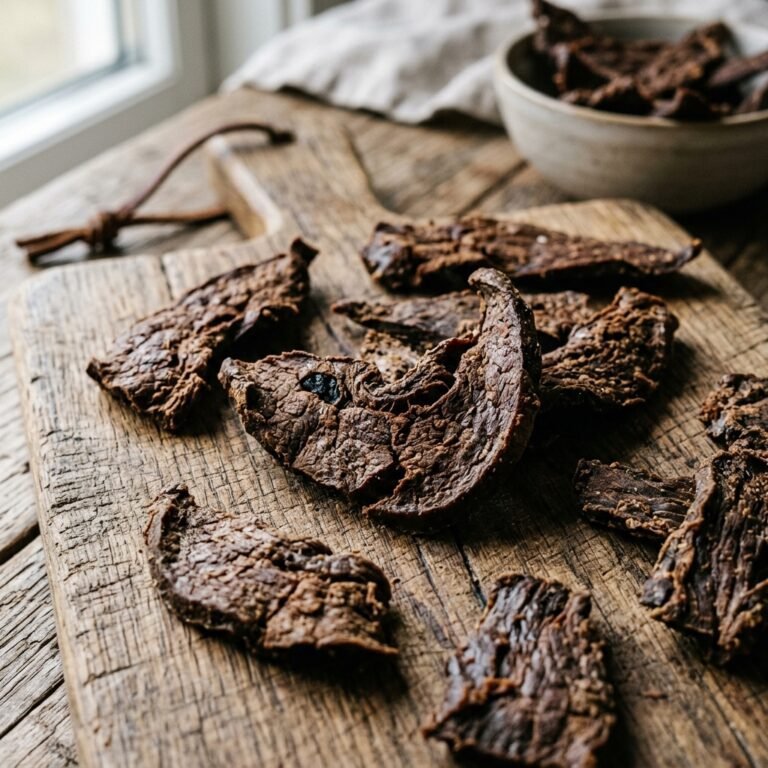
- Check them at the 12-hour mark. You are looking for a dark, hard, rock-like consistency. If you bend one and it feels squishy or moisture seeps out, they need more time. When fully done, they should snap or be nearly impossible to bend with your bare hands.
If you do not have a dedicated food dehydrator, you can absolutely use your oven. Set it to the lowest possible temperature (usually around 170°F), prop the oven door open slightly with a wooden spoon to let moisture escape, and bake them on a wire cooling rack set over a baking sheet for 6 to 10 hours, checking frequently.
Batch Cooking & Storage Hacker Tips
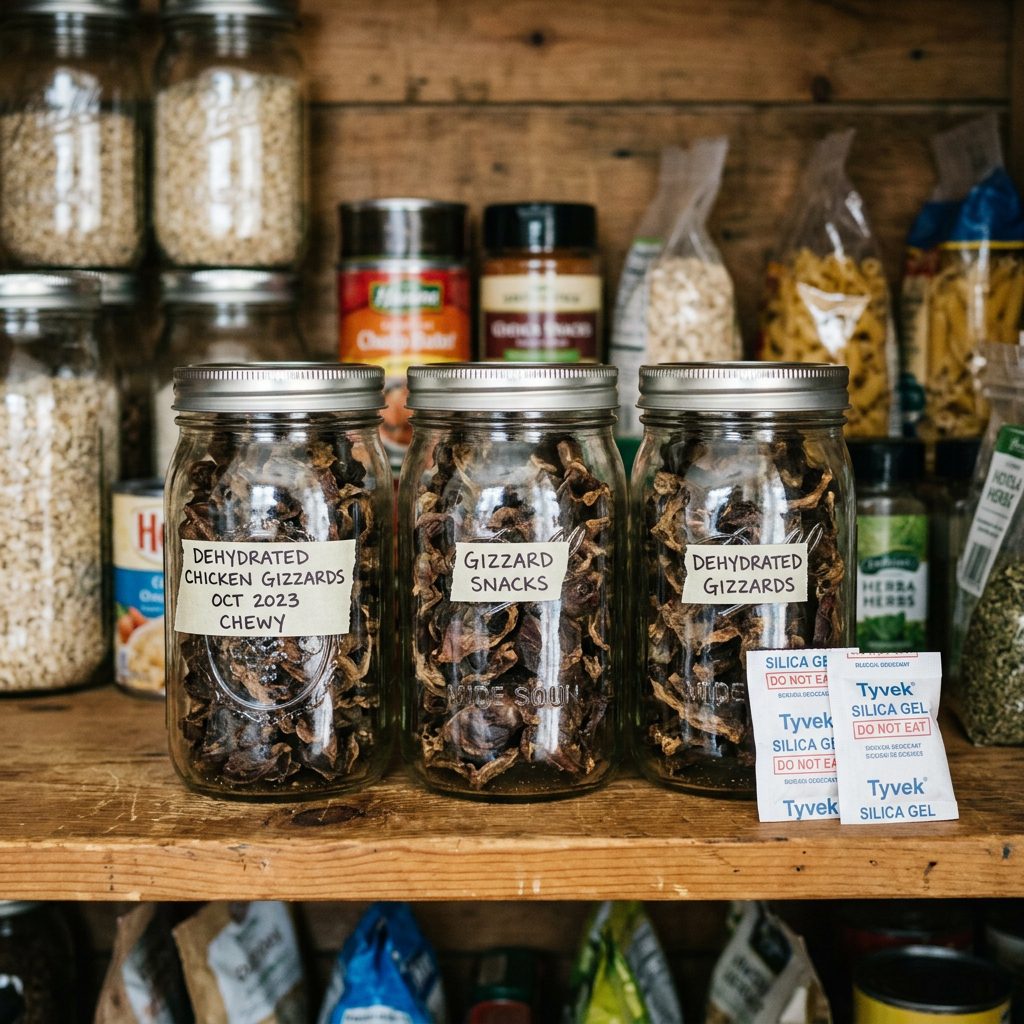
Congratulations! You have just successfully transformed $2 worth of raw meat into premium, artisan-quality dog chews. But our job as nutrition hackers is not done yet. Proper storage is the key to maximizing your savings and ensuring your dog’s safety over the long term.
Conditioning the Jerky
When you take the gizzards out of the dehydrator, let them cool completely at room temperature for a few hours. Do not put warm jerky into a sealed container. The residual heat will create condensation inside the container, and moisture is the enemy of dehydrated food. Moisture leads directly to mold.
The Mason Jar Hack
The absolute best way to store dehydrated treats is in airtight glass mason jars. If you want to be a true nutrition hacker, drop a food-safe oxygen absorber packet or a silica gel packet into the jar. Kept in a cool, dark pantry away from direct sunlight, perfectly dehydrated, fat-free gizzards can easily last for 2 to 4 weeks.
Batch Cooking & Freezing
Because dehydrating takes a significant amount of time, I highly recommend batch cooking. Buy 5 to 10 pounds of gizzards, run your dehydrator continuously over the weekend, and freeze the excess. Dehydrated treats freeze beautifully and will last for up to 6 months in a deep freeze. Just pull out a week’s worth at a time and keep them in the fridge or pantry. By batch cooking, you are locking in your savings and ensuring you never have to run to the pet store in a panic again.
When it comes to feeding, remember our golden rule: treats are a supplement, not a meal replacement. Depending on the size of your dog, 1 to 3 gizzards a day is a fantastic way to clean their teeth, provide mental stimulation, and reward them without blowing their daily caloric budget.
Conclusion
There you have it—the ultimate insider secret to hacking your dog’s treat budget. By taking matters into your own hands, you are not just saving hundreds of dollars a year; you are taking absolute control over what goes into your dog’s body. No more mysterious fillers, no more cheap sugars, and no more paying $10 for a chew that lasts five minutes.
These $2 dehydrated chicken gizzards are a testament to the fact that the absolute best canine nutrition does not have to come with a premium price tag. It just requires a little bit of knowledge, a reliable dehydrator, and the willingness to look past the flashy pet store marketing hype.
So, what are you waiting for? Head to your local butcher or grocery store, grab a pack of fresh gizzards, and start dehydrating. Your wallet will thank you, and your dog will absolutely worship you. Stay savvy, keep reading those ingredient labels, and happy hacking!