Better Than Rawhide! This Safe Baked Duck Wing Recipe Cleans Tartar and Plaque Safely
Listen up, fellow dog lovers. If you are still tossing those bleached, chemically-processed rawhide knots to your pup, we need to have a serious heart-to-heart. As a canine nutrition hacker, I’ve spent years looking behind the curtain of the pet food industry, and let me tell you: rawhide is the ‘Frankenstein’s monster’ of the treat world. It’s a byproduct of the leather industry, soaked in lye, bleached with peroxide, and glued together with artificial flavors. It’s a choking hazard and a digestive nightmare waiting to happen.
But your dog still needs to chew, right? Chewing isn’t just a hobby; it’s a biological necessity that helps scrape away tartar and plaque before they turn into a $1,000 dental bill at the vet. Enter the Baked Duck Wing. Duck wings are the ultimate ‘insider secret’ for savvy owners. They are naturally rich in glucosamine, chondroitin, and amino acids. When prepared correctly—using a low-and-slow baking method—they provide a satisfying crunch that acts like natural dental floss without the risks of splintering associated with high-heat cooked bones. Today, I’m giving you the forensic breakdown of why these are superior and the exact recipe to make them at home for a fraction of the cost of ‘premium’ store-bought chews.
The Rawhide Horror Show vs. The Duck Wing Hero
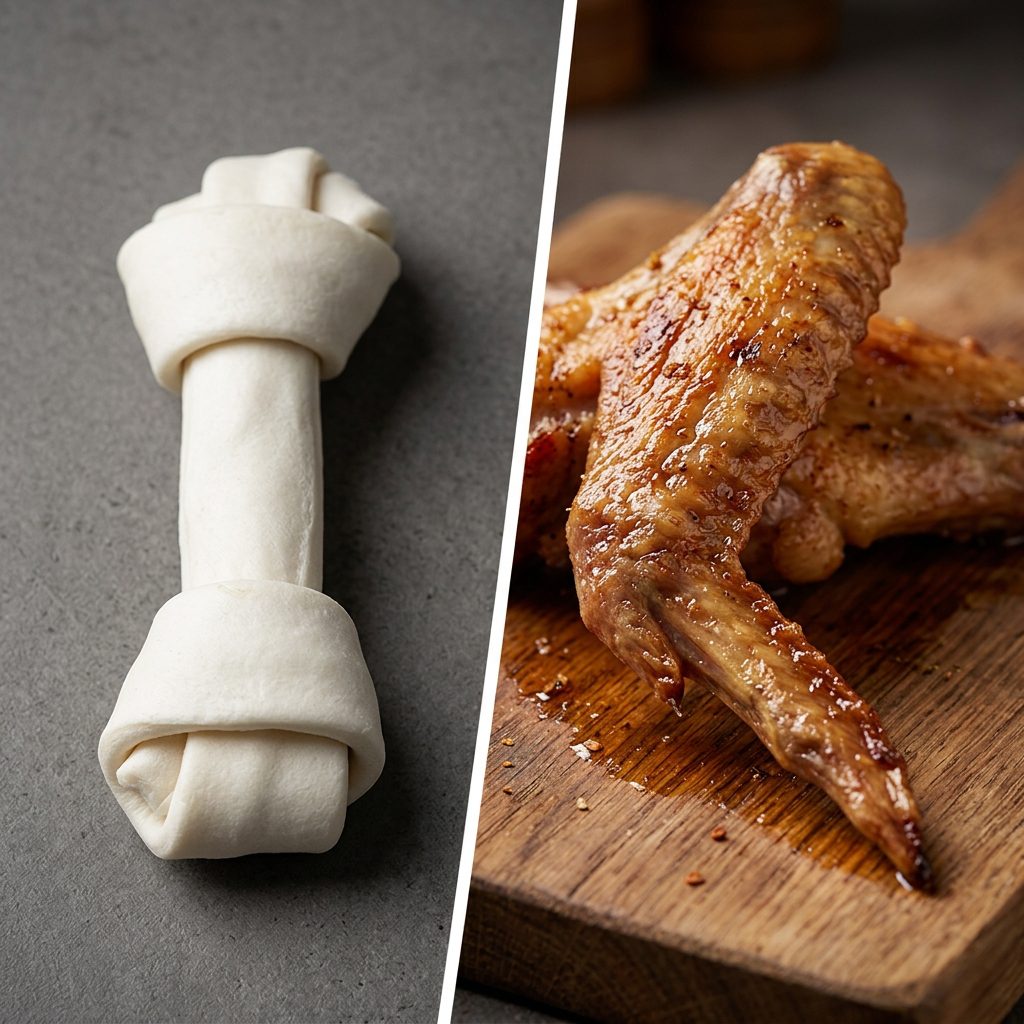
Before we get to the kitchen, let’s analyze the enemy. Rawhide is essentially untanned skin. To make it ‘shelf-stable,’ manufacturers use a cocktail of chemicals that would make a lab tech cringe. It’s indigestible, meaning if your dog swallows a large chunk, it can sit in their stomach for months or cause a fatal blockage.
Why Duck Wings Win
- Digestibility: Unlike rawhide, duck wings are a whole-food protein. The bone in a duck wing is soft and porous compared to weight-bearing bones of larger animals.
- Mechanical Action: The unique shape of the wing, with its skin, cartilage, and small bones, forces the dog to use their molars. This friction is what actually ‘scrubs’ the teeth.
- Novel Protein: Many dogs are allergic to beef or chicken. Duck is a ‘novel’ protein for most, making it a safer bet for sensitive stomachs.
Hacker Tip: If your dog has a ‘chicken allergy,’ they might actually be reacting to the poor quality of factory-farmed chicken. Duck is often raised in better conditions and contains higher levels of iron and Vitamin A.
Safety First: The Canine Nutrition Hacker’s Disclaimer
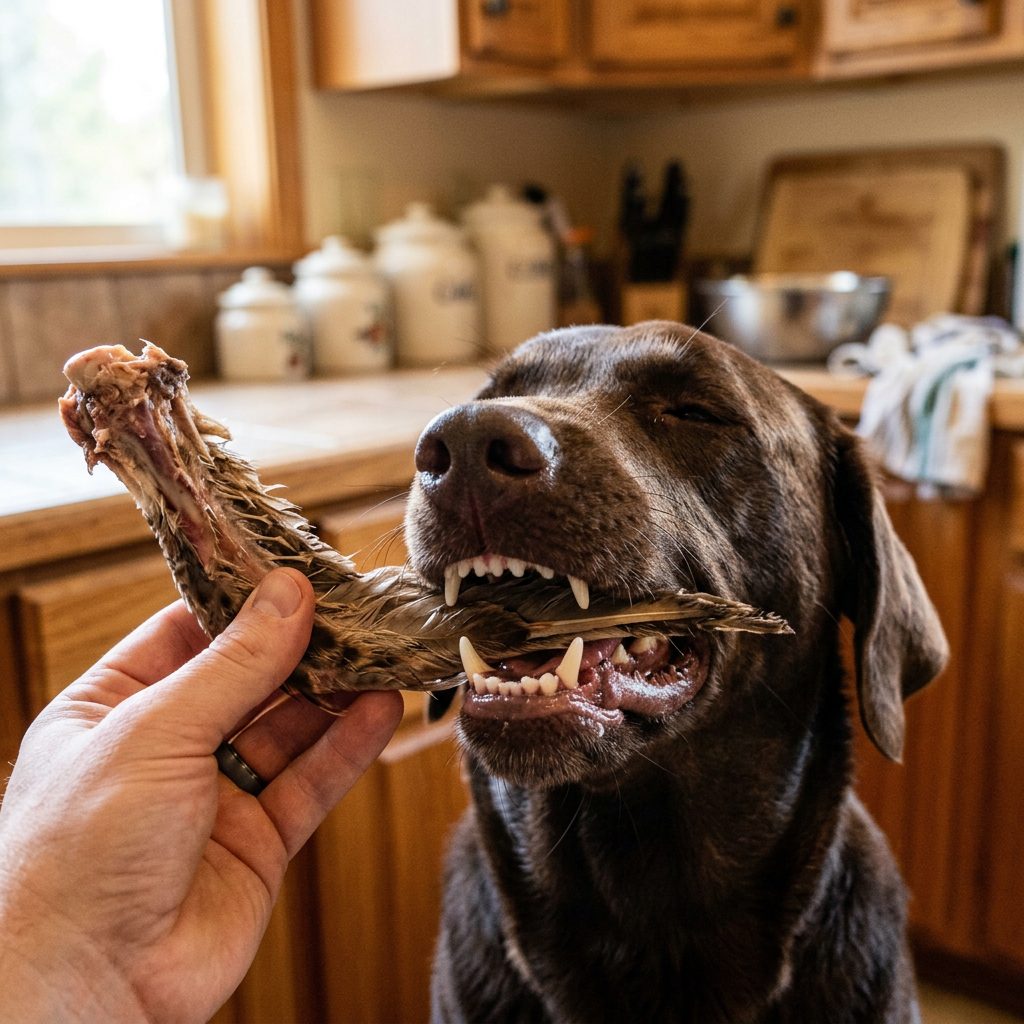
SAFETY DISCLAIMER: I am a canine nutrition enthusiast and researcher, not a veterinarian. While I have analyzed the biology of these treats, every dog is an individual. Never leave your dog unattended while they are consuming any bone-in treat. Always consult with your holistic vet before introducing new proteins or bones into your dog’s diet, especially if they have a history of pancreatitis or dental fractures.
The ‘Low and Slow’ Rule
The biggest mistake people make is cooking bones at high temperatures. High heat changes the molecular structure of the bone, making it brittle and prone to splintering. Our recipe uses a dehydration-style baking method. We aren’t ‘cooking’ the bone to a crisp; we are removing moisture to create a safe, crunchy texture. If you have a ‘gulping’ dog who doesn’t chew, these may not be for them unless you hold one end while they gnaw.
The Real Cost Breakdown: DIY vs. Store-Bought
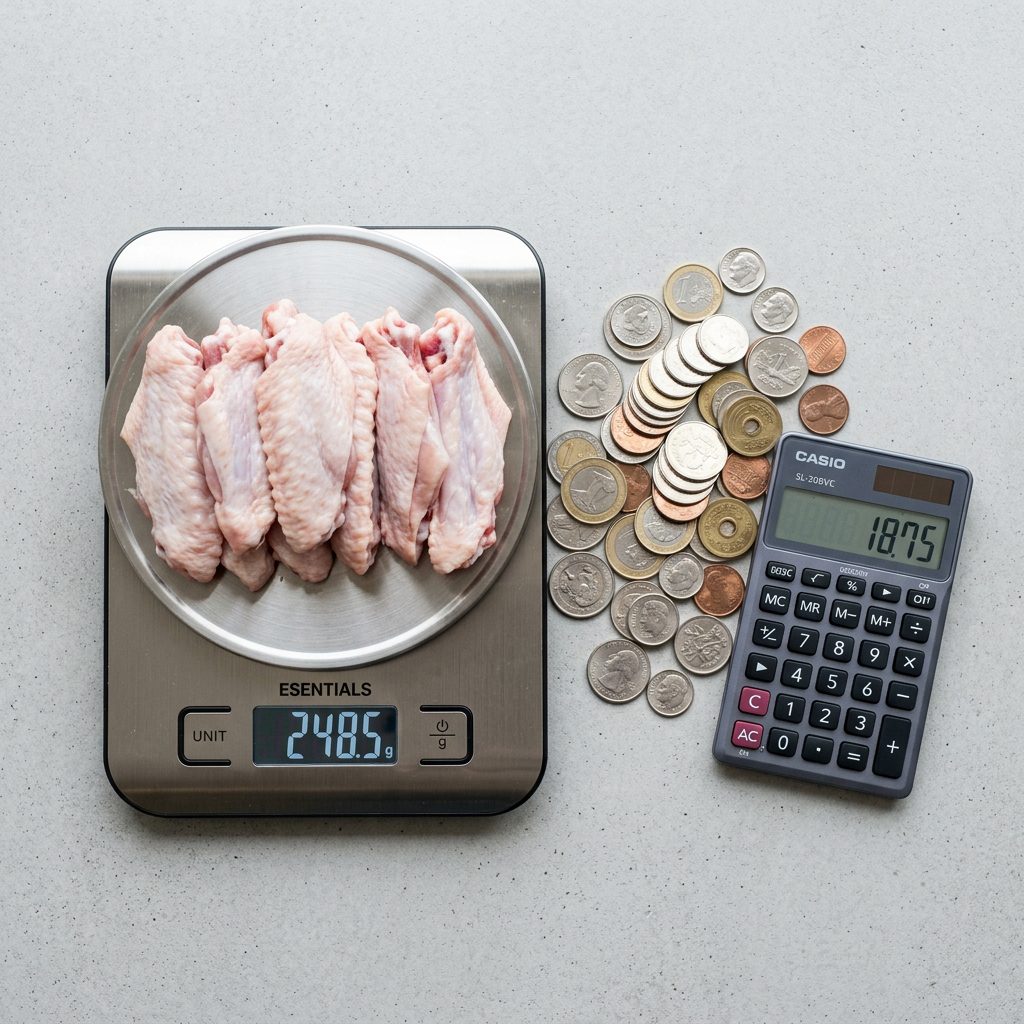
Let’s talk numbers. The pet industry loves to upcharge for ‘natural’ dental chews. A bag of 5 high-quality dehydrated duck wings at a boutique pet store can run you $15.00 to $20.00. That is nearly $4.00 per wing! By sourcing raw duck wings from a local butcher or an Asian supermarket, you can slash that cost significantly.
| Treat Type | Average Cost Per Unit | Hazard Level | Nutritional Value |
|---|---|---|---|
| Rawhide Knot | $1.50 | High (Choking/Chemicals) | Zero |
| Greenies/Dental Sticks | $2.00 | Low | Low (Fillers/Grains) |
| Boutique Duck Wings | $4.00 | Low (If sourced well) | High |
| DIY Baked Duck Wings | $0.65 – $0.90 | Low | Superior |
By making these at home, you are saving roughly $3.00 per treat. If you give your dog two a week, that’s over $300 a year back in your pocket, and a much healthier dog to boot.
The Safe Chef Guide: The Ultimate Baked Duck Wing Recipe
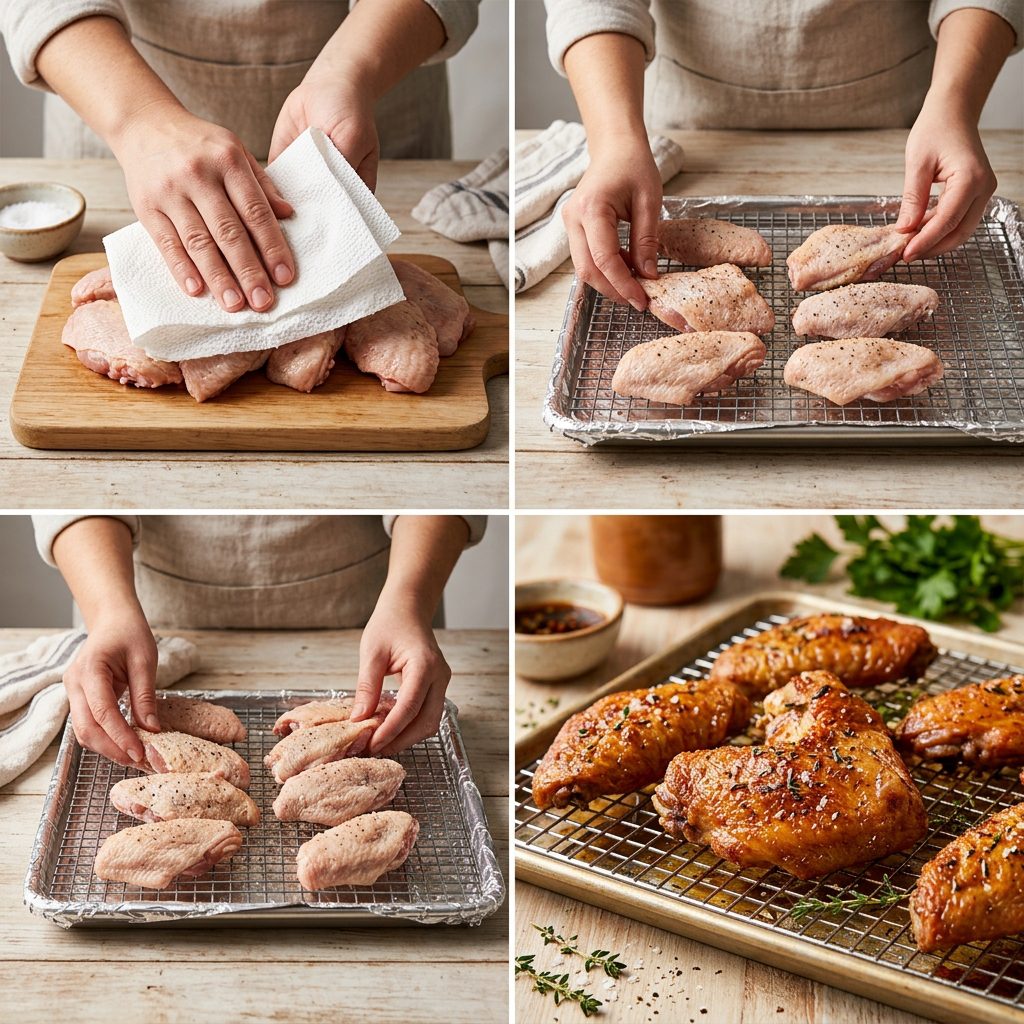
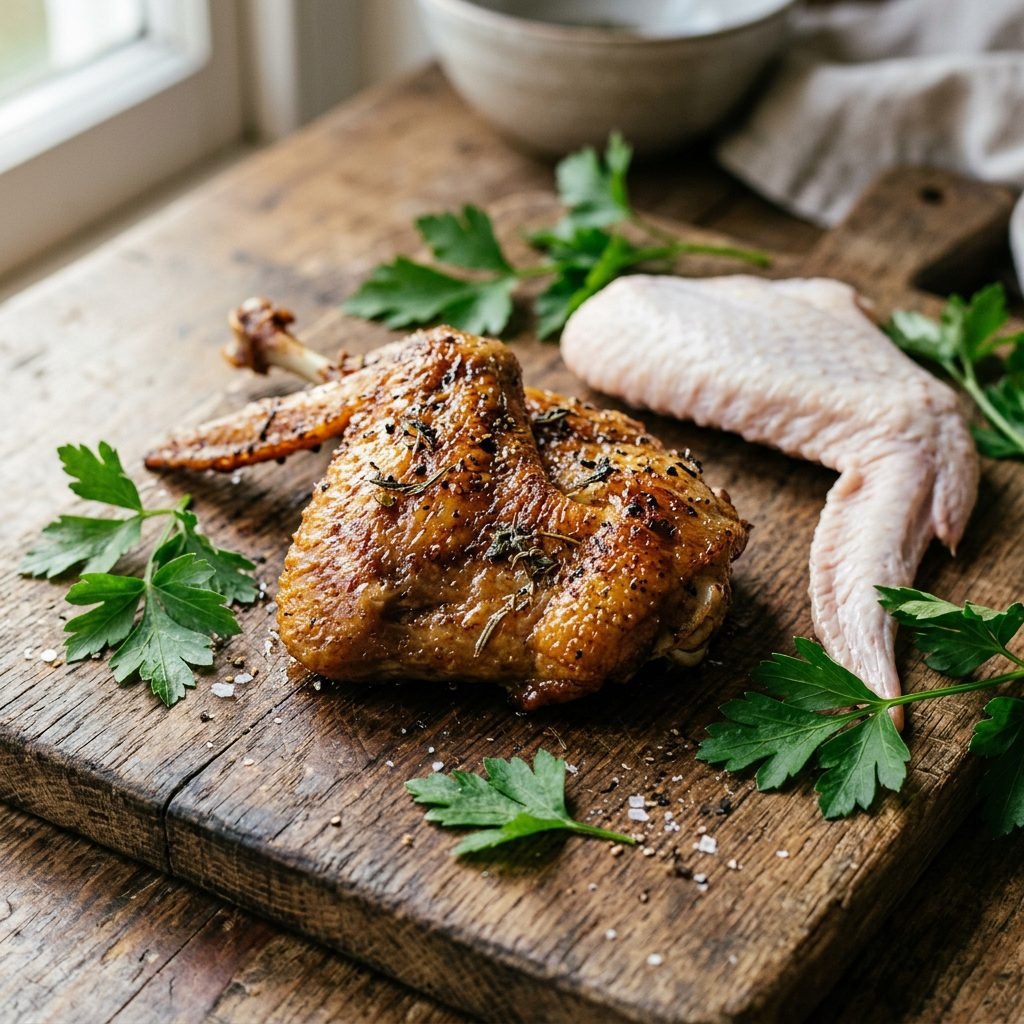
This recipe focuses on removing moisture while preserving the nutritional integrity of the marrow and cartilage. We aren’t adding salt, oils, or spices—nature already provided the flavor.
Ingredients & Tools
- 5-10 Fresh Duck Wings (Human-grade)
- A baking sheet with a wire cooling rack
- Parchment paper (for easy cleanup)
- Optional: A sprinkle of organic parsley (for fresh breath)
Step-by-Step Instructions
- Prep: Preheat your oven to its lowest possible setting. Most modern ovens go down to 170°F (75°C). If yours doesn’t, keep the door slightly ajar with a wooden spoon.
- Clean: Pat the duck wings dry with a paper towel. Removing surface moisture is the secret to a better ‘crunch.’
- Setup: Line your baking sheet with parchment paper, then place the wire rack on top. This allows air to circulate 360 degrees around the wing.
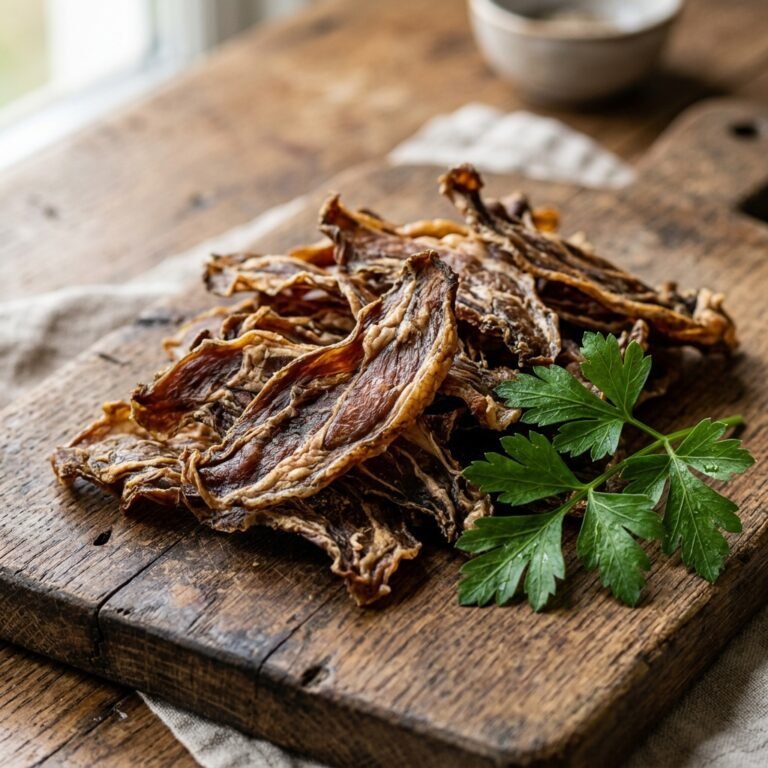
- Bake: Place the wings on the rack, ensuring they aren’t touching. Bake for 6 to 8 hours. You want them to feel hard and light, not greasy.
- The Snap Test: Take one out and let it cool. If you try to bend it and it feels ‘bendy,’ it needs more time. It should feel firm.
Insider Secret: If you want to boost the dental benefits, dust the wings with a tiny bit of Kelp powder before baking. Kelp contains enzymes that help break down plaque chemically while the wing does the mechanical work.
Batch Cooking & Storage Hacks
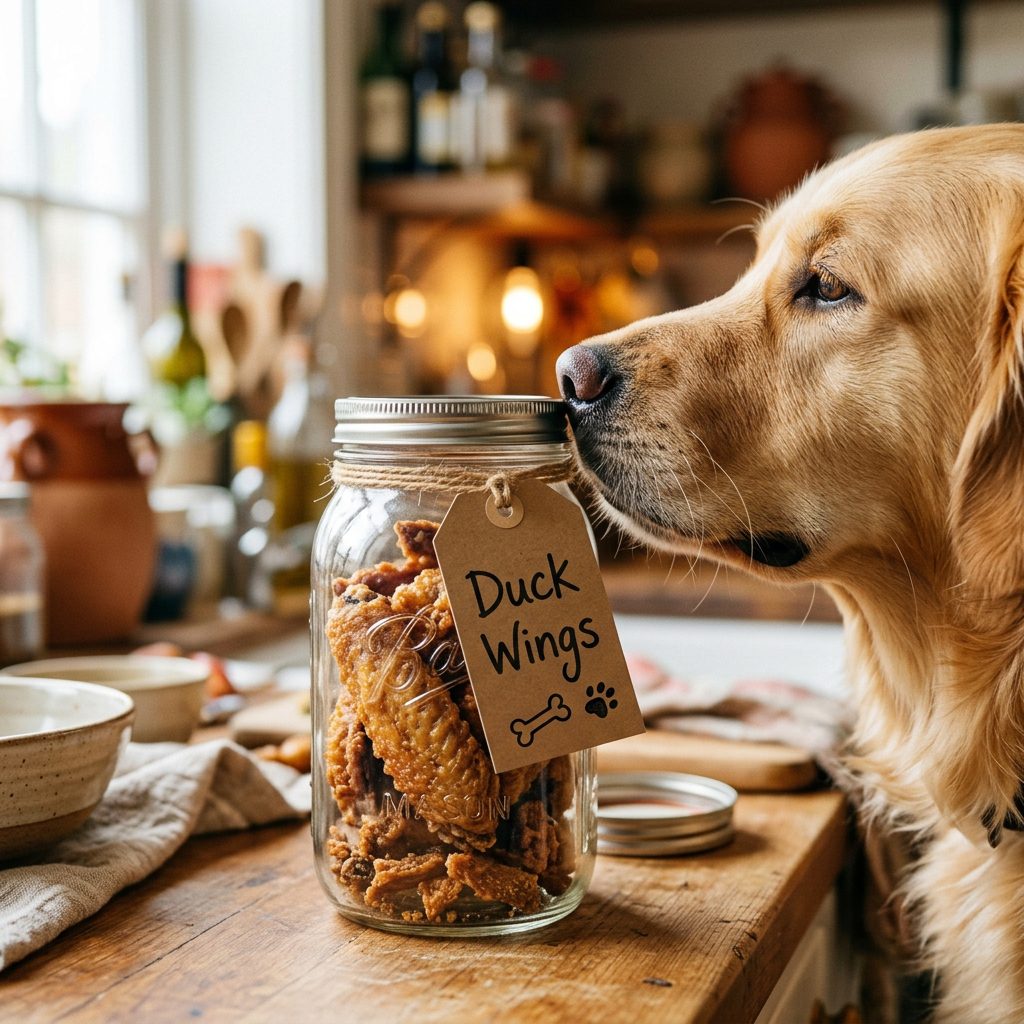
Since this process takes 8 hours, you don’t want to do it every day. I always buy in bulk. Duck wings freeze beautifully in their raw state for up to 6 months. Once baked, you need to store them correctly to prevent mold, as we aren’t using any of those nasty chemical preservatives found in commercial bags.
Storage Protocol
- Room Temp: Store in an airtight glass jar for up to 5 days in a cool, dry place.
- Refrigeration: Not recommended as it can make the skin ‘chewy’ rather than ‘crunchy.’
- Freezing: You can freeze the baked wings for up to 3 months. Give them to your dog straight from the freezer for an extra-long chewing session!
Always do a ‘sniff test’ before feeding. If it smells ‘off’ or rancid, toss it. Fresh duck has a mild, slightly gamey scent, but it should never smell sour.
The Forensic Ingredient Check: Sourcing the Best Wings
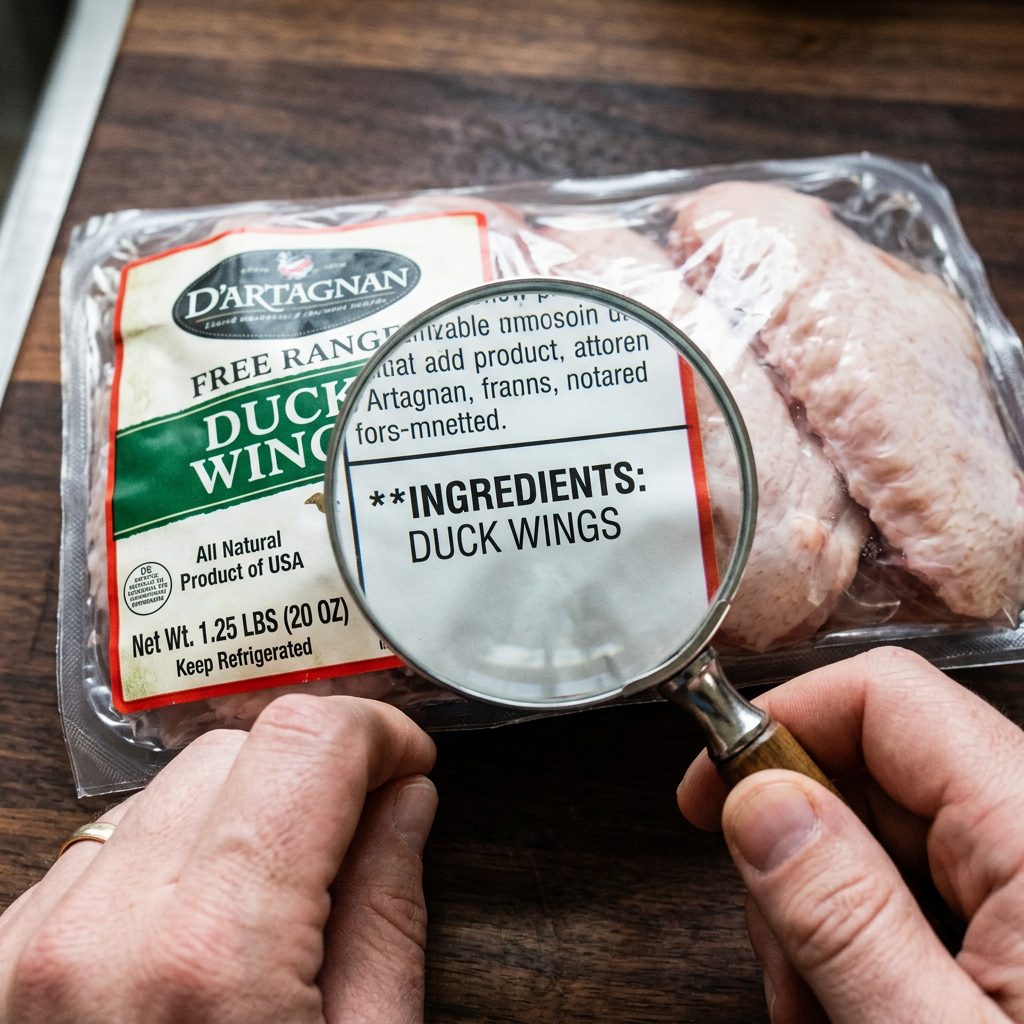
Not all duck wings are created equal. If you are buying wings that are pumped full of saline (saltwater) to increase their weight, you’re doing your dog a disservice. Always check the label on the raw packaging.
What to Avoid:
- ‘Enhanced’ meat: This means it’s been injected with sodium.
- Yellow Fat: You want the fat to be white or creamy. Yellow fat can indicate an older bird or poor storage.
- Antibiotic-laden: Look for ‘No Antibiotics Ever’ labels. Since we are feeding the bone and marrow, we want the cleanest source possible.
I find the best deals at local farmers’ markets or by asking the butcher at an international grocery store for ‘soup bones’ or ‘wing tips.’ They often have these in the back for a fraction of the retail price.
Conclusion
By ditching rawhide and embracing the Baked Duck Wing, you are taking a massive step toward being a more empowered, savvy dog owner. You’ve moved away from industrial byproducts and toward functional, whole-food nutrition. Your dog gets a treat they love, their teeth get a deep clean, and your wallet stays heavy. Remember, the key to canine longevity isn’t found in a fancy bag with a cartoon dog on it—it’s found in the simple, raw ingredients you control. Now, get baking, and watch your pup’s eyes light up when they hear that first satisfying crunch!