No Dairy? No Problem! The Easiest Dairy-Free Dog Cake Frosting That Actually Hardens
Welcome to the Canine Nutrition Hacker’s Kitchen
Let us get one thing straight right out of the gate: celebrating your dog’s birthday or adoption anniversary should not end with an emergency midnight trip to the backyard because of an upset stomach. If you are a savvy dog owner, you already know that what goes into your dog’s bowl dictates their health, their mood, and their longevity. But when it comes to doggy celebrations, we often throw our strict nutritional standards right out the window. We buy overpriced boutique cakes or whip up Pinterest recipes loaded with heavy cream cheese, sugary yogurts, and artificial dyes.
SAFETY DISCLAIMER: I am the Canine Nutrition Hacker, not a veterinarian. While I analyze ingredients like a forensic scientist to help you make the best choices, always consult your vet before introducing new foods, especially if your dog has a history of pancreatitis or severe food allergies. This frosting is a treat, not a meal replacement!
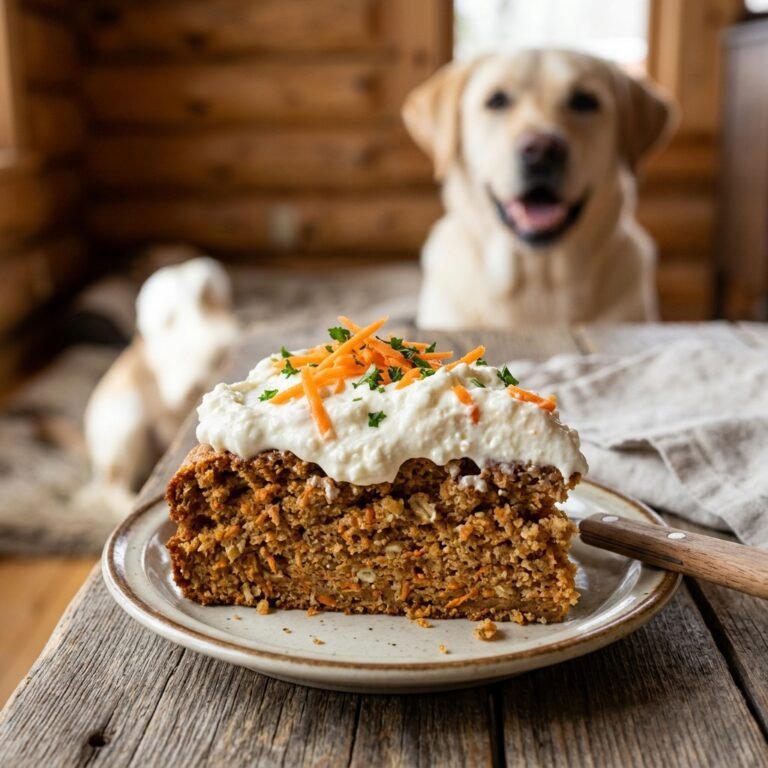
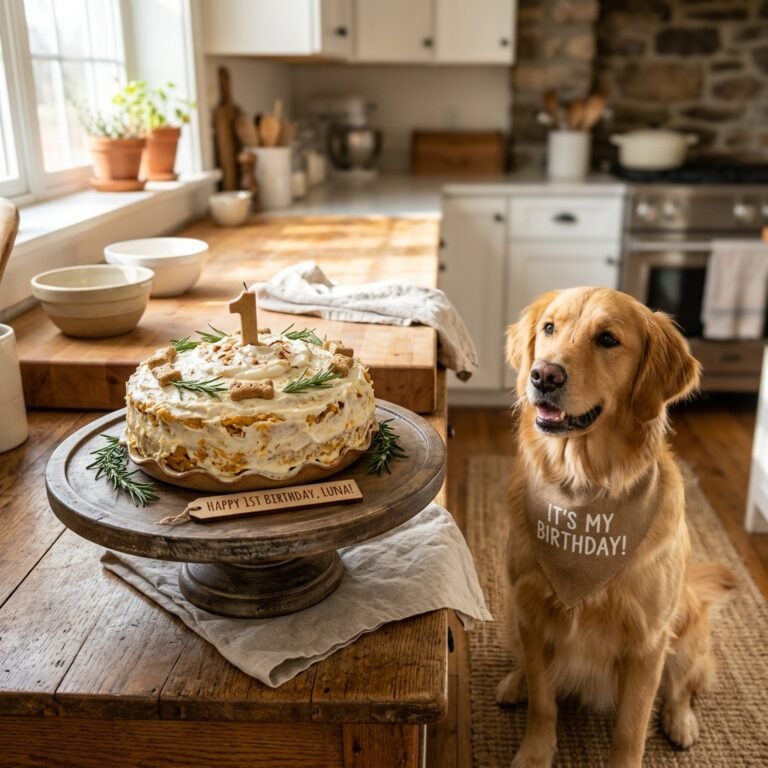
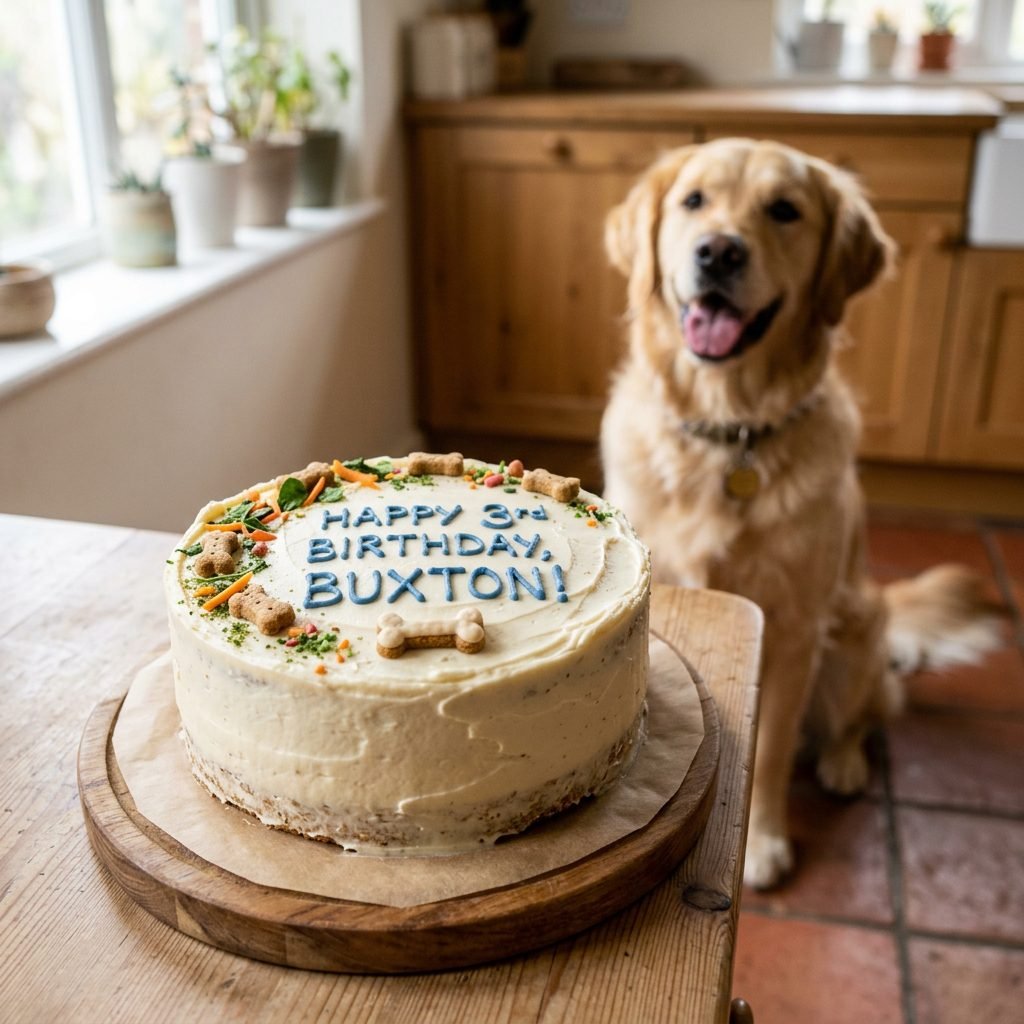
Today, we are tackling the holy grail of homemade dog treats: dog cake frosting that actually hardens, without a single drop of dairy. Most dairy-free frostings for dogs turn into a sloppy, melting mess the second they hit room temperature. Not this one. We are going to use food science and a few clever ingredient hacks to create a smooth, pipeable, firm frosting that will make your homemade pupcakes look like they came from a high-end dog bakery. Plus, we are going to do it for pennies on the dollar compared to what the commercial brands charge. Grab your mixing bowls, because we are about to upgrade your dog’s dessert game.
The Dairy Dilemma and Enemy Ingredients
Why We Are Ditching the Cream Cheese
If you search for dog cake frosting recipes online, 90% of them rely heavily on cream cheese, Greek yogurt, or even peanut butter mixed with dairy milk. Here is the insider secret that the commercial pet treat industry does not want you to focus on: a massive percentage of adult dogs are lactose intolerant. Just like humans, many dogs stop producing sufficient amounts of lactase (the enzyme required to break down lactose) after they are weaned from their mother’s milk.
The Gut-Bomb Effect
When you feed a lactose-intolerant dog a thick layer of cream cheese frosting, that undigested lactose travels through their gastrointestinal tract, pulling in water and fermenting. The result? Gas, bloating, diarrhea, and a very uncomfortable pup. Even if your dog can tolerate a little bit of cheese as a high-value training treat, coating an entire cake in it is a recipe for a digestive disaster.
Exposing Commercial Frosting Mixes
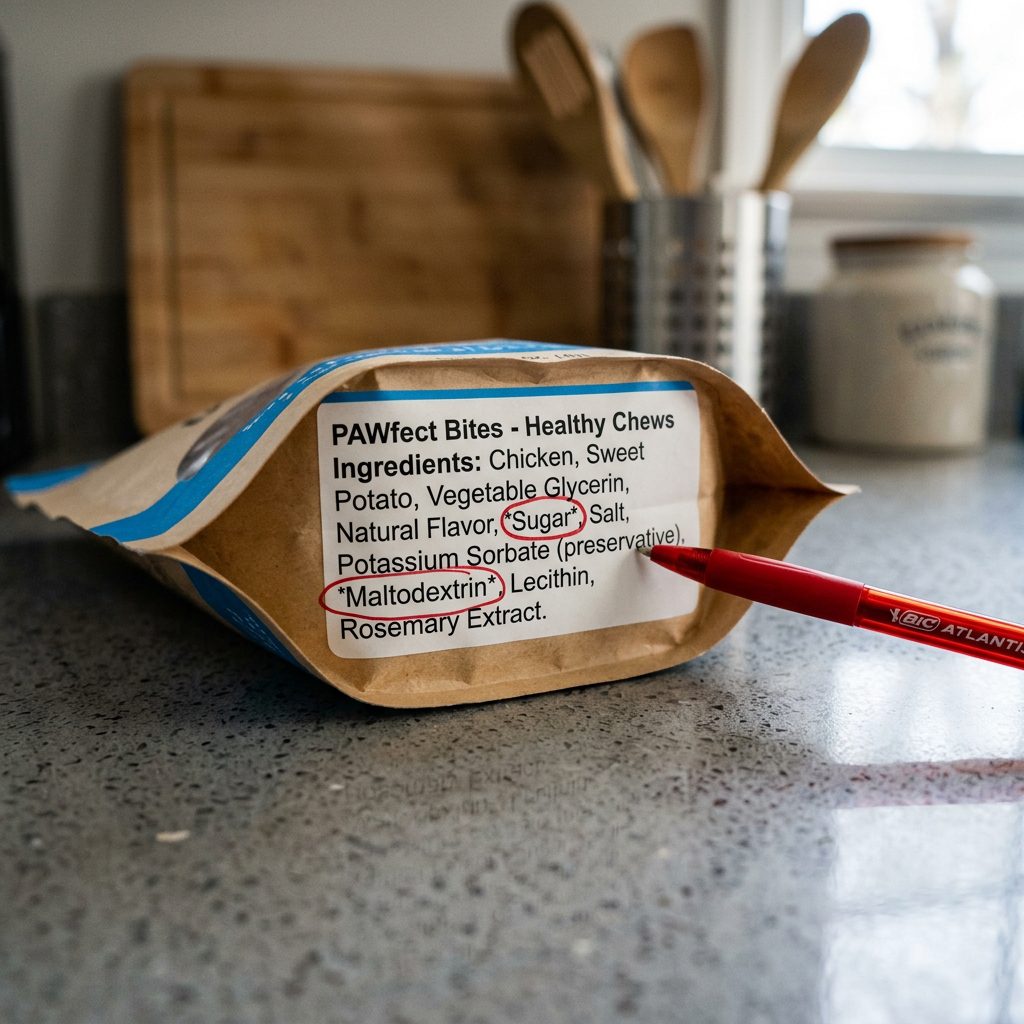
So, you think you can just buy a dairy-free mix from the pet store? Think again. Let us put on our forensic scientist hats and look at the labels of popular commercial dog frosting mixes. If you look past the clever marketing on the front of the box, you will often find Enemy Ingredients lurking in the first five slots.
- Maltodextrin: A highly processed carbohydrate that spikes blood sugar faster than regular table sugar. It is used as a cheap filler and thickener.
- Sugar or Cane Molasses: Dogs do not need added sugar. It contributes to obesity, dental disease, and inflammation.
- Artificial Colors (Red 40, Yellow 5): Completely unnecessary and linked to various health issues. Your dog does not care if the frosting is neon pink; that is purely for your Instagram feed.
- Hydrogenated Oils: Cheap trans fats used to make the powder shelf-stable.
HACKER TIP: If a commercial dog treat claims to be ‘yogurt-coated’ but does not need to be refrigerated, it is not real yogurt. It is a concoction of sugar, palm kernel oil, and whey protein. Skip it entirely.
We need a frosting that is safe, digestible, and structurally sound. That means we have to build it from scratch using ingredients that work with your dog’s biology, not against it.
The Hero Ingredients: Building the Perfect Dairy-Free Base
The Science of a Firm Frosting
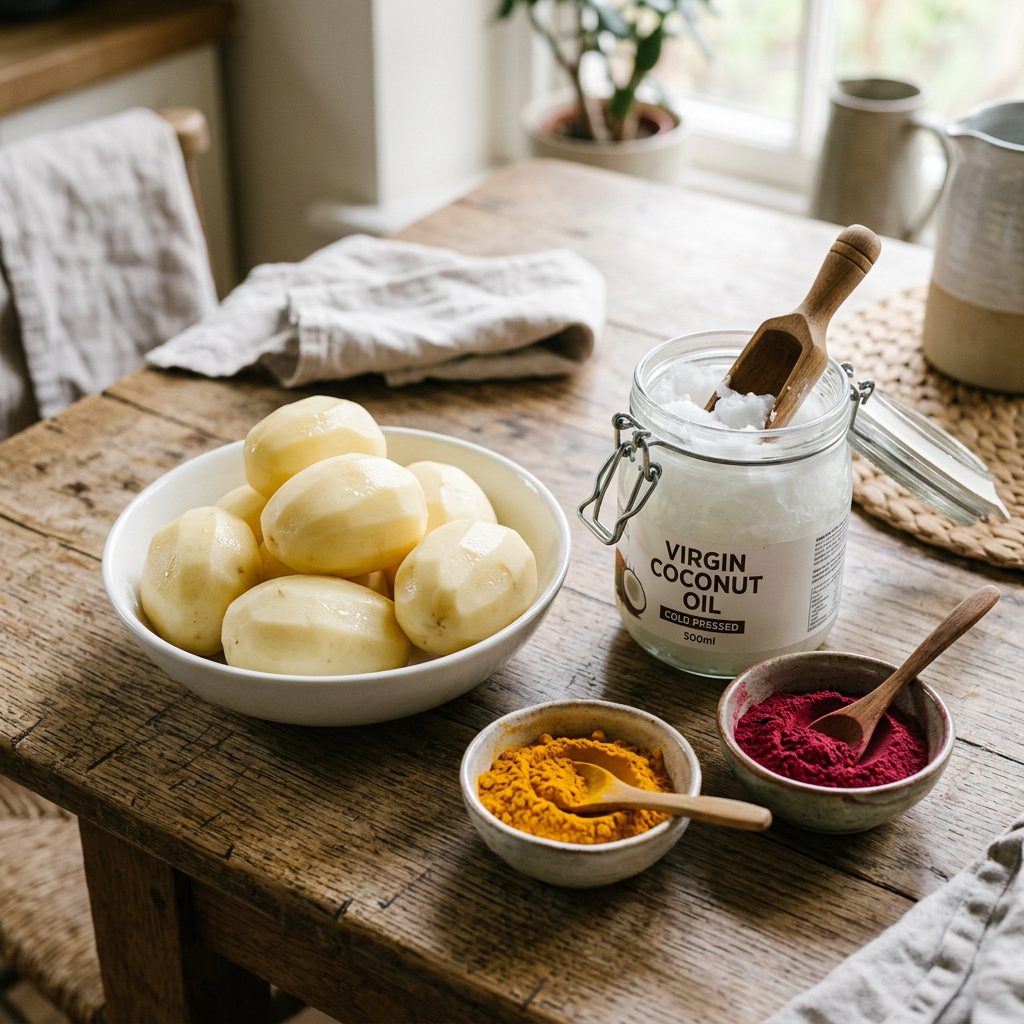
To create a frosting that pipes beautifully and hardens like a professional fondant or buttercream, we need three structural components: a bulk base, a binding agent, and a temperature-sensitive fat. Here are our Hero Ingredients.
1. The Bulk Base: White Potato or Sweet Potato
Yes, you read that right. The secret to an amazing, smooth dog frosting is mashed potatoes. Potatoes provide a starchy, neutral-tasting base that blends into a silky-smooth puree. While sweet potatoes are often praised for their nutritional profile (packed with Vitamin A and fiber), standard white potatoes (like Russets) actually yield a whiter, more traditional-looking frosting. Both are excellent, safe carbohydrates for dogs when cooked thoroughly and plain.
2. The Temperature-Sensitive Fat: Unrefined Coconut Oil
This is the magic ingredient that makes the frosting actually harden. Unrefined, virgin coconut oil is liquid at warm temperatures but solidifies beautifully at temperatures below 76 degrees Fahrenheit (24 degrees Celsius). By blending melted coconut oil into our warm potato puree, we create an emulsion. When you pipe this mixture onto your dog’s cake and pop it in the fridge, the coconut oil solidifies, locking the potato starch into a firm, touchable structure. Coconut oil is also fantastic for your dog’s skin and coat, making it a functional health ingredient, not just a culinary trick.
3. The Binder: Tapioca Starch (Optional but Recommended)
If your potatoes are holding too much water, the frosting can become runny. Tapioca starch (extracted from the cassava root) is a grain-free, dog-safe thickener. A small spoonful absorbs excess moisture and gives the frosting that glossy, elastic texture you expect from human-grade royal icing.
Natural, Dog-Safe Food Coloring
Since we are banning artificial dyes, we are turning to nature to color our cakes. These superfoods not only look great but add a nutritional boost:
- Pink/Red: Beetroot powder (Great for cardiovascular health).
- Yellow: A tiny pinch of Turmeric (A powerful anti-inflammatory, but use sparingly to avoid a bitter taste).
- Green: Spirulina powder (Packed with immune-boosting antioxidants).
- Purple: Mashed blueberries (Rich in anthocyanins).
Real Cost Breakdown: DIY vs. Dog Bakery
Stop Paying the ‘Boutique Tax’
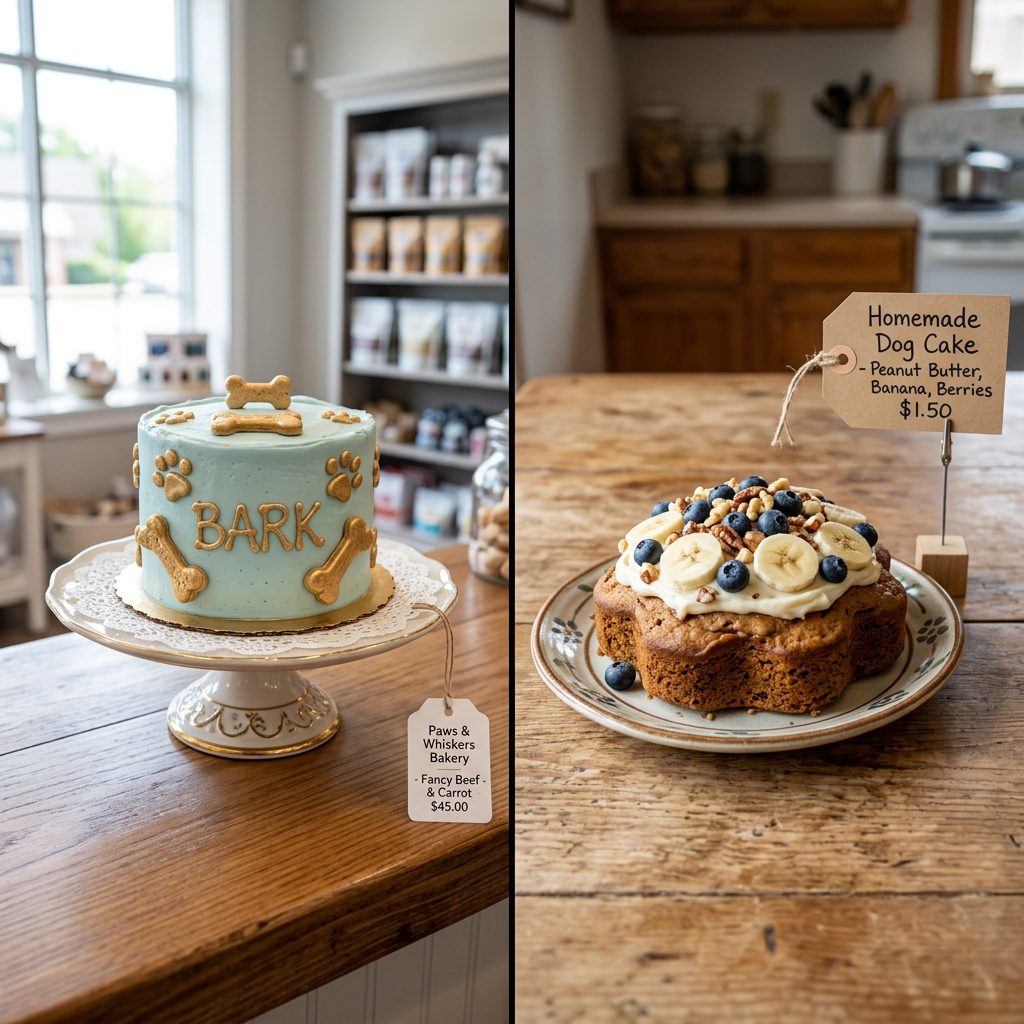
As savvy dog owners, we are willing to spend money on high-quality nutrition, but we absolutely refuse to be ripped off by the ’boutique tax’—the massive markup applied to anything labeled as a specialty pet product. Let us do a real cost breakdown to see exactly how much money you are saving by hacking this recipe at home.
We are going to compare our DIY Dairy-Free Frosting (enough to frost a 6-inch double-layer dog cake) against a popular commercial powdered dog frosting mix, and a pre-made frosted cake from a boutique dog bakery.
| Frosting Source | Main Ingredients | Cost for a 6-inch Cake | Verdict |
|---|---|---|---|
| DIY Hacker Frosting | Potato, Coconut Oil, Beet Powder | $1.50 | Ultimate control, zero fillers, massive savings. |
| Commercial Powder Mix | Tapioca, Maltodextrin, Yogurt Powder | $8.99 (plus shipping) | Overpriced, contains hidden sugars/fillers, often runny. |
| Boutique Dog Bakery | Unknown (Often cream cheese/peanut butter) | $35.00 – $50.00 (Whole Cake) | Aesthetically pleasing, but expensive and high risk for dairy upset. |
INSIDER SECRET: The average commercial dog frosting mix costs around $2.00 per ounce. A basic Russet potato costs about $0.90 per pound. By utilizing whole foods, you are not just making a healthier product; you are slashing your costs by over 90%. That is money you can redirect into high-quality proteins or joint supplements for your dog’s daily meals.
With our DIY method, you are paying roughly $1.50 per batch. This includes a generous scoop of high-quality virgin coconut oil. The economics are undeniable. Now, let us get to the exact recipe so you can start creating.
The Actionable Recipe: The Hacker’s Dairy-Free Frosting
Step-by-Step to Perfect Piping
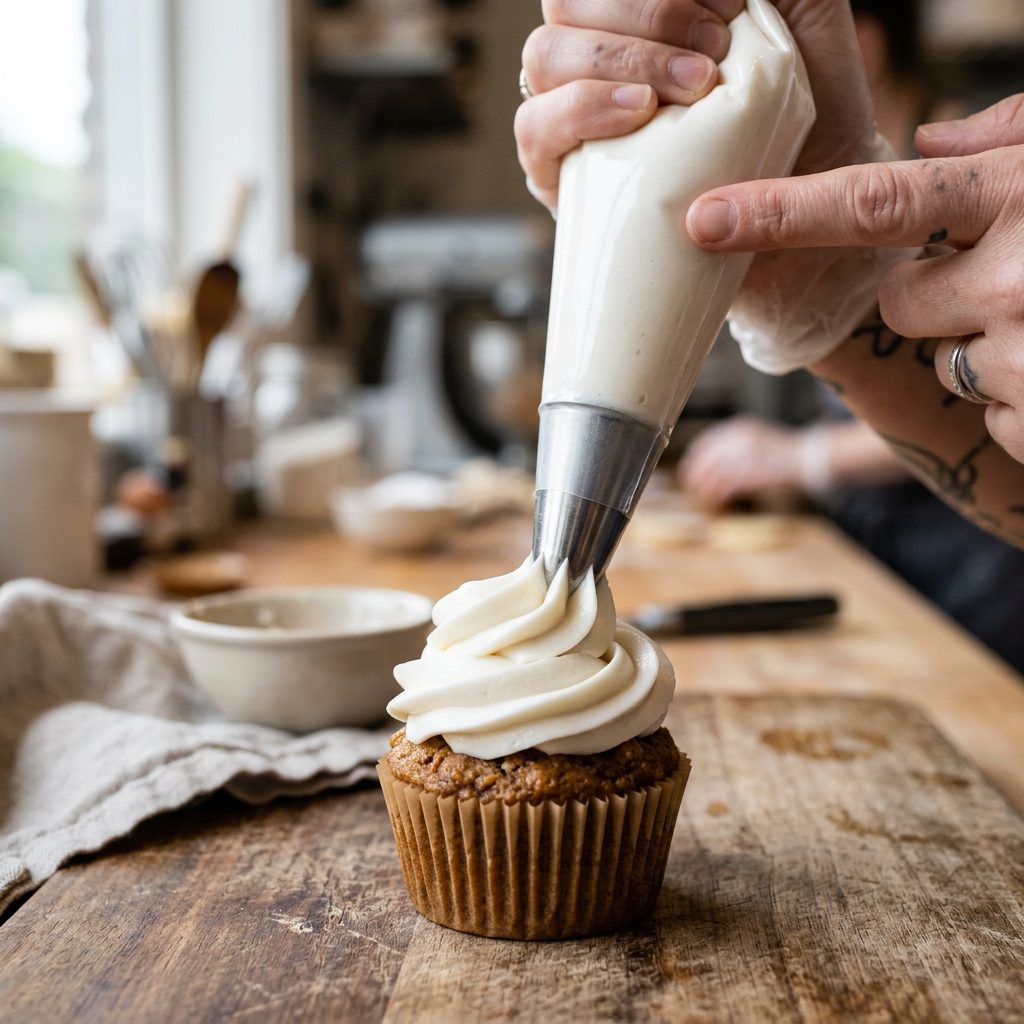
This is the core formula. The most critical factor here is texture management. Because vegetables vary in water content, you may need to adjust slightly on the fly. Do not panic; I will walk you through exactly how to troubleshoot it.
Equipment Needed:
- Food processor or high-speed blender (A simple hand masher will NOT get it smooth enough for piping).
- Piping bag with a star tip (or a Ziploc bag with the corner snipped).
- Measuring cups and spoons.
The Exact Ratios:
- 2 Cups of peeled, diced white potatoes (or sweet potatoes).
- 3 to 4 Tablespoons of unrefined virgin coconut oil (melted).
- 1 to 2 Teaspoons of Tapioca starch (if needed for thickening).
- 1/4 Cup of water or low-sodium, onion/garlic-free bone broth (only to thin if necessary).
- Natural colorants (Beet powder, Spirulina, etc.) as desired.
The Process:
- Boil the Base: Peel and dice your potatoes into small, even cubes. Boil them in plain water until they are incredibly fork-tender. Do not undercook them, or your frosting will be lumpy and clog your piping tip. Drain them thoroughly. Hacker Tip: Let them sit in the hot, empty pot for 2 minutes to steam off excess surface water.
- The First Blend: Transfer the hot potatoes to your food processor. Blend on high until they form a sticky, thick paste.
- Emulsify the Fat: While the potatoes are still warm, pour in the melted coconut oil. Blend again. The heat from the potatoes will keep the oil liquid, allowing it to emulsify into a silky-smooth puree.
- Texture Check: Stop the processor and look at the consistency. It should look like thick hummus or traditional buttercream. If it is too thick and pulling away from the blades in a hard ball, add a teaspoon of water or dog-safe bone broth. If it is too runny, add a teaspoon of tapioca starch and blend.
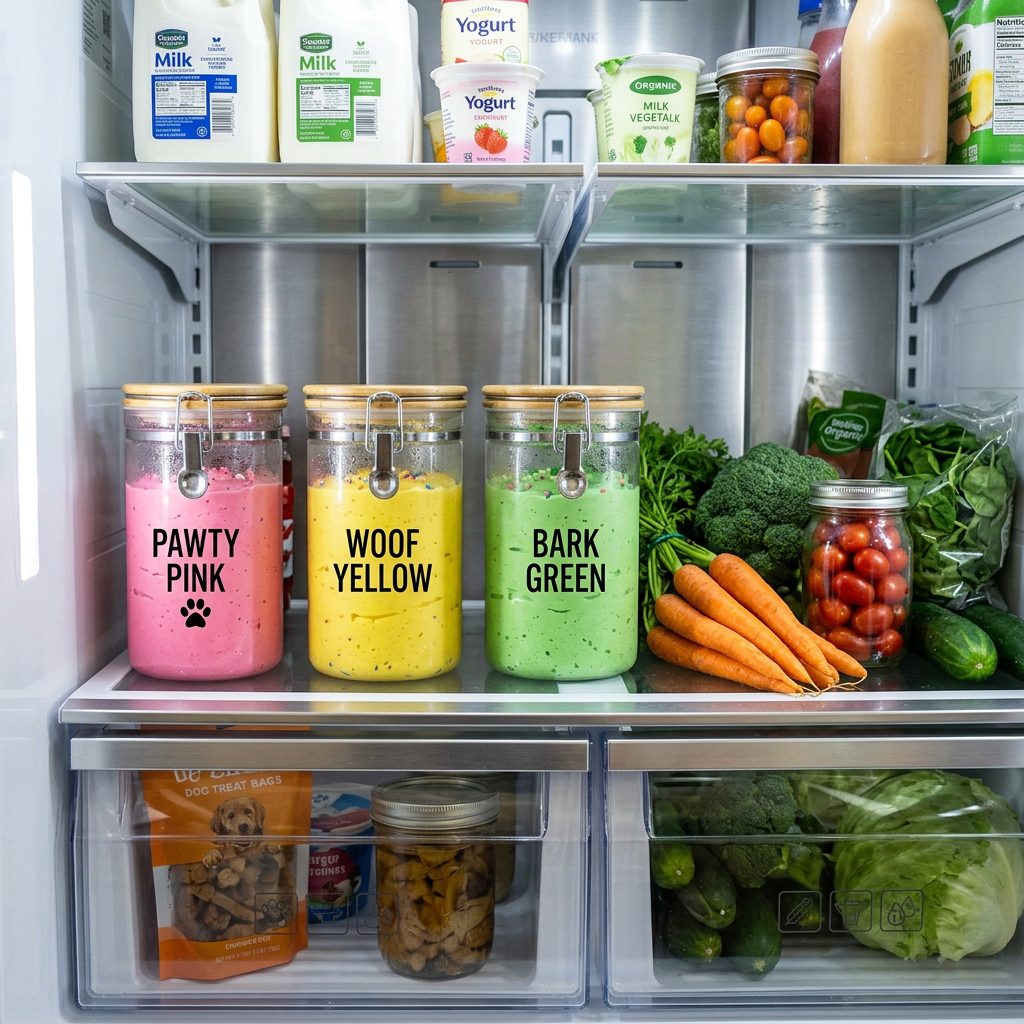
- Add Color: Divide the frosting into smaller bowls if you want multiple colors. Fold in your natural powders (e.g., 1/2 teaspoon of beet powder for a vibrant pink) until completely mixed.
- Pipe and Set: Load your piping bag. Frost your cooled dog cake immediately while the frosting is room temperature. Once decorated, place the entire cake in the refrigerator for at least 30 minutes. The coconut oil will harden, setting the frosting perfectly in place!
Batch Cooking, Storage Hacks, and Troubleshooting
Mastering the Prep and Fixing Mistakes
As a savvy owner, you value your time. If you are going to go through the effort of boiling and blending, you might as well make it count. Here is how you can batch-prep this frosting and troubleshoot common issues so you never waste a batch.
Batch Cooking and Freezing
This frosting freezes exceptionally well because of the fat content in the coconut oil. If you want to prep ahead for a dog party, make a double batch.
- To Freeze: Spoon the freshly blended, warm frosting directly into your piping bags. Seal the ends tightly and lay them flat in the freezer. They will keep for up to 3 months.
- To Thaw: Do not microwave them! Microwaving will separate the oil from the potato starch, leaving you with an oily, broken mess. Instead, leave the piping bag on the counter at room temperature for a few hours, or submerge the sealed bag in a bowl of warm (not hot) water until it softens to a pipeable consistency.
Troubleshooting: The Frosting is Too Runny
If you accidentally added too much liquid or your potatoes were waterlogged, your frosting will slide right off the cake. The Fix: Do not add more potato. Instead, transfer the mixture to a non-stick pan over medium-low heat. Stir constantly to evaporate the excess water. Once it thickens, let it cool slightly, mix in a teaspoon of tapioca starch, and it will be good as new.
Troubleshooting: The Frosting is Too Hard to Pipe
If your kitchen is cold, the coconut oil might start solidifying while you are still trying to decorate. The Fix: Simply wrap a warm, damp towel around your piping bag for a minute, or massage the bag with your warm hands. The heat from your hands is usually enough to soften the coconut oil back into a smooth, workable state.
INSIDER SECRETS FOR DECORATING: Because this frosting hardens in the fridge, it is perfect for adhering dog-safe toppings. Before you put the frosted cake in the fridge to set, press small treats, blueberries, or freeze-dried meat crumbles into the frosting. As the coconut oil hardens, it acts like cement, locking the decorations in place so they do not fall off when your dog inevitably dives in nose-first.
Conclusion
Upgrade Your Dog’s Dessert Game
There you have it—the ultimate hack for a dairy-free dog cake frosting that actually hardens, looks professional, and protects your dog’s sensitive digestive system. By stepping away from the commercial mixes loaded with sugar and maltodextrin, and ditching the gut-wrecking cream cheese, you are taking control of your dog’s nutrition even on their special days. You have learned how to utilize the structural power of coconut oil and the starchy base of potatoes to create a culinary masterpiece for pennies on the dollar.
Being a savvy dog owner means questioning the status quo of the pet industry, reading the labels, and knowing that you can do it better, healthier, and cheaper at home. Your dog does not care how much money you spent on their cake; they care about the taste, and their body cares about the ingredients. So get into the kitchen, blend up a batch of this hacker-approved frosting, and give your dog a celebration they will love—without the midnight stomach ache. Happy hacking, and happy baking!