Is Your Dog Smacking Their Lips? Try This 2-Ingredient Aloe Vera Ice Treat for Acid Reflux
The Midnight Gulp: Decoding Your Dog’s Distress
It is 2:00 AM. The house is dead silent, except for one sound: your dog is frantically smacking their lips, swallowing hard, and maybe even licking the air or the carpet. As a savvy dog owner, your first instinct might be to check their teeth or wonder if they are just thirsty. But if this is a recurring midnight symphony, you are likely witnessing a classic, often-missed symptom of canine acid reflux.
Welcome back to the Canine Nutrition Hacker’s lab. I am not here to feed you generic pet blog fluff. I am here to help you analyze your dog’s health like a forensic scientist and fix problems without draining your wallet on overpriced, heavily marketed supplements. Acid reflux, or Gastroesophageal Reflux Disease (GERD) in dogs, is incredibly common, yet the pet food industry rarely talks about it because their high-fat, heavily processed kibbles are often the root cause.
When stomach acid splashes up into your dog’s delicate esophagus, it burns. The lip smacking, the frantic swallowing, the occasional regurgitation of white foam—that is your dog trying to clear the acid and soothe the burn. But before you rush out to buy expensive antacids that only mask the symptoms, I am going to share an insider secret. We are going to tackle this with a highly effective, incredibly cheap 2-ingredient hack: The Aloe Vera Ice Treat.
THE SAFE CHEF DISCLAIMER: I am a canine nutrition hacker, not a veterinarian. While this treat is a fantastic natural remedy for mild, occasional acid reflux, severe or chronic GERD can lead to esophageal ulcers. Always consult your holistic or integrative vet to rule out underlying medical conditions like hiatal hernias or severe food allergies before changing your dog’s diet.
Ready to stop the lip smacking and soothe your dog’s gut? Let us dive into the science of why this works, what enemy ingredients are causing the reflux in the first place, and how to whip up this simple recipe in under five minutes.
The Forensic Review: What is Triggering the Reflux?
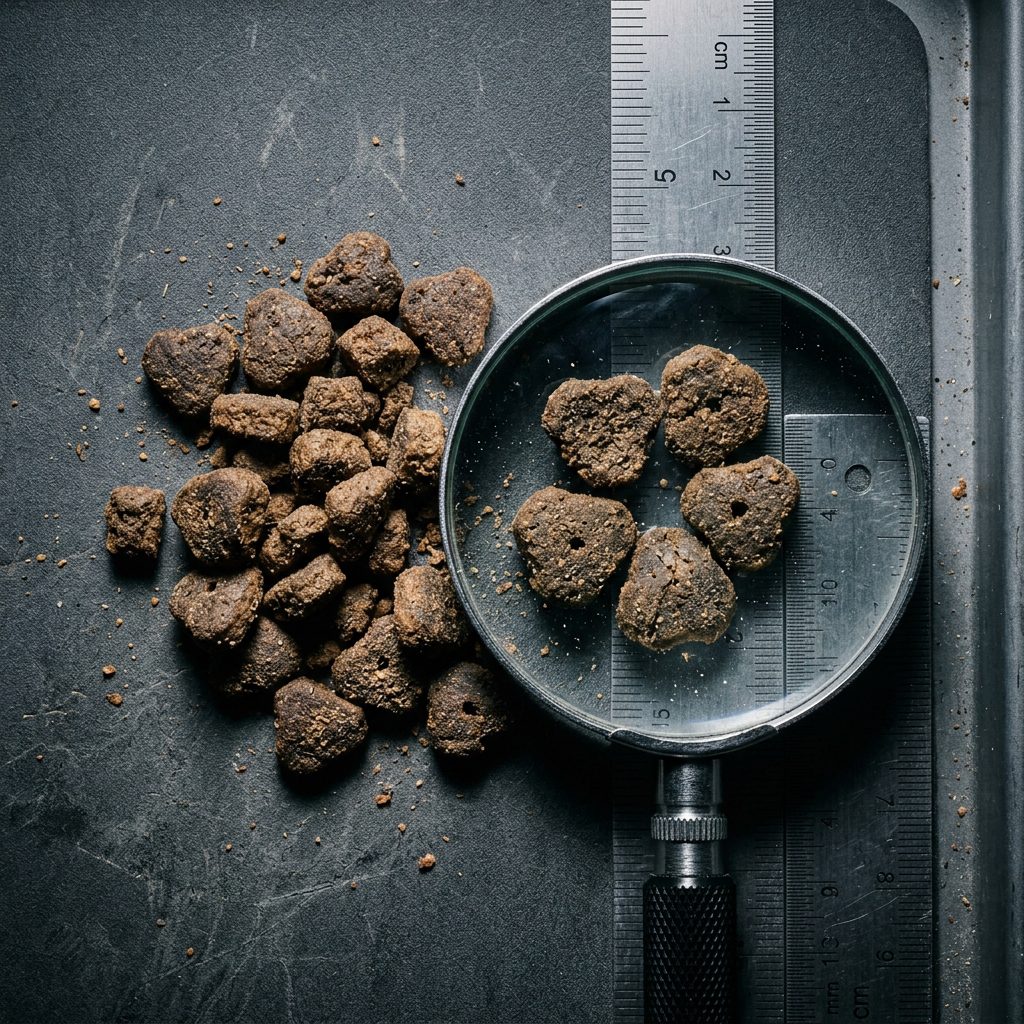
Enemy Ingredients and the Extrusion Problem
Before we put a bandage on the problem, we need to stop the bleeding. Why is your dog suddenly experiencing acid reflux? If you are feeding a standard commercial kibble, the answer is likely hiding in plain sight on the ingredient label. Let us do a forensic review of what is sitting in your dog’s bowl.
1. Excessive Rendered Fats
High-fat diets are a massive trigger for acid reflux in both humans and dogs. Fat delays gastric emptying, meaning the food sits in the stomach longer, increasing the chances of acid splashing back up. Look at your bag of kibble. Do you see ingredients like beef fat, poultry fat, or generic animal fat high up on the list? While dogs need healthy fats, heavily rendered, oxidized fats in cheap kibbles can relax the esophageal sphincter—the muscular valve that is supposed to keep acid trapped in the stomach.
2. The Carbohydrate Overload
Dogs have zero biological requirement for carbohydrates, yet most commercial kibbles are pumped full of them to hold the little brown balls together. Ingredients like corn gluten meal, wheat middlings, and soybean hulls are cheap fillers. When a dog consumes a massive load of starchy carbohydrates, it ferments in the gut, producing excess gas. This gas creates upward pressure, forcing the stomach acid past the sphincter and into the esophagus. That is why your dog is burping and smacking their lips.
3. Hidden Food Intolerances
Sometimes, the protein source itself is the enemy. Chicken and beef are the most common food allergens in dogs. If your dog has a low-grade intolerance to the main protein in their food, it causes chronic gastric inflammation. This inflammation disrupts normal digestion and acid production. If your dog is constantly licking their paws, scratching their ears, AND smacking their lips, you are likely dealing with an intolerance, not just isolated reflux.
The Bottom Line on Kibble
The very nature of extruded kibble—ultra-processed, moisture-depleted, and hard to digest—requires your dog’s stomach to work overtime, pumping out excess acid to break it down. By simply adding moisture and soothing agents, we can dramatically alter this digestive dynamic.
Hero Ingredients: The Magic of Aloe Vera
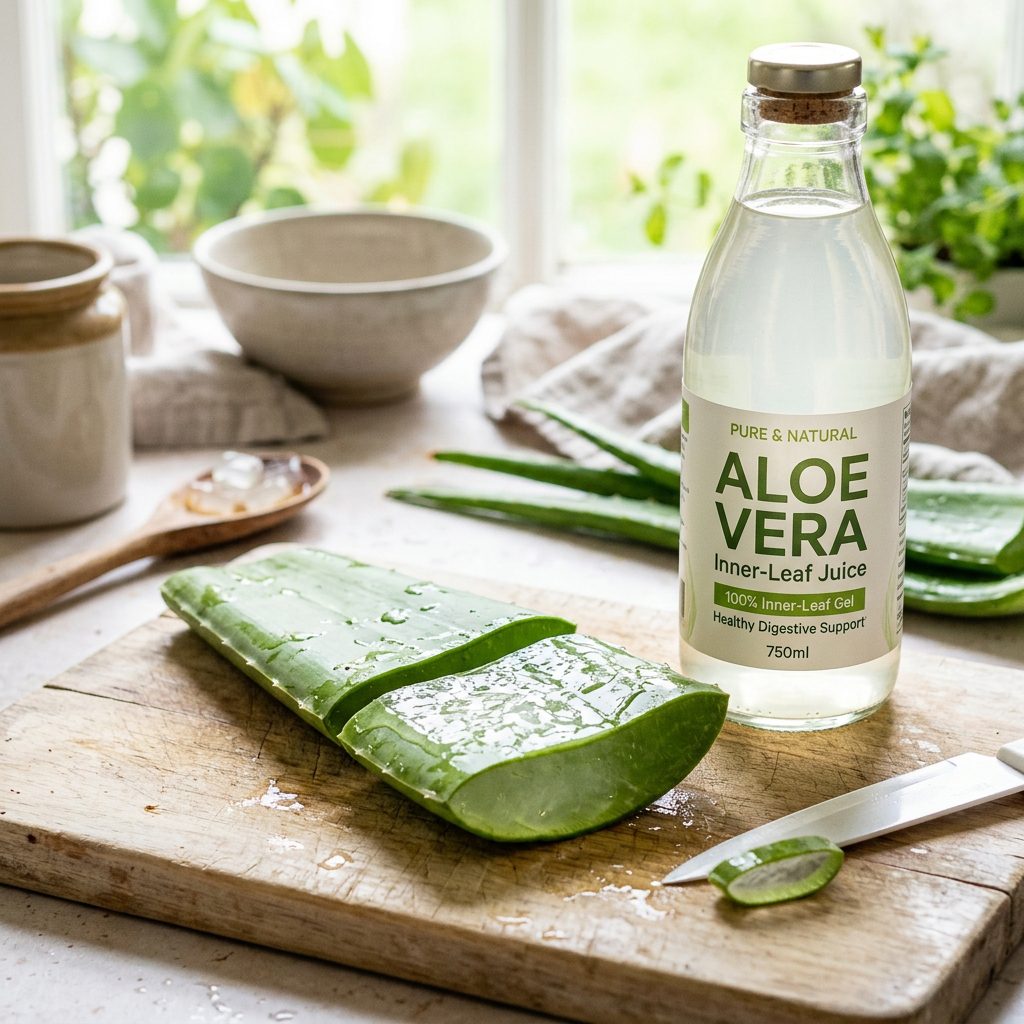
Why Aloe Vera is the Ultimate Digestive Soother
When you think of aloe vera, you probably think of sunburns. But inside that spiky green leaf is a nutritional powerhouse that can work miracles on an inflamed canine digestive tract. Here is the insider secret: we are going to use aloe vera juice to coat and heal your dog’s esophagus.
The Science of Mucilage
Aloe vera is rich in a substance called mucilage. Mucilage is a thick, gelatinous compound that swells in water. When your dog consumes mucilage, it creates a protective, soothing film over the mucous membranes of the throat, esophagus, and stomach. Think of it as a natural, biological fire blanket. When the stomach acid tries to burn the esophagus, the aloe vera barrier takes the hit instead, allowing the sensitive tissue underneath to heal.
Alkalizing the Gut
Aloe vera also has natural alkalizing properties. While a dog’s stomach is designed to be highly acidic to digest raw meat and bone, an inflamed stomach can overproduce acid. Aloe vera helps gently balance the pH of the digestive tract without completely neutralizing the stomach acid the way chemical antacids do. This is crucial because your dog still needs that acid to digest their meals properly and kill off harmful bacteria.
CRITICAL WARNING: The Aloin Danger
Listen closely, because this is where amateur DIYers make fatal mistakes. You cannot simply chop off a piece of your houseplant and feed it to your dog. The outer skin of the aloe vera plant contains a yellowish sap called aloin (or aloe latex). Aloin is a powerful laxative and is highly toxic to dogs. It will cause severe cramping, diarrhea, and dehydration.
- What to Buy: You must purchase 100% pure, food-grade Inner Leaf Aloe Vera Juice.
- What to Avoid: Avoid anything labeled “whole leaf” unless it explicitly states it is aloin-free or decolorized. Never buy aloe gels meant for cosmetic use, as they contain toxic preservatives and numbing agents.
By sourcing pure, inner-leaf juice, you get all the soothing mucilage without any of the toxic latex. It is a cheap, powerful tool that every savvy dog owner should have in their pantry.
The Safe Chef Guide: The 2-Ingredient Recipe
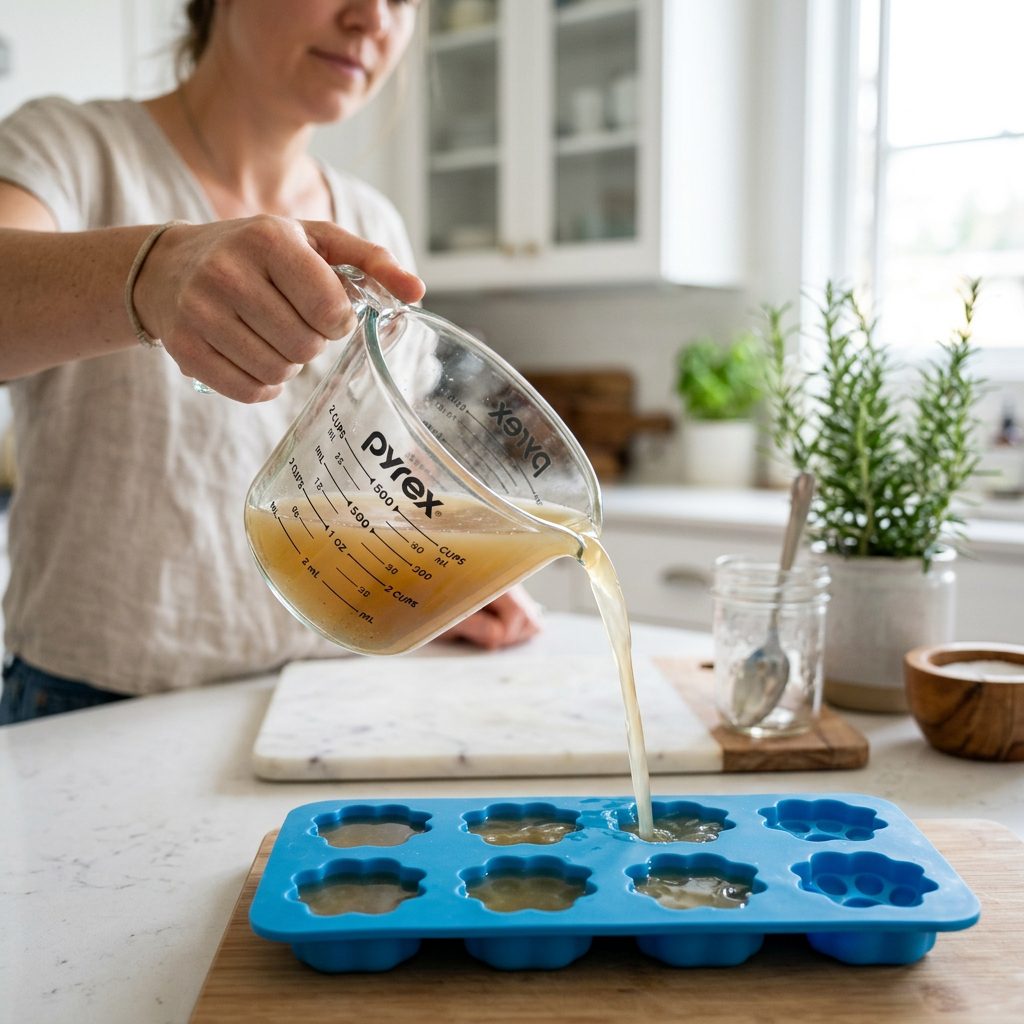
How to Make the Aloe Vera Ice Treat
Now that you know the science and the safety protocols, let us get into the kitchen. This recipe is ridiculously simple, requires zero cooking skills, and utilizes batch-cooking methodology so you always have a remedy on hand when the midnight lip-smacking starts.
The Ingredients
- 1 Cup Pure Inner-Leaf Aloe Vera Juice: Ensure it is food-grade, aloin-free, and contains no added sugars or artificial sweeteners (like xylitol, which is deadly to dogs).
- 1 Cup High-Quality Bone Broth: This is our secondary hero ingredient. Bone broth is packed with collagen, gelatin, and amino acids like glycine, which specifically help repair the intestinal lining. Important: You must use a dog-safe bone broth. This means absolutely NO onions, NO garlic, and NO added sodium. You can make your own by simmering plain chicken feet or beef marrow bones, or buy a commercial pet-specific broth.
The Execution
- The Mix: In a large measuring cup with a pour spout, combine the equal parts of aloe vera juice and bone broth. Whisk them together until completely integrated.
- The Pour: Carefully pour the liquid mixture into a silicone ice cube tray. I highly recommend using fun, dog-themed silicone molds (like bone or paw shapes) because they tend to be the perfect portion size (about 1 to 2 tablespoons per mold).
- The Freeze: Place the tray flat in the freezer and let it set for at least 4 to 6 hours, or until completely solid.
- The Storage: Once frozen solid, pop the treats out of the mold and transfer them to an airtight freezer bag or glass container. This prevents freezer burn and frees up your mold for the next batch. They will keep in the freezer for up to 3 months.
How and When to Serve
Timing is everything when hacking your dog’s digestion. Do not just throw this treat into their regular meal. To get the maximum soothing effect on the esophagus, you want to serve this treat strategically.
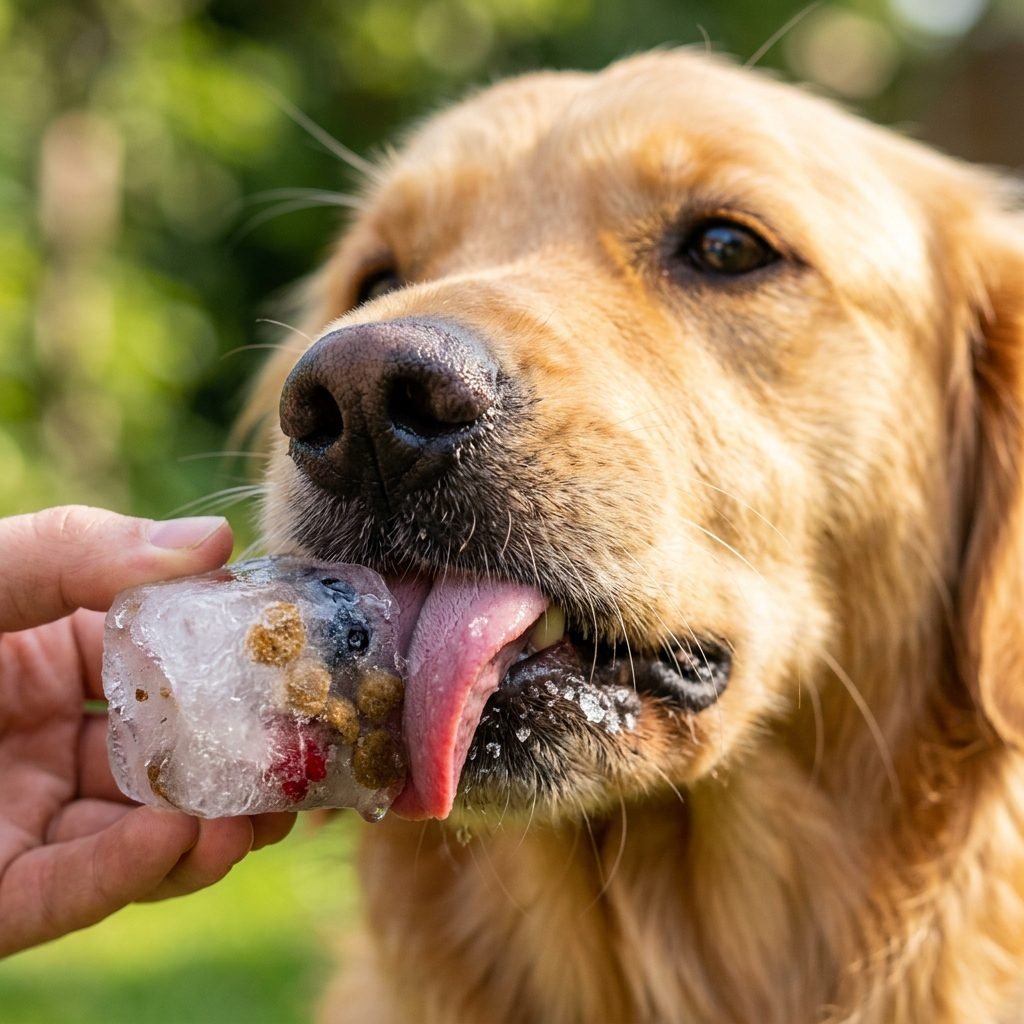
- The Bedtime Soother: If your dog suffers from nighttime reflux, give them one aloe ice treat right before bed. The cold temperature provides immediate physical relief to the inflamed tissue, while the melting aloe coats the throat for the night.
- The Post-Meal Chaser: If your dog burps and smacks their lips immediately after eating, wait about 30 minutes after their meal, then offer the treat.
Dosage: For a small dog (under 20 lbs), one small cube (approx 1 tbsp) is plenty. For a medium to large dog (20-75 lbs), two cubes. For giant breeds, three cubes. Monitor their stool; aloe is soothing, but too much of anything new can cause loose stools initially.
Cost Breakdown: DIY vs. Expensive Supplements
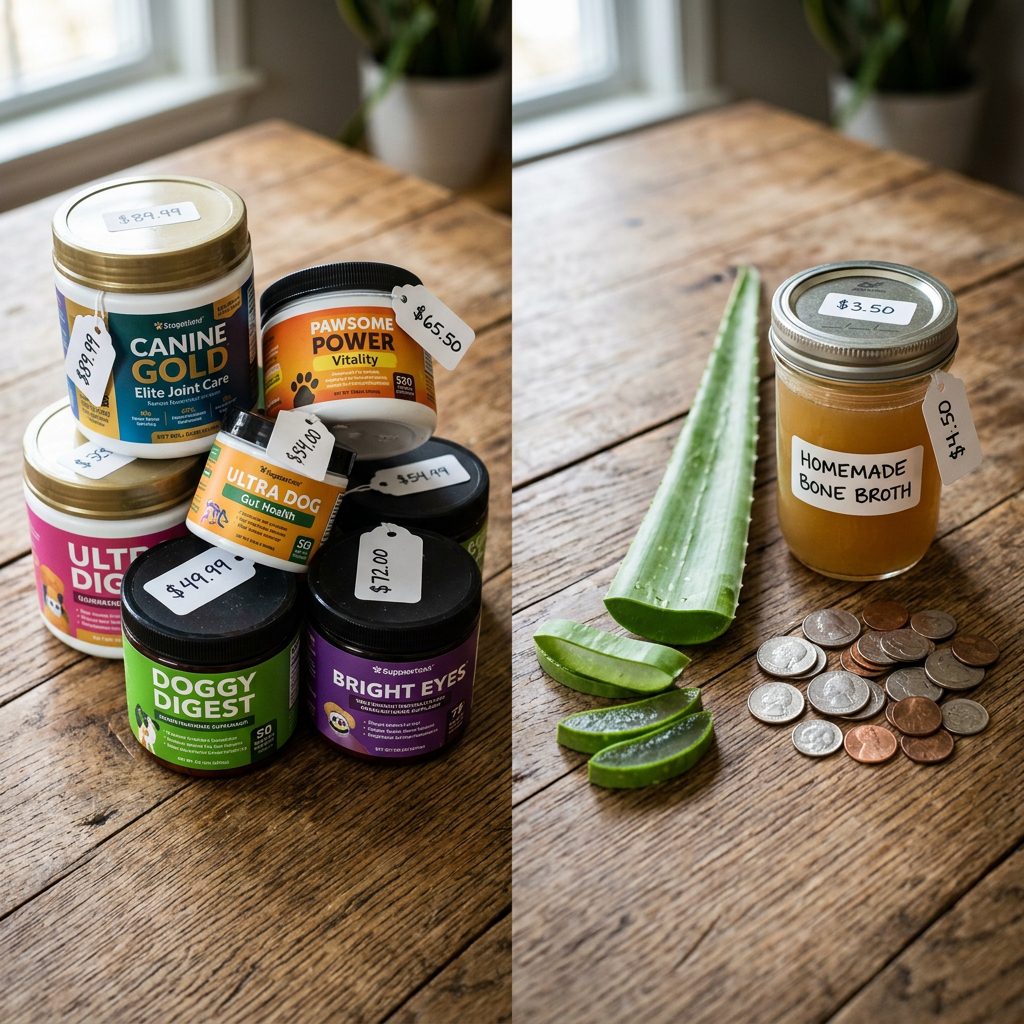
The Economics of Digestion
As a savvy dog owner, you know that the pet industry is designed to separate you from your money. Walk into any boutique pet store, and you will see shelves lined with “digestive support” powders, chews, and liquids. Some of these are decent products, but most are overpriced blends of cheap probiotics and fillers, marked up by 400%.
Let us look at the real numbers. If you take your dog to the vet for acid reflux, you will likely walk out with a prescription for Omeprazole or Famotidine. While sometimes medically necessary, using these long-term alters the natural pH of the gut, leading to poor nutrient absorption and potential bacterial overgrowth. Let us compare the daily cost of our natural DIY hack versus commercial options for a standard 50lb dog.
| Solution | Cost Per Day (50lb Dog) | Effectiveness & Safety | The Hacker’s Verdict |
|---|---|---|---|
| Prescription Vet Antacids | $2.50 – $4.00 | High symptom relief, but masks root cause. Long-term use risks bacterial overgrowth. | Overpriced Band-Aid. Use only if strictly medically necessary. |
| Premium Digestive Chews | $1.50 – $3.00 | Moderate. Often contains hidden starches or fillers that can exacerbate gas. | Expensive Habit. You are paying for marketing and packaging. |
| DIY Aloe Vera Ice Treat | $0.30 – $0.50 | High natural relief. Soothes tissue directly, provides collagen, zero fillers. | The Absolute Best Value. |
By spending about $10 on a large bottle of high-quality inner-leaf aloe juice and making your own bone broth at home for pennies, you are securing months of digestive support for the cost of a single week of premium commercial supplements. That is exactly how you hack canine nutrition: maximum biological impact for minimum financial output.
Advanced Hacker Tips: Eradicating the Root Cause
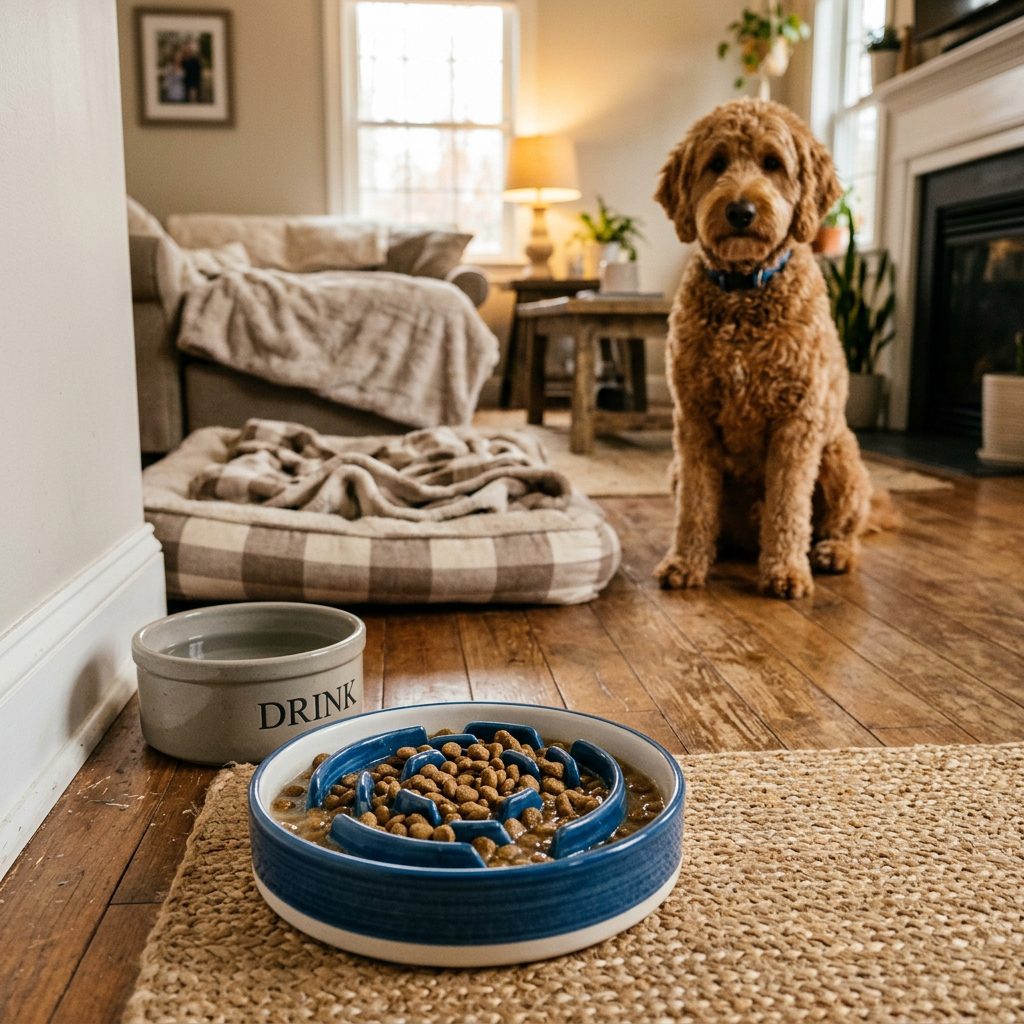
Lifestyle Hacks to Banish Acid Reflux Forever
The Aloe Vera Ice Treat is your tactical weapon to stop the lip smacking and soothe the pain. But a true nutrition hacker doesn’t just treat symptoms; they eradicate the root cause. If you want to cure your dog’s acid reflux permanently, you need to implement these advanced lifestyle adjustments alongside the treats.
1. Ditch the Mega-Meals
Feeding your dog one massive meal a day is a recipe for disaster. A huge influx of food stretches the stomach, requiring a massive dump of gastric acid to break it down. This physical stretching also puts immense pressure on the esophageal sphincter. The Hack: Split your dog’s daily food allowance into three or even four smaller meals. Smaller meals digest faster, empty from the stomach quicker, and drastically reduce the chance of acid bubbling up.
2. The Bowl Height Debate
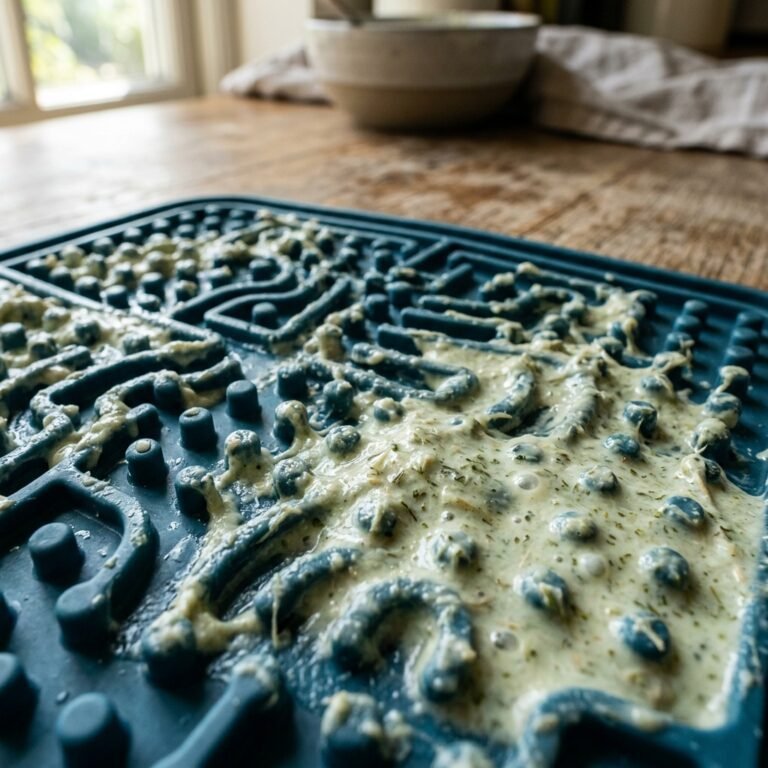
For years, vets recommended elevated bowls for large dogs to prevent bloat and reflux. Recent studies have completely flipped this advice. Elevated feeders can actually *increase* the amount of air a dog gulps while eating, leading to more gas, more pressure, and more reflux. The Hack: Feed your dog from a bowl placed flat on the floor. If they are a rapid eater, invest in a high-quality slow feeder bowl. Forcing them to navigate ridges and mazes to get their food slows down consumption, reduces swallowed air, and promotes better chewing and saliva production (saliva is highly alkaline and naturally neutralizes acid).
3. Hydrate the Kibble
If you must feed dry kibble, never feed it bone-dry. Dry kibble requires the stomach to pull moisture from the dog’s body into the digestive tract to break the food down. This delays digestion and creates a heavy, acidic sludge in the stomach. The Hack: Add warm water or bone broth to your dog’s kibble and let it soak for 10 minutes before feeding. This pre-digests the food slightly, making the stomach’s job infinitely easier and reducing the time food sits in the gastric chamber.
4. Late Night Fasting
Just like humans, dogs shouldn’t go to sleep on a full stomach. Lying down flat with a stomach full of digesting food and acid is the number one cause of midnight lip smacking. The Hack: Ensure your dog’s last full meal is fed at least three to four hours before bedtime. If they get the “empty stomach pukes” (bilious vomiting syndrome) in the early morning, give them just one small bite of a high-protein treat (like a piece of freeze-dried liver) right before bed to bind the bile, followed by their Aloe Ice Treat.
Conclusion
Empower Your Dog’s Digestion
Hearing your dog smack their lips, gulp, and pace the floors at night is stressful. But as a savvy dog owner, you are no longer at the mercy of confusing symptoms or expensive, highly-processed commercial solutions. You now have the forensic knowledge to understand exactly what is happening in your dog’s digestive tract, and the practical skills to fix it.
By identifying the enemy ingredients in their diet, switching to smaller, hydrated meals, and utilizing the incredible, natural soothing power of the 2-Ingredient Aloe Vera Ice Treat, you are taking proactive control of your dog’s health. You are providing immediate relief from the burn of acid reflux while promoting long-term gut healing through the power of mucilage and collagen.
So, check your pantry, source that pure inner-leaf aloe juice, and get a batch of these treats in the freezer today. Your dog’s esophagus—and your wallet—will thank you. Stay savvy, keep reading those ingredient labels, and never stop hacking your dog’s nutrition for a longer, healthier life.