Gut Health Revolution: The Fermented Vegetable Puree For Dogs That Stops Tummy Troubles!
The ‘Gurgle’ We All Dread
You know the sound. It’s 2:00 AM, and your dog’s stomach sounds like a literal washing machine. Then comes the frantic scratching at the door, the loose stools, and the inevitable ‘dog breath’ that could peel paint off the walls. As a savvy dog owner, you’ve probably tried every ‘sensitive stomach’ kibble on the market, only to find that the first five ingredients are still mostly fillers like corn gluten meal or mystery ‘meat by-products.’ I’m here to tell you there’s a better way.
Welcome to the Gut Health Revolution. I’m the Canine Nutrition Hacker, and today we’re going deep into the secret world of fermented vegetables. We aren’t just talking about adding a little fiber; we are talking about creating a living, breathing probiotic powerhouse in your own kitchen for pennies on the dollar. Most commercial probiotic toppers cost upwards of $40 a month. I’m going to show you how to do it for under $5. Let’s stop treating the symptoms and start fixing the source: the microbiome.
Insider Secret: Most commercial dog probiotics are ‘dead on arrival’ because they aren’t shelf-stable. Fermented veggies provide live, active cultures that actually survive the journey to the gut.
The Safety First Protocol: A Hacker’s Disclaimer
Before we dive into the fermentation crock, let’s get the legalities out of the way. I am not a veterinarian. I am a researcher and a dog owner who treats ingredient labels like a crime scene. While fermented vegetables are a game-changer for most dogs, every pup is an individual. If your dog has a history of pancreatitis, SIBO (Small Intestinal Bacterial Overgrowth), or is currently on immune-suppressing medication, talk to your vet before starting this protocol.
Fermented foods are powerful. They are not a total meal replacement; they are a nutritional topper. You must introduce them slowly—we’re talking half a teaspoon slowly—to avoid a ‘healing crisis’ where the bad bacteria die off too fast and cause even more gas. Think of this as a marathon, not a sprint toward perfect poops.
The Science of the Stink: Why Fermentation Wins
The Cellulose Barrier
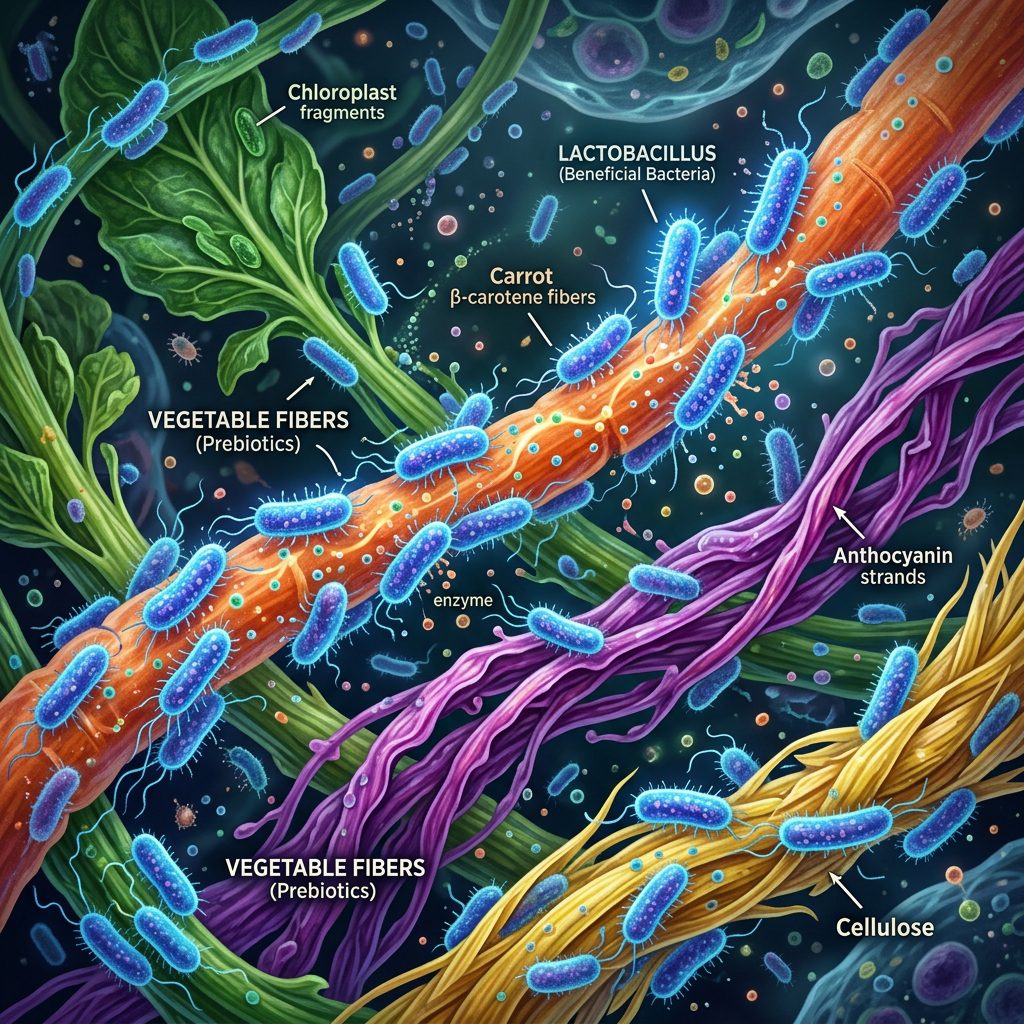
Dogs are facultative carnivores. While they can digest plant matter, they lack the enzyme cellulase to break down the tough cell walls (cellulose) of raw vegetables. This is why if you give your dog a raw carrot chunk, you often see that same carrot chunk in the backyard later that day. It didn’t nourish them; it just took a tour of their digestive tract.
Nature’s Pre-Digestion
Fermentation is essentially ‘pre-digesting’ the food. Beneficial bacteria (Lactobacillus) consume the sugars and starches in the vegetables, breaking down the cellulose and creating lactic acid. This process makes the nutrients—like Vitamin K2, B vitamins, and enzymes—bioavailable to your dog. You’re essentially giving their pancreas a day off while flooding their system with billions of CFUs (Colony Forming Units) of natural probiotics.
The Enemy Ingredients in ‘Gut Health’ Kibble
Check your bag. If you see these, your ‘gut health’ food might be the problem:
- Beet Pulp: A cheap filler used to firm up stools artificially without fixing the underlying inflammation.
- Soy Protein Isolate: A common allergen that can cause ‘leaky gut’ in sensitive dogs.
- High-Glycemic Carbs: Ingredients like white rice or potato starch feed the ‘bad’ bacteria (yeast) in the gut.
The DIY Fermented Puree Recipe: Step-by-Step
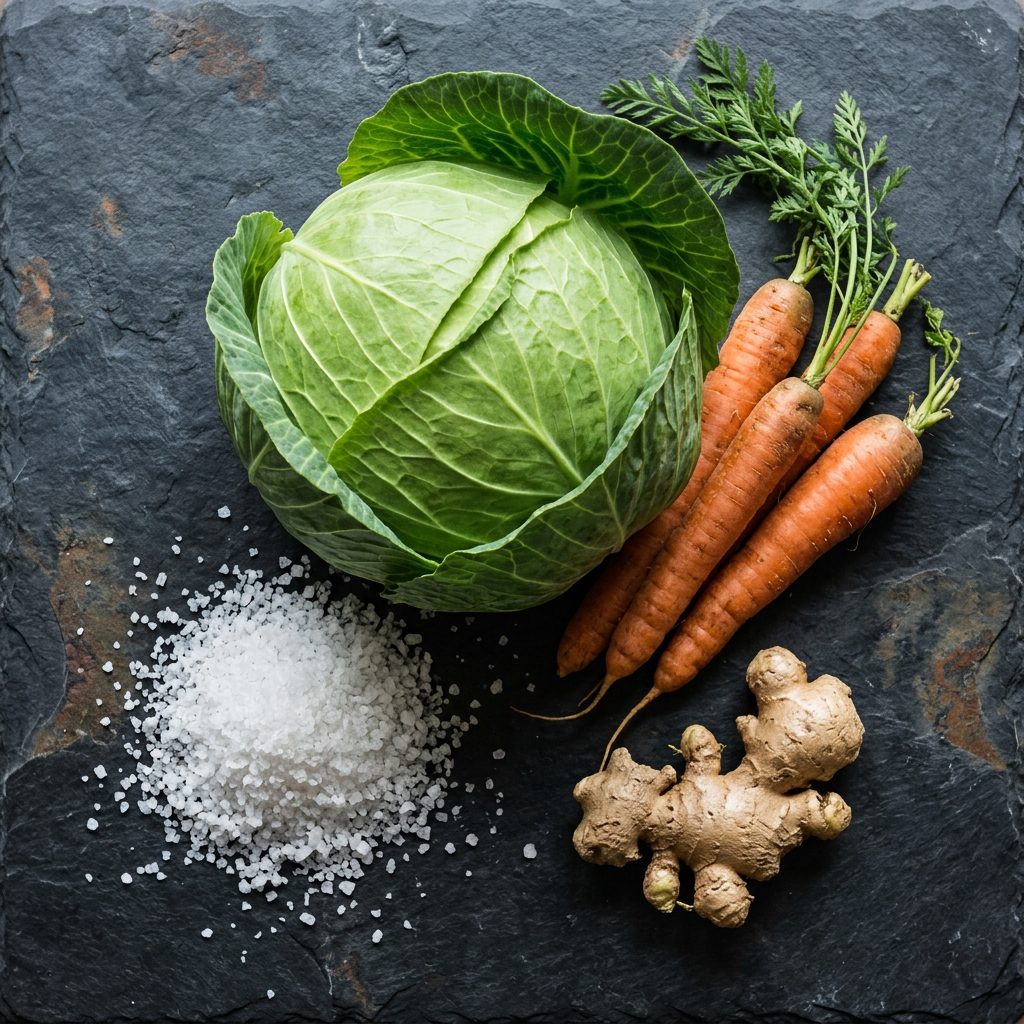
This is the ‘Safe Chef’ guide to the ultimate gut-healing topper. This recipe focuses on low-glycemic, dog-safe vegetables that provide the best bang for your buck.
The Ingredient List
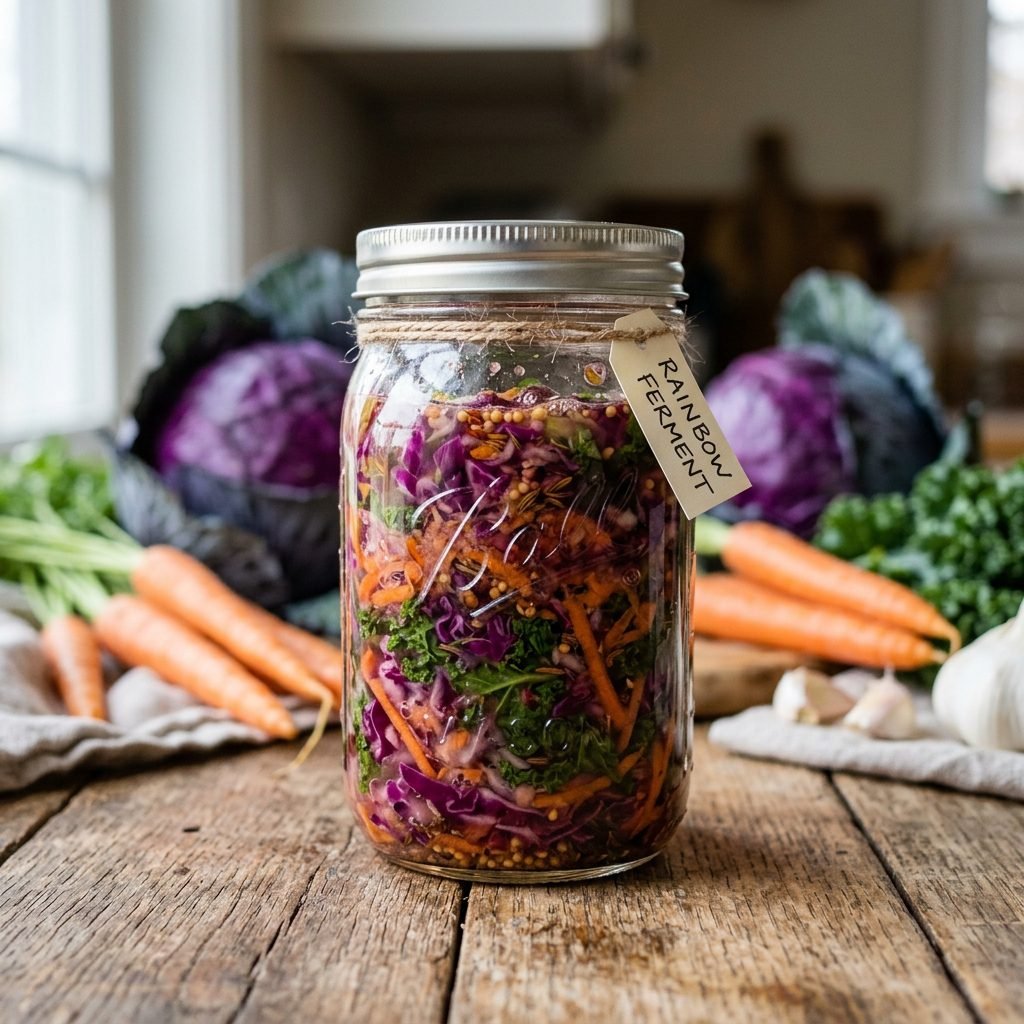
- 1 Small Green Cabbage: The base. High in L-glutamine, which is the primary fuel for the cells lining the small intestine.
- 2 Large Carrots: For beta-carotene and a touch of sweetness to feed the bacteria.
- 1 Bunch of Kale or Spinach: For chlorophyll and magnesium.
- 1 Inch of Fresh Ginger: A powerful anti-inflammatory and digestive aid.
- Non-Iodized Sea Salt: Essential for the ‘brine’ (use 1.5% of the total weight of the veggies).
The Method
- Shred & Chop: Use a food processor to turn all vegetables into a fine confetti. The more surface area, the better the fermentation.
- The Salt Massage: Place the mix in a large bowl and sprinkle the salt. Massage the veggies with clean hands for 5-10 minutes until they release their juices (the brine).
- Pack the Jar: Stuff the mixture into a clean glass mason jar. Press down hard with a tamper or spoon until the brine rises above the vegetables. Crucial: The veggies must stay submerged to prevent mold.
- The Wait: Seal with a fermentation lid (or a regular lid, but you must ‘burp’ it daily). Store in a dark cupboard at room temperature for 7 to 10 days.
- Puree: Once fermented, blend the mixture into a smooth paste. This makes it impossible for picky eaters to sort out the ‘good stuff.’
Cost Breakdown: Hacker Savings vs. Retail Prices
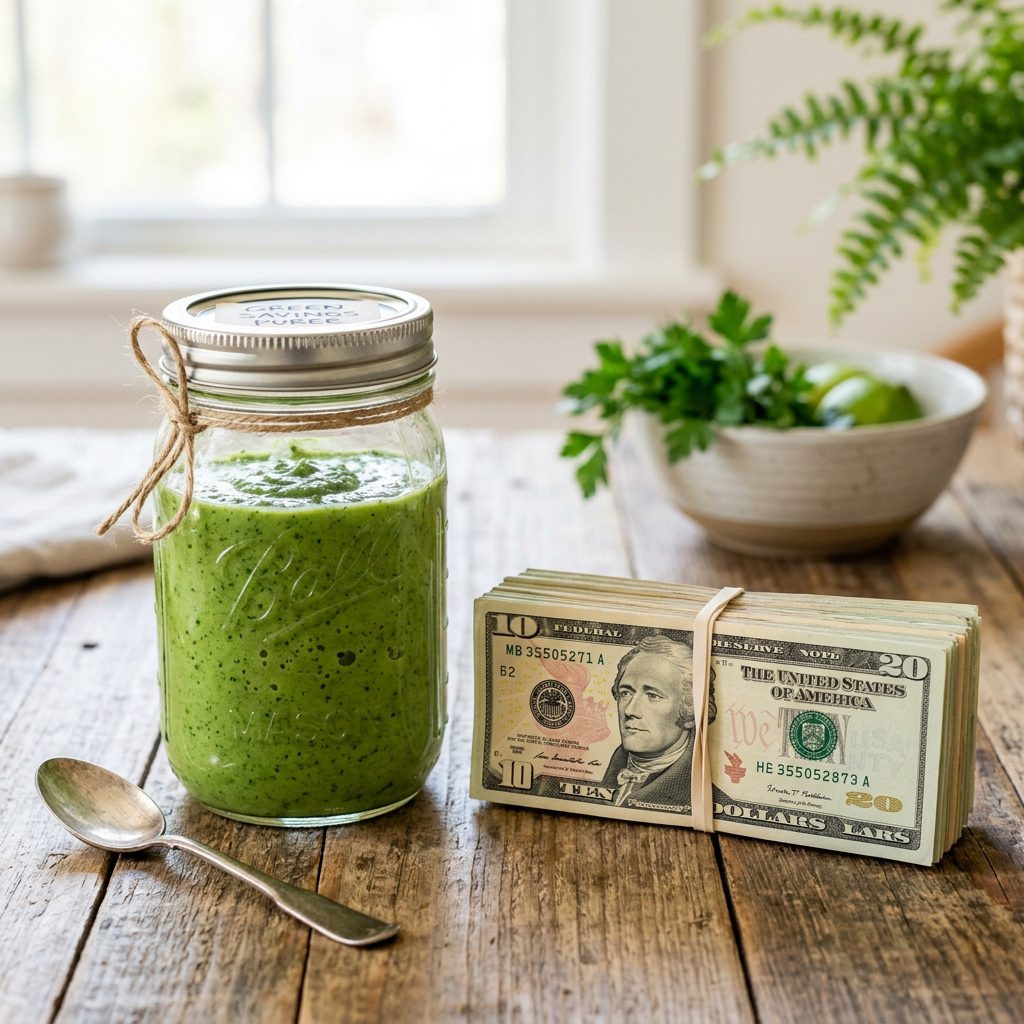
Let’s talk numbers. Big Pet Food wants you to believe that gut health requires a $100 prescription bag of kibble or a $50 tiny tub of powder. Let’s look at the reality of the Cost Per Day for a 50lb dog.
| Product Type | Monthly Cost (Approx) | Probiotic Source | Bioavailability |
|---|---|---|---|
| Prescription ‘GI’ Kibble | $95 – $120 | Synthetic Additives | Low |
| Premium Probiotic Powder | $45 – $60 | Freeze-dried Strains | Medium |
| DIY Fermented Puree | $4 – $7 | Live, Raw Cultures | Maximum |
By spending 20 minutes in the kitchen once every two weeks, you are saving over $1,000 per year while providing a superior product. That is the definition of a Canine Nutrition Hack.
The ‘Hacker Tips’ for Batch Cooking and Storage
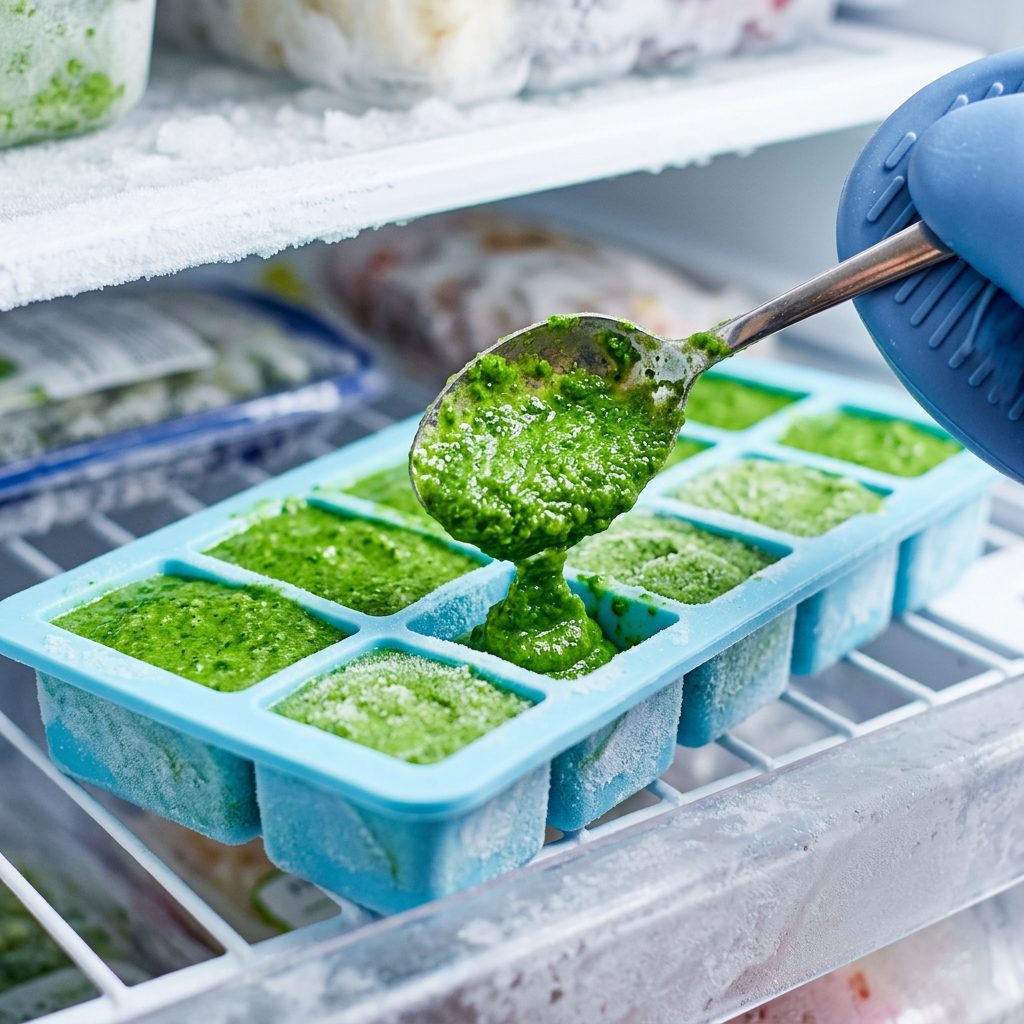
The Ice Cube Tray Hack
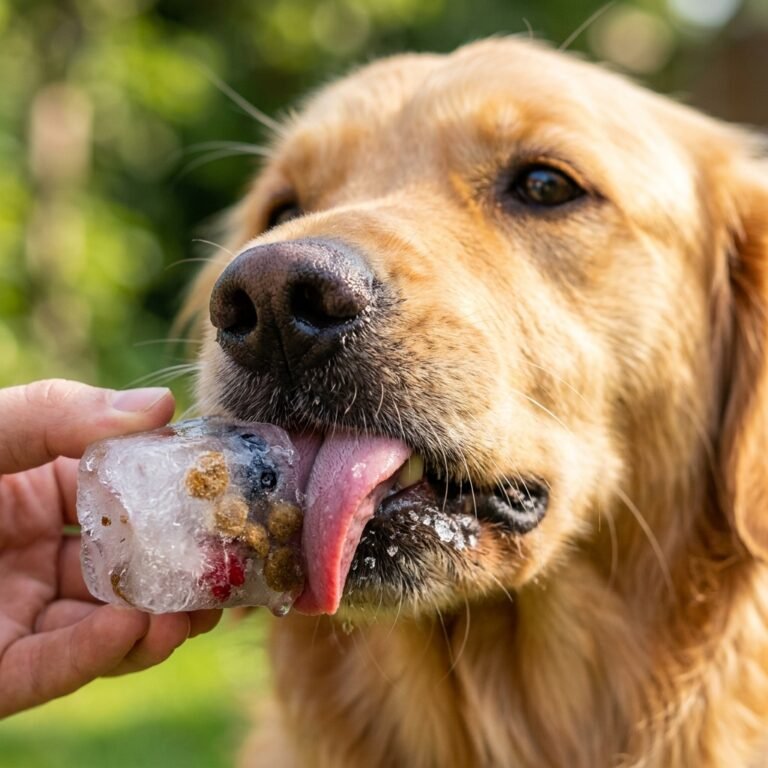
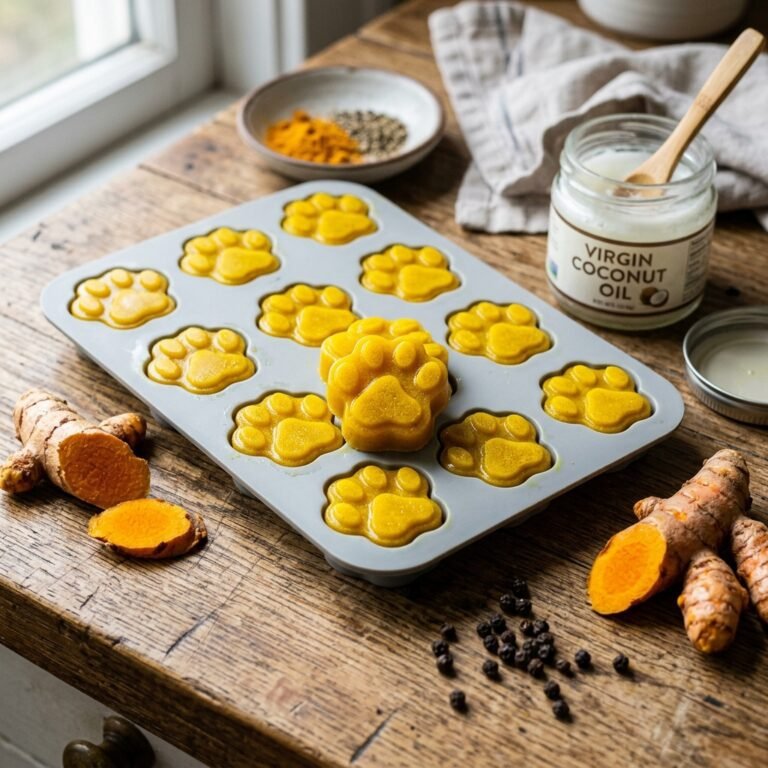
Don’t just keep the big jar in the fridge. Once your puree is ready, spoon it into silicone ice cube trays and freeze. Each cube is roughly 1-2 tablespoons. This makes portioning a breeze—just pop a ‘probiotic cube’ into their bowl at mealtime. It stays fresh for up to 6 months in the freezer!
The ‘Golden’ Upgrade
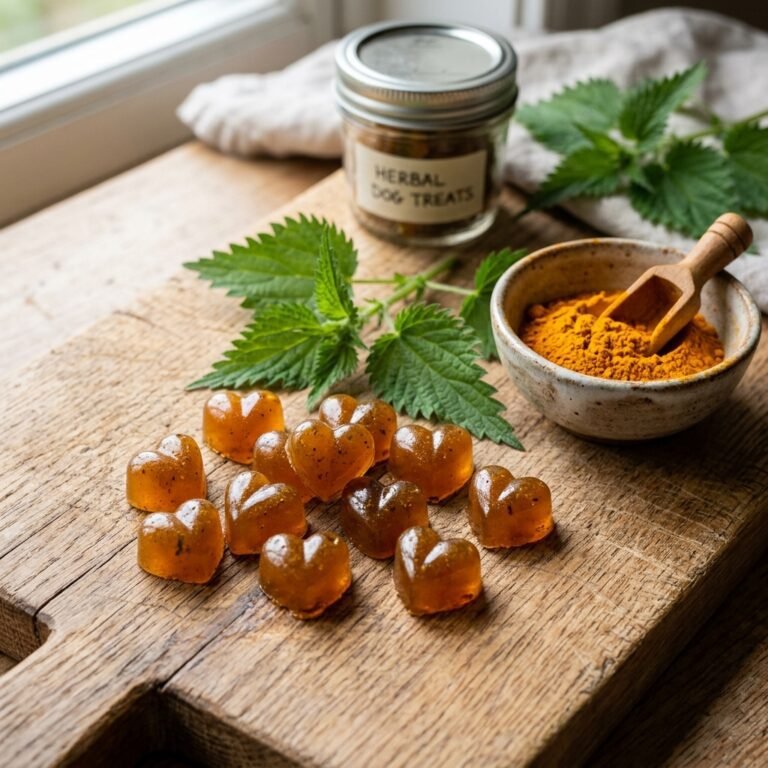
Want to level up? Add a teaspoon of Organic Turmeric and a pinch of black pepper to your puree after fermentation. This turns your gut-health topper into a powerful anti-inflammatory ‘Golden Puree’ that helps with joint pain and allergies simultaneously.
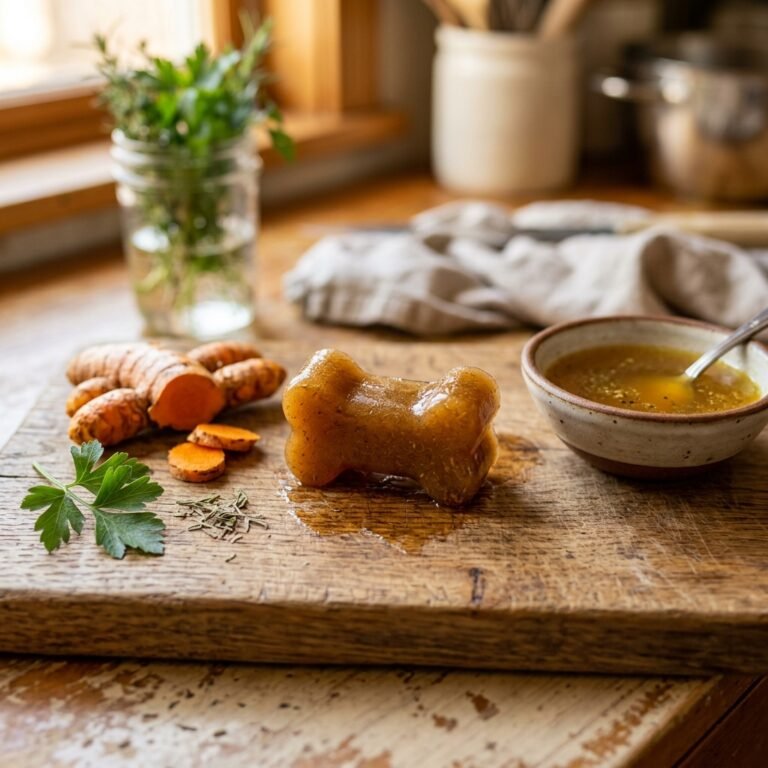
Hacker Tip: If your dog is a ‘super-taster’ and hates the sour smell of fermentation, mix the puree with a little bit of unsalted bone broth or canned sardines. They’ll inhale it before they realize it’s healthy.
Conclusion
Revolutionize Your Dog’s Bowl Today
True health doesn’t come in a colorful bag with a picture of a cartoon dog on it. It comes from real, living nutrients that work in harmony with your dog’s biology. By introducing this Fermented Vegetable Puree, you aren’t just stopping the ‘tummy troubles’—you are boosting their immune system, clearing up their skin, and likely extending their life.
Start small, stay consistent, and watch the transformation. No more midnight ‘gurgles,’ no more expensive vet visits for ‘nonspecific GI upset,’ and no more mystery ingredients. You have the tools, you have the recipe, and now you have the insider secrets. Your dog’s gut will thank you!