No Yard? No Problem! The Ultimate Guide to House Training a Puppy in an Apartment
Bringing a new puppy into your life is an incredible milestone, but when you live in a third-floor walk-up or a high-rise apartment, the lack of a private backyard can feel like a major hurdle. You might be wondering, “How am I supposed to get this tiny furball outside in time when we have to wait for an elevator?” or “Is it even possible to house train without a yard?”
As a canine specialist who has helped hundreds of urban dwellers navigate this exact scenario, I am here to tell you: Yes, it is absolutely possible. In fact, apartment-trained puppies often become some of the most well-adjusted dogs because they learn to handle various environments, noises, and surfaces from day one. This guide isn’t just about avoiding messes on your rug; it’s about building a bond of communication and routine that will last a lifetime. Whether you choose to use an indoor potty solution or brave the elements for every bathroom break, we have the strategies you need to succeed.
The Essential Apartment Potty Toolkit
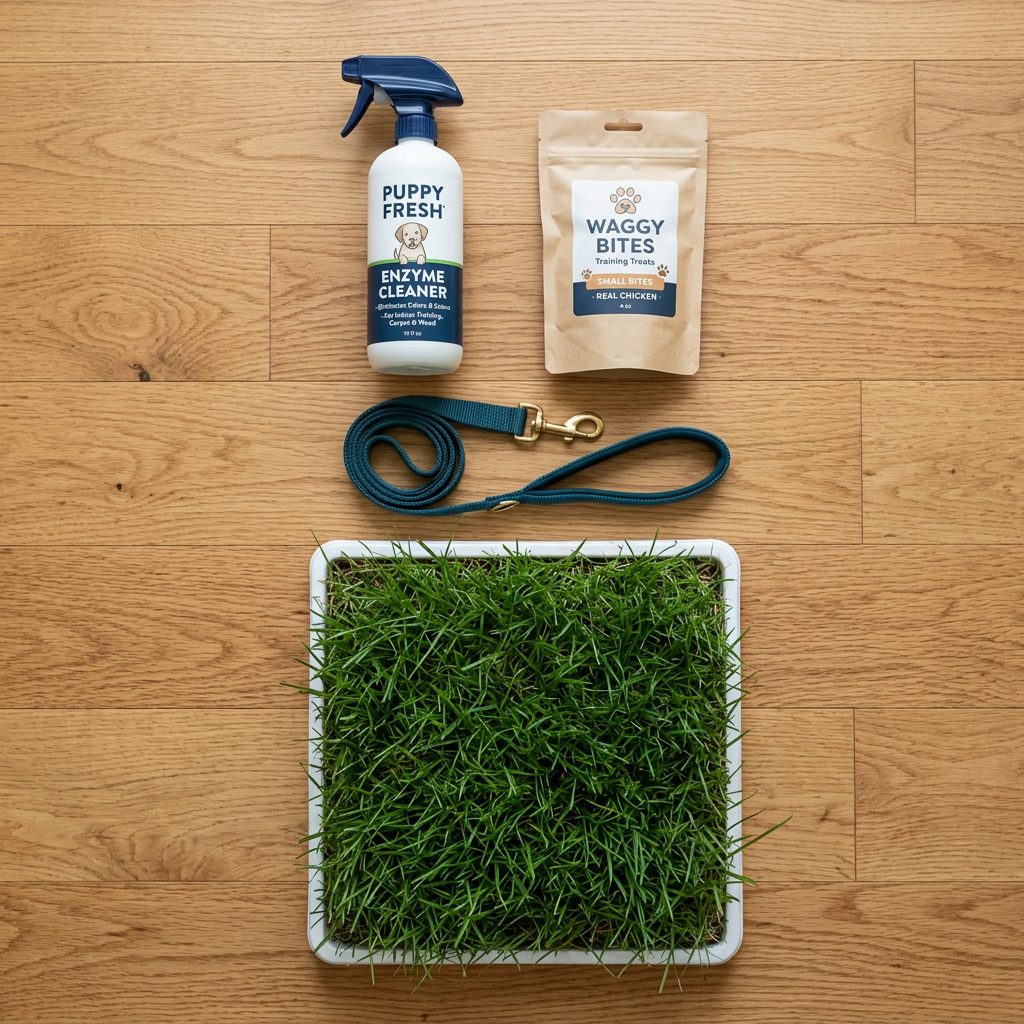
Before your puppy even sets a paw in your home, you need to have your logistics sorted. In a house with a yard, you just open the back door. In an apartment, your ‘potty zone’ requires a bit more intentionality. You first need to decide on your method: Strictly Outdoors, Indoor/Outdoor Hybrid, or Indoor Only (common for very small breeds or high-rises).
Must-Have Gear for Urban Potty Training
- Enzyme-Based Cleaner: Regular soap won’t cut it. You need a cleaner that breaks down the proteins in urine so the puppy doesn’t return to the same spot.
- Crate or Exercise Pen: This is your best friend. It utilizes the puppy’s natural instinct not to soil where they sleep.
- High-Value Treats: These are for the ‘Potty Party’ that happens immediately after a successful outdoor trip.
- Indoor Potty Options: If you are on the 20th floor, an indoor solution might be a lifesaver for those 3 AM wake-up calls.
| Potty Solution | Pros | Cons |
|---|---|---|
| Real Grass Patches | Natural feel, easier transition to outdoors, absorbs odors well. | Subscription costs, needs replacement every 2-4 weeks. |
| Synthetic Grass | Reusable, one-time cost. | Requires frequent scrubbing, can retain smells if not cleaned daily. |
| Pee Pads | Disposable, inexpensive, easy to store. | Can look like rugs to a puppy, messy if shredded. |
The Power of the Routine: A Sample Apartment Schedule
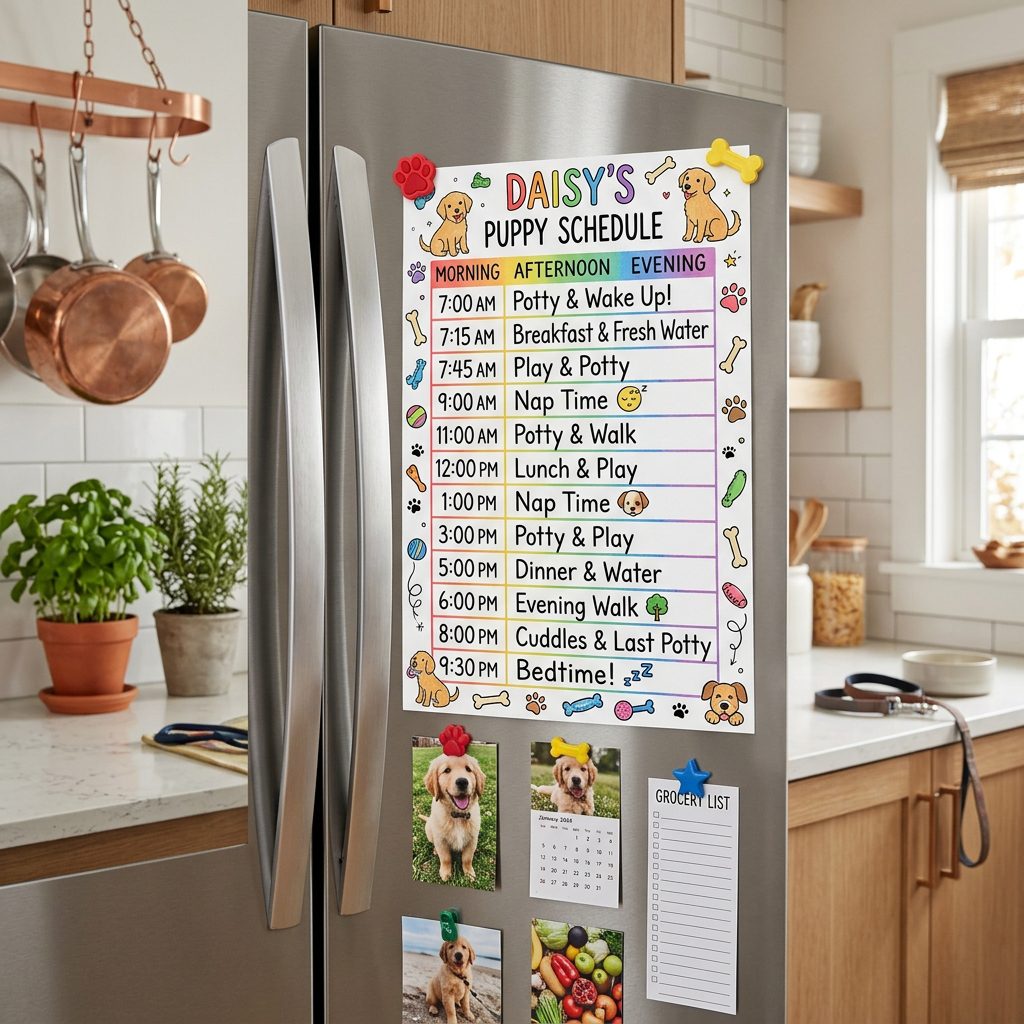
Puppies thrive on predictability. In an apartment, where the journey to the bathroom takes longer, a strict schedule is your most powerful tool. You need to anticipate their needs before they become emergencies. Remember the golden rule: A puppy can generally hold their bladder for one hour for every month of age, but this is a maximum, not a guarantee!
A Day in the Life of a Success-Oriented Puppy
Below is a sample schedule for an 8-to-12-week-old puppy living in an apartment. This assumes you are aiming for outdoor training.
| Time | Activity | Goal |
|---|---|---|
| 6:00 AM | Wake up & Immediate Outdoor Trip | Empty bladder after the night. |
| 6:30 AM | Breakfast & Water | Fuel for the morning. |
| 6:45 AM | Second Outdoor Trip | Post-meal bowel movement. |
| 7:00 AM – 9:00 AM | Supervised Play / Nap in Crate | Prevent accidents during active times. |
| 9:00 AM | Outdoor Trip | Mid-morning break. |
| 12:00 PM | Lunch & Outdoor Trip | Mid-day routine. |
| 3:00 PM | Outdoor Trip | Afternoon break. |
| 6:00 PM | Dinner & Outdoor Trip | Evening routine. |
| 8:00 PM | Final Play & Water Removal | Start winding down. |
| 10:00 PM | Final Outdoor Trip | Empty for the night. |
Expert Tip: If you live in a high-rise, carry your puppy in your arms from the crate all the way to the grass. Most puppies will not urinate while being held, which prevents ‘elevator accidents.’
Step-by-Step: The Apartment Potty Process
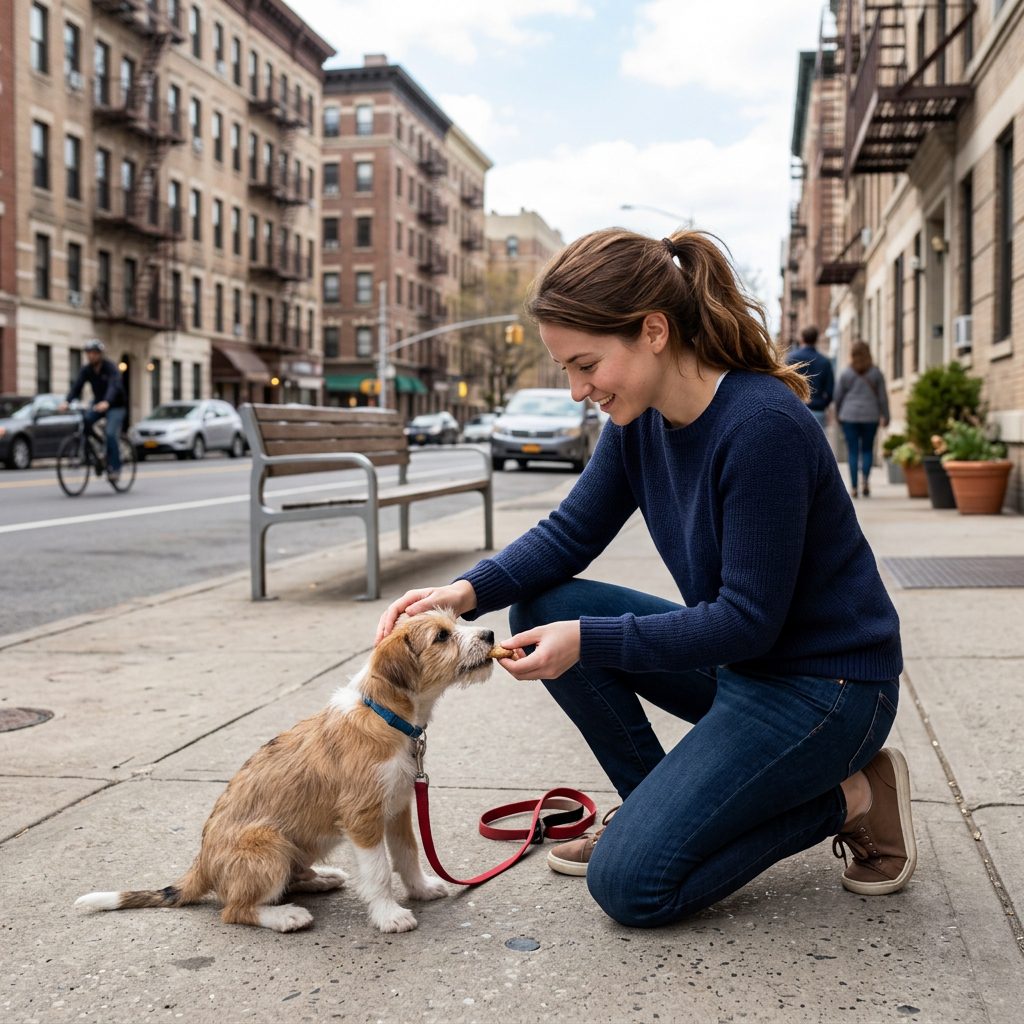
Now that you have the gear and the schedule, let’s talk about the actual execution. The goal is to make the ‘right’ choice (going outside) easy and the ‘wrong’ choice (going on the rug) impossible.
Step 1: The ‘Crate to Gate’ Pipeline
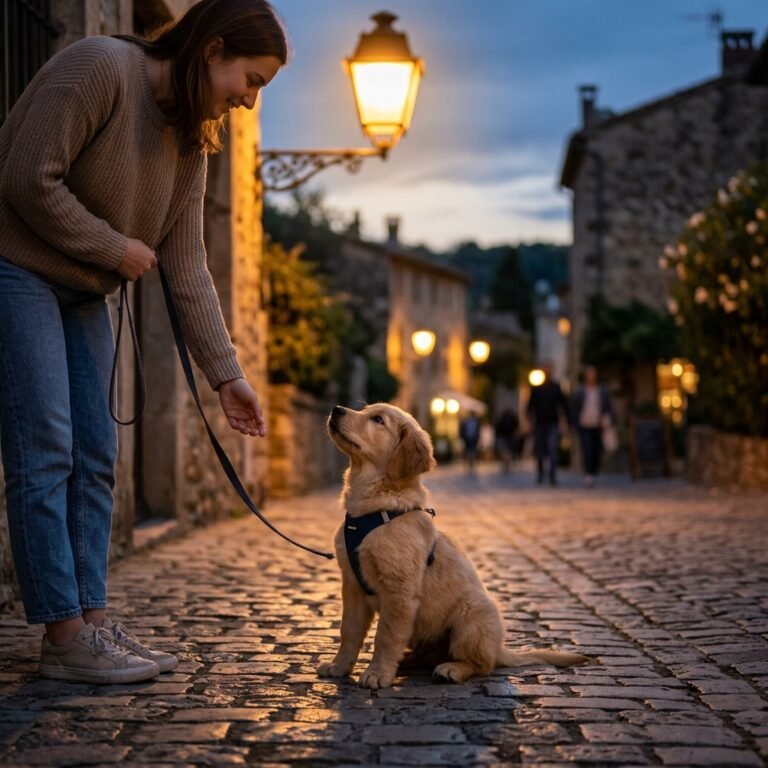
When it is time for a potty break, take the puppy directly from their crate. Do not let them wander. If they have free roam of the apartment on the way to the door, they might just stop and go on the hallway runner. Pick them up if you have to navigate hallways or elevators.
Step 2: Choose a Consistent ‘Spot’
Dogs are creatures of habit. Find a specific patch of grass or a specific corner of the sidewalk near your building. The scent of previous successes will trigger their brain to think, “Oh, this is where I do my business.”
Step 3: Use a Cue Word
As soon as your puppy starts to go, say a phrase like “Go Potty” or “Hurry Up.” Eventually, you will be able to say this word to prompt them to go, which is a lifesaver when you are in a rush or it’s raining.
Step 4: The Potty Party
The second they finish, offer a high-value treat and heavy praise. “Good boy! Yes!” You want them to think that going potty in that specific spot is the best thing they have ever done in their life.
Navigating the ‘Elevator Dash’ and Common Obstacles
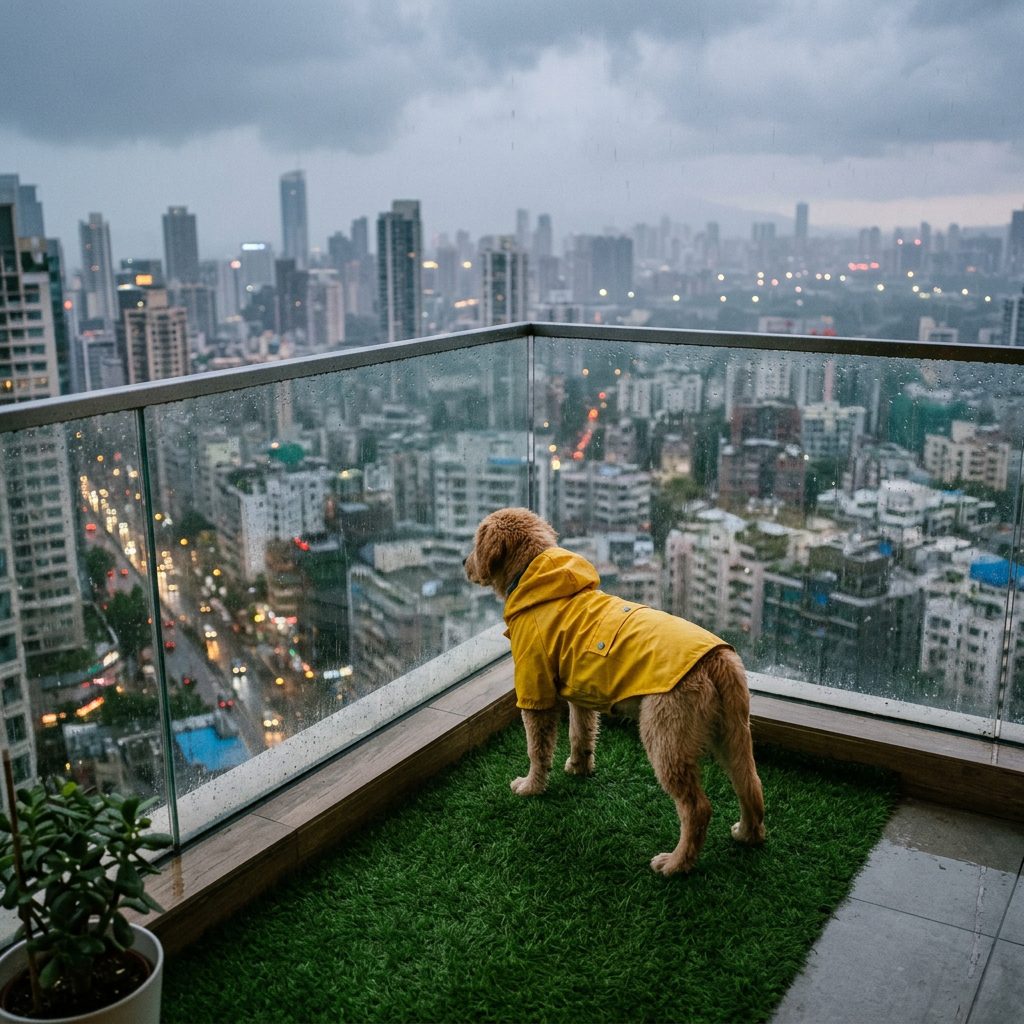
Apartment living presents unique challenges that suburban owners don’t face. The biggest one? The transit time. If you live on the 12th floor, the time between your puppy waking up and hitting the grass can be five minutes or more.
Managing the Elevator
If your puppy is too heavy to carry, keep them on a very short leash and keep them moving. If the elevator stops on multiple floors, distract them with a small treat or a ‘sit’ command to keep their mind off their bladder. Self-control is a muscle, and this is great early training.
The Balcony Solution
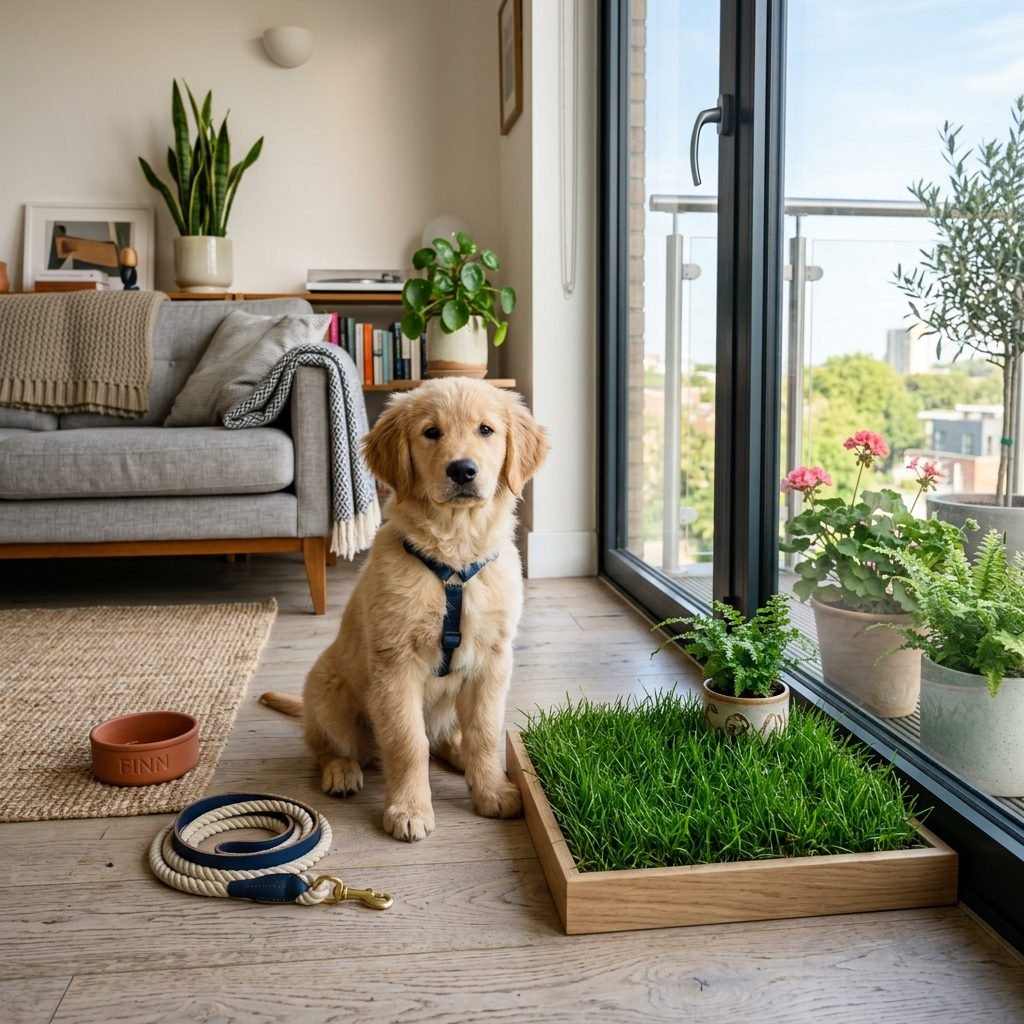
For many apartment owners, a balcony is a great middle-ground. Setting up a Real Grass Patch on a balcony can serve as the primary potty spot or an ’emergency’ spot for late nights. However, ensure the balcony is completely puppy-proofed with netting or plexiglass so there is no risk of them slipping through the railings.
Weather Woes
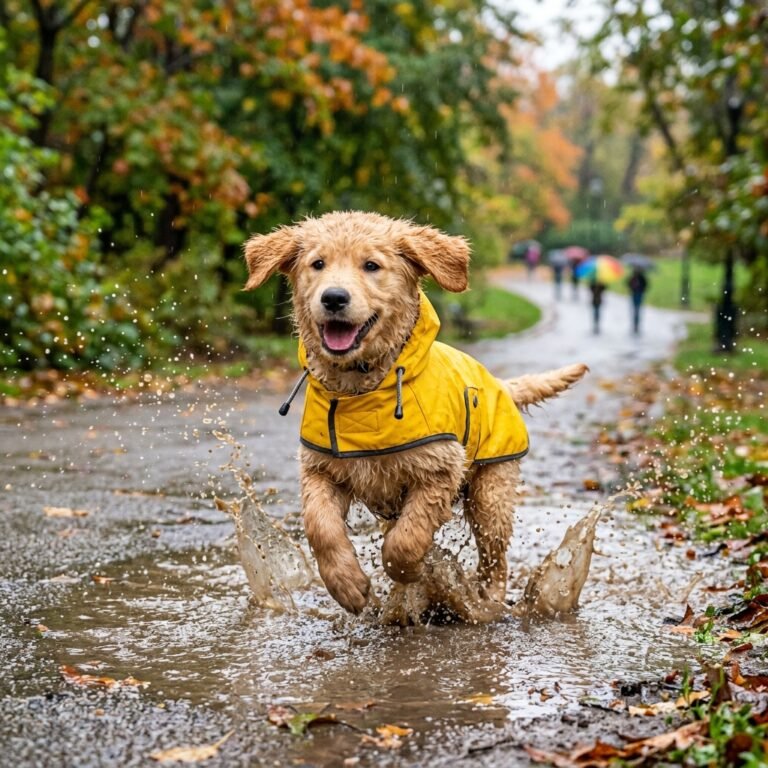
When it’s pouring rain or snowing, your puppy might refuse to go. Since you don’t have a yard to just push them into, you’ll need to be prepared. Invest in a small puppy raincoat and an umbrella. If they refuse to go, bring them back inside, put them in their crate for 10 minutes, and try again. Do not give them freedom until they have emptied their bladder.
Troubleshooting: When Accidents Happen
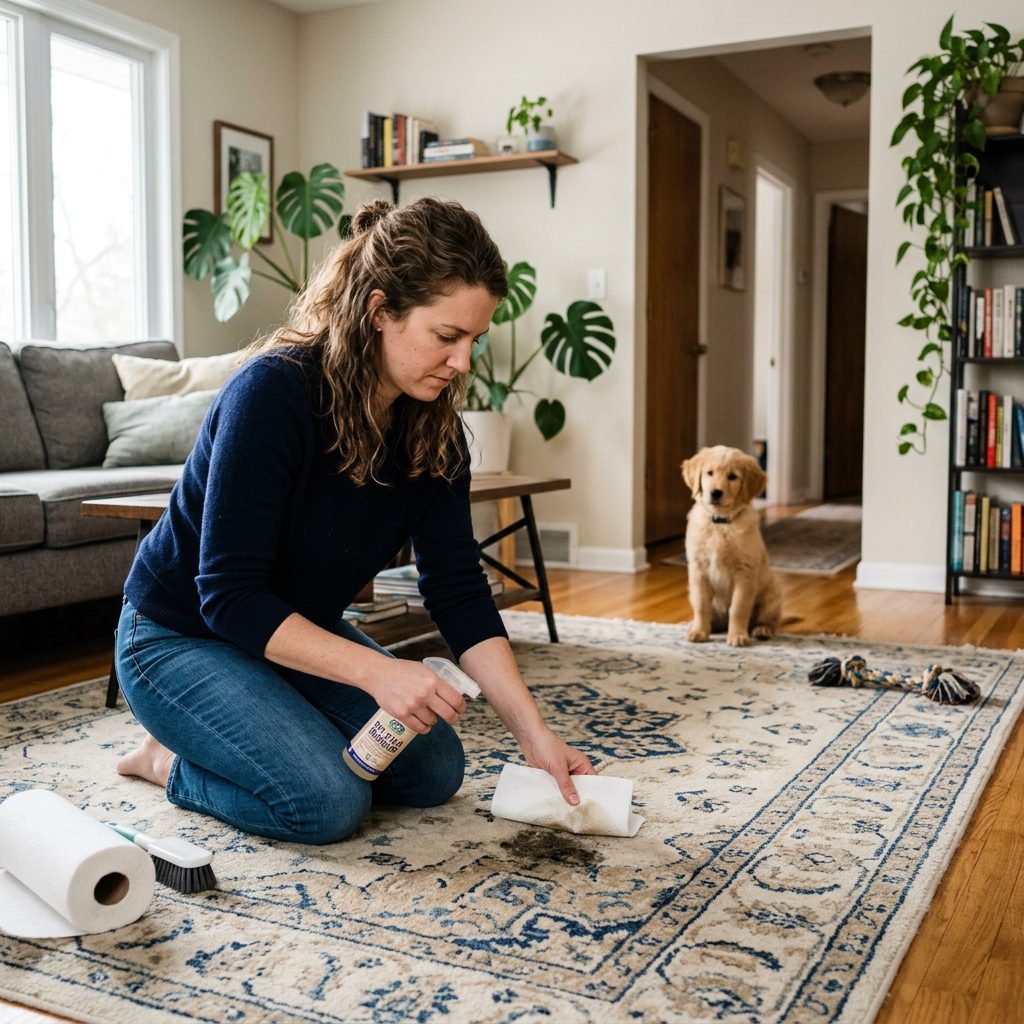
Accidents are not a sign of failure; they are a sign that the system needs a tweak. If your puppy is consistently having accidents, it usually means one of three things: they have too much freedom, you are waiting too long between breaks, or the cleaning process isn’t thorough enough.
The ‘No-Scold’ Rule
If you find a mess, do not yell or rub their nose in it. This only teaches the puppy to be afraid of you, or worse, to hide their accidents in the future (like behind the sofa). Simply clean it up with your enzymatic cleaner and move on. If you catch them in the act, a sharp “Oops!” can startle them enough to stop, then immediately whisk them to their designated potty spot to finish.
Common Apartment Pitfalls
- Too Much Space: If you give a puppy access to the whole living room, they will find a corner to use as a bathroom. Use baby gates to keep them in the same room as you.
- The ‘False Alarm’: Sometimes a puppy goes outside, gets distracted by a pigeon, and forgets to go. If they don’t go within 5-10 minutes, go back inside but keep them in the crate or on a ‘tether’ (attached to your belt) and try again in 15 minutes.
- Medical Issues: If your puppy was doing great and suddenly starts having accidents every 20 minutes, they might have a Urinary Tract Infection (UTI). Consult your vet if behavior changes abruptly.
Conclusion
House training a puppy in an apartment requires a blend of patience, consistency, and a little bit of urban ingenuity. While you might envy the person with the fenced-in yard, remember that the close quarters of an apartment actually allow you to monitor your puppy more effectively, leading to a faster learning curve if you stay diligent.
By sticking to a tight schedule, using the right tools, and staying positive through the inevitable accidents, you are setting your puppy up for a lifetime of success. Before you know it, the ‘elevator dash’ will be a thing of the past, and you’ll have a reliable, house-trained companion who is perfectly at home in the city. You’ve got this!