
Is Your Puppy Having Tantrums When Over Tired? Try This 3-Step Settle Routine
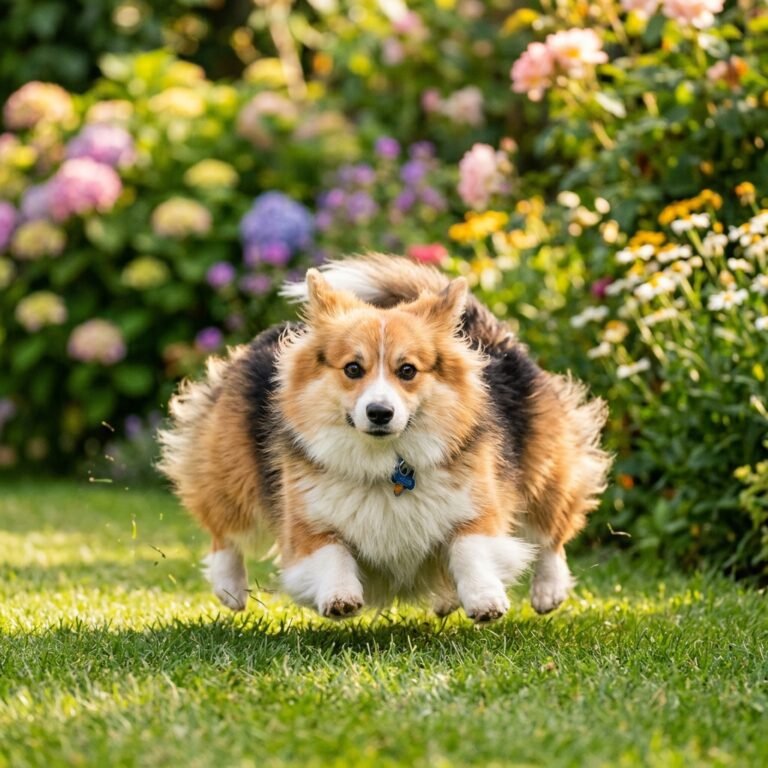
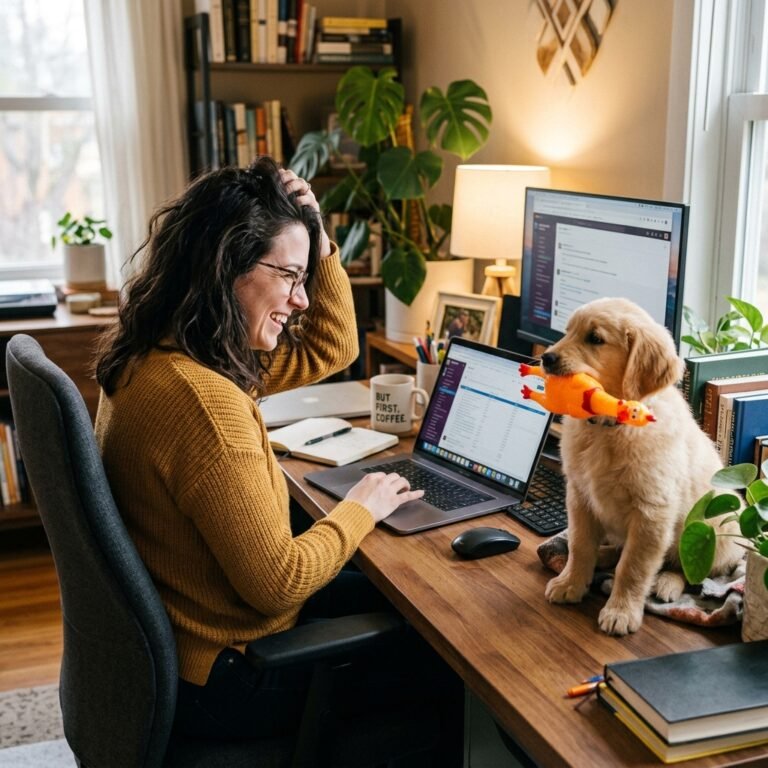
Ever looked at your sweet, fluffy little landshark and wondered where your angelic puppy went? If it is 7 PM and your puppy is suddenly biting your ankles, zooming around the living room at warp speed, and barking relentlessly at the sofa cushions, you are certainly not alone. Welcome to the infamous puppy witching hour, which is almost always a direct result of an overtired puppy having a full-blown tantrum.
As savvy dog owners, we often fall into the trap of thinking our puppies need more exercise when they act out. We take them for another walk, throw the ball a few more times, or try to engage them in a training session. But here is the secret that professional trainers know: a hyperactive, bitey puppy is rarely an under-exercised puppy. More often than not, they are a severely overtired puppy who lacks the ability to self-soothe.
Puppies are much like human toddlers. When they become exhausted, their cortisol levels spike, their brains become flooded with adrenaline, and they completely lose their ability to regulate their emotions. They do not know how to say, “Excuse me, I am feeling quite fatigued and would like to retire to my bed.” Instead, they express their exhaustion through biting, barking, and chaotic energy.
In this comprehensive guide, we are going to dive deep into the psychology of canine sleep, help you recognize the subtle and not-so-subtle signs of overtiredness, and most importantly, walk you through a foolproof 3-step settle routine. This routine is designed to help your puppy transition from a state of frantic overarousal to peaceful, restorative sleep.
Recognizing the Signs of an Overtired Puppy
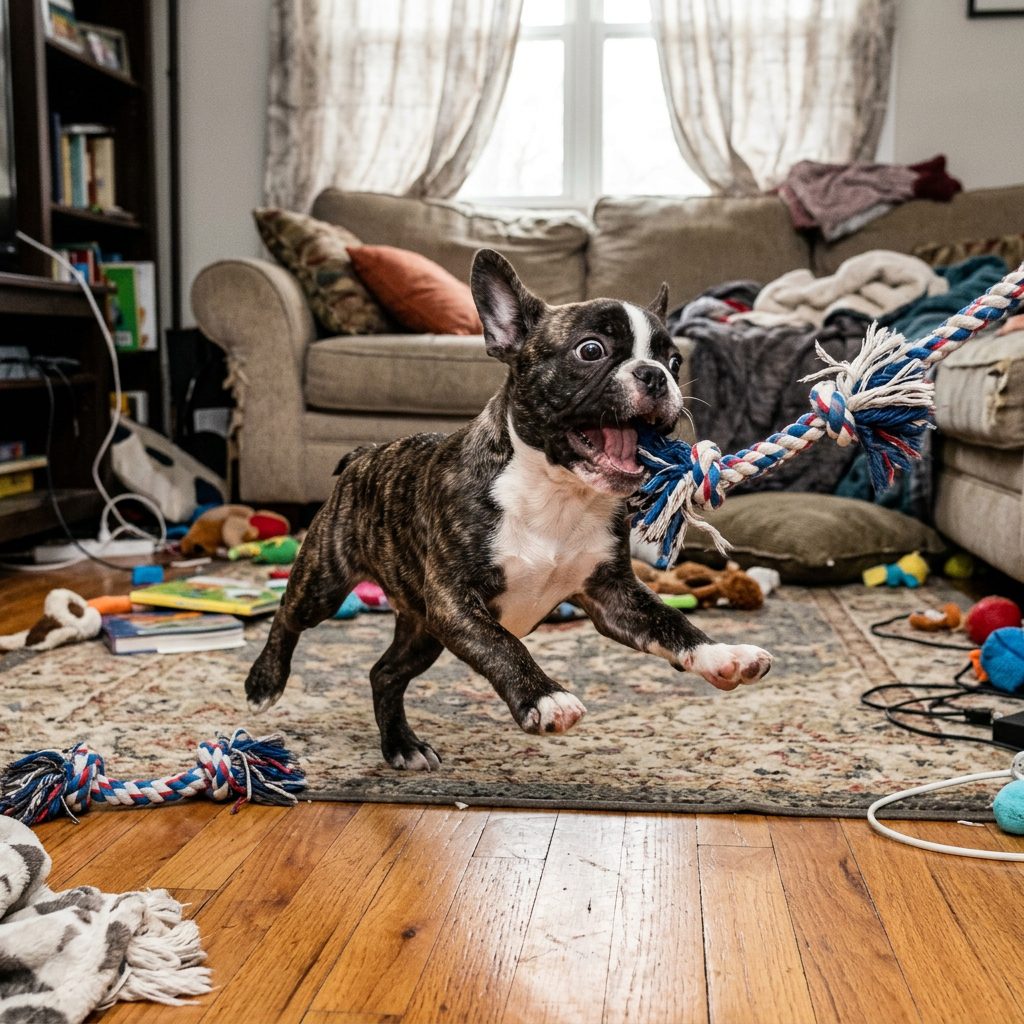
Before we can fix the problem, we need to accurately diagnose it. One of the most common mistakes new puppy owners make is misinterpreting exhaustion for pent-up energy. If you respond to an overtired puppy by hyping them up with more play, you will only exacerbate the tantrum. Here is how you can tell if your puppy is crossing the line from playful to overtired.
1. The Loss of Bite Inhibition
Puppies explore the world with their mouths, and a certain amount of nipping is entirely normal. However, when a puppy becomes overtired, their bite inhibition—their ability to control the force of their mouthing—completely vanishes. If your puppy’s gentle mouthing suddenly turns into painful, frantic biting that does not respond to your usual redirection techniques, exhaustion is likely the culprit.
2. The Zoomies (FRAPs)
Frenetic Random Activity Periods, affectionately known as the “zoomies,” are normal in dogs. But if your puppy is sprinting around the house with a tucked tail, glassy eyes, and an inability to focus on you or a toy, they are likely running on pure adrenaline because they are too tired to settle down.
3. Excessive Vocalization
Is your puppy suddenly barking at you, whining at their toys, or growling at a shadow on the wall? When the nervous system is fatigued, puppies become highly reactive to their environment. Things that normally wouldn’t bother them suddenly become triggers for vocal outbursts.
4. Inability to Focus or Listen
If your puppy knows basic commands like “sit” or “touch” but suddenly seems to have forgotten everything they’ve ever learned, their brain is simply too tired to process information. Training an overtired puppy is frustrating for both of you and completely counterproductive.
Expert Tip: Keep a journal of your puppy’s behavior for a few days. You will likely notice that these tantrums happen at the exact same times every day—usually mid-morning, late afternoon, and right before bedtime. These are your puppy’s natural crash zones!
Setting the Stage: What You Need for the Settle Routine
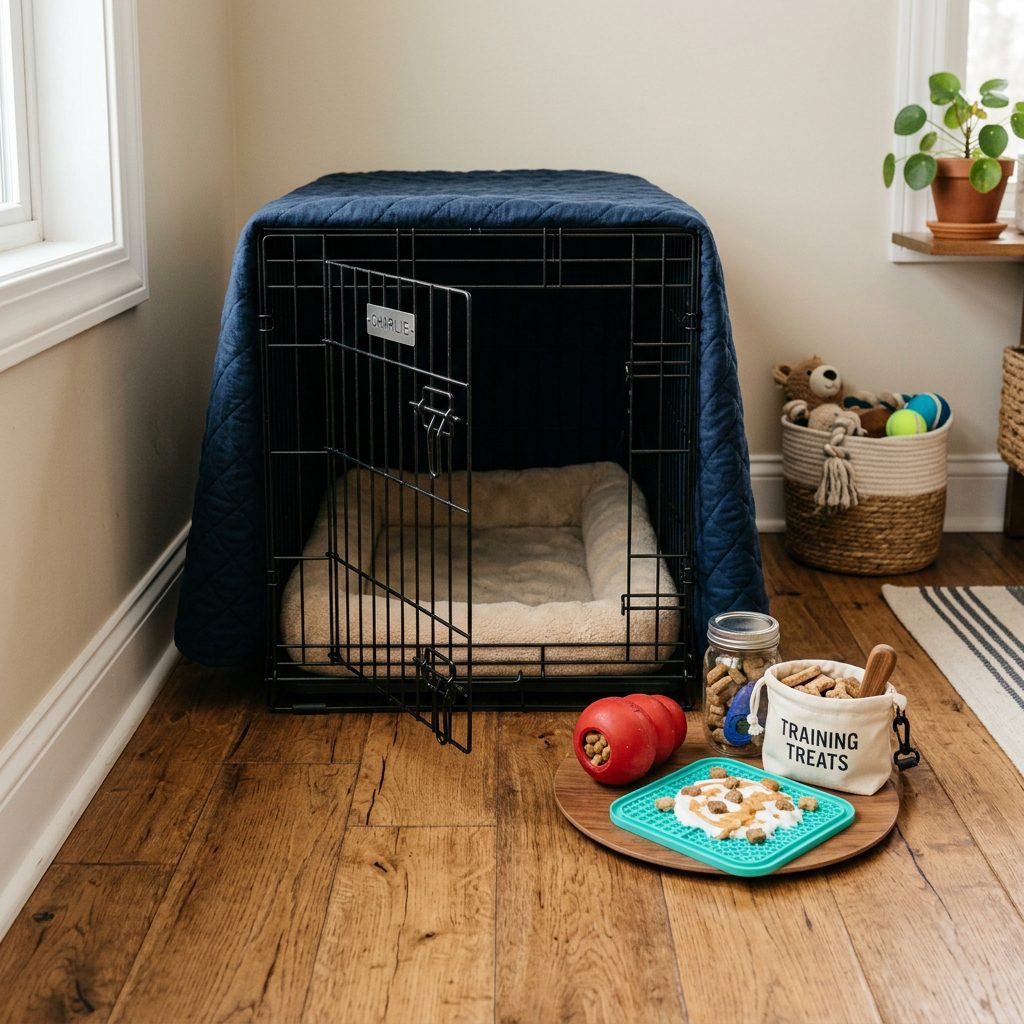
You wouldn’t try to put a human baby to sleep in the middle of a loud rock concert with no crib or pacifier. The same logic applies to your puppy. To successfully implement the 3-step settle routine, you need to set up an environment that promotes relaxation and have the right tools at your disposal.
Licking and chewing are naturally soothing behaviors for dogs. When a dog licks, their brain releases endorphins that lower their heart rate and reduce stress. We will use this biological hack to our advantage.
Essential Tools for Success
| Tool | Purpose in the Settle Routine |
|---|---|
| Wire Crate or Exercise Pen | Provides a safe, enclosed, and boring space where the puppy cannot access distracting toys or household items. |
| Crate Cover or Blanket | Blocks out visual stimulation. Puppies suffer from severe FOMO (Fear Of Missing Out) and will fight sleep if they can see you moving around. |
| Stuffed Kong or Lick Mat | Provides a focused, repetitive activity. The act of licking releases calming endorphins that transition the brain from active to sleepy. |
| White Noise Machine or Fan | Drowns out household noises (doors closing, people talking, outside traffic) that might startle a drifting puppy back awake. |
| High-Value Calming Treats | Soft, smelly treats used to build positive associations with the settling area without requiring high-energy chewing. |
Before you begin the routine, ensure you have a Kong or a lick mat pre-stuffed and frozen. Having these ready in your freezer is a lifesaver when a tantrum strikes suddenly. Great stuffing options include plain Greek yogurt, dog-safe peanut butter (xylitol-free!), mashed sweet potato, or soaked puppy kibble.
The Core Guide: Your 3-Step Settle Routine
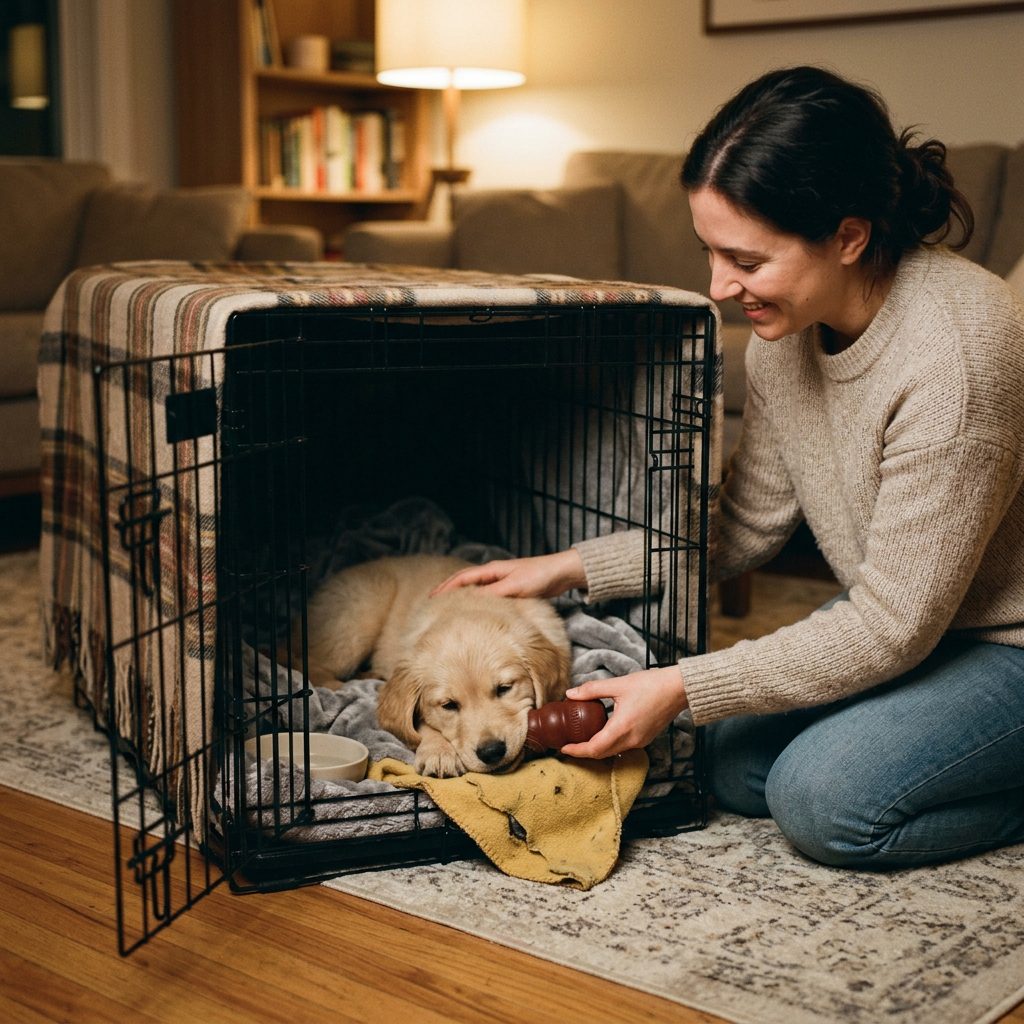
Now that you know the signs and have your tools ready, it is time to implement the routine. As soon as you notice the glassy eyes, the hard biting, or the frantic pacing, do not wait. Intervene immediately with these three steps.
Step 1: The Environmental Reset
The first step is to completely change the energy of the room. When a puppy is overaroused, every sight and sound is fuel for their frantic fire. You need to become incredibly boring.
- Stop all play immediately. Do not throw the toy again, do not push them away (which they interpret as a wrestling game), and do not yell.
- Lower your voice. Speak in slow, quiet, soothing tones. Avoid high-pitched “puppy talk” which increases arousal.
- Dim the lights. If it is evening, turn off the overhead lights and use a dim lamp. This signals to their circadian rhythm that it is time to wind down.
- Limit movement. Sit down on the floor or a chair. If you are rushing around cleaning the kitchen, your puppy will try to follow you and stay awake.
Step 2: The Focused Decompression Activity
You cannot simply tell an overtired, zooming puppy to “go to sleep.” Their brain is moving a million miles an hour. You have to provide a bridge between frantic activity and sleep. This is where your frozen Kong or lick mat comes in.
Guide your puppy to their crate, pen, or a designated “place” cot. Hand them the frozen chew. Do not ask for any obedience commands like “sit” or “down”—remember, their brain is too tired to process commands, and failing a command will just frustrate them. Simply offer the item.
As they begin to lick, you will literally see their body language change. The stiff muscles will relax, their breathing will slow down, and their eyes will soften. Allow them to engage in this decompression activity for about 5 to 10 minutes. The repetitive motion acts as a canine pacifier, soothing their frazzled nervous system.
Step 3: The Enforced Nap
Once the puppy has decompressed and the edge has been taken off their tantrum, it is time for the enforced nap. Many owners feel guilty about enforcing naps, but it is one of the most loving things you can do for a growing puppy.
- If they aren’t already in their crate or pen, gently lure them in with a small treat.
- Remove the chew toy if they have lost interest in it, so they don’t get a second wind playing with it.
- Close the door or gate calmly.
- Drop the crate cover over the crate to eliminate visual FOMO.
- Turn on your white noise machine or a fan to drown out household sounds.
- Walk away. Let them sleep for 1.5 to 2 hours.
Expert Tip: Ensure the crate is located in a quiet, temperature-controlled room. Puppies run hot, and if they are too warm, they will not be able to settle. A cooling mat inside the crate can work wonders for fluffy breeds!
Troubleshooting Common Settle Routine Mistakes
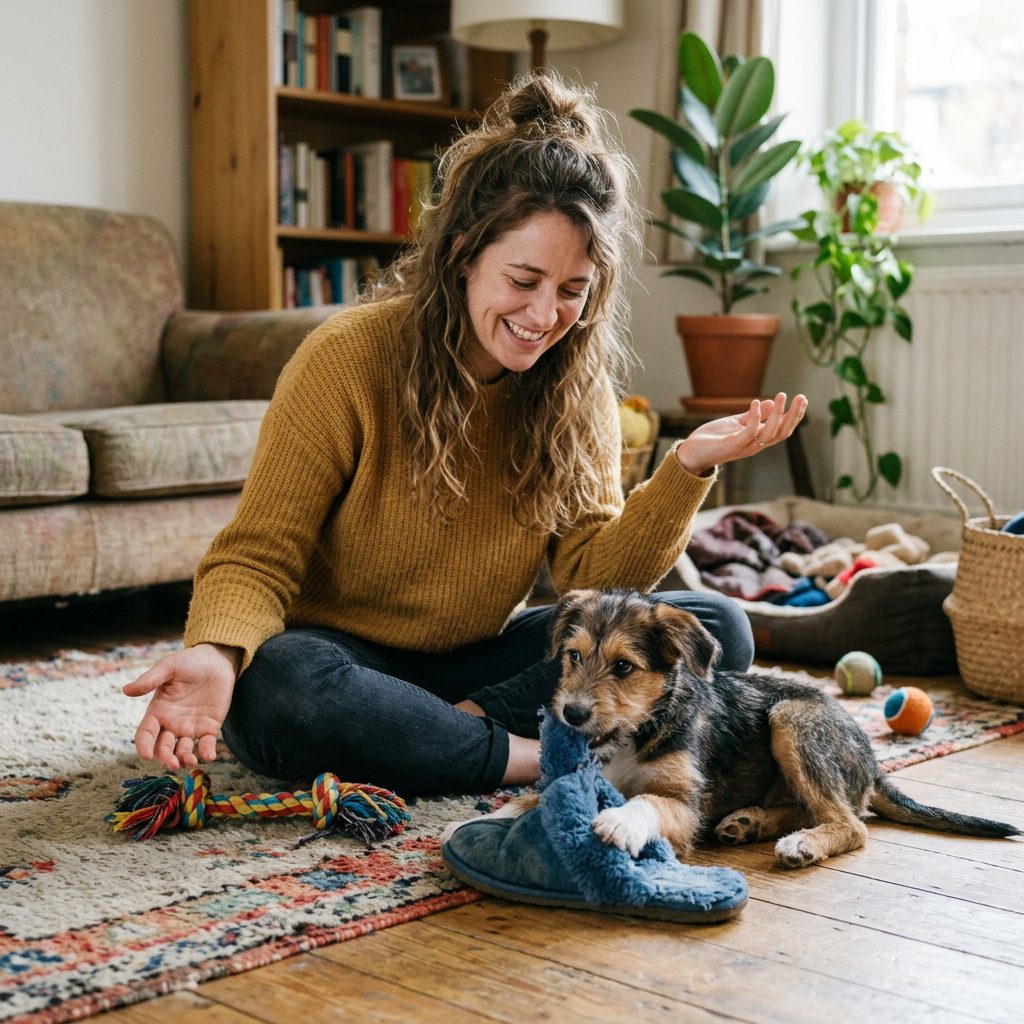
Dog training is rarely perfectly linear, and your puppy might protest this new routine at first. If your puppy is still struggling to settle, you might be falling victim to one of these common pitfalls.
Mistake 1: Waiting Too Long to Start the Routine
If you wait until your puppy is actively tearing a hole in your sofa or drawing blood from your ankles, you have waited too long. The key to a successful settle routine is catching the overtiredness at the start of the curve, not the peak. Look for the early signs: a yawn, slightly heavier panting, or a sudden loss of interest in a favorite toy.
Mistake 2: The Extinction Burst (Giving In to the Crying)
When you first start enforcing naps, your puppy might complain. They might whine, bark, or dig at the crate floor. This is normal. It is crucial that you do not let them out while they are actively throwing a fit. If you let them out when they bark, you have just taught them that barking opens doors.
However, there is a difference between a tired “protest whine” and true panic. A protest whine usually lasts 5-15 minutes and involves settling down, popping back up to whine, and settling down again. True panic involves drooling, frantic biting at the bars, and non-stop screaming. If your puppy is panicking, you need to take a step back and work on foundational crate training games during their waking hours.
Mistake 3: The Crate is Too Entertaining
A crate meant for sleeping should be boring. If you leave five different squeaky toys, a rope, and a bone in the crate, your puppy will stay awake playing with them. Once the decompression licking phase (Step 2) is over, the crate should only contain comfortable bedding (if your puppy doesn’t chew it) and perhaps one safe, durable chew like a Nylabone.
Mistake 4: Needing to Potty
Always ensure your puppy’s physical needs are met before enforcing a nap. If they are whining relentlessly in the crate, ask yourself when they last went to the bathroom. If it has been a while, take them out on a leash (to prevent playtime), stand in one boring spot for 3 minutes, and if they go, calmly praise them and put them right back in the crate.
Creating a Healthy Daily Nap Schedule
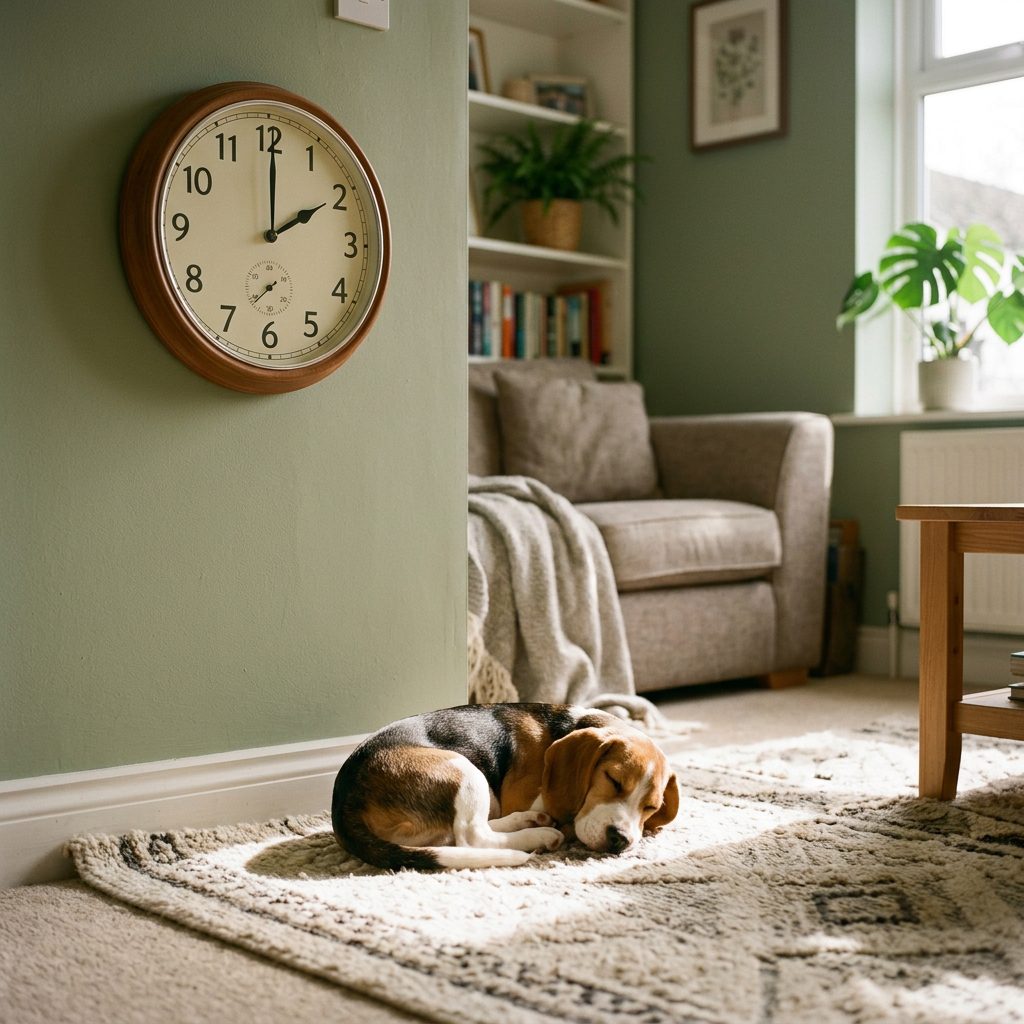
The absolute best way to handle overtired puppy tantrums is to prevent them from happening in the first place. Puppies need an astonishing amount of sleep—typically 18 to 20 hours a day for optimal brain development, physical growth, and immune system health.
If you leave it up to your puppy to decide when to sleep, they will likely stay awake following you around the house until they literally collapse. This is why implementing a strict “1-Up, 2-Down” schedule is a game-changer for savvy dog owners.
The 1-Up, 2-Down Rule
The concept is simple: for every 1 hour your puppy is awake and active, they go into their crate or pen for a 2-hour enforced nap. During that 1 hour awake, you should pack in all their needs: potty breaks, a short training session, playtime, meals, and socialization.
Here is what a sample schedule looks like for a typical 10-week-old puppy:
| Time of Day | Activity (Awake vs. Asleep) |
|---|---|
| 7:00 AM – 8:00 AM | AWAKE: Wake up, immediate potty, breakfast (use a puzzle toy!), short walk or play session, potty again. |
| 8:00 AM – 10:00 AM | ASLEEP: Enforced Nap in covered crate. |
| 10:00 AM – 11:00 AM | AWAKE: Potty, 5-minute training session (sit, down, name recognition), free play in a safe area. |
| 11:00 AM – 1:00 PM | ASLEEP: Enforced Nap in covered crate. |
| 1:00 PM – 2:00 PM | AWAKE: Potty, lunch, socialization activity (listening to new sounds, exploring the garden). |
| 2:00 PM – 4:00 PM | ASLEEP: Enforced Nap in covered crate. |
| 4:00 PM – 5:00 PM | AWAKE: Potty, active play (fetch, tug), short training session. |
| 5:00 PM – 7:00 PM | ASLEEP: Enforced Nap in covered crate. |
| 7:00 PM – 8:30 PM | AWAKE: Potty, dinner, calm evening activities (chewing a bone, cuddling). *Witching hour danger zone – use the 3-Step Settle Routine here!* |
| 8:30 PM | BEDTIME: Final potty break, into the crate for the night. |
By sticking to a schedule like this, you ensure your puppy’s brain has the time it needs to consolidate the memories and training from the day. You will find that a well-rested puppy is significantly easier to train, bites less, and is generally a joy to be around.
Conclusion
Raising a puppy is incredibly rewarding, but it is also undeniably exhausting. When your puppy is in the middle of an overtired tantrum, it is easy to feel frustrated and overwhelmed. Take a deep breath. Remember that your puppy isn’t giving you a hard time; they are having a hard time.
By recognizing the signs of exhaustion early, preparing your environment, and consistently applying the 3-Step Settle Routine (Reset the Environment, Decompression Activity, Enforced Nap), you are giving your puppy the tools they need to regulate their nervous system. Consistency is your best friend here. Stick to your enforced nap schedule, be patient with the protests, and soon enough, those chaotic evening witching hours will transform into peaceful, relaxing evenings for both you and your growing dog.
You’ve got this! Grab that frozen Kong, dim the lights, and enjoy the peace and quiet of a sleeping puppy.