Stop Puppy Chewing Sticks And Wood: 5 Life-Saving Chew Alternatives
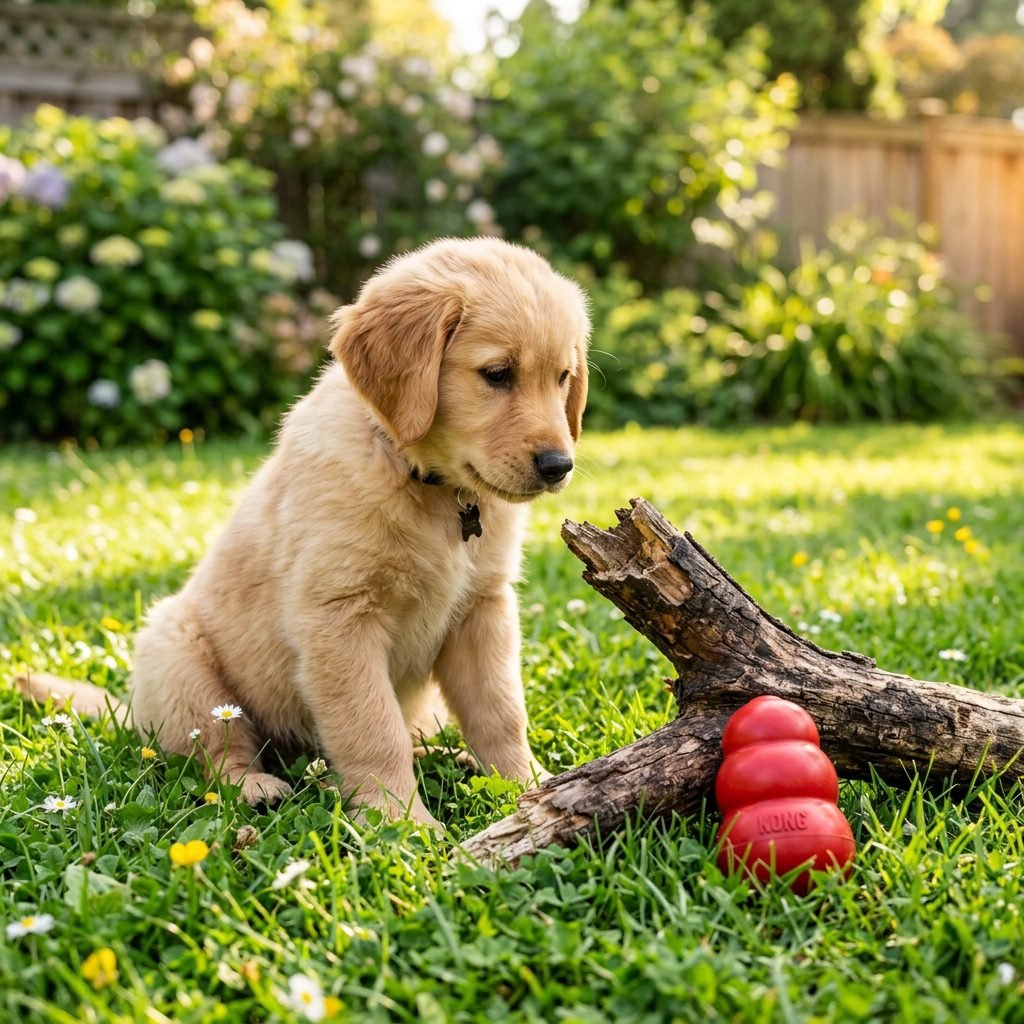
Welcome to the wonderful, slightly chaotic world of puppy parenthood! If you are reading this, chances are you have a furry little landshark at home who seems to think your backyard is an all-you-can-eat wood buffet. Whether it is twigs, fallen branches, or even the legs of your favorite dining room chair, puppies have an uncanny obsession with chewing sticks and wood.
As savvy dog owners, we know that chewing is a completely natural behavior. In fact, it is essential for their development! However, while it might look cute when your pup proudly prances around with a stick twice their size, chewing and ingesting wood can pose severe, life-threatening risks to their health. From painful splinters to emergency surgeries for intestinal blockages, sticks are simply not safe chew toys.
But do not worry! You do not have to pave over your backyard or keep your pup in a bubble. In this comprehensive guide, we are going to dive deep into exactly why your dog loves wood, the hidden dangers you need to watch out for, and, most importantly, 5 life-saving chew alternatives that will satisfy their cravings safely. Plus, we will share some expert, step-by-step training tips to help your pup make the right choices. Let us get started and keep those tails wagging safely!
Why Is My Puppy Obsessed with Chewing Sticks and Wood?
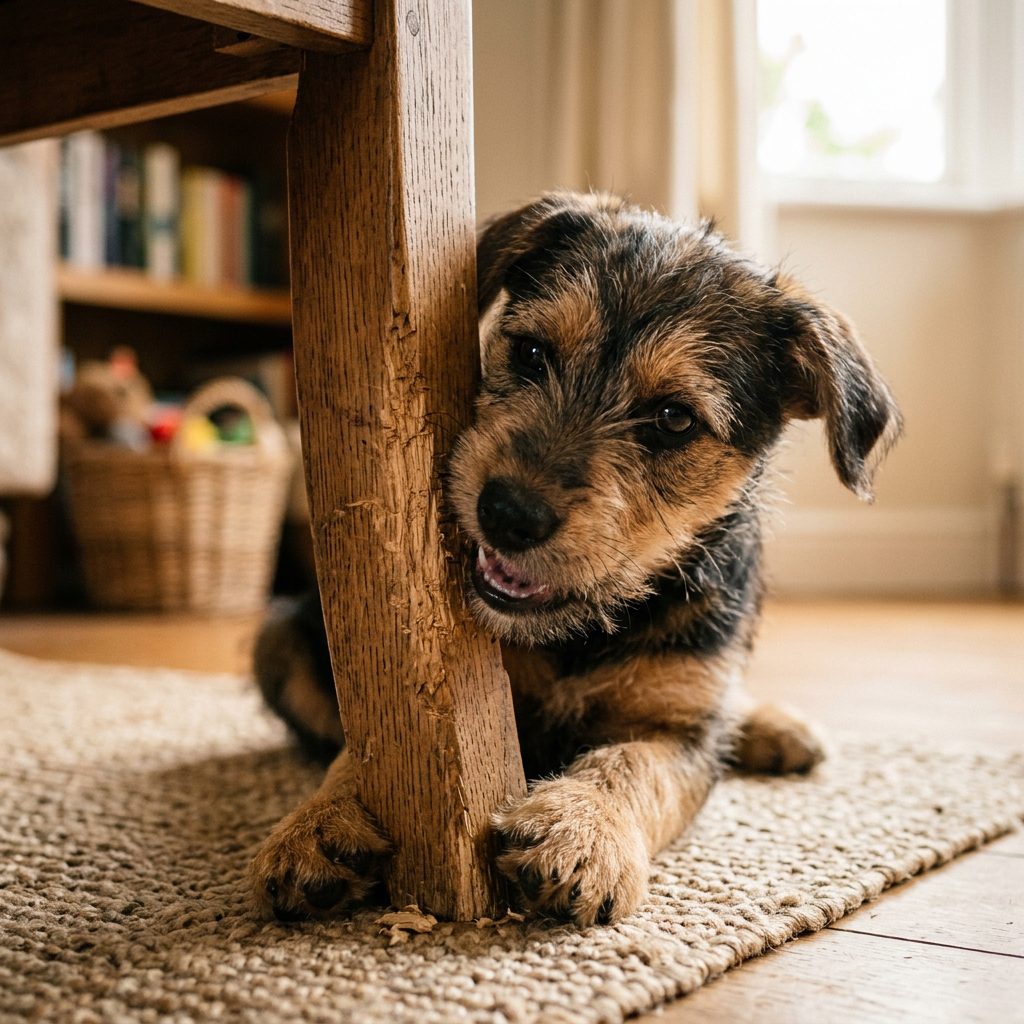
Before we can stop the behavior, we need to understand the why behind it. Puppies do not chew wood just to drive us crazy; there are deeply ingrained biological and behavioral reasons for this woody obsession.
- Teething Relief: Just like human babies, puppies go through a painful teething phase. Between the ages of three to six months, their adult teeth are pushing through the gums. The firm, yielding texture of wood feels incredibly soothing on their sore gums.
- Exploration: Puppies explore the world primarily through their mouths. A stick is a fascinating object with unique textures, earthy smells, and a satisfying crunch.
- Boredom and Frustration: If a puppy is under-stimulated, they will find their own job to do. Often, that job becomes landscape demolition. Chewing is a self-soothing behavior that releases endorphins, making it a go-to activity for a bored pup.
- Pica: In rare cases, an obsession with eating non-food items (like wood, dirt, or rocks) can be a sign of a medical condition or nutritional deficiency known as Pica. If your dog is frantically consuming wood rather than just chewing it, a vet visit is in order.
Understanding these triggers is the first step in redirecting the behavior. If we know they need texture, relief, or entertainment, we can provide safe alternatives that tick all those boxes without the risks.
The Hidden Dangers of Wood Chewing

It is easy to brush off stick chewing as a natural dog behavior. After all, wild dogs chew on sticks, right? While that may be true, modern veterinary medicine tells us a different story about the aftermath. Allowing your puppy to chew on sticks and wood is a game of Russian roulette with their digestive tract.
“As a veterinarian, I see countless emergency visits every year due to sticks. From punctured palates to severe intestinal blockages, the damage a simple piece of wood can do is devastating and entirely preventable.”
Here is a breakdown of the specific dangers associated with wood chewing:
| Danger Type | What Happens | Potential Consequences |
|---|---|---|
| Oral Splinters | Wood splinters and gets lodged in the gums, tongue, or roof of the mouth. | Severe pain, bleeding, infection, and abscesses requiring sedation to remove. |
| Throat Punctures | A sharp stick is swallowed or jammed into the back of the throat while running. | Life-threatening trauma to the esophagus, airway obstruction, emergency surgery. |
| Intestinal Blockages | Large chunks of wood are swallowed and cannot pass through the digestive tract. | Vomiting, lethargy, necrosis of the bowel, and expensive, high-risk abdominal surgery. |
| Toxicity | Certain types of wood and bark contain natural toxins or fungi. | Gastrointestinal upset, neurological issues, or fatal poisoning (e.g., Black Walnut, Yew). |
As you can see, the risks far outweigh the temporary joy your puppy gets from a stick. This is why introducing safe, durable chew alternatives is absolutely critical for savvy dog owners.
5 Life-Saving Chew Alternatives for Your Puppy
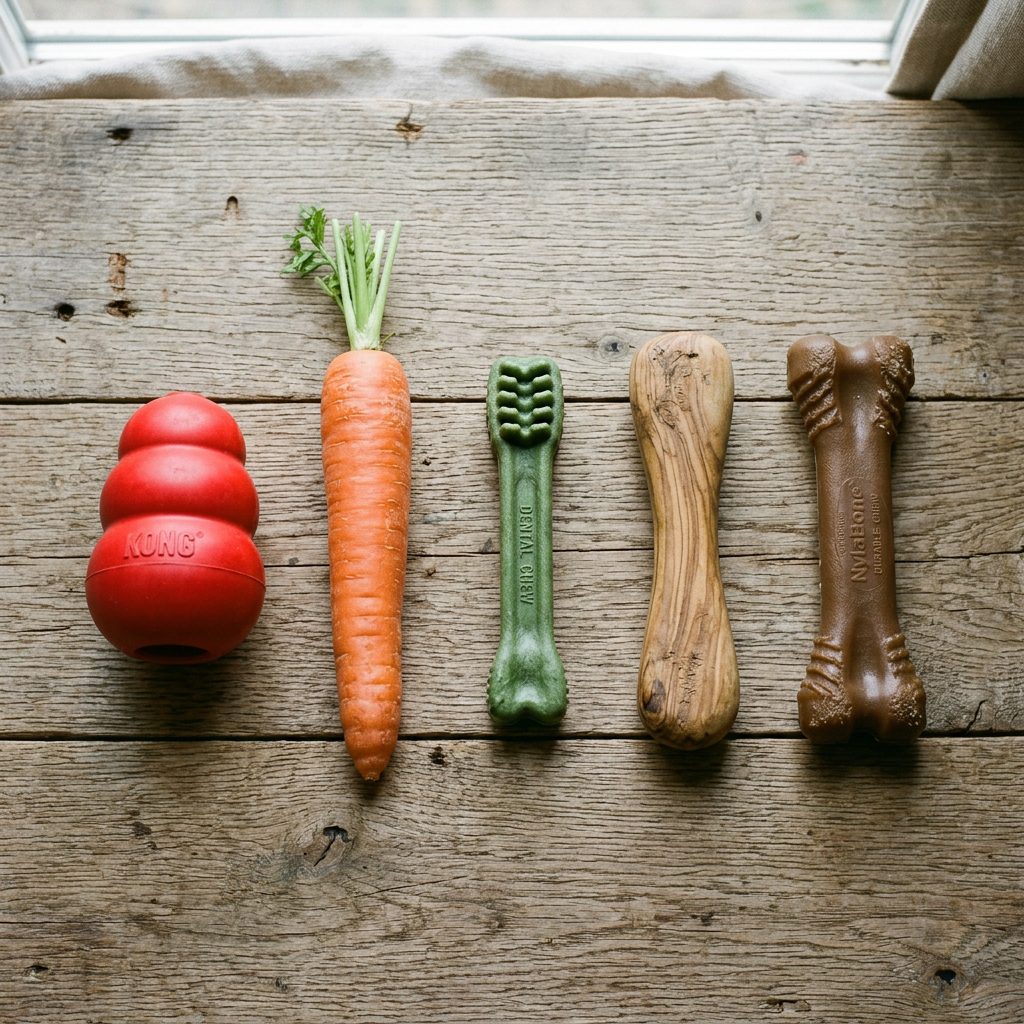
Now for the fun part! Since we know your puppy needs to chew, we must provide them with safe, satisfying outlets. The goal is to find alternatives that mimic the sensation of wood—firm, satisfying, and engaging—without the splintering hazards. Here are 5 life-saving chew alternatives to swap out for those dangerous sticks.
1. Safe, Splinter-Free Wood Chews (Coffee Wood or Olive Wood)
If your dog is an absolute wood purist and turns their nose up at synthetic toys, safe wood chews are your best friend. Products made from sustainably sourced Coffee Wood or Olive Wood are specially dried and graded. Unlike regular sticks, these woods do not splinter into sharp shards; instead, they break down into soft, pulpy fibers that are safe to digest in small amounts. They provide the exact earthy taste and texture your dog craves.
2. Heavy-Duty Rubber Toys (Like KONGs)
You cannot go wrong with a classic. Heavy-duty rubber toys are fantastic for teething puppies. To make them even more appealing than a stick, stuff them with puppy-safe peanut butter, plain yogurt, or mashed banana, and freeze them. The cold rubber will soothe their inflamed gums, and working to get the food out provides incredible mental stimulation, curing the boredom that often leads to stick chewing.
3. Frozen Carrots and Veggies
Looking for a natural, healthy, and cheap alternative? Look no further than your crisper drawer! Large, whole carrots that have been frozen solid are an amazing, edible chew for puppies. They are packed with vitamins, low in calories, and the hard, cold texture is a perfect substitute for wood. Just be sure to supervise to ensure they chew it rather than trying to swallow large chunks.
4. High-Quality Edible Dental Chews
If your pup loves the crunch of a stick, edible dental chews are a fantastic swap. Look for VOHC (Veterinary Oral Health Council) approved chews that are appropriately sized for your puppy. These chews are designed to be broken down safely in the stomach while providing a satisfying, long-lasting chewing experience that also cleans their teeth.
5. Durable Synthetic Nylon Bones
For the extreme power chewers, synthetic nylon bones (like Nylabones or Benebones) infused with real wood or bacon flavors can be a lifesaver. These are designed to withstand aggressive chewing. As the dog chews, the toy roughs up, creating tiny, safe bristles that act like a toothbrush. Note: Always inspect these regularly and replace them if large chunks begin to break off.
| Alternative Type | Best For… | Durability Level |
|---|---|---|
| Coffee/Olive Wood | The Wood Purist | Medium |
| Stuffed Rubber Toys | Boredom & Teething | High |
| Frozen Carrots | Healthy Snackers | Low (Eaten quickly) |
| Dental Chews | Crunch Seekers | Low (Eaten quickly) |
| Synthetic Bones | Power Chewers | Very High |
Step-by-Step Training: How to Swap Sticks for Safe Chews
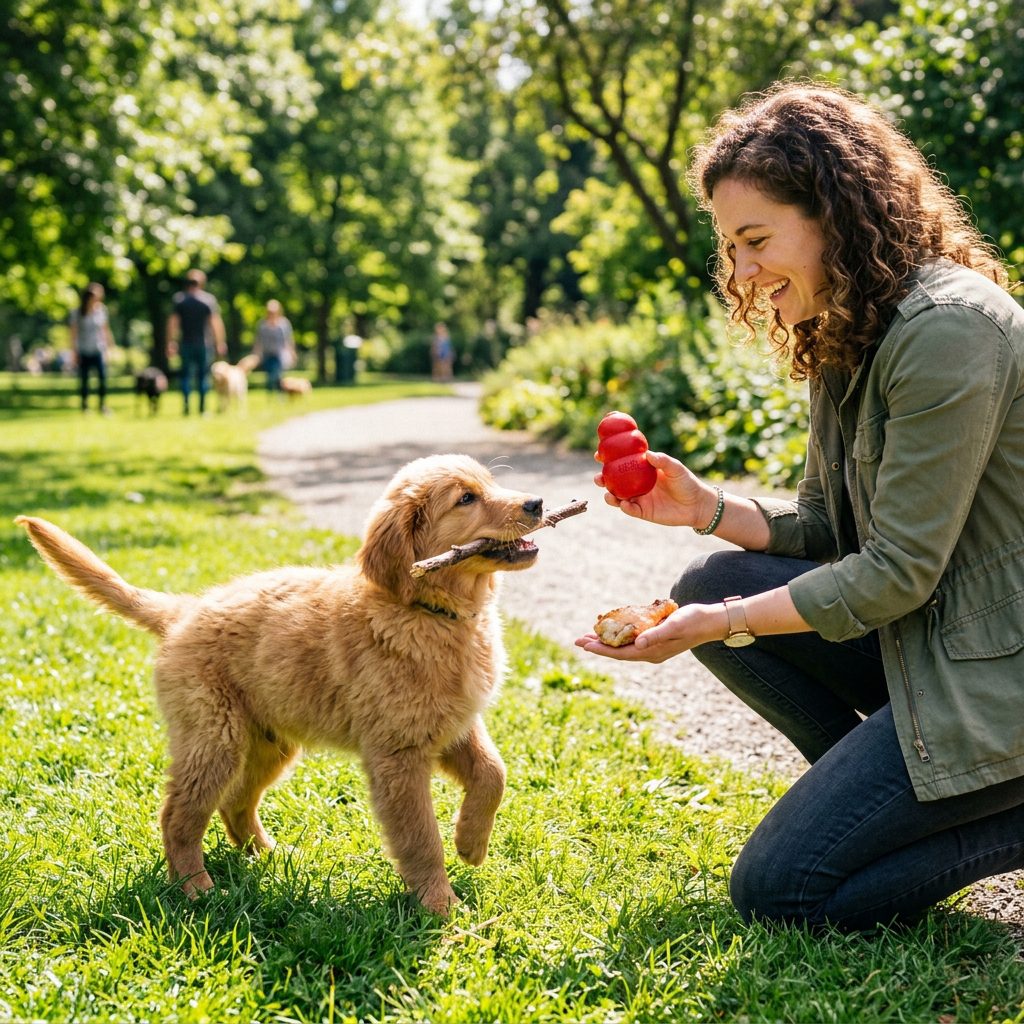
Having the right tools is only half the battle; now you need to teach your puppy to make the right choice. You cannot simply take the stick away and expect them not to find another one. We must use positive reinforcement to teach them that our alternatives are far superior. Here is a step-by-step guide to the Trade Game.
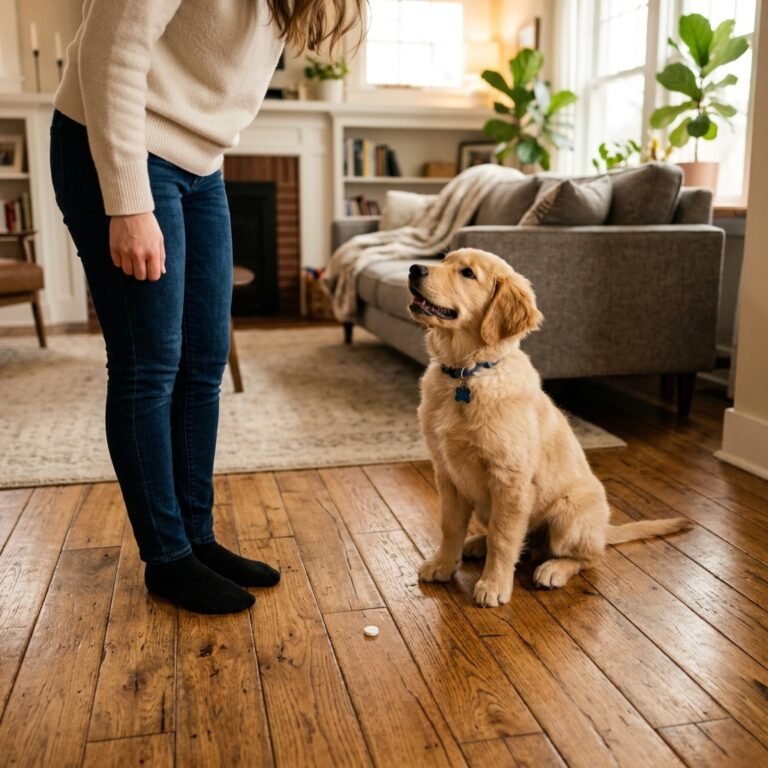
- Step 1: Arm Yourself with High-Value Rewards. Before you head into the yard, fill your pockets with high-value treats (like boiled chicken or hot dogs) and bring one of your life-saving chew alternatives.
- Step 2: Observe and Approach Calmly. Let your puppy explore. When they inevitably pick up a stick, do not panic or yell. Running toward them will initiate a game of “Keep Away,” which reinforces the stick-stealing behavior. Approach calmly.
- Step 3: Introduce the “Trade” Command. Hold the high-value treat right up to their nose. Because they cannot smell the treat and hold the stick at the same time, they will naturally drop the stick. The second the stick hits the ground, say “Trade!” in an upbeat voice and give them the treat.
- Step 4: Remove the Hazard and Provide the Alternative. While they are eating the treat, casually kick the stick out of reach or pick it up. Immediately offer them the safe chew alternative (like the stuffed KONG or Coffee Wood chew) and praise them enthusiastically when they take it.
- Step 5: Rinse and Repeat. Consistency is key. Practice this every single time they pick up a stick. Eventually, your puppy will learn that giving up a stick results in an amazing treat and an even better toy.
Additionally, practice the “Leave It” command during controlled training sessions indoors, gradually moving to the backyard with sticks as the target object once their indoor skills are solid.
Troubleshooting Common Setbacks
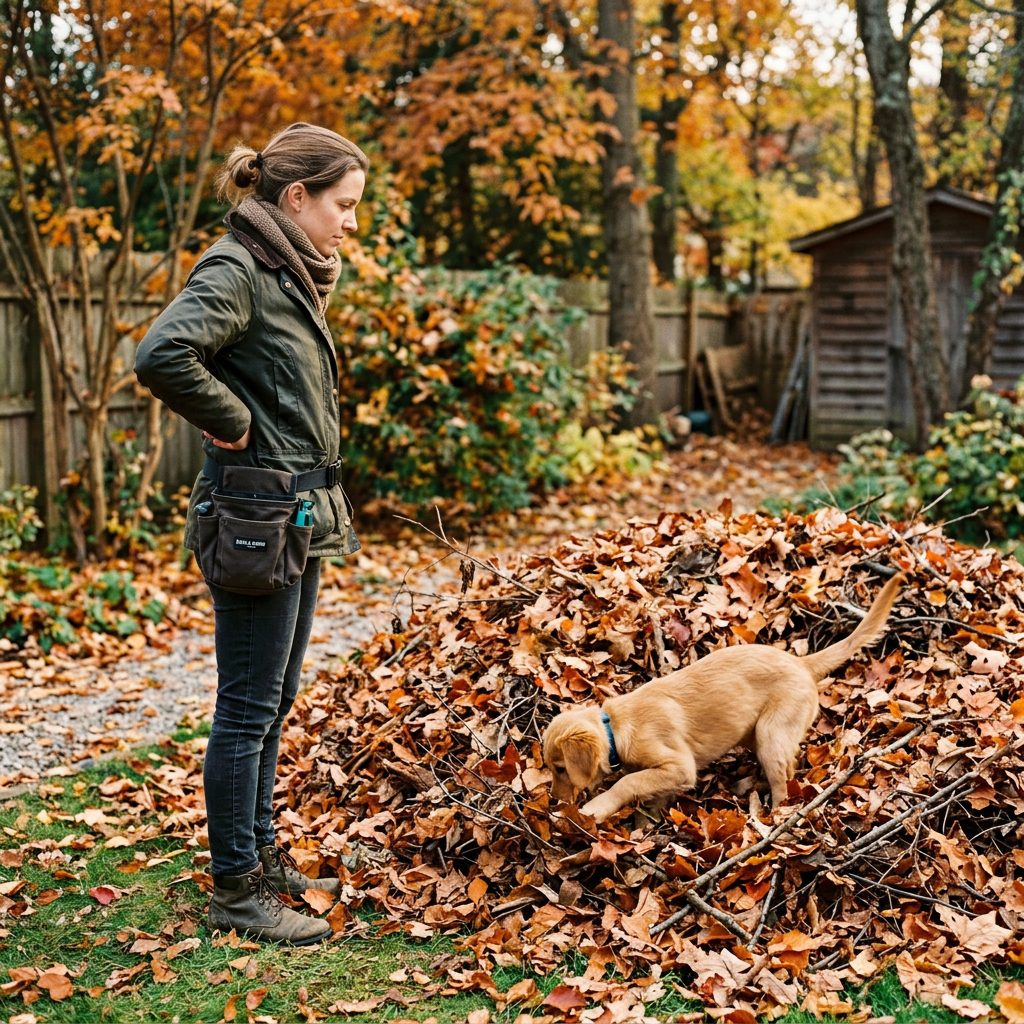
Training a puppy is rarely a straight line. You will have days where your dog seems to forget everything and reverts to being a little beaver. Here are a few common troubleshooting tips to keep you on the path to success.
- My puppy ignores the safe chew and goes back to the stick: Your alternative might not be high-value enough. If you are offering a plain rubber toy, try smearing a tiny bit of peanut butter on it. You have to make the safe option more exciting than the forbidden wood.
- My dog runs away when I try to trade: You have accidentally triggered a game of chase. Next time, do not move toward them. Instead, run away from them while making exciting noises, holding the high-value treat or toy. Dogs love to chase; let them come to you to initiate the trade.
- My yard is completely covered in sticks! Management is just as important as training. While you are working on the “Leave It” and “Trade” commands, you must manage their environment. Spend 10 minutes before playtime clearing the yard of major debris, or keep your puppy on a long training lead so you can gently prevent them from reaching the stick pile.
Remember, patience is your greatest tool. Puppies outgrow the intense teething phase, and with consistent guidance, their desire to chew inappropriate objects will fade, replaced by a love for the safe toys you have provided.
Conclusion
Stopping your puppy from chewing sticks and wood might feel like a full-time job, but it is one of the most important things you can do to protect their health. By understanding the root cause of their chewing, recognizing the severe hidden dangers of wood, and providing them with our 5 life-saving chew alternatives, you are setting your furry best friend up for a safe and happy life.
Remember to utilize the “Trade” game, keep high-value alternatives on hand, and manage their environment while they learn. With a little bit of patience, consistency, and the right tools, you will successfully guide your puppy through their teething phase without a single splinter. Happy training, savvy dog owners—you have got this!