Skip the Chemicals: How to Dye Dog Frosting Vibrant Colors Using 100% Natural Superfoods
Welcome to the Canine Nutrition Hacker Kitchen
Let us get one thing straight right out of the gate: dogs are colorblind to the vibrant neon hues we plaster all over their birthday cakes and gourmet bakery treats. They do not care if their frosting is electric blue or fire-engine red. Those colors are strictly for us, the humans, so we can take cute photos for social media. But here is the insider secret the commercial pet treat industry does not want you to think about: if the color is for us, why are we feeding our dogs synthetic, petroleum-based chemicals just to achieve it? As a savvy dog owner, you already know that what goes into your dog’s body dictates their health, longevity, and vitality. It is time to stop compromising.
SAFETY DISCLAIMER: I am a canine nutrition hacker and a passionate dog parent, not a licensed veterinarian. While the superfoods discussed in this guide are generally recognized as safe and highly beneficial, every dog is unique. Always introduce new foods slowly to monitor for gastrointestinal upset, and consult your holistic vet if your dog has specific health conditions, allergies, or a history of pancreatitis. Homemade treats and frostings are meant for supplemental feeding and joyous occasions, not as a complete diet replacement. Ensure you are accounting for these extra calories in your dog’s daily intake.
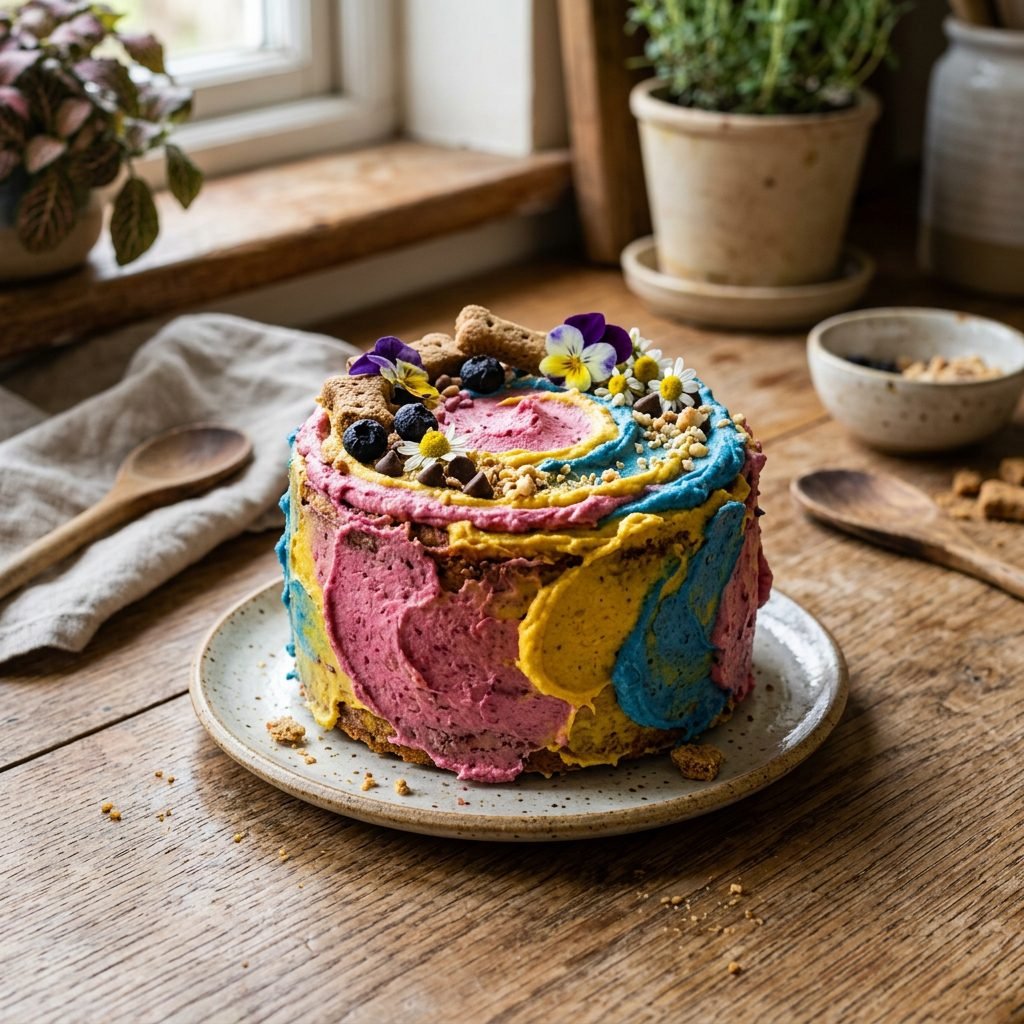
Today, we are going to forensic-level depths to expose the useless filler dyes in commercial dog treats. More importantly, I am going to empower you to create breathtakingly beautiful, vibrant dog frosting using 100% natural superfoods. We are talking about ingredients that not only look incredible but actively fight inflammation, boost the immune system, and support joint health. Get ready to hack your dog’s dessert.
The Ugly Truth About Artificial Dyes in Dog Treats
Exposing the Commercial Bakery Fillers
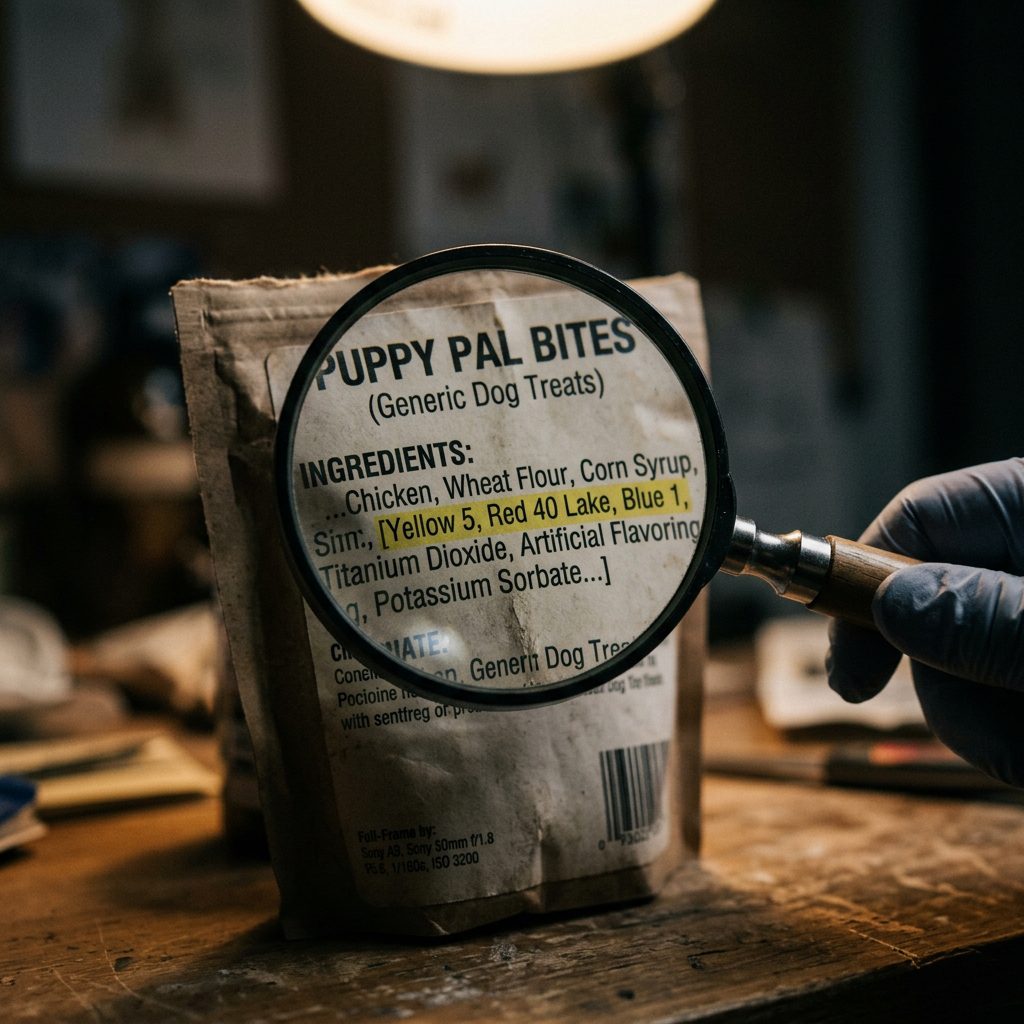
If you walk into a big-box pet store and pick up a box of dog-safe cake mix or pre-made frosting, turn it around and read the label like a forensic scientist. You are almost guaranteed to see ingredients like Red 40, Yellow 5, and Blue 2. These are artificial, synthetic dyes synthesized from petroleum. In human food, these dyes have been linked to behavioral issues and hyperactivity, and many European countries require strict warning labels on foods containing them. Yet, in the loosely regulated pet food industry, they are dumped into treats with reckless abandon.
Why do companies use them? Because they are dirt cheap and shelf-stable for years. But as a canine nutrition hacker, you know better. Artificial dyes provide absolutely zero nutritional value. They are the ultimate definition of a filler ingredient. When a dog’s liver and kidneys have to work overtime to process synthetic chemicals, we are putting unnecessary stress on their organs just so a cookie looks cute. We do not accept fillers, and we certainly do not accept synthetic chemicals. By skipping the artificial dyes, you are instantly upgrading your dog’s treat from a junk-food novelty to a functional, health-promoting snack.
The Base: Perfecting Your Natural Dog Frosting
Building the Canvas for Your Superfoods
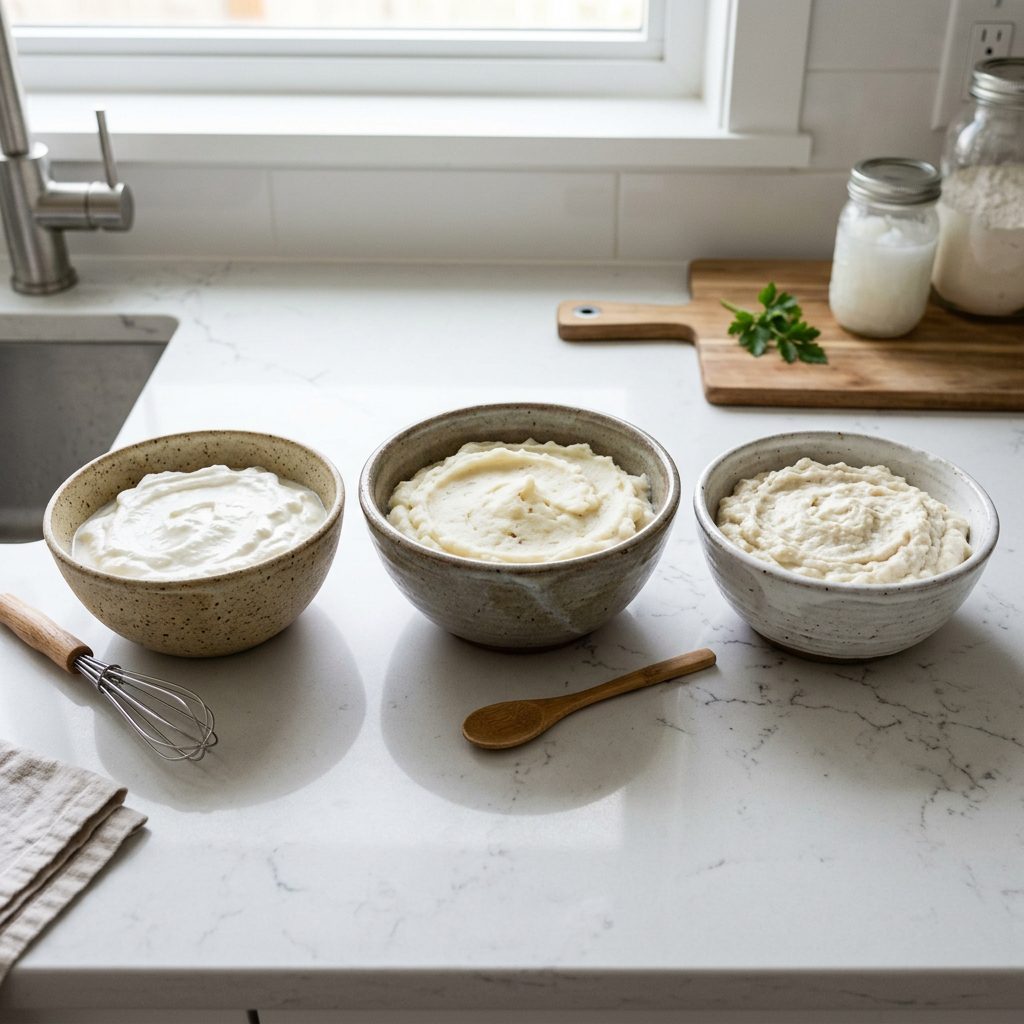
Before we can dye our frosting, we need a pristine, dog-safe canvas. Commercial dog frostings often use maltodextrin, sugar, or hydrogenated oils to create a fluffy texture. We are going to build a far superior base using whole foods. The key to vibrant colors is starting with a base that is as white or neutral as possible. My go-to hacker bases are plain, unsweetened Greek yogurt (strained for extra thickness), mashed Japanese white sweet potatoes, or a blend of low-fat cream cheese and coconut cream.
Hacker Tip: If your yogurt base is too runny, do not use flour. Whisk in a tablespoon of organic tapioca starch or coconut flour and let it sit in the fridge for 20 minutes. It will thicken up beautifully for piping!
The Real Cost Breakdown: DIY vs. Store-Bought
Let us talk budget, because being savvy means getting premium nutrition without getting scammed by retail markups. A standard 8oz tub of pre-made, shelf-stable dog frosting from a boutique pet brand will run you about $12.99. It is packed with preservatives to survive shipping. Now, let us look at our Hacker Base: a cup of premium plain Greek yogurt ($1.50) mixed with a tablespoon of tapioca starch ($0.10) and colored with a pinch of superfood powder ($0.40). Your total cost per batch is roughly $2.00. You are saving over ten dollars per batch while delivering infinitely better nutrition. That is a massive win.
The Color Wheel: Superfoods That Pop
Nature’s Paintbox: Functional Ingredients
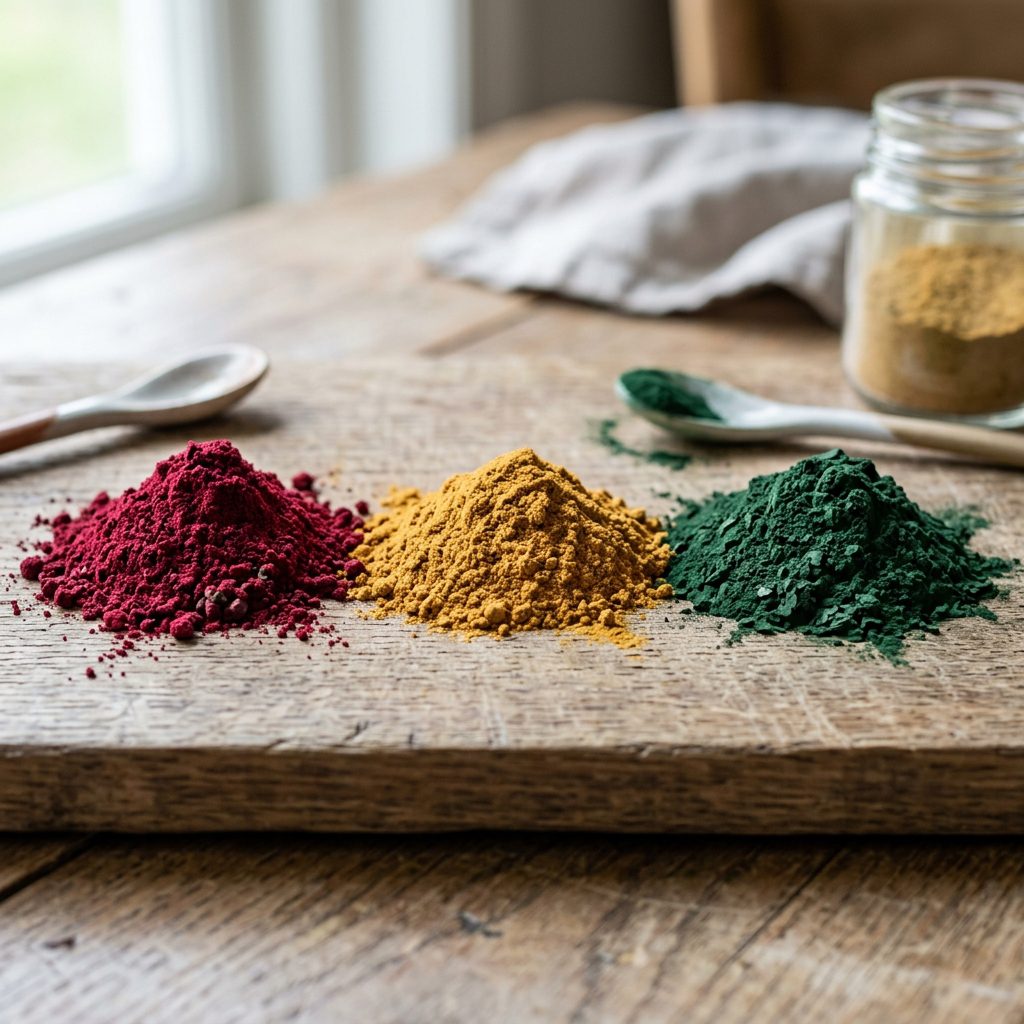
This is where the magic happens. We are going to replace those synthetic numbers with powerhouse superfoods. Not only will these ingredients yield stunning, Instagram-worthy colors, but they will also deliver a payload of antioxidants, vitamins, and minerals directly into your dog’s system.
- Red and Pink: Organic Beetroot Powder. Beetroot is packed with nitric oxide, which improves blood flow and cardiovascular health. Just a tiny pinch turns frosting a gorgeous pastel pink, while a larger dash creates a deep, vibrant ruby red.
- Yellow and Orange: Organic Turmeric Root Powder. Turmeric contains curcumin, one of the most potent natural anti-inflammatories on the planet, perfect for senior dogs with stiff joints. Crucial Hacker Tip: Always add a microscopic pinch of black pepper and a drop of coconut oil when using turmeric; it increases the bioavailability of the curcumin by up to 2000%!
- Green: Spirulina or Organic Wheatgrass Powder. Spirulina is a blue-green algae that is an absolute powerhouse for the immune system and allergy relief. It yields a bright, grassy green.
- Blue and Purple: Blue Spirulina (Phycocyanin) or Freeze-Dried Blueberry Powder. Blue spirulina gives an electric, oceanic blue that looks completely unnatural but is 100% healthy. Blueberries provide a deep purple hue and are loaded with brain-protecting antioxidants.
| Superfood Colorant | Vibrant Hue | Canine Health Benefit | Est. Cost Per Batch |
|---|---|---|---|
| Organic Beetroot Powder | Ruby Red / Pink | Boosts stamina and cardiovascular health | $0.40 |
| Organic Turmeric Powder | Bright Yellow / Orange | Potent joint relief and anti-inflammatory | $0.25 |
| Green Spirulina | Earthy Green | Immune system support and allergy relief | $0.50 |
| Blue Spirulina | Electric Blue | Cellular repair and heavy antioxidant load | $0.80 |
The Safe Chef Guide: Actionable Recipe & Mixing Ratios
The Hacker’s Master Frosting Recipe
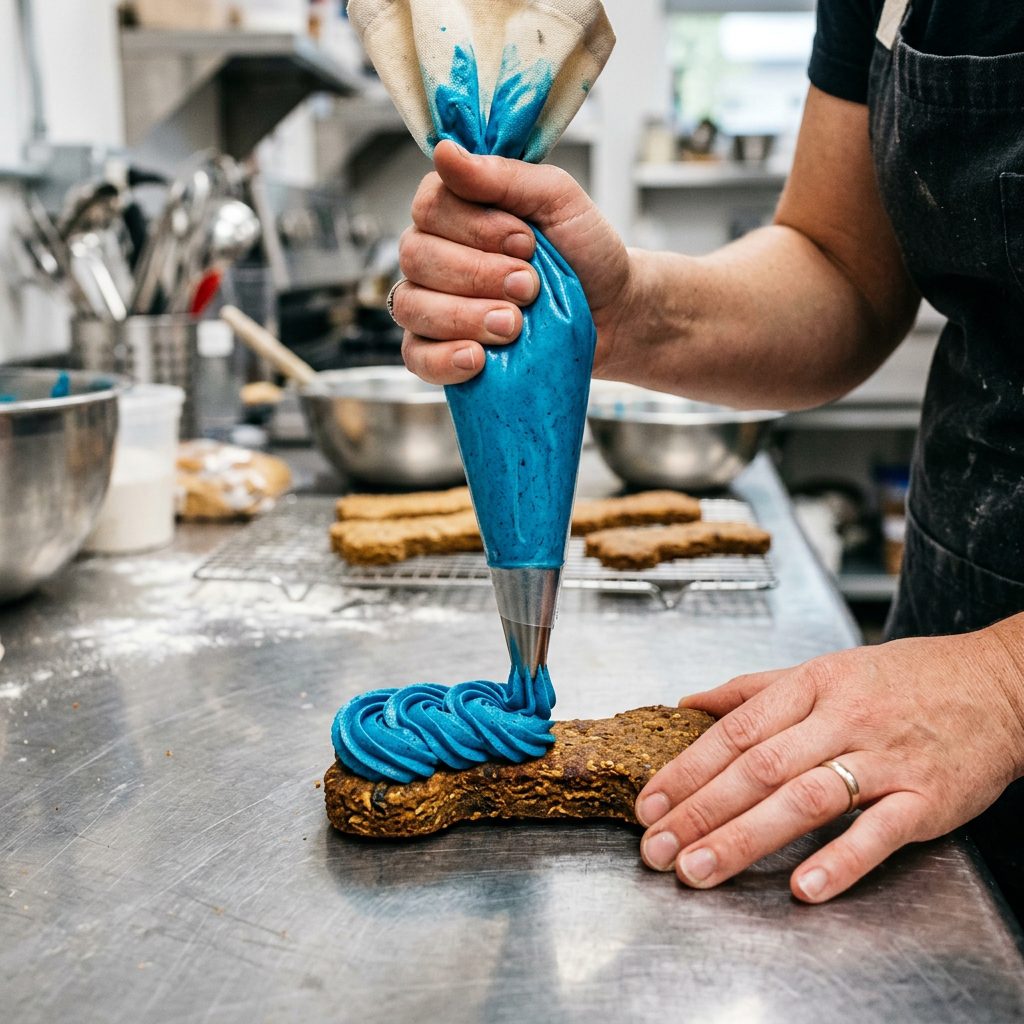
Now that we have our base and our colors, it is time to execute. This recipe is designed to hold its shape for piping, resist melting at room temperature for at least an hour, and deliver maximum visual impact with minimal superfood usage (so we don’t overwhelm your dog’s palate).
- Step 1: Prep the Base. Take 1 cup of plain, unsweetened, full-fat Greek yogurt. Place it in a cheesecloth over a bowl in the fridge for 2 hours to drain excess whey. This creates a cream cheese-like consistency.
- Step 2: Stiffen it Up. Transfer the thick yogurt to a mixing bowl. Sift in 2 tablespoons of organic tapioca starch. Whisk vigorously until perfectly smooth.
- Step 3: Divide and Conquer. Divide your white base into separate small bowls, one for each color you intend to make.
- Step 4: The Ratio. For every 1/4 cup of frosting base, start with exactly 1/8 teaspoon of your chosen superfood powder. Whisk thoroughly. Natural powders need a few minutes to fully hydrate and release their color. Wait 5 minutes. If you want a deeper color, add another 1/8 teaspoon. Never exceed 1/2 teaspoon per 1/4 cup of base, as the flavors (especially spirulina and turmeric) can become too earthy and bitter for your dog to enjoy.
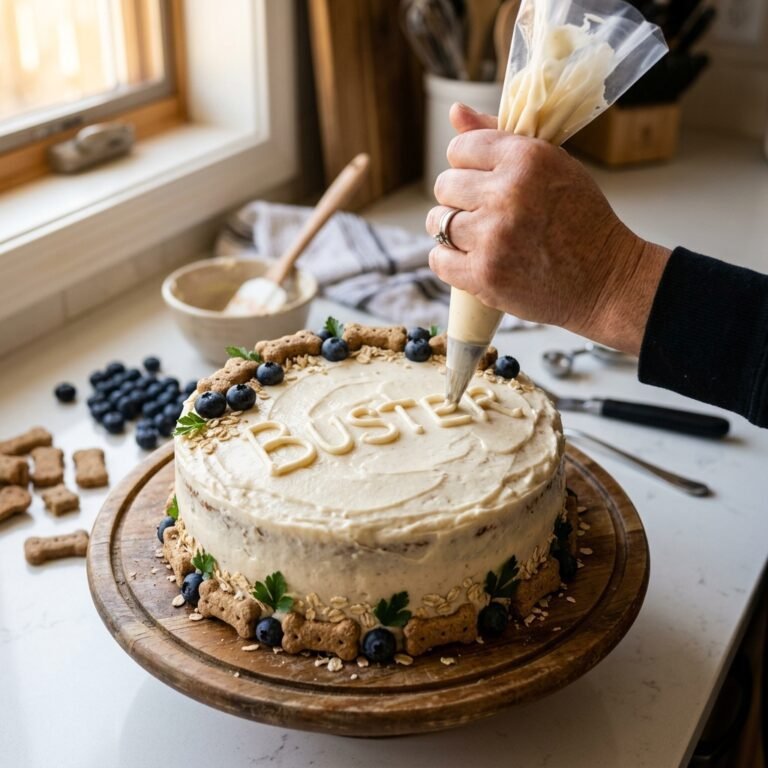
Once mixed, transfer the frosting into a piping bag with a star tip. Because there are no artificial stabilizers, keep your hands near the top of the piping bag to prevent your body heat from warming and melting the yogurt base as you decorate.
Batch Cooking & Storage Hacks
Maximizing Your Time and Effort
As savvy owners, we do not want to mix tiny batches of frosting every single time we bake a treat. Batch cooking is the ultimate time-saving hack. But how do you store a dairy-based, naturally dyed frosting without it separating or weeping?
Insider Secret: Natural colors can oxidize and fade if left exposed to air and light in the fridge. To preserve those vibrant hues, you must freeze the frosting correctly.
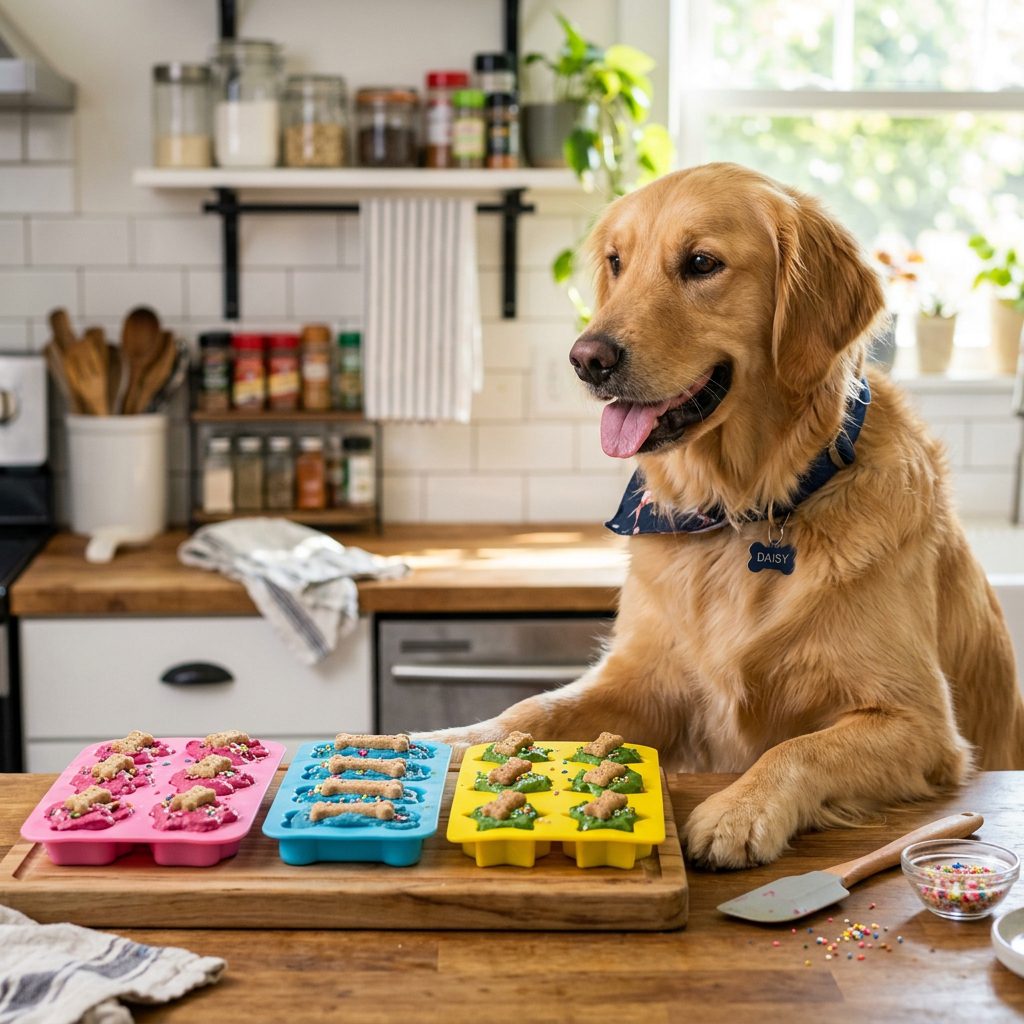
If you have leftover colored frosting, do not just put it in a Tupperware container. Instead, grab a silicone mold (paw prints or bone shapes work great). Pipe the remaining frosting directly into the silicone molds and freeze them solid. Once frozen, pop them out and store them in an airtight freezer bag. You have just created instant, frozen superfood treat drops! On a hot summer day, you can hand these out directly from the freezer as a cooling, anti-inflammatory snack. If you need to use the frosting for decorating again, simply place the frozen drops into a bowl and let them thaw in the refrigerator overnight. Give them a quick whisk to re-emulsify, and they are ready to pipe again. No waste, no chemicals, just pure, vibrant nutrition.
Conclusion
Empower Your Dog’s Bowl
By taking control of your dog’s treats and ditching the synthetic, petroleum-based dyes, you are making a profound statement about their health. You are stepping out of the commercial pet food matrix and proving that joyful, celebratory moments do not have to come at the cost of your dog’s well-being. Using superfoods like beetroot, turmeric, and spirulina transforms a simple birthday cake into a functional, health-boosting powerhouse. You save money, you eliminate toxic fillers, and you get to watch your best friend thrive. Now get into the kitchen, grab those superfoods, and start hacking your dog’s nutrition. They depend on you to make the smart choices, and with this guide, you are more than ready.