Stop Poisoning Your Pup: 5 Common Baking Ingredients That Are Secretly Toxic to Dogs
The DIY Trap: Why Your Kitchen Pantry Might Be a Minefield
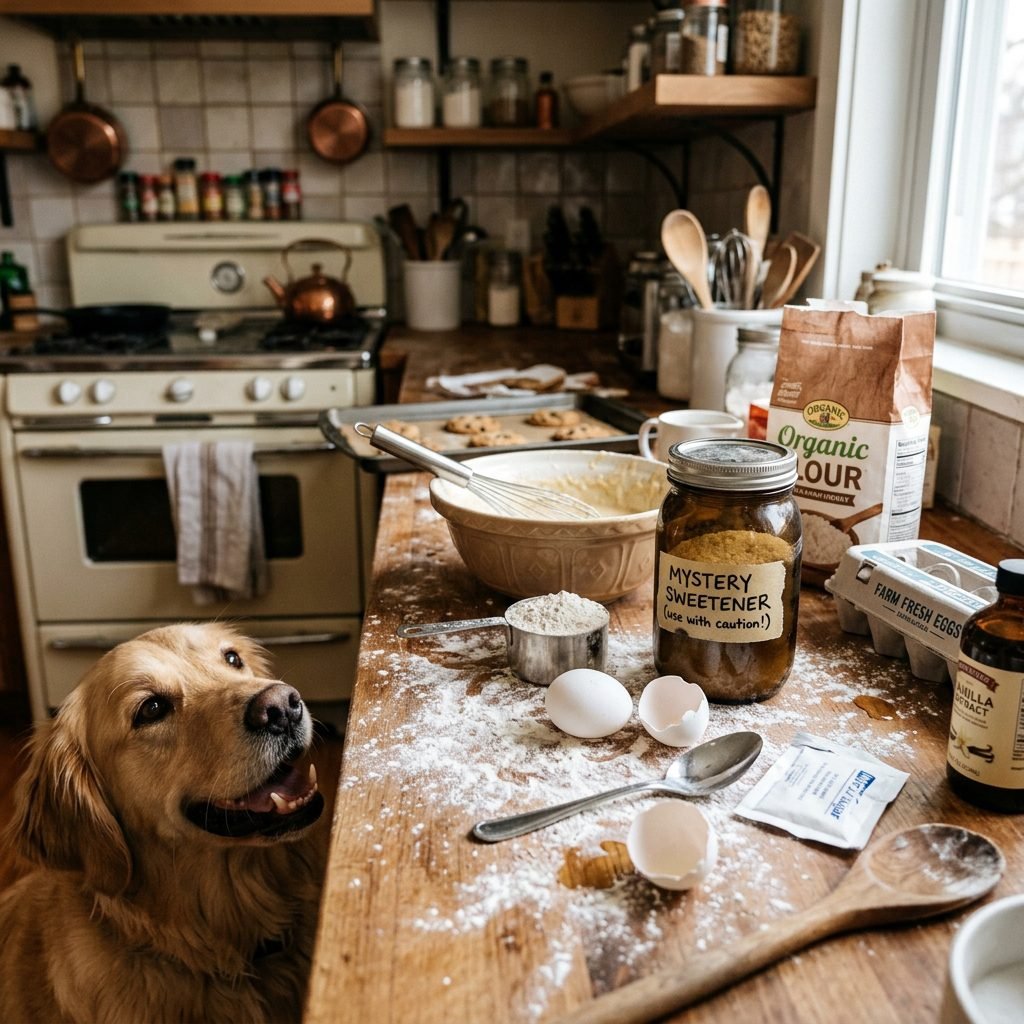
Let’s get real for a second. We’ve all been there—standing in the kitchen, flour on our aprons, looking down at those ‘puppy dog eyes’ begging for a scrap of whatever we’re whipping up. As a Canine Nutrition Hacker, I’m the first person to tell you that DIY dog treats are usually a massive win. You control the protein, you cut out the mystery ‘meat by-products,’ and you save a fortune compared to those overpriced ‘organic’ bags at the boutique pet store. But here is the cold, hard truth: good intentions don’t prevent toxicity.
Many savvy owners think that because an ingredient is ‘natural’ or ‘human-grade,’ it’s safe for Fido. That logic is exactly how we end up in emergency vet clinics at 3 AM. Today, we’re going beyond the obvious stuff like onions and garlic. We are diving into the baking cabinet to expose the 5 silent killers hiding in your recipes. I’m going to show you how to spot them, why they wreck your dog’s system, and the insider swaps that keep your pup’s tail wagging safely.
Hacker Tip: Just because a recipe is on a popular ‘mommy blog’ doesn’t mean it’s been vetted by a nutritionist. Always cross-reference your ingredients before you preheat that oven.
The Safety Disclaimer: Read This Before You Bake

Before we dive into the forensic analysis of your pantry, we need to set the ground rules. I am not a veterinarian. I am a nutrition hacker who spends way too much time reading clinical toxicology reports and ingredient labels so you don’t have to. While I can guide you through the nutritional minefield, every dog is an individual. Factors like weight, age, and existing health conditions (like kidney issues or diabetes) change the ‘lethal dose’ significantly.
If you are transitiong to a fully homemade diet, you cannot just wing it. Dogs need a precise balance of calcium, phosphorus, and specific amino acids that you won’t find in a simple flour-and-water biscuit. Always consult with a board-certified veterinary nutritionist if you’re moving away from commercial kibble entirely. Now, let’s get to the ‘Enemy Ingredients’ list.
1. Xylitol (The Silent Assassin in Your ‘Sugar-Free’ Stash)
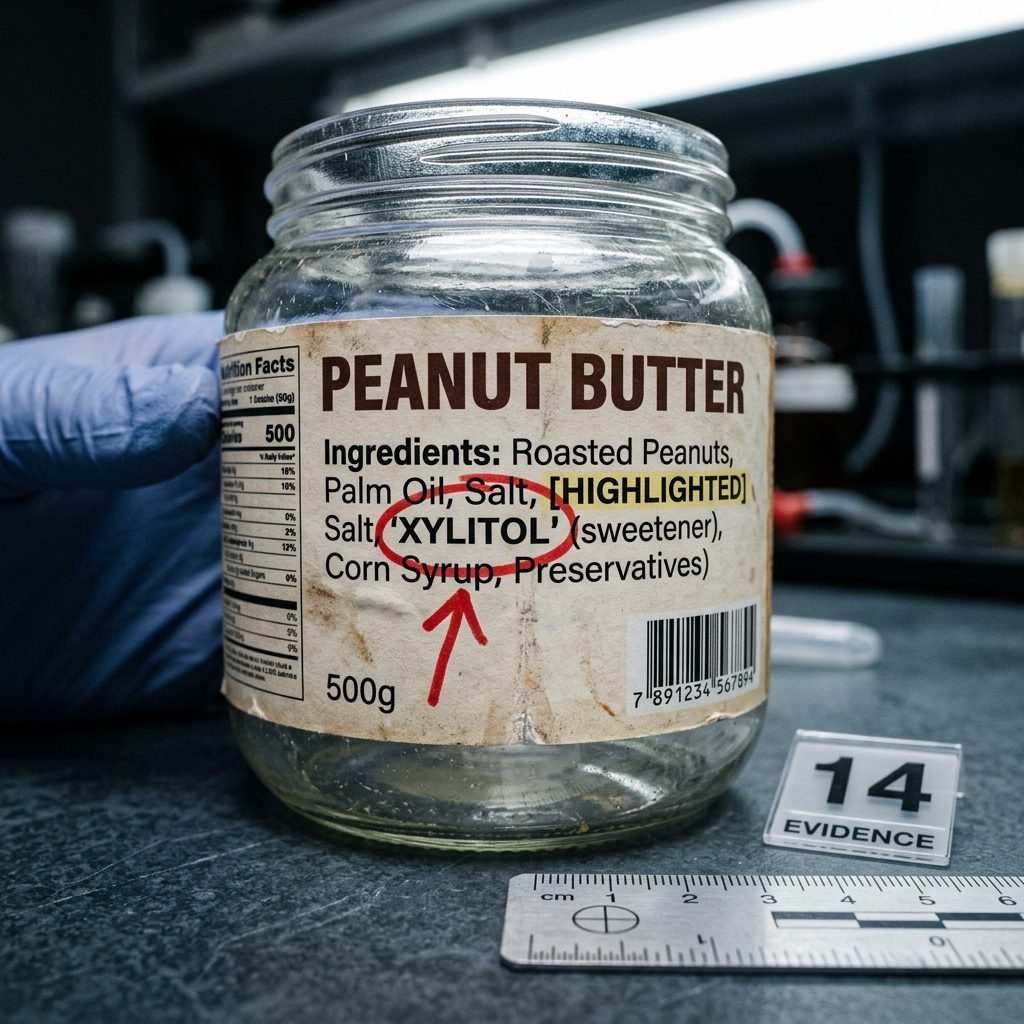
If there is one ingredient that keeps me up at night, it’s Xylitol (often listed as ‘Birch Sugar’ or ‘Wood Sugar’). This sugar substitute is a miracle for human diabetics but a death sentence for dogs. When a dog eats Xylitol, their pancreas mistakes it for real sugar and releases a massive surge of insulin. This causes their blood sugar to plummet to life-threatening levels (hypoglycemia) within 30 minutes.
Where It Hides
- Sugar-free peanut butter (The most common trap!)
- Low-calorie cake mixes
- Sugar-free puddings and gelatins
- Certain brands of yogurt used in frostings
The Hacker’s Verdict: If the label says ‘Sugar-Free’ or ‘Keto-Friendly,’ keep it away from the dog. Even a tiny amount can cause liver failure. Always check your peanut butter label for Xylitol before stuffing that Kong.
2. Macadamia Nuts (The Neurological Nightmare)
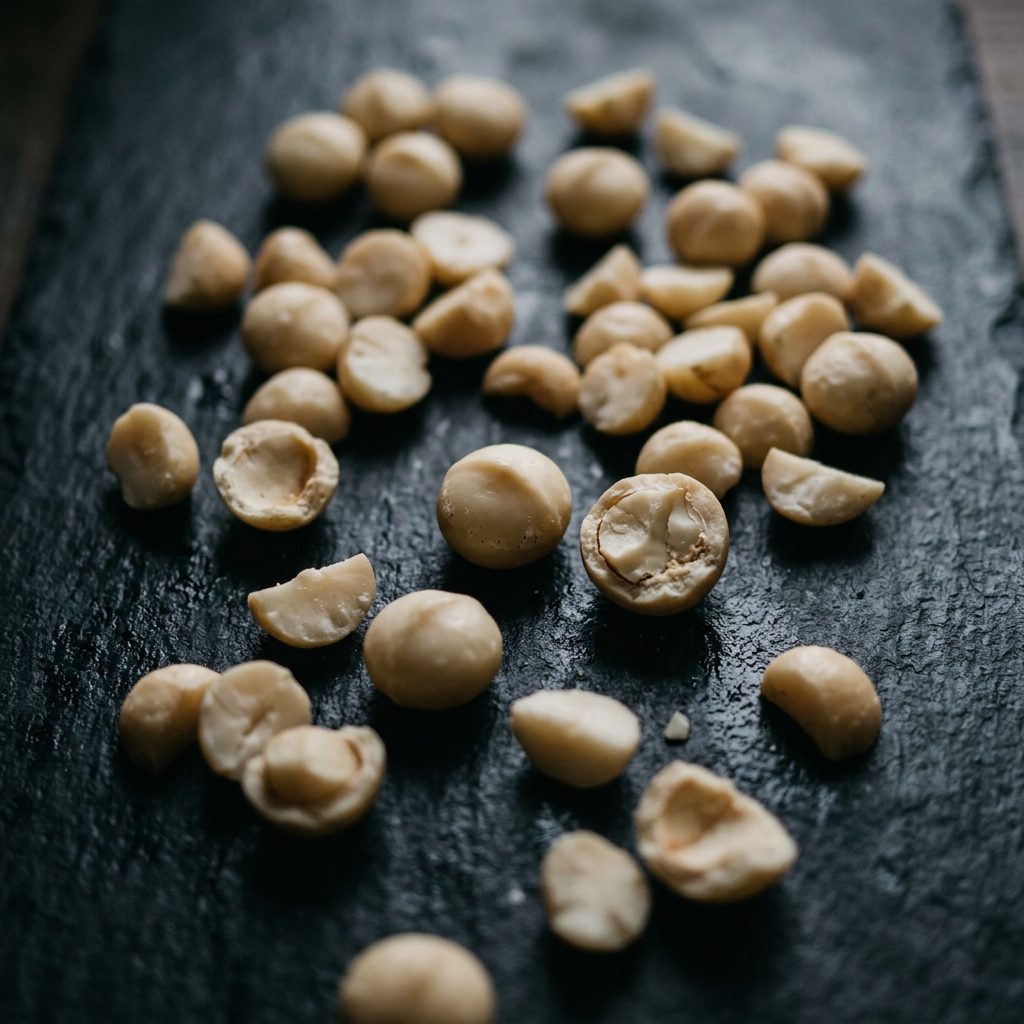
You’re making white chocolate macadamia nut cookies and drop one. No big deal, right? Wrong. Macadamia nuts contain an unknown toxin that attacks a dog’s nervous system. While it’s rarely fatal, it causes ‘Macadamia Nut Toxicosis,’ which looks like something out of a horror movie: weakness in the back legs, vomiting, tremors, and hyperthermia.
The Cost of the Mistake
Treating a macadamia poisoning usually involves a 24-hour stay at the vet for IV fluids and monitoring. You’re looking at a $800 – $1,200 bill for a single cookie. Compare that to the $0.50 cost of a safe, homemade peanut butter biscuit. The math doesn’t add up, folks.
3. Raisins and Currants (The Kidney Crushers)
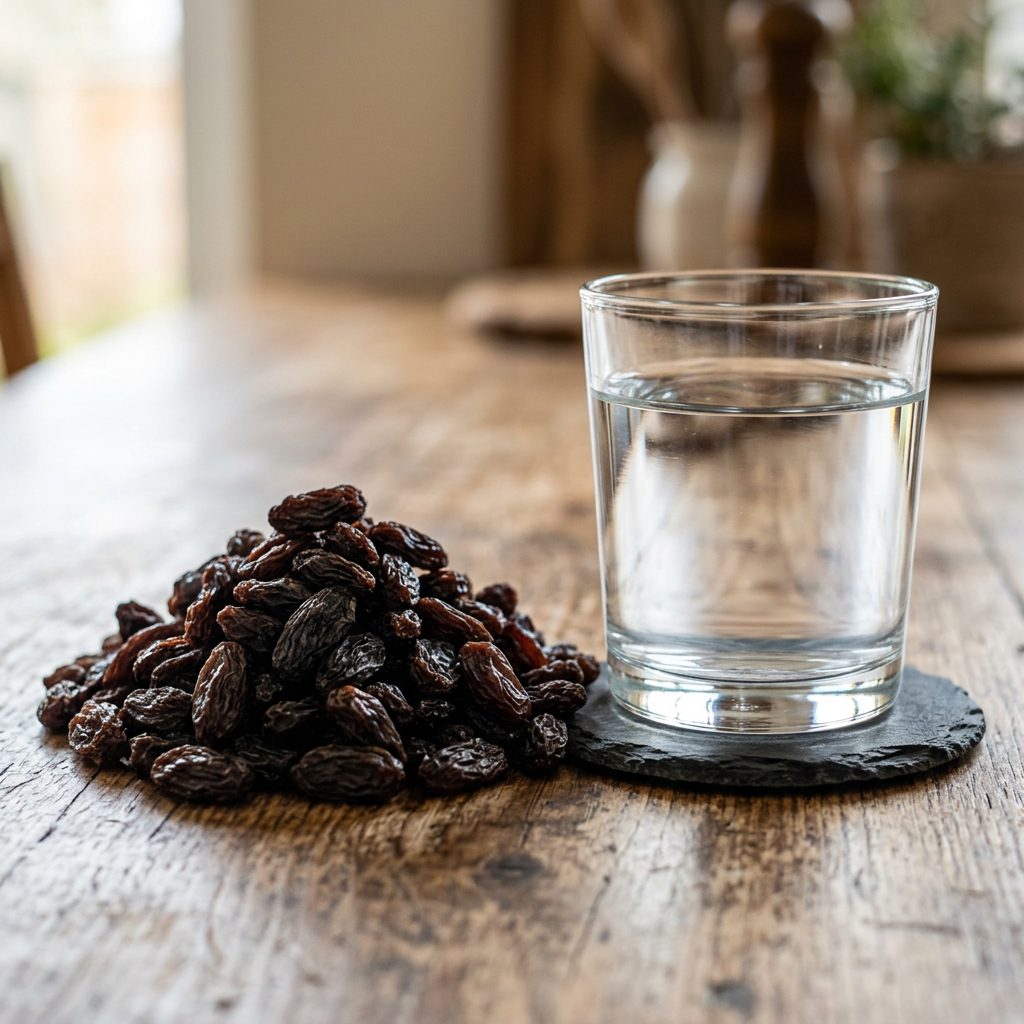
Raisins and currants are common in breads and festive bakes, but they are essentially ‘kidney kryptonite’ for canines. The scary part? Science still hasn’t identified the exact compound that causes the reaction. Some dogs can eat a handful and be fine, while others experience acute kidney failure from just two or three raisins. Because we don’t know the threshold, the only safe amount is zero.
Symptoms to Watch For
- Lethargy and ‘acting out of it’
- Increased thirst followed by a total stop in urination
- Vomiting within 6-12 hours of ingestion
Insider Secret: Don’t forget about ‘hidden’ raisins in ingredients like muesli or fruit-based bread mixes. Always sift through your dry mixes if you aren’t making them from scratch.
The Toxicity Breakdown: Risk vs. Reward
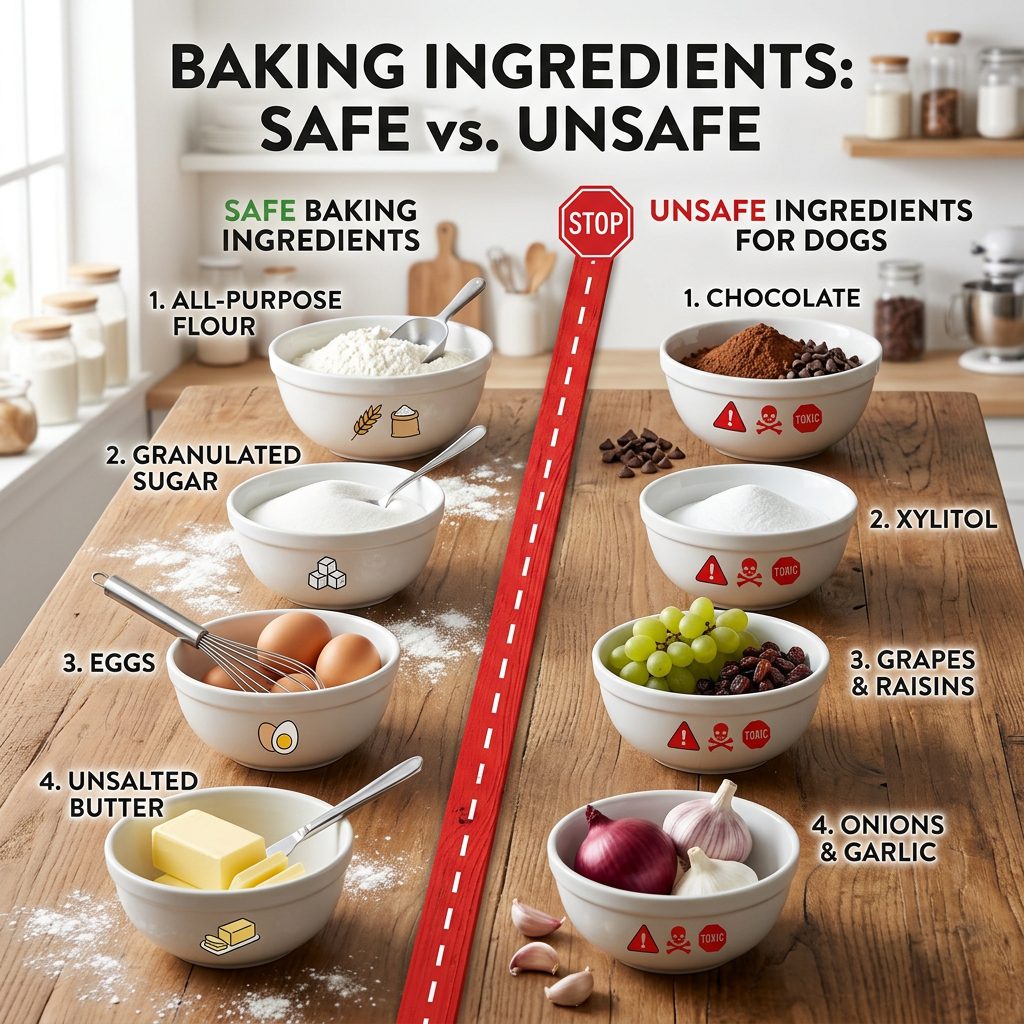
To help you visualize the danger, I’ve put together this breakdown of how these ingredients stack up against safe alternatives. Remember, the ‘Price Tier’ here refers to the potential vet bill, not the ingredient cost!
| Ingredient | Risk Level | Primary Target | Safe Swap |
|---|---|---|---|
| Xylitol | Extreme | Pancreas/Liver | Pureed Pumpkin |
| Macadamia Nuts | High | Nervous System | Plain Peanuts (unsalted) |
| Raisins | Unpredictable | Kidneys | Dehydrated Blueberries |
| Nutmeg | Moderate/High | Central Nervous System | Cinnamon (in moderation) |
| Cocoa Powder | High | Heart/Nervous System | Carob Powder |
4. Nutmeg (The Hallucinogenic Hazard)
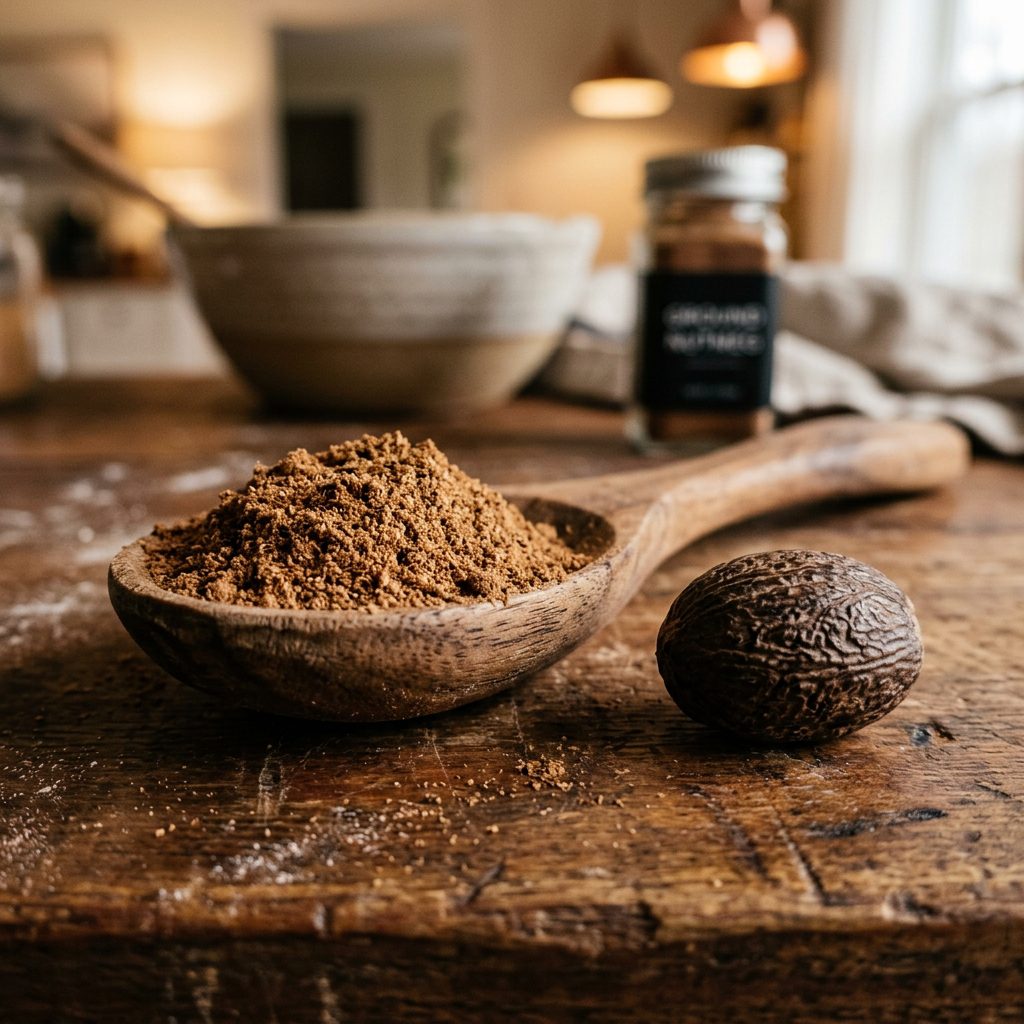
Many autumnal recipes call for nutmeg, but this spice contains a compound called myristicin. In large quantities—which are surprisingly small for a 20lb dog—nutmeg causes hallucinations, increased heart rate, seizures, and severe abdominal pain. While a tiny dusting in a large batch of cookies might only cause mild upset, it’s a ‘filler’ spice that offers zero nutritional benefit to your dog. Why take the risk?
The Hero Alternative: Cinnamon
If you want that ‘warm’ scent in your dog treats, swap nutmeg for Ceylon Cinnamon. It’s anti-inflammatory and helps regulate blood sugar. Just keep it to a teaspoon per batch.
5. Cocoa Powder & Baking Chocolate (The Concentrated Threat)
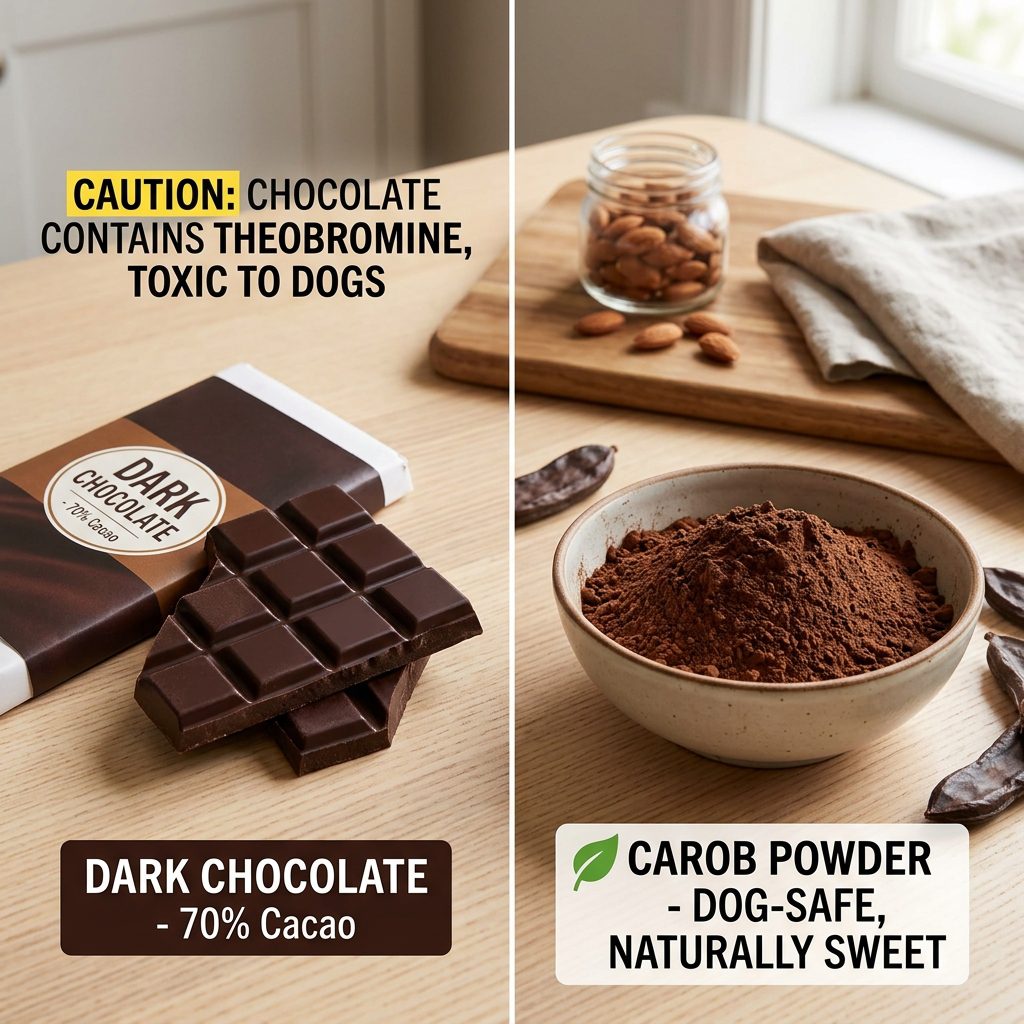
Most owners know chocolate is bad, but many don’t realize that Cocoa Powder and Unsweetened Baking Chocolate are the most dangerous forms. They contain the highest concentrations of theobromine and caffeine. Unlike a milk chocolate bar which is mostly sugar and milk, baking cocoa is pure stimulant.
The Real Cost Breakdown: Store-Bought vs. DIY Safe Treats
Let’s look at why making your own (safely) is a financial win for the savvy owner:
- Premium Store-Bought Treats: $12.00 per 8oz bag (often contains glycerin and preservatives).
- Hacker’s DIY Carob Biscuits: ~$2.50 for a massive batch (approx. $0.15/day for a 50lb dog).
By avoiding the toxic stuff and using carob, you’re saving over $300 a year while providing better nutrition.
The Safe Chef’s Master Recipe: ‘Hacker’s Healthy Hound Biscuits’
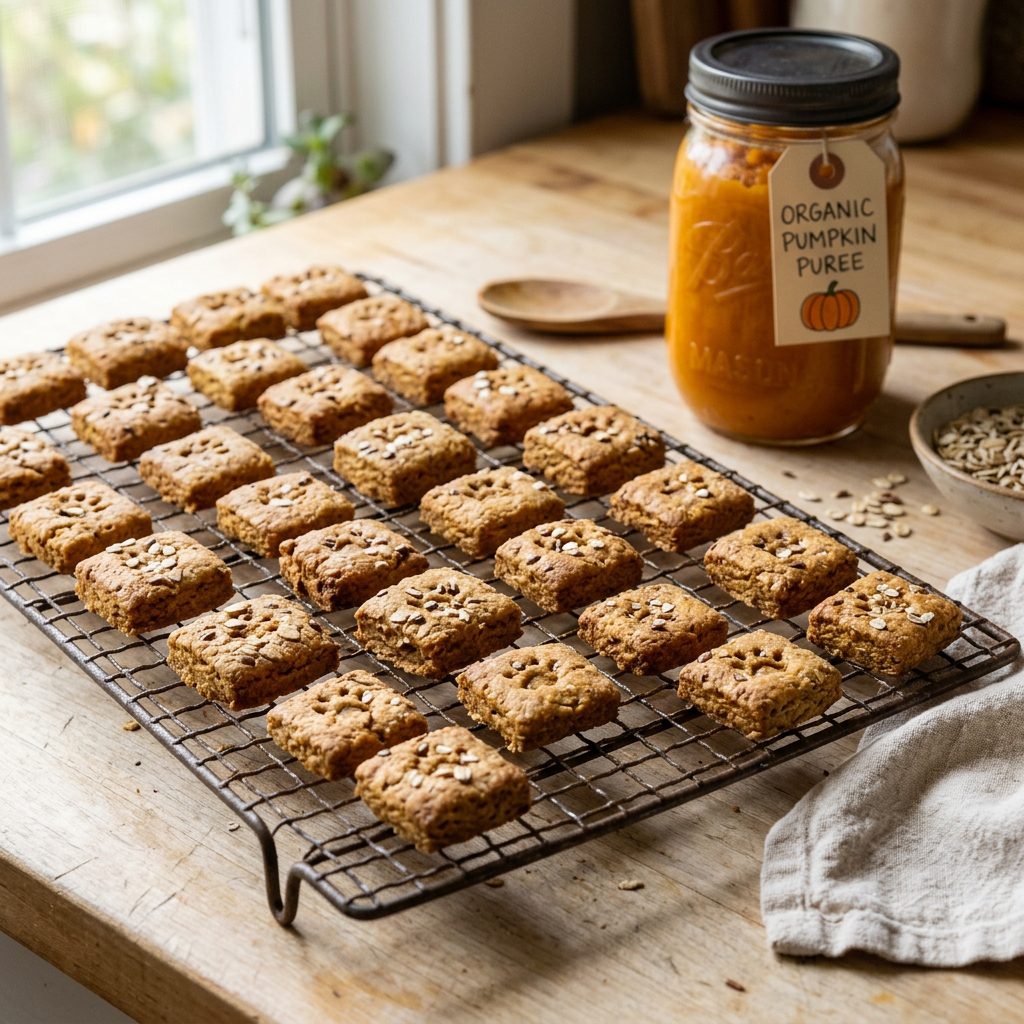
Ready to bake something that won’t result in a vet visit? This is my go-to base recipe. It’s cheap, shelf-stable, and packed with ‘Hero Ingredients.’
The Ratios
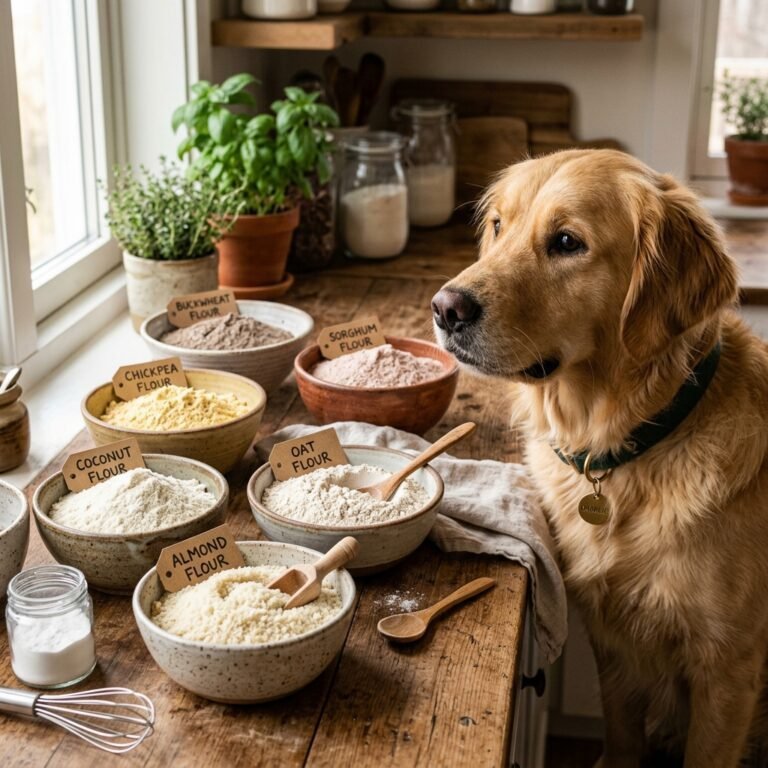
- 2 Cups Whole Wheat Flour (or Oat Flour for sensitive stomachs)
- 1/2 Cup Pureed Pumpkin (NOT pumpkin pie filling—check the label!)
- 2 Tbsp All-Natural Peanut Butter (Check for Xylitol!)
- 1/2 Tsp Cinnamon
- 1/4 Cup Water (add slowly until dough forms)
Batch Cooking & Storage
I recommend double-batching this. These biscuits freeze beautifully. Hacker Tip: Use a pizza cutter to slice the dough into small squares instead of using individual cookie cutters. It saves 20 minutes of labor and ensures ‘training-sized’ portions that won’t make your dog obese.
Conclusion
Empower Your Kitchen, Protect Your Pack
Being a savvy dog owner isn’t just about finding the cheapest bag of kibble; it’s about knowing which ‘human’ luxuries are actually biological weapons for your best friend. By purging Xylitol, Macadamias, Raisins, Nutmeg, and Cocoa from your dog’s vocabulary, you are already ahead of 90% of pet owners.
Remember: the best nutrition comes from simplicity. Stick to the ‘Hero Ingredients’ like pumpkin, blueberries, and lean proteins. You’ll save money on vet bills, avoid the heartbreak of accidental poisoning, and your dog will think you’re a culinary genius. Now go clean out that pantry—your pup is counting on you!