The Greek Yogurt Frosting Secret That Hardens Like Royal Icing (Without Cream Cheese!)
Insider Secret: The commercial dog bakeries are not using magic; they are using simple food science. And today, I am giving you the blueprint to replicate it at home for a fraction of the cost.
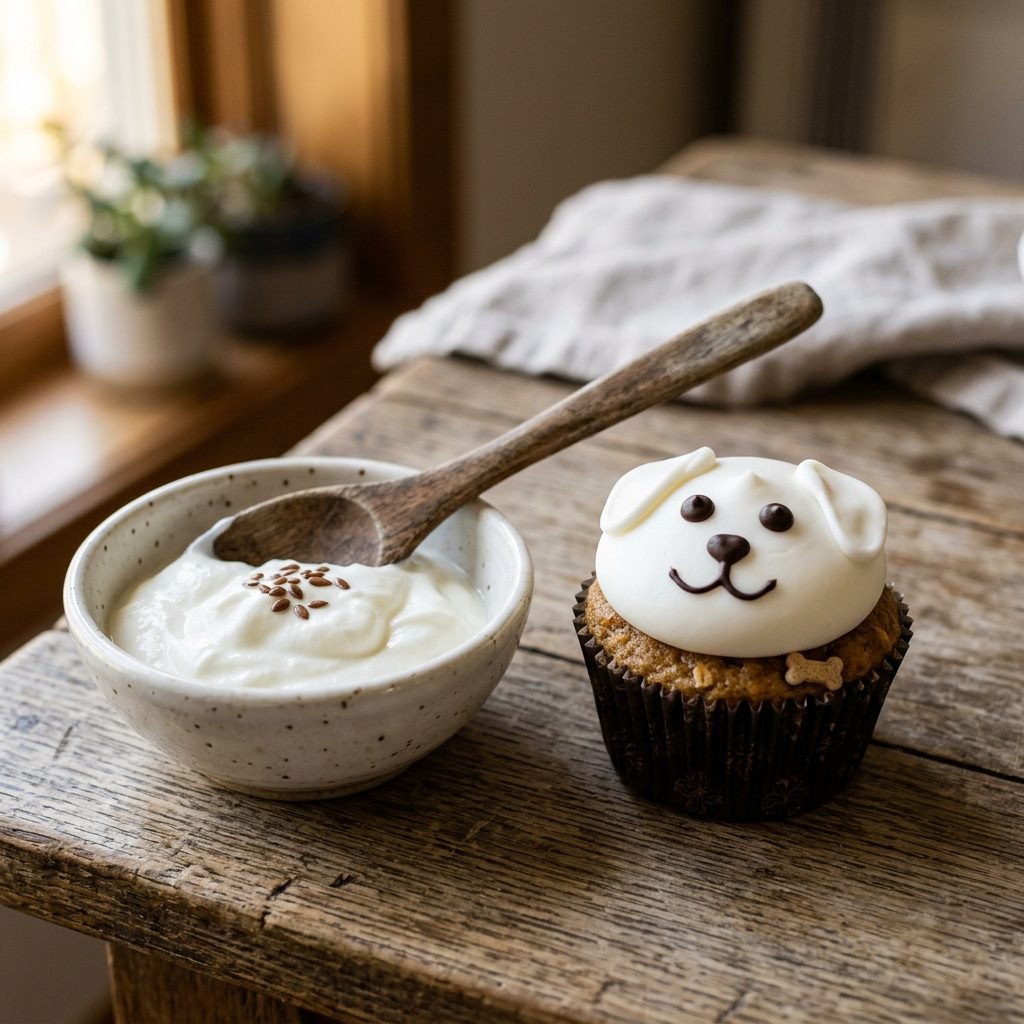
We are going to bypass the heavy cream cheese and the sugary store-bought mixes. Instead, we are utilizing the incredible power of plain Greek yogurt combined with a specific natural starch to create a frosting that dries hard, looks spectacular, and is actually good for your dog’s gut. Grab your mixing bowls, because we are about to hack dog treat decorating forever.
The Messy Truth About Traditional Dog Frostings (And Why We Hack Them)
The Hero Ingredients We Are Using Instead
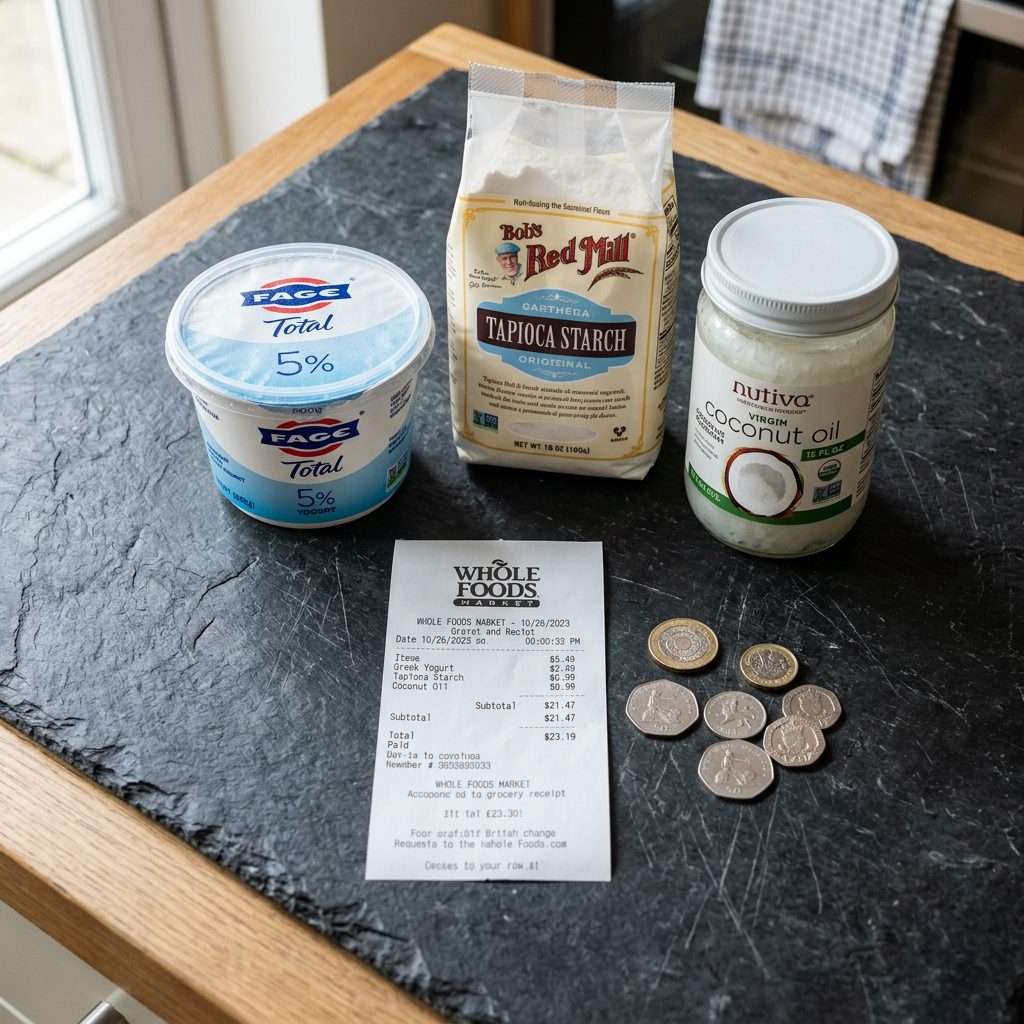
To build a frosting that hardens like royal icing, we need three specific components: a protein base, a moisture-absorbing binder, and a temperature-sensitive setter.
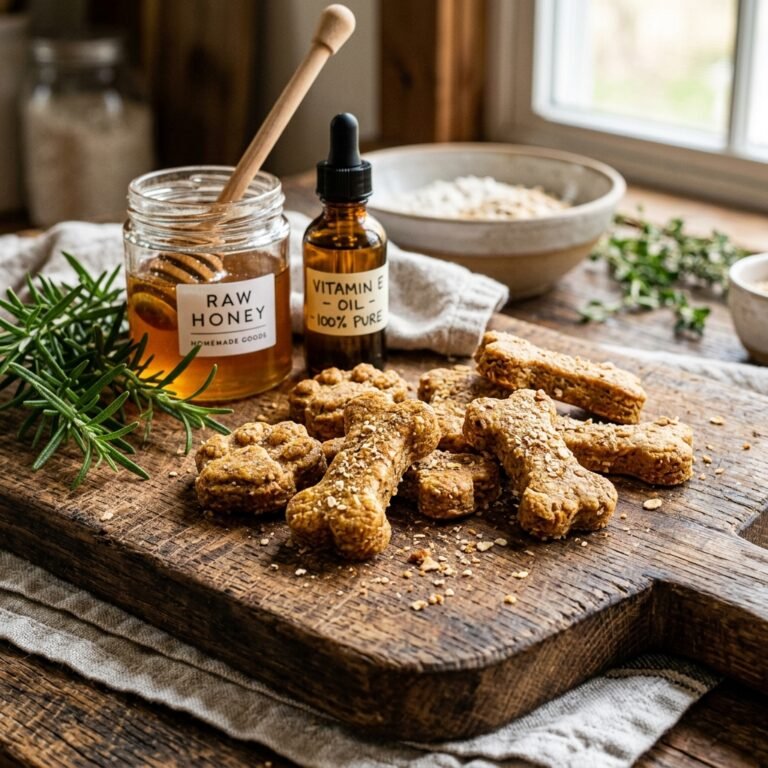
- Plain Greek Yogurt: This is our base. Unlike regular yogurt, Greek yogurt is strained. This means the majority of the liquid whey has been removed, leaving a thick, protein-dense powerhouse that is naturally lower in lactose. It provides the perfect bright white color and a creamy texture without the excessive fat of cream cheese.
- Tapioca Starch (or Cornstarch): This is the magic hacker ingredient. Starch acts as a desiccant in this recipe. It binds with the remaining moisture in the yogurt. As the frosting sits, the starch absorbs the water, causing the mixture to dry out and form a hard, crackable shell—exactly like royal icing.
- Coconut Oil: We use just a tiny fraction of melted coconut oil. Why? Because coconut oil is a saturated fat that remains solid at room temperature (below 76 degrees Fahrenheit). When you mix it in melted and then chill the treats, it acts as structural reinforcement, locking the frosting into place.
DIY vs. Dog Bakery: The Real Cost Breakdown
| Frosting Method | Primary Ingredients | Cost per 12 Treats | Nutritional Verdict |
|---|---|---|---|
| The Hacker Recipe (DIY) | Greek Yogurt, Tapioca Starch, Coconut Oil | $1.85 | High protein, low lactose, gut-friendly, zero sugar. |
| Commercial Mix (Store-bought) | Maltodextrin, Tapioca, Yogurt Powder | $8.50 | High in processed carbs, potential blood sugar spike. |
| Boutique Dog Bakery | Unknown (Often sugar-free human icing) | $35.00+ (included in cake cost) | Expensive, unpredictable ingredients, hidden fats. |
Insider Secret: By utilizing this recipe, you are saving over $6.00 per batch compared to commercial mixes, and you are guaranteeing that no hidden xylitol or artificial sweeteners are sneaking into your dog’s diet. That is money you can redirect toward high-quality muscle meats or joint supplements!
The Safe Chef Guide: Safety First & Coloring Hacks
Hacking the Color Wheel Naturally
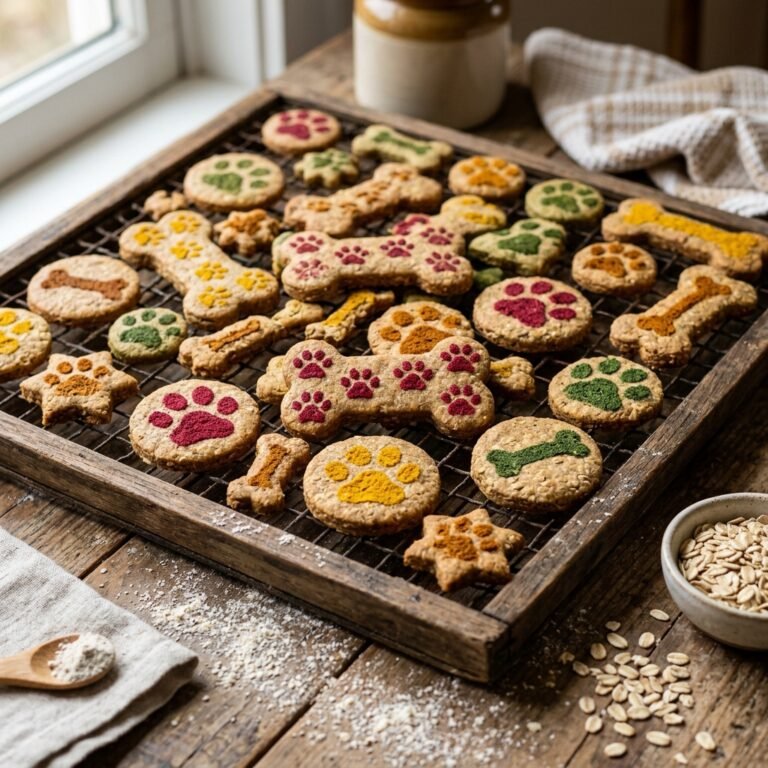
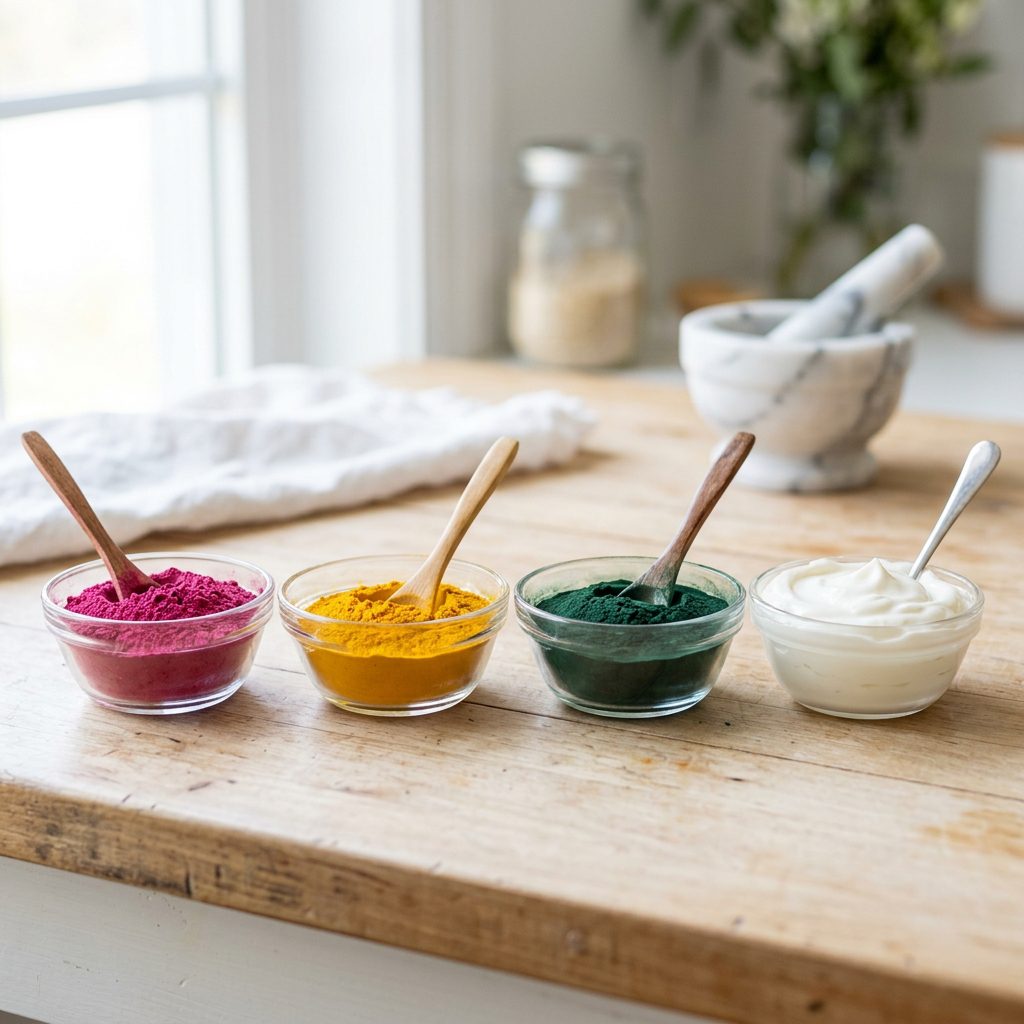
One of the best parts about royal icing is the ability to make it pop with vibrant colors. But we are not going to ruin our pristine, healthy frosting with artificial Red 40 or Blue 1. We are going to use superfoods to dye our frosting, adding both visual appeal and a massive boost of antioxidants.
- For Vibrant Pink/Red: Use a pinch of Beetroot Powder. It is fantastic for cardiovascular health and yields a stunning magenta hue.
- For Bright Yellow: Use a tiny dash of Turmeric (with a microscopic pinch of black pepper for absorption). This turns the frosting yellow while providing powerful anti-inflammatory benefits for your dog’s joints.
- For Deep Green: Use Spirulina powder. This blue-green algae is a super-antioxidant and immune booster. A little goes a long way, or your frosting will look like swamp mud!
- For Purple: Use a small amount of freeze-dried blueberry powder. Great for brain health in senior dogs.
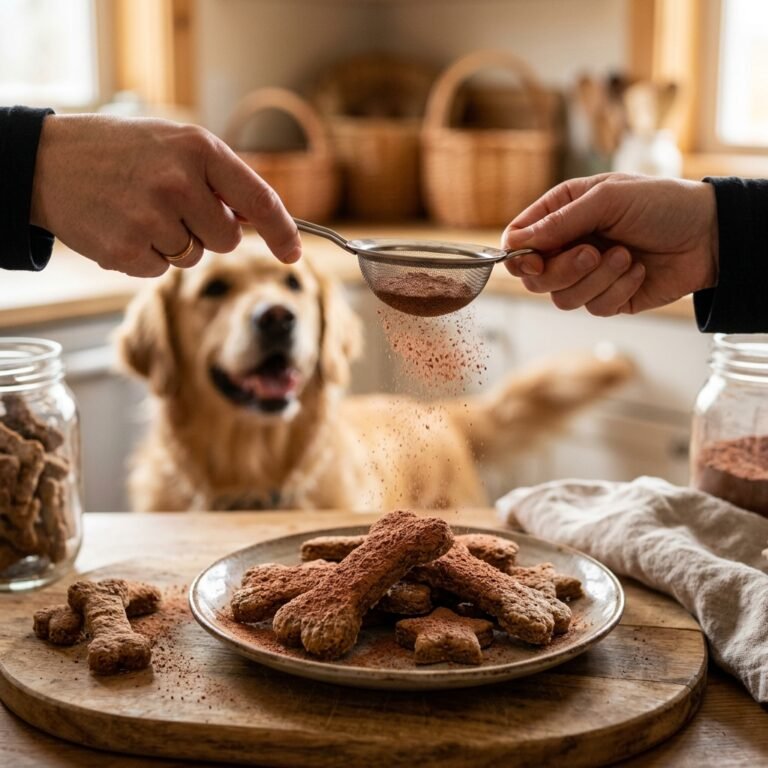
When adding these natural powders, sift them in slowly. They will absorb a tiny bit of moisture, so you may need to add a single drop of water to maintain your perfect piping consistency.
The Actionable Recipe: Greek Yogurt “Royal Icing”
The Ingredients
- 1/2 Cup Plain, Unsweetened, Full-Fat Greek Yogurt (Absolutely NO Xylitol or sweeteners)
- 1/2 Cup Tapioca Starch (Cornstarch or Potato Starch can work in a pinch, but Tapioca yields the best “shiny” finish)
- 1 Tablespoon Coconut Oil (Melted but not hot)
- Optional: Natural superfood powders for coloring (Beet, Turmeric, Spirulina)
The Step-by-Step Instructions
- The Base Mix: In a medium-sized glass or metal mixing bowl, add your 1/2 cup of plain Greek yogurt. Ensure there is no excess liquid whey sitting on top of the yogurt; if there is, pour it off first. Pour in the 1 tablespoon of melted (but cooled) coconut oil. Whisk them together vigorously until completely smooth and homogenized.
- The Starch Incorporation: Begin adding your tapioca starch one tablespoon at a time. Do not dump it all in at once, or you will create a localized snowstorm in your kitchen and end up with lumpy frosting. Whisk continuously. As you approach the 1/2 cup mark, the mixture will become quite stiff.
- The Consistency Check: You are looking for the consistency of thick toothpaste or Elmer’s glue. If you lift your whisk, the frosting should form a peak that slowly folds back onto itself.
Insider Secret: If the frosting is too runny, add starch 1 teaspoon at a time. If it is too thick and un-pipeable, add water 1/2 teaspoon at a time. Precision is key.
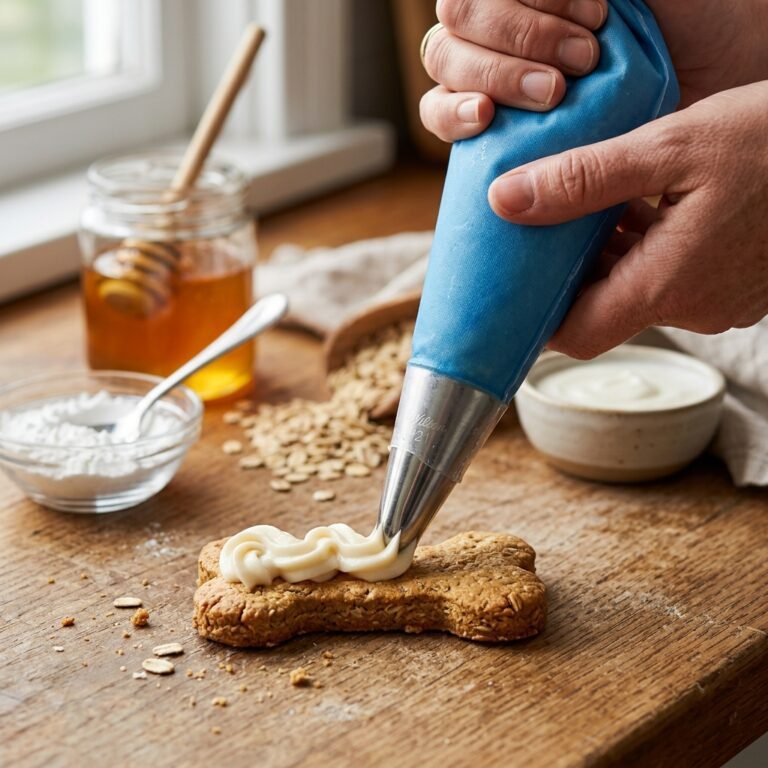
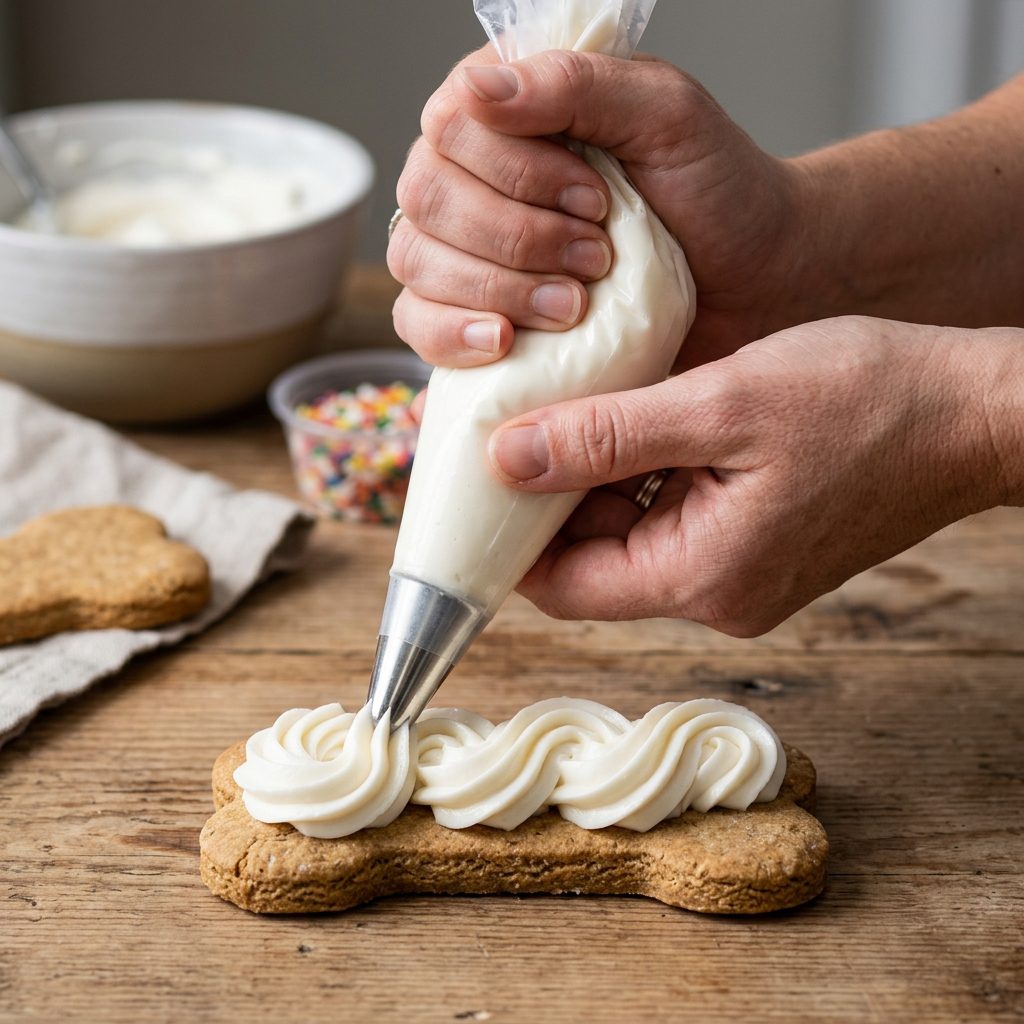
- Application: Transfer the frosting to a piping bag (or a Ziploc bag with the corner snipped off). Pipe your designs onto completely cooled dog treats. If the treats are even slightly warm, the coconut oil will melt, and the frosting will run.
- The Hardening Phase: This is where patience is required. Place the frosted treats on a wire rack. Leave them in a cool, dry place, or ideally, place them in the refrigerator for 2 to 4 hours. The cold environment will rapidly solidify the coconut oil, while the dry air allows the starch to pull the moisture out of the yogurt. The result? A perfectly hard, smudge-proof, bakery-quality finish.
Batch Cooking, Storage, and Pro Decorating Tips
How to Store and Freeze
This Greek yogurt frosting is highly perishable in its liquid state because of the dairy. If you have leftover liquid frosting in your piping bag, you can store it in the refrigerator for up to 3 days. However, because of the coconut oil and starch, it will harden into a solid block in the fridge. To reuse it: Let the piping bag sit at room temperature for about 20 minutes, then massage the bag with your warm hands to soften the coconut oil back into a pipeable state. Do not microwave it, or the yogurt will separate and curdle!
Batch Freezing Pre-Frosted Treats
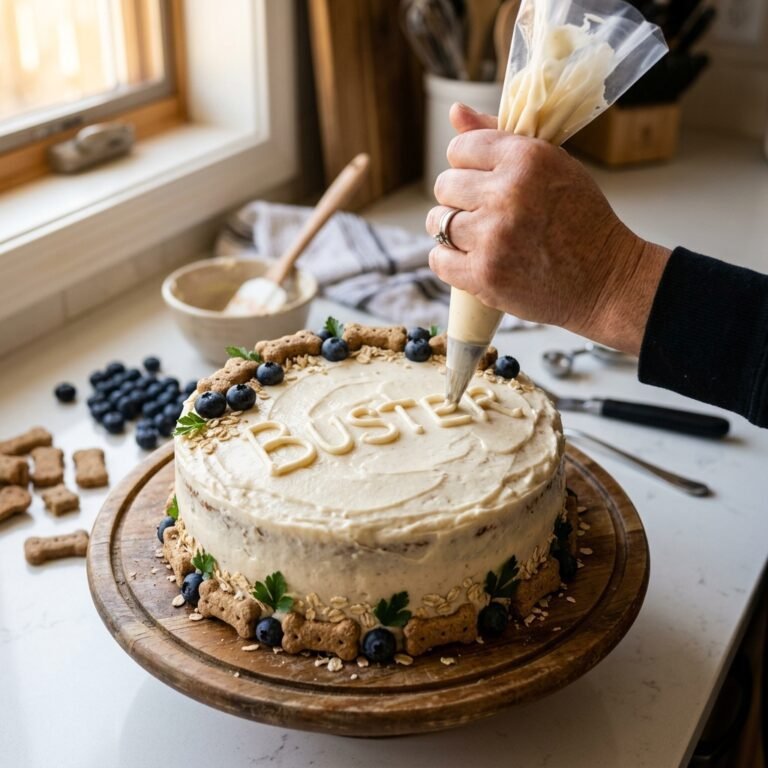
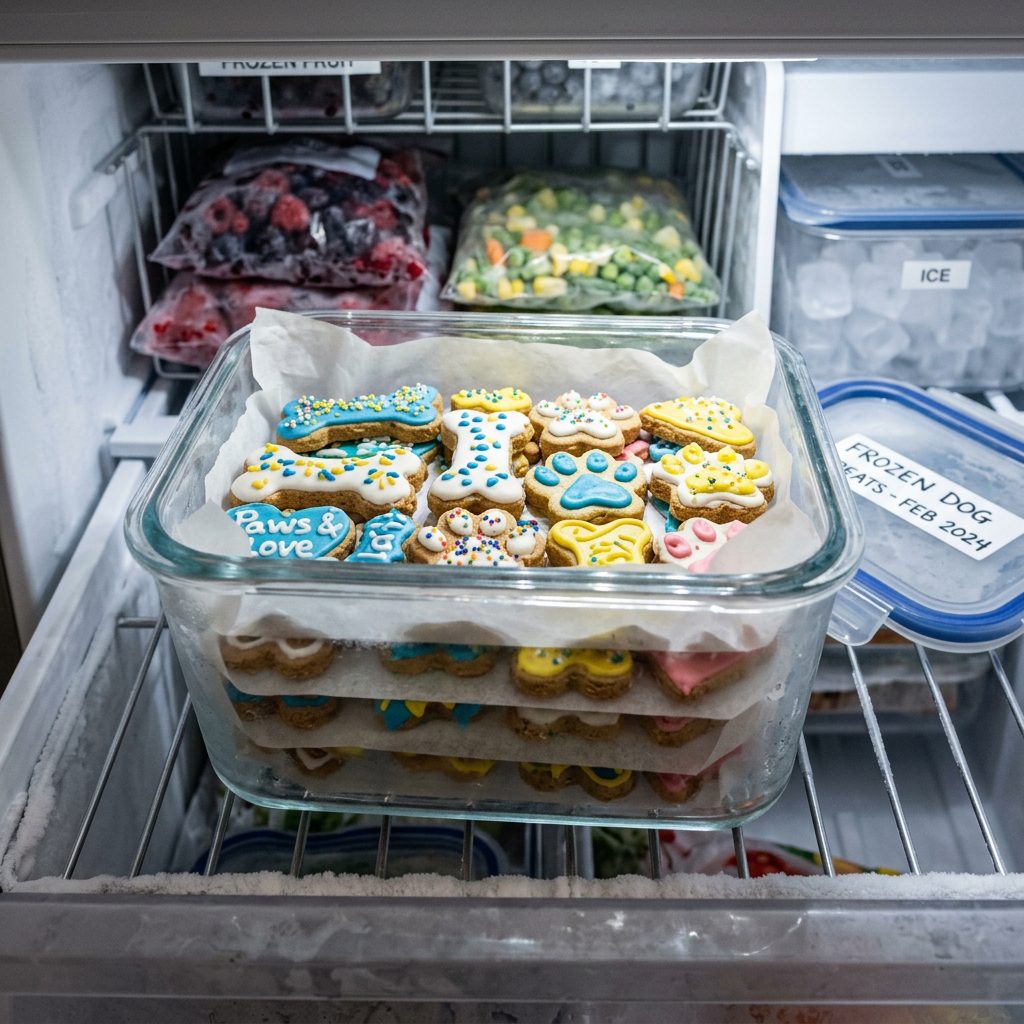
The absolute best way to utilize this hack is through batch cooking. Bake a massive batch of dog biscuits, frost all of them at once, and let the frosting harden completely in the fridge (about 4 hours). Once the frosting is hard like a shell, layer the treats in an airtight container with parchment paper between each layer. You can freeze these frosted treats for up to 3 months! When your dog deserves a special reward, simply pull one out and let it thaw on the counter for 10 minutes. The frosting will remain perfectly intact, hard, and beautiful.
Troubleshooting Common Issues
- My frosting cracked and flaked off! You used slightly too much starch, or you applied the frosting too thickly. Next time, thin it out with a few drops of water, and apply a thinner layer.
- It never hardened, it just stayed tacky. Your environment might be too humid, or your Greek yogurt had too much whey (liquid) in it. Ensure you are using thick, strained Greek yogurt, and let the treats set in the refrigerator where the humidity is controlled and the coconut oil can solidify.
- The colors bled into each other. If you are doing multi-colored designs, you must let the base layer of frosting dry for at least 30 minutes before piping a second color on top. This is a classic royal icing technique!
By mastering these small details, you are completely bypassing the commercial pet food industry’s overpriced, under-nutritious junk treats. You are providing your dog with a visually stunning, incredibly healthy, gut-supporting reward that costs pennies on the dollar.
Conclusion