Go Green, Get Rich: 7 Aesthetic Eco-Friendly Packaging Hacks for Your Dog Bakery Business
Hey fellow treat-bakers, label-readers, and canine wellness advocates! Let us cut right through the marketing fluff. You already know that the modern, savvy dog owner is acting like a forensic scientist when it comes to their dog’s nutrition. We scour ingredient lists, we expose cheap fillers like corn gluten meal and mystery meat by-products, and we demand the absolute best for our furry best friends. But here is the insider secret that most dog treat businesses completely miss: We judge your packaging just as harshly as your ingredients.
If you are spending hours in the kitchen baking premium, organic, grain-free dog treats but then shoving them into cheap, glossy, toxic plastic zip-lock pouches, you are actively killing your brand’s perceived value. It is the equivalent of serving a premium, grass-fed wagyu steak on a flimsy paper plate. As a canine nutrition hacker, I can tell you right now that eco-friendly packaging is not just about saving the planet—it is a hyper-effective strategy to position your brand as a premium, trustworthy authority. Going green is the ultimate hack to getting rich in the highly competitive dog bakery niche.
Insider Secret: Savvy dog owners psychologically associate natural, earth-friendly packaging with healthy, natural ingredients. If your treat bag looks like it belongs in a high-end, sustainable boutique, you can confidently charge high-end boutique prices.
Today, we are going to dive into 7 aesthetic, eco-friendly packaging hacks that will drastically cut down your overhead costs, eliminate wasteful plastics, and make your dog bakery absolutely irresistible to the modern pet parent. We are going to look at the real numbers, expose the ‘fake green’ marketing traps, and build a packaging strategy that boosts your profit margins while keeping our dogs safe.
The Forensic Breakdown: Plastic vs. Plant-Based Profit Margins
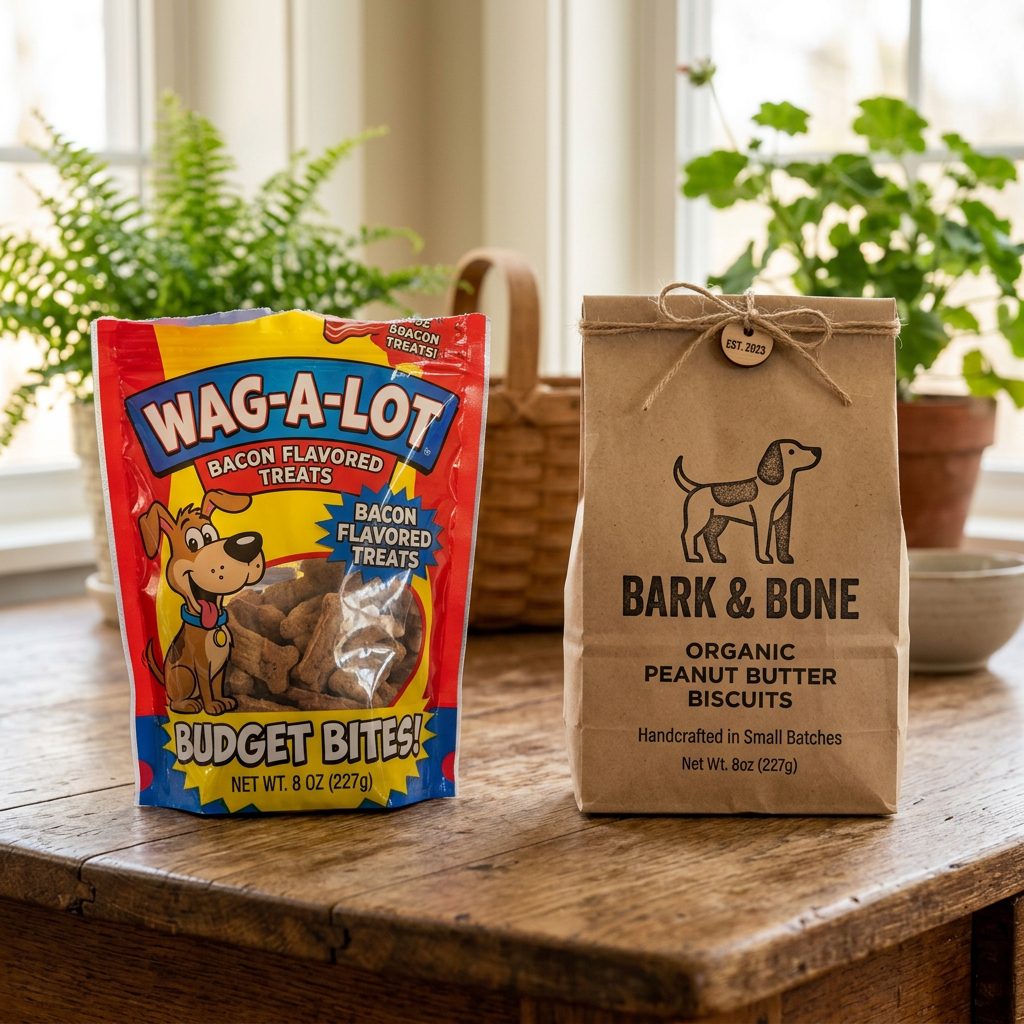
Before we get into the specific aesthetic hacks, we need to talk numbers. A lot of dog bakery owners are absolutely terrified that switching to eco-friendly packaging will destroy their profit margins. That is a toxic myth pushed by massive commercial pet food conglomerates who want to keep churning out cheap, polluting plastic. Let us do a real, forensic cost breakdown for a standard 8oz bag of treats.
| Packaging Type | Average Cost Per Unit | Customer Perception | Environmental Impact |
|---|---|---|---|
| Glossy Plastic Pouches | $0.45 | Mass-Produced / Cheap Fillers | Toxic / Landfill Forever |
| Stamped Kraft Paper Bags | $0.12 | Artisan / Premium / Small Batch | 100% Compostable |
| Compostable Cellophane | $0.25 | High-End / Fresh / Transparent | Breaks down in 90 days |
As you can clearly see in the data above, making the switch does not just help the environment; it actively lowers your cost per day of operating your business. By ditching the heavy plastics, you are saving serious money and instantly upgrading your brand’s aesthetic. You are moving from the ‘bargain bin’ perception to the ‘premium artisanal’ category, which means you can increase your retail price while simultaneously lowering your packaging costs. That is how you maximize your bakery’s bottom line.
Hack 1: The ‘Faux Cellophane’ Secret
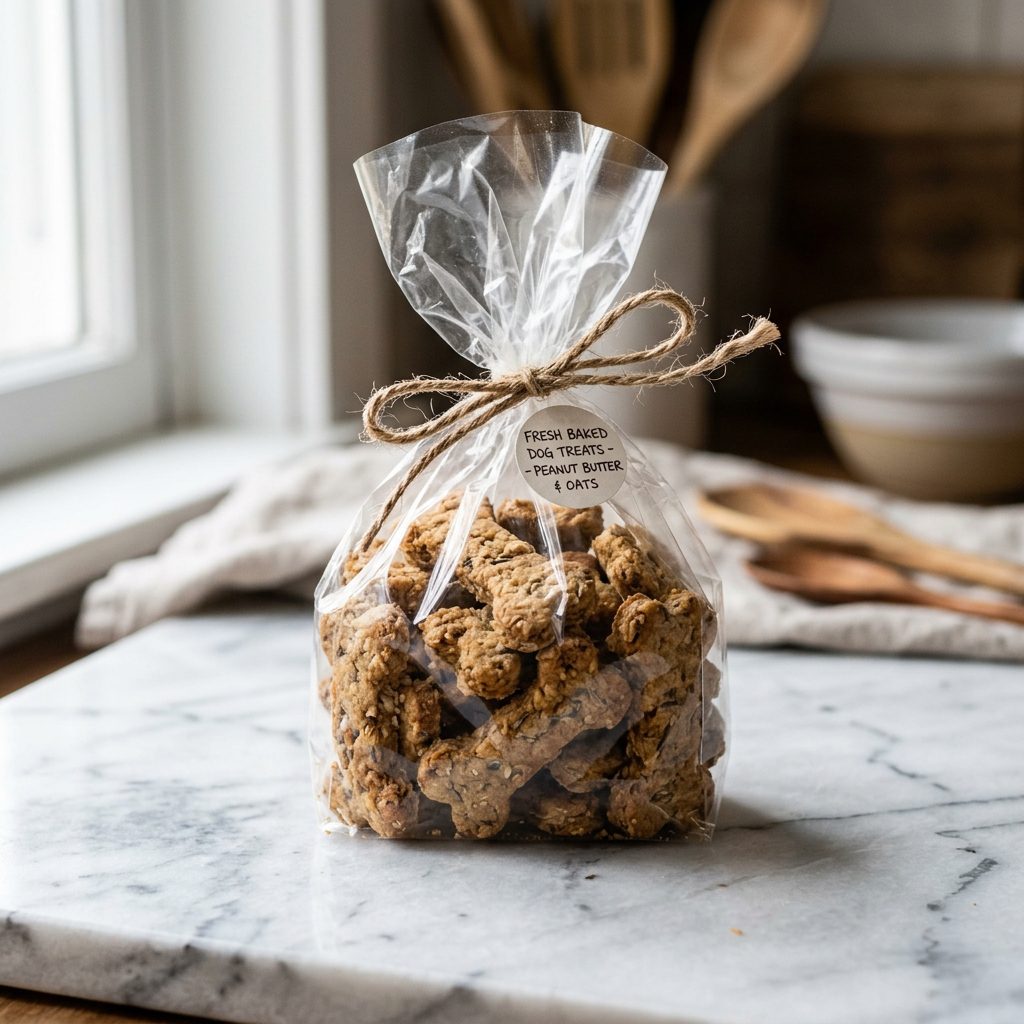
We all love showing off the texture and quality of our treats. If you are baking beautiful, icing-drizzled dog cookies or vibrant, beet-infused training bites, you want the customer to see them immediately. The traditional route is clear plastic or standard cellophane, but those are terrible for the environment, leach microplastics, and scream ‘cheap.’ Enter: NatureFlex or PLA (Polylactic Acid) bags.
What is the Secret?
These brilliant bags look, feel, and crinkle exactly like clear plastic cellophane, but they are actually made from renewable wood pulp or corn starch. They are 100% compostable and completely non-toxic.
Insider Secret: Always check the supplier label for ‘Certified Home Compostable.’ Some fake eco-brands sell industrial-only compostable bags, which require extreme heat to break down and still end up sitting in landfills. Do your forensic research!
Using these crystal-clear plant-based bags tied with a piece of natural jute twine gives your treats a rustic, farm-to-bowl aesthetic that dog owners go absolutely crazy for. Plus, PLA actually breathes slightly better than traditional plastic, which can help prevent unwanted moisture buildup and mold on your harder baked biscuits. It is a massive upgrade for both aesthetics and product freshness.
Hack 2: The Kraft Paper & Custom Rubber Stamp Combo
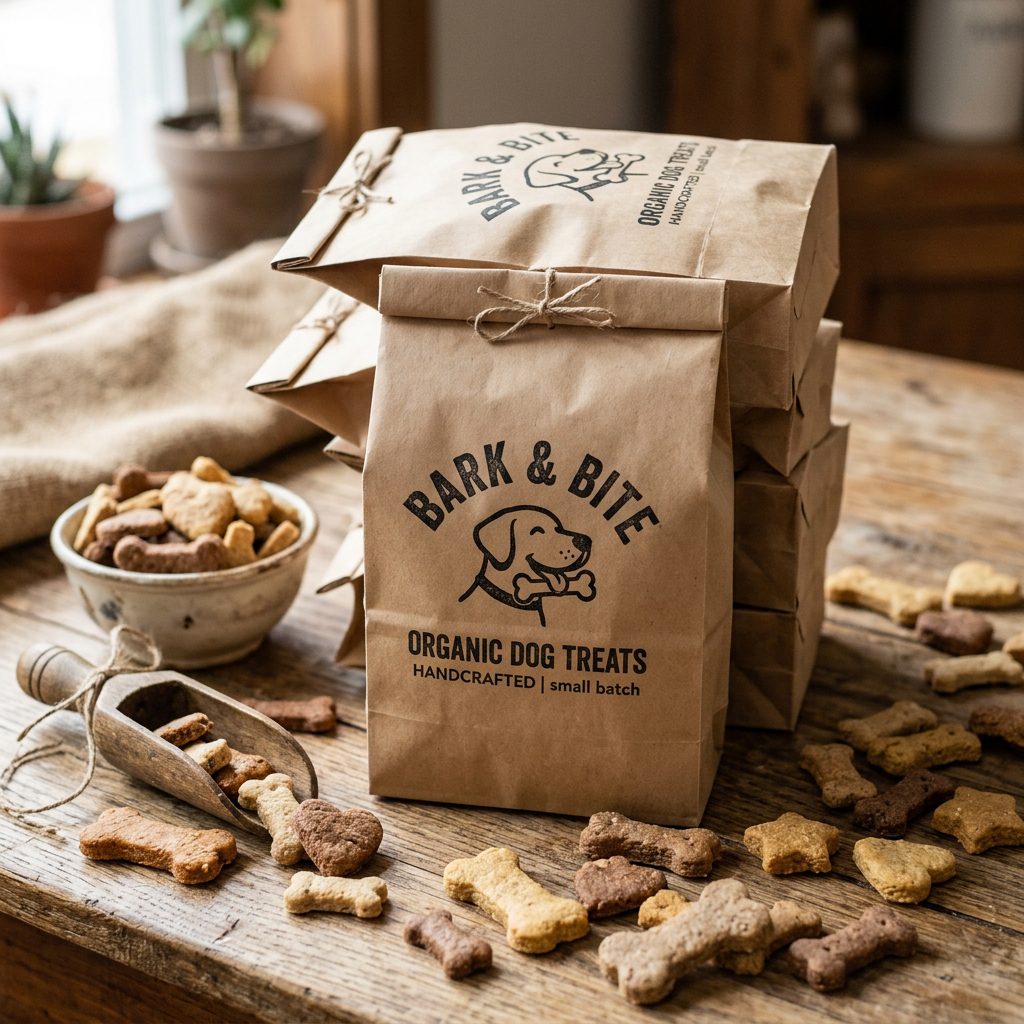
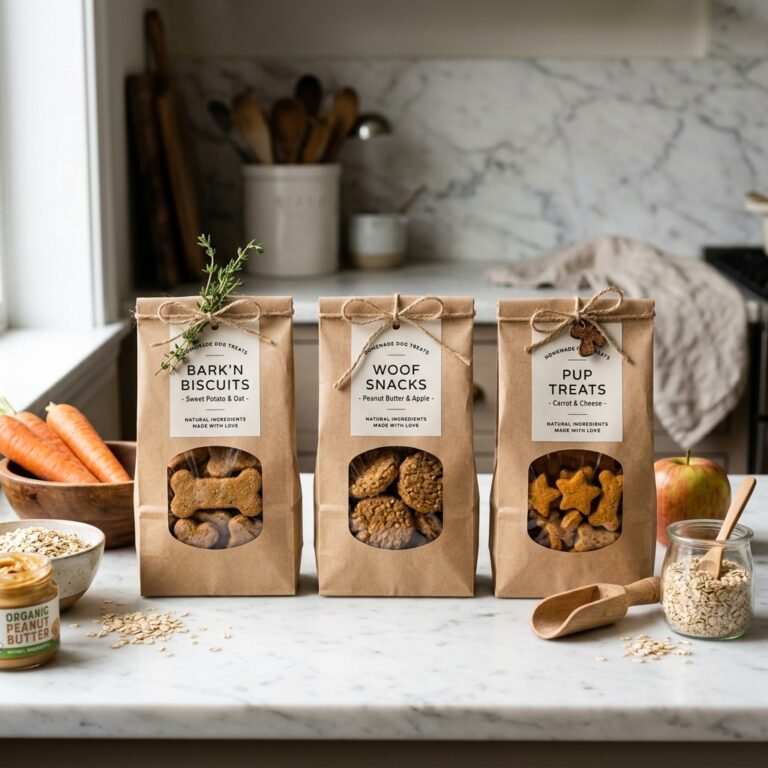
If there is one packaging hack that universally screams ‘artisan dog bakery,’ it is the classic brown kraft paper bag. But we are not just talking about tossing your premium treats into a plain, greasy lunch sack. We are talking about engineering a highly aesthetic, branded experience on a shoestring budget.
The Cost-Saving Strategy
Custom printed, multi-colored bags can cost upwards of $0.60 to $1.00 per bag when you are buying in small batches as a growing business. That eats directly into your profit margin. Instead, buy plain, unlined kraft paper bags in bulk for about $0.08 to $0.12 each. Then, invest in a high-quality custom rubber stamp with your bakery’s logo and some pet-safe, soy-based ink.
Why Savvy Owners Love It
- Radical Transparency: It shows you care significantly more about the high-quality ingredients inside the bag than flashy, distracting marketing on the outside.
- Safety and Freshness: Kraft paper is naturally breathable, which helps maintain the perfect crunch factor for baked biscuits without chemical desiccants.
- True Recyclability: It is one of the easiest materials for consumers to confidently recycle or compost in their own backyard bins.
When I am analyzing dog treat brands, a beautifully stamped kraft bag tells me the owner is putting their money into high-quality nutrition—like novel proteins and organic pumpkin—rather than expensive, flashy packaging. It builds instant trust.
Hack 3: Plantable Seed Paper Thank You Cards
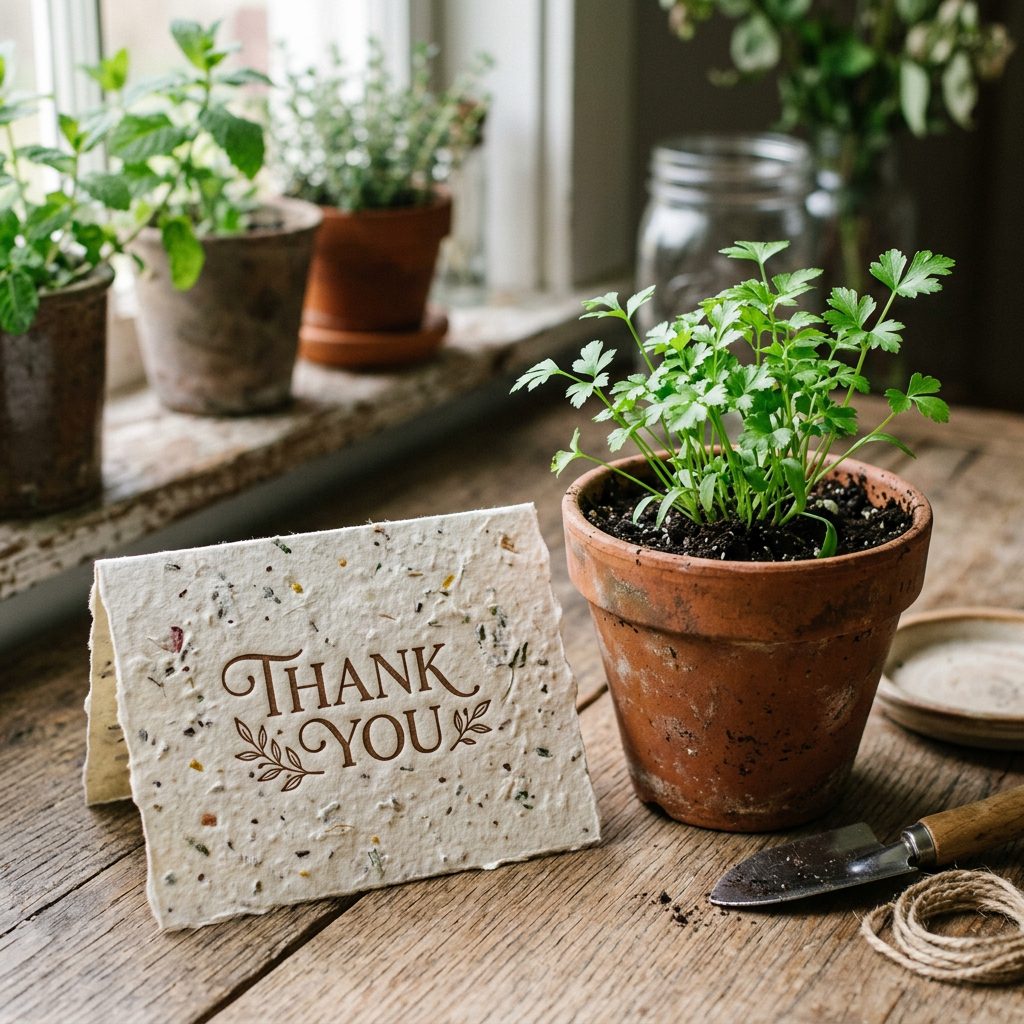
Every savvy business owner knows that the unboxing experience is crucial for building brand loyalty. Dropping a ‘Thank You for your order!’ card into your shipping boxes is standard practice, but standard glossy cardstock just ends up in the trash bin seconds after it is read. Let us hack the unboxing experience with seed paper.
The Ultimate Value-Add
Seed paper is biodegradable, handmade paper embedded with real, viable seeds. When the dog owner is done reading your lovely note, they can plant the paper in a pot of soil, water it, and watch it grow. But here is where you get incredibly strategic: Choose dog-safe herb seeds.
- Parsley: Widely known to help naturally freshen terrible doggy breath.
- Mint: Fantastic for soothing canine digestion and adding a fresh scent.
- Basil: Packed with natural antioxidants and perfectly safe for pups.
Insider Secret: Add a bold call-to-action on the card that says, ‘Plant this card in a sunny window to grow dog-safe mint for your pup’s fresh breath!’ You have just turned a piece of trash into a secondary product feature.
This hack positions you not just as a treat baker, but as a holistic canine wellness advocate. When your customer watches that mint grow on their windowsill, they will think of your bakery every single day. That is how you build a fiercely loyal customer base that refuses to shop anywhere else.
Hack 4: Upcycled Glass Jars for Premium Gourmet Lines
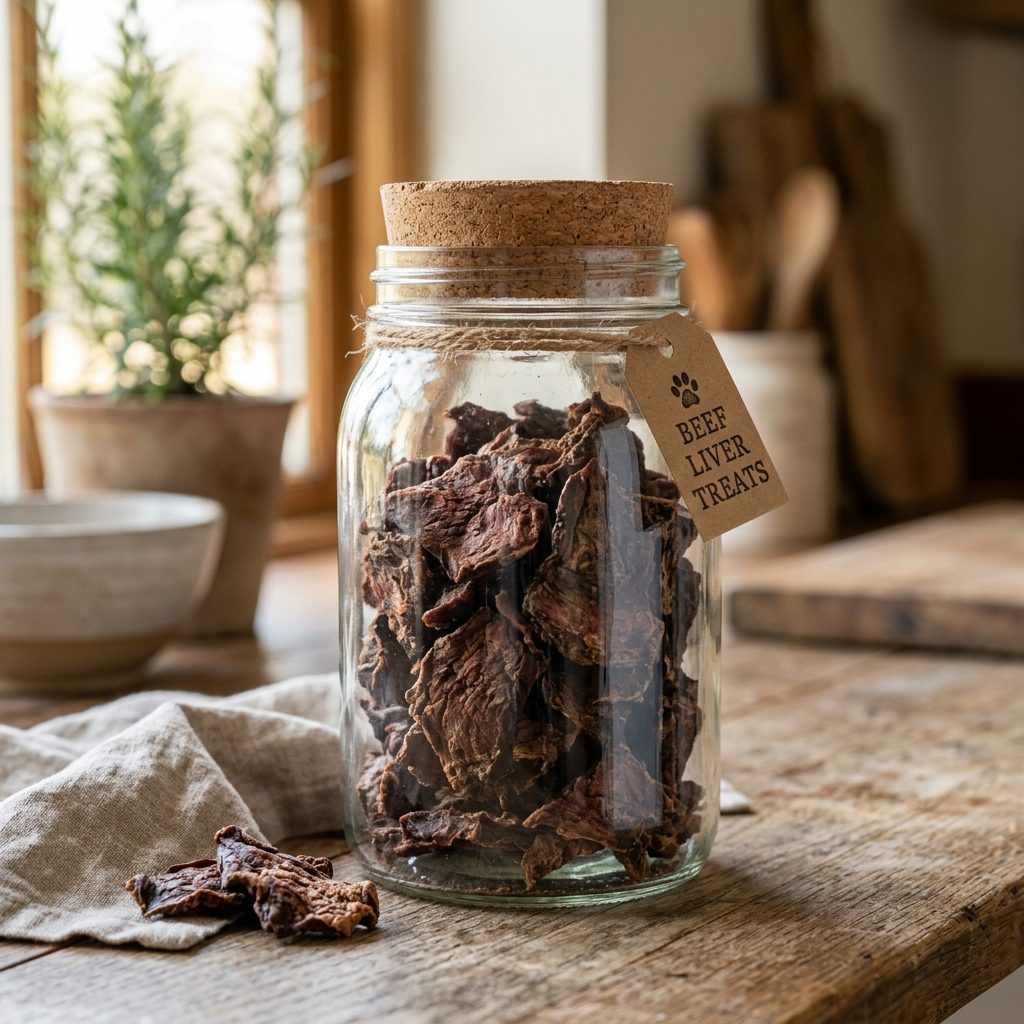
Sometimes you need a packaging option for your high-end, gourmet items—like dehydrated single-ingredient beef liver snaps, specialized allergy-friendly training treats, or bone broth powders. Cheap plastic tubs are absolutely out. Glass jars are in.
Commanding Top Dollar
Glass is heavy, highly aesthetic, and infinitely recyclable. More importantly, it creates a perfect airtight seal that keeps your premium treats fresher for longer without the need for artificial chemical preservatives like BHA or BHT. A dog owner who will not flinch at paying $25.00 for a small batch of single-ingredient treats expects a premium presentation to match the price tag.
Sourcing and Sustaining the Glass
- Wholesale Mason Jars: Classic, rustic, and very affordable when bought in flats from restaurant supply stores.
- Upcycling Reward Programs: Offer a $2 discount to local customers who return their empty glass jars to your farmer’s market stand. This creates a closed-loop eco-system and practically guarantees repeat business!
When you use glass, you are telling the forensic, savvy dog owner: ‘There are no cheap fillers, dangerous dyes, or artificial preservatives in here that need hiding.’ It is the ultimate flex in ingredient transparency.
Hack 5: Dissolvable Cornstarch Packing Peanuts
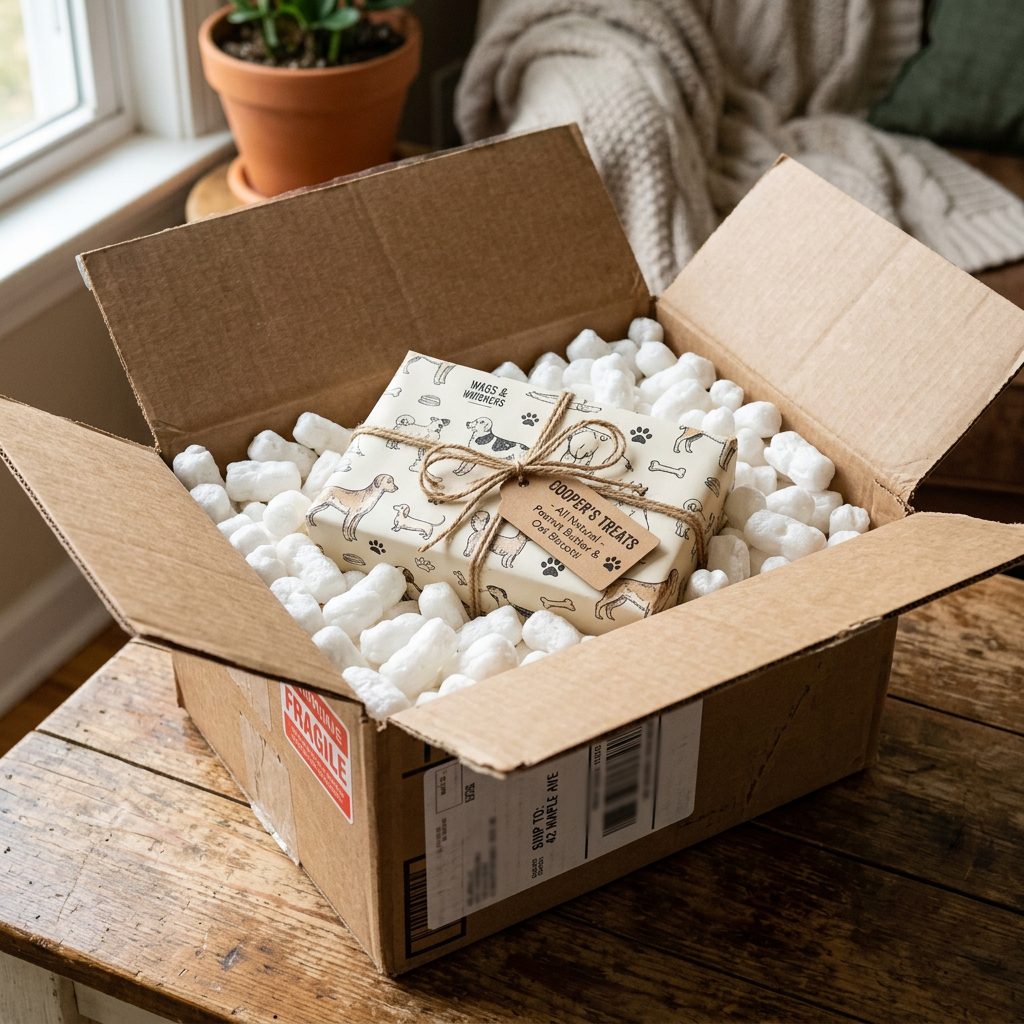
If you are shipping your dog bakery treats across the country, you need void fill to stop those delicate iced cookies from crumbling into dust during transit. Traditional styrofoam packing peanuts are the absolute enemy. They are an ecological disaster, they cling to everything via static electricity, and they are a major, life-threatening choking hazard if a curious dog gets into the shipping box.
The Safe, Green Alternative
Switch immediately to biodegradable packing peanuts made from cornstarch or sorghum. These little wonders look and act exactly like styrofoam to protect your products, but they are 100% non-toxic and dissolve completely upon contact with water.
Insider Secret: Make a fun social media video showing you running your packing peanuts under the kitchen faucet and watching them melt away into nothing. Tell your customers to do the same! Dog owners love sharing that kind of satisfying, green-conscious content, which acts as free viral marketing for your bakery.
Not only are you protecting the environment from forever-plastics, but you are also actively protecting your customers’ dogs. If a pup accidentally gobbles a cornstarch peanut that fell on the living room floor during unboxing, it will safely dissolve in their digestive tract without causing a dangerous intestinal blockage. Providing that peace of mind is priceless to an anxious pet parent.
Hack 6: Minimalist Belly Bands for Bully Sticks and Big Bones
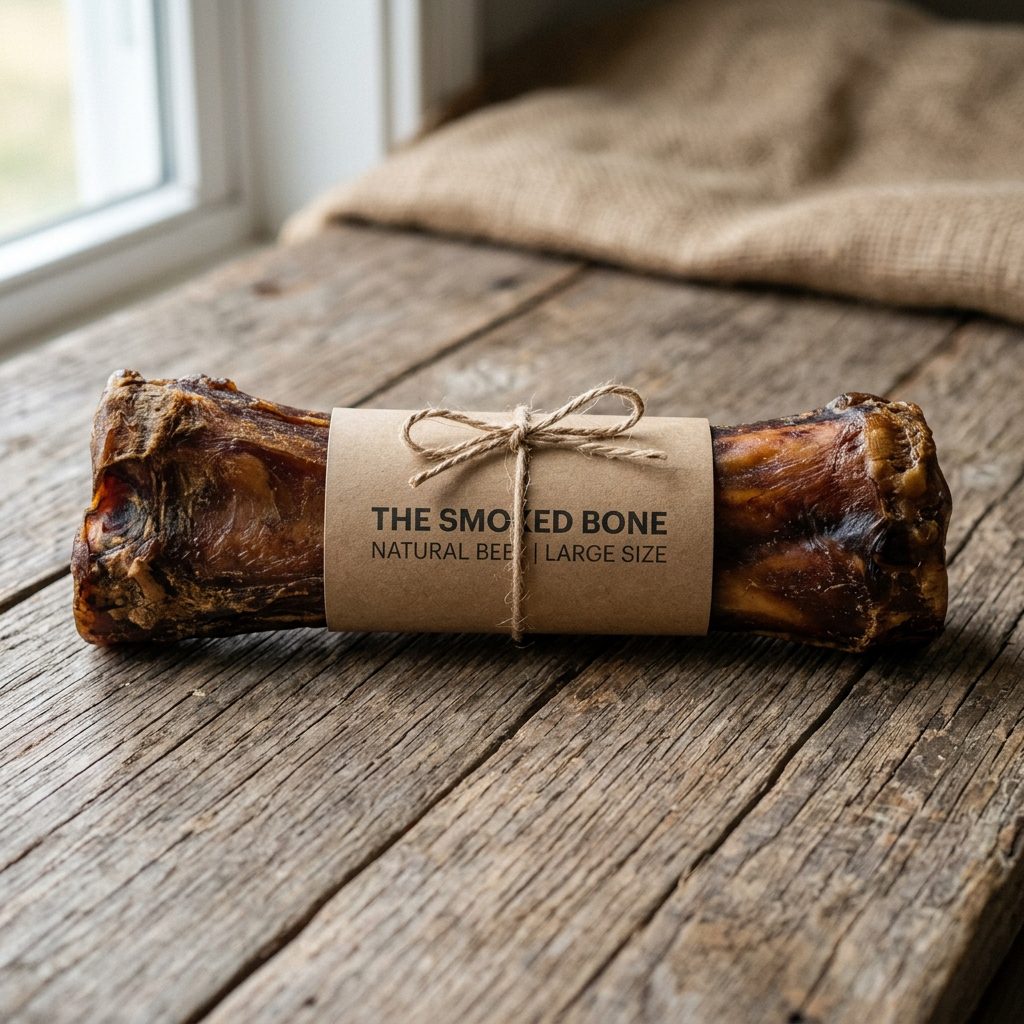
If your bakery also sells larger, durable chews, smoked marrow bones, or oversized decorative cookies, you do not need to enclose the entire product in a massive, wasteful bag. In the world of eco-friendly packaging, less is always more. Enter the belly band.
What is a Belly Band?
A belly band is simply a tailored strip of recyclable cardboard or thick kraft paper that wraps snugly around the center of the product, secured with a dab of eco-friendly adhesive or a custom sticker. It holds all your legally required information—ingredients, guaranteed nutritional analysis, weight, and your logo—while leaving the actual product beautifully exposed.
- Massive Material Savings: You use roughly 80% less packaging material compared to a full-sized bag, slashing your costs.
- Sensory Appeal: Dogs (and their owners) can actually smell the high-quality, smoked goodness of the treat before they even buy it, triggering impulse purchases.
- Authentic Presentation: It proves you have absolutely nothing to hide. The size, quality, and texture of the product speak for themselves.
By minimizing the packaging to just the essential band, you drastically reduce your overhead costs while simultaneously boosting the rugged, natural aesthetic of your brand. It is a massive win-win for your wallet and the planet.
Hack 7: Eco-Friendly Inks and Compostable Stickers
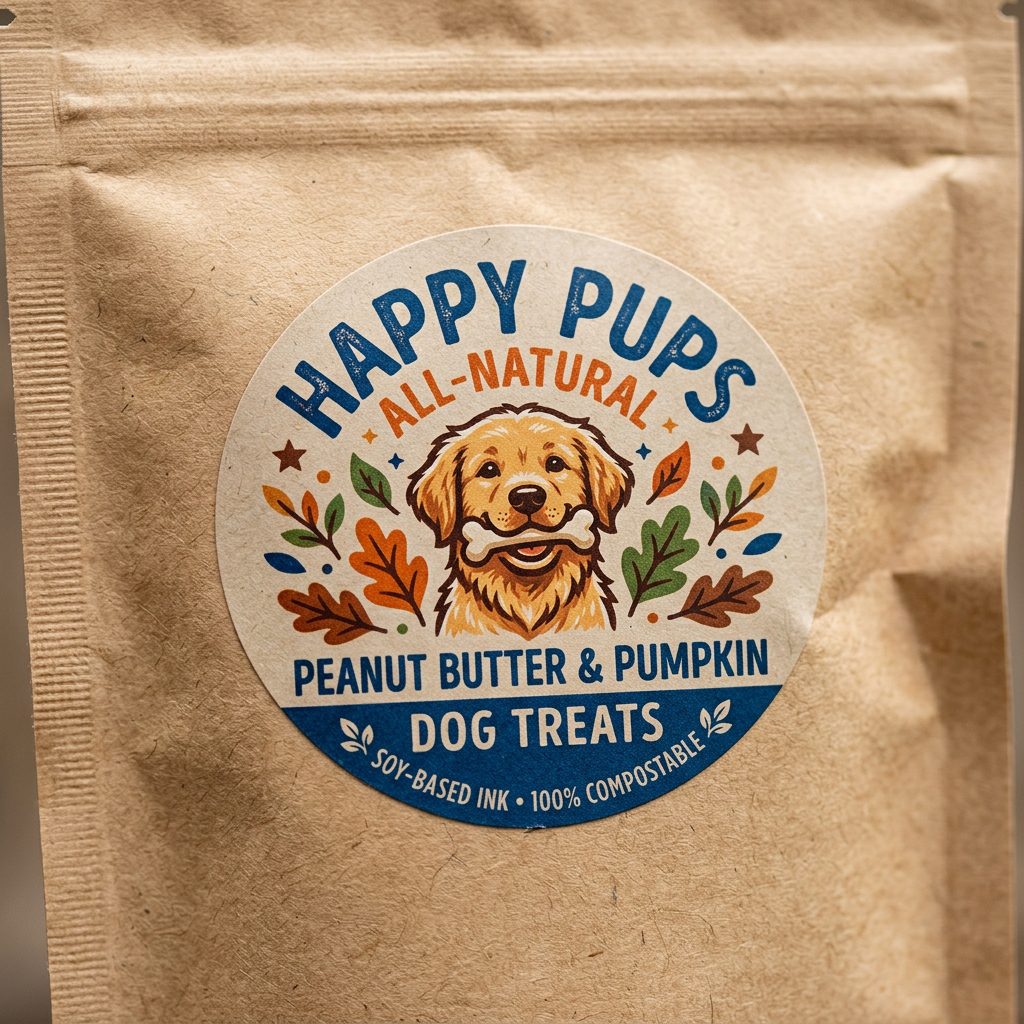
Here is a devastating trap that catches a lot of well-meaning dog bakery owners: They spend extra money on expensive, 100% compostable bags, and then they slap a cheap, vinyl, plastic-coated sticker right on the front of it. Boom. You just ruined the compostability of the entire package, and savvy consumers will notice.
The Forensic Detail
As a label-reader, I look at absolutely everything. If you claim your packaging is green, I am checking the texture and material of the sticker. Traditional stickers use heavy, toxic chemical adhesives and vinyl faces that will sit in a landfill for centuries, contaminating the soil.
The Hacker Fix
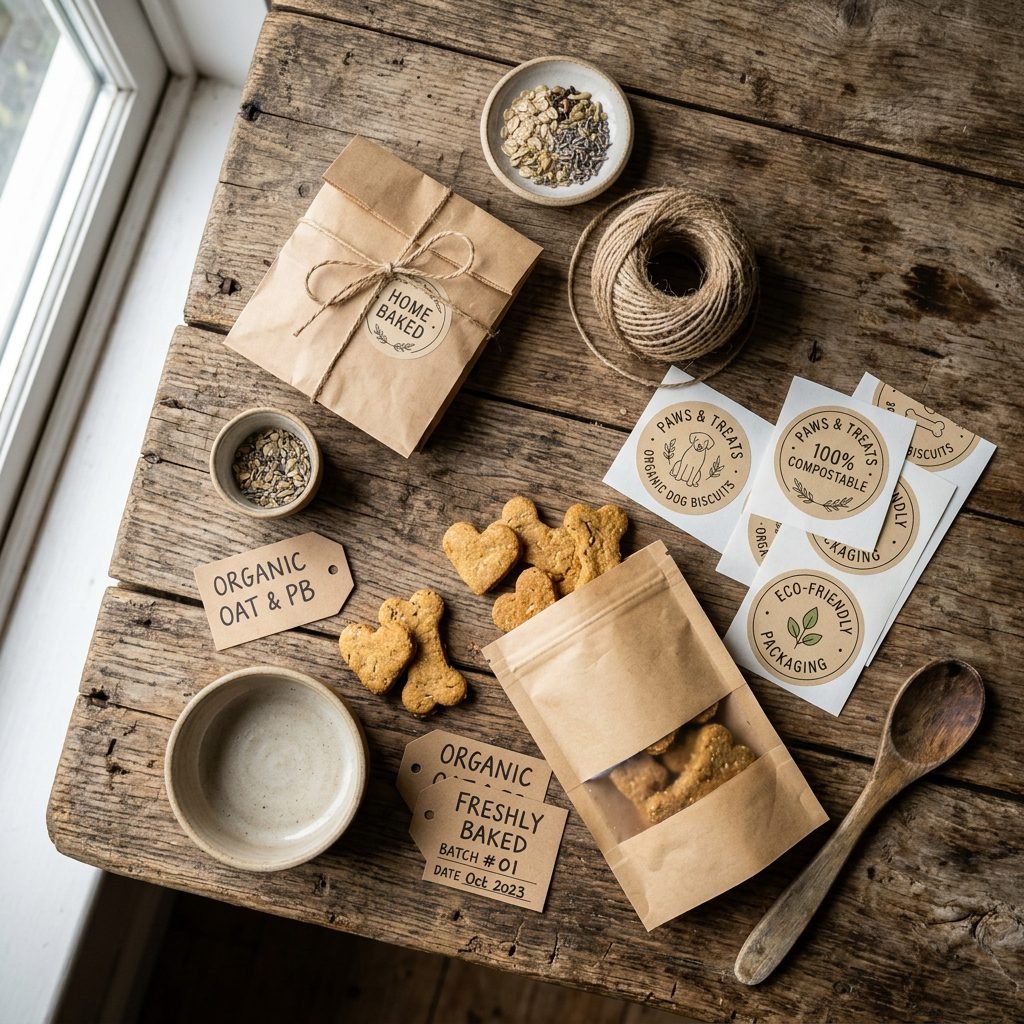
- Compostable Label Materials: Source your branded labels made from sugarcane waste, wood pulp, or unbleached recycled paper.
- Water-Based Adhesives: Ensure the sticky backing of the label is vegan and water-based, rather than synthetic rubber or petroleum-based.
- Soy or Water-Based Inks: Traditional petroleum-based inks release volatile organic compounds (VOCs) into the air. Soy-based inks are incredibly vibrant, completely eco-friendly, and perfectly safe to be around dog food.
When you nail these tiny, forensic details, you elevate your brand from a ‘cute weekend side hustle’ to a professional, industry-leading dog bakery. You earn the absolute trust and loyalty of the most stringent, savvy dog owners on the market, and they will gladly pay a premium for your dedication.
Conclusion
The Bottom Line: Green Packaging is Smart, Profitable Business
Listen up, the dog treat industry is fiercely competitive right now. If you want to stand out and thrive, you cannot just rely on having a cute logo or a clever name for your biscuits. You have to definitively prove to savvy dog owners that you care deeply about their dog’s health, their safety, and the world that dog plays in. By implementing these 7 aesthetic, eco-friendly packaging hacks, you are doing so much more than just ‘saving the planet’—you are aggressively slashing your overhead costs, increasing your profit margins, and building a fiercely loyal community of customers who trust you implicitly.
It is time to ditch the toxic, cheap plastic once and for all. Embrace the rustic kraft paper, the brilliant seed cards, the elegant glass jars, and the dissolvable peanuts. When you go green with your packaging, you do not just help the earth; you get rich by building a premium, transparent brand that modern dog owners truly believe in. Now, get back in the kitchen, bake up something incredible with zero fillers, and package it like an absolute pro!