Don’t Get Sued: How to Legally Test Your Homemade Dog Treat Shelf Life at Home!
The ‘Treat Hustle’ is Real—But So Are the Risks
Listen, I get it. You’ve perfected that organic peanut butter and pumpkin biscuit recipe. Your neighbor’s Golden Retriever goes absolutely nuts for them, and you’ve started thinking, ‘Hey, I could sell these!’ But before you open that Etsy shop or head to the local farmer’s market, we need to have a serious heart-to-heart about mold, bacteria, and lawsuits. As ‘The Canine Nutrition Hacker,’ I’ve seen too many well-meaning dog lovers get shut down because they didn’t understand the science of shelf life. If your treat looks fine today but grows a fuzzy green coat inside a customer’s pantry three weeks from now, you aren’t just losing a sale—you’re potentially facing a legal nightmare.
Testing shelf life isn’t just for the big corporate giants like Purina or Mars. You can do it at home, legally and scientifically, without spending thousands on laboratory fees. In this guide, I’m going to strip away the industry jargon and give you the ‘insider secrets’ to ensuring your treats stay fresh, crunchy, and most importantly, safe for every pup that snacks on them.
The Safety First Disclaimer
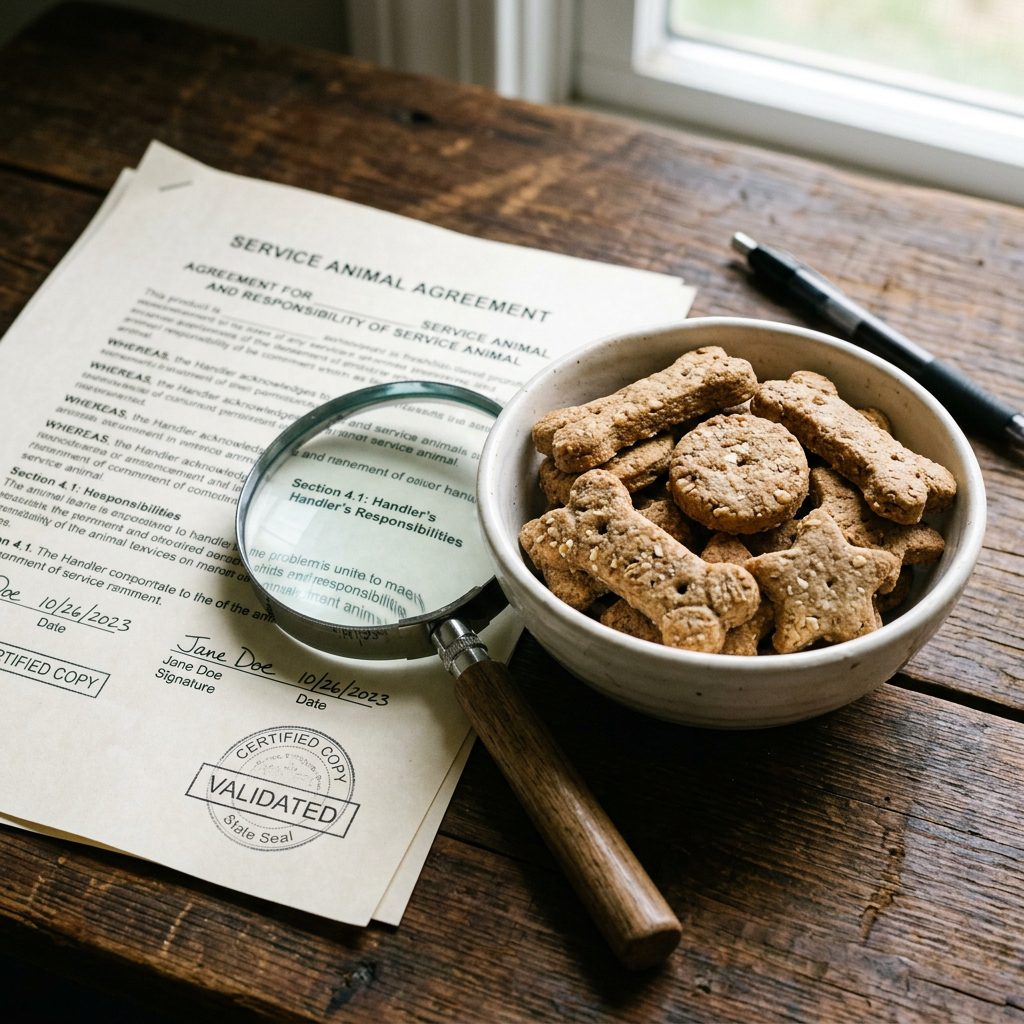
Before we dive into the nitty-gritty of moisture levels and preservatives, let’s get the legalities out of the way. I am not a veterinarian, nor am I a lawyer or a professional food scientist. The advice provided here is based on industry standards for home-based pet treat production and personal experience in the canine nutrition space. Every state has different ‘Feed Control’ laws (often managed by the Department of Agriculture). While these home-testing methods are robust, some states require professional lab analysis for guaranteed analysis (protein, fat, fiber, moisture) if you intend to sell commercially. Always check your local AAFCO (Association of American Feed Control Officials) guidelines before going live with a business.
Hacker Tip: Even if you are just giving treats to friends, follow these protocols. A sick dog is a tragedy regardless of whether money changed hands.
The Science of Spoilage: Why Treats Go Bad
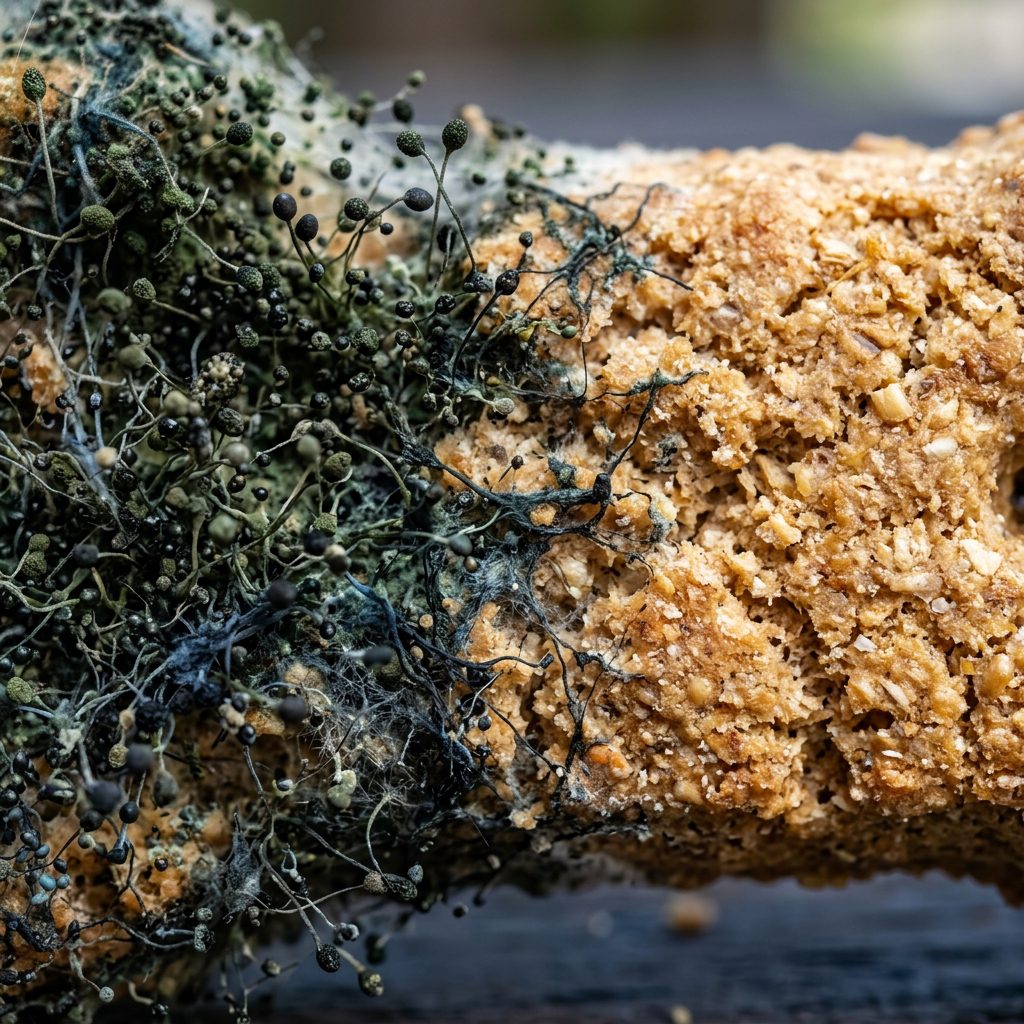
The Enemy: Water Activity (Aw)
Most people think ‘moisture content’ is what causes mold. Close, but not quite. The real culprit is Water Activity (Aw). This is a measurement of the ‘free’ water available for bacteria and mold to grow. You could have a treat that feels dry but still has a high water activity level. To be shelf-stable at room temperature without heavy chemical preservatives, your treats generally need a water activity level of 0.60 or lower.
The Pathogens to Watch For
When treats aren’t properly dried or preserved, you’re inviting three major villains to the party:
- Mold: The most common issue. Some molds produce mycotoxins which are toxic to dogs.
- Salmonella: A major concern for raw or under-baked treats.
- Oxidative Rancidity: This isn’t a bacteria; it’s when the fats in your treats go ‘off’ and smell like old paint. It’s not usually lethal, but it tastes terrible and destroys nutritional value.
| Treat Type | Typical Shelf Life | Primary Risk |
|---|---|---|
| Soft/Chewy | 3-7 Days (Refrigerated) | Rapid Mold Growth |
| Dehydrated/Crunchy | 3-6 Months | Rancidity/Moisture Re-absorption |
| Freeze-Dried | 12-24 Months | Texture Degradation |
The DIY Shelf Life Test: The ‘Ambient’ Method
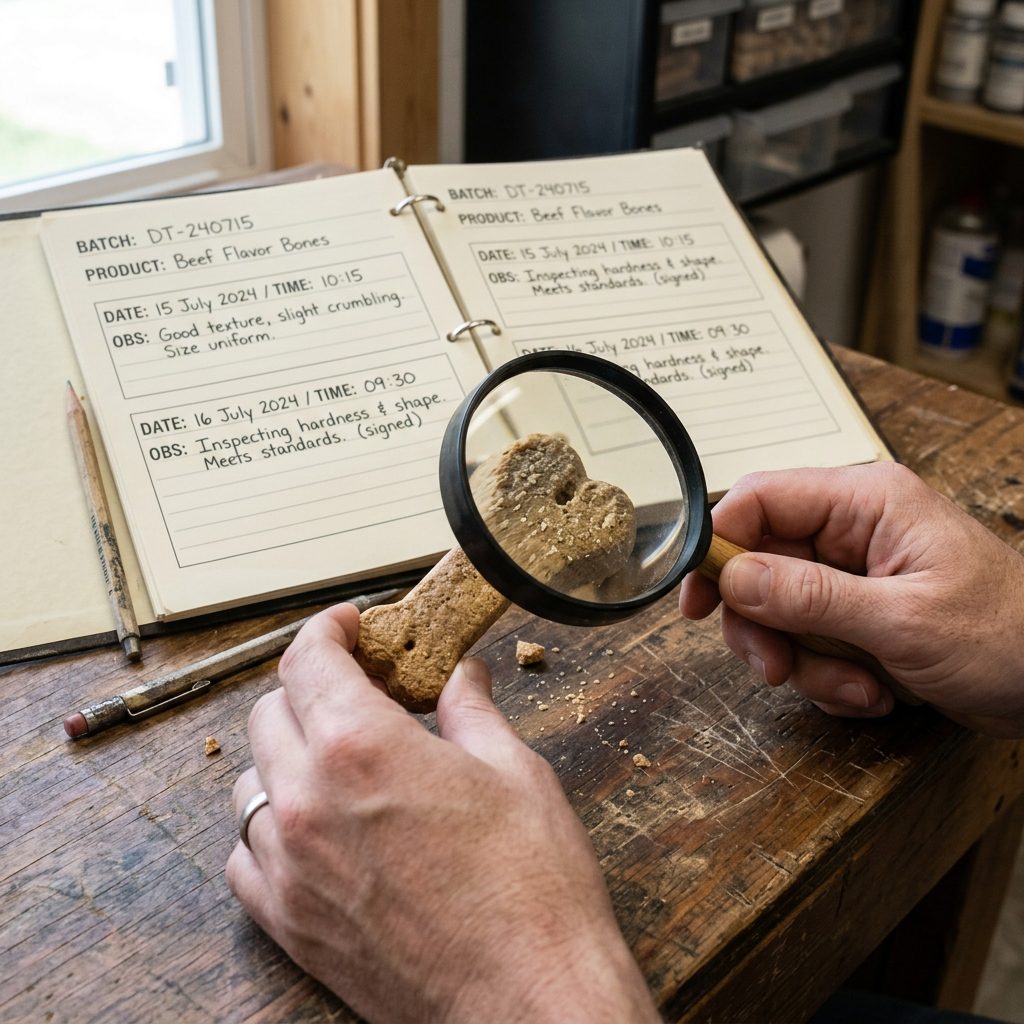
You don’t need a $2,000 Water Activity Meter to start. You can perform an Ambient Temperature Stability Test right in your kitchen. This is the ‘Forensic Scientist’ approach to home baking.
Step 1: The Batch Protocol
Make a standard batch of your treats exactly how you plan to sell or store them. Do not take shortcuts. If you usually bake for 30 minutes, bake for 30 minutes. Consistency is the key to legality.
Step 2: The Packaging Simulation
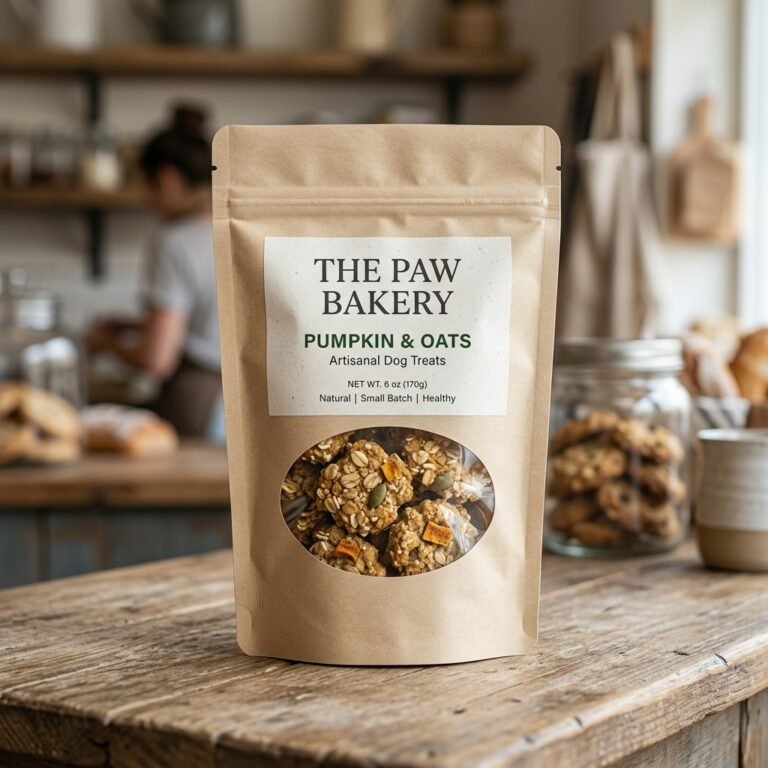
Divide your treats into the exact packaging you intend to use (e.g., kraft bags, plastic pouches, or glass jars). Label 10-12 bags with the date of production. Storage is critical—place them in a ‘worst-case scenario’ spot, like a kitchen shelf that gets some light and humidity, not a dark, climate-controlled cellar.
Step 3: The Weekly Forensic Audit
Every week, open one bag. You are looking for:
- The Snap Test: Does the treat still ‘snap’ when broken? If it bends, it has absorbed moisture.
- The Olfactory Test: Does it smell like the ingredients, or does it have a ‘sour’ or ‘dusty’ note?
- The Visual Inspection: Use a magnifying glass. Look for white, fuzzy spots or dark discolorations.
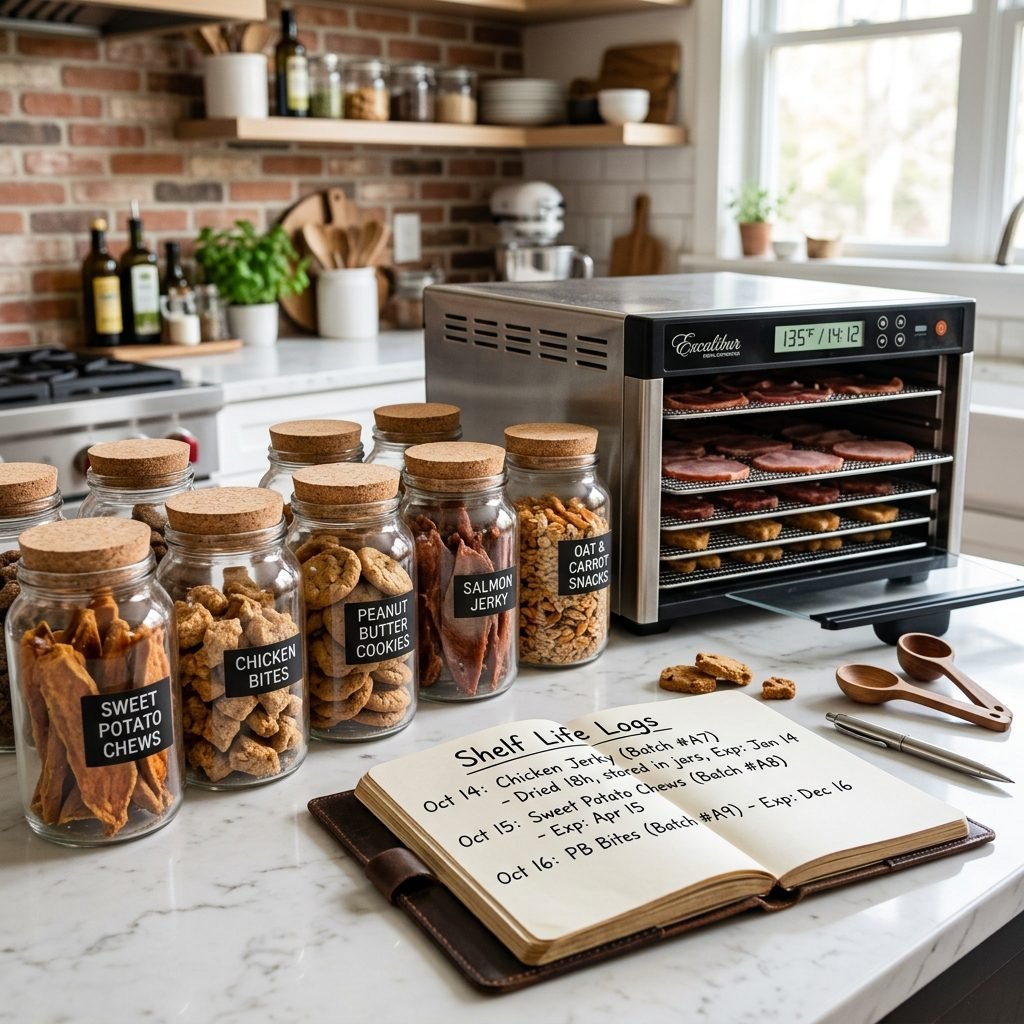
Hacker Tip: Keep a ‘Shelf Life Log.’ If you ever get a customer complaint, having a dated log showing your internal testing can be your best defense in proving your process is sound.
Natural Preservatives: The Insider Secrets
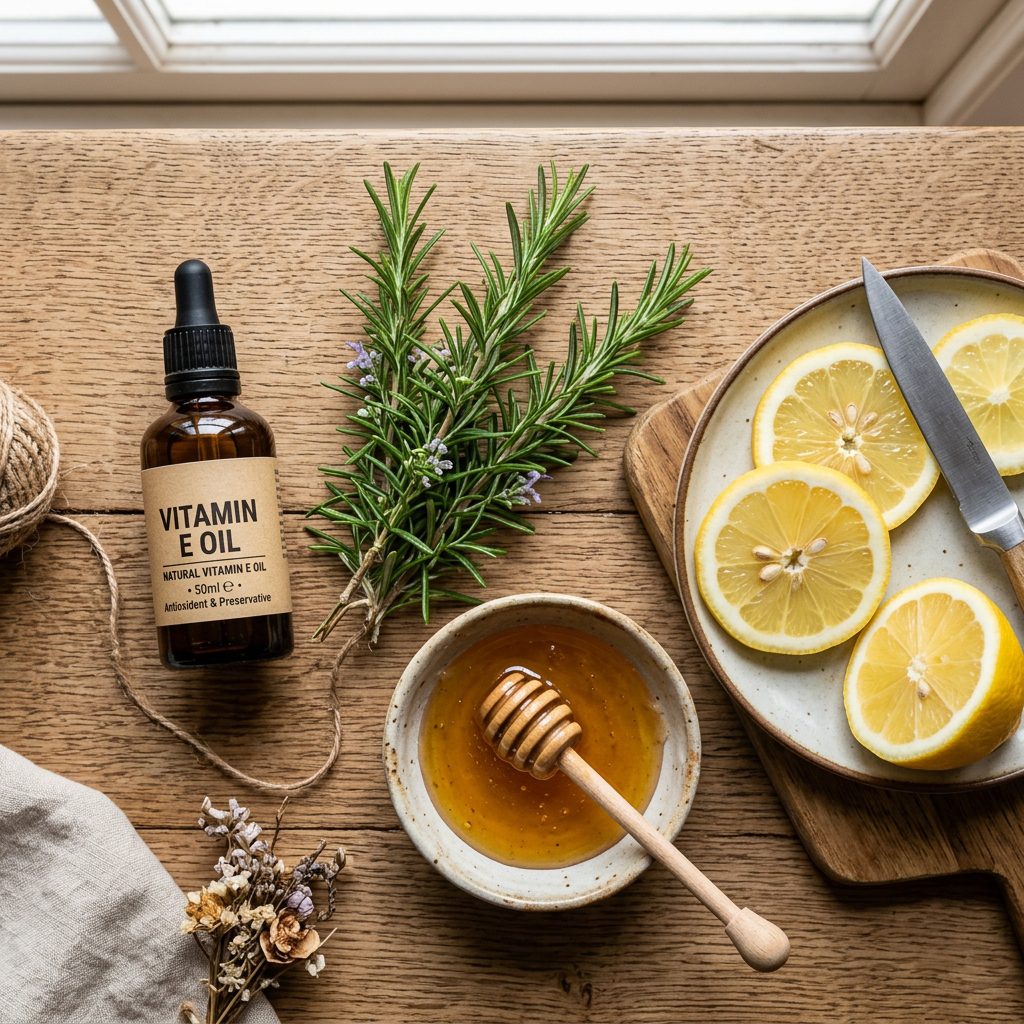
If you want to avoid ‘chemical fillers’ like BHA or BHT (which I highly recommend avoiding), you need to use nature’s own defense mechanisms. Savvy dog owners want clean labels, but clean labels can be dangerous if the food spoils.
The Hero Ingredients
- Vitamin E (Mixed Tocopherols): This is the gold standard for preventing fats from going rancid. You can buy liquid Tocopherols and add them to your oil/fat component.
- Rosemary Extract: A powerful antioxidant. Note: Use ‘extract,’ not just dried rosemary, for preservative effects.
- Citric Acid: Lowers the pH of the treat, making it harder for bacteria to thrive. Use sparingly to avoid affecting taste.
- Honey: A natural humectant that can help bind water, though it adds sugar, so use it strategically.
The Cost Breakdown: DIY vs. Commercial
Using natural preservatives adds a small cost to your production, but it’s pennies per bag compared to the cost of a product recall or a sick pet.
| Ingredient | Function | Cost Impact |
|---|---|---|
| Mixed Tocopherols | Antioxidant (Fat Safety) | $0.05 / lb |
| Rosemary Extract | Shelf Stability | $0.03 / lb |
| Dehydration (Extra 2 hrs) | Moisture Removal | $0.12 / batch (Electricity) |
Packaging: The Final Frontier of Freshness
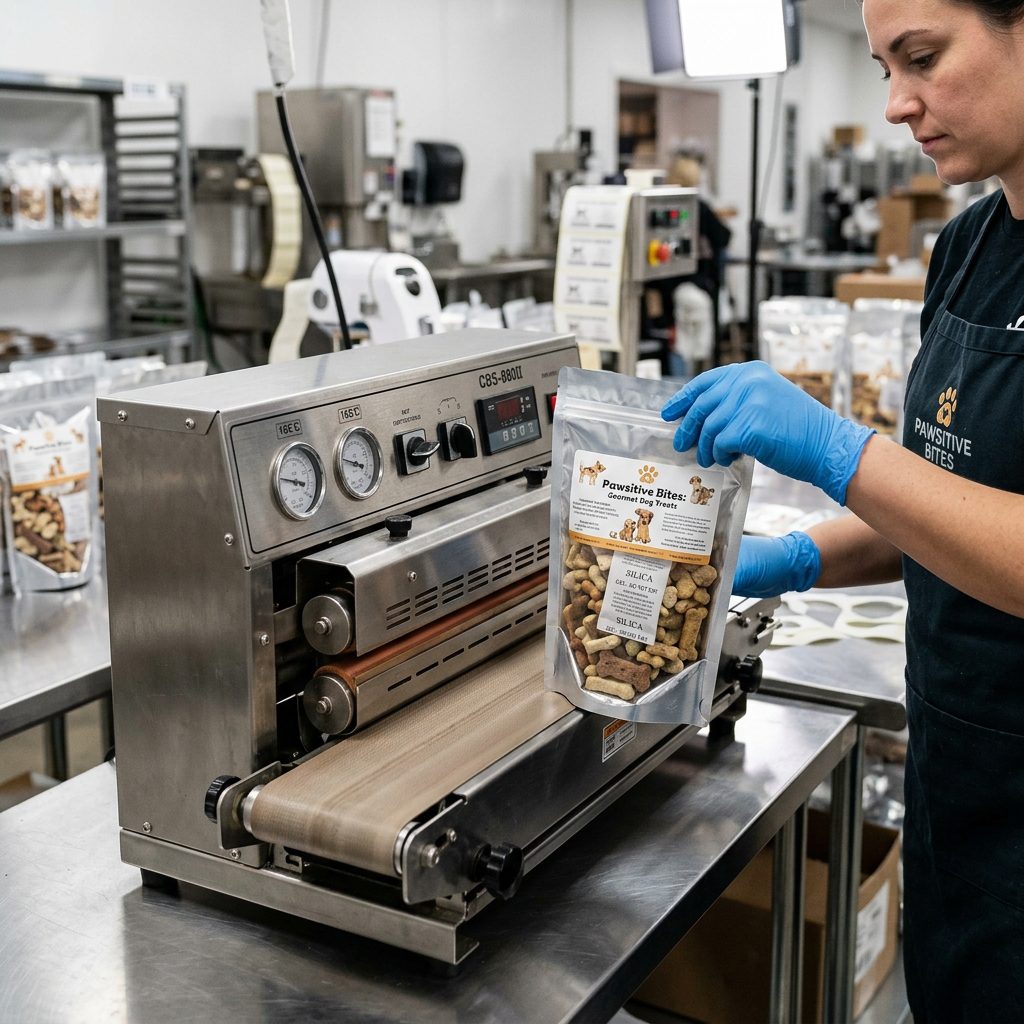
You could make the world’s driest, safest treat, but if you put it in a cheap, breathable bag, it will suck moisture out of the air and mold within days. This is where many DIYers fail.
The ‘Hacker’ Packaging Strategy
If you want to legally claim a 6-month shelf life, your packaging must be an oxygen and moisture barrier. Look for bags with a high MVTR (Moisture Vapor Transmission Rate) rating. Mylar is excellent, but if you want customers to see the treats, look for high-barrier clear poly-bags.
The Secret Weapon: Desiccants and Oxygen Absorbers
Have you ever noticed those little ‘Do Not Eat’ packets in beef jerky? Those are your best friends. Silica gel packets remove moisture, while Oxygen Absorbers remove the O2 that fats need to turn rancid. Adding a $0.10 packet to your bag can double your shelf life overnight.
Hacker Tip: If you use oxygen absorbers, you MUST use a heat-sealer. A Ziploc-style closure is not airtight enough for oxygen absorbers to work effectively.
The Legal Label: What You Must Include
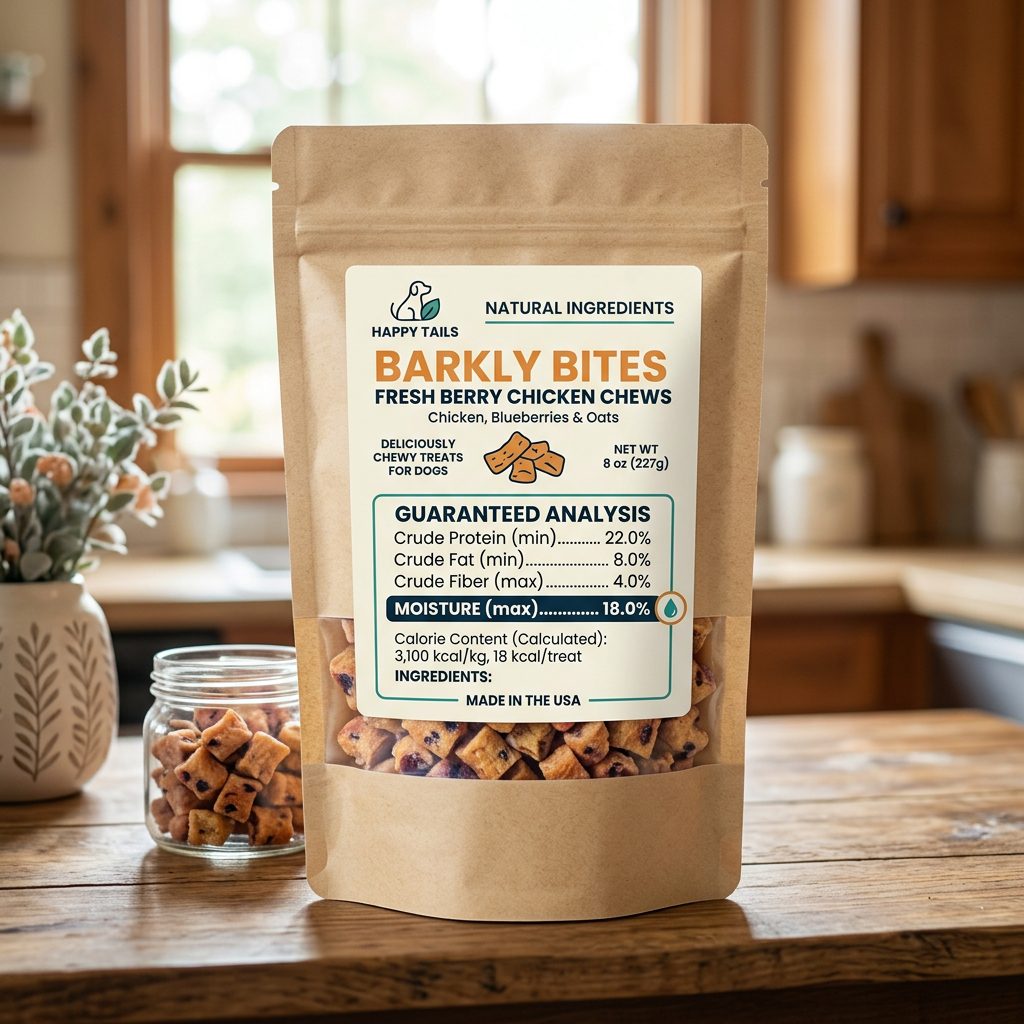
To protect yourself from getting sued, your label needs to be more than just a cute logo. AAFCO and the FDA have specific requirements for pet food labeling. Even if you are a ‘small-batch’ producer, following these rules makes you look professional and legally responsible.
The Mandatory Four
- Guaranteed Analysis: At minimum, you need to list Crude Protein (min%), Crude Fat (min%), Crude Fiber (max%), and Moisture (max%).
- Ingredient List: Listed by weight in descending order. Be honest. If you used ‘Chicken Meal,’ don’t just write ‘Chicken.’
- Statement of Intent: ‘Treat or snack only’—this legally protects you by stating the food is not a complete and balanced meal replacement.
- Net Weight: Must be clearly visible on the bottom third of the front panel.
The ‘Best By’ Date
Based on your Ambient Temperature Stability Test, subtract one month from the date you first noticed any change in quality. That is your ‘Best By’ date. If your treats lasted 5 months in your test before getting slightly soft, your label should say 4 months. Always under-promise and over-deliver on freshness.
Conclusion
Mastering the Art of the Safe Snack
Testing your homemade dog treat shelf life doesn’t require a PhD in microbiology, but it does require discipline, a forensic eye, and a commitment to safety. By controlling your Water Activity, utilizing natural preservatives like Vitamin E, and choosing high-barrier packaging, you are building a foundation of trust with your customers (and their four-legged friends). Remember: the best-tasting treat in the world is worthless if it isn’t safe. Keep your logs, test your batches, and go forth with the confidence of a true Canine Nutrition Hacker. Your pup—and your bank account—will thank you!