How to Bake Viral Pastel Easter Egg Dog Treats Using 100% All-Natural Plant Dyes!
The Truth Behind the Viral Aesthetic
We’ve all seen them: those perfectly aesthetic, pastel-colored dog treats flooding your social media feed as soon as April hits. They look amazing in a reel, but as a Canine Nutrition Hacker, I’m here to tell you that what’s inside those boutique bags is often a chemical nightmare. Most commercial ‘holiday’ treats rely on synthetic dyes like Red 40, Yellow 5, and Blue 1 to get those ‘pretty’ colors. These aren’t just unnecessary; they are potential triggers for allergies, hyperactivity, and even more serious long-term health issues. But here is the insider secret: you can get those same viral-worthy pastel shades using ingredients already sitting in your pantry. We are talking about 100% plant-based, nutrient-dense dyes that actually add health benefits to your dog’s diet rather than stripping them away. In this guide, I am going to show you how to outsmart the pet food industry and bake treats that look like they cost $25 a bag for just a fraction of the price.
The Safety First Disclaimer: The Hacker’s Code
Before we dive into the kitchen, let’s get the legalities out of the way. I am a savvy dog owner and a nutrition researcher, but I am not a veterinarian. These treats are intended as supplemental snacks, not a replacement for a balanced AAFCO-compliant meal. While the ingredients used in this recipe are generally safe for dogs, every pup is an individual. If your dog has a history of pancreatitis, kidney issues, or specific food allergies, consult your vet before introducing new ingredients like turmeric or beets. Always introduce new treats in small quantities to monitor for digestive upset.
Hacker Tip: When trying a new ingredient like spirulina or turmeric for the first time, start with a ‘micro-dose’ to ensure your dog’s stomach is on board.
The Forensic Analysis: Why Store-Bought Colors Are Traps
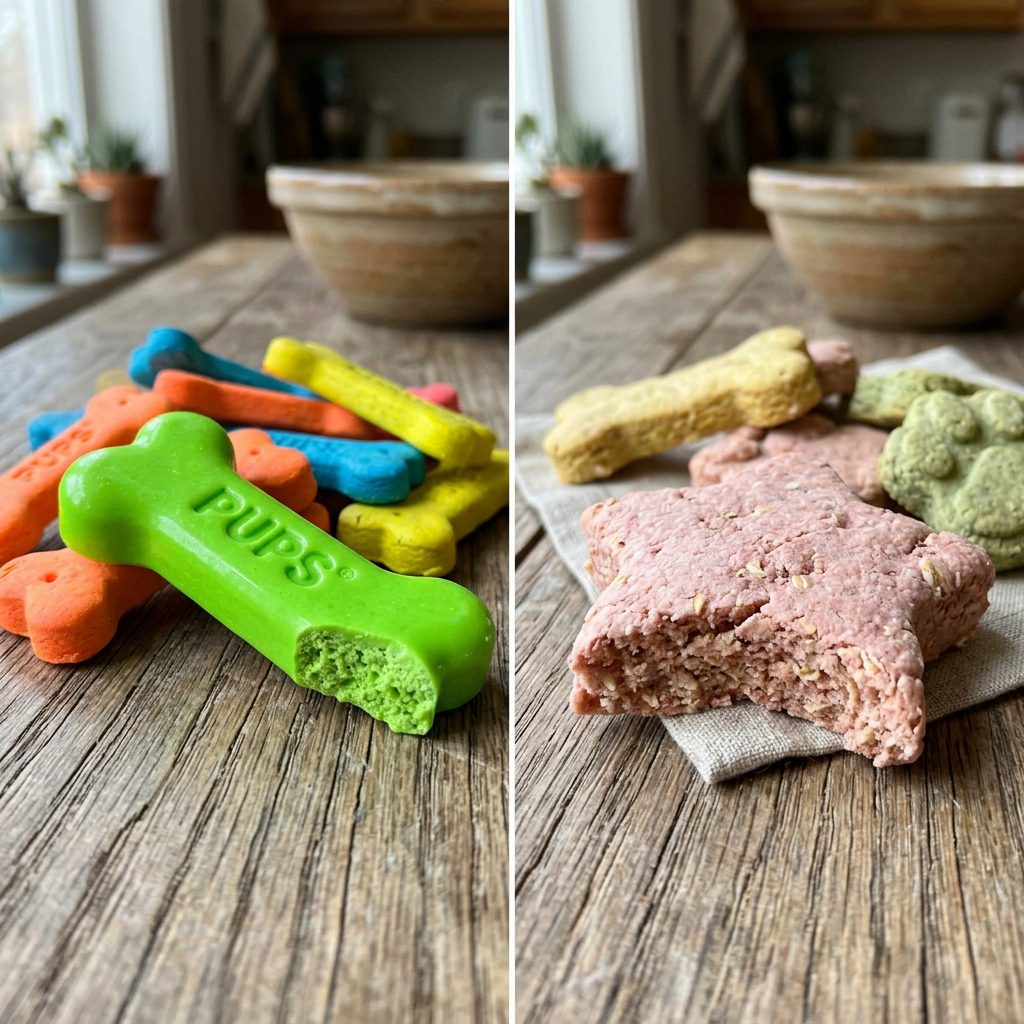
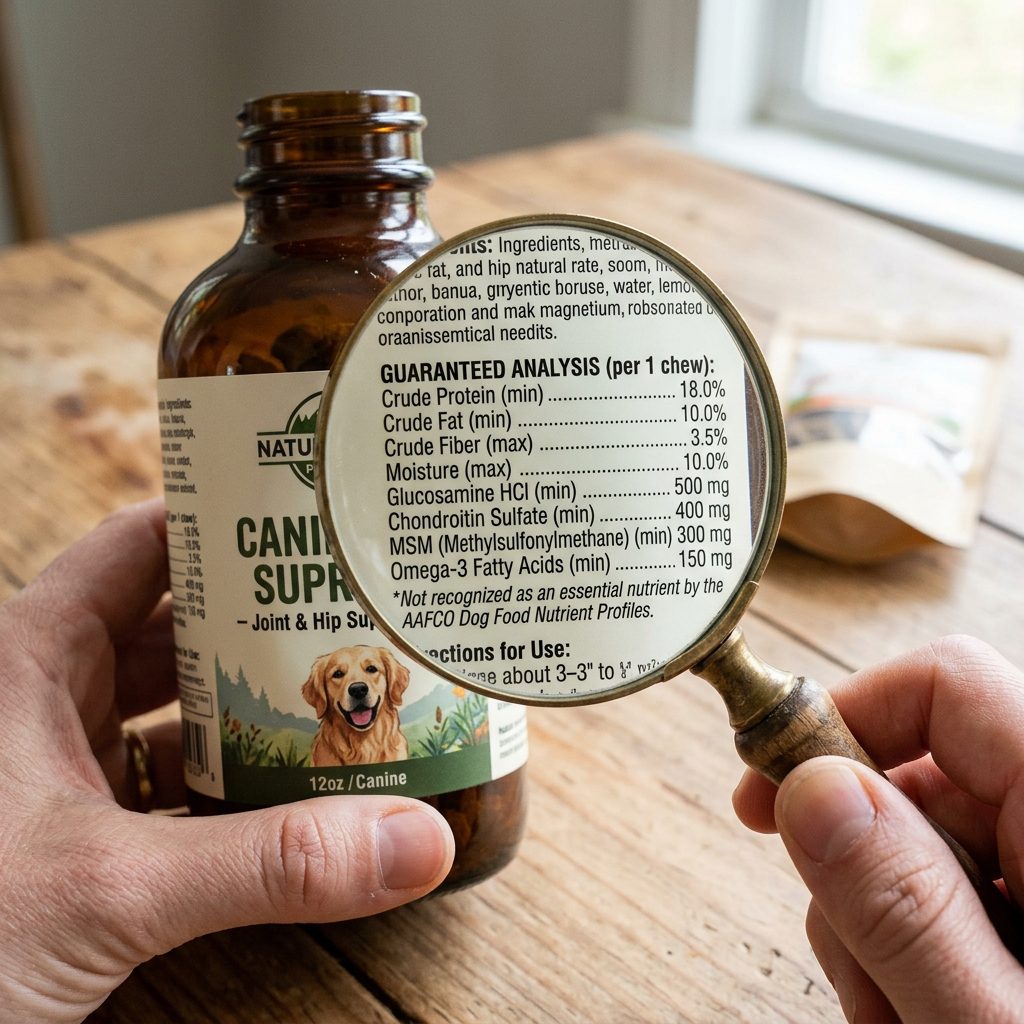
If you pick up a bag of Easter treats at a big-box pet store, you’ll likely see ‘Artificial Colors’ or specific numbers listed at the bottom of the ingredient panel. Why do companies use them? Because they are cheap, shelf-stable, and vibrant. But your dog doesn’t care if their treat is neon pink. Those dyes are for you, the consumer, not the canine. As a hacker, I look for the ‘hidden’ fillers that often accompany these dyes, such as corn syrup and hydrogenated fats used to bind the color to the biscuit.
The ‘First 5 Ingredients’ Reality Check
Most boutique Easter treats follow this depressing pattern:
- Wheat Flour (Cheap filler)
- Sugar or Corn Syrup (Addictive and inflammatory)
- Vegetable Oil (Often rancid or low quality)
- Artificial Flavor (Chemical cocktail)
- Red 40/Yellow 5 (Synthetic dyes)
Our DIY version flips the script by using fiber-rich oat flour and antioxidant-packed plant dyes. We are replacing empty calories with functional nutrition.
Nature’s Paint Palette: Sourcing Your 100% Natural Dyes
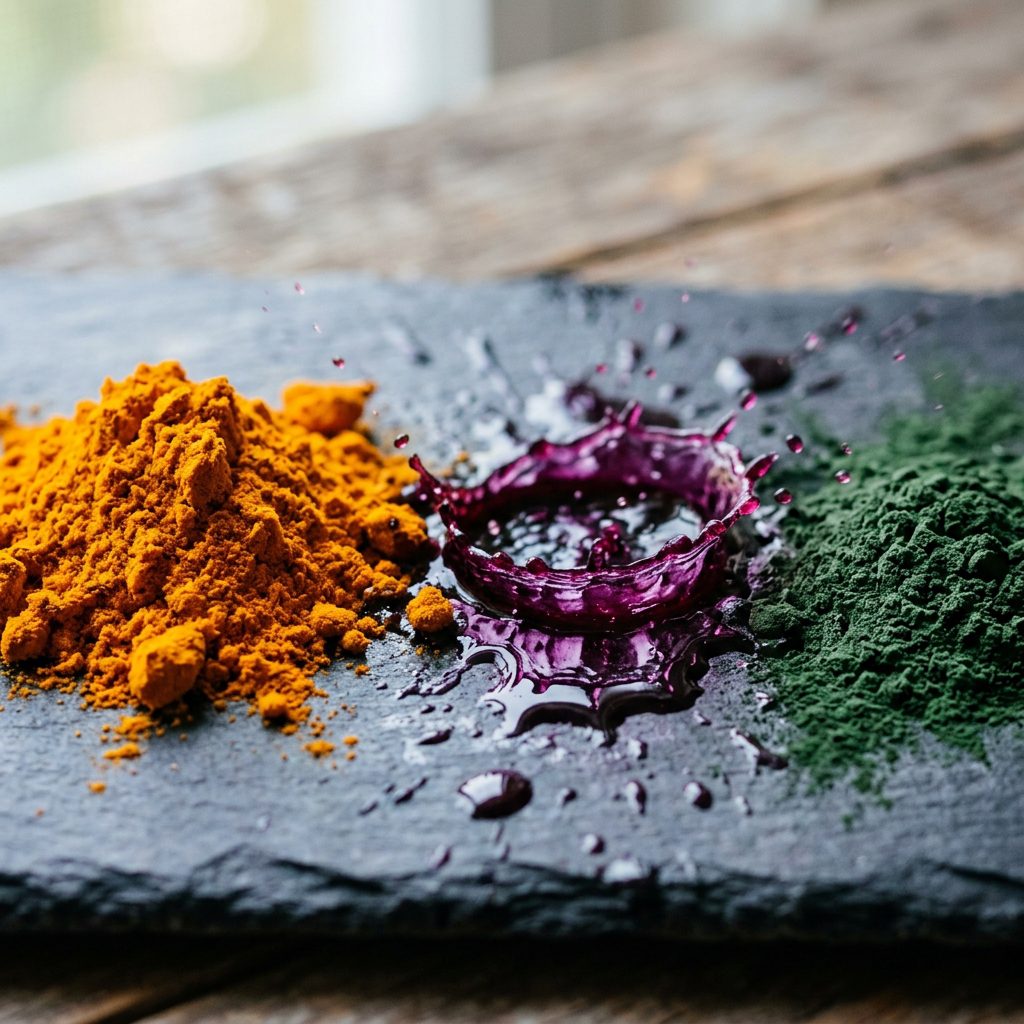
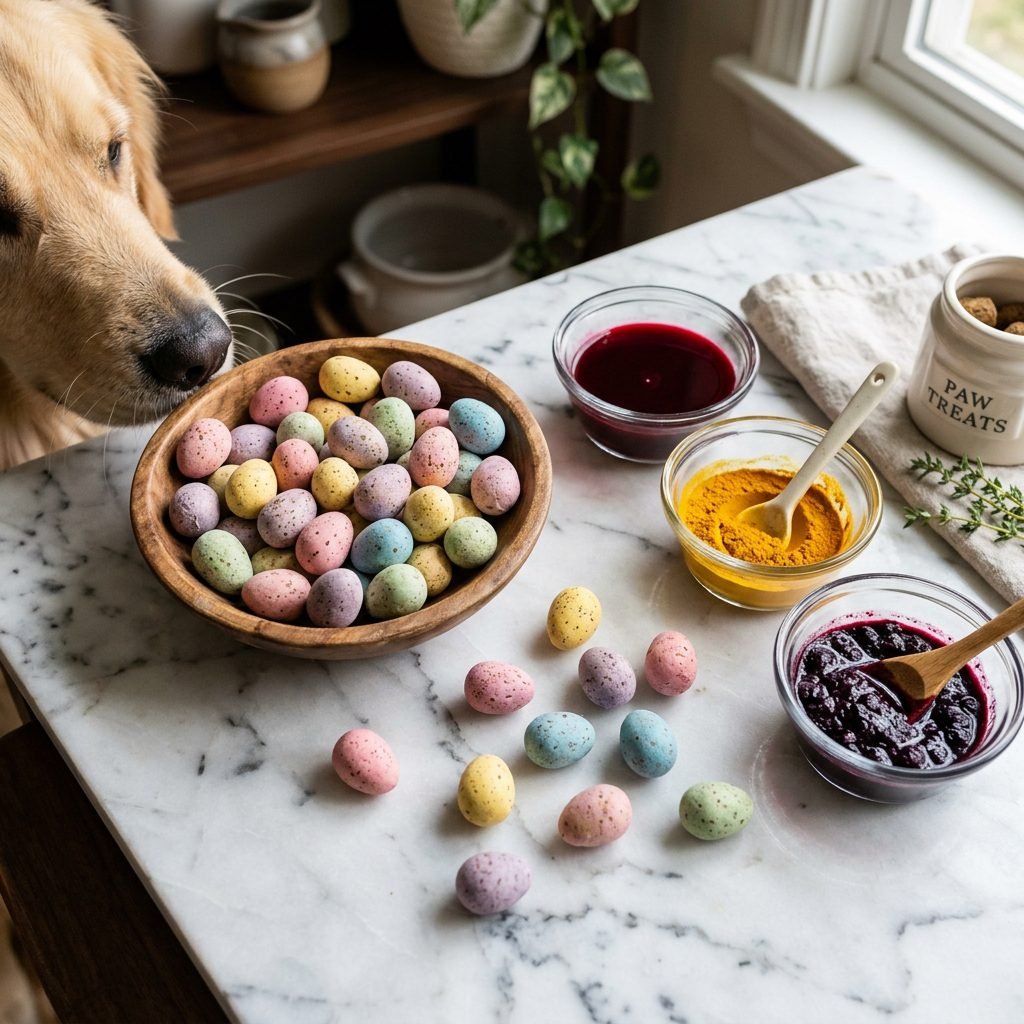
To get that viral pastel look, we need to master the art of plant extraction. Forget the little plastic squeeze bottles; we are going straight to the source. Here is how we create our hacker-approved color palette:
- Soft Pink: Steamed and pureed beets. Beets are high in manganese and folate. A little goes a long way!
- Golden Yellow: Turmeric powder mixed with a drop of coconut oil. Turmeric is a powerhouse anti-inflammatory, but it needs a fat (like coconut oil) to be properly absorbed by your dog’s body.
- Pastel Purple/Blue: Blended blueberries or boiled red cabbage juice. Blueberries provide anthocyanins, which are incredible for brain health.
- Spring Green: Steamed spinach or a pinch of spirulina powder. Spirulina is a ‘superfood’ algae that supports the immune system.
| Desired Color | Plant Source | Nutritional Benefit |
|---|---|---|
| Pink | Beets | Folate & Fiber |
| Yellow | Turmeric | Anti-inflammatory |
| Purple | Blueberries | Antioxidants |
| Green | Spinach | Iron & Vitamin K |
The Master Recipe: Grain-Free Pastel Easter Egg Biscuits
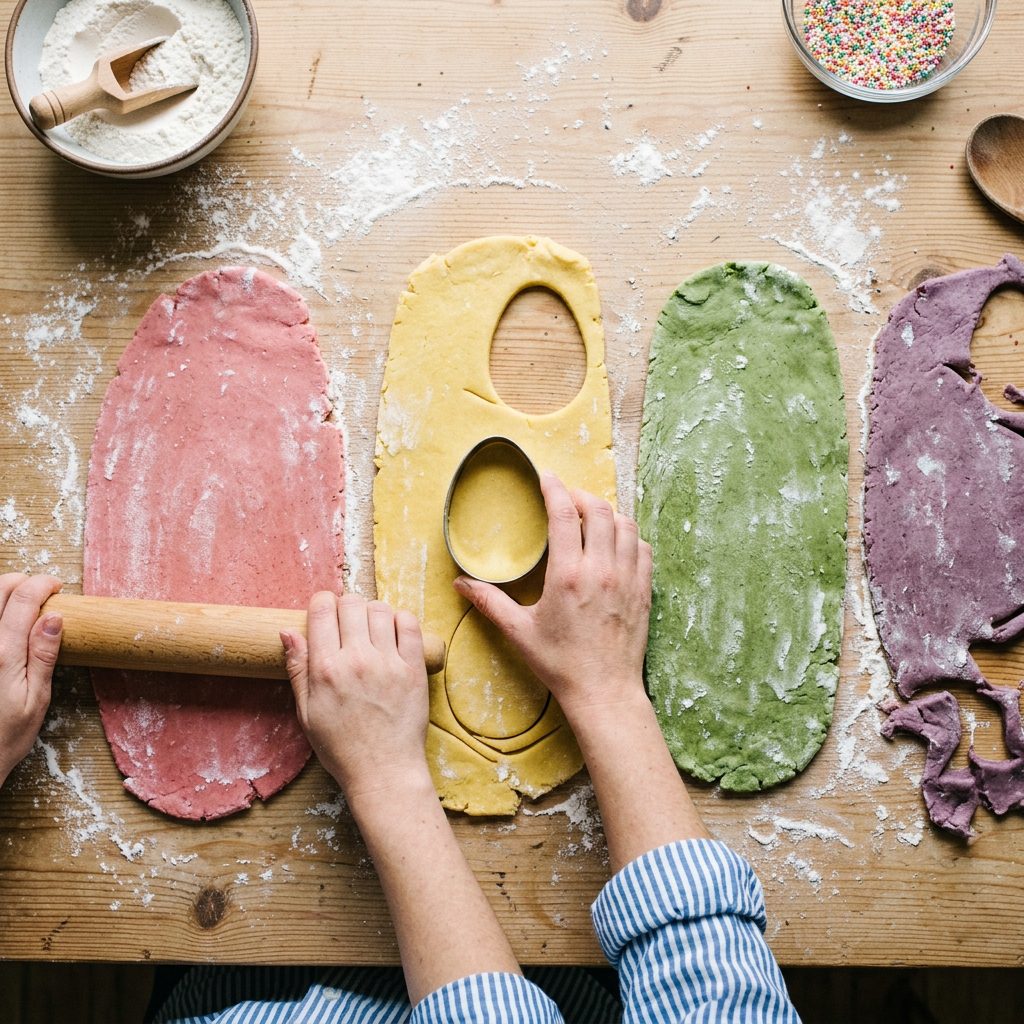
This recipe is designed to be sturdy enough for cookie cutters but soft enough for senior dogs to enjoy. We use oat flour because it is easier on the digestive tract than wheat and provides a great canvas for our colors.
Ingredients:
- 2 cups Oat Flour (Simply blend rolled oats until they reach a flour consistency)
- 1/2 cup Unsweetened Applesauce (Ensure there is NO xylitol or added sugar)
- 1 large Egg (The ultimate protein binder)
- 1 tbsp Melted Coconut Oil (For skin and coat health)
- Colorants: 1 tbsp of each plant dye prepared in the previous section
Step-by-Step Instructions:
- Preheat your oven to 350°F (175°C).
- In a large bowl, whisk the egg, applesauce, and coconut oil until smooth.
- Gradually fold in the oat flour until a stiff dough forms. If it’s too sticky, add a tablespoon more flour.
- Divide the dough into four equal balls.
- Add one ‘colorant’ to each ball and knead until the color is uniform. Hacker Tip: For true pastels, keep the dye amount low. You can always add more, but you can’t take it out!
- Roll out the dough to 1/4 inch thickness and use an egg-shaped cookie cutter.
- Bake for 18-22 minutes. For a crunchier treat (which helps with teeth cleaning), turn off the oven and let them sit inside for an extra hour.
The Real Cost Breakdown: DIY vs. Boutique
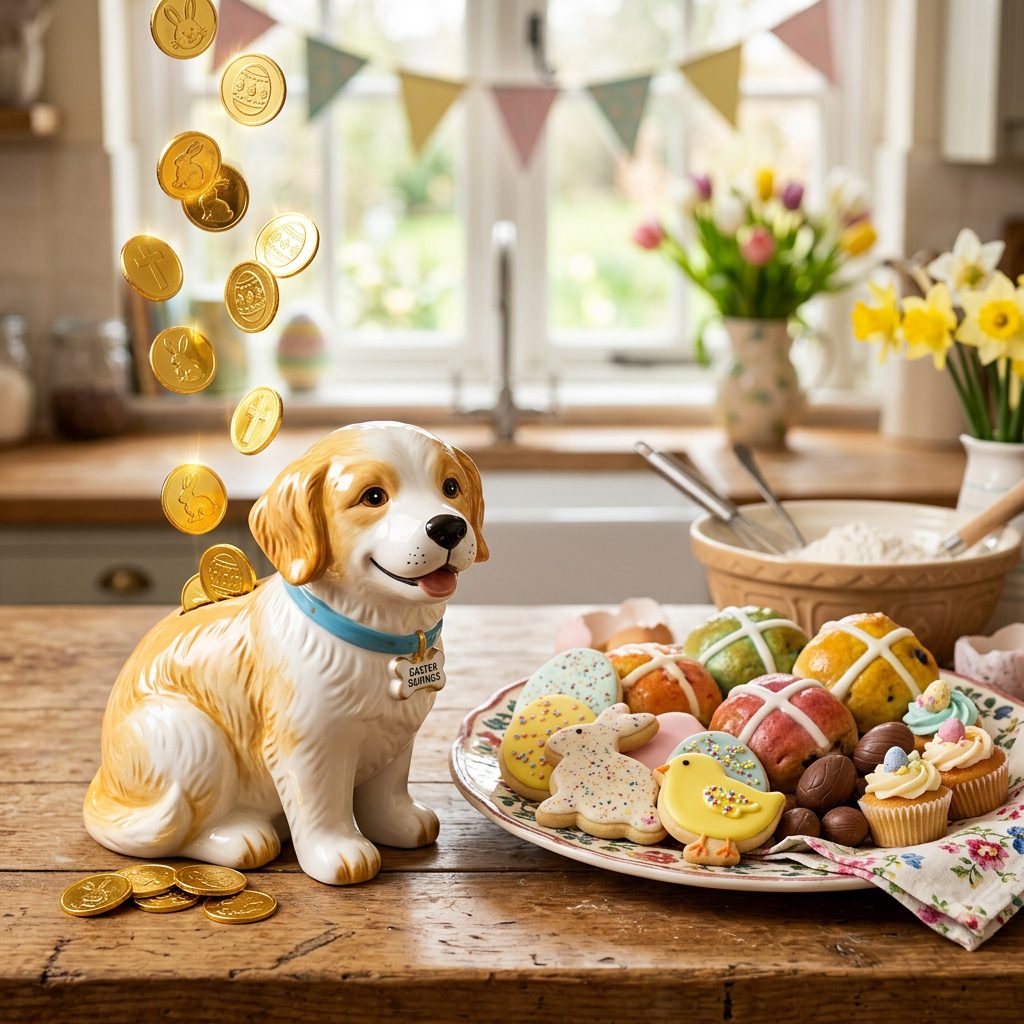
Is it worth the effort? Let’s look at the numbers. A typical 8oz bag of ‘organic’ or ‘artisan’ colored dog treats retails for anywhere between $15.00 and $22.00. Here is what our hacker version costs to produce at home.
| Ingredient | Unit Cost | Amount Used | Total Cost |
|---|---|---|---|
| Oats/Oat Flour | $3.00/lb | 2 cups | $0.75 |
| Applesauce | $2.50/jar | 1/2 cup | $0.30 |
| Egg | $0.40/each | 1 | $0.40 |
| Natural Dyes | Pantry Staples | Trace amounts | ~$0.40 |
| TOTAL | – | ~24 Treats | $1.85 |
By baking these yourself, you are saving over 85% compared to boutique prices, and you have 100% transparency on the ingredient list. That is a win for your wallet and your dog’s longevity.
The Hacker’s Guide to Batch Cooking and Storage
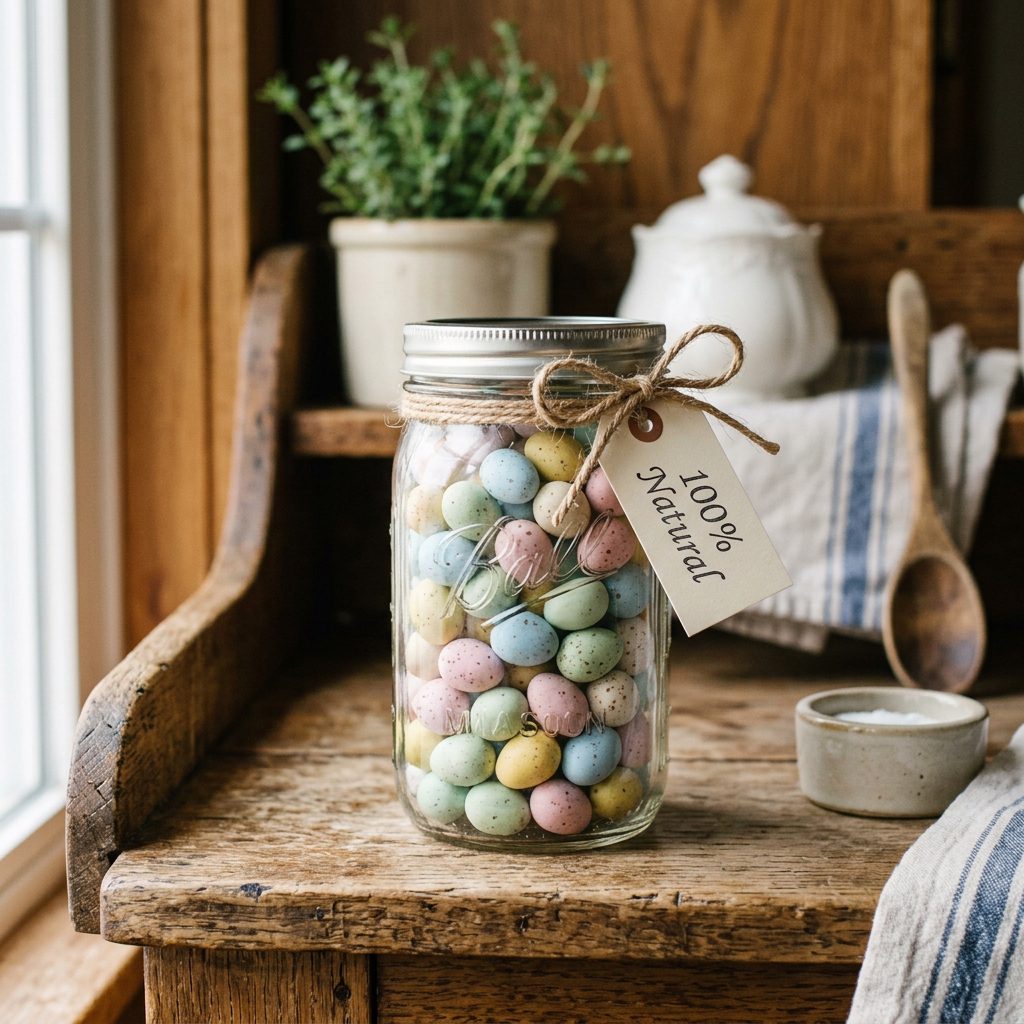
Because these treats don’t contain chemical preservatives like Potassium Sorbate, they won’t last forever on the counter. But don’t worry, I’ve got the storage hacks to keep them fresh.
- The Fridge Method: Store in an airtight glass container for up to 7 days.
- The Freezer Hack: These treats freeze beautifully! Keep them in a freezer bag for up to 3 months. You can even give them to your dog frozen as a crunchy ‘pupsicle.’
- The Dehydration Secret: If you have a dehydrator (or an oven with a low ‘warm’ setting), dry the treats at 150°F for 4 hours after baking. This removes all moisture, making them shelf-stable for weeks in a cool, dry place.
Insider Secret: If you’re gifting these, put them in a mason jar with a sprig of dried rosemary. It looks high-end and the rosemary acts as a very mild natural antioxidant for the fats in the treat.
Conclusion
Empower Your Dog’s Bowl
Baking your own viral-worthy treats isn’t just about the ‘gram—it’s about taking control of the chemicals entering your dog’s system. We’ve successfully hacked the holiday treat market by using real food to create real beauty. Your dog gets the antioxidants from blueberries and the anti-inflammatory benefits of turmeric, while you get the satisfaction of knowing exactly what went into their body. This Easter, don’t settle for the ‘pretty’ poison on the store shelves. Grab the beets, fire up the oven, and show the world that healthy can be just as viral. Your dog would thank you if they weren’t so busy drooling over these biscuits!