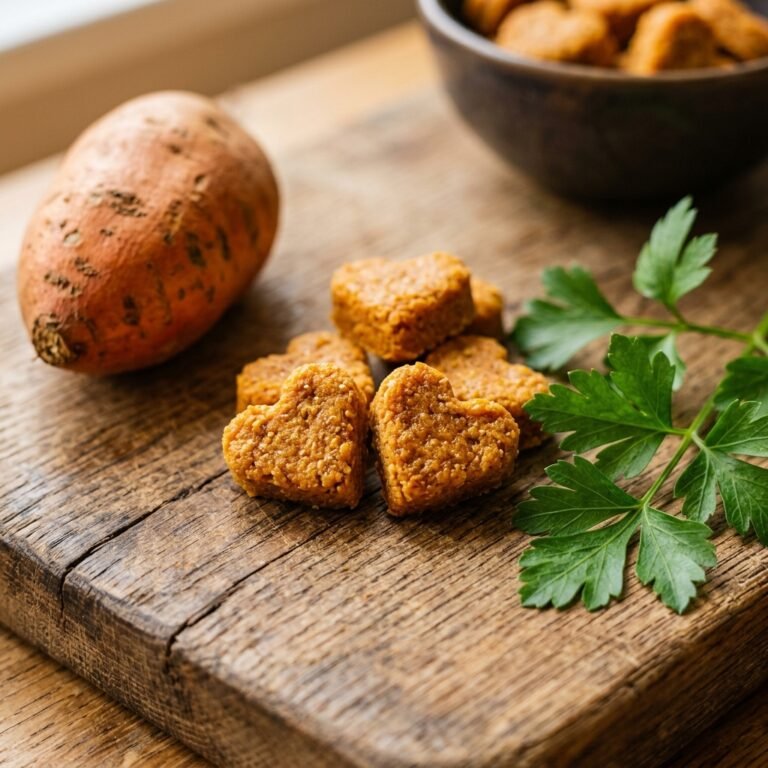
Why You Must Stop Feeding Potatoes! Try This Anti-Yeast Dog Treat Instead
Listen up, savvy dog owners. If you are constantly battling your dog’s itchy skin, gunky ears, or that notorious “Frito feet” smell, you are likely dealing with a massive yeast overgrowth. And I am going to let you in on a massive insider secret that the commercial pet food industry desperately wants to keep hidden: the very “premium” food you are buying might be pouring gasoline on that fiery yeast infection.
As a canine nutrition hacker, I analyze ingredient labels like a forensic scientist. I look past the beautiful packaging, the touching commercials, and the clever marketing buzzwords to see exactly what is going into our dogs’ bowls. What I have found is shocking. In the rush to create trendy, “grain-free” diets, manufacturers simply swapped out cheap grains for another cheap, high-glycemic filler: potatoes. And potatoes are the ultimate super-fuel for yeast.
Medical Disclaimer: I am a savvy dog owner and nutrition hacker, not a veterinarian. The information provided here is for educational purposes to help you make informed decisions. Always consult with a holistic or integrative veterinarian before making major dietary changes, especially if your dog is under medical treatment.
Today, we are going to expose the great potato deception. We will break down exactly why these starchy tubers are causing your dog so much misery, what ingredients you need to be looking for instead, and I am going to give you my absolute favorite, battle-tested recipe for an anti-yeast dog treat that will help starve the fungus and heal your dog from the inside out. Let us dive in.
The Itchy Truth About Yeast and Starch
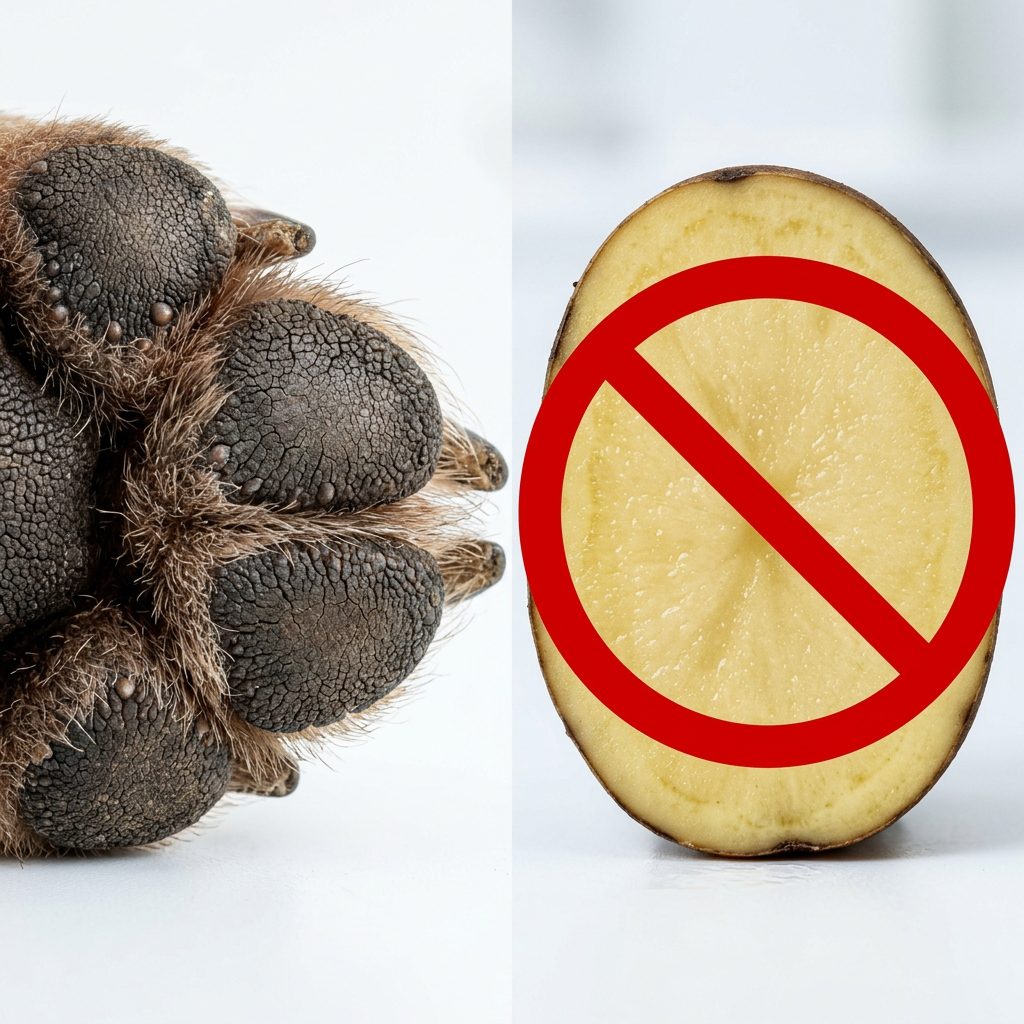
To understand why potatoes are the enemy, we first have to understand the enemy itself. The yeast that commonly plagues our dogs is called Malassezia pachydermatis. It is a naturally occurring fungus that lives on your dog’s skin, in their ears, and between their paw pads. When your dog’s immune system is strong and their gut microbiome is balanced, this yeast quietly minds its own business.
However, yeast is an opportunistic organism. When it gets the right environment and the right food, it multiplies rapidly. And what is yeast’s absolute favorite food? Sugar. Now, you might be thinking, “I don’t feed my dog sugar!” But if you are feeding them potatoes, sweet potatoes, tapioca, or peas, you are absolutely feeding them sugar.
The Starch-Sugar Connection
Dogs have zero biological requirement for carbohydrates. When a dog consumes a high-starch ingredient like a white potato or even a sweet potato, their digestive system immediately begins breaking those complex carbohydrates down into simple sugars. This sugar enters the bloodstream, spiking insulin levels and creating a highly systemic, sugar-rich environment. To the yeast colonies living on your dog’s skin and in their gut, this is an all-you-can-eat buffet.
Hacker Tip: Smell your dog’s paws right now. Do they smell like corn chips or stale popcorn? That is the distinct odor of yeast off-gassing as it feeds on the sugars in your dog’s body. If you smell Fritos, you have a yeast problem.
The cycle is vicious. The yeast feeds on the sugar derived from the potatoes, rapidly multiplying. This overgrowth causes intense inflammation and itching. Your dog licks and chews their paws to relieve the itch. The moisture from their saliva creates a warm, damp environment between the paw pads—which is the exact environment yeast needs to breed even faster. The only way to stop this maddening cycle is to cut off the food supply. You must eliminate the starch.
The Label Deception: Why Grain-Free Isn’t Yeast-Free
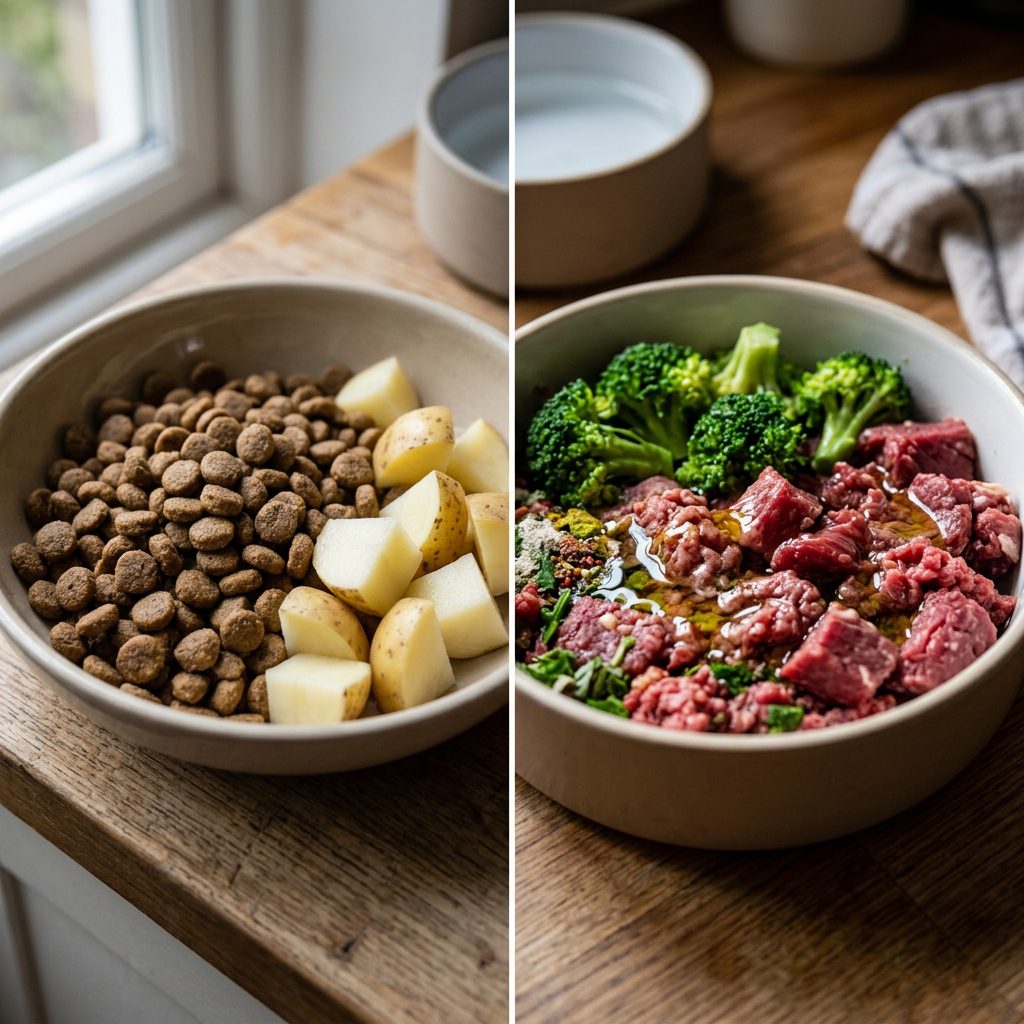
Here is where the pet food industry pulls off its greatest magic trick. About a decade ago, consumers started realizing that cheap grains like corn, wheat, and soy were causing massive allergy issues in dogs. The demand for “grain-free” dog food skyrocketed. Pet food manufacturers scrambled to meet the demand, but they had a problem: they needed a cheap binder to hold the kibble together during the high-heat extrusion process.
Enter the potato. By swapping corn for white potatoes, sweet potatoes, and legumes (like peas and chickpeas), manufacturers could legally slap a “Grain-Free” label on the bag and charge you a premium price. But from a biological and glycemic standpoint, they simply traded one problem for another.
Exposing the Glycemic Load
The glycemic index (GI) measures how quickly a food spikes blood sugar. Pure glucose is a 100. A baked white potato has a GI of around 85 to 90. That is higher than table sugar! Even sweet potatoes, often touted as a healthy alternative, have a GI of around 70 when cooked. When you look at the back of a premium grain-free kibble bag, you will often find potatoes listed in the first five ingredients. This means your dog is consuming a massive glycemic load every single day.
Let us look at a forensic breakdown of common fillers and their impact on your dog’s yeast levels.
| Ingredient Type | Common Examples | Glycemic Impact | Yeast Feeding Potential | Nutrition Hacker Verdict |
|---|---|---|---|---|
| Traditional Grains | Corn, Wheat, Soy | High | Very High | Avoid entirely. Highly inflammatory and common allergens. |
| Grain-Free Starches | White Potatoes, Tapioca | Extremely High | Severe | The Hidden Enemy. Rapid sugar conversion fuels immediate yeast blooms. |
| Trendy Legumes | Peas, Chickpeas, Lentils | Moderate to High | High | Proceed with caution. Contains anti-nutrients and still breaks down into sugars. |
| Low-Glycemic Veggies | Broccoli, Green Beans, Spinach | Low | Zero to Minimal | Hero Ingredients. Provides fiber and antioxidants without feeding the fungus. |
As you can see, falling for the grain-free marketing trap does not save your dog from yeast. In fact, if the replacement ingredient is a potato, you might actually be accelerating the infection. To truly combat yeast, you need a diet that is not just grain-free, but completely starch-free.
Hero Ingredients: Building the Anti-Yeast Arsenal
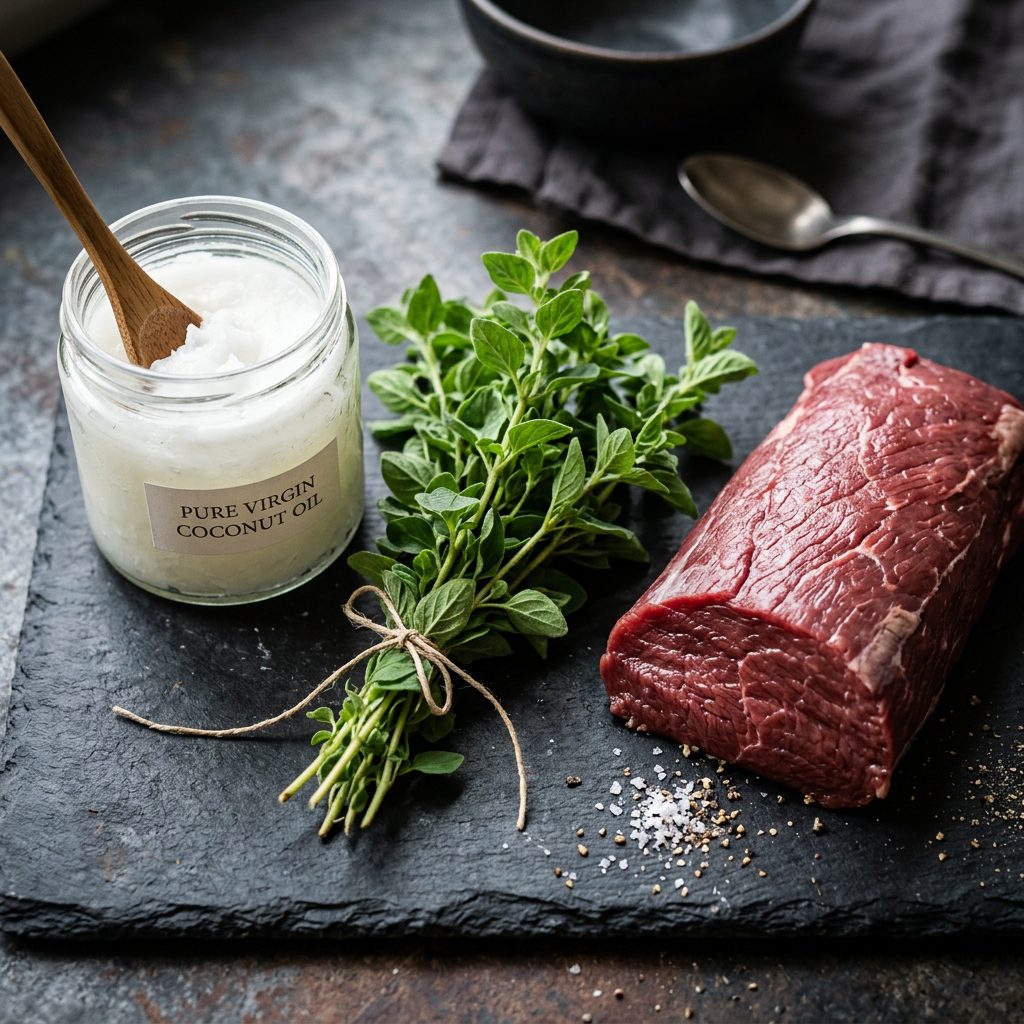
Now that we have eliminated the enemy, we need to bring in the reinforcements. If you want to clear up your dog’s skin, stop the ear infections, and banish the paw licking, you need to introduce functional, anti-fungal ingredients into their diet. These are the “Hero Ingredients” that will actively fight the yeast overgrowth while supporting your dog’s immune system.
1. Caprylic Acid (Cold-Pressed Unrefined Coconut Oil)
This is your primary weapon. Coconut oil is rich in medium-chain triglycerides (MCTs), specifically caprylic acid. Caprylic acid is a potent, natural anti-fungal agent. It literally penetrates the cellular wall of the yeast and destroys it from the inside out. When starting coconut oil, always start small (about 1/4 teaspoon per 10 lbs of body weight) to avoid loose stools, and gradually work your way up.
2. Lean, Novel Proteins
Yeast thrives in a highly reactive, inflammatory environment. Many dogs with yeast issues also have underlying sensitivities to highly processed, common proteins like commercial chicken or beef. Switching to a lean, novel protein like turkey, rabbit, or venison can reduce systemic inflammation. Plus, pure meat contains zero carbohydrates, meaning it provides zero food for the yeast.
3. Fresh Oregano and Parsley
Oregano is one of nature’s most powerful antibiotics and anti-fungals, thanks to its high concentration of carvacrol. Parsley acts as a natural diuretic and breath freshener, helping to flush toxins from the body as the yeast dies off. Using fresh, finely chopped herbs is a massive upgrade over dried, irradiated spices.
Insider Secret: When yeast dies off rapidly, it can release toxins into your dog’s bloodstream, causing a temporary worsening of symptoms known as a “healing crisis” or Herxheimer reaction. Support their liver during this time with a high-quality milk thistle supplement.
The “Yeast Assassin” Turkey & Coconut Treat Recipe
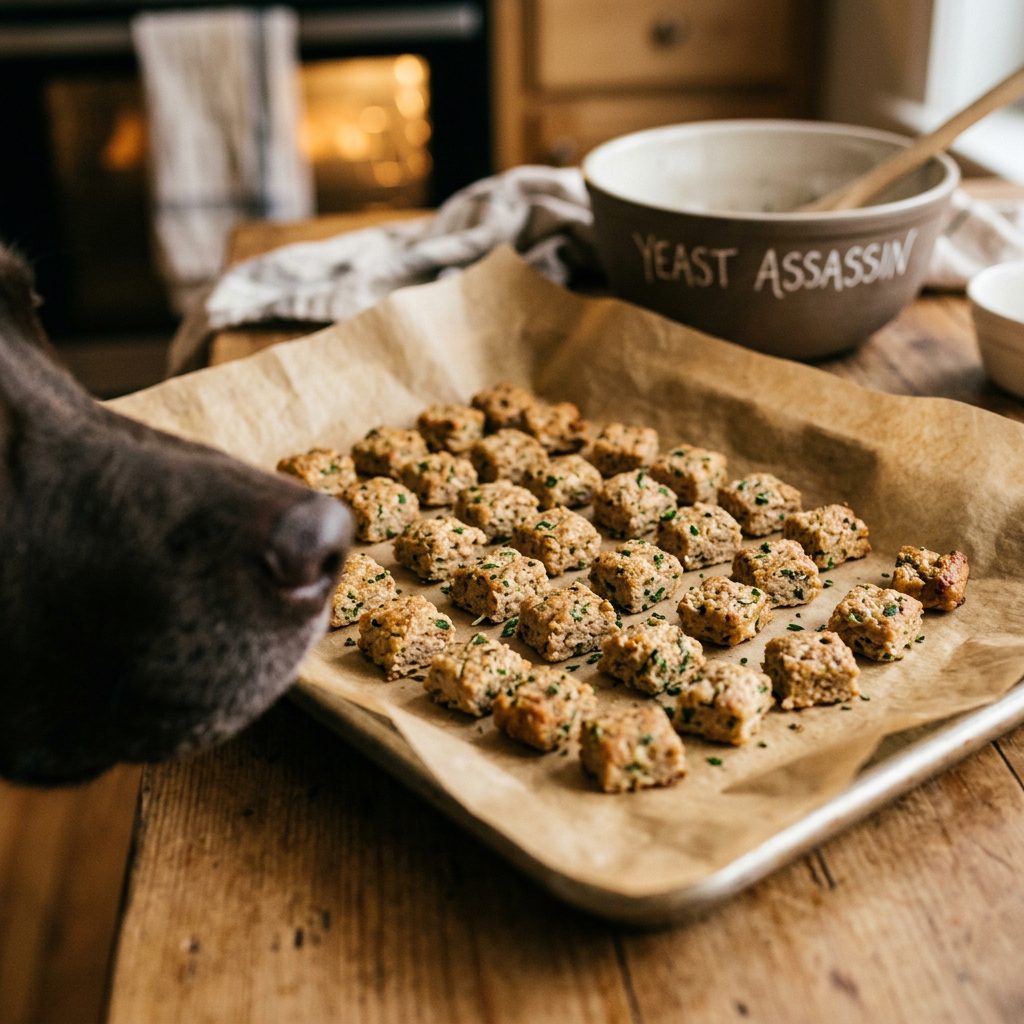
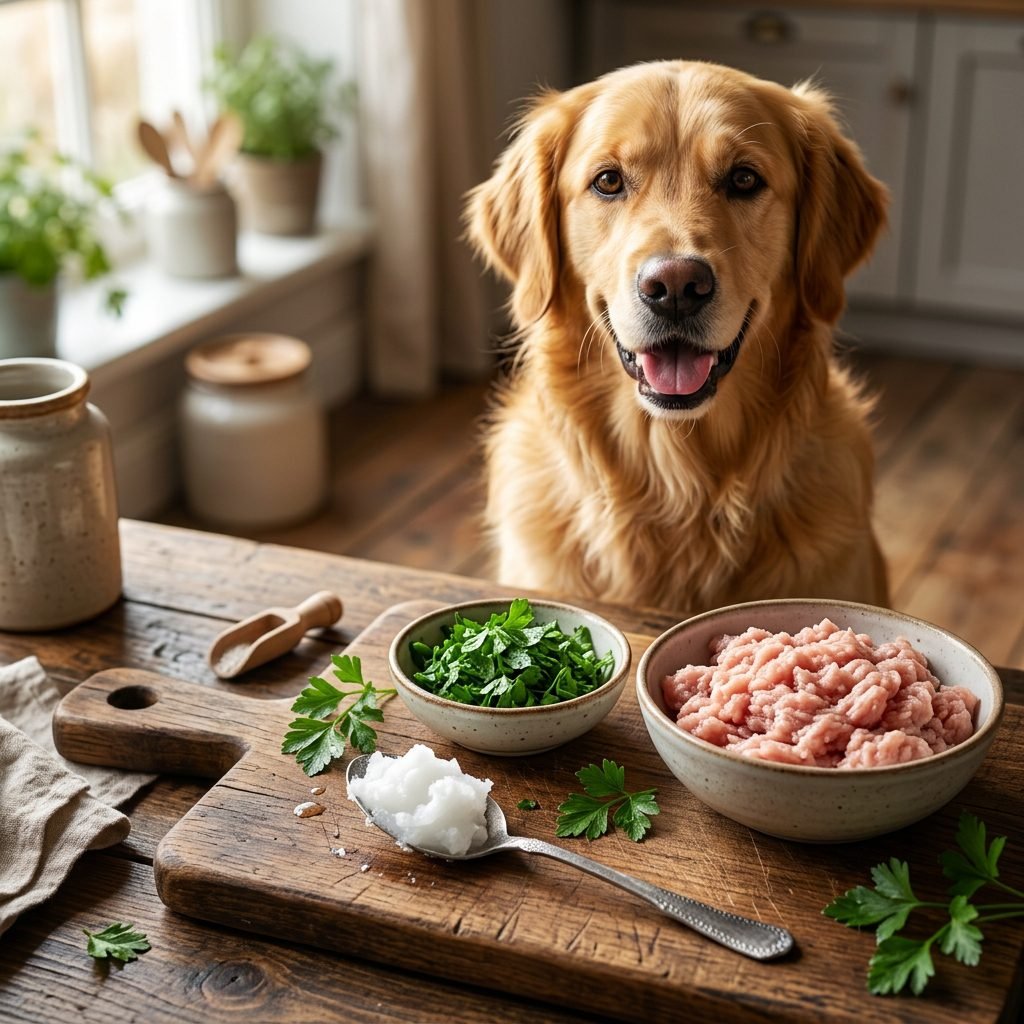
You didn’t think I would just give you the theory and leave you hanging, did you? It is time to get into the kitchen. This is my absolute favorite recipe for an anti-yeast dog treat. It contains zero potatoes, zero grains, and zero starchy fillers. Instead, it is packed with anti-fungal coconut oil, lean protein, and yeast-fighting herbs. This is the ultimate safe snack for a dog battling allergies.
The Safe Chef Guide: Recipe Requirements
Before we begin, remember that these treats are for supplemental feeding only. They do not constitute a complete and balanced daily diet. However, replacing your dog’s high-carb commercial biscuits with these “Yeast Assassin” treats will drastically reduce their daily sugar intake.
Ingredients You Will Need:
- 1 lb Lean Ground Turkey: (93% lean or higher to keep the fat profile manageable).
- 1/4 Cup Cold-Pressed Unrefined Coconut Oil: (Melted slightly so it mixes easily).
- 1/2 Cup Finely Chopped Fresh Parsley: (Flushes toxins and freshens breath).
- 1 Tablespoon Fresh Finely Chopped Oregano: (The ultimate anti-fungal powerhouse).
- 1 Organic Pasture-Raised Egg: (Acts as a natural, carb-free binder).
Instructions for the Perfect Bake:
- Preheat and Prep: Preheat your oven to 325 degrees Fahrenheit (163 degrees Celsius). Line a baking sheet with unbleached parchment paper. Do not use non-stick sprays, as they often contain soy or canola oil.
- The Mix: In a large glass or stainless steel mixing bowl, combine the ground turkey, melted coconut oil, chopped parsley, oregano, and the egg. Use your hands to mix the ingredients thoroughly until the herbs are evenly distributed throughout the meat.
- The Spread: Transfer the meat mixture onto your parchment-lined baking sheet. Using a spatula or your hands, press the mixture down until it forms a flat, even layer about 1/4 inch thick across the pan.
- The Bake: Bake in the preheated oven for 25 to 30 minutes, or until the meat is fully cooked and the edges start to crisp slightly.
- The Cut: Remove from the oven and let it cool completely. Once cooled, use a pizza cutter to slice the meat sheet into small, bite-sized squares appropriate for your dog’s size.
Batch Cooking Secret: Because these treats contain no artificial preservatives, they will only last about 3 to 4 days in the refrigerator. To save time and money, make a double batch! Cut them into squares, portion them into silicone reusable bags, and freeze them. You can feed them frozen for a crunchy, soothing summer treat!
Real Cost Breakdown vs. Premium Store-Bought
Let’s talk money. Buying “premium” allergy treats at a boutique pet store can easily cost you $15 to $20 for a tiny 6-ounce bag. Let us look at the real cost of hacking your dog’s nutrition at home.
| Treat Type | Average Cost per Ounce | Carb Content | Anti-Yeast Properties? |
|---|---|---|---|
| Store-Bought “Allergy” Biscuits | $2.50 – $3.50 / oz | High (Potatoes/Peas) | None |
| The “Yeast Assassin” Homemade Treat | $0.45 – $0.60 / oz | ZERO | Extremely High |
By making these treats at home, you are saving over 80% on your treat budget while providing infinitely superior nutrition. That is what being a savvy dog owner is all about.
Conclusion
Taking control of your dog’s health doesn’t require a veterinary degree; it requires observation, common sense, and the willingness to question the status quo. The pet food industry relies on us blindly trusting their packaging. But as savvy dog owners, we know better. We read the labels. We understand the biological impact of the ingredients. And we know that feeding high-glycemic starches like potatoes is a recipe for a yeast disaster.
By eliminating potatoes and starchy fillers from your dog’s diet and introducing powerful, functional foods like coconut oil and fresh oregano, you are fundamentally changing your dog’s internal environment. You are starving the yeast and feeding the dog.
Try swapping out your regular commercial treats for the “Yeast Assassin” recipe this week. Watch your dog’s paws. Smell their ears. Notice the difference in their scratching. I guarantee that once you see the power of real, biologically appropriate, anti-yeast nutrition, you will never look at a potato the same way again. Stay savvy, keep hacking your dog’s health, and give your pup a scratch behind the ears for me!