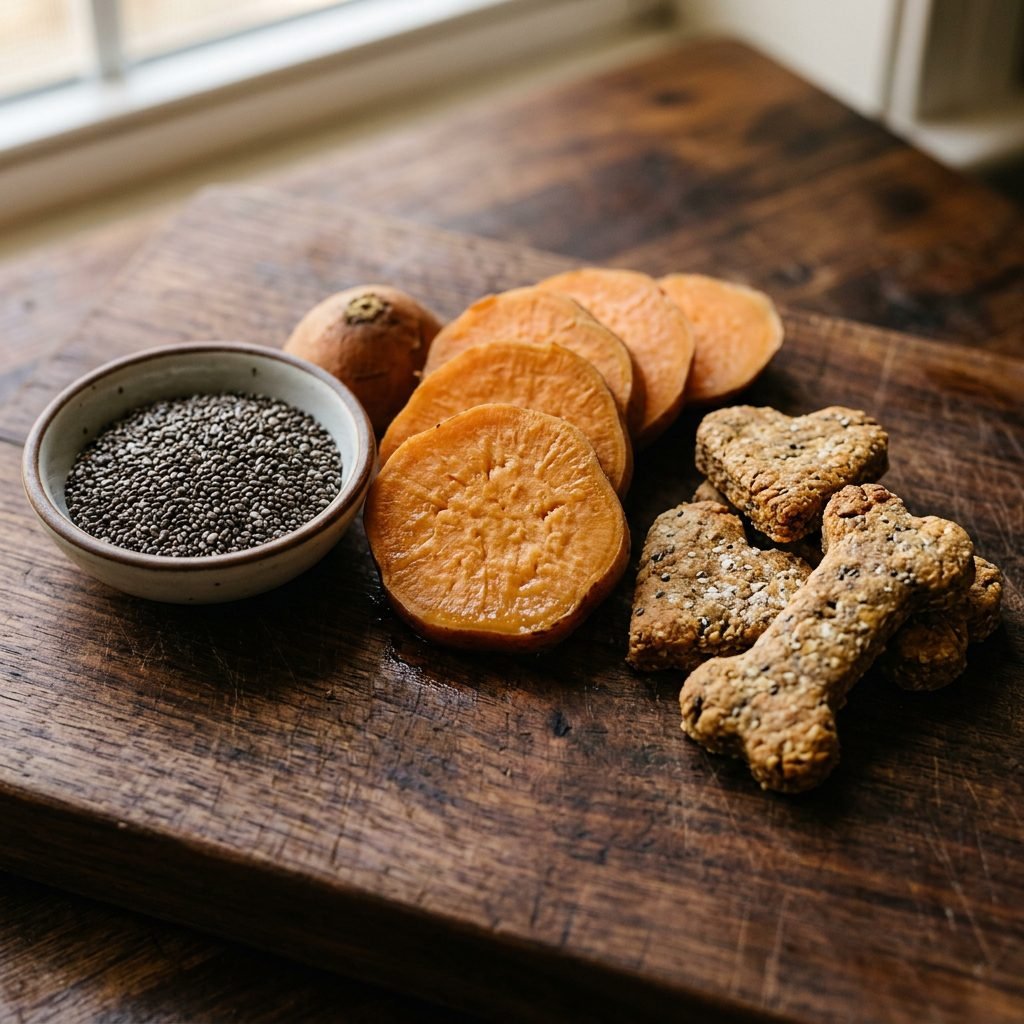
Safe & Delicious: The Low-Glycemic Sweet Potato Dog Treats for Diabetic Pups
Let’s cut the fluff and get straight to the facts. If you are managing canine diabetes, you already know that the commercial dog treat aisle is an absolute minefield. As a savvy dog owner, you’ve probably spent hours squinting at the back of brightly colored packages, only to realize that the pet food industry is playing fast and loose with the term ‘healthy.’ You see words like ‘all-natural’ or ‘vet-recommended,’ but when you analyze the ingredient list like a forensic scientist, you find high-glycemic nightmares hiding in plain sight. Tapioca starch, rice flour, maltodextrin, and hidden sugars like molasses or corn syrup are actively working against your dog’s insulin routine. It is frustrating, it is expensive, and most importantly, it is dangerous for your dog’s blood glucose levels.
But here is the good news: you do not have to deprive your diabetic dog of the joy of a high-value treat. You just need to hack the system. Today, we are diving deep into the ultimate hero ingredient for diabetic dogs: the sweet potato. However, there is a massive catch. If you prepare sweet potatoes the wrong way, you might as well be feeding your dog a candy bar. I am going to show you the exact scientific method to prepare sweet potatoes so they remain low-glycemic, safe, and absolutely delicious for your pup.
MEDICAL DISCLAIMER: I am The Canine Nutrition Hacker, an obsessive researcher and dog advocate, but I am not a veterinarian. Canine diabetes is a serious metabolic disease. Any changes to your dog’s diet, including the introduction of new treats, must be discussed with your veterinary endocrinologist or primary vet. Always monitor your dog’s blood glucose levels closely when introducing a new food item.
We are going to break down the enemy ingredients you need to banish from your pantry, explore the fascinating science of resistant starches, and give you a foolproof, budget-friendly recipe that will save you a fortune compared to buying ‘specialty’ diabetic dog treats. Grab your apron and your reading glasses, because we are about to take total control of your dog’s nutrition.
The Blood Sugar Battlefield: Enemy Ingredients Exposing the Commercial Treat Industry
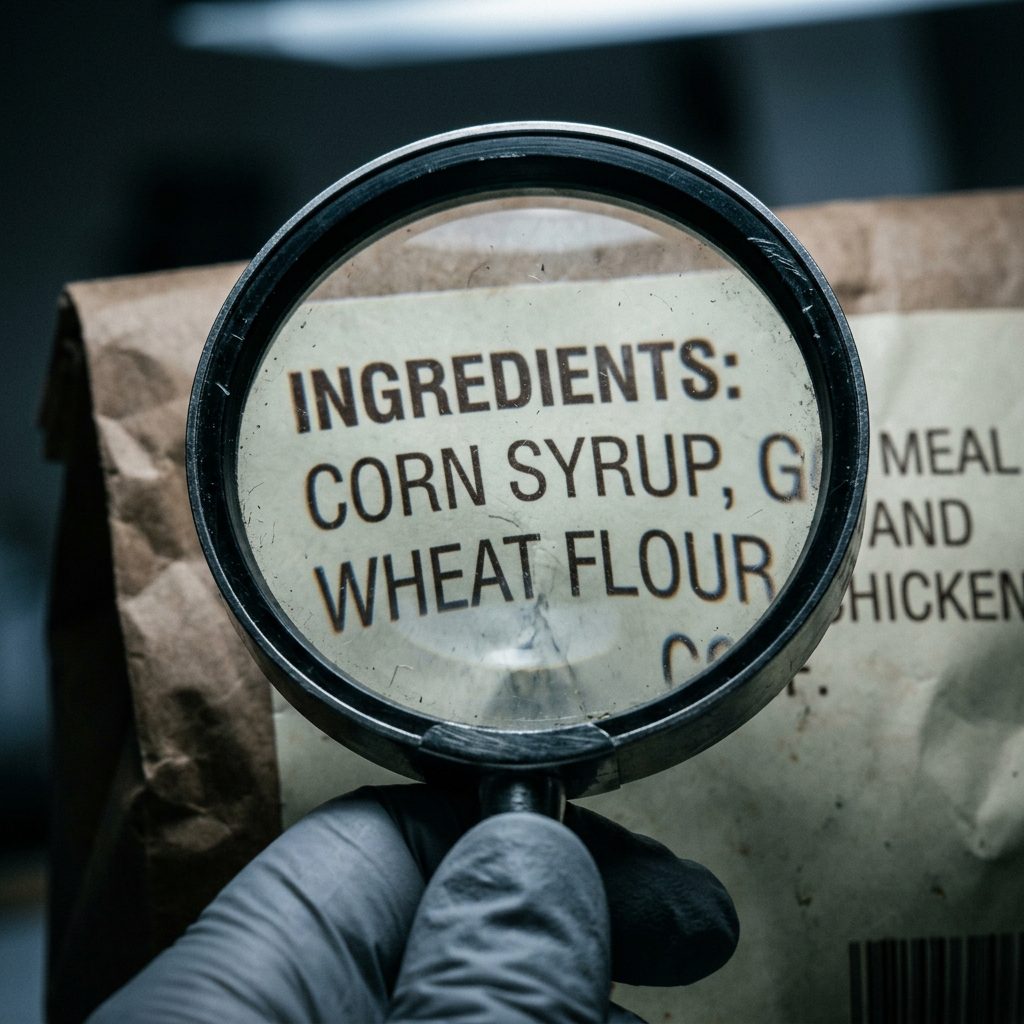
Before we can build the perfect treat, we have to understand what we are fighting against. Canine diabetes means your dog’s pancreas is either not producing enough insulin or their body is not utilizing it properly. Every single gram of carbohydrate they consume matters. When you buy a standard commercial dog treat, you are often paying for cheap, high-glycemic fillers that will send your dog’s blood sugar on a terrifying roller coaster ride.
The “First 5 Ingredients” Truth
Let’s do a forensic review of a popular, supposedly ‘healthy’ commercial dog treat. If you look at the first five ingredients, you will often find: Wheat Flour, Corn Gluten Meal, Chicken By-Product, High Fructose Corn Syrup, and Propylene Glycol. Let’s break down why these are absolute garbage for a diabetic dog:
- Wheat Flour & White Rice Flour: These are highly refined carbohydrates. The canine body breaks them down into glucose almost instantly, causing a massive, dangerous spike in blood sugar.
- Corn Gluten Meal: A cheap, plant-based protein filler that offers very little nutritional value and can cause systemic inflammation, which worsens insulin resistance.
- Hidden Sugars (Corn Syrup, Molasses, Fructose): Yes, pet food manufacturers actually pump sugar into dog treats to make them hyper-palatable. For a diabetic dog, this is literal poison.
- Propylene Glycol: Used to keep chewy treats moist. While the FDA claims it is safe in small amounts, savvy owners know better than to feed their compromised dogs synthetic humectants.
INSIDER SECRET: If a treat is labeled “Grain-Free,” do not automatically assume it is safe for your diabetic dog! Grain-free treats often replace grains with potatoes, tapioca starch, or pea flour—all of which have incredibly high glycemic indexes and will spike your dog’s blood sugar just as fast as wheat.
To protect your dog, you must become a ruthless label reader. If you cannot pronounce an ingredient, or if you see any form of refined starch or sugar in the first five ingredients, put the bag down and walk away.
The Sweet Potato Paradox: How Preparation Changes the Glycemic Index
Now, let’s talk about our hero ingredient: Sweet Potatoes. Sweet potatoes are packed with beta-carotene, vitamin A, vitamin C, and essential dietary fiber. But here is the ultimate canine nutrition hack that most dog owners do not know: the glycemic index (GI) of a sweet potato changes drastically depending on exactly how you cook it.
The Glycemic Index is a scale from 0 to 100 that measures how quickly a food raises blood sugar. Pure glucose is 100. For a diabetic dog, you want to feed foods with the lowest GI possible. Here is where the science gets fascinating.
The Baking vs. Boiling Secret
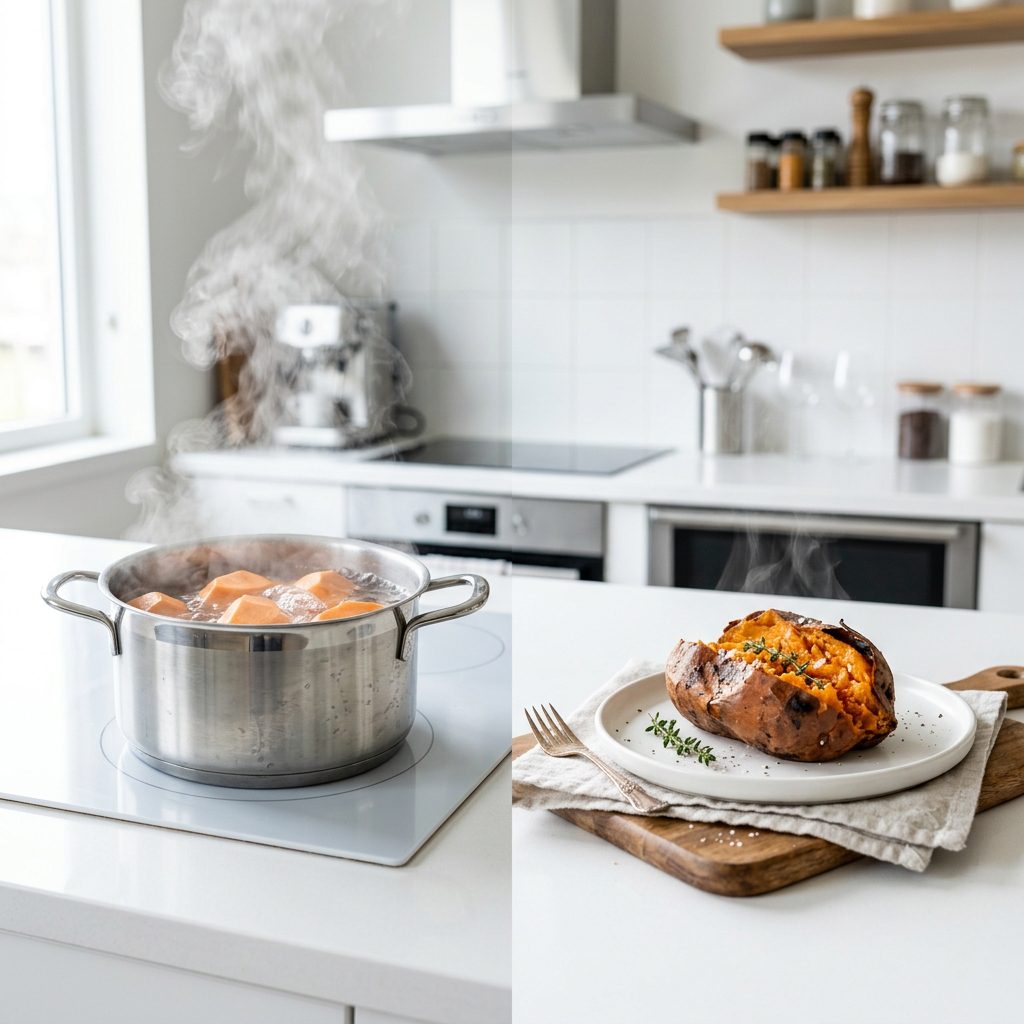
If you bake or roast a sweet potato, the dry heat activates an enzyme called amylase. Amylase breaks down the complex starches in the sweet potato into maltose—a simple sugar. A baked sweet potato can have a Glycemic Index as high as 82 to 94! That is alarmingly high and entirely unsafe for a diabetic dog.
However, if you boil the sweet potato, the boiling water deactivates the amylase enzyme before it can convert the starches into sugar. Furthermore, boiling retains the structure of the starch, turning it into what is known as ‘resistant starch.’ Resistant starch acts like soluble fiber; it resists digestion in the small intestine and ferments in the large intestine, meaning it provides a slow, steady release of energy without the blood sugar spike. A boiled sweet potato has a beautifully low Glycemic Index of around 44 to 46.
| Ingredient / Preparation Method | Approximate Glycemic Index (GI) | Diabetic Safety Verdict |
|---|---|---|
| White Rice (Commercial Filler) | 73 – 89 (High) | DANGEROUS – Avoid entirely |
| Baked Sweet Potato | 82 – 94 (High) | UNSAFE – Spikes blood sugar |
| Tapioca Starch (Grain-Free Filler) | 70 – 85 (High) | UNSAFE – Hidden blood sugar spiker |
| Boiled Sweet Potato | 44 – 46 (Low) | SAFE – Slow, steady energy release |
This is why you cannot just buy dehydrated sweet potato chews from the pet store. Most commercial sweet potato treats are baked or dehydrated at high temperatures, meaning their GI is sky-high. By taking control and boiling the sweet potatoes yourself, you are literally hacking the molecular structure of the food to make it safe for your dog.
The Canine Hacker’s Budget Breakdown: DIY vs. Store-Bought
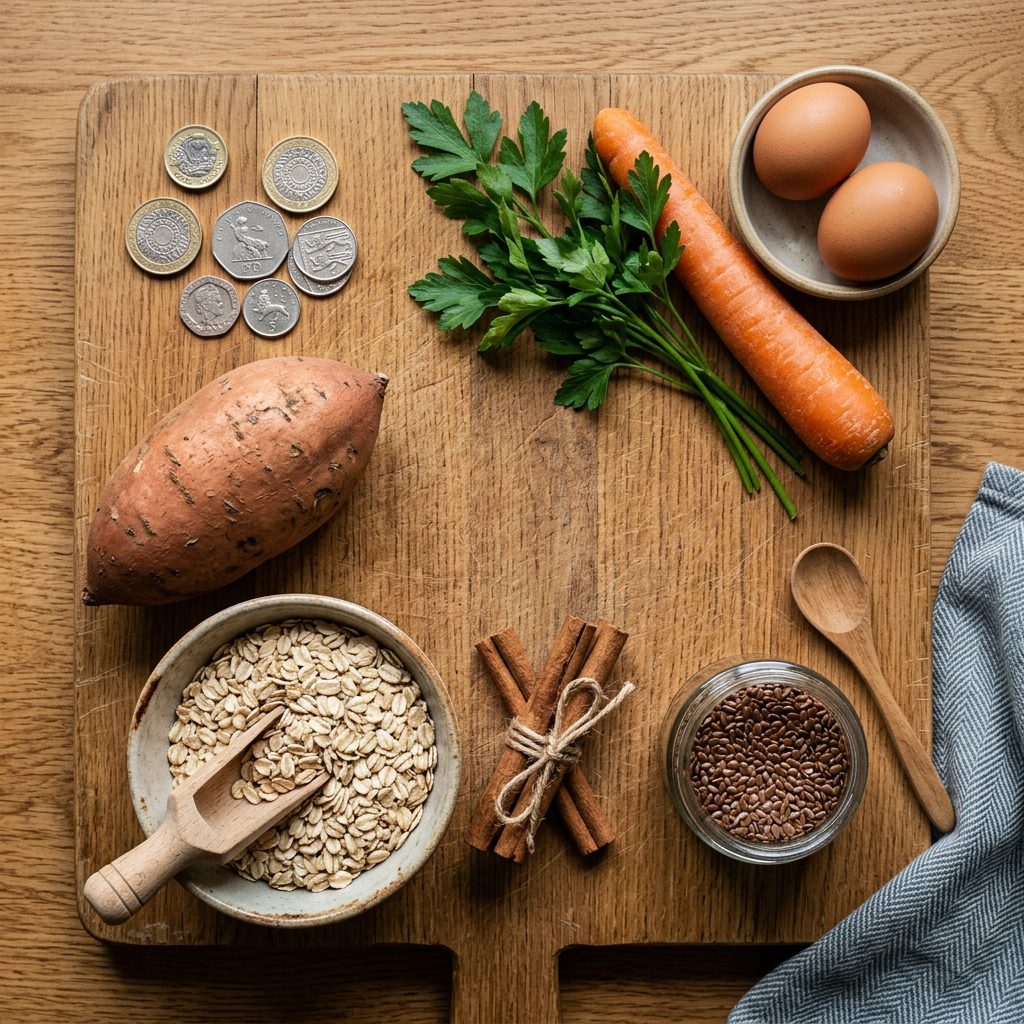
Let’s talk money. Managing a diabetic dog is incredibly expensive. Between the insulin (Vetsulin or Novolin), the syringes, the continuous glucose monitors (like a Freestyle Libre), and the specialized veterinary diets, your wallet is taking a massive hit. The pet food industry knows this, and they prey on your desperation by charging exorbitant prices for ‘prescription’ or ‘specialty diabetic’ treats.
Let’s do the math. A standard 8-ounce bag of premium, low-glycemic commercial dog treats can cost anywhere from $12 to $18. If you are training your dog or giving them a few treats a day after their insulin shots, that bag might last you a week. That is nearly $70 a month just on treats!
Now, let’s look at our homemade, hacker-approved method. By sourcing whole, organic ingredients and batch-cooking in your own kitchen, you can slash these costs dramatically while actually improving the quality of the nutrition.
| Cost Category | Commercial Diabetic Treats (8 oz) | Homemade Sweet Potato Treats (approx. 24 oz yield) |
|---|---|---|
| Primary Ingredient Cost | $15.00 (Pre-packaged) | $1.50 (1 Organic Sweet Potato) |
| Binder / Flour Cost | Included | $0.80 (Organic Oat Flour) |
| Superfood Add-ins | Rarely included | $0.50 (Chia & Ceylon Cinnamon) |
| Total Cost per Batch | $15.00 for 8 oz | $2.80 for 24 oz |
| Approx. Cost Per Day | $2.14/day | $0.15/day |
By switching to this DIY recipe, you are saving roughly $60 a month, which you can redirect toward your dog’s essential medical supplies. You are getting exactly three times the volume of treats for less than a quarter of the price. This is what it means to be a savvy dog owner. You are not just protecting your dog’s health; you are protecting your financial peace of mind.
The Ultimate Low-Glycemic Sweet Potato Treat Recipe
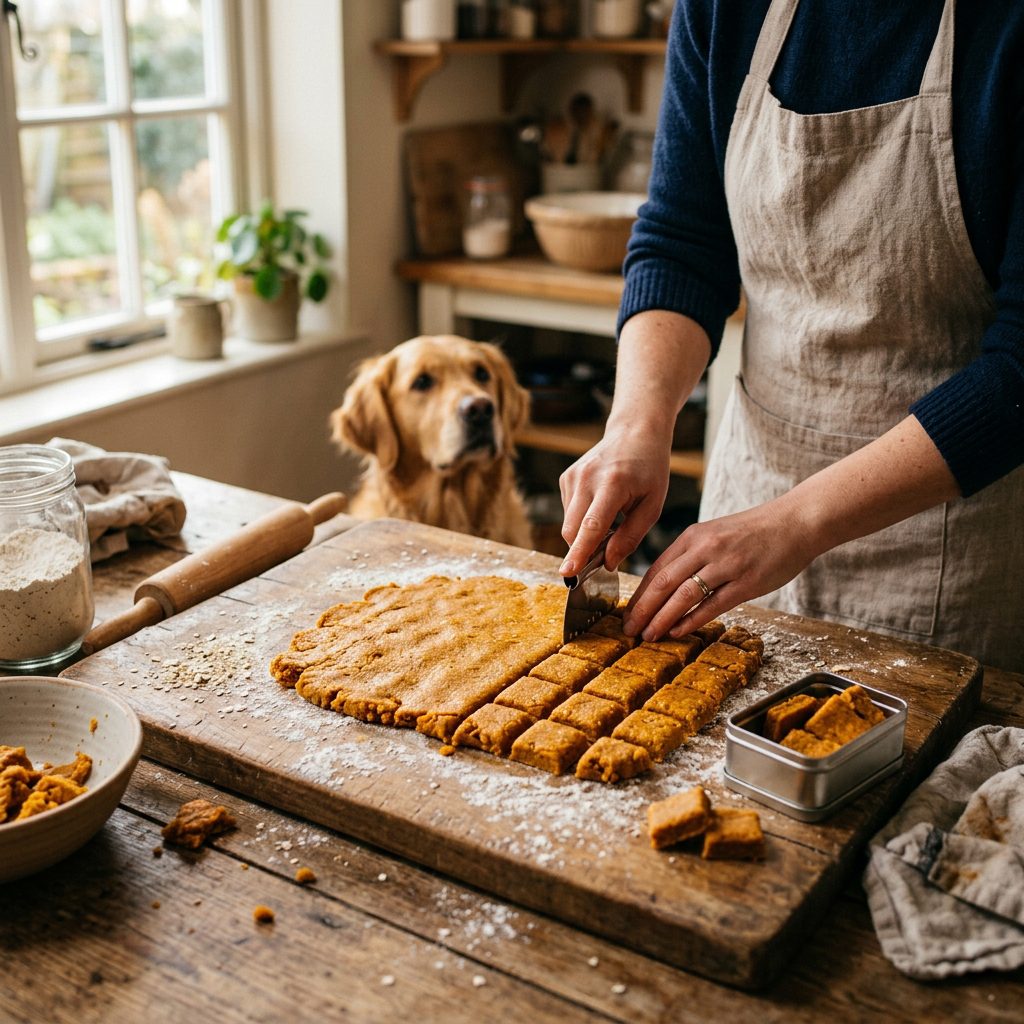
It is time to put our knowledge into action. This recipe is specifically formulated with hero ingredients that support a diabetic dog’s metabolism. We are using boiled sweet potato for low-GI complex carbs, organic oat flour (which is whole grain and high in beta-glucan fiber to slow digestion), chia seeds for omega-3 fatty acids and extra fiber, and a very specific type of cinnamon.
HACKER TIP: Ceylon vs. Cassia Cinnamon. You must use Ceylon Cinnamon (often labeled as ‘True Cinnamon’). Standard grocery store cinnamon is usually Cassia cinnamon, which contains high levels of coumarin—a compound that can cause liver damage in dogs if consumed in large amounts. Ceylon cinnamon is safe, has negligible coumarin, and has been shown in studies to help improve insulin sensitivity and regulate blood glucose levels.
Ingredients:
- 1 medium organic sweet potato (Skin removed, to be boiled)
- 1.5 cups of organic oat flour (You can make this by blending plain, unflavored rolled oats in a food processor until fine)
- 1 tablespoon of chia seeds
- 1/2 teaspoon of organic Ceylon Cinnamon
- 1 organic egg (Acts as a protein-rich binder)
Step-by-Step Instructions:
- The Boiling Hack: Peel the sweet potato and cut it into small, even cubes. Bring a pot of water to a rolling boil. Drop the cubes in and boil for 15-20 minutes until they are fork-tender. Drain the water and let the sweet potatoes cool completely. Do not skip the cooling step—cooling actually increases the resistant starch content!
- The Mash: In a large mixing bowl, mash the cooled, boiled sweet potatoes until completely smooth. You should have about 1/2 cup to 3/4 cup of mash.
- The Mix: Add the organic egg, chia seeds, and Ceylon cinnamon to the sweet potato mash. Stir until thoroughly combined.
- The Bind: Gradually fold in the oat flour, half a cup at a time. Mix until a firm dough forms. If the dough is too sticky, add a sprinkle more of oat flour. If it is too dry, add a tiny splash of water.
- The Roll & Cut: Roll the dough out on a lightly oat-floured surface to about 1/4-inch thickness. Use a small cookie cutter or simply use a knife to cut the dough into small, bite-sized squares. Remember, portion control is critical for diabetic dogs!
- The Low-Temp Bake: Place the treats on a parchment-lined baking sheet. Bake at 300°F (150°C) for 25-30 minutes. We use a lower temperature to gently dehydrate the treats without causing excessive starch breakdown. Allow them to cool completely on a wire rack so they crisp up.
Advanced Hacks: Portion Control, Batch Storage, and Feeding Strategy
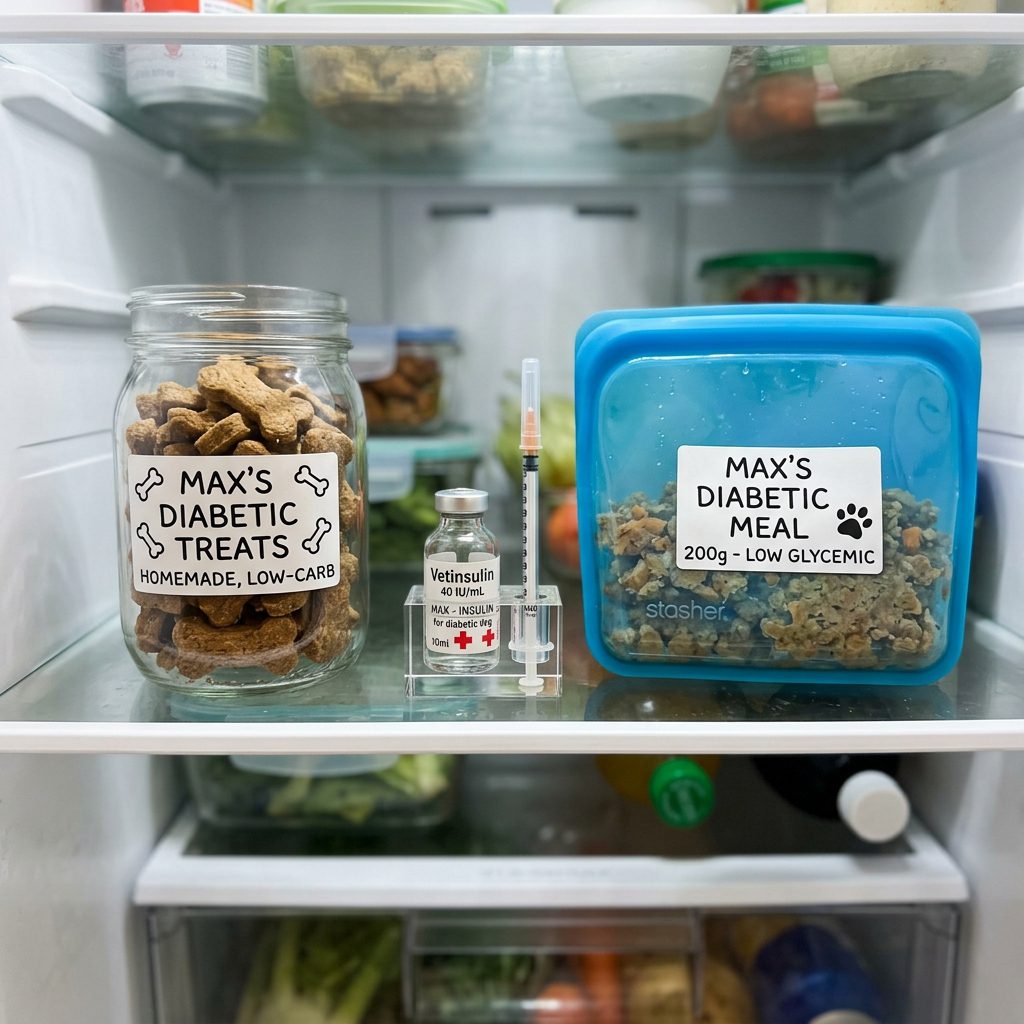
Making the treats is only half the battle; how you feed and store them is what separates the amateurs from the canine nutrition hackers. When dealing with a diabetic dog, consistency is everything. You cannot just hand out treats willy-nilly. Every calorie and every carbohydrate must be accounted for in their daily insulin and feeding schedule.
Strategic Feeding Times
The best time to give your diabetic dog one of these low-glycemic sweet potato treats is immediately after their insulin injection. Many dogs develop an aversion to the needle, and associating the injection with a high-value, safe treat creates a positive psychological reinforcement. Because these treats are packed with fiber and resistant starch, they will provide a slow, steady trickle of energy that pairs perfectly with the onset of the insulin’s action curve.
Batch Cooking and Freezing
Since these treats contain absolutely no artificial preservatives, humectants, or synthetic chemicals, they will not last for months in a plastic jug on your counter like commercial treats do. Store a small portion (enough for 3-4 days) in an airtight glass container in the refrigerator.
Take the rest of the batch and freeze them! Lay the baked, cooled treats flat on a baking sheet and place them in the freezer for two hours. Once they are individually frozen, transfer them to a heavy-duty silicone freezer bag. This prevents them from clumping together. When you need more, simply take a few out and let them thaw in the fridge overnight. They will stay fresh in the freezer for up to three months.
INSIDER SECRETS FOR VET VISITS: Bring these exact treats with you to the veterinary clinic when your dog is going in for a glucose curve. Veterinary clinics often use standard commercial treats to bribe dogs during blood draws, which can artificially spike the glucose curve and lead to an incorrect insulin dosage prescription! Hand the vet tech your bag of homemade low-glycemic treats and insist they only use yours.
By controlling the ingredients, mastering the boiling preparation technique, and strictly managing portion sizes, you are actively participating in your dog’s medical management. You are mitigating the risks of hyperglycemia, saving your hard-earned money, and giving your best friend the delicious, comforting treats they absolutely deserve.
Conclusion
Managing canine diabetes is undeniably one of the most challenging journeys a pet owner can face. It requires vigilance, strict routines, and a willingness to question the status quo of the commercial pet food industry. But by stepping into the role of a canine nutrition hacker, you take the power back. You no longer have to rely on overpriced, deceptively marketed bags of treats filled with hidden sugars and high-glycemic fillers.
These low-glycemic sweet potato treats are more than just a snack; they are a testament to the love and dedication you have for your diabetic pup. By utilizing the science of resistant starches through boiling, leveraging the blood-sugar-stabilizing power of Ceylon cinnamon, and relying on the fiber-rich profile of chia seeds and oat flour, you have created a nutritional powerhouse. Remember to always consult with your veterinarian when adjusting your dog’s diet, keep a close eye on those blood glucose curves, and never stop advocating for your dog’s health. You’ve got this, pack leader. Now get into the kitchen and start hacking!