The Ultimate Fiber Boost: These Vibrant Frozen Beet Pulp Paws Will Fix Your Dog’s Digestion Overnight
The Secret Your Kibble Manufacturer Doesn’t Want You to Fully Understand
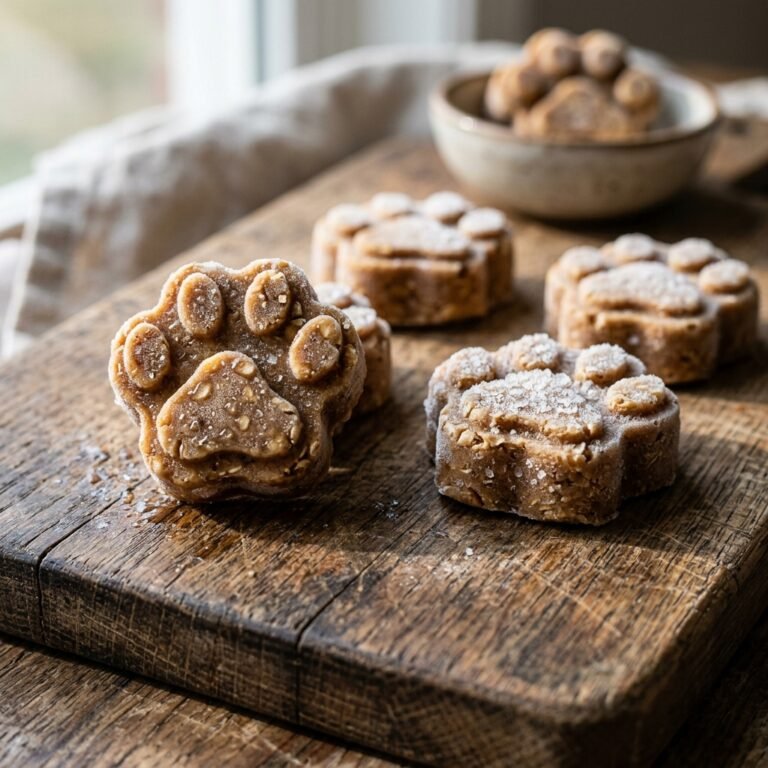
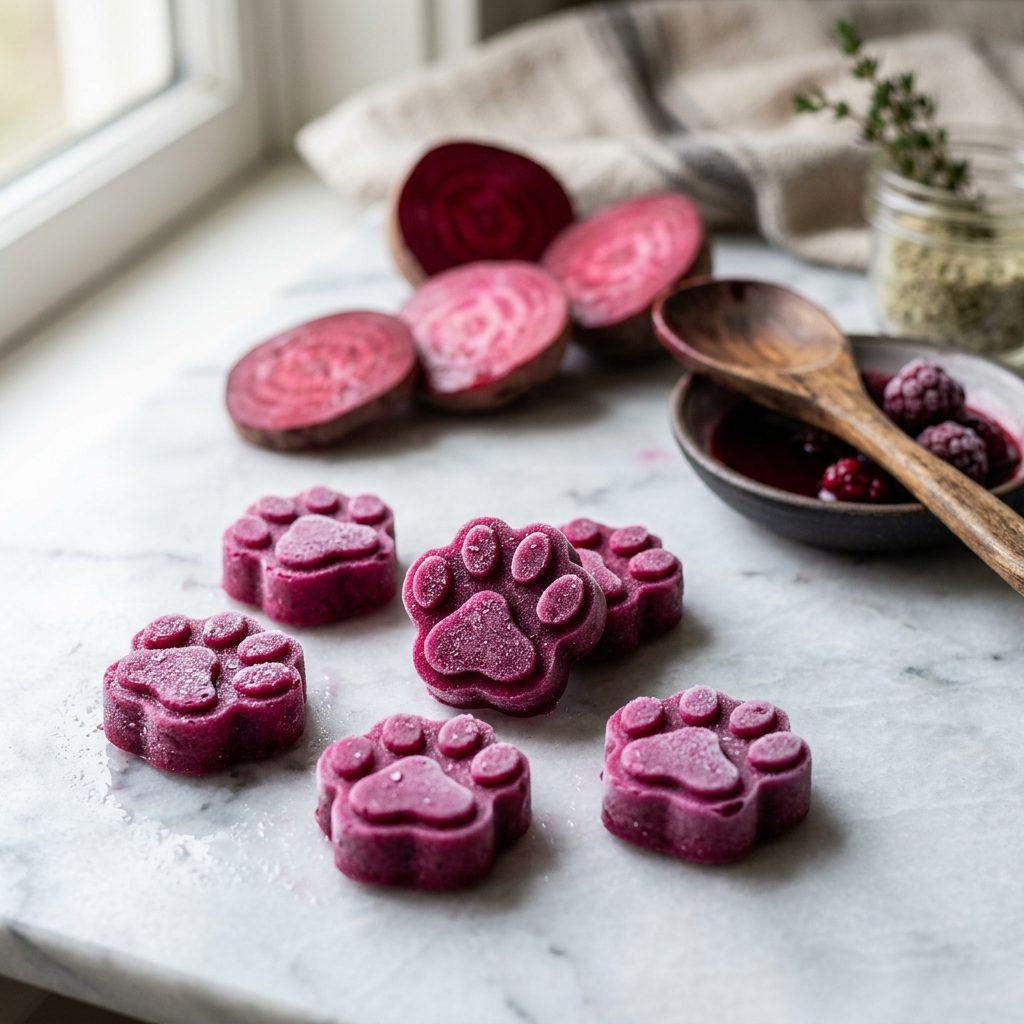
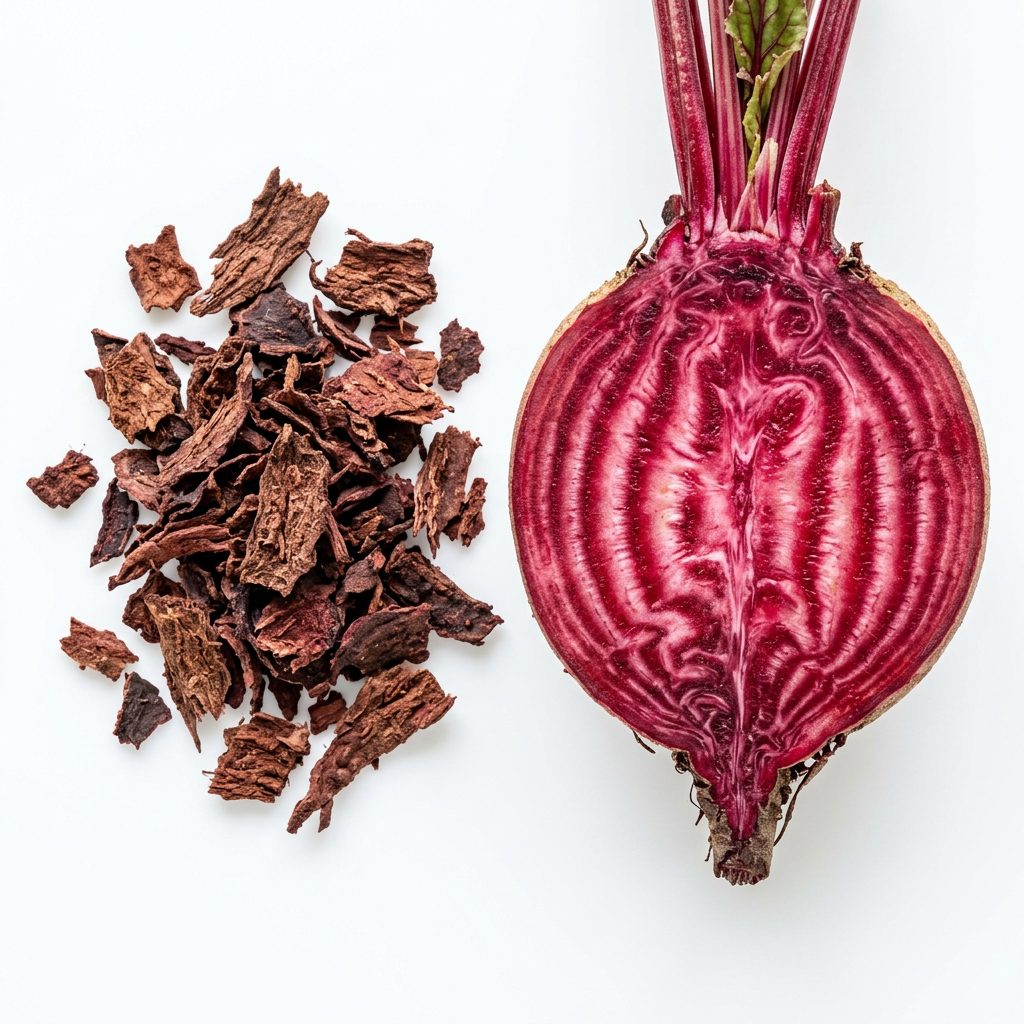
Let’s get one thing straight: I’m not here to sell you a $50 bottle of ‘probiotic sprinkles.’ I’m here to talk about the forensic reality of what makes your dog’s gut tick. If you’ve ever scrolled through a high-end dog food ingredient list, you’ve likely seen beet pulp lurking near the bottom. For years, the ‘internet experts’ labeled it a cheap filler. They were wrong. As a canine nutrition hacker, I’ve spent years digging into the molecular structure of fiber, and I’m here to tell you that beet pulp is the unsung hero of the digestive world. It’s not just waste from the sugar industry; it’s a sophisticated prebiotic that provides the perfect ‘goldilocks’ level of fermentation. Today, we’re taking that industrial secret and turning it into Frozen Beet Pulp Paws—a vibrant, DIY solution that will stabilize your dog’s stool, support their anal glands, and save you a fortune on vet-prescribed fiber diets.
The Forensic Analysis: Why Beet Pulp is Fiber Gold
The ‘Filler’ Myth Debunked
In the world of dog food marketing, ‘grain-free’ and ‘filler-free’ are the buzzwords that drive up prices. But when we look at the science, your dog needs fiber that does more than just bulk up the waste. There are two types of fiber: Soluble (which dissolves in water and slows digestion) and Insoluble (which adds bulk and speeds things up). Most cheap fibers like corn or soy hulls are purely insoluble—they just pass through like a freight train. Beet pulp is unique because it is moderately fermentable. This means it provides enough bulk to firm up stools while also feeding the ‘good’ bacteria in the colon.
The Prebiotic Powerhouse
When beet pulp ferments in your dog’s gut, it produces short-chain fatty acids (SCFAs). These SCFAs are the primary energy source for the cells lining the colon. By feeding these cells, you aren’t just ‘fixing poop’; you are literally strengthening the intestinal barrier. This is the ultimate ‘hacker’ move for dogs with leaky gut or chronic sensitivity.
Insider Secret: Beet pulp has a better fermentation profile than rice bran or cellulose, making it the most efficient way to maintain a healthy microbiome without causing excessive gas.
The Problem Solver: Who Needs the Fiber Boost?
Is Your Dog a Candidate for the Beet Pulp Hack?
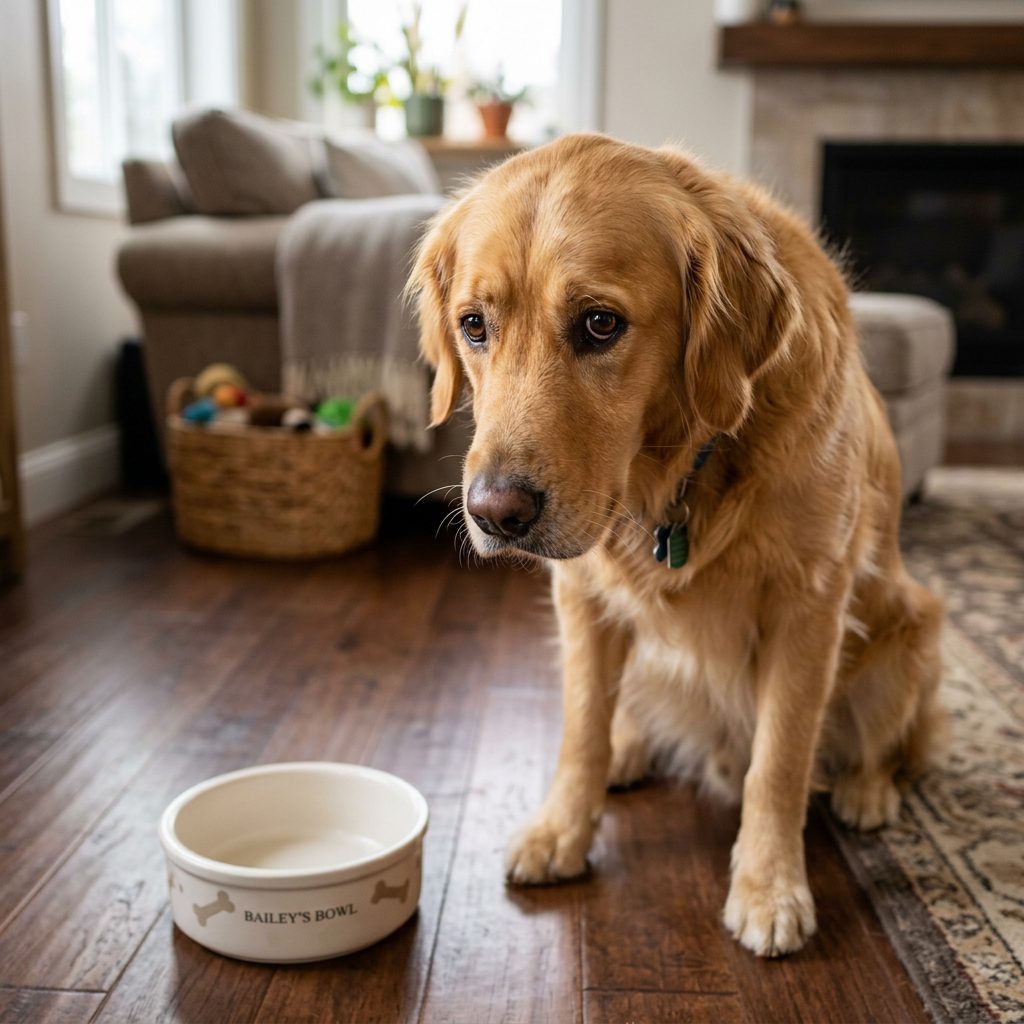
Not every dog needs a fiber boost, but for those who do, it’s a game-changer. If you are dealing with any of the following ‘enemy’ issues, these frozen paws are your tactical solution:
- The ‘Soft Serve’ Stool: If your dog’s deposits are impossible to pick up, they lack the structural integrity provided by moderate fermentation.
- Anal Gland Issues: Dogs need firm stools to naturally express their anal glands. If you’re paying a vet $30 every month for ‘expression,’ you’re treating the symptom, not the cause.
- The Constant Scavenger: Fiber increases satiety. If your dog acts like they are starving ten minutes after a meal, beet pulp can help them feel full longer.
- Senior Slowdown: Older dogs often struggle with motility. A gentle fiber nudge keeps things moving without the harshness of chemical laxatives.
The Enemy Ingredients to Avoid
While we are adding the good stuff, make sure your current kibble isn’t sabotaging you with excessive soy hulls or peanut shells (often listed as ‘cellulose’). These are the true fillers that offer zero nutritional value and can actually inhibit nutrient absorption.
The Safe Chef Guide: DIY Frozen Beet Pulp Paws
The Safety Disclaimer
Disclaimer: I am a nutrition hacker, not your veterinarian. While beet pulp is generally safe, always introduce new ingredients slowly. If your dog has a specific medical condition like kidney disease or diabetes, consult your vet before altering their fiber intake.
The Actionable Recipe
To make these paws, we are combining beet pulp with ‘hero’ ingredients that enhance palatability and gut health. We use plain pumpkin for moisture and bone broth for collagen.
| Ingredient | Amount | Purpose |
|---|---|---|
| Unspiced Beet Pulp (Dried) | 1 Cup | The Fiber Engine |
| Pure Pumpkin Puree | 1/2 Cup | Soluble Fiber & Vitamin A |
| Low-Sodium Bone Broth | 1/4 Cup | Flavor & Gut Lining Support |
| Warm Water | 2 Cups | Rehydration |
Step-by-Step Instructions
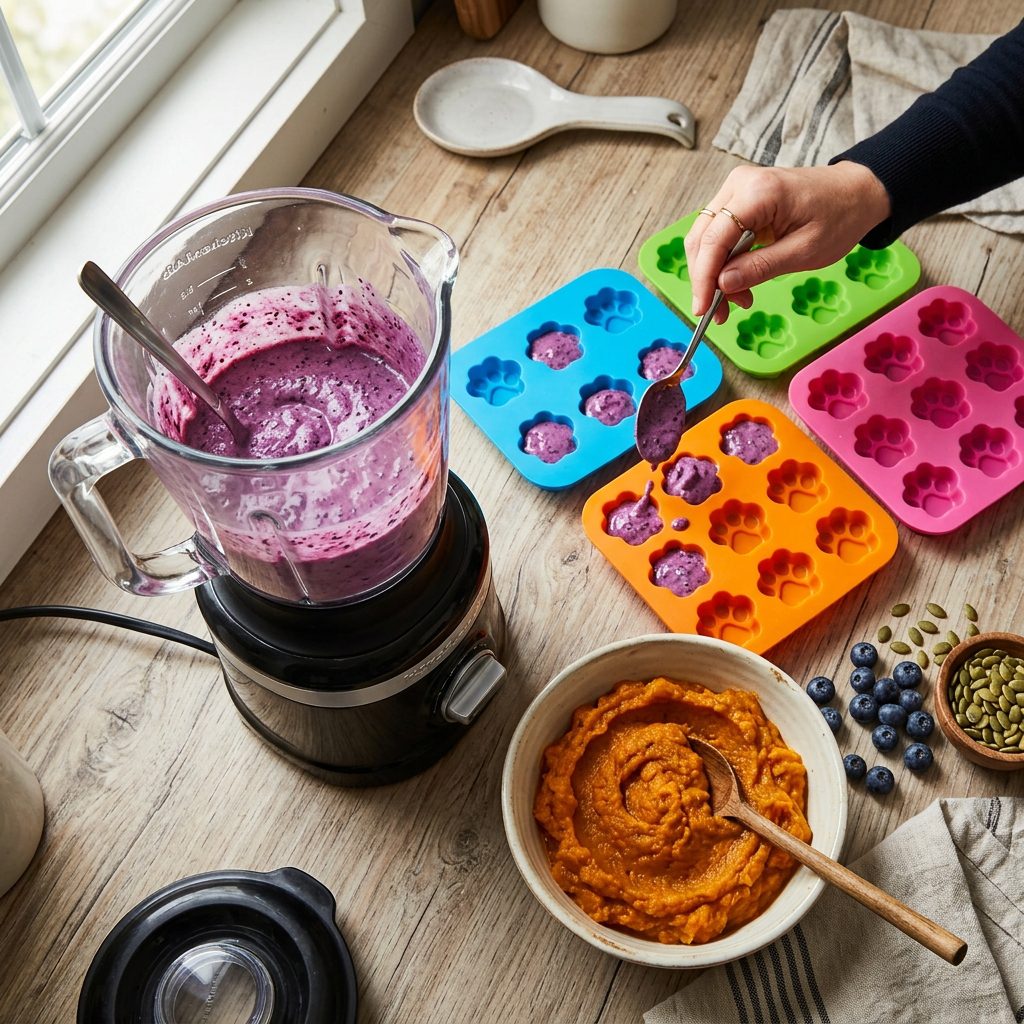
- Rehydrate: Place the dried beet pulp in a large bowl and cover with the 2 cups of warm water. Let it sit for at least 30 minutes. It will expand significantly—this is crucial to prevent it from absorbing moisture from your dog’s stomach later.
- Blend: Add the rehydrated pulp, pumpkin, and bone broth into a blender or food processor. Pulse until it forms a thick, vibrant purple paste.
- Mold: Spoon the mixture into silicone paw-print molds. Press down firmly to remove air bubbles.
- Freeze: Place in the freezer for 4-6 hours or until solid.
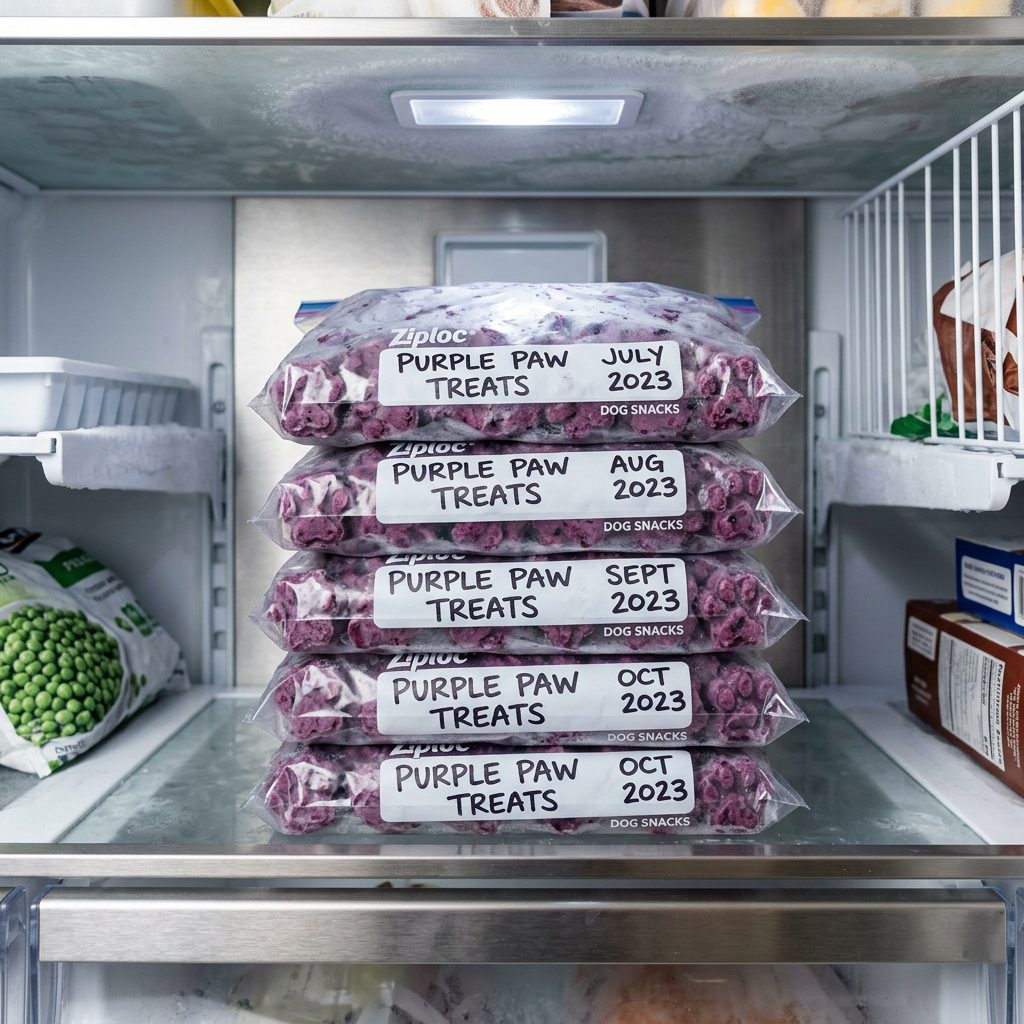
- Store: Transfer the frozen paws to a silicone freezer bag for long-term use.
The Real Cost Breakdown: DIY vs. Store-Bought
Why Pay for Branding?
I’ve done the math, and the results are staggering. High-end ‘digestive support’ treats or prescription fiber supplements are one of the biggest markups in the pet industry. Let’s look at the forensic cost comparison for a 50lb dog needing a daily fiber boost.
| Source | Monthly Cost (Approx.) | Main Ingredient | Verdict |
|---|---|---|---|
| Prescription Fiber Kibble | $95 – $120 | Corn/Cellulose | Overpriced & Low Quality |
| Premium Fiber Supplements | $45 – $60 | Psyllium Husk | Effective but Expensive |
| DIY Beet Pulp Paws | $8 – $12 | Beet Pulp & Pumpkin | The Hacker’s Choice |
By sourcing dried beet pulp (often found at high-end feed stores or specialty online retailers) in bulk, you are getting the exact same functional ingredient used by top-tier brands for a fraction of the price. You aren’t just saving money; you’re controlling the quality. No preservatives, no artificial dyes—just pure, vibrant nutrition.
Serving Sizes & The ‘Slow-Roll’ Strategy
Don’t Overload the System
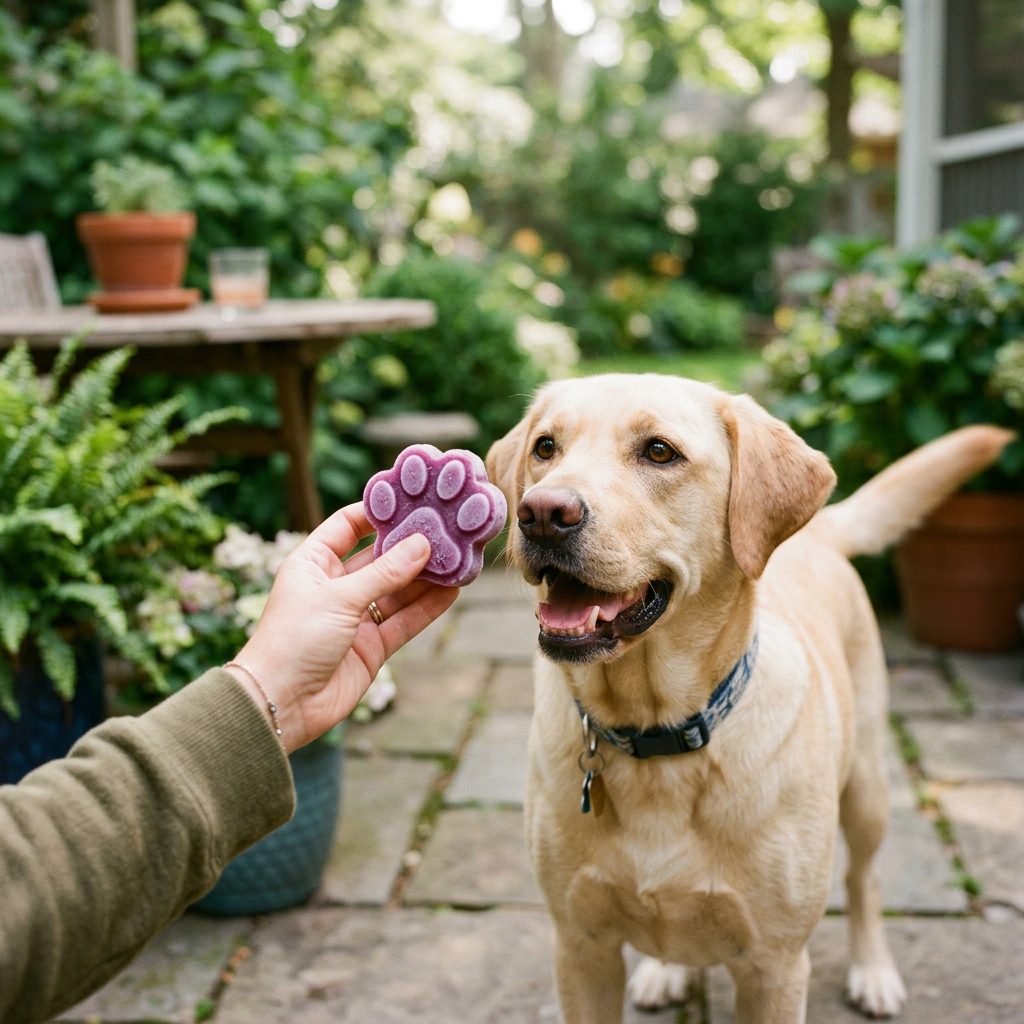
Fiber is powerful. If you go from zero to sixty, you’re going to end up with a gassy dog and a messy living room. The ‘Canine Nutrition Hacker’ rule is to start at 25% of the target dose. Watch the stools. If they are firming up, you’re on the right track. If they get too hard or your dog seems strained, back off.
Recommended Daily Dosage
- Small Dogs (under 20 lbs): 1/2 small frozen paw per day.
- Medium Dogs (20-50 lbs): 1 medium frozen paw per day.
- Large Dogs (50+ lbs): 2 medium frozen paws per day.
Hacker Tip: Serve these treats right before a meal. The fiber will mix with the kibble in the stomach, slowing down the glycemic response and ensuring a steady release of energy throughout the day.
Batch Cooking & Storage Hacks
Efficiency is Everything
I know you’re busy. You don’t want to be making ‘beet paste’ every Tuesday. The beauty of this recipe is that it is perfectly suited for bulk production. A single 5lb bag of dried beet pulp can last you nearly six months if stored correctly.
The Storage Protocol
- Dry Storage: Keep your unhydrated beet pulp in an airtight, pest-proof container in a cool, dry place. Moisture is the enemy here.
- Freezer Life: These frozen paws stay fresh and potent for up to 3 months in the freezer. Use a vacuum sealer if you plan on making a massive batch to prevent freezer burn.
- The ‘To-Go’ Hack: If you’re traveling, you can dehydrate these paws instead of freezing them! Use a food dehydrator at 125°F for 10 hours to create a shelf-stable ‘fiber biscuit’ that won’t melt in your bag.
Conclusion
The Bottom Line on Gut Health
You don’t need a PhD in nutrition to see the results of a high-quality fiber boost. When you look at your dog’s stool, you are looking at a report card of their internal health. These Frozen Beet Pulp Paws are more than just a treat; they are a functional tool in your arsenal as a savvy dog owner. We’ve exposed the ‘filler’ myth, analyzed the cost, and mastered the recipe. Now, it’s time to take action. Stop overpaying for marketing and start feeding the biology. Your dog’s gut—and your wallet—will thank you. Stay savvy, keep hacking, and let’s get those tails wagging with the power of real nutrition.