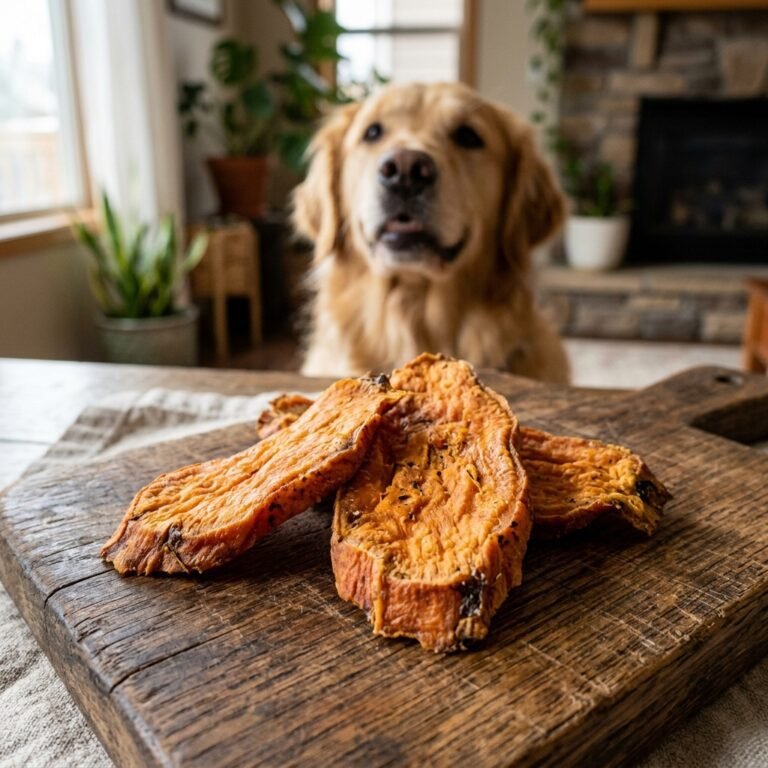
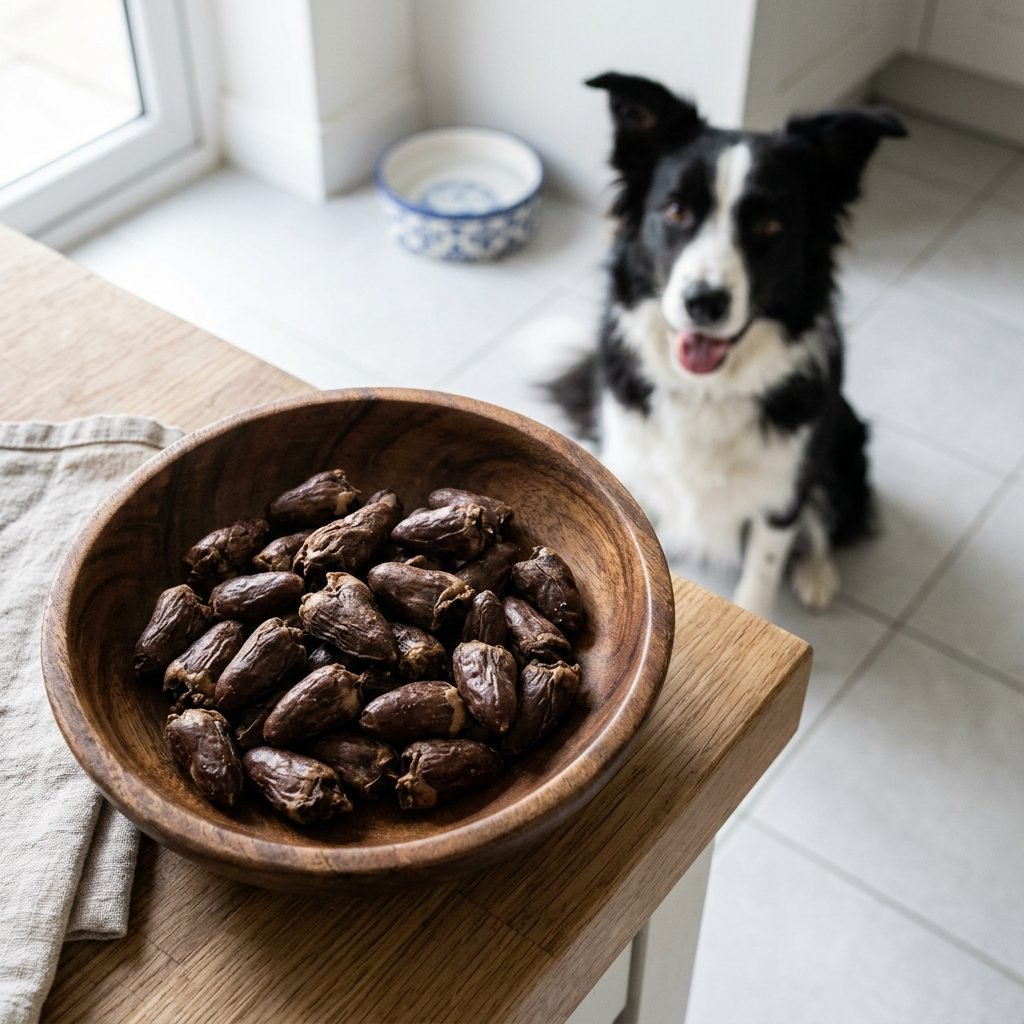
The Ultimate High-Value Reward: Dehydrated Chicken Heart Training Treats Dogs Can’t Resist!
The High-Value Secret Every Pro Trainer Knows
Let’s get real for a second. If you’re trying to teach your dog a ‘reliable recall’ in a crowded park using a piece of dry, over-processed biscuit that’s 60% corn and 40% ‘poultry by-product,’ you’re fighting a losing battle. To a dog, that biscuit is a nickel. To get them to ignore a squirrel, you need a hundred-dollar bill. In the world of canine nutrition and behavior, that hundred-dollar bill is the chicken heart.
As the Canine Nutrition Hacker, I’ve spent years dissecting ingredient labels and laughing (or crying) at the markups in pet boutiques. I’ve seen ‘organic, artisanal’ dehydrated hearts selling for $15 for a tiny 2-ounce bag. That is a 400% markup on a ‘waste’ product you can find at your local butcher for pennies. Today, we are breaking the cycle. I’m showing you how to source, prep, and dehydrate the ultimate high-value reward that will have your dog doing backflips for a single bite. This isn’t just a treat; it’s a biological cheat code for better behavior.
The Forensic Nutritional Breakdown: Why Hearts?
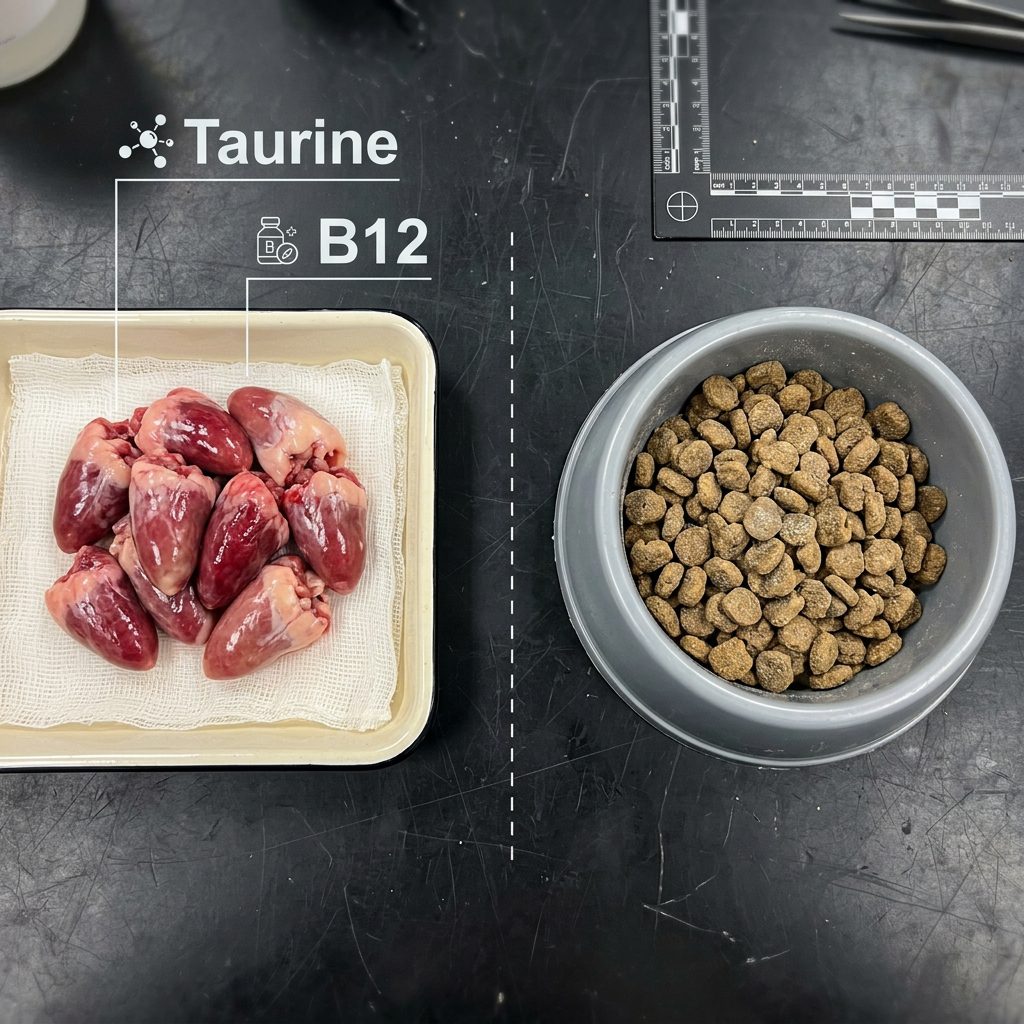
Before we fire up the dehydrator, let’s look at the science. Why does every dog on the planet lose their mind over chicken hearts? It’s not just the smell; it’s the nutrient density. Unlike ‘muscle meat’ (like chicken breast), the heart is a heavy-duty organ that packs a massive punch of essential amino acids and minerals.
The ‘Hero’ Nutrients
- Taurine: This is the big one. Taurine is critical for cardiac health in dogs. While many kibbles are now under fire for being taurine-deficient, chicken hearts are a natural, bioavailable source.
- Vitamin B12: Essential for a healthy nervous system and brain function. A focused dog is a trainable dog.
- Iron and Zinc: These minerals support the immune system and energy levels, ensuring your dog has the stamina for long training sessions.
- CoQ10: A powerful antioxidant that supports heart health and cellular energy.
When you feed a dehydrated heart, you aren’t just giving a reward; you are giving a superfood supplement. Most commercial treats use ‘natural smoke flavor’ or added sugars to entice dogs. Chicken hearts don’t need tricks. The concentrated aroma of dried organ meat is biologically irresistible to a facultative carnivore.
The Safe Chef Guide: Sourcing and Prep
SAFETY DISCLAIMER: I am a nutrition hacker and a dedicated dog owner, not a veterinarian. While chicken hearts are a fantastic addition to most canine diets, always consult with your vet before introducing new proteins, especially if your dog has a history of pancreatitis or specific organ issues. These treats are intended for supplemental feeding only and should not exceed 10% of your dog’s daily caloric intake.
The first rule of the Nutrition Hacker: Never buy treats at the pet store if you can find the raw ingredient at the grocery store.
Where to Source
You won’t always find chicken hearts sitting next to the chicken breasts at a high-end supermarket. You need to look in the ‘offal’ or ‘variety meats’ section. Pro Tip: Check your local Halal butchers, Mexican carnicerias, or Asian supermarkets. They often stock fresh chicken hearts for as low as $1.99 to $3.50 per pound. Compare that to the $60/lb you pay for the pre-packaged dehydrated versions!
The Prep Phase
- Rinse: Wash the hearts in cold water to remove any excess blood.
- Trim (Optional): You’ll notice a small ‘cap’ of white fat at the top of the heart. If your dog is prone to weight gain or has a sensitive stomach, trim this off. For most active dogs, a little fat is fine.
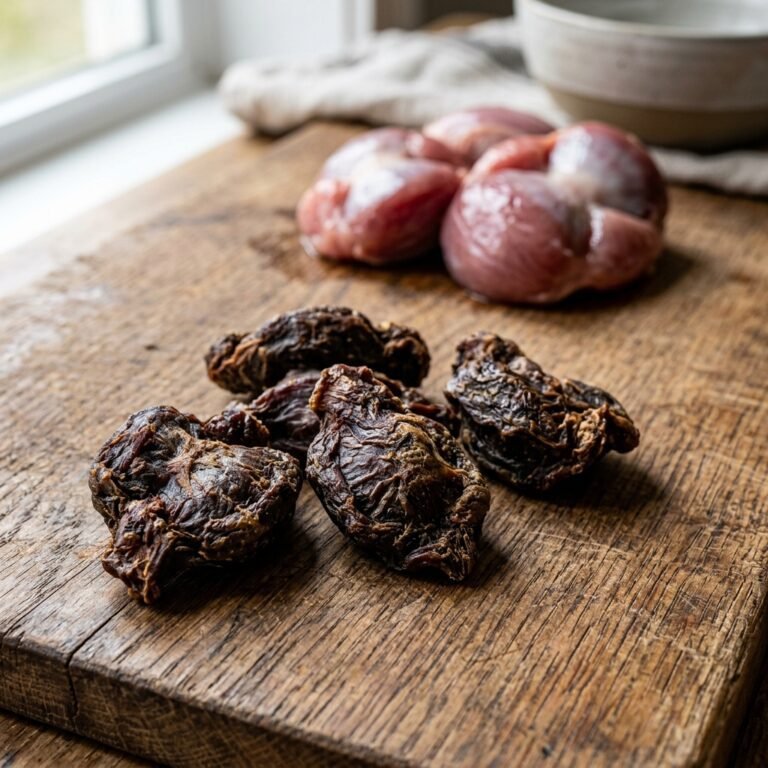
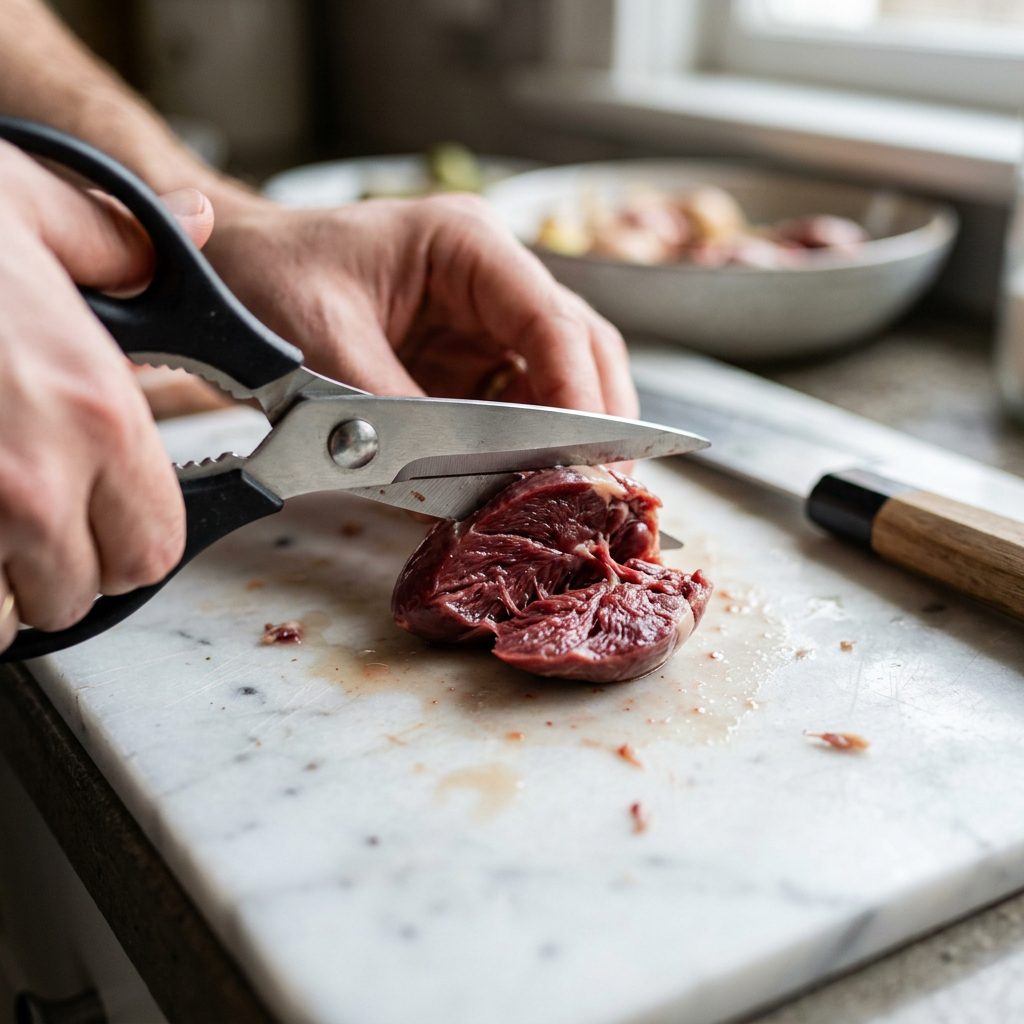
- Slice for Speed: You can dehydrate them whole, but slicing them in half lengthwise (butterfly style) increases surface area, leading to a faster, more even dry. It also makes them the perfect ‘bite-size’ for small to medium dogs.
The Cost Breakdown: DIY vs. Store-Bought
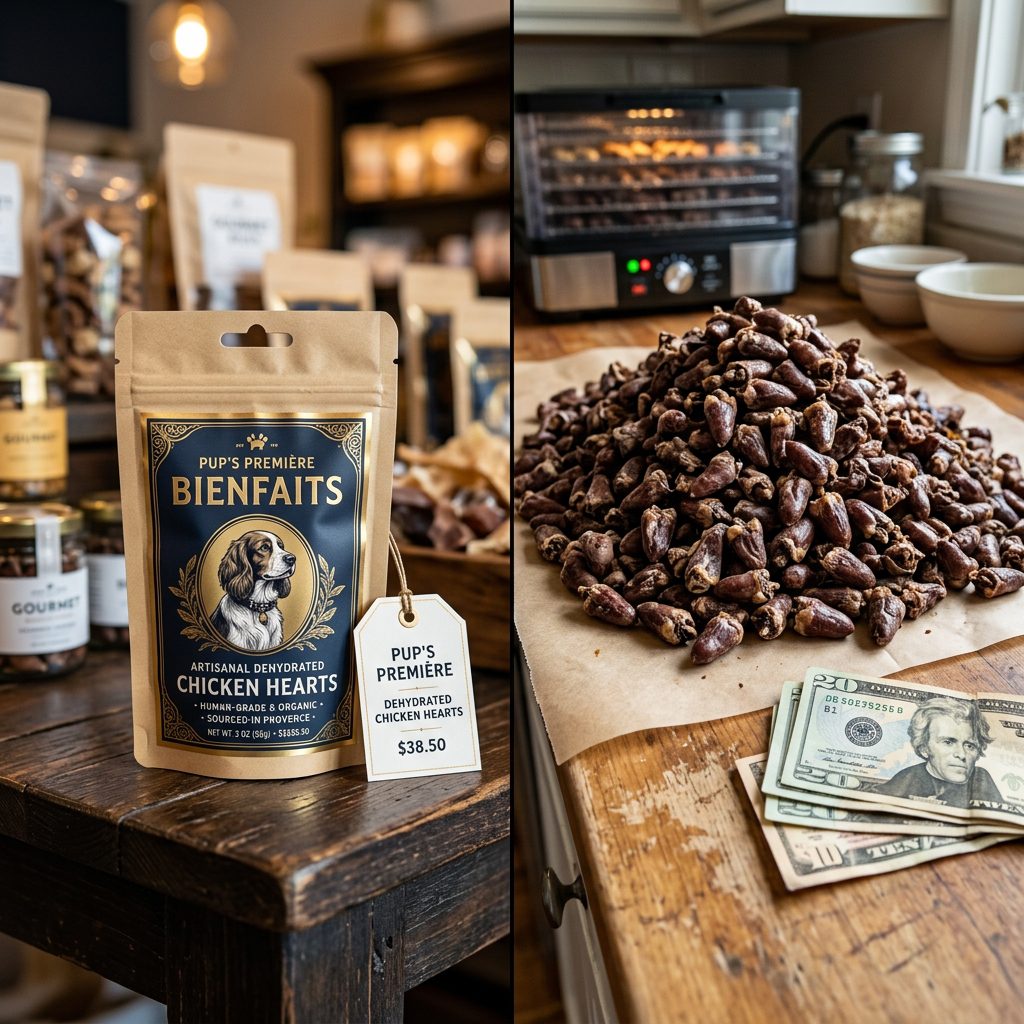
Let’s talk numbers. I’m a fan of saving money without sacrificing quality. When you buy ‘Premium Dehydrated Hearts’ from a boutique brand, you are paying for the fancy packaging and the marketing team’s salaries. Let’s look at the real math.
| Feature | Store-Bought ‘Boutique’ Treats | The Hacker’s DIY Hearts |
|---|---|---|
| Price Per Pound (Dried) | $45.00 – $75.00 | $8.00 – $12.00 |
| Ingredients | Hearts, Preservatives, Salt? | 100% Chicken Heart |
| Processing | High-heat industrial drying | Low & Slow (Nutrient Dense) |
| Sourcing | Unknown / Mass Supply | Your Local Trusted Butcher |
| Verdict | A massive rip-off | The Gold Standard |
By making these at home, you are saving roughly $40 per pound of treats. If you train your dog three times a week, that’s hundreds of dollars back in your pocket every year. That’s money you can spend on a better harness, a professional trainer, or, let’s be honest, more dogs.
The Dehydration Protocol: Step-by-Step
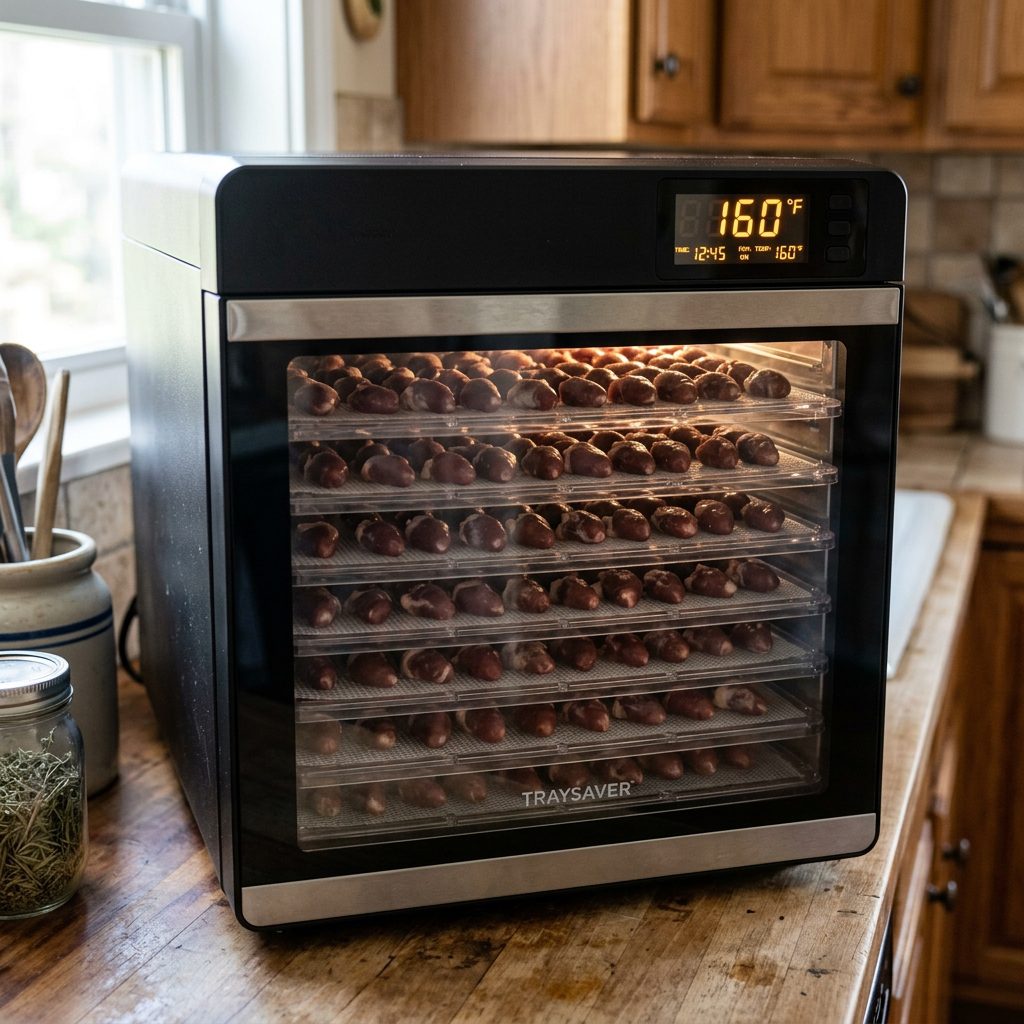
To ensure these are shelf-stable and safe, we need to follow a specific ‘low and slow’ protocol. We aren’t cooking these; we are removing the moisture to prevent bacterial growth while preserving the delicate enzymes and vitamins.
Instructions
- Arrange: Place your sliced hearts on the dehydrator trays. Ensure they are not touching. Airflow is your best friend here.
- Temperature: Set your dehydrator to 160°F (71°C). This is the USDA recommended temperature to ensure any potential pathogens (like Salmonella) are neutralized while still maintaining the integrity of the organ meat.
- Time: Dehydrate for 6 to 10 hours. The exact time depends on your local humidity and how thick you sliced them.
- The Snap Test: You’ll know they are done when they feel like hard leather. If you try to bend one, it should eventually ‘snap’ or crack rather than just bending like rubber. Any remaining moisture is an invitation for mold.
Hacker Tip: If you don’t have a dehydrator, you can use your oven at its lowest setting (usually 170°F) with the door slightly propped open with a wooden spoon. Place the hearts on a wire cooling rack over a baking sheet to allow 360-degree airflow.
Batch Cooking and The ‘Hacker’ Storage Method
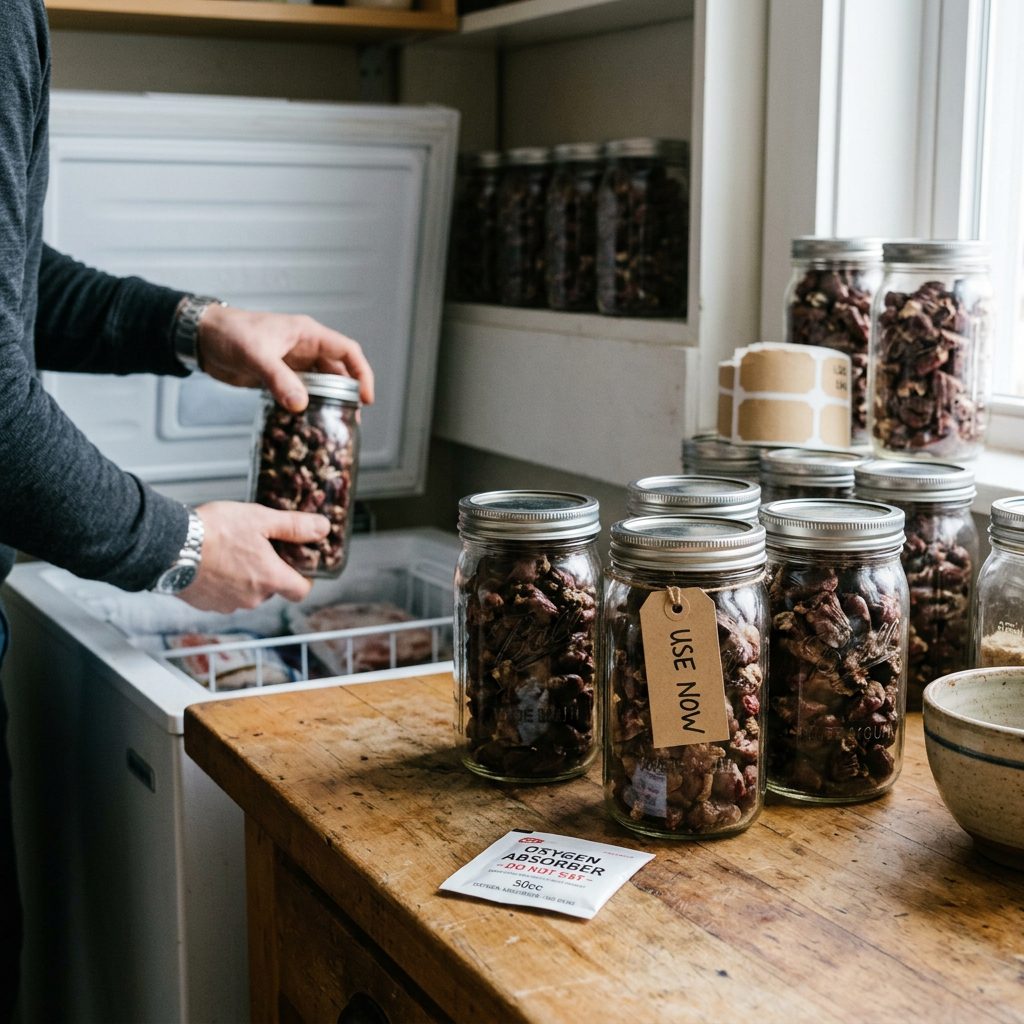
Since we’re doing the work, we might as well make a big batch. But how do you keep them fresh without the chemical preservatives found in commercial bags? It’s all about the environment.
Storage Tiers
- The ‘Current’ Jar: Keep a small amount in an airtight glass jar for daily training. These will last about 1 week at room temperature, provided they were dehydrated correctly.
- The Fridge: For treats you’ll use within 2-3 weeks, the refrigerator is your best bet. The cold environment further inhibits any spoilage.
- The Freezer (The Hacker Way): Dehydrated treats freeze beautifully. They don’t stick together because the moisture is gone. You can keep a 6-month supply in the freezer and just pull out a handful as needed. They thaw in minutes!
Pro Tip: Oxygen Absorbers
If you want to get really serious, buy a pack of food-grade oxygen absorbers (available online for cheap). Toss one into your storage container. By removing the oxygen, you prevent the fats in the heart from going rancid, keeping that ‘fresh meat’ smell that dogs love for much longer.
Training with ‘The Jackpot’

Now that you have the ultimate reward, don’t waste it on ‘Sit’ in your living room. Use these for the hard stuff. In dog training, we call this a Jackpot Reward.
When to Deploy the Hearts
- Recall: When your dog comes back to you from a distance, give them 3 or 4 pieces of heart in rapid succession. Make them feel like they just won the lottery.
- Counter-Conditioning: If your dog is nervous around other dogs or bicycles, use the intense aroma of the chicken heart to keep their focus on you and create a positive association with the ‘scary’ thing.
- The ‘Nothing for Free’ Rule: Because these are so high in value, use them to phase out lower-quality treats. Your dog will start working harder because they know the ‘good stuff’ is a possibility.
Warning: These are rich! If you have a small dog (like a Yorkie or a Frenchie), one whole heart is a lot of food. Break them into pea-sized pieces. The dog doesn’t care about the size of the treat; they care about the scent and the frequency of the reward.
Conclusion
Stop Settling for Second-Rate Treats
You are now officially a member of the elite circle of dog owners who know the truth: The best nutrition isn’t found in a colorful bag with a cartoon dog on it. It’s found in the simple, raw ingredients that nature provided. By making your own dehydrated chicken hearts, you are taking control of your dog’s health, boosting their training success, and keeping your hard-earned money where it belongs—in your pocket.
Go to the butcher, fire up that dehydrator, and watch your dog’s eyes light up. You’ve just hacked the system. Happy training!